
You may think change has to be dramatic to matter, but for animals, even the smallest disruption can ripple through their entire sense of safety. Pets don’t rely on explanations or reassurance the way humans do. They build their understanding of the world through patterns, timing, scent, and repetition. When those patterns shift—even subtly—their brains register it immediately, often before you notice anything has changed at all.
1. If The Morning Schedule Changes
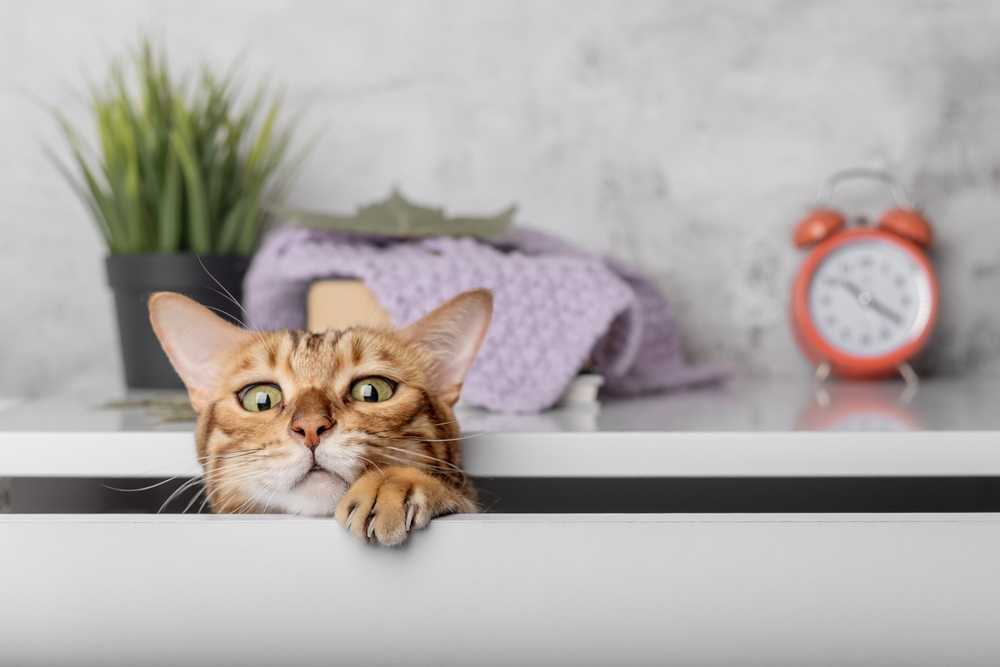
Pets don’t just know that mornings happen—they know exactly when they happen. Feeding times, walks, door openings, and even the sound of your alarm form a precise sequence their brains anticipate daily. When that sequence changes, it creates a gap between expectation and reality that animals experience as uncertainty. That uncertainty often shows up as pacing, staring, or heightened alertness.
Ethologists studying companion animals have found that dogs and cats can anticipate routine events within minutes of their usual timing. This is because their internal clocks sync to repeated environmental cues rather than abstract time. When those cues don’t arrive, animals don’t assume flexibility—they assume something is wrong. For them, routine equals predictability, and predictability equals safety.
2. When You Get Stressed
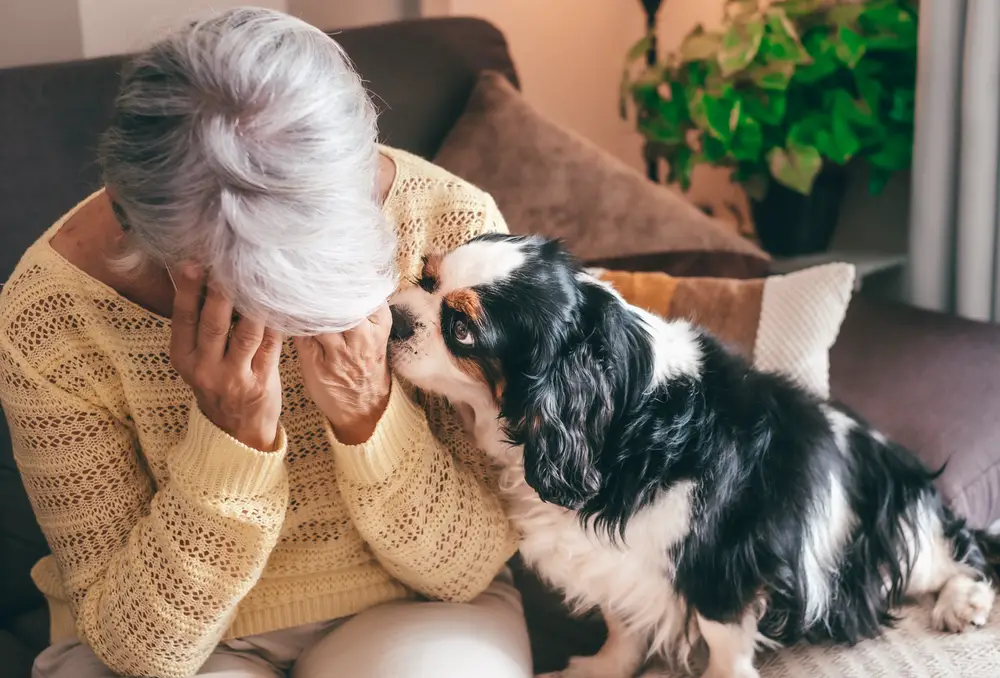
Pets don’t need you to say you’re stressed—they can smell it, hear it, and see it. Stress changes your posture, facial tension, breathing patterns, and even the chemical composition of your sweat. To an animal, those changes resemble warning signals. Long before you speak, your body has already communicated that something is off.
Research in veterinary behavioral science shows that animals can detect changes in human cortisol levels through scent alone. Elevated stress hormones signal potential danger in the environment, triggering vigilance and protective behaviors in pets. This is why animals may suddenly cling, withdraw, or act restless when you’re under pressure. They’re responding to biology, not mood.
3. If The Furniture Is Moved
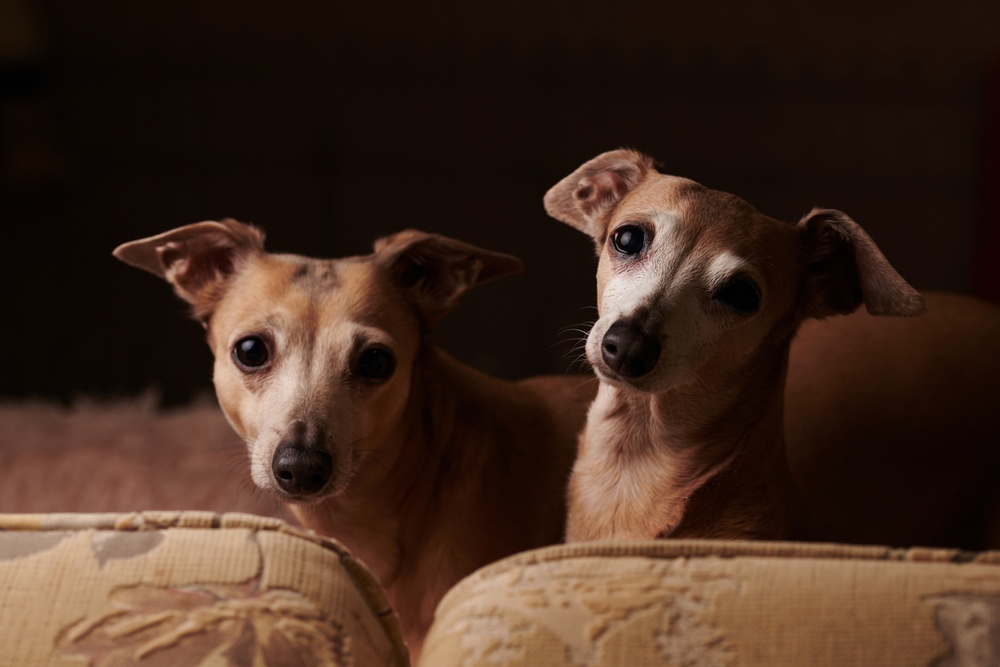
Pets navigate their world using mental maps built from consistent landmarks. Furniture placement creates pathways, blind spots, and safe zones that animals memorize over time. When those landmarks shift, the map becomes unreliable. What was once a clear route now feels unpredictable.
Studies in animal cognition show that spatial memory is a core survival skill across species. When an environment changes unexpectedly, animals enter a heightened state of awareness to reassess risk. This is why pets may hesitate, sniff excessively, or avoid areas after furniture is moved. It’s not confusion—it’s recalibration.
4. When You Sleep At A Different Time
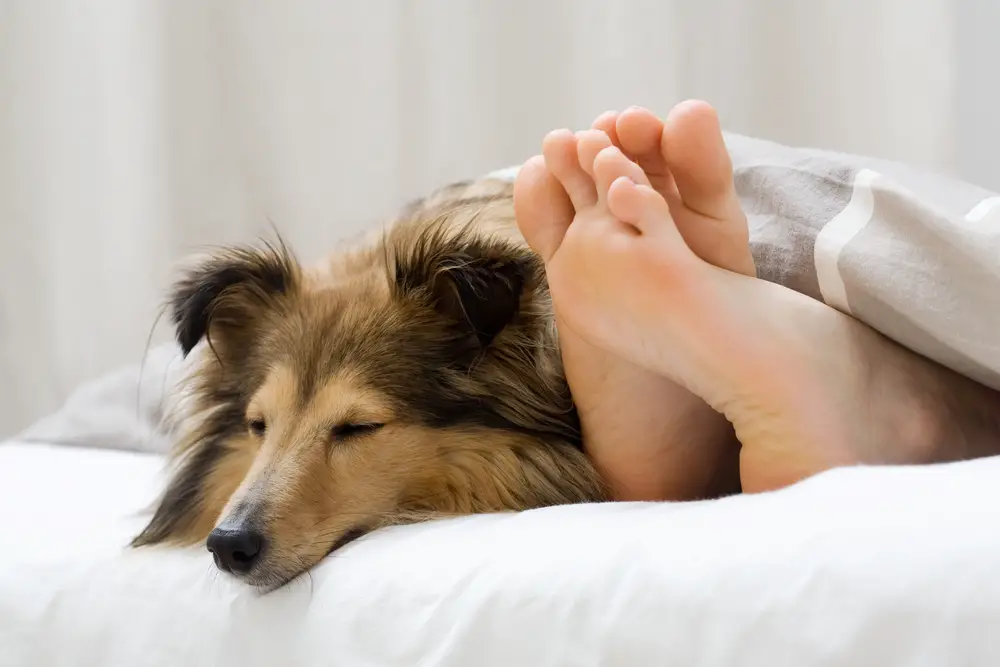
Pets synchronize their rest cycles to yours, often more closely than you realize. Your movement, breathing, and presence help regulate their sense of nighttime safety. When you stay up later or sleep in unexpectedly, that rhythm breaks. The quiet signals they rely on no longer line up.
Animal sleep research shows that companion animals adjust their own sleep-wake patterns to match their primary human. When that anchor shifts, pets may remain partially alert instead of fully resting. This is why they may check on you repeatedly or seem unsettled overnight. Your sleep habits help define when it’s safe to fully power down.
5. If Your Voice Tone Shifts
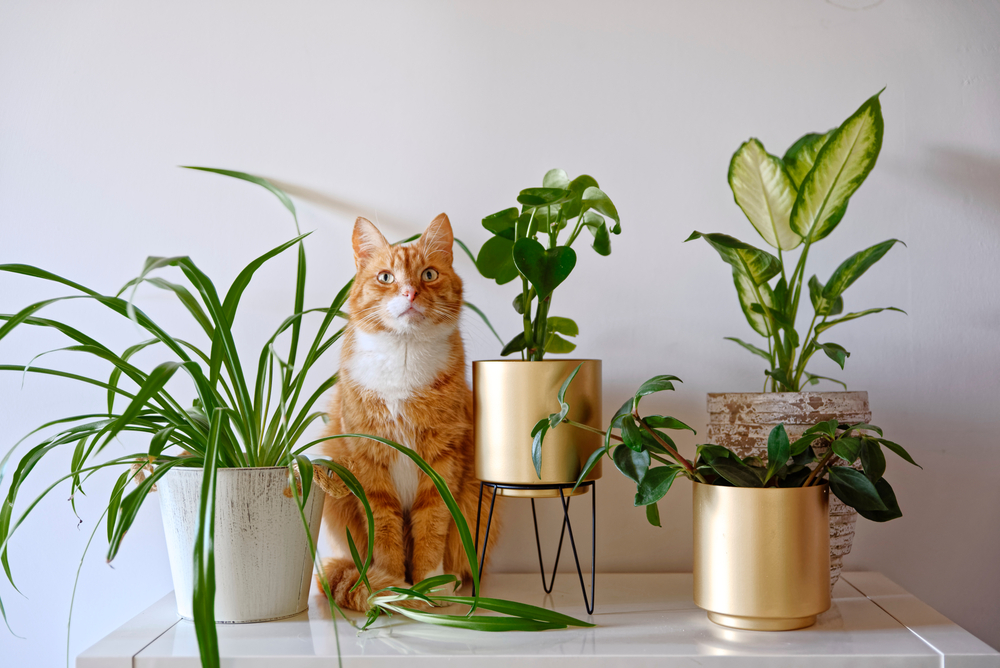
Animals process tone faster than language and often treat it as a direct indicator of intent. A slight tightening, sharpness, or flatness in your voice carries meaning even if the words stay the same. To a pet, tone changes can signal urgency, threat, or emotional instability. The content of your sentence matters far less than how it sounds.
Research on animal communication shows that dogs, in particular, are highly sensitive to pitch and cadence. They associate certain vocal patterns with safety and others with caution. When your tone shifts unexpectedly, animals adjust their behavior accordingly. They’re listening for emotional weather, not conversation.
6. When Something Smells Different
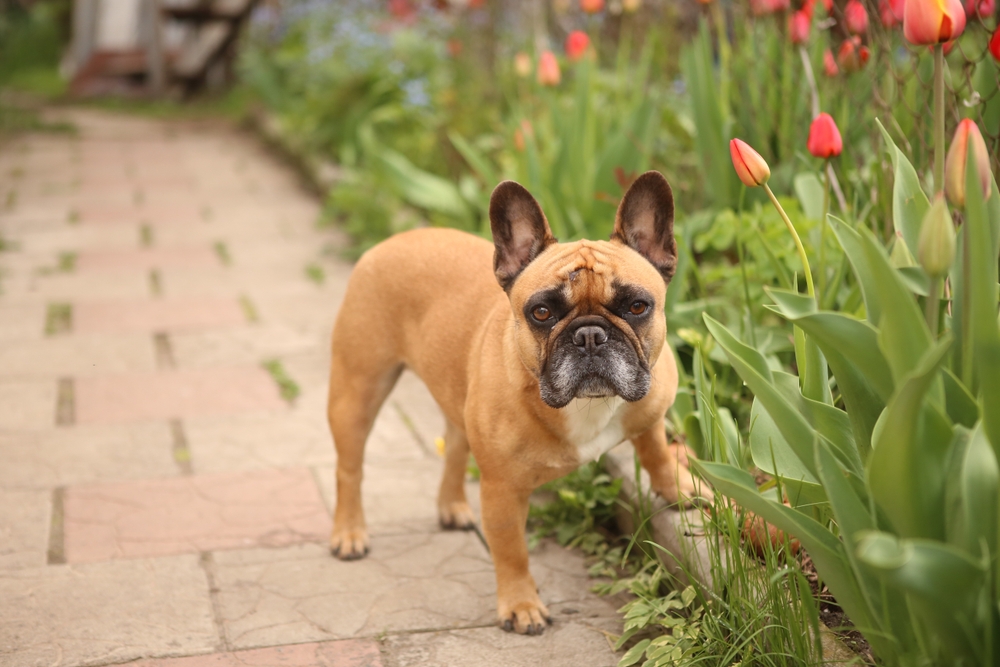
Scent is one of the most powerful anchors of familiarity for animals. Your home has a layered smell profile made up of people, objects, and routines. When you introduce a new detergent, cleaner, or fragrance, that profile changes instantly. To a pet, it’s like waking up in a slightly unfamiliar place.
Olfactory research shows that animals prioritize smell over sight when identifying individuals and environments. Changes in scent can temporarily disrupt recognition and comfort. This is why pets often sniff obsessively after you change products. They’re confirming that what smells different is still safe.
7. If You Stop Using Something
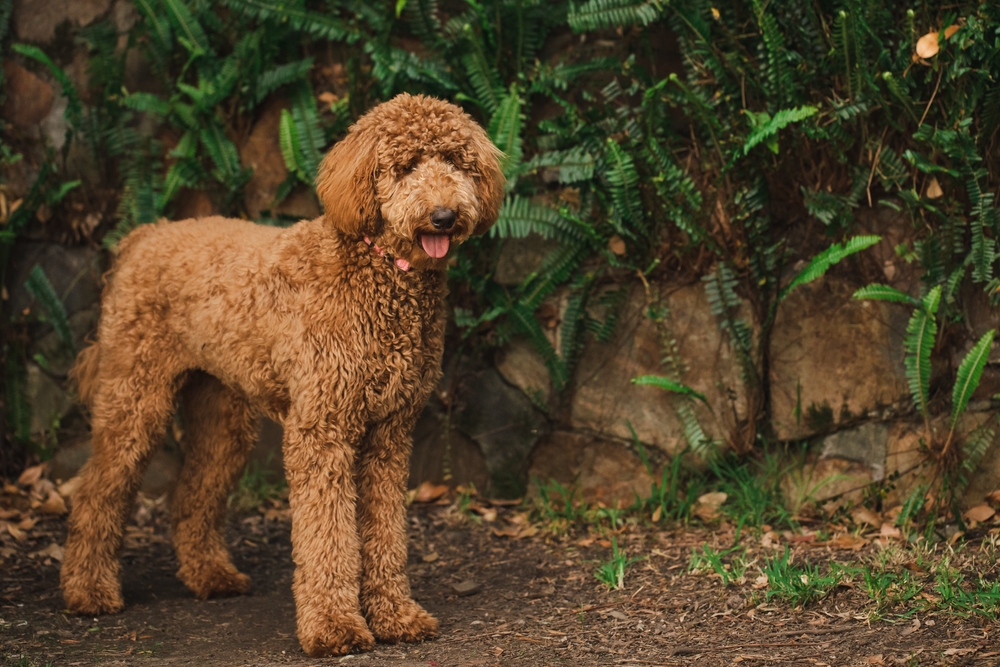
Animals don’t just notice what you use—they notice what you stop using. Objects like shoes, bags, chairs, or work equipment are part of a daily pattern. When one disappears, it creates a gap in their expectation of how the day unfolds. That absence is meaningful.
Behavioral studies indicate that animals track object interaction as part of routine learning. When an expected object isn’t engaged with, pets often become alert or curious. They’re not sentimental—they’re monitoring changes in behavior that could signal disruption. Consistency matters more than significance.
8. When Guests Stay
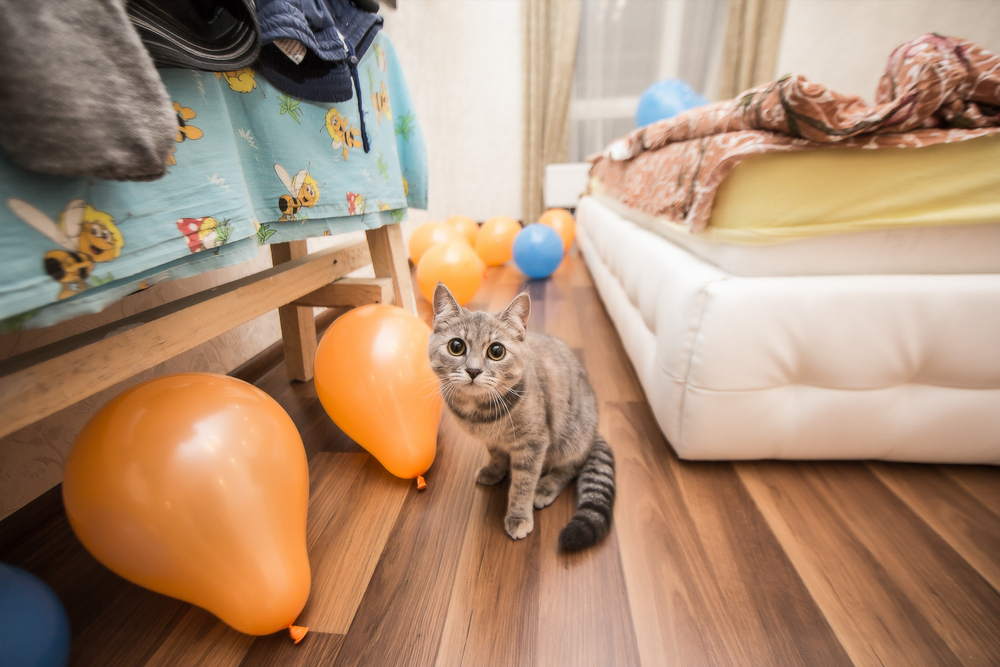
Animals distinguish between brief visits and prolonged presence. Short-term guests are tolerated as temporary anomalies, but extended stays alter territorial dynamics. Your pet begins to reassess space ownership, access points, and hierarchy. Stress increases as uncertainty stretches over time.
Territorial behavior research shows that animals respond more strongly to duration than to number of intruders. The longer someone stays, the more likely a pet is to shift from curiosity to vigilance. This is why animals may become withdrawn, irritable, or overly watchful during long visits. Time changes the equation.
9. If You Dress Differently
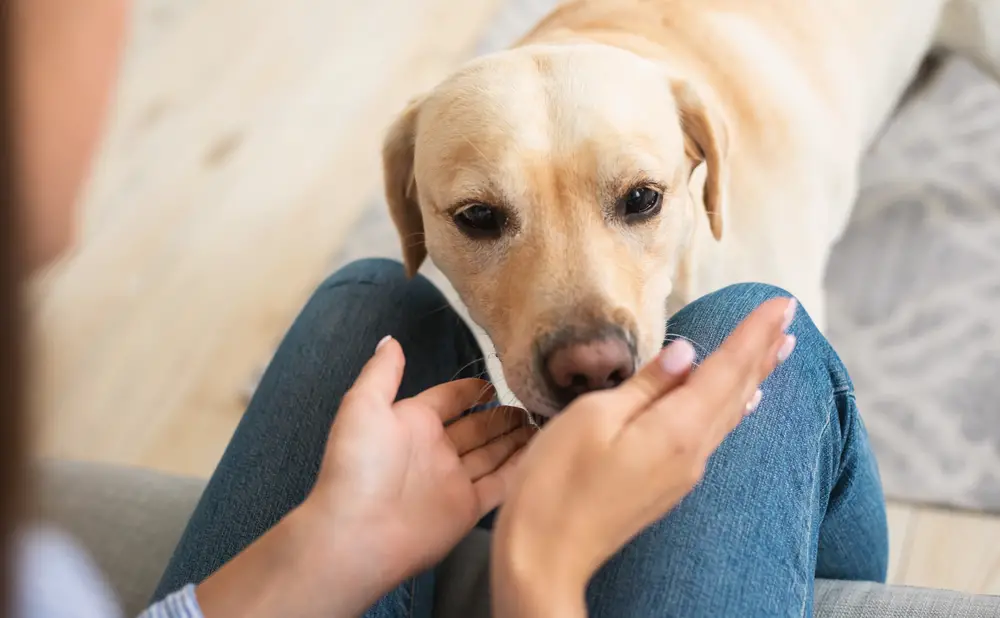
Pets recognize you through a combination of scent, movement, and visual outline. Clothing changes alter all three at once. Different fabrics hold scent differently, move differently, and reshape your silhouette. To an animal, this can momentarily blur recognition.
Animal cognition research confirms that pets rely heavily on scent layering to identify individuals. When those layers change, recognition becomes less automatic. This is why pets sometimes hesitate, sniff, or stare when you dress unusually. They’re recalibrating, not forgetting you.
10. When You Work From Home

Pets associate your presence with availability. When you’re home but emotionally or physically inaccessible, that expectation is violated. They can’t distinguish between “busy” and “ignoring” the way humans do. To them, presence without engagement feels inconsistent.
Behavioral psychologists note that animals experience frustration when predictable associations break down. If being home used to mean interaction, the absence of it can create anxiety. This is why pets may interrupt, vocalize, or hover during remote work. They’re trying to restore the old pattern.
11. If You Move Their Food
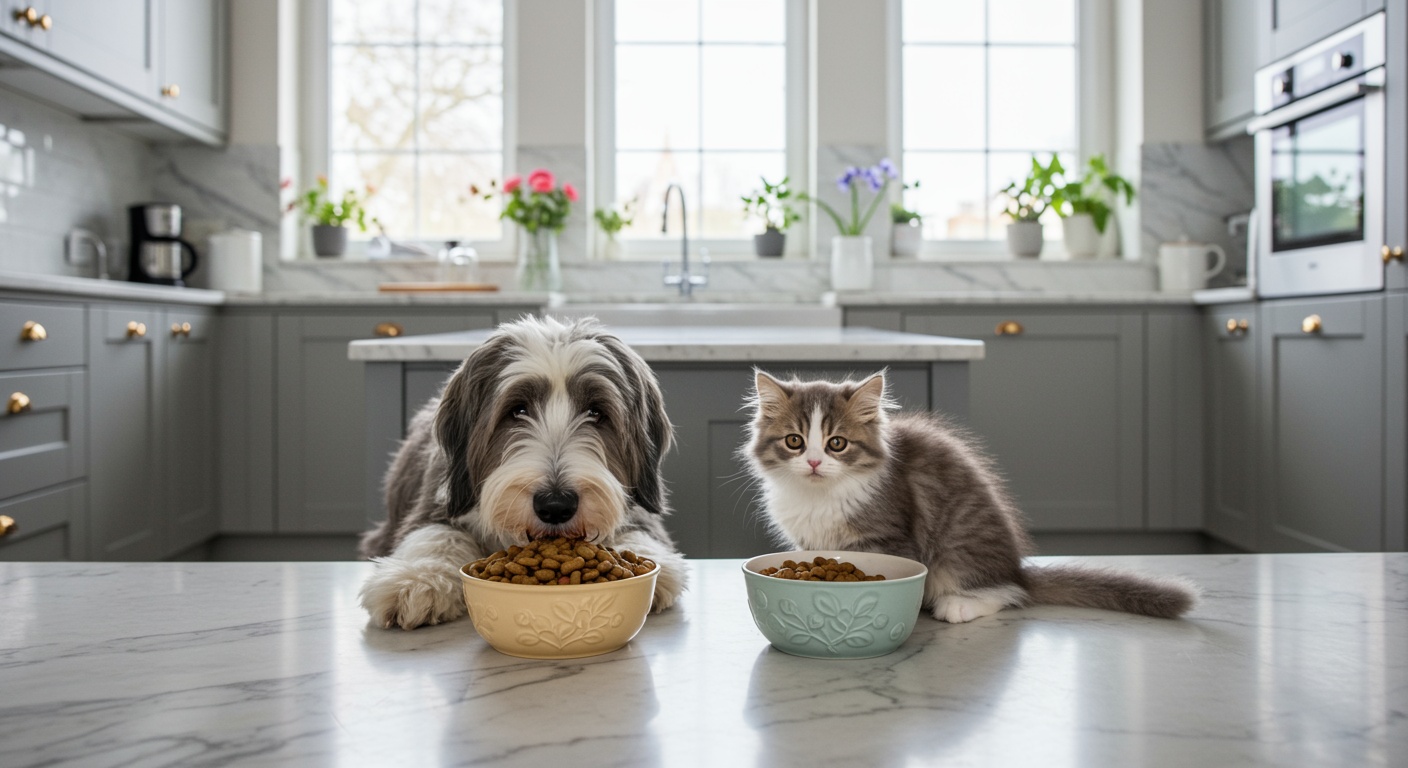
Food location is a powerful marker of security for animals. It defines where nourishment is reliably found and where waiting makes sense. When that location changes, the certainty around feeding weakens. Anticipation turns into vigilance.
Research on feeding behavior shows that animals prefer stable food environments because predictability reduces stress. A moved bowl isn’t just inconvenient—it signals environmental instability. Until the new location becomes familiar, pets may appear anxious or hyper-focused around feeding times. Routine restores calm.
12. When You’re Low On Energy
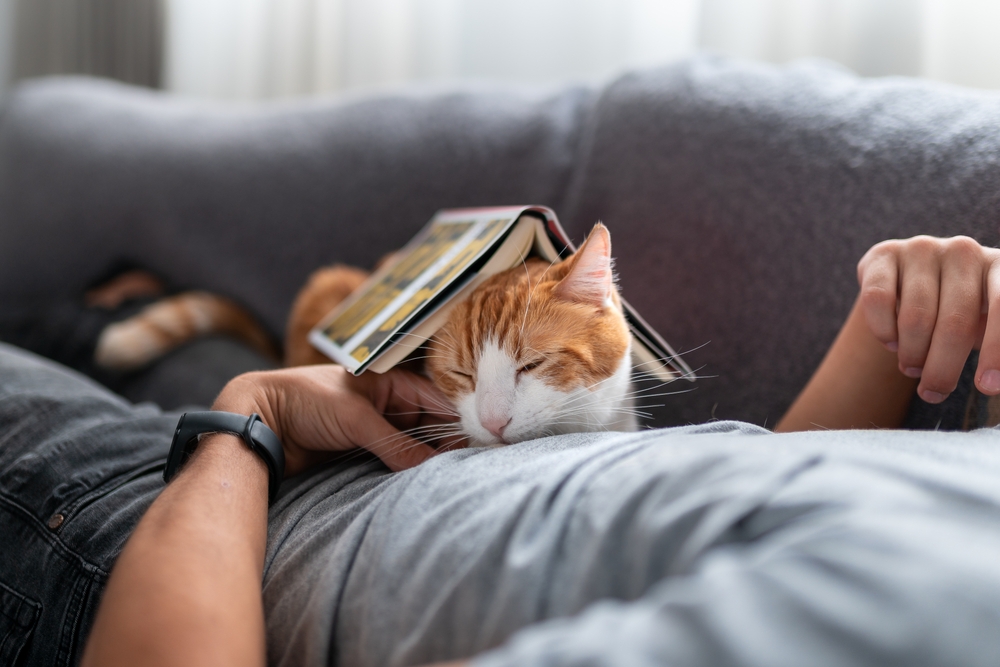
Animals are finely tuned to changes in movement and vitality. Reduced energy, slower movements, or altered posture can resemble signs of illness or injury. In the wild, those signs indicate vulnerability. Pets respond accordingly.
Veterinary studies show that animals often become more watchful or protective when their humans display lethargy. This heightened attention isn’t emotional worry—it’s adaptive monitoring. Your energy level helps define whether the environment feels stable or compromised. When it drops, they stay alert.
13. If You Switch Up Their Walking Route

Walking routes define territory, familiarity, and predictability. Animals memorize landmarks, smells, and sounds along those paths. When the route changes, the known map disappears. Risk assessment increases immediately.
Navigation studies show that animals rely on repeated exposure to build spatial confidence. New routes introduce unknown variables—new animals, sounds, and smells. Exploration becomes cautious rather than relaxed. Familiarity isn’t boring to pets; it’s reassuring.