
For many people, war feels like something that flares up, dominates headlines, then fades away once a ceasefire is announced. But the truth is far darker: some conflicts never truly end; they simmer, mutate, and rebrand. These wars persist through generations, political cycles, and peace talks, becoming permanent features of global life. Here are ten ongoing conflicts experts warn could drag on indefinitely — not because solutions don’t exist, but because the incentives to end them often don’t.
1. Russia–Ukraine
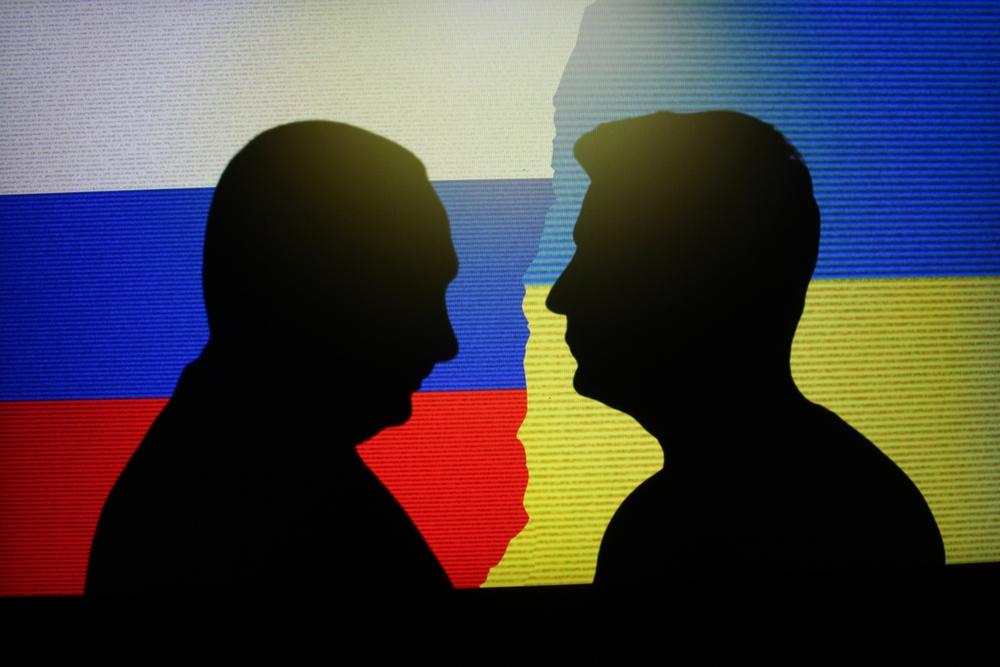
What began as a full-scale invasion in 2022 has hardened into a grinding, attritional war that shows no clear off-ramp. Despite territorial shifts, leadership changes, and international pressure, neither side has incentives that make compromise politically survivable. Ukraine’s survival depends on continued resistance, while Russia has tied its national identity and leadership legitimacy to the conflict’s outcome. Each year that passes embeds the war deeper into military infrastructure, public psychology, and global alliances.
Experts warn that even if active fighting slows, the conflict may persist in frozen or proxy form for decades. Arms manufacturing, reconstruction contracts, and geopolitical signaling now orbit the war like permanent satellites. The longer it continues, the more it reshapes Europe’s security architecture into something unrecognizable from the pre-2022 world. Wars like this don’t end — they calcify.
2. Israel–Palestine
This conflict has outlived generations, peace plans, leaders, and international summits. Each escalation feels unprecedented yet structurally familiar because the core issues remain unresolved. Territorial disputes, security fears, displacement, and historical trauma reinforce cycles of retaliation. Each side carries narratives that make concession feel like erasure.
Analysts increasingly describe the conflict not as solvable but as “managed,” meaning violence is periodically contained rather than eliminated. Regional instability, internal politics, and outside interference all reinforce the stalemate. Even ceasefires often function as strategic pauses rather than steps toward resolution. This war doesn’t just rage — it recurs.
3. Yemen
Often called the world’s forgotten war, Yemen’s conflict has dragged on since 2014 with catastrophic humanitarian consequences. What began as a domestic power struggle metastasized into a proxy war involving Saudi Arabia, Iran, and regional allies. Millions face famine, disease, and displacement, while airstrikes and blockades continue to devastate civilian life. The complexity of actors makes accountability nearly impossible.
Peace talks flare and fade, but armed factions remain entrenched. Weapons flows, political fragmentation, and regional rivalries ensure instability even during lulls in fighting. Humanitarian aid sustains survival without addressing root causes. For Yemen, war has become infrastructure.
4. Syria
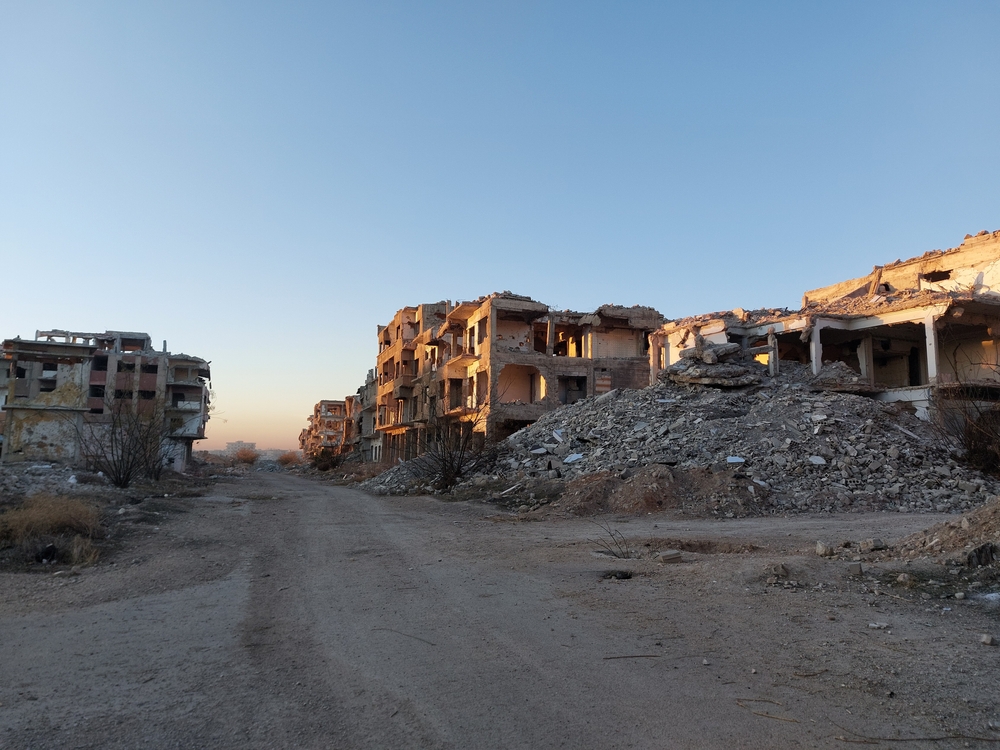
More than a decade after its uprising began, Syria remains fractured and violent. While headlines quieted, the war never truly stopped — it simply shifted into a lower-intensity conflict. Multiple foreign powers still operate inside Syrian territory, each with competing goals. Civilian populations remain trapped between militias, sanctions, and state collapse.
Experts describe Syria as a “post-war war zone,” where reconstruction happens alongside repression. Refugee return is nearly impossible without political change that seems unlikely. The Assad regime’s survival removed urgency for reform, freezing the conflict in place. Syria’s war didn’t end — it fossilized.
5. Afghanistan
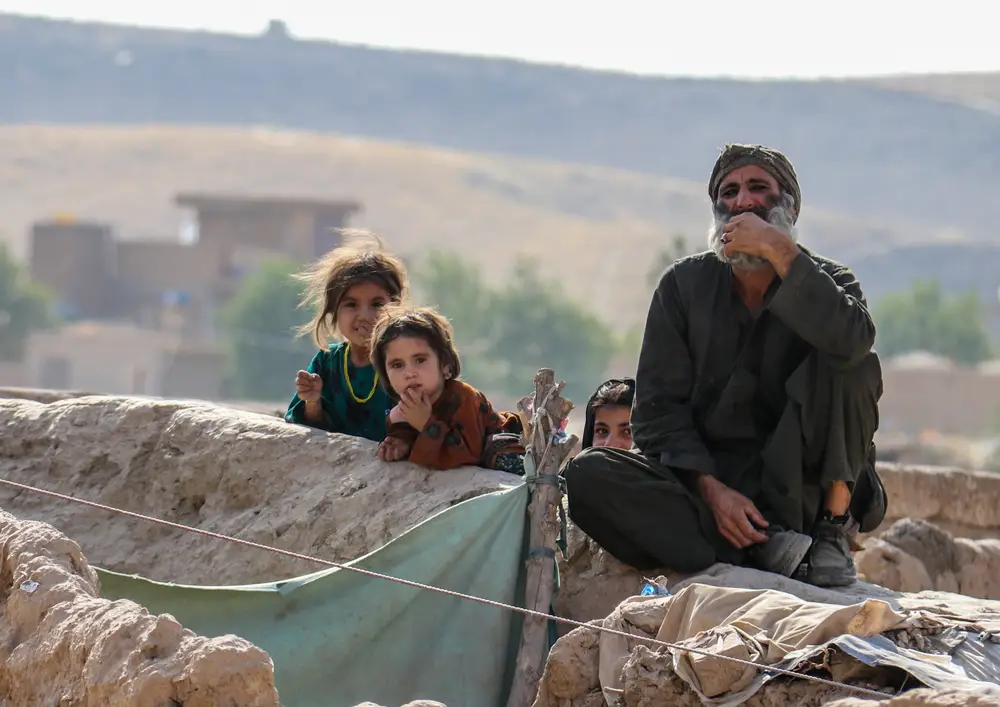
Despite the U.S. withdrawal in 2021, Afghanistan is not at peace. Armed resistance continues, humanitarian crises deepen, and governance remains fragile under Taliban rule. Terror groups exploit instability, while civilians endure poverty, repression, and insecurity. The absence of international engagement hasn’t produced calm — it has produced invisibility.
Wars don’t require foreign troops to persist; they require unresolved power struggles and suffering populations. Afghanistan’s conflict shifted form, moving from global headlines to quiet devastation. Experts warn it may cycle through insurgency phases indefinitely. Silence is not peace.
6. Myanmar

Since the 2021 military coup, Myanmar has descended into widespread civil war: ethnic militias, resistance groups, and the military clash across large swaths of the country. Airstrikes, mass displacement, and internet blackouts are routine. The junta shows no willingness to relinquish power.
What makes Myanmar especially volatile is the sheer number of armed actors involved. Fragmentation prevents unified negotiations while escalating violence. Analysts fear the country is sliding toward permanent state failure. Once that occurs, wars rarely end—they diffuse.
7. Democratic Republic of Congo
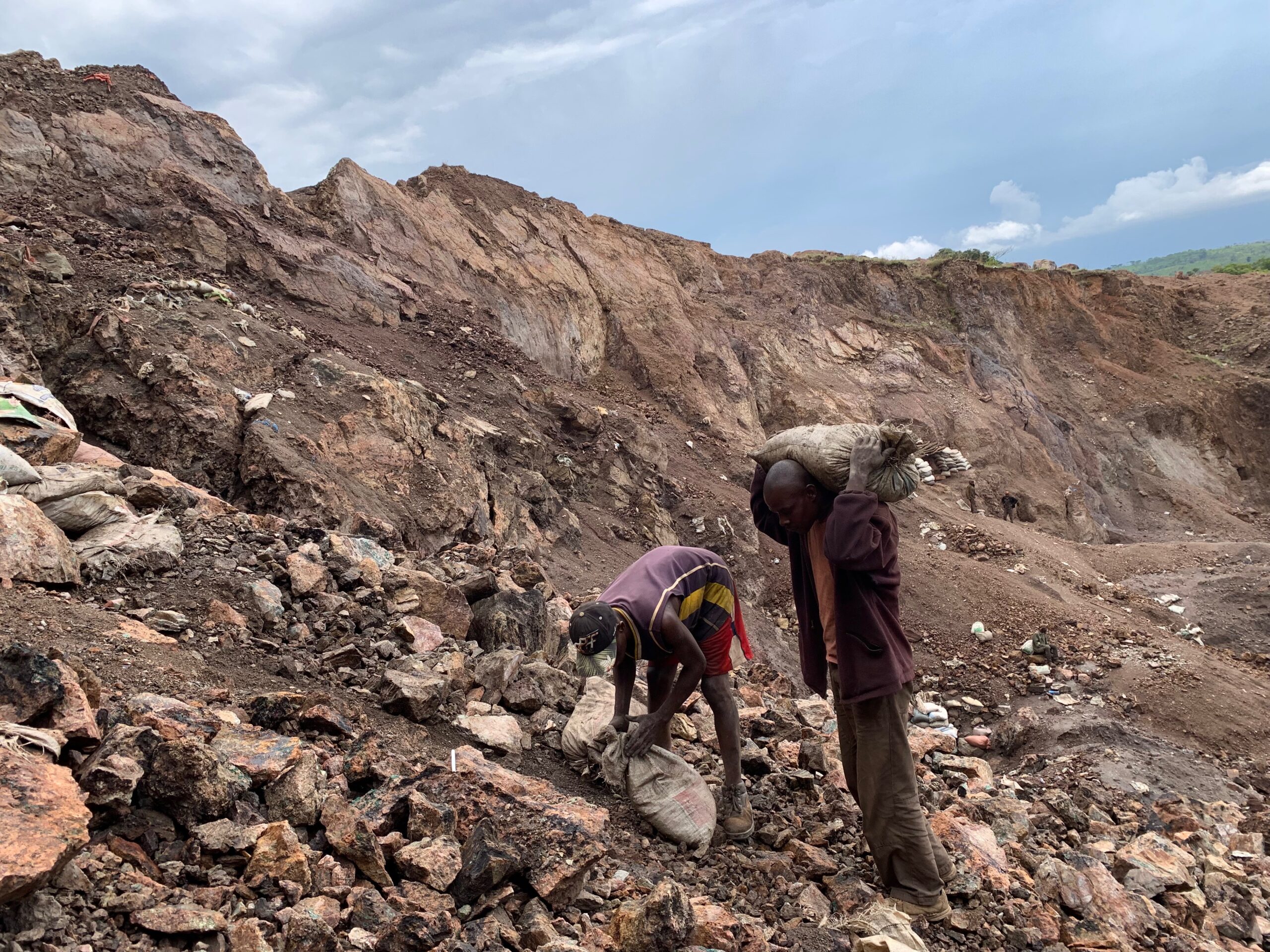
The DRC has experienced continuous conflict for nearly three decades. Armed groups compete over mineral-rich land critical to global tech supply chains. Local grievances intersect with international demand for cobalt, coltan, and gold. Violence is profitable.
Even peacekeeping missions struggle to stabilize regions where war funds livelihoods. Each ceasefire spawns new militias. Civilians live under constant threat while global markets quietly benefit. This is a war built into the modern economy.
8. Sudan
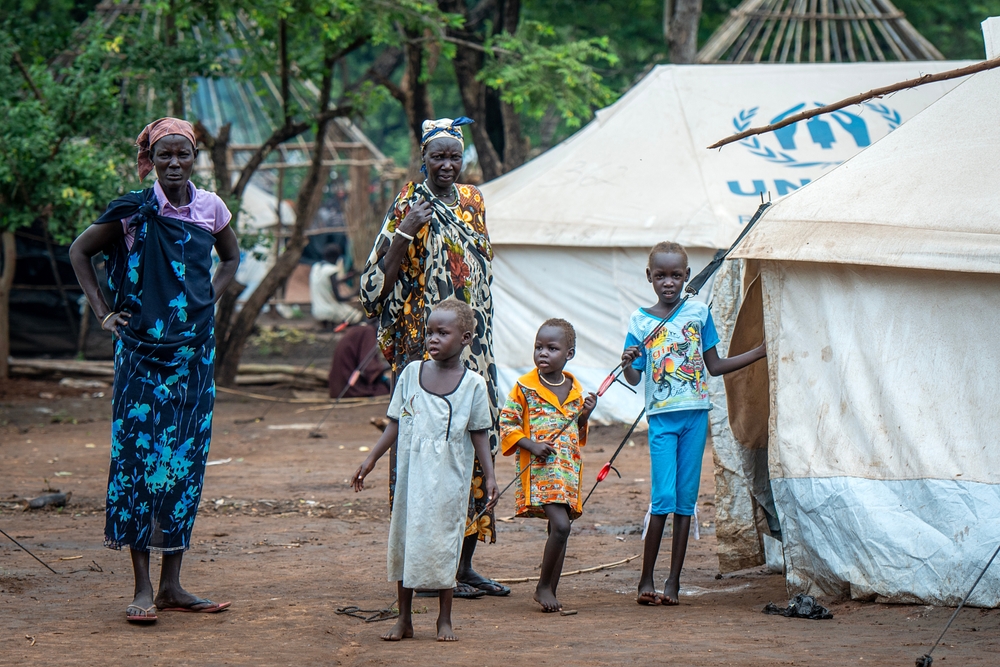
Sudan’s recent descent into full-scale conflict shocked many who believed its political transition could succeed. Rival military factions now battle for control, devastating cities and forcing mass displacement. Diplomatic efforts repeatedly collapse under mistrust and external meddling. Civilian institutions have effectively vanished.
Experts warn that Sudan risks becoming another multi-decade conflict zone. Once armed factions gain economic incentives from chaos, peace becomes a liability. Infrastructure destruction compounds instability. Sudan is quickly learning how wars entrench themselves.
9. Somalia
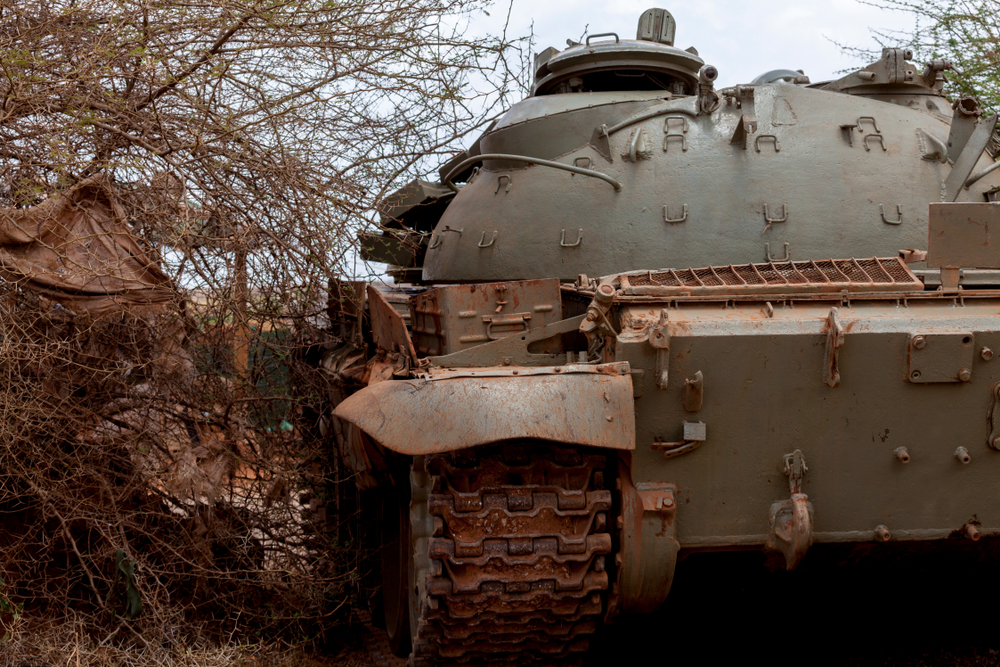
Somalia has been in near-continuous conflict since the early 1990s. Islamist insurgencies, clan rivalries, and weak central governance sustain violence. International interventions have reduced some threats without eliminating them. Terror attacks remain frequent.
Generations have grown up knowing nothing but instability. War has shaped national identity, governance, and survival strategies. Experts say Somalia’s conflict persists because the collapse itself has become normalized. When war feels permanent, peace feels hypothetical.
10. Armenia–Azerbaijan
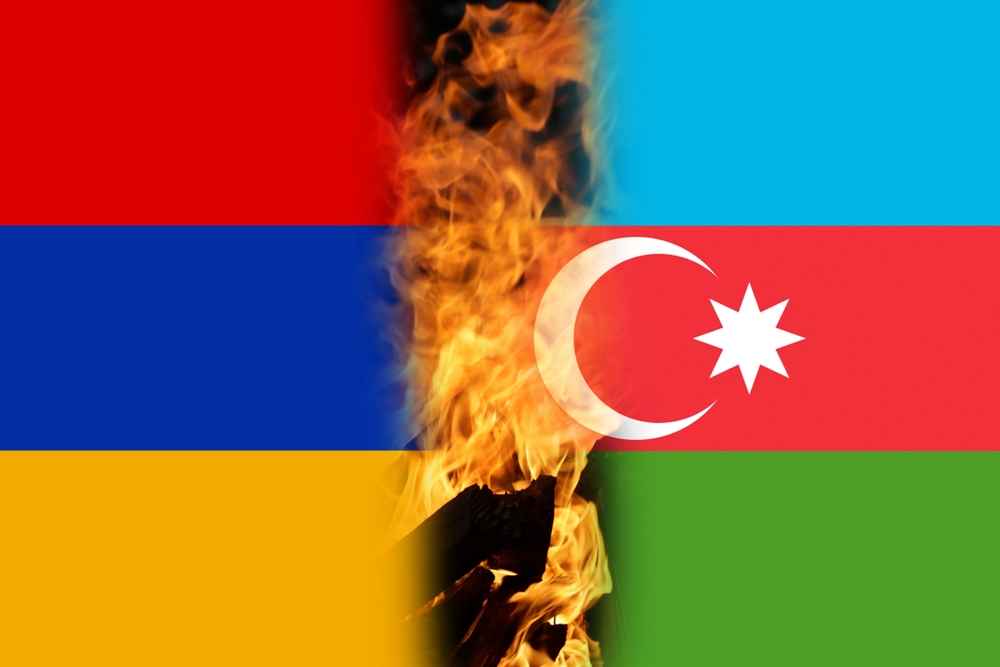
The conflict over Nagorno-Karabakh has flared violently multiple times, most recently reshaping borders through force. Ceasefires are temporary and often unravel due to unresolved grievances. Regional powers exploit tensions for influence. Civilians remain caught in cycles of displacement.
Analysts warn the conflict may settle into a pattern of periodic escalation rather than resolution. Military victories don’t resolve historical trauma or political mistrust. Each side prepares for the next round, not the last. This is how wars learn to wait.