
Before budget airlines, Instagram travel hacks, and overcrowded resorts, vacations were aspirational, cinematic, and unapologetically glamorous. The 1950s and 1960s marked a golden age of travel when leisure was a status symbol, and destinations were curated experiences, not just backdrops. Movie stars, socialites, and jet-setters transformed certain places into icons of elegance and excess. These were the vacation spots where style mattered, martinis flowed, and arrival alone was an event.
1. Palm Springs, California
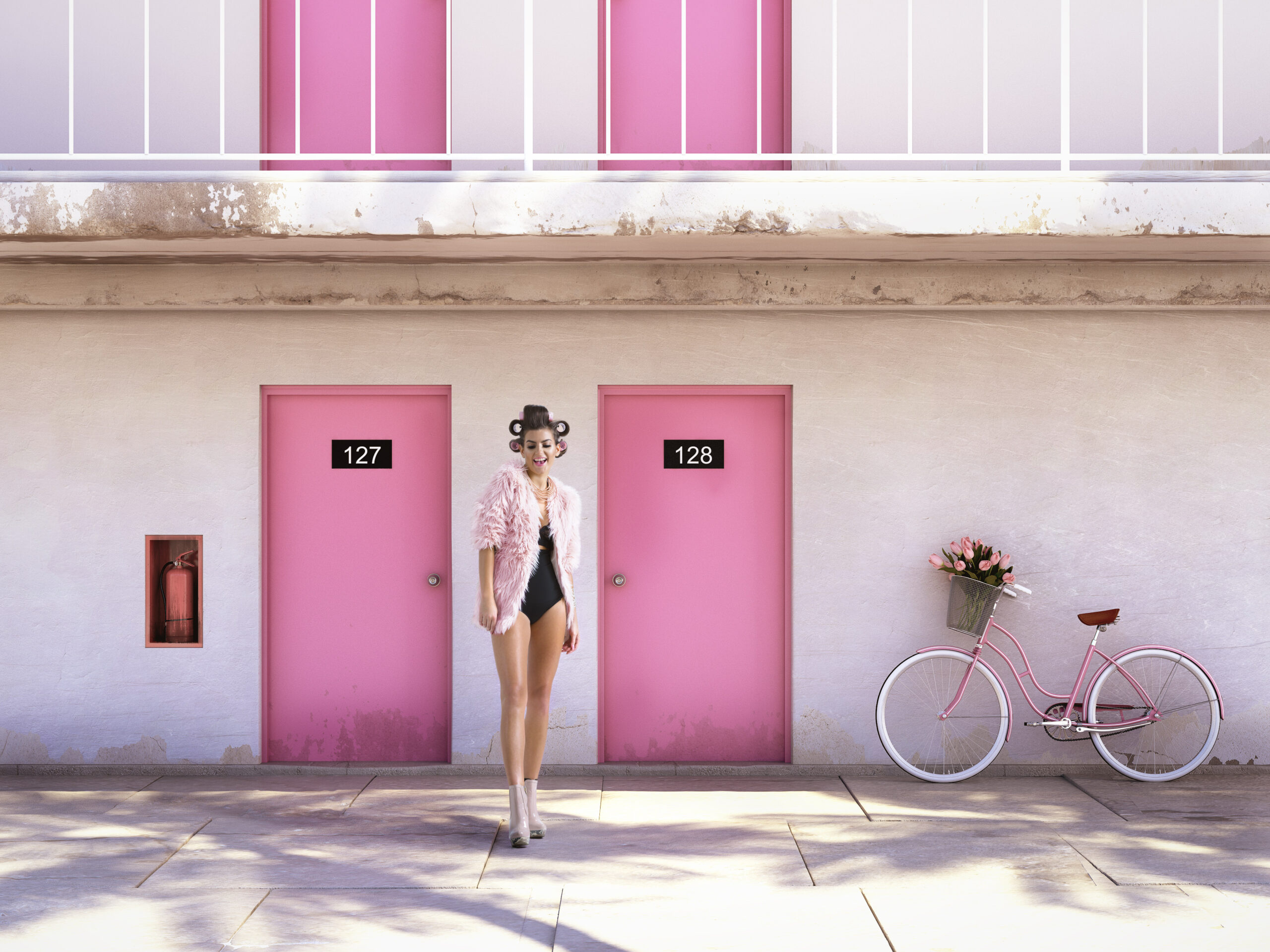
Palm Springs became Hollywood’s desert playground during the 1950s and ’60s. Studio contracts required stars to stay within two hours of Los Angeles, and Palm Springs fit perfectly. Frank Sinatra, Marilyn Monroe, and Elvis Presley all owned homes there. Mid-century modern architecture turned the town into a design statement.
Vacations revolved around poolside cocktails, golf courses, and exclusive parties hidden behind desert walls. Privacy was part of the luxury, allowing stars to relax without constant scrutiny. The desert setting gave the glamour an edge of mystery. Palm Springs didn’t just host stars — it hid them.
2. The French Riviera
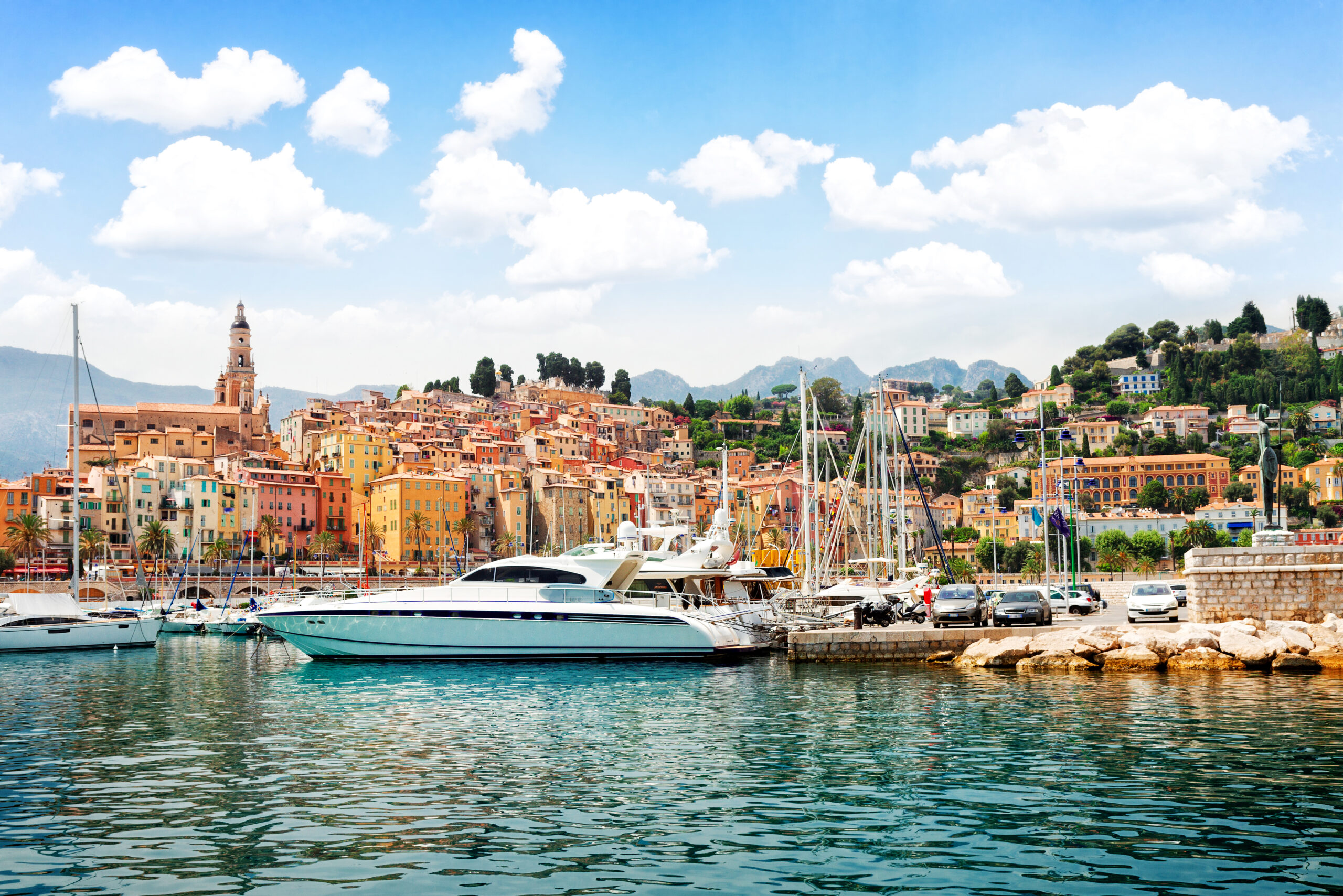
In the postwar era, the French Riviera became the ultimate symbol of European glamour. Towns like Cannes, Nice, and Saint-Tropez attracted film stars, royalty, and fashion elites escaping formality for sun-drenched luxury. The Cannes Film Festival cemented the region’s cultural power, blending cinema, couture, and Mediterranean ease. Vacations here weren’t casual — they were performances.
The Riviera thrived on effortless sophistication rather than spectacle. Guests lounged on private beaches, dined late into the night, and treated leisure as an art form. Photographs from the era show Brigitte Bardot redefining beachwear and elegance simultaneously. The Riviera didn’t sell escape — it sold status.
3. Capri, Italy
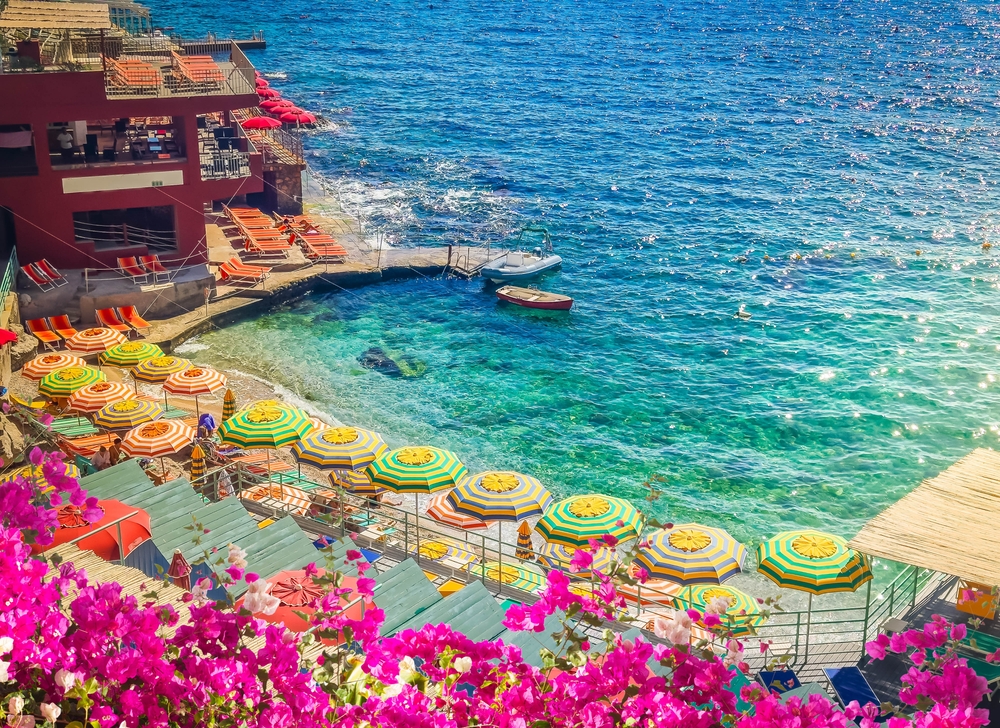
Capri became synonymous with European chic in the mid-20th century. Accessible only by boat, the island offered an immediate sense of exclusivity. Jacqueline Kennedy, Sophia Loren, and the European aristocracy made Capri their summer escape. Its dramatic cliffs and blue grottos felt cinematic by design.
Capri’s glamour came from restraint rather than excess. Afternoons were spent shopping in quiet piazzas or sipping espresso overlooking the sea. Nights unfolded slowly, elegantly, and socially. Capri perfected the idea that luxury could be understated.
4. Havana, Cuba
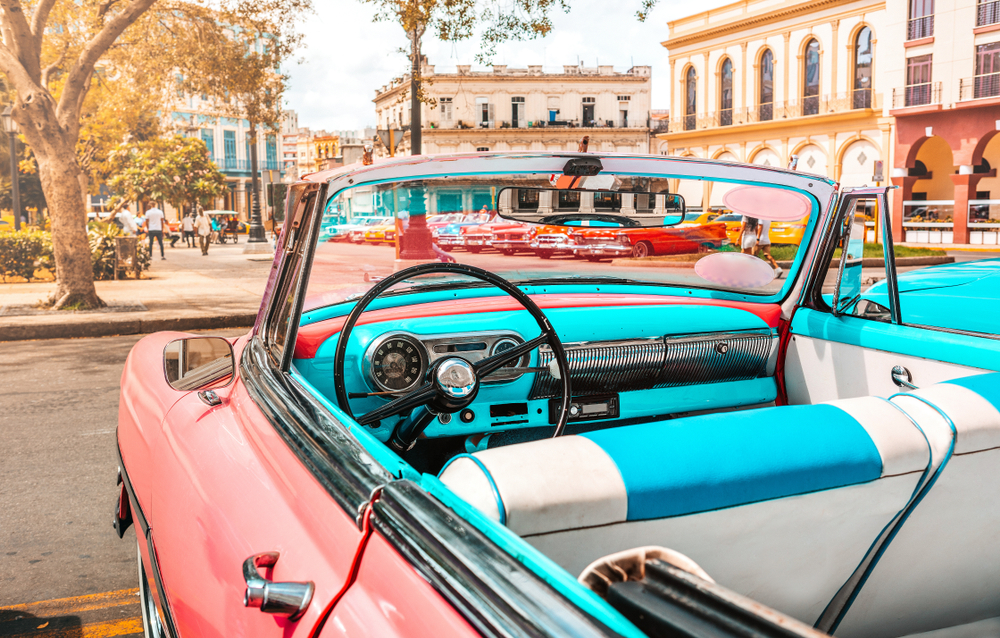
Before the Cuban Revolution, Havana was a magnet for American elites. The city offered casinos, nightlife, and grand hotels rivaling Las Vegas. Celebrities and politicians mingled freely in an atmosphere of tropical decadence. Havana was exotic without being inaccessible.
Luxury hotels like the Nacional hosted glamorous balls and late-night gambling. American tourists viewed Havana as thrilling and indulgent. The city pulsed with music, rum, and rebellion-adjacent excitement. Its glamour was loud, colorful, and unforgettable.
5. Acapulco, Mexico

Acapulco was Mexico’s answer to the jet-set boom. Cliff divers, oceanfront villas, and exclusive hotels defined its image. Hollywood stars flocked there for weddings, honeymoons, and secret escapes. Acapulco symbolized carefree international luxury.
The destination blended natural drama with curated opulence. Guests watched daring dives by day and danced under the stars by night. Acapulco felt adventurous yet refined. It was glamorous without pretending to be quiet.
6. Monte Carlo, Monaco
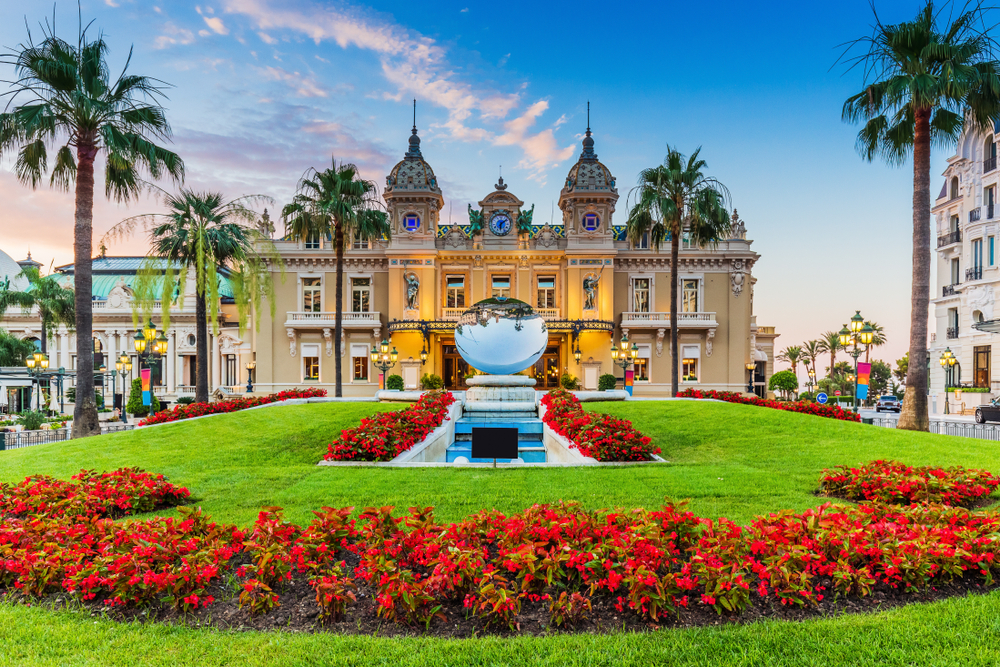
Monte Carlo represented wealth in its purest, most unapologetic form. The casino wasn’t just entertainment — it was theater. Royals, financiers, and film stars converged in a setting built for spectacle. Luxury cars and couture gowns were part of the scenery.
Vacations here were about being seen. Monte Carlo blurred the line between leisure and performance seamlessly. The city offered glamour without apology or subtlety. It still does — but the 60s made it legendary.
7. Biarritz, France
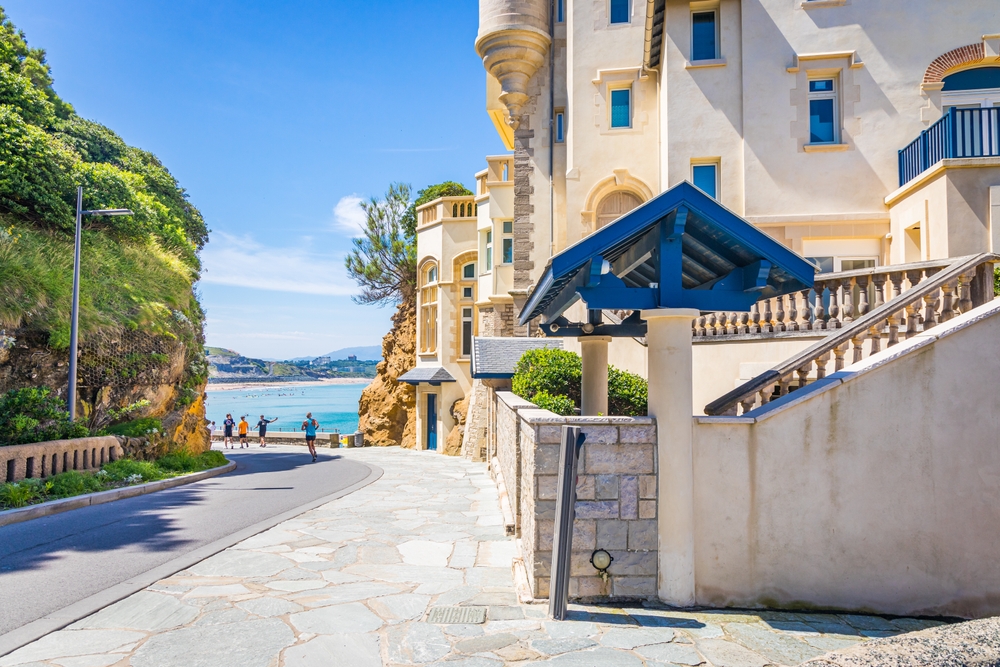
Biarritz attracted European royalty long before surf culture arrived. In the 50s and 60s, it remained refined, aristocratic, and discreet. French elites favored it for understated luxury. Biarritz was elegance without exhibition.
The destination valued tradition over trends. Grand hotels overlooked wild coastlines, balancing nature and refinement. Guests dressed impeccably, even for casual strolls. Biarritz proved glamour didn’t need flash.
8. Lake Como, Italy
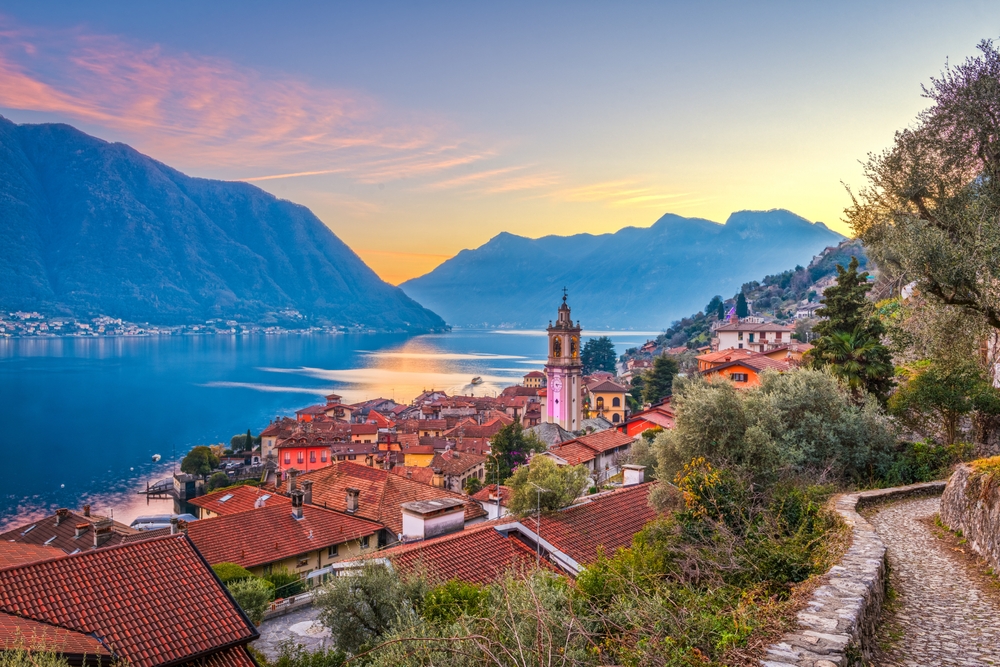
Lake Como embodied quiet opulence. Villas nestled along the water offered privacy and old-world charm. European nobility and American elites vacationed side by side. The setting felt timeless rather than trendy.
Leisure here was slow and deliberate. Boat rides replaced beach clubs, and conversations lasted hours. The lake’s beauty demanded contemplation. Glamour at Como was serene, not showy.
9. Miami Beach, Florida
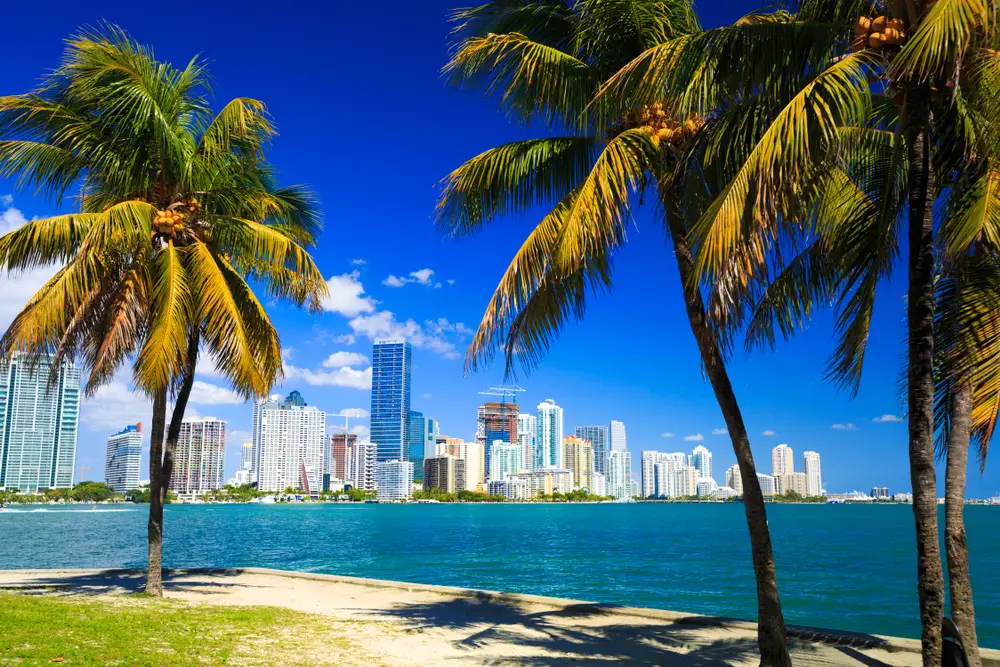
Miami Beach surged in popularity during the mid-century boom. Art Deco hotels and nightlife drew celebrities and socialites alike. The city merged American optimism with tropical fantasy. Miami sold glamour with a tan.
Daytime meant sunbathing and poolside drinks, while nights exploded into music and dance. The destination thrived on color, energy, and reinvention. Miami Beach became America’s most playful luxury escape. Glamour here smiled back.
10. Aspen, Colorado
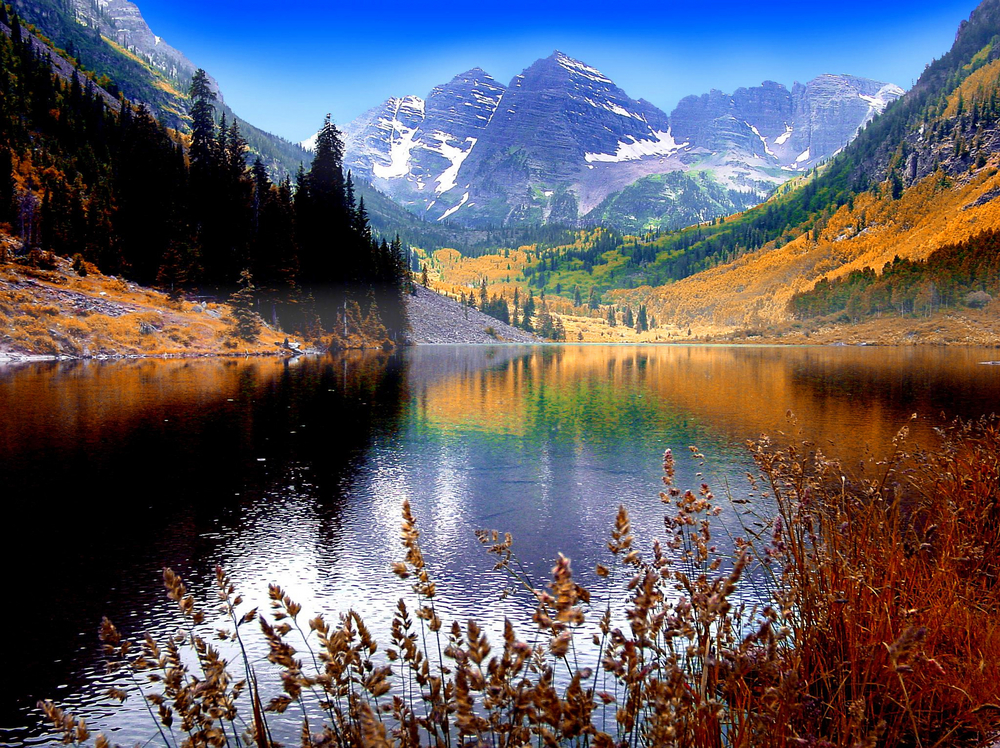
Aspen transformed from a mining town into a winter playground for elites. Skiing became fashionable rather than rugged. Celebrities and industrialists embraced the Alpine lifestyle. Aspen turned cold into chic.
Vacations centered on fireplaces, fur-lined fashion, and après-ski social scenes. The mountain setting elevated exclusivity. Aspen proved glamour wasn’t seasonal — it just needed the right framing. Luxury adapted beautifully to snow.
11. The Catskills, New York
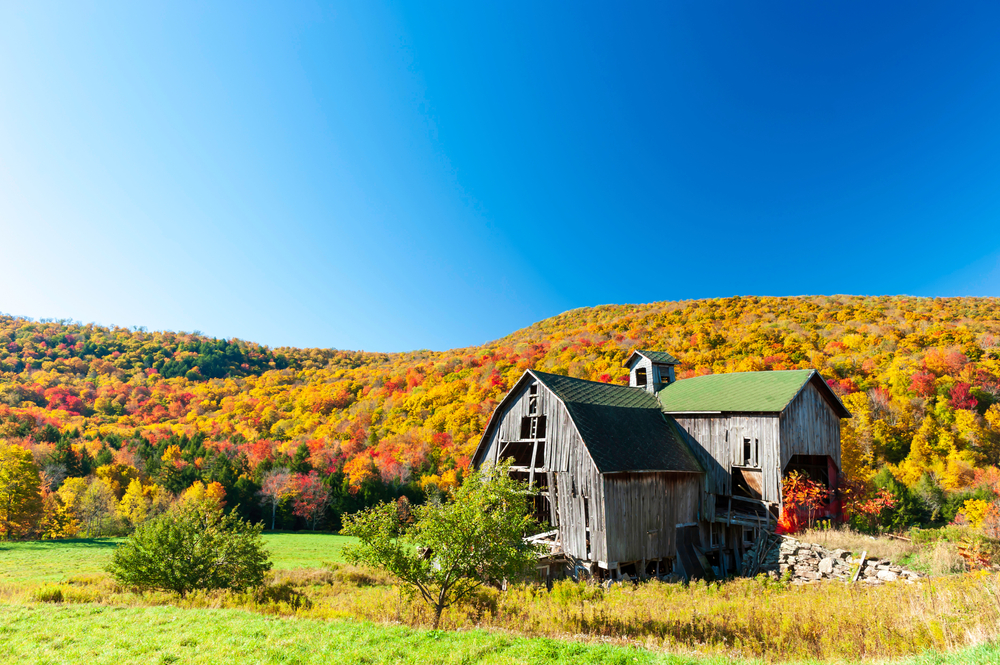
The Catskills were America’s glamorous retreat before international travel became common. Resorts catered to entertainers, families, and comedians alike. Live performances, elegant dining, and social rituals defined the experience. Leisure here felt communal yet special.
Guests returned annually, forming social ecosystems. Vacations blended entertainment and escape seamlessly. The Catskills captured a uniquely American version of glamour. It was polished but familiar.
12. Ocho Rios, Jamaica
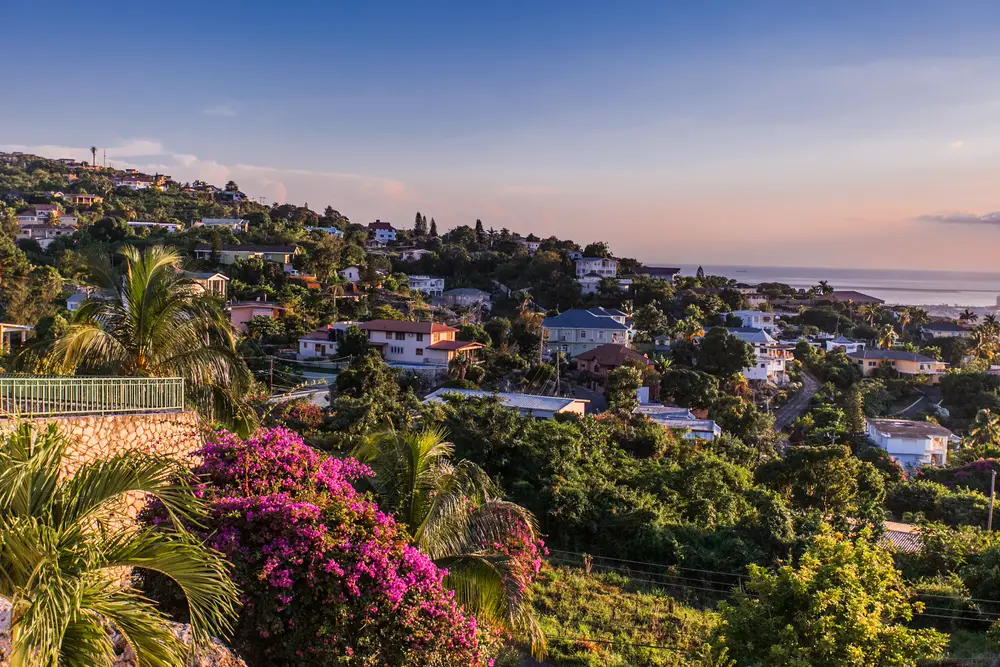
Jamaica’s north coast became a favorite among international elites in the 60s—tropical beauty combined with colonial-era luxury resorts. Music, beaches, and hospitality created immersive indulgence. Ocho Rios offered glamour with warmth.
The island delivered both relaxation and cultural vibrancy. Vacations felt intimate rather than industrial. Guests experienced elegance without stiffness. Jamaica sold joy as luxury.
13. Honolulu, Hawaii
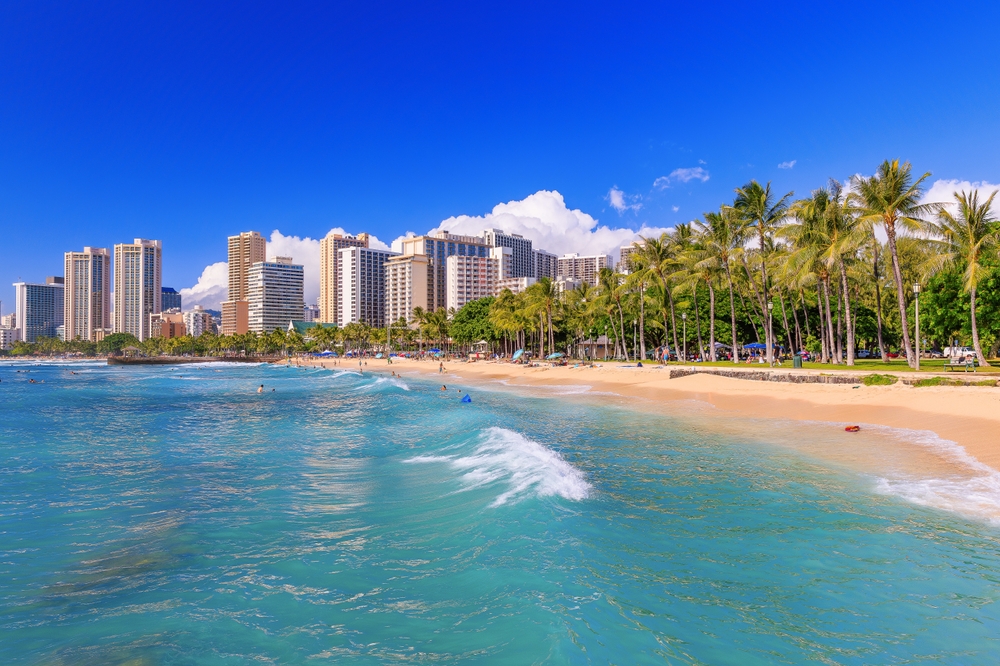
Hawaii symbolized the ultimate postwar dream vacation. Air travel made paradise attainable for affluent Americans. Waikiki hotels catered to leisure with polish and spectacle. Hawaiian vacations felt optimistic and celebratory.
Luaus, ocean views, and resort glamour defined the era. Hawaii offered escape without cultural intimidation. It felt luxurious yet welcoming. Paradise became part of the American imagination.