
When dogs attack their owners, the narrative often collapses into blame or shock. In reality, these incidents almost never come out of nowhere. They are usually the result of layered stress, misread signals, neurological thresholds, and environmental pressure that finally overwhelm a dog’s capacity to cope. Understanding why dogs turn is not about fearmongering—it’s about recognizing warning systems humans routinely ignore.
1. Stress Builds Until It Spills Over
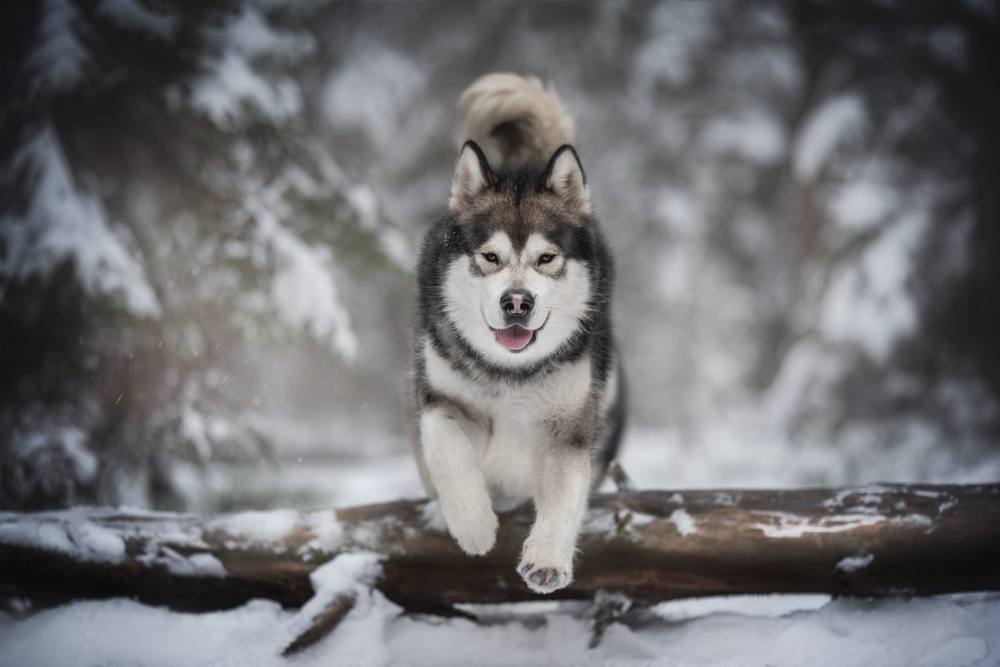
Dogs do not process stress the way humans do. Instead of releasing tension verbally or cognitively, stress accumulates physiologically in their nervous system. Loud homes, inconsistent routines, confinement, and overstimulation all compound silently. When that stress reaches saturation, aggression becomes an involuntary outlet.
A 2024 review in Applied Animal Behaviour Science found that dogs involved in serious bite incidents showed prolonged cortisol elevation in the weeks preceding the incidents. Researchers noted that many owners misinterpreted stress behaviors as stubbornness or defiance. Stress does not fade on its own. It compounds until something breaks.
2. Undiagnosed Pain Can Make Them Lash Out
Undiagnosed pain is one of the most common precursors to sudden aggression. Dogs experiencing joint degeneration, dental disease, or internal injury often react defensively to touch or proximity. Pain narrows tolerance thresholds dramatically. A familiar hand can suddenly feel threatening.
Veterinary neurology research shows that pain alters threat perception in mammals. A 2023 study in Veterinary Record found over 60 percent of dogs involved in “uncharacteristic” aggression had underlying medical conditions. Pain-driven aggression is not a temperament flaw. It is a biological reflex.
3. Emotional Instability Pushes Dogs To Their Limits

Dogs read human emotional states through posture, tone, and scent. When an owner becomes unpredictable, volatile, or emotionally dysregulated, dogs experience that instability as environmental danger. This increases vigilance and defensive readiness. Aggression can emerge as a protective response.
Canine cognition studies confirm dogs synchronize with human stress chemistry. Research from the University of Vienna found dogs mirror human cortisol changes within minutes. Emotional inconsistency erodes perceived safety. Safety loss triggers defense.
4. Possessiveness Can Be All-Consuming
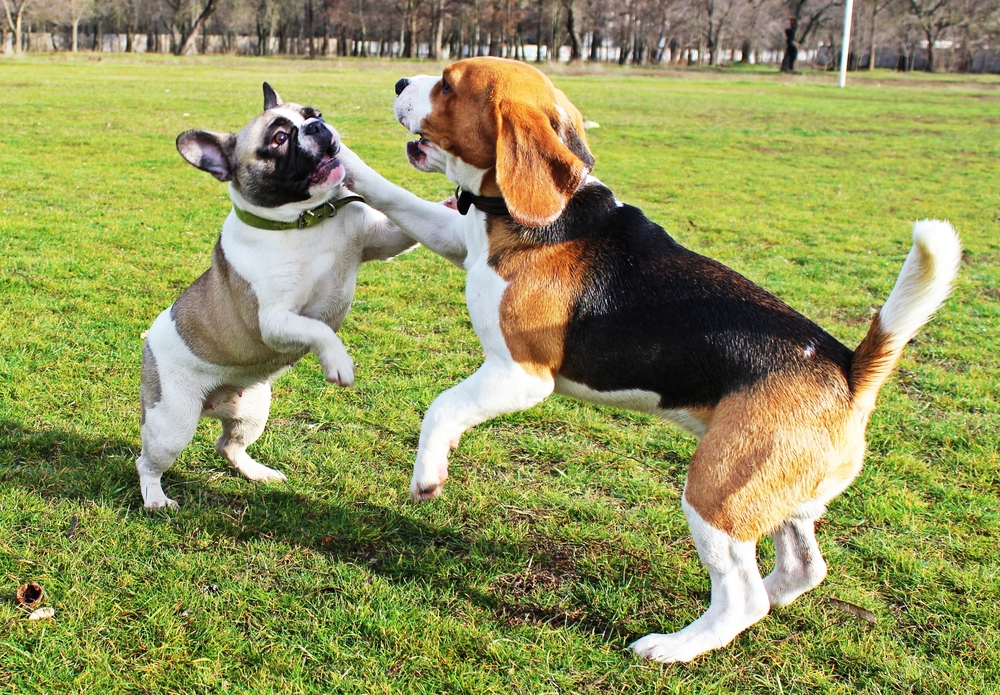
Food, toys, sleeping areas, and even people can become guarded resources. When dogs feel access is threatened, they may escalate rapidly. Owners often misread early warning signs of guarding as “possessiveness” rather than fear. That misinterpretation leads to punishment instead of management.
Ethologists note that resource guarding is an adaptive survival behavior. A 2022 study in Frontiers in Veterinary Science found that punishment increases bite risk in guarding dogs. Removal of threat—not dominance—is the solution. Mismanagement escalates outcomes.
5. Punishment-Based Training Makes Them Angry
Dogs communicate discomfort through growling, freezing, or avoidance. Punishment teaches them that warnings are unsafe to express. When warnings disappear, bites become sudden and severe. Silence does not mean safety.
Behavioral science research consistently shows that punishment suppresses communication. A 2023 review found dogs trained with aversive methods were twice as likely to bite without warning. Removing the warning system increases danger. Silence is not compliance.
6. Neurological Disorders Can Alter Their Impulse Control
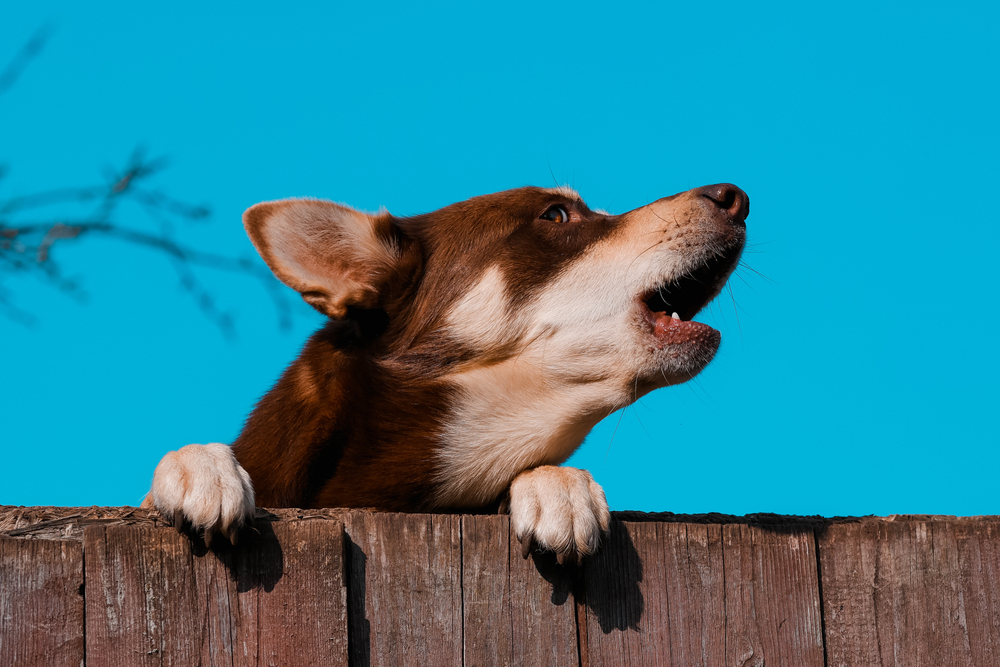
Seizure disorders, brain inflammation, and cognitive dysfunction can change behavior abruptly. Dogs may lose impulse control or misinterpret stimuli. Aggression can appear disconnected from context. These cases are neurological, not behavioral.
Veterinary neurology journals document aggression as a symptom of brain pathology. In such cases, training cannot override neurological dysfunction. Medical intervention is required. Behavior follows brain health.
7. Overhandling Can Make Them Aggressive
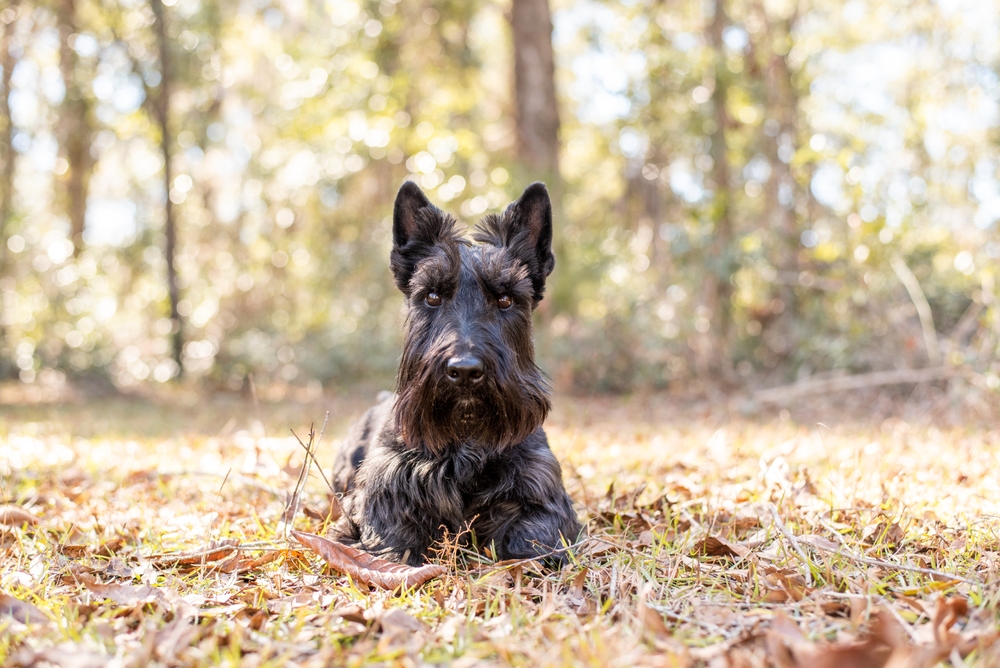
Many dogs tolerate handling without enjoying it. Prolonged hugging, restraining, or forced contact drains tolerance reserves. Eventually, tolerance collapses. Aggression becomes an escape mechanism.
Studies on canine consent show dogs give subtle signals when overstimulated. Ignoring those signals accelerates escalation. Affection without consent creates pressure. Pressure creates risk.
8. Poor Socialization Can Provoke Reactions

Dogs lacking early exposure to diverse people and environments struggle to generalize safety. Novel stimuli feel threatening. Owners may not recognize this vulnerability until adulthood. At that point, reactions intensify.
Developmental research shows socialization windows close early. Dogs deprived during critical periods retain heightened fear responses. Fear-driven aggression is situational, not malicious. Context matters.
9. Sleep Disruption Impacts Their Behavior
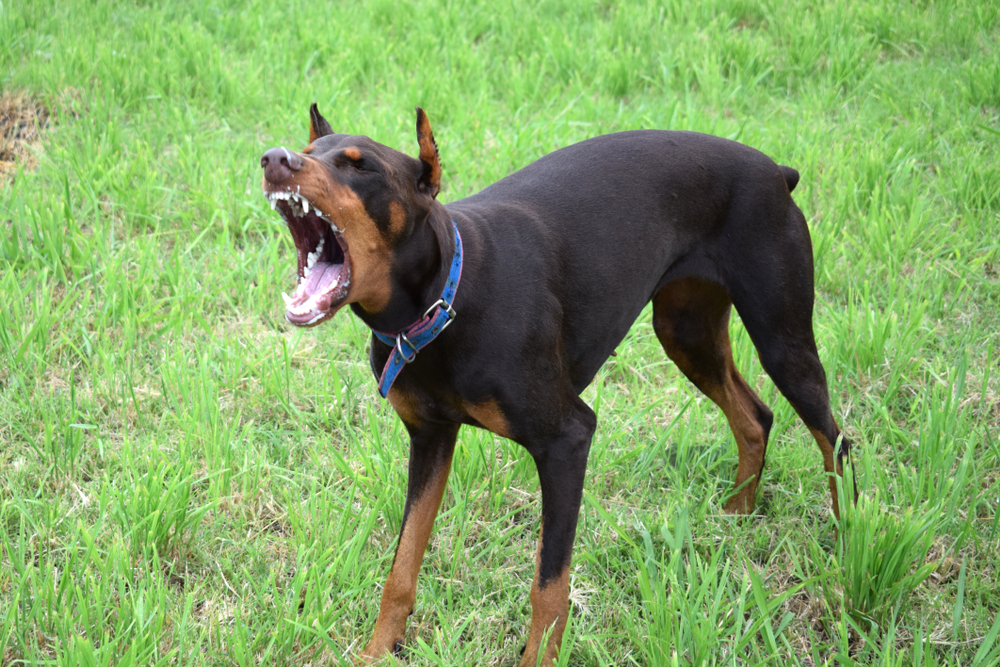
Dogs require uninterrupted rest to regulate mood and stress hormones. Constant disturbance disrupts neurological recovery. Irritability increases. Reaction thresholds drop.
Sleep deprivation studies in mammals show aggression rises as rest decreases. Dogs woken repeatedly lose emotional buffering. Fatigue magnifies reactivity. Rest is behavioral medicine.
10. Territorial Pressure Creates Defensive Behavior
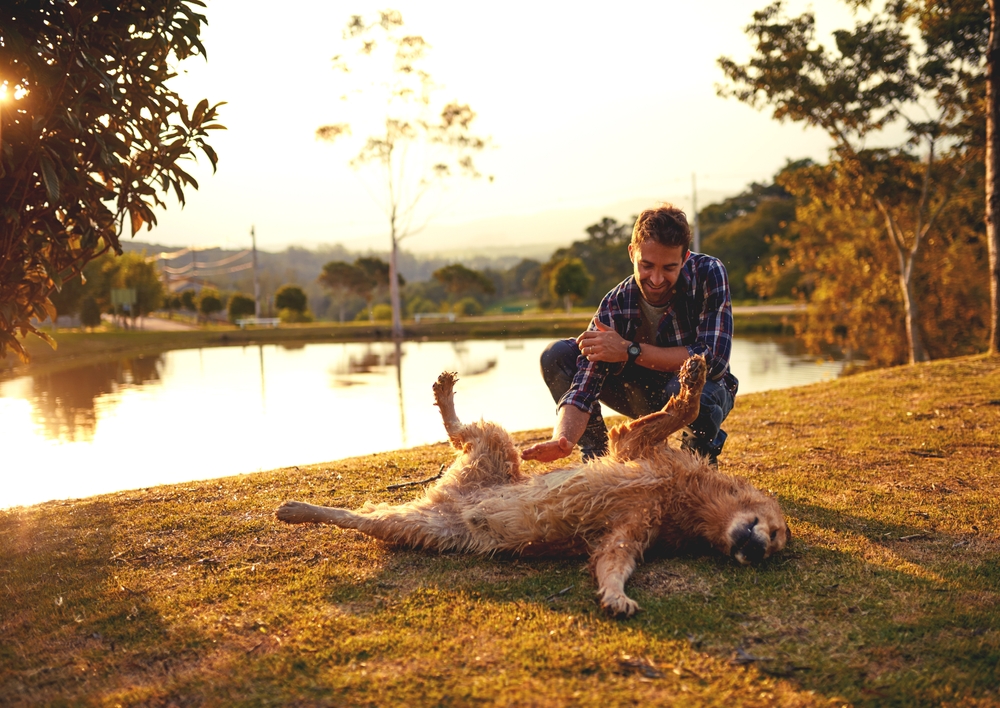
Dogs perceive territory as a survival zone. Intrusions—even from family members—can trigger defense if boundaries feel unstable. Renovations, guests, or new pets increase pressure. Defense becomes proactive.
Territorial behavior research shows dogs escalate when control feels compromised. Stability reduces aggression. Chaos increases it. Environment shapes response.
11. Inconsistent Parenting Creates Anxiety
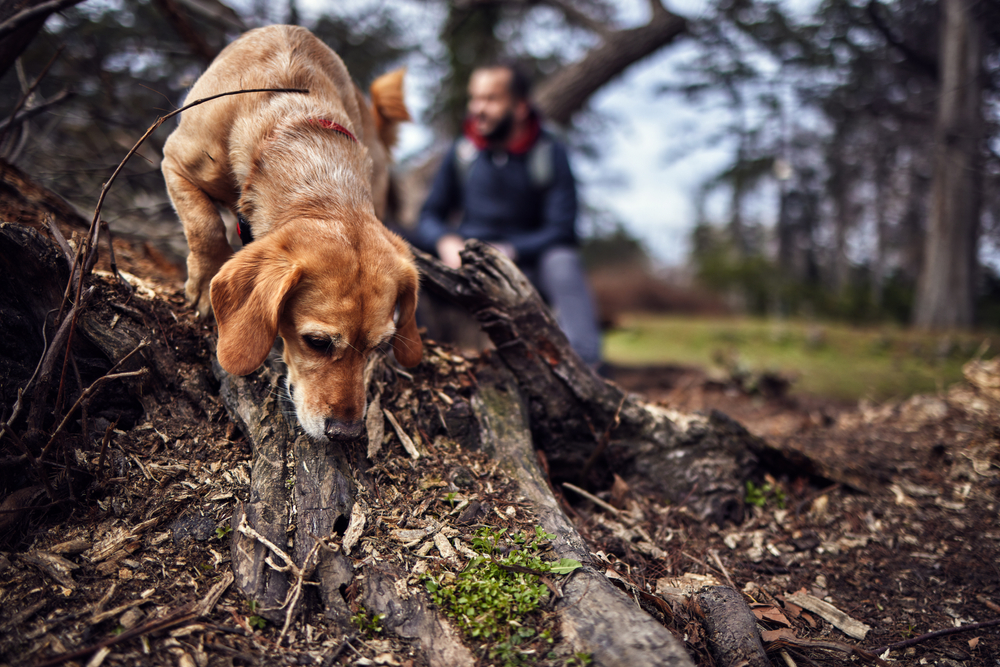
Dogs rely on predictability, not dominance. When rules shift daily, dogs lose confidence in outcomes. Anxiety fills the gap. Defensive behavior follows uncertainty.
Behavioral consistency studies show dogs thrive under clear expectations. Anxiety increases when signals conflict. Predictability equals safety. Confusion breeds reaction.
12. Hormonal Changes Can Increase Reactivity
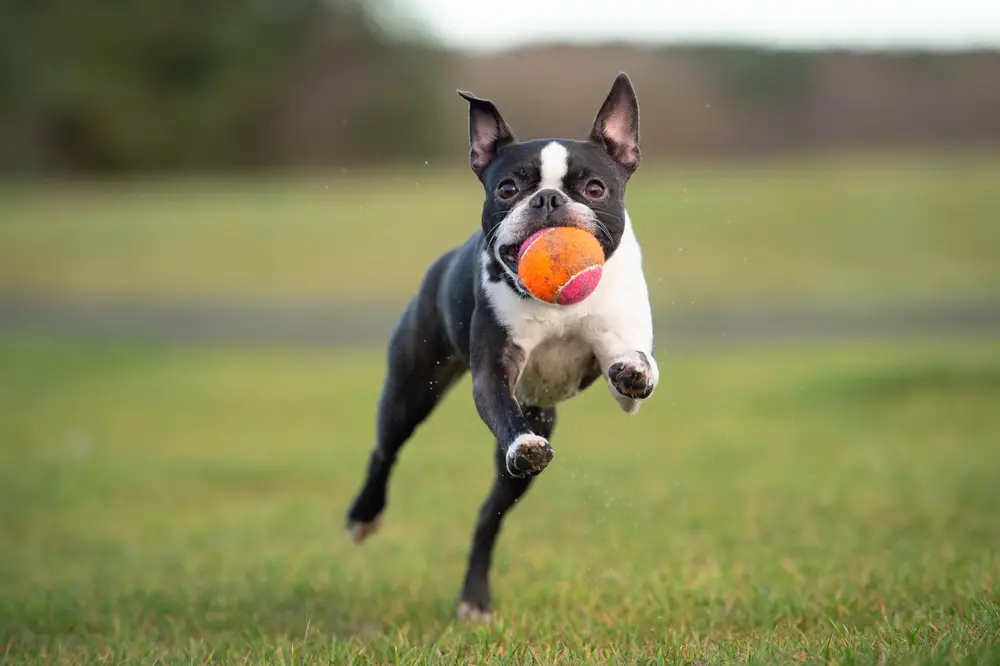
Adolescent dogs experience hormonal changes that affect impulse control. Reactivity spikes during this developmental phase. Owners often mistake this for permanent aggression. It is transitional but risky.
Canine developmental research shows adolescence mirrors human teenage neuroplasticity. Impulsivity peaks before regulation stabilizes. Proper management prevents escalation. Time alone does not.
13. Learned Aggression Can Play Out
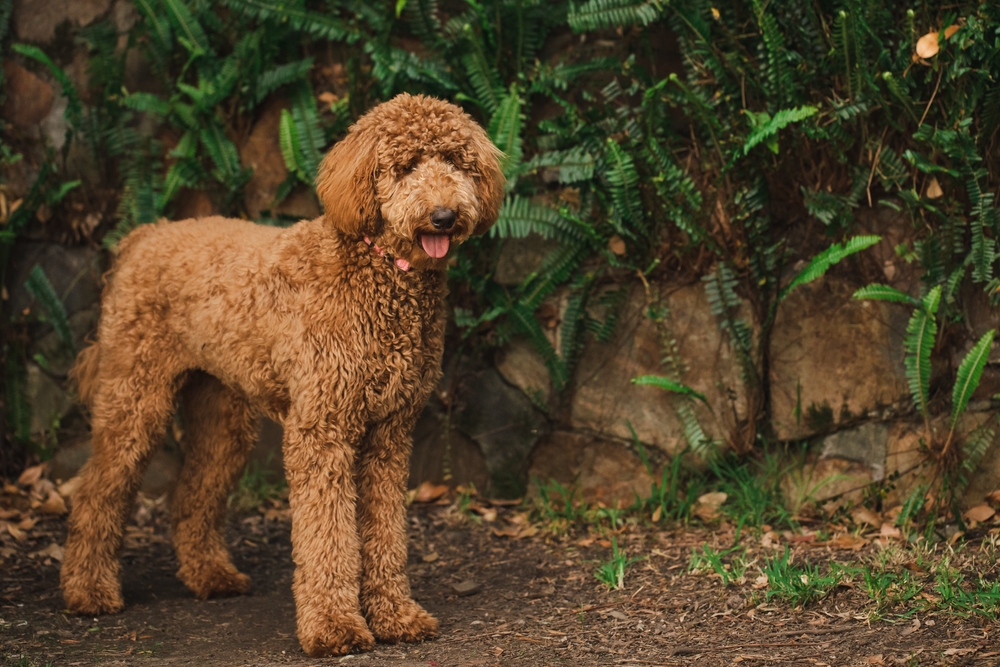
If aggression causes a threat to retreat, it becomes reinforced. Dogs learn quickly what works. Each successful defense strengthens the behavior. Escalation follows repetition.
Learning theory confirms behaviors followed by relief repeat. Without intervention, aggression becomes the default. Early interruption matters. Patterns harden fast.
14. Genetics Shapes Their Tolerance Threshold
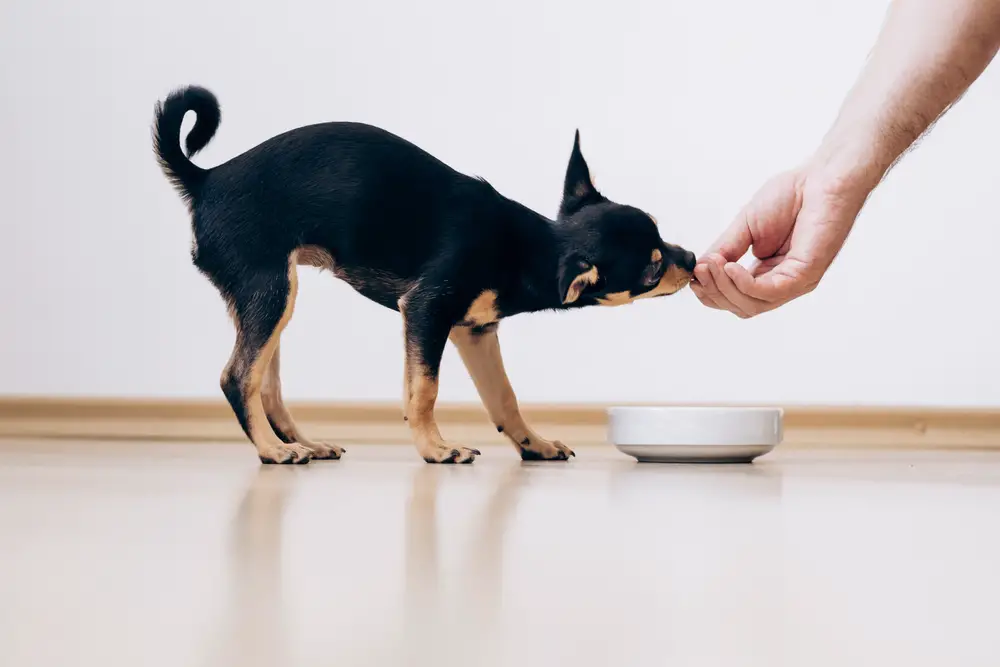
Some dogs inherit lower tolerance thresholds for stress. Genetics influence reactivity, not morality. The environment determines expression. Blame ignores biology.
Behavioral genetics research shows heritable components to fear responses. Breed stereotypes oversimplify risk. Individual thresholds vary. Management matters more than labels.
15. Owners Miss Early Warning Signs
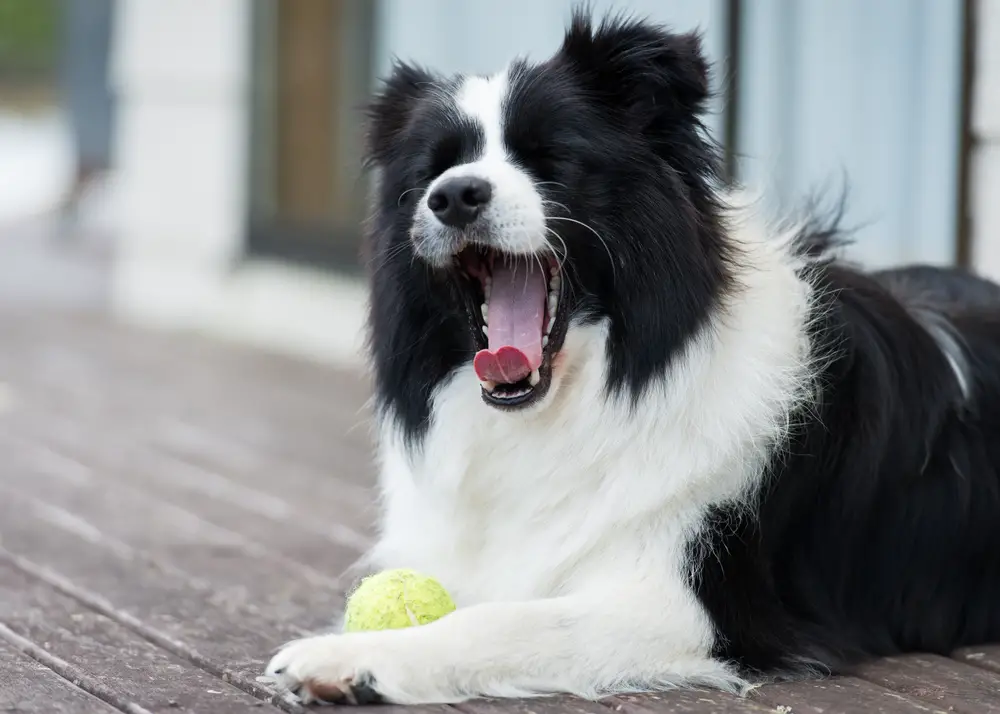
Most dogs display warnings long before attacks. Subtle signals go unnoticed or dismissed. When warnings fail, escalation follows. The bite is the final communication.
Canine behaviorists agree that most bites are preventable. Education changes outcomes. Dogs communicate constantly. Humans must learn to listen.