
Choosing a dog is often emotional. People fall in love with a look, a personality stereotype, or a viral video without fully understanding what daily life with that breed actually requires. When energy levels, grooming needs, or temperament clash with your lifestyle, stress quietly builds on both sides of the leash. The wrong match does not mean you are a bad owner or that the dog is “difficult.” It means expectations and reality are out of sync. Over time, that mismatch can turn everyday routines into constant tension.
1. High-Energy Working Breeds in Low-Activity Homes

Working breeds are designed for stamina and problem-solving. When placed in sedentary households, their unspent energy often turns into destructive behavior. Chewing, digging, and excessive barking are frequently signs of boredom rather than defiance.
Daily life becomes exhausting when you are always trying to “tire them out.” Without structured exercise and mental stimulation, frustration grows for both of you. What looked impressive and athletic at adoption can feel overwhelming within weeks.
2. Guardian Breeds in Highly Social Environments
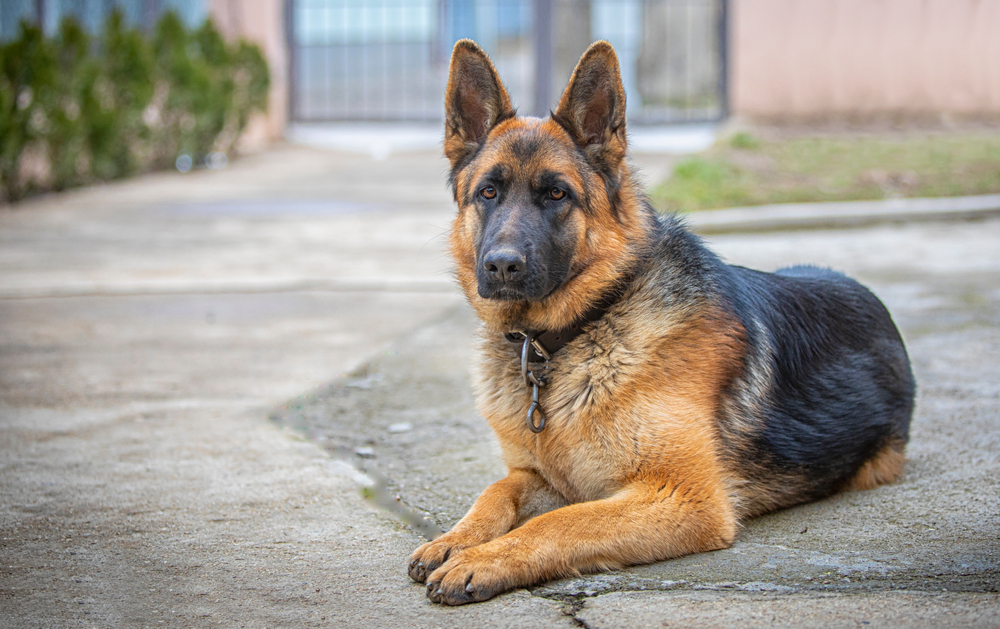
Protective breeds thrive with clear leadership and consistent boundaries. In busy homes with constant visitors, children’s friends, or frequent deliveries, that instinct can turn into chronic alertness. The dog feels responsible for managing every perceived threat.
This can create tension every time someone approaches the door. You may find yourself constantly reassuring guests while monitoring your dog’s reactions. A home that once felt relaxed can start feeling like a controlled security zone.
3. Extremely Vocal Breeds in Apartments
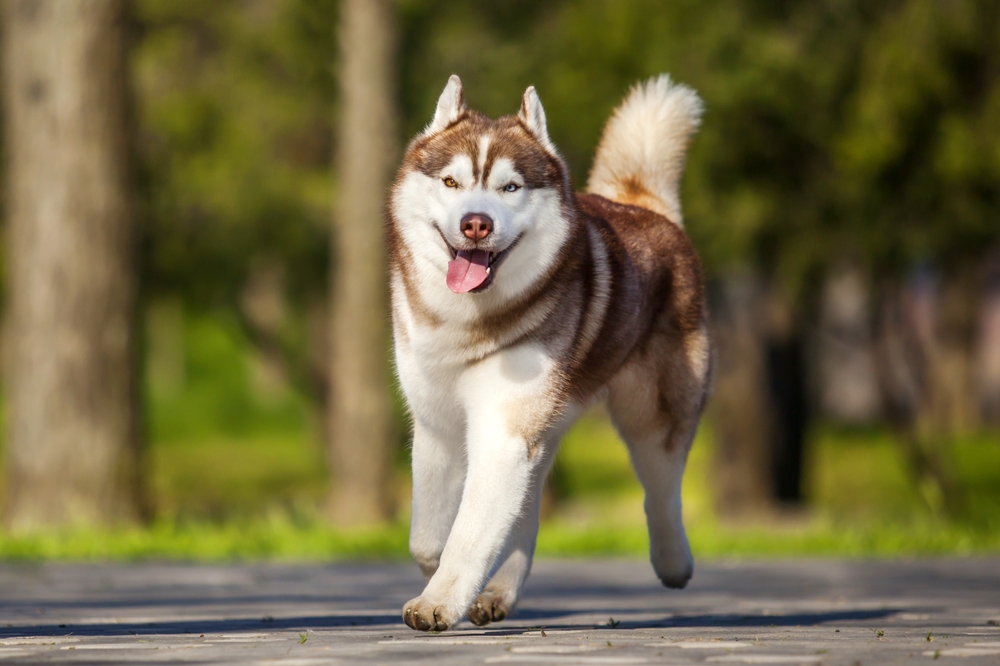
Some breeds are genetically inclined to alert bark. In an apartment setting, every hallway sound or closing door can trigger noise. Neighbors may become less tolerant over time.
You may spend much of your day anticipating and managing barking episodes. What seemed like a “cute talkative personality” can quickly turn into anxiety about complaints. The stress of constant vigilance affects everyone involved.
4. High-Grooming Breeds for Busy Owners
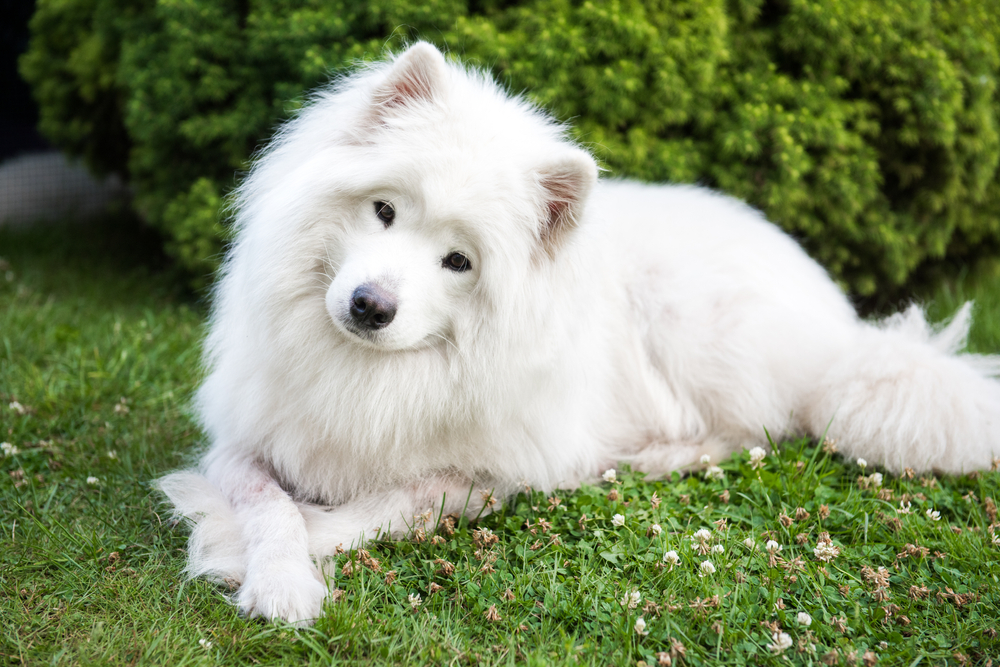
Certain breeds require professional grooming every few weeks. Without consistent maintenance, coats mat, skin issues develop, and discomfort increases. Grooming becomes a recurring logistical and financial commitment.
When schedules are packed, missed appointments pile up. You may feel guilty watching the coat deteriorate while scrambling for time. The daily reminder of unmet grooming needs adds quiet pressure to an already busy life.
5. Independent Breeds in Homes Seeking Constant Affection

Some dogs are naturally reserved and self-directed. They may enjoy companionship but do not crave constant cuddling or attention. Owners expecting a shadow-like companion can feel rejected.
The mismatch leads to subtle disappointment. Attempts to force closeness can increase stress for the dog. Over time, frustration replaces the bonding experience you imagined.
6. Velcro Dogs in Work-From-Home Settings

Dogs bred for close companionship often struggle when separated. Even brief absences can trigger anxiety behaviors. In remote work environments, they may demand attention throughout the day.
Meetings interrupted by whining or pawing can become routine. You may feel torn between work responsibilities and your dog’s emotional needs. The constant pull on your focus creates daily tension.
7. Large Breeds in Small Living Spaces

Size alone does not determine compatibility, but space limitations can amplify challenges. Large dogs need room to move comfortably and stretch out. In cramped homes, they may knock over objects unintentionally.
Navigating tight hallways or small rooms becomes physically stressful. You may feel perpetually on edge trying to prevent accidents. The home starts to feel smaller and less functional.
8. High-Prey-Drive Breeds Around Small Pets

Breeds developed for hunting may have strong instincts toward movement. In households with cats, rabbits, or small dogs, this can create constant management challenges. Even well-trained dogs may struggle with impulse control.
Supervision becomes non-negotiable. You may feel unable to relax when pets share space. The ongoing vigilance adds mental fatigue to everyday life.
9. Stubborn Breeds for First-Time Owners

Some breeds are intelligent but independent-minded. They may question commands rather than automatically comply. First-time owners often underestimate the patience and consistency required.
Training sessions can feel like negotiations. Progress may come slowly without firm structure. The gap between expectation and reality can create frustration quickly.
10. High-Exercise Breeds in Extreme Climates
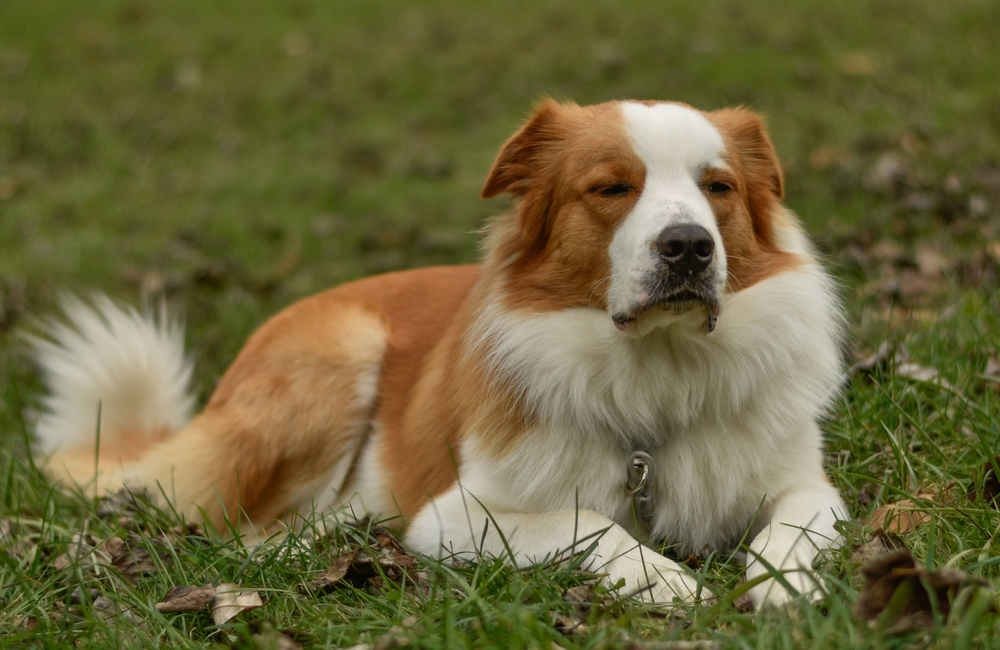
Dogs built for endurance often require substantial daily activity. In regions with harsh winters or intense summer heat, meeting those needs becomes complicated. Weather limits consistent outdoor exercise.
You may feel guilty when walks are shortened or skipped. Indoor stimulation requires planning and creativity. The effort to compensate for climate restrictions can feel relentless.
11. Sensitive Breeds in Loud Households

Certain breeds are highly attuned to sound and emotion. In chaotic environments with frequent shouting, loud music, or unpredictable schedules, these dogs may become anxious. Their stress often shows in pacing or hiding.
Living with a constantly overstimulated dog creates emotional strain. You may feel responsible for calming an environment that does not easily quiet down. The cycle of stress feeds itself.
12. Strong-Willed Breeds Without Clear Structure

Some dogs thrive when leadership is calm, consistent, and firm. Without boundaries, they make their own decisions about behavior. This often leads to resource guarding, leash pulling, or ignoring commands.
Daily life turns into repeated corrections rather than partnership. Instead of mutual understanding, interactions feel like constant negotiation. When structure is missing, stress fills the gap.