
Eye contact is a powerful form of communication in the animal kingdom, but it doesn’t always mean what we think it does. While humans interpret direct eye contact as a sign of honesty or confidence, many animals see it as a direct threat or challenge. Wildlife experts emphasize that understanding these visual signals can mean the difference between a peaceful encounter and a dangerous confrontation.
1. Grizzly and Brown Bears
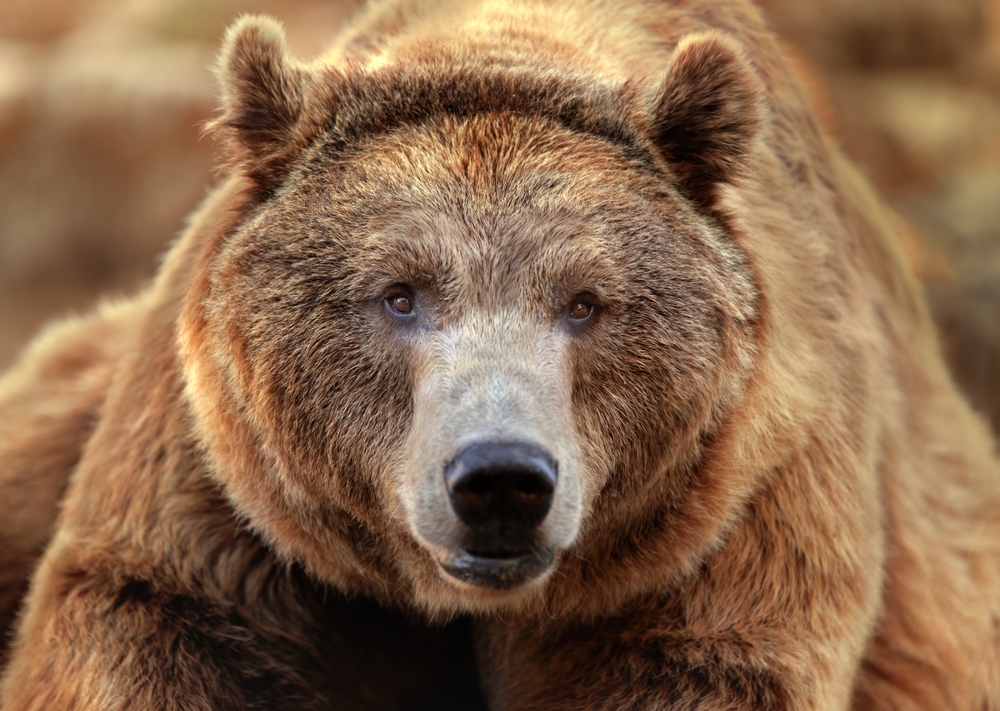
Bears interpret direct, sustained eye contact as aggressive behavior that signals you’re preparing to fight or challenge them. Wildlife experts recommend keeping bears in your peripheral vision while avoiding direct staring during an encounter. Looking directly at a bear can escalate a situation from curiosity or caution to aggression.
The key is to appear non-threatening while still being aware of the bear’s location and movements. Most bear safety protocols emphasize speaking calmly, moving slowly, and avoiding the fixed stare that animals use before attacking. Bears who feel challenged are far more likely to charge or attack than those who perceive you as submissive and unthreatening.
2. Mountain Gorillas
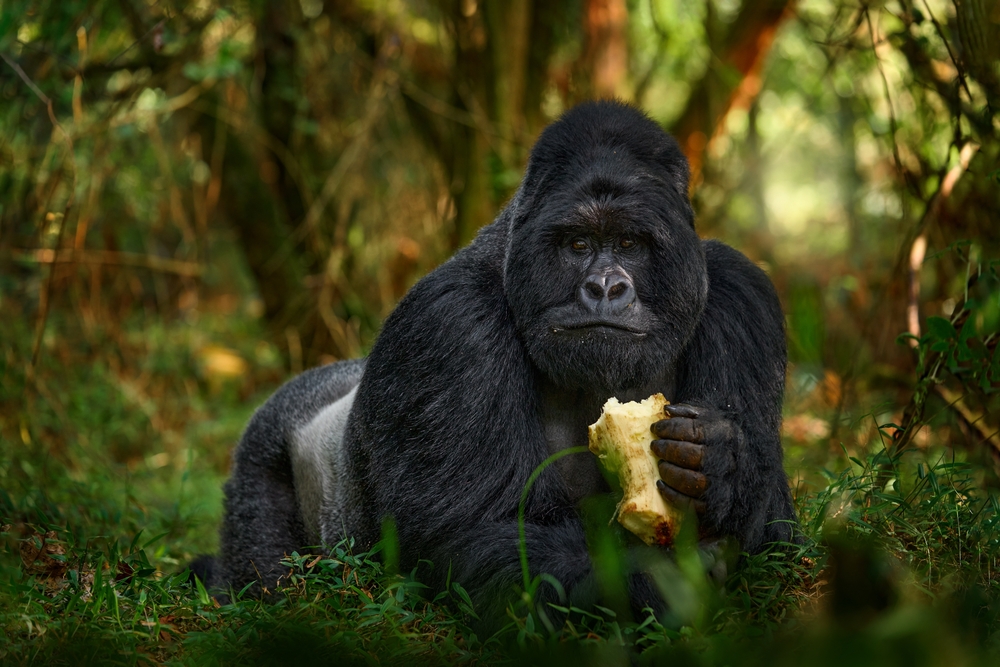
Mountain gorillas interpret direct eye contact as an aggressive challenge to their authority, particularly from adult males. Wildlife guides in Rwanda and Uganda specifically train tourists to look at gorillas’ feet or shoulders rather than staring into their eyes. A silverback who feels challenged by sustained eye contact may charge or display aggression to reassert dominance.
Even though gorilla attacks on humans are rare, most incidents begin with tourists violating this eye contact rule. The gorillas aren’t being randomly aggressive—they’re responding to what they perceive as a direct threat. Looking away or down demonstrates submission in gorilla social dynamics, which is exactly what you want to communicate as a visitor in their territory.
3. Chimpanzees
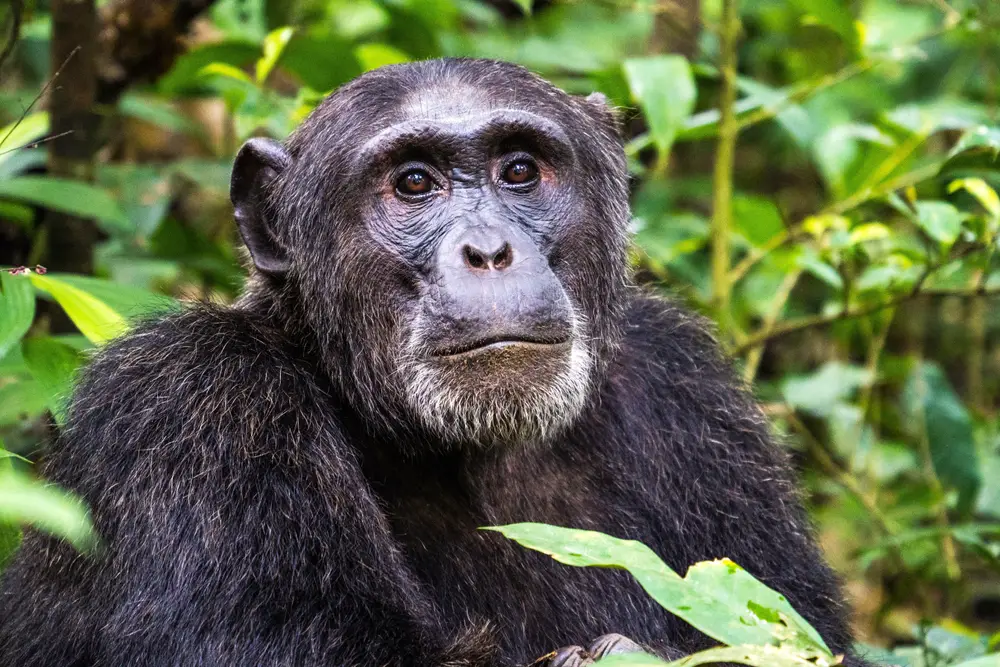
Chimpanzees view prolonged eye contact as a sign of hostility and dominance challenge, often responding with aggressive displays or attacks. In the wild and in captivity, chimps have attacked people who stared at them, interpreting the gaze as threatening behavior. Their strength—up to five times that of an adult human—makes any aggressive response extremely dangerous.
Sanctuary workers and researchers learn quickly to avoid direct eye contact when working with chimps. Even brief eye contact should be accompanied by submissive body language like looking down or away. Chimpanzees have excellent memories, and a chimp who feels threatened by your stare may hold a grudge and retaliate later.
4. Wolves and Wolf-Dogs
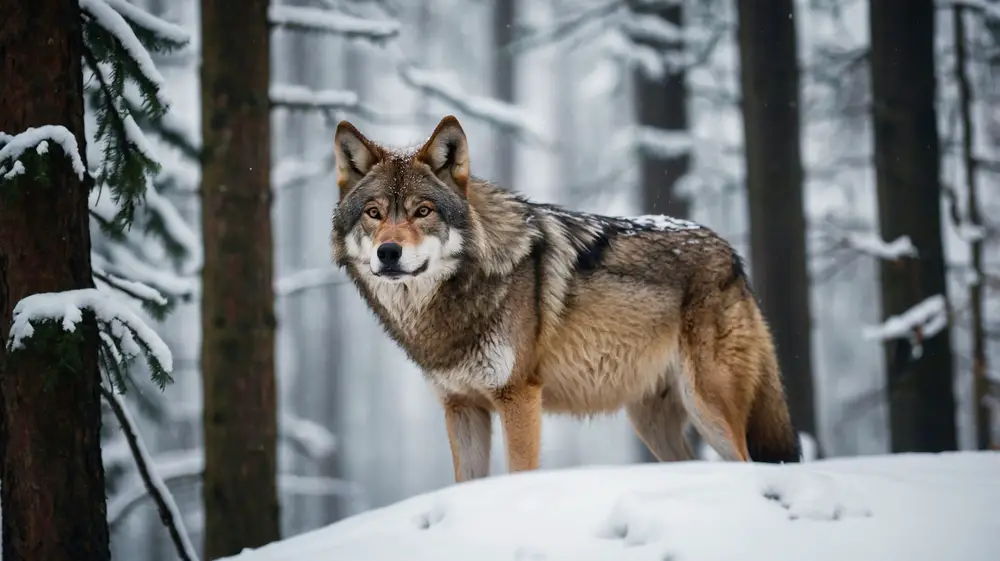
Wolves interpret direct eye contact as a dominance challenge, and staring at a wolf can trigger an aggressive response. Wild wolves are generally wary of humans, but direct eye contact removes their natural caution and can provoke a defensive attack. Wolf-dog hybrids kept as pets are particularly unpredictable, combining wolf instincts with reduced fear of humans.
Pack dynamics make eye contact even more dangerous—a wolf may attack to maintain its status rather than back down from what it perceives as a challenge. Wildlife photographers who work with wolves learn to observe them through cameras or peripherally. Even friendly-seeming wolves at sanctuaries should never be stared at directly, as their instincts remain unchanged by human contact.
5. Big Cats (Lions, Tigers, Leopards)
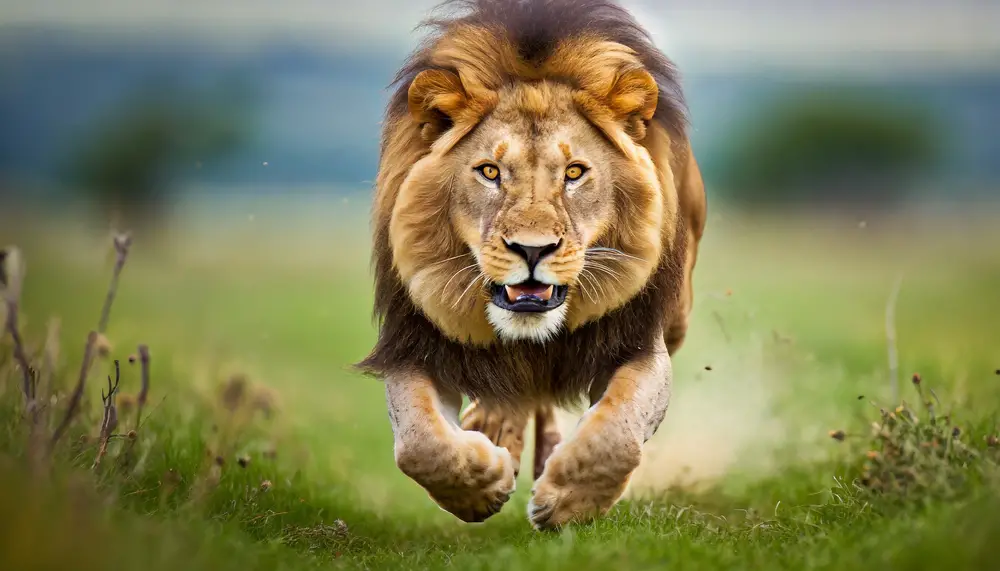
Large predatory cats interpret direct eye contact as either a threat or prey assessing them, both of which can trigger an attack. In areas where humans and big cats coexist, locals traditionally wear masks on the back of their heads to deter attacks from behind. Tigers in particular are ambush predators who are less likely to attack prey that’s watching them.
The “eyes on the back” strategy used in India and Bangladesh demonstrates how important eye contact dynamics are with big cats. However, staring directly at a big cat’s face is still dangerous and can provoke a charge. Safari guides emphasize staying in vehicles and avoiding direct stares at lions or leopards during close encounters.
6. Alligators and Crocodiles
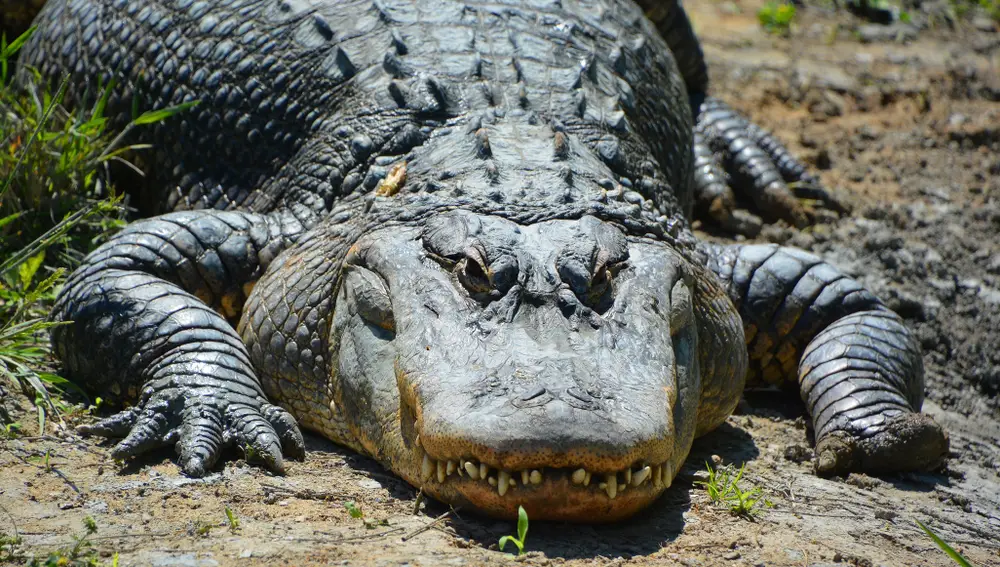
Crocodilians have excellent vision and interpret direct eye contact as attention from potential prey or a threat to be dealt with. Alligators that have become accustomed to humans are particularly dangerous because they’ve lost their natural wariness. Making eye contact with one can trigger predatory behavior, especially if you’re near water where they feel most confident.
Wildlife experts who work with crocodilians avoid direct eye contact during handling or relocation operations. These ancient predators operate largely on instinct, and eye contact signals engagement that can switch them from passive to active hunting mode. The recommendation is to be aware of their location without staring, backing away slowly if you’re too close.
7. Baboons
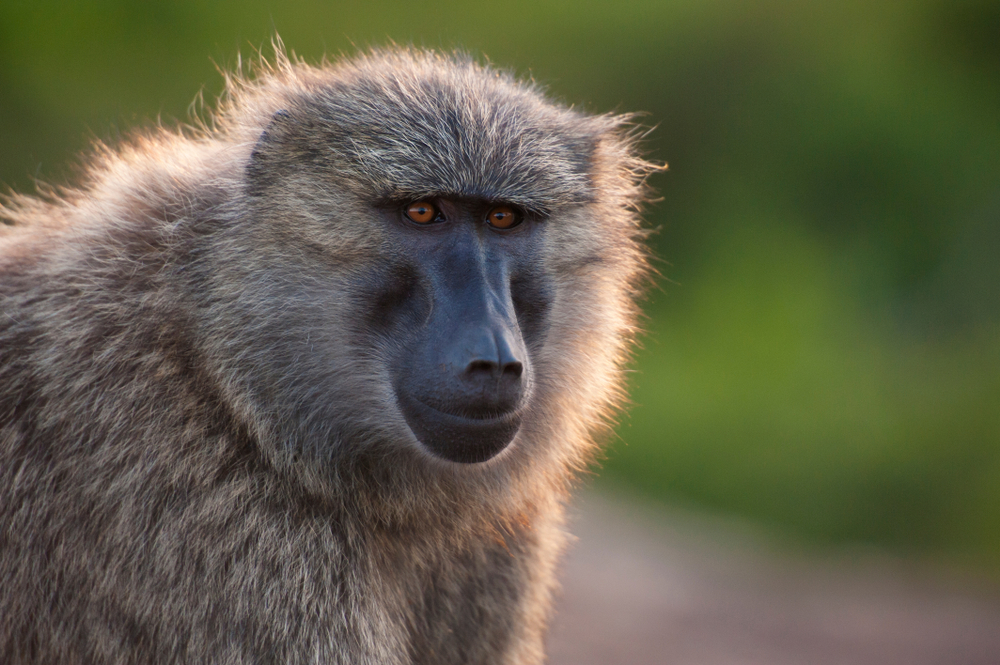
Baboons have complex social hierarchies where direct eye contact signifies challenge and disrespect, often leading to aggressive displays or attacks. In areas where baboons interact with tourists, most attacks begin with someone making prolonged eye contact. Male baboons in particular will interpret staring as a dominance challenge they must respond to violently.
Their large canine teeth and surprising strength make baboon attacks serious medical emergencies. Research sites and tourist areas in Africa post warnings about avoiding eye contact with baboons. Even females with infants will attack if they feel threatened by a stare, and baboons are known to be vindictive, sometimes following and attacking people who violated these social rules.
8. Leopard Seals
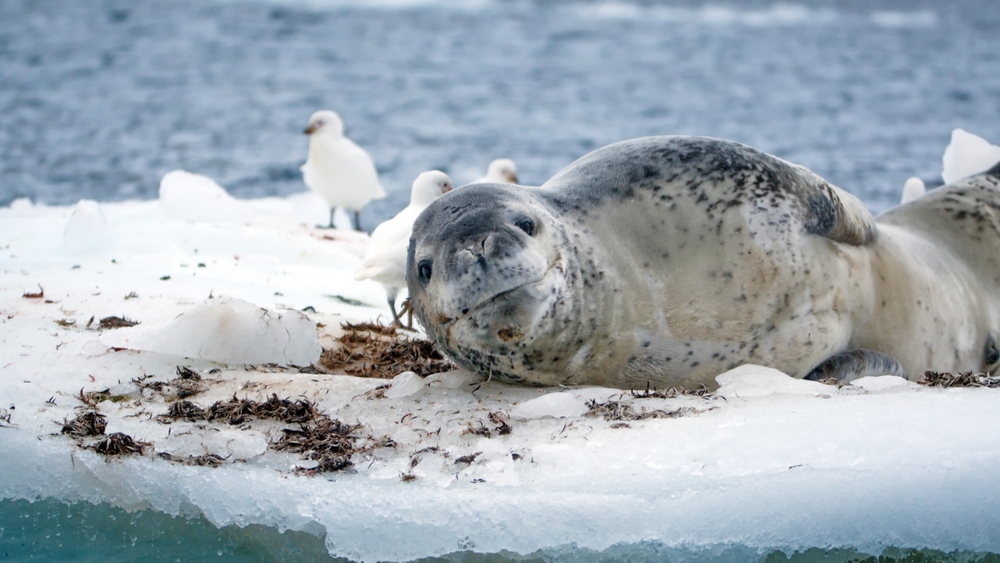
Leopard seals are apex predators in Antarctic waters and interpret direct eye contact as a sign you’re paying attention to them—which can trigger predatory interest. These seals have been known to stalk and attempt to pull humans into the water, viewing them as potential prey. Marine biologists working in their habitat are specifically trained to avoid direct eye contact during encounters.
Unlike most seals, leopard seals are naturally aggressive toward humans and have killed people. Their massive jaws and speed in water make them formidable predators who don’t back down from challenges. Eye contact can shift their behavior from curious to predatory, especially if you’re in or near the water.
9. Moose
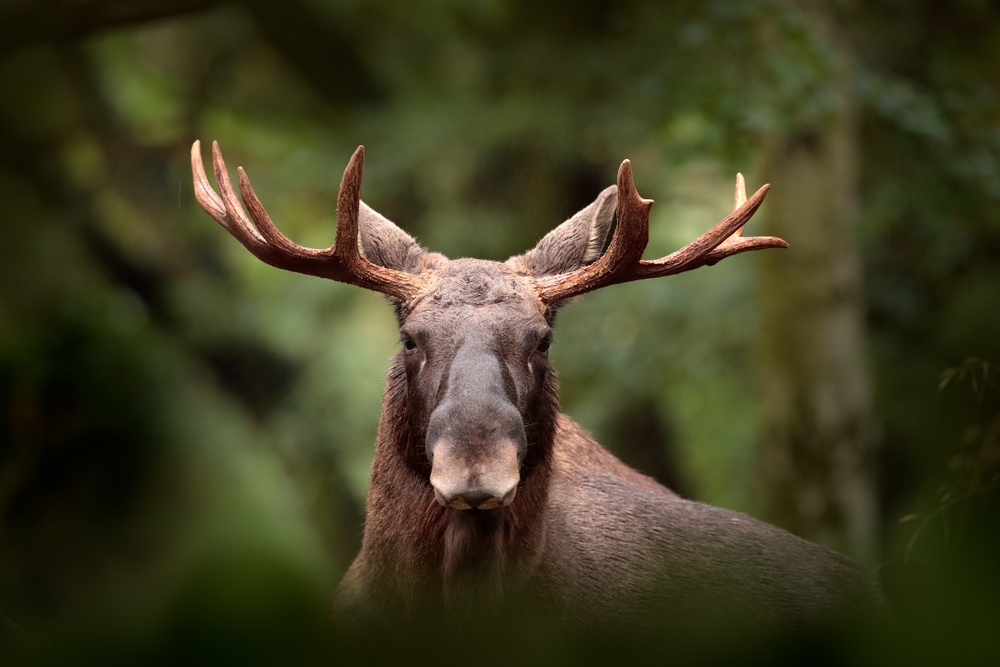
Moose may seem docile, but they’re responsible for more human injuries than bears in many regions, and eye contact can trigger aggression. During rutting season or when cows have calves, moose interpret direct stares as threatening behavior. Their response can be a charge, and an adult moose can easily kill a person with their hooves and weight.
Wildlife officers emphasize that moose are unpredictable and surprisingly fast despite their size. Avoiding eye contact while slowly backing away is the recommended response during close encounters. Moose who feel challenged or threatened by a stare won’t retreat—they’ll attack, and their aggression is sustained and dangerous.
10. Cassowaries
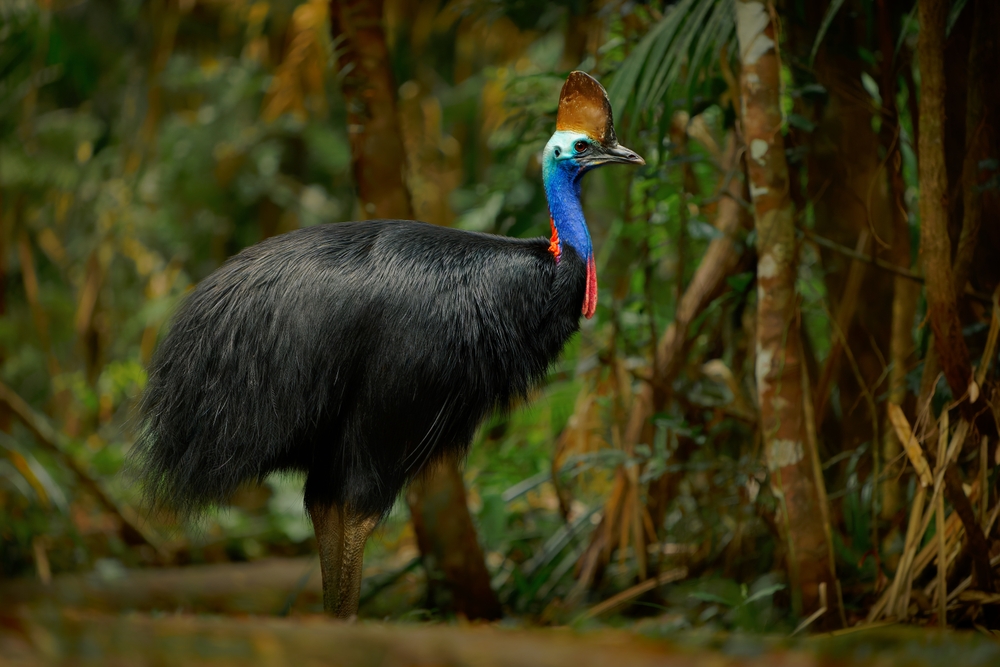
Cassowaries are large, flightless birds from Australia and New Guinea that are considered the world’s most dangerous birds. They interpret direct eye contact as aggression and have attacked and killed humans with their powerful legs and dagger-like claws. These territorial birds don’t tolerate perceived threats, and staring signals that you’re one.
Wildlife experts who study cassowaries avoid eye contact and maintain significant distance from these unpredictable birds. Their kicks can disembowel a person, and they’ve been known to chase people considerable distances when they feel threatened. In areas where cassowaries are present, locals know to look away and move slowly if they encounter one.
11. Venomous Snakes
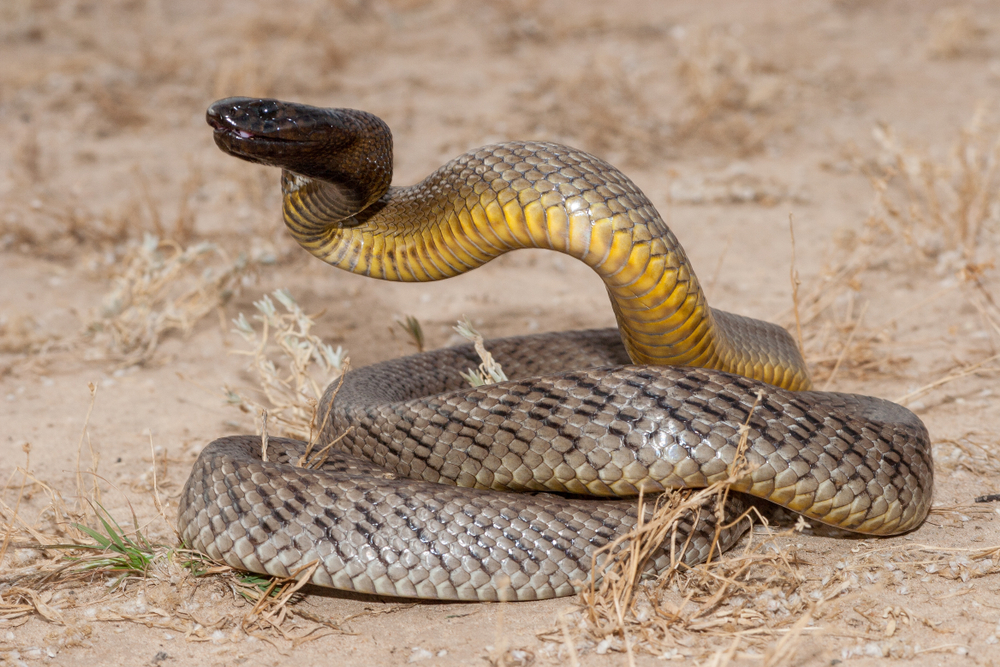
While snakes don’t interpret eye contact the same way mammals do, staring at them keeps your focus fixed rather than on your escape route, which is dangerous. Many venomous snakes will strike if they feel threatened, and maintaining eye contact often means you’re not creating distance. Herpetologists recommend being aware of a snake’s location without fixating on it.
The bigger danger is that people freeze and stare when they encounter snakes, rather than slowly backing away. Snakes respond to movement and vibration more than visual contact, but your fixed attention can lead to poor decisions. The best response is to note the snake’s location, avoid sudden movements, and back away while watching your step rather than maintaining a stare.
12. Ravens and Crows
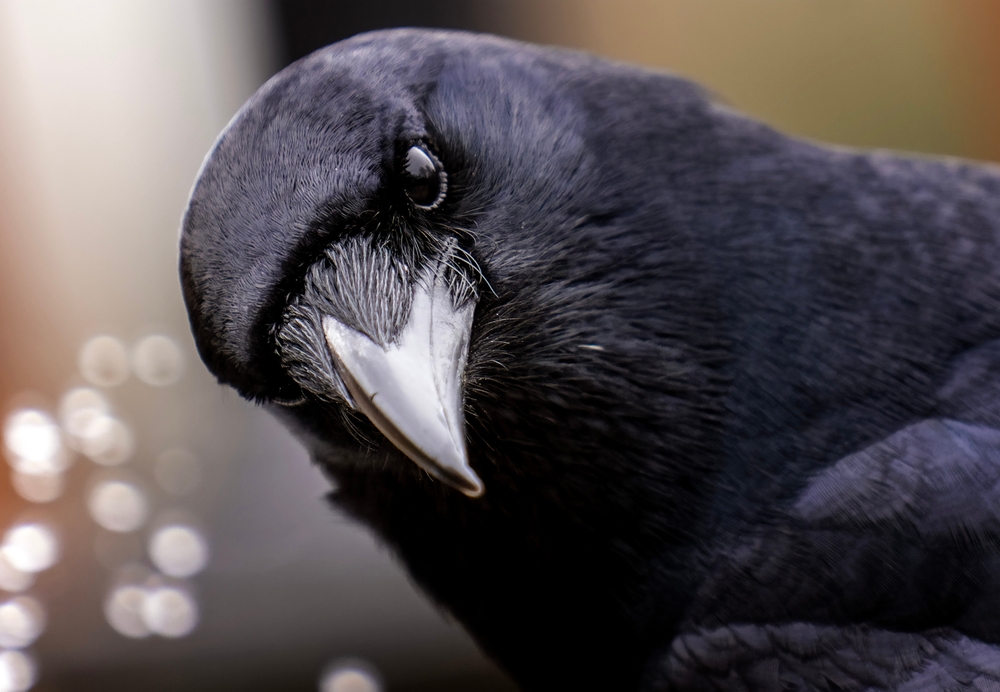
Ravens and crows are highly intelligent and remember individual human faces, especially those who stare at them aggressively. While they’re less likely to attack than other animals on this list, they’ve been known to dive-bomb people who’ve made them feel threatened. Direct, prolonged eye contact can mark you as a threat they’ll remember and harass.
These birds have been documented holding grudges for years and recruiting other crows to mob people who wronged them. Researchers who study corvids wear masks when trapping them because the birds remember faces and will attack recognized humans. Staring at crows or ravens can make you a target for ongoing harassment in areas where you regularly encounter them.
13. Monitor Lizards
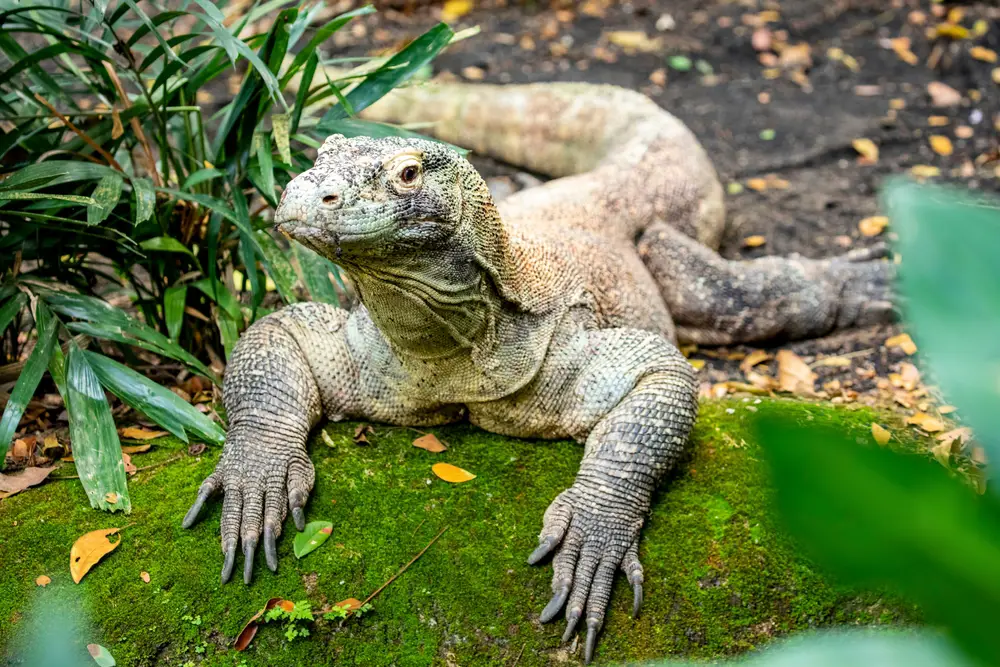
Large monitor lizards, including Komodo dragons, are predatory reptiles that can interpret direct eye contact as attention that makes attack riskier—but also as a challenge. Komodo dragons have attacked and killed humans, and maintaining eye contact while in their territory can provoke aggression. These lizards are faster and more aggressive than most people expect.
Tourists in areas with large monitors are warned to give them space and avoid direct staring. While eye contact might deter an ambush attack in some cases, it can also trigger a frontal assault from a confident lizard. The safest approach is peripheral awareness while creating distance, never cornering or challenging these powerful predators.
14. Hippos
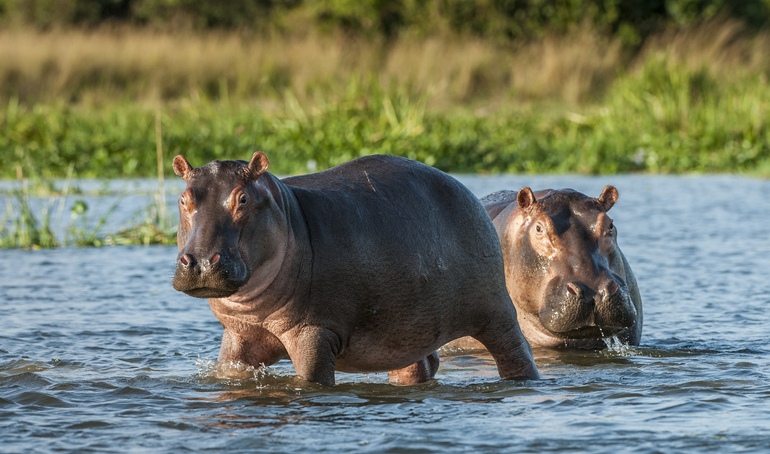
Hippos are responsible for more human deaths in Africa than any other large animal, and they interpret direct eye contact as a threat to their territory. These massive animals are highly aggressive and will charge anything they perceive as challenging them. Staring at a hippo signals that you’re aware of them and potentially planning something, which triggers their defensive aggression.
Wildlife guides in Africa emphasize giving hippos extreme distance and avoiding eye contact if you encounter them on land. Their speed—up to 30 mph in short bursts—and crushing bite force make them incredibly dangerous when provoked. Looking away and retreating slowly is the only safe response, as eye contact with a hippo often precedes a charge.