
Eye contact means different things in the animal kingdom. While you might see it as a form of acknowledgment, many wild animals perceive it as a threat. To avoid unwanted confrontations and ensure both your safety and theirs, here are 13 wild animals you should never lock eyes with, according to experts.
1. Wild Boars

Wild boars might not seem as threatening as big cats or bears, but they can be surprisingly aggressive, especially when cornered or protecting their young. Direct eye contact can be perceived as a challenge, potentially provoking an attack. According to research in the Journal of Wildlife Management, wild boars are known for their aggressive responses when they feel threatened. If you find yourself facing a wild boar, it’s best to slowly and quietly retreat, avoiding any sudden movements.
These animals are fiercely protective of their territory and offspring, and their unpredictable nature is compounded by their speed and strength. The best approach is to remain calm and collected, using your knowledge of their behavior to guide your actions. By maintaining a safe distance and avoiding direct eye contact, you’ll convey that you’re not a threat. This understanding of wild boar behavior can help prevent a dangerous encounter and allow you to appreciate these creatures from afar.
2. Gorillas
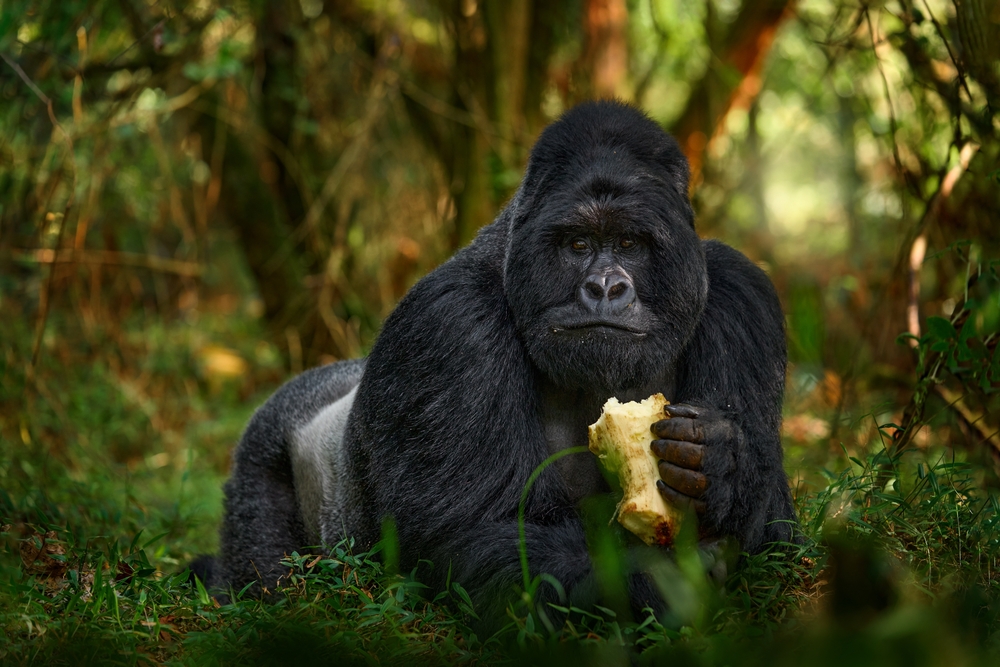
Gorillas are incredibly intelligent, emotive creatures, but they interpret eye contact quite differently than humans do. When you lock eyes with a gorilla, you’re essentially challenging its dominance, which can lead to aggressive displays or even an attack. In the gorilla community, a direct stare is often a precursor to conflict. To show respect and avoid provoking them, it’s best to keep your eyes lowered and your body language relaxed.
These primates are not just brutes; they have complex social structures and communicate with a variety of vocalizations and body gestures. The culture of gorilla societies is built on harmony and mutual respect, so a non-threatening stance can be vital when interacting with them in the wild. By adopting a respectful posture, you’re communicating that you’re not a threat, fostering a more peaceful coexistence. Your understanding of gorilla etiquette could be the key to a safe and enlightening encounter.
3. Wolves
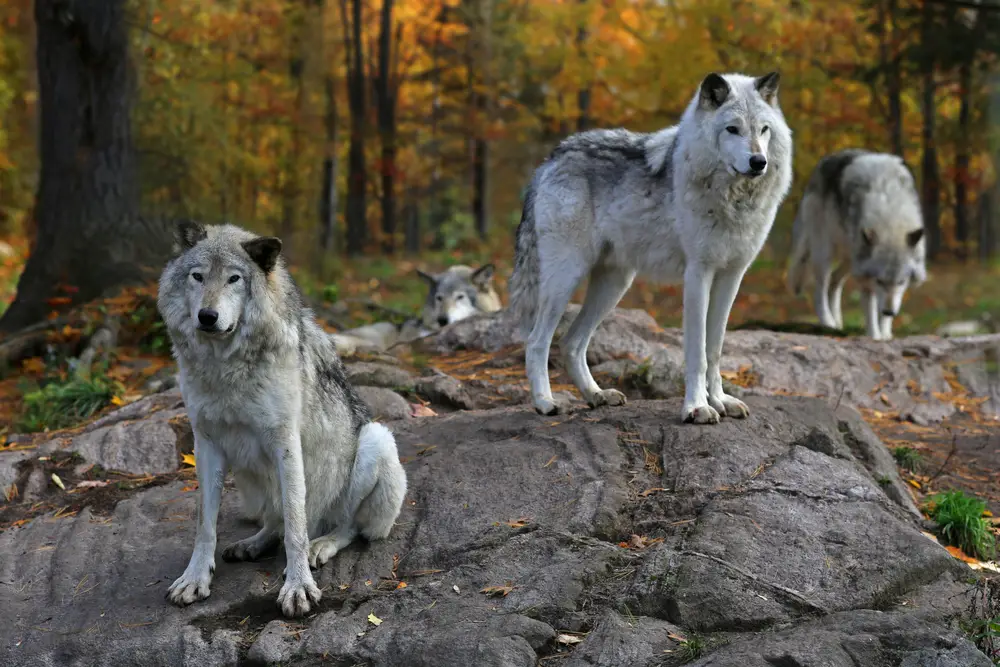
Wolves are pack animals with a highly structured social hierarchy, and making direct eye contact with them can be seen as a challenge to their pack dynamics. A fierce stare might provoke a protective or aggressive response, particularly from the alpha or other dominant members. Wildlife experts often advise that if you encounter wolves, you should avoid staring directly at them. A study in the International Journal of Primatology highlights that wolves use eye contact to establish dominance within the pack, making it crucial to avoid miscommunication.
In the wild, wolves rely on their complex social systems for survival, and each member plays a defined role. The alpha wolves lead and protect their pack, and their authority is maintained through subtle cues, including eye contact. Understanding their social constructs is essential for any human interaction with them. Respecting their visual signals can help you navigate an encounter without incident, allowing you to appreciate the beauty of these creatures from a safe distance.
4. Bears
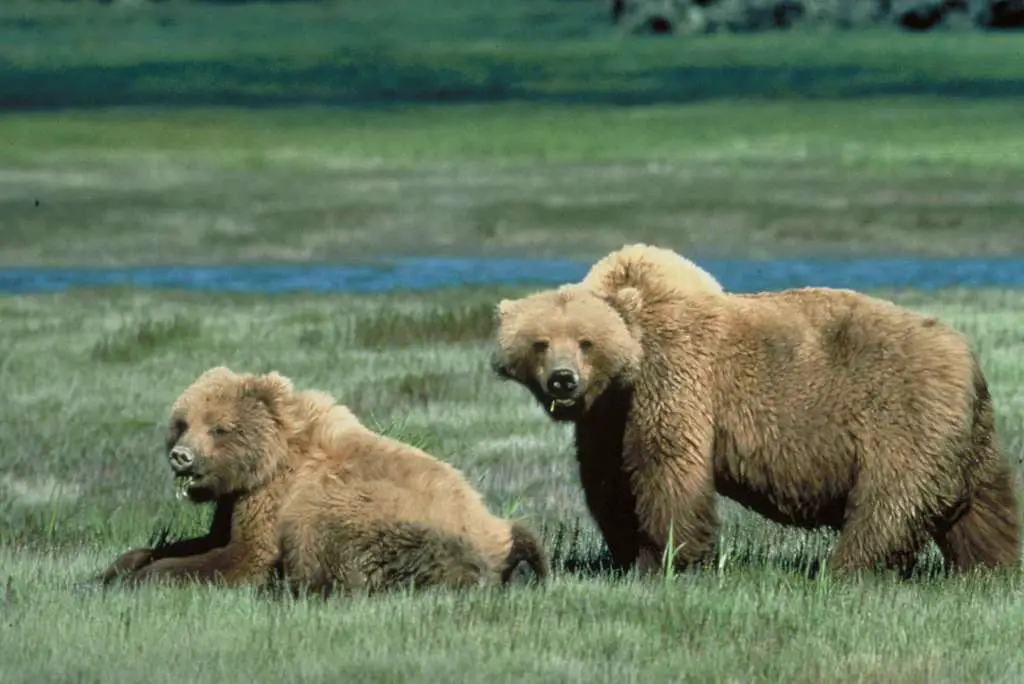
Bears are solitary animals that prefer to avoid human interaction, but when confronted, they can become highly unpredictable. Eye contact with a bear is often interpreted as a threat, potentially prompting it to charge or attack. If you come across a bear, experts recommend speaking calmly and slowly backing away without turning your back on the animal. This approach minimizes the likelihood of an aggressive response and gives the bear a chance to retreat as well.
The bear’s unpredictable nature is partially due to its solitary lifestyle and lack of extensive social structures found in pack animals. While they generally avoid confrontation, their sheer strength and size make any encounter potentially dangerous. A bear’s decision to attack is often based on its perceived level of threat, so reducing your apparent threat level through non-confrontational body language is crucial. By maintaining a respectful distance and avoiding direct eye contact, you’re more likely to leave the encounter unscathed.
5. Lions
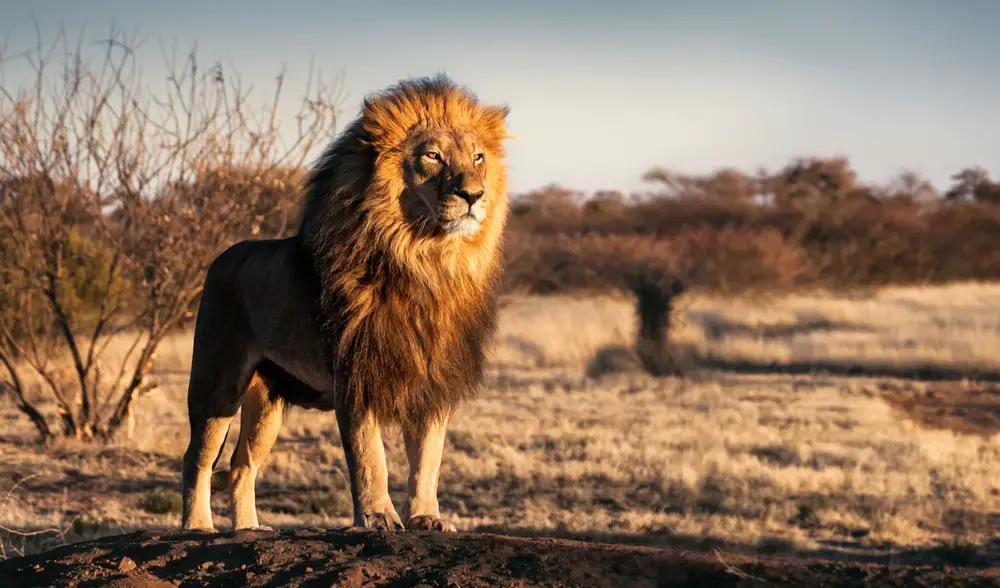
Staring into the eyes of a lion is akin to challenging its authority. These magnificent creatures interpret direct eye contact as a sign of aggression, which could trigger their predatory instincts. If you ever find yourself in close proximity to a lion, it’s best to avert your gaze and slowly back away while keeping the lion in your peripheral vision. According to a study published in the Journal of Zoology, eye contact with large felines often precedes attacks, as it can provoke defensive aggression or a hunting response.
Lions are not just any predators; they are apex predators, meaning they are at the very top of the food chain. They possess an acute awareness of their environment and have evolved to be extremely sensitive to visual cues. While it may seem counterintuitive, showing respect by avoiding direct eye contact can actually be more disarming to a lion than staring it down. This tactic aligns with the broader behavioral science of conflict resolution, where non-confrontation can often lead to peace over assertiveness.
6. Elephants
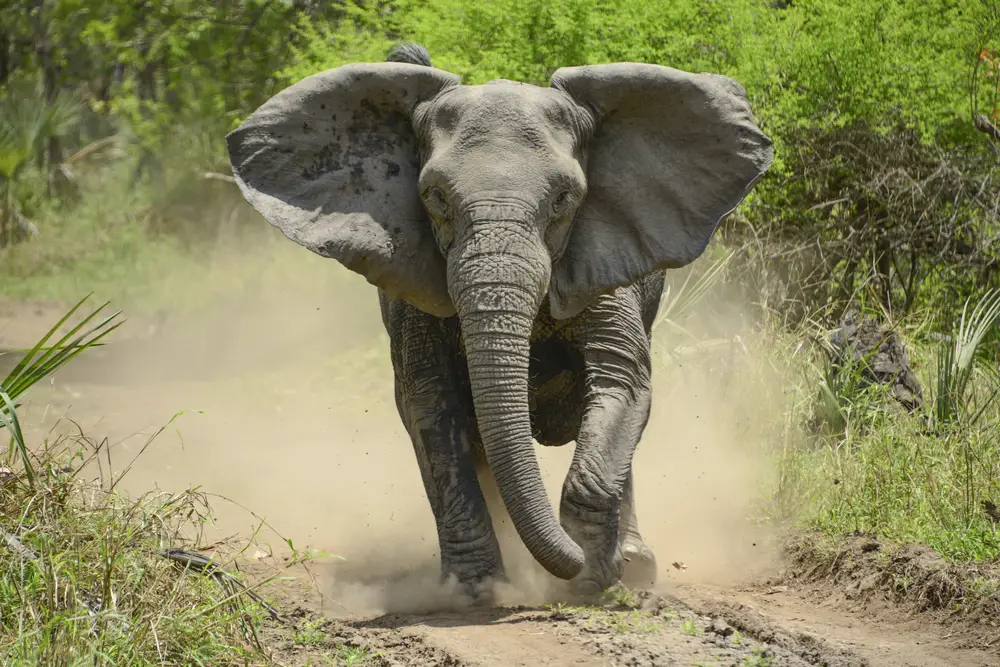
Despite their largely gentle demeanor, elephants can become aggressive if they feel threatened, and direct eye contact is a surefire way to make them uneasy. These majestic animals interpret staring as a sign of hostility, which can lead to a defensive or aggressive reaction. When observing elephants, especially in the wild, it’s best to keep your distance and avoid any behavior that might be perceived as confrontational. The key to a peaceful encounter is allowing them to feel unthreatened by your presence.
Elephants are highly intelligent and social creatures, with strong connections to their families and herds. They communicate through a series of vocalizations and body language, and eye contact plays an integral role in their interactions. By respecting their space and avoiding a direct gaze, you’re acknowledging their social norms and reducing the risk of conflict. This approach not only ensures your safety but also fosters an environment where elephants can continue their natural behaviors without disruption.
7. Snakes
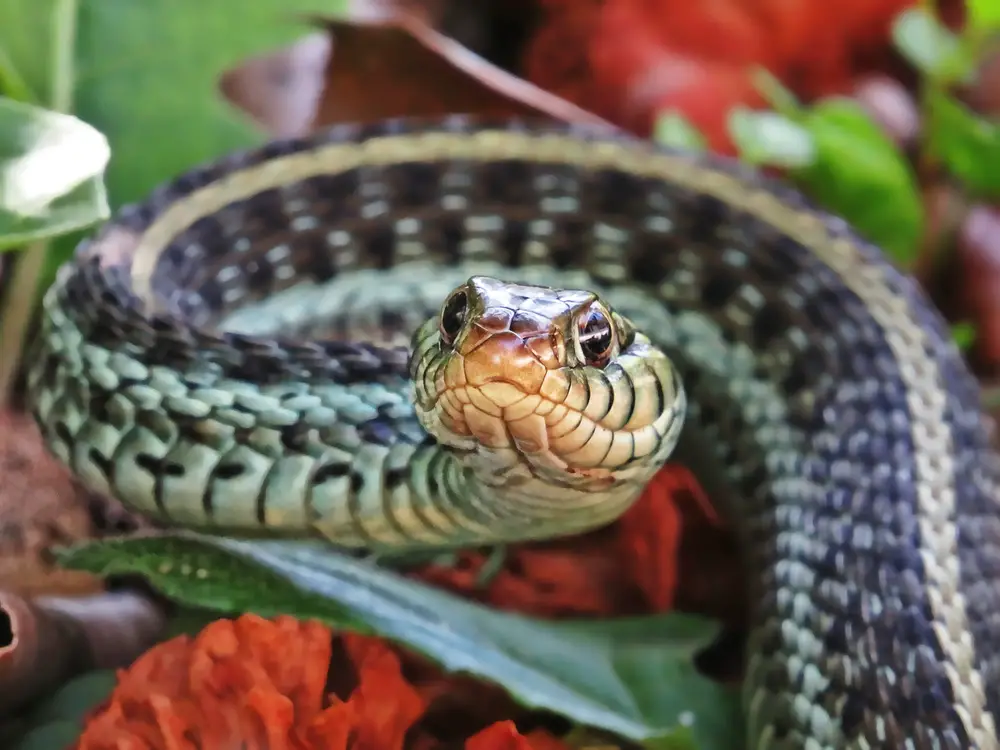
With snakes, it’s not so much about eye contact as it is about the perceived threat from towering over them. Snakes can’t exactly lock eyes with you, but your presence and body language can trigger their defensive instincts. Herpetologists suggest that sudden movements or making yourself appear larger can provoke a snake to strike. An article in the journal Herpetologica emphasizes the importance of remaining still and calm during a snake encounter, as this reduces the likelihood of an attack.
Snakes possess a unique set of sensory tools that allow them to detect vibrations and heat, making them highly attuned to their surroundings. While they are not inherently aggressive, they will defend themselves if they feel cornered or threatened. By remaining calm and avoiding sudden movements, you communicate that you’re not a threat, allowing the snake to slither away peacefully. Your understanding of snake behavior can make all the difference in preventing a dangerous interaction.
8. Bison
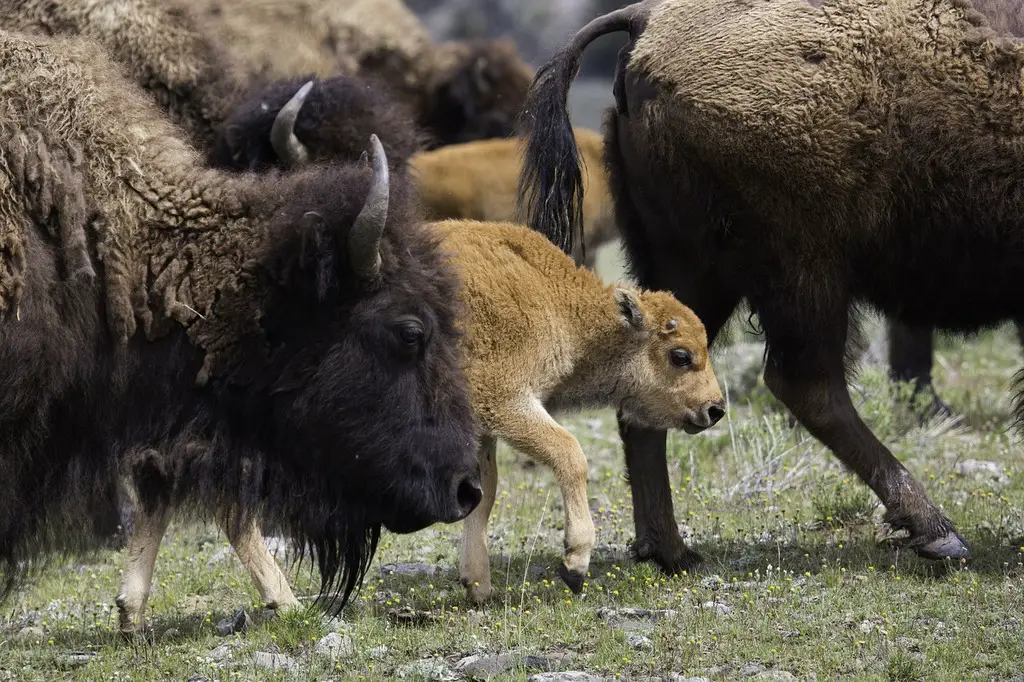
Bison might appear slow and cumbersome, but they are capable of quick, unpredictable movements, especially when threatened. Direct eye contact can be perceived as a challenge to their authority, leading to aggressive behavior. When visiting areas where bison roam, it’s crucial to give them plenty of space and avoid any gestures that might be interpreted as confrontational. Maintaining a respectful distance is key to safely observing these magnificent creatures.
These animals are a symbol of the American wilderness, yet they can weigh over a ton and run at speeds up to 35 miles per hour. Despite their size, they are surprisingly agile and can become defensive when approached too closely. Understanding their natural behavior and respecting their space is vital for both your safety and theirs. By keeping a safe distance and avoiding eye contact, you ensure a peaceful coexistence with these iconic symbols of the plains.
9. Rhinoceroses
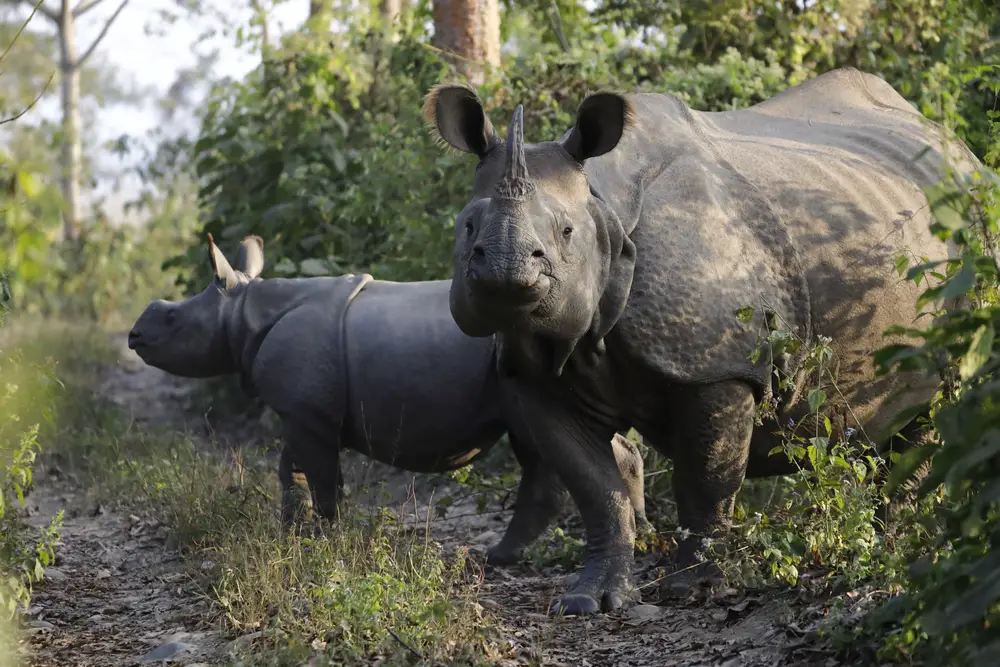
Rhinos have poor eyesight, but they are highly sensitive to movement and can become aggressive if they perceive a threat. While it might be difficult to lock eyes with a rhino due to their limited vision, maintaining a non-threatening posture is crucial. If you find yourself in proximity to a rhino, remain calm, avoid sudden movements, and slowly back away without turning your back on the animal. This helps prevent any misunderstandings that could lead to a dangerous charge.
These magnificent creatures are often solitary and territorial, relying on their acute senses of hearing and smell to navigate their environment. Despite their poor vision, they can interpret sudden or unexpected movements as a threat. By respecting their personal space and exhibiting calm behavior, you reduce the risk of a confrontation. Your awareness of a rhino’s perception can be your best tool for ensuring a safe and memorable wildlife encounter.
10. Cheetahs
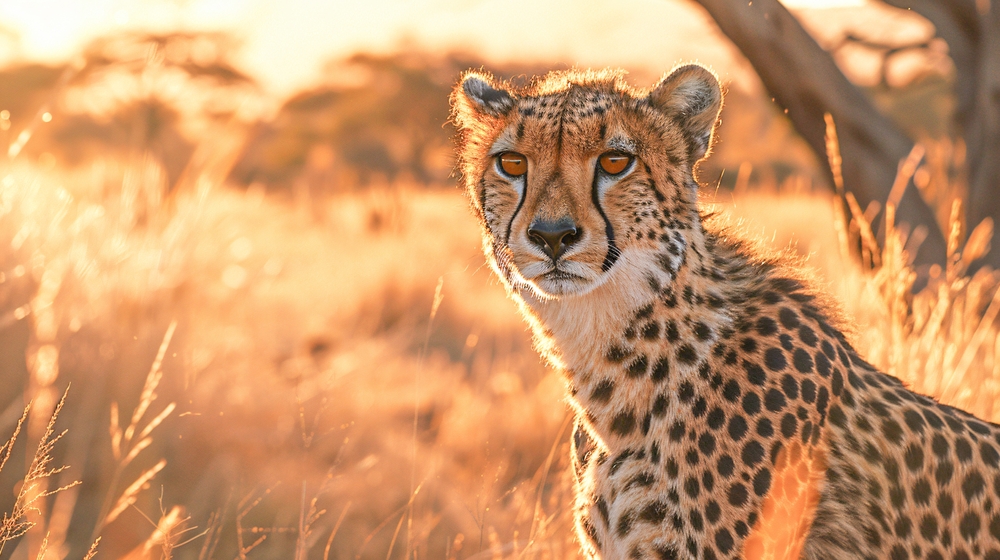
Cheetahs, with their lithe bodies and unparalleled speed, are not typically aggressive toward humans, but direct eye contact can make them feel threatened. While they are the fastest land animals, cheetahs rely on avoiding confrontation rather than engaging in it. If you find yourself near a cheetah, it’s best to keep your eyes averted and your movements slow and steady. This approach minimizes the likelihood of provoking a defensive reaction.
Cheetahs are built for speed, not strength, which is why they often avoid conflicts that could lead to injury. They are solitary hunters, and their interactions with humans are typically cautious and reserved. By respecting their need for space and avoiding behaviors that could be perceived as aggressive, you create a more relaxed environment for the cheetah. This not only ensures your safety but also allows you to witness the grace and elegance of these incredible predators without incident.
11. Jaguars
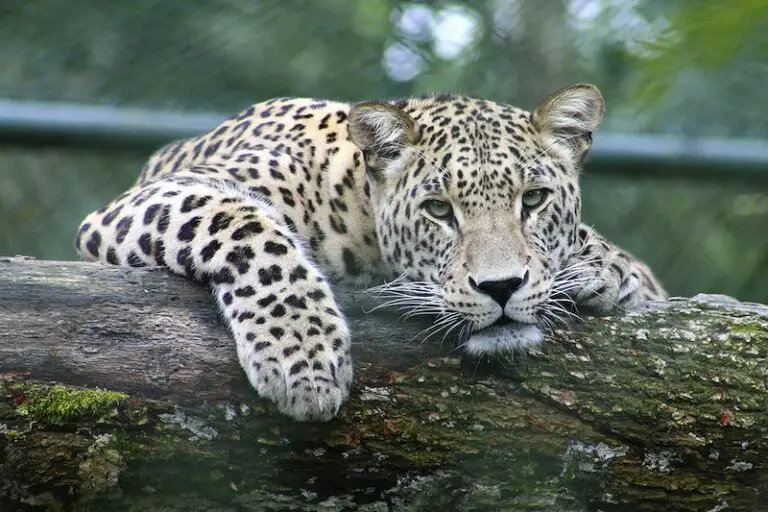
Jaguars are elusive and powerful predators, with a gaze that communicates authority and dominance. Locking eyes with a jaguar can be seen as a direct challenge, potentially provoking an aggressive response. These big cats are known for their strength and stealth, and they prefer to avoid humans whenever possible. If you encounter a jaguar, keep your distance and avoid any overt displays of aggression or confrontation.
In the wild, jaguars are solitary hunters that rely on their keen senses and powerful build to maintain their status. They are typically more active at night, making daylight encounters rare but potentially dangerous. By respecting their space and avoiding direct eye contact, you acknowledge their dominance and reduce the risk of a confrontation. This understanding of jaguar behavior is crucial for ensuring a safe and peaceful coexistence in their natural habitat.
12. Hyenas
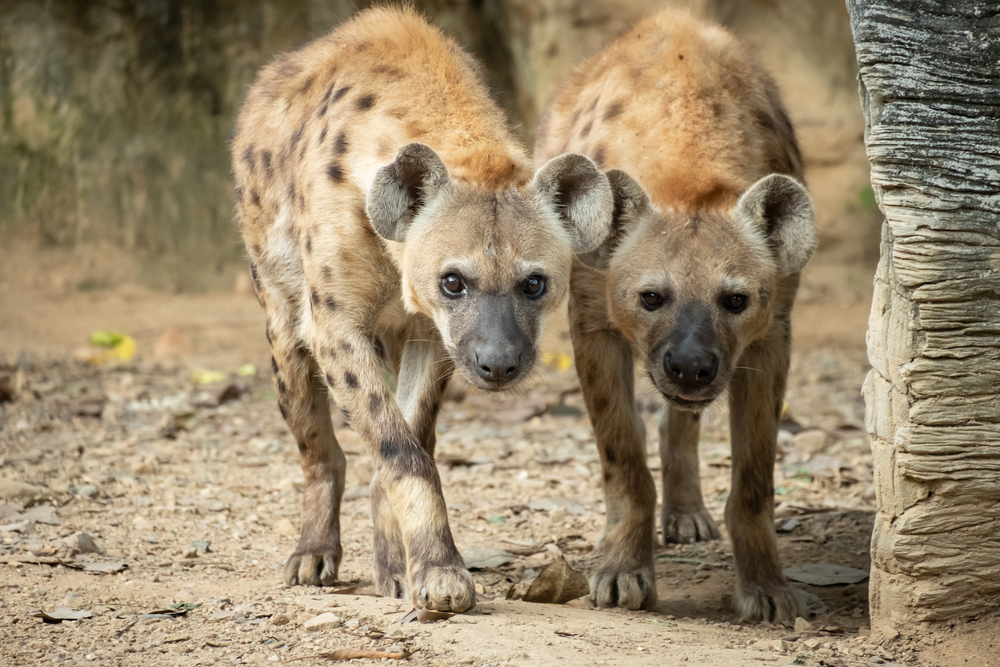
While often misunderstood, hyenas are highly intelligent and social creatures with complex communication systems. Direct eye contact with a hyena can be interpreted as a challenge or threat, leading to aggressive behavior. If you come across a hyena in the wild, it’s best to maintain a non-confrontational posture and slowly back away. This approach helps prevent any escalation and allows the hyena to feel secure in its environment.
Hyenas play an essential role in their ecosystems, acting as both predators and scavengers. Despite their reputation, they are incredibly social animals that operate within strict social hierarchies. Understanding their behavior and respecting their space can prevent potentially dangerous encounters. By avoiding eye contact and showing respect for their territory, you contribute to a safer and more harmonious relationship with these fascinating animals.
13. Buffalo
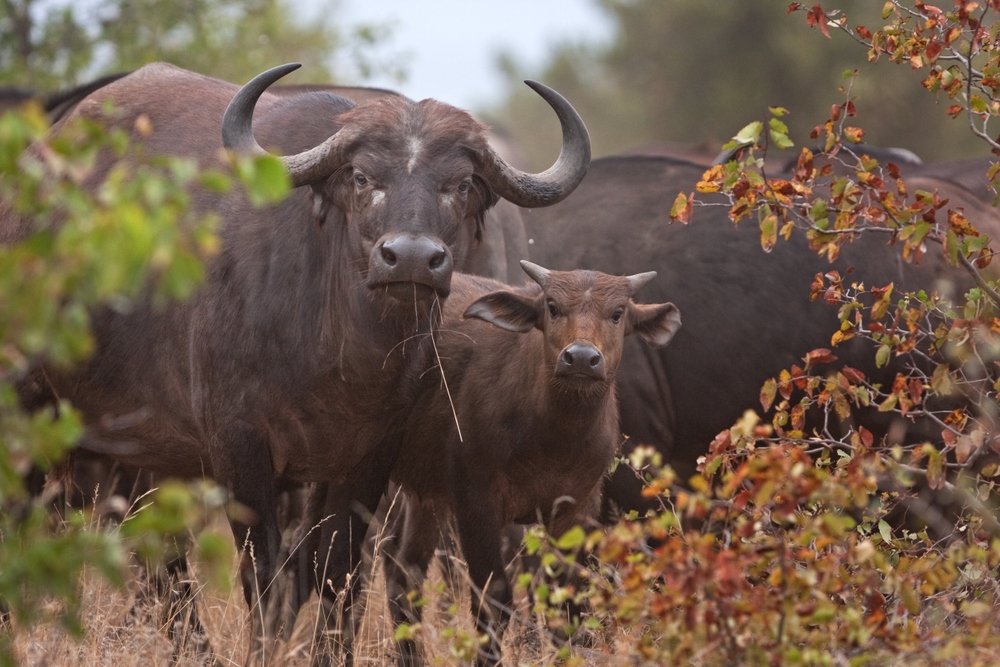
Buffalo are massive, powerful animals that command respect in the wild. Direct eye contact can be perceived as a challenge, prompting them to charge or become aggressive. When observing buffalo, especially in large herds, it’s crucial to keep a safe distance and avoid any behavior that might be seen as confrontational. By doing so, you ensure not only your safety but also the well-being of these majestic creatures.
These animals are social and often found in large herds, relying on numbers for protection against predators. Their sheer size and strength mean that a charge can be both dangerous and deadly. By recognizing the importance of non-verbal cues and maintaining a respectful distance, you minimize the risk of provoking an aggressive response. This understanding of buffalo behavior is essential for anyone seeking to appreciate their grandeur without compromising safety.