
The decline of nocturnal insects may not be the first thing on your mind when you think of pressing environmental issues, but it absolutely deserves a spot in our collective conversation. These nighttime critters are more than mere background noise on a summer’s night; they play crucial roles in ecosystems, agriculture, and even our own backyards. Their disappearance is like an alarm bell, signaling wider environmental changes that could affect you more than you realize. Here are 13 compelling reasons why the loss of nocturnal insects should be front-page news and why you should care.
1. They’re the Unsung Heroes of Pollination
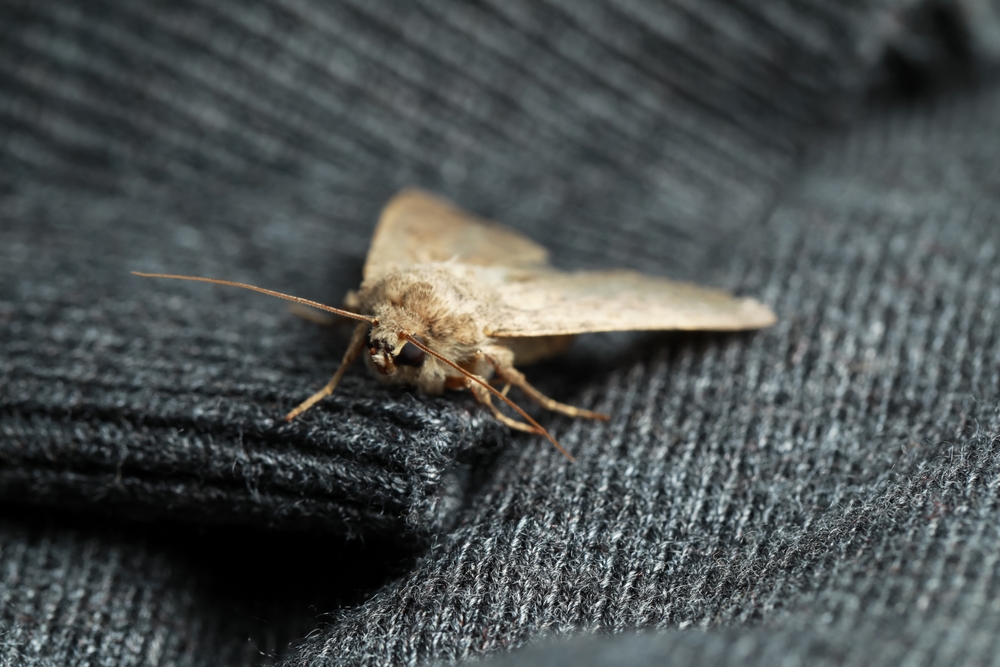
While daytime pollinators like bees get most of the attention, nocturnal insects are quietly doing their part under the moonlight. Moths, for instance, are prolific pollinators, especially for flowers that bloom at night. According to a study published in *Nature*, moths in the UK contribute to the pollination of over 80% of night-blooming plants. Without these late-night workers, many plant species would struggle to reproduce, leading to a ripple effect through ecosystems.
You might not notice it, but the absence of these insects could mean fewer blooms in your garden. And it’s not just about aesthetics; plants are the foundation of most ecosystems on Earth. A decline in insect-driven pollination can lead to fewer fruits, nuts, and seeds, which in turn affects animals and humans that depend on these plants for food. All because our unnoticed night-time pollinators are disappearing.
2. They’re Nature’s Cleanup Crew
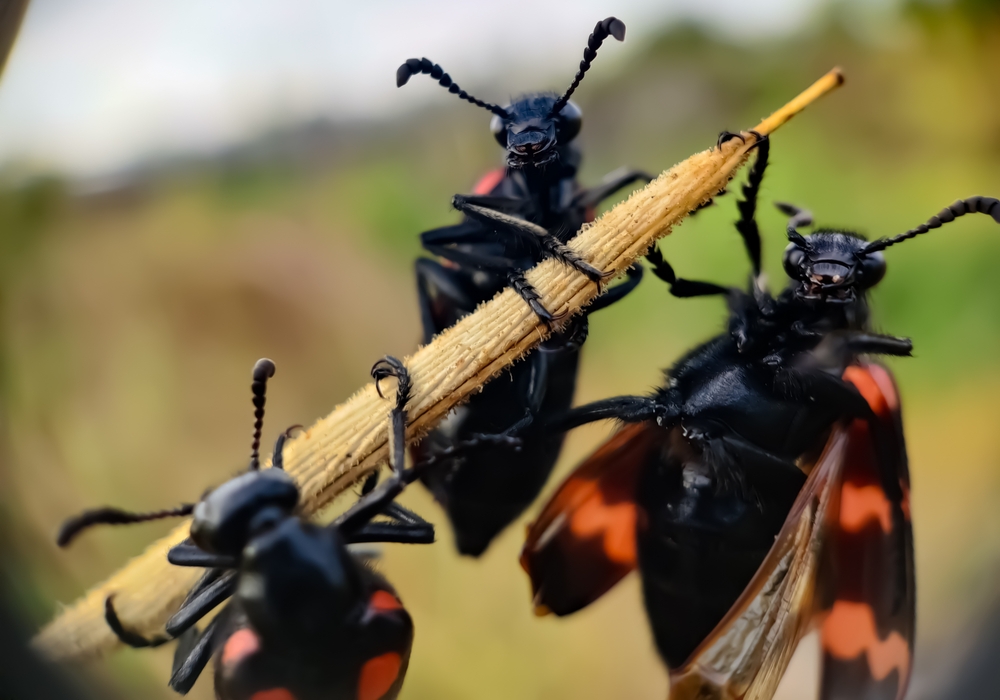
Insects like beetles and ants play a crucial role in breaking down organic matter. When nocturnal insects are abundant, they help decompose dead plants and animals, keeping the environment clean and nutrient-rich. Their absence can lead to a backlog of waste material, which, believe it or not, is essential for healthy soil and plant growth. Without these natural recyclers, we could see a decline in soil quality and plant diversity.
Think of it as a natural composting service that operates while you sleep. You might not realize it, but these insects are vital for maintaining the balance of nutrients in the soil. When they disappear, it’s like leaving a pile of dirty dishes to attract unwanted pests — only on a much larger scale. The impact on agriculture and natural landscapes could eventually touch your dinner table.
3. They’re a Food Source for Many Animals
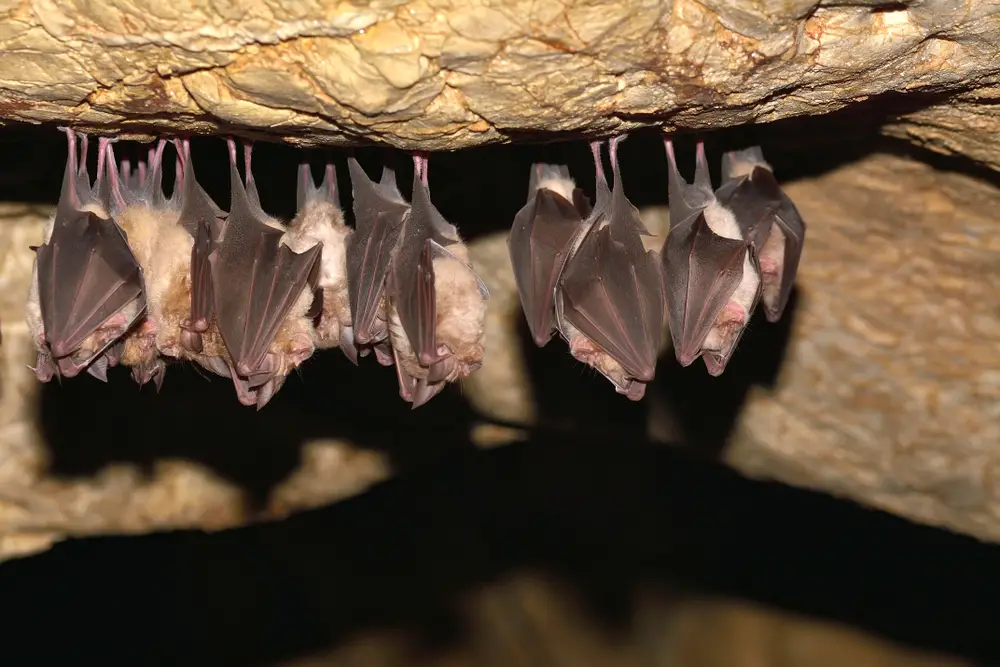
Bats, birds, and even some mammals rely on nocturnal insects as a primary food source. The decline of these insects means less food for these animals, which disrupts entire food chains. Dr. John Losey, an entomologist at Cornell University, notes that decreased insect populations can lead to reduced bird populations, particularly species that rely heavily on insects for nourishment.
If you’re a bird lover or enjoy the company of bats, this is a big deal. The absence of these insects means fewer meals for these creatures, which can lead to their decline. This domino effect could make your morning birdwatching less eventful and alter the balance of local ecosystems. It’s a vivid reminder of how interconnected everything in nature truly is.
4. They Play a Role in Controlling Pest Populations
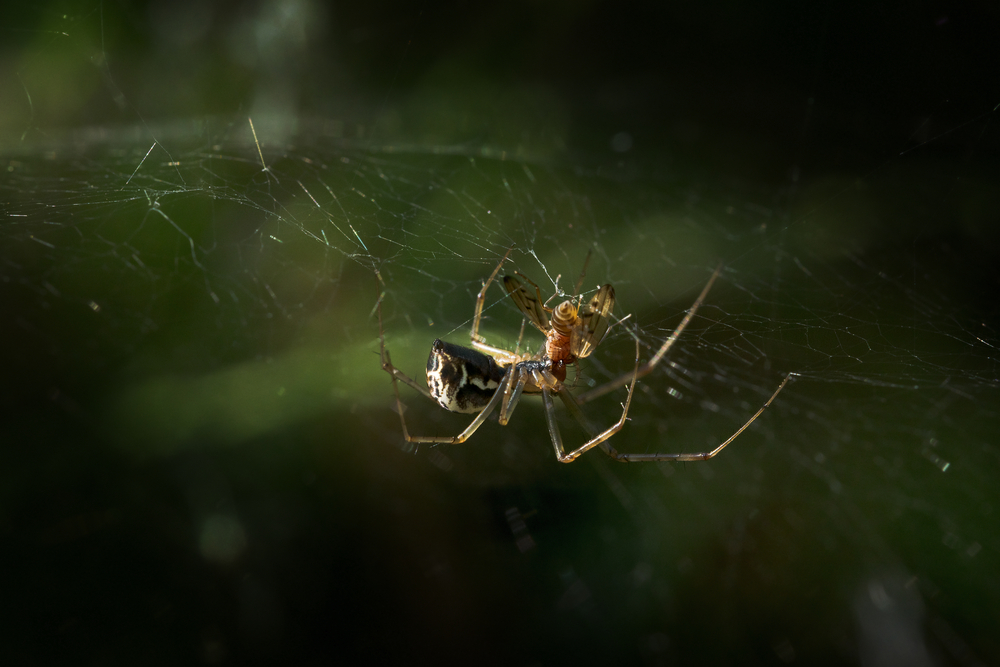
Not all bugs are bad; in fact, some nocturnal insects help keep pest populations in check. Predatory insects like certain types of beetles and spiders feast on other pests, acting as natural pesticides. When these beneficial insects decline, the pests they used to control can multiply unchecked, affecting crops and even your garden plants. This can lead to increased reliance on chemical pesticides, which have their own set of problems.
Pest control isn’t just about keeping your roses looking pretty; it’s also about maintaining balance in nature. Without these natural predators, you might find yourself fighting a losing battle against garden invaders. And more chemical intervention isn’t just bad for pests; it’s harmful to the whole ecosystem, including you. Imagine a world where every bite of produce has been doused in chemicals because we lost the natural agents of balance.
5. They’re Climate Change Indicators
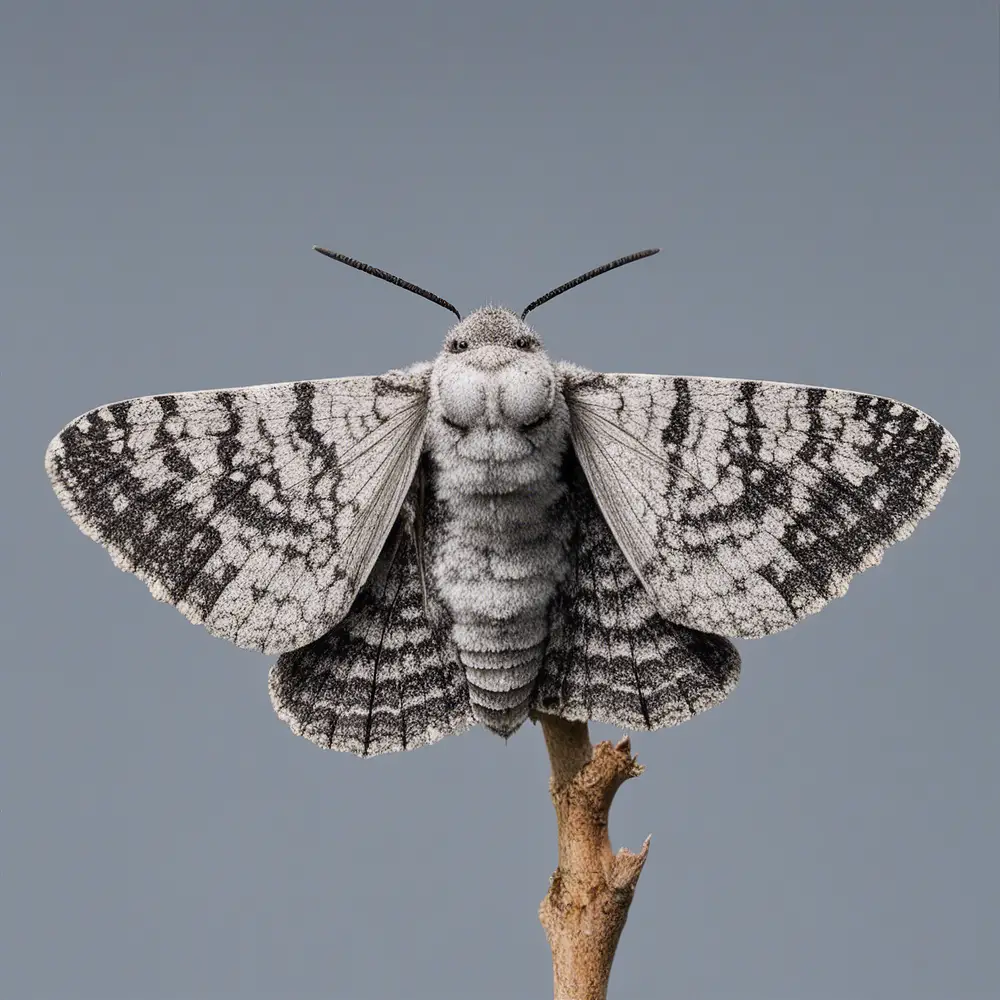
Insects are sensitive to changes in the environment, making them excellent indicators of climate change. A study from the University of Helsinki found that shifts in insect behavior and population can signal environmental changes long before they become evident elsewhere. When nocturnal insects start disappearing, it’s often a sign of larger ecological shifts like temperature changes or habitat loss.
You might not have a daily stake in insect populations, but they’re like the canary in the coal mine for our planet’s health. Ignoring these signs is like driving without paying attention to the gas gauge. The decline of these tiny creatures might be whispering vital information about our planet’s future. By tuning in, we gain insights that could help us address broader environmental issues before they escalate.
6. They Contribute to Genetic Diversity

Genetic diversity is vital for resilience in ecosystems, and nocturnal insects contribute significantly to this. Through processes like pollination and acting as prey, they facilitate the exchange of genetic materials across various plant and animal species. This diversity allows ecosystems to adapt to changes and survive threats like diseases or climate shifts. Losing nocturnal insects undermines this natural genetic exchange, making ecosystems more vulnerable.
You might think genetic diversity is a topic for biologists, but it has real-world implications for you too. Healthy ecosystems are more productive, provide more resources, and are better at mitigating the effects of climate change. When the genetic diversity shrinks, it’s like having fewer tools in a toolkit — suddenly, every problem becomes harder to solve. Your own life is more intertwined with this web of diversity than you might think.
7. They’re Key Players in Nutrient Cycling

Insects play a critical role in nutrient cycling, which keeps ecosystems functioning smoothly. A study from the University of Washington highlights how insects help in breaking down organic material, recycling it into the soil and making nutrients accessible to plants. This process is essential for plant growth and maintaining the health of entire ecosystems. Without these insects, nutrient cycling is disrupted, affecting everything from plant health to water quality.
You might not spend your day thinking about nutrient cycles, but their disruption can affect everything from the grass in your park to the food on your plate. Healthy plants mean healthy ecosystems, which in turn supports a healthy planet. Without the nutrients being cycled back into the soil by insects, this delicate balance gets thrown off. This could influence not just the environment but also agricultural productivity and, by extension, our food supply.
8. They Have Cultural Significance

In many cultures, nocturnal insects like fireflies hold significant cultural value. They’re symbols of summer nights, childhood wonder, and often appear in folklore and art. The disappearance of these creatures means a loss of cultural heritage and shared experiences that connect people across generations. As these insects vanish, so do the stories and memories associated with them.
You might remember catching fireflies as a kid, a simple joy that’s becoming rarer. It’s not just about nostalgia; it’s about losing a part of our cultural fabric. When these insects fade from our backyards, they take with them a piece of our collective history. Preserving them isn’t just about saving bugs; it’s about preserving memories and cultural touchstones.
9. They Enhance Biodiversity
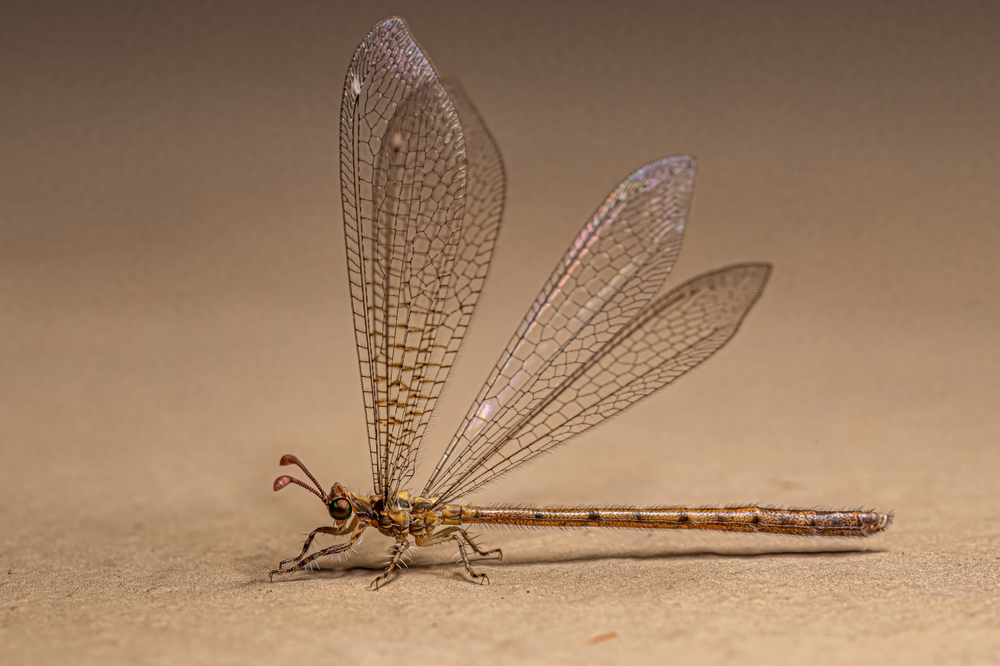
Nocturnal insects play a role in supporting biodiversity, acting as both prey and predator in complex food webs. Their presence encourages a variety of species to thrive, maintaining a balanced ecosystem. When you lose these insects, you risk a domino effect that decreases biodiversity and destabilizes ecosystems. This can lead to the proliferation of invasive species or the decline of native plants and animals.
Think of biodiversity as nature’s insurance policy, a buffer against environmental extremes. It’s not just about having a lot of different species; it’s about having the right mix that keeps ecosystems resilient and productive. When you lose that balance, ecosystems can struggle to recover from shocks or changes. The decline of nocturnal insects could make such fragility more common, affecting everything from local parks to global food systems.
10. They Enrich Scientific Understanding

Insects provide critical data for scientific research, from understanding ecosystems to studying climate change. By observing nocturnal insects, scientists gain insights into behavioral patterns, species interactions, and environmental health. Their decline limits the scope of scientific research, narrowing our understanding of critical processes. Without these insects, we lose valuable opportunities for discovery and innovation.
Scientific research isn’t just for academics; it fuels technological and medical advancements that affect your life. The insights gained from studying insects contribute to fields as diverse as agriculture, medicine, and environmental science. When these research opportunities dwindle, so do the potential advancements that come from them. It’s a chain reaction that could limit future innovations and solutions to pressing global challenges.
11. They Offer Economic Value

The ecosystem services provided by nocturnal insects support agriculture, forestry, and even tourism. From pollination to pest control, their contributions have been valued in billions of dollars annually. The loss of these services can lead to increased costs in agriculture and reduced productivity in forests, impacting economies at multiple levels. As the saying goes, you often don’t know what you’ve got until it’s gone.
You might not see the economic impact directly, but it trickles down to you in various forms. Higher agricultural costs can lead to higher prices for food and goods. It’s a hidden tax on everyday life that stems from the loss of these unassuming yet irreplaceable workers. Recognizing their economic value is a step toward understanding their essential role in our lives.
12. They’re Part of the Nighttime Soundscape
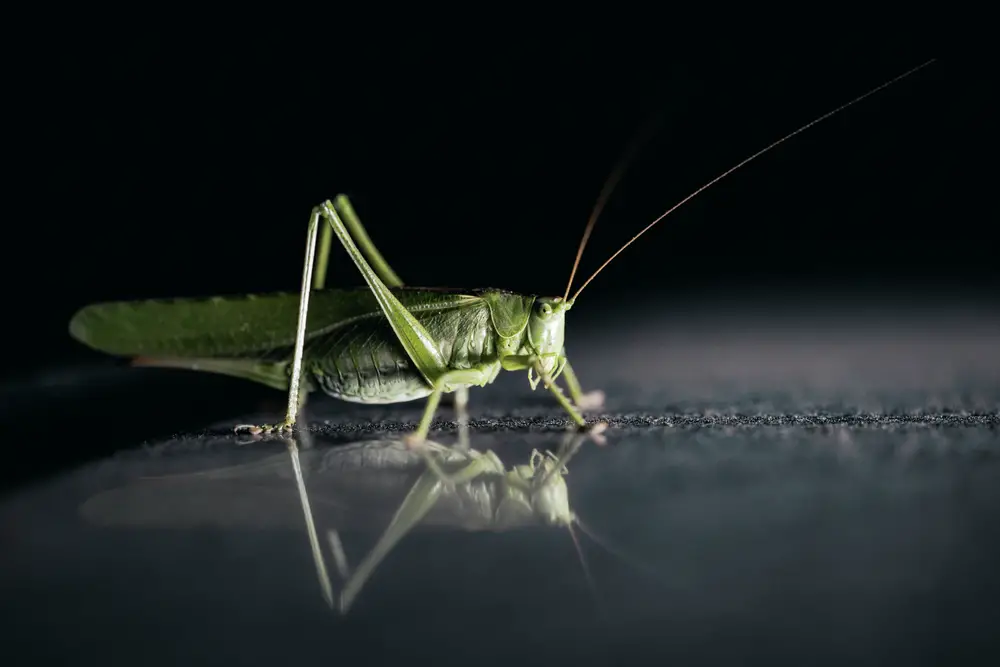
The chorus of crickets and the flutter of moths become the soundtrack of quiet nights. Their sounds create a sense of peace and connection to nature that many people cherish. The decline of these insects means a quieter, less vibrant night, stripping away part of the natural world’s charm. This silence is a loss that you might feel in your bones, even if you don’t immediately notice it.
You might think of these sounds as mere background noise, but they’re part of what makes nighttime special. They form a natural symphony that’s been part of human experience for millennia. Their absence is a silence that speaks volumes about the changes happening in our environment. It’s a reminder of the subtle ways in which nature enriches our lives, often without us even realizing it.
13. They Inspire Wonder and Curiosity
Nocturnal insects, with their mysterious nighttime activities, inspire curiosity and wonder. From the intricate beauty of a moth’s wings to the glow of a firefly, these creatures captivate imaginations young and old. Their decline means fewer opportunities to ignite that wonder, particularly in children who might grow up without these experiences. This loss isn’t just ecological; it’s a loss of inspiration and learning opportunities.
You might remember your own fascination with bugs as a child, a spark that could lead to a lifelong interest in nature or science. These insects offer a gateway to the natural world, encouraging exploration and discovery. Without them, we risk a generation that’s less connected to the environment and less curious about the world around them. Preserving nocturnal insects is about preserving possibilities for discovery and the thrill of wonder that makes life richer.