If you’ve noticed more coyotes and bears roaming your neighborhood lately, you’re not alone. These wild animals are increasingly setting up camp in urban areas, and by 2026, it will become a common occurrence. The reasons behind this migration are complex, involving environmental changes, urban expansion, and shifts in wildlife behavior. Here are 13 reasons why these creatures are officially moving into our communities — and what that means for you and your neighborhood.
1. Urban Expansion Is Ruining Their Habitat
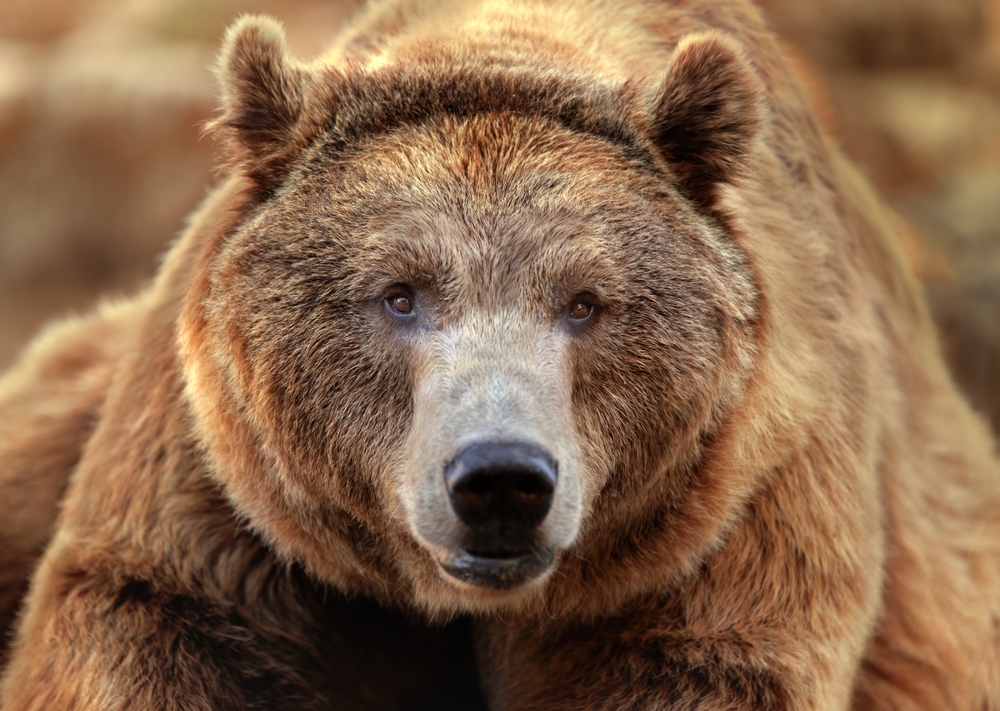
As cities and suburbs continue to sprawl, the natural habitats of coyotes and bears are being encroached upon, leaving them with fewer places to call home. Forests and open lands are rapidly being converted into housing developments and commercial spaces. This loss forces wildlife to seek food and shelter in areas they would typically avoid. As a result, you might find a coyote in your backyard or a bear rummaging through your trash bins.
Experts from the Wildlife Conservation Society have reported that more than 60% of the world’s wildlife habitats have been disturbed due to human activities. Urban planners and conservationists are working to create green corridors that allow animals to traverse between remaining natural habitats safely. Such initiatives aim to balance development with ecological preservation. However, the challenge remains immense, and until a significant shift occurs, these close encounters will likely increase.
2. Climate Change-Induced Migration
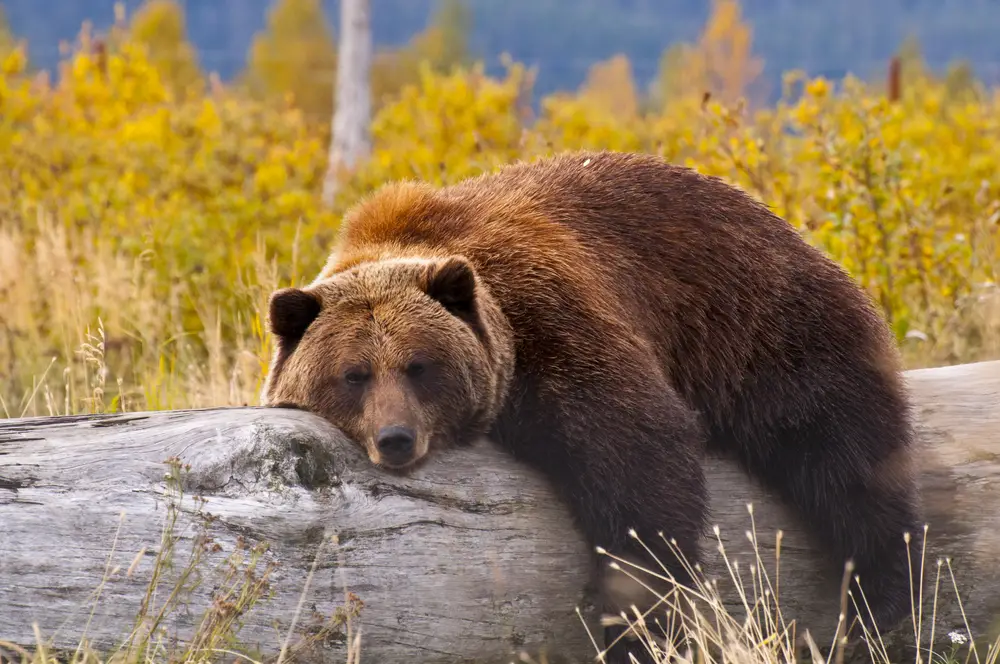
Climate change is not just about rising sea levels and hotter summers; it’s also affecting wildlife distribution. Changes in temperature and precipitation patterns alter the availability of natural resources like food and water, prompting animals to relocate. Coyotes and bears are highly adaptable, and they’re leveraging this adaptability to survive in new environments. So, when your neighborhood becomes their next stop, it’s not just happenstance — it’s survival.
Moreover, these animals are moving to areas with more favorable climates. For example, bears might move to urban areas during prolonged droughts in search of food and water. This migration can increase human-wildlife interactions, often leading to conflicts. Understanding these patterns can help communities better prepare and implement strategies to coexist with these new, furry neighbors.
3. Human Food Sources Are Enticing Them
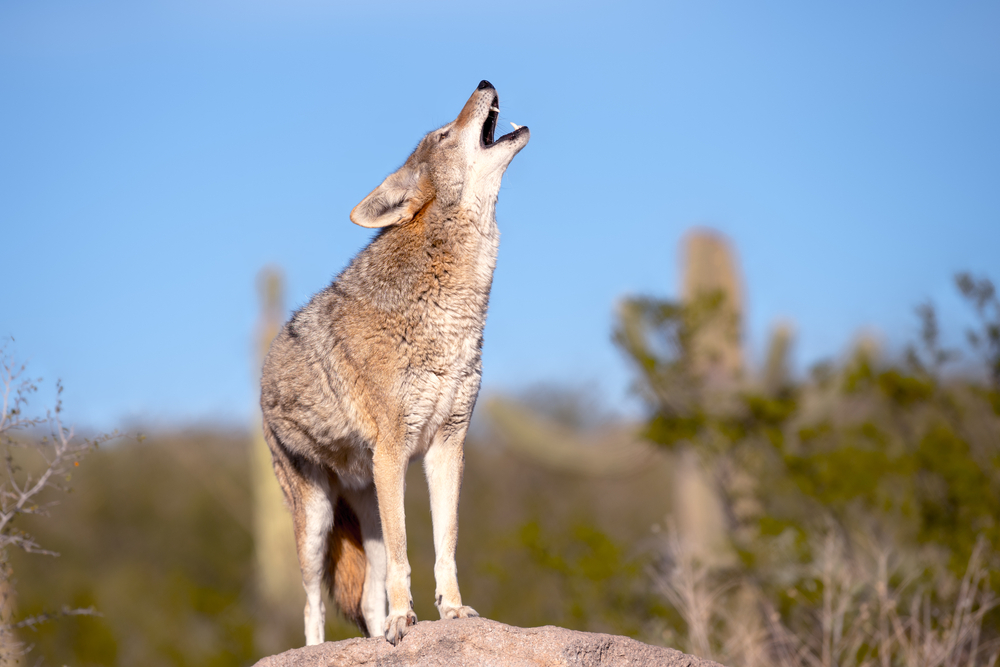
Urban areas offer a smorgasbord of enticing food options for opportunistic feeders like coyotes and bears. Overflowing trash cans, pet food left outdoors, and even bird feeders can tempt these animals into human territories. Once they discover these easy pickings, they’re likely to return, making your neighborhood their new dining hotspot. This behavior highlights the need for better waste management and public awareness.
A study by the Journal of Urban Ecology found that populations of wildlife are thriving in urban areas due to abundant food sources provided indirectly by humans. The research emphasizes the importance of securing garbage bins and managing waste to reduce these attractions. Community education campaigns are also vital in teaching people how to minimize their footprint and live harmoniously with their wild neighbors. These efforts can help keep both people and animals safe, reducing the likelihood of unwanted encounters.
4. Natural Predators Are Decreasing
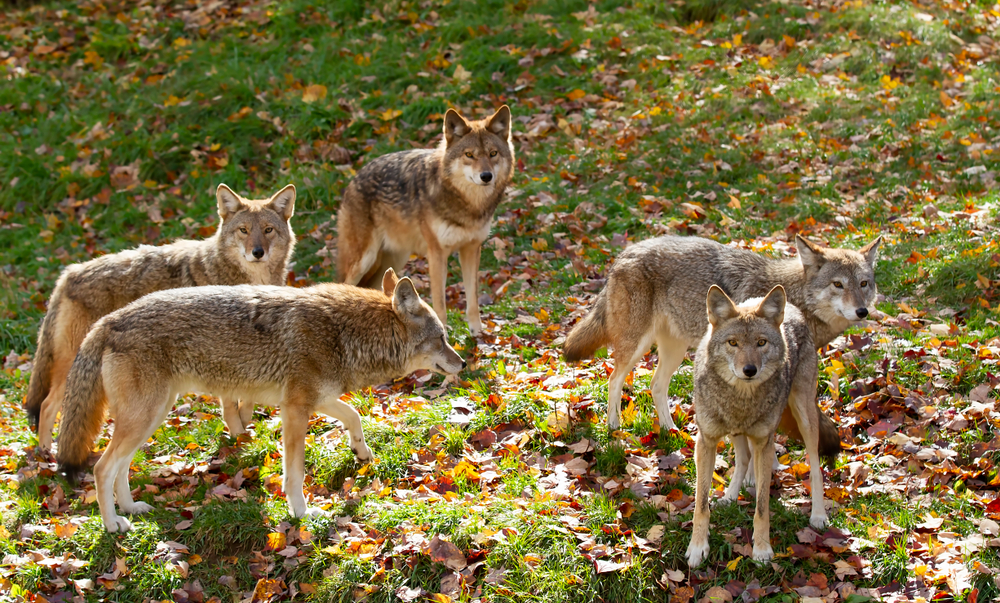
In their natural habitats, coyotes and bears have predators or competitors that help keep their populations in check. However, human activities have caused a decline in these natural adversaries. With fewer threats to worry about, these animals are emboldened to explore new territories, including urban areas. It’s a shift that changes the dynamic of local ecosystems, as these animals adapt to new roles.
In the absence of natural checks and balances, you might see coyotes and bears becoming more prevalent in developed areas. This surge can lead to increased predator-prey interactions with domestic animals, posing risks to pets and livestock. Communities must adapt by implementing measures like secure fencing and wildlife monitoring programs. Understanding these ecological shifts can help us coexist with wildlife in our shared spaces.
5. Coyotes and Bears Are Cunning And Adaptable
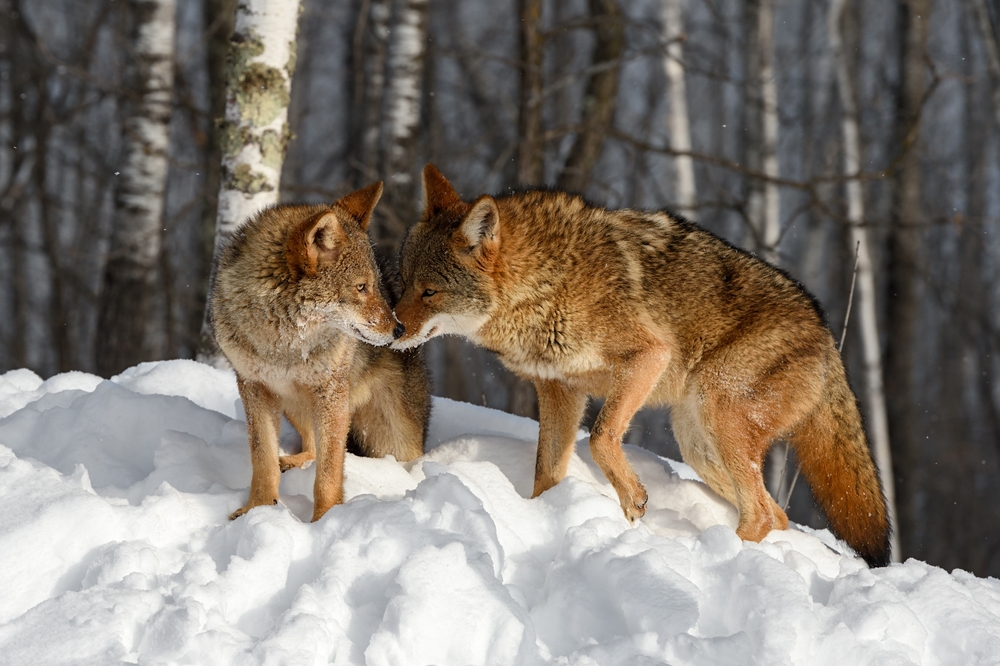
Coyotes and bears are incredibly adaptable, which is why they’re not just surviving but thriving in urban environments. They’re not picky eaters and can make a meal out of almost anything, from small mammals and insects to berries and human food waste. This adaptability makes them formidable urban dwellers, unbothered by the hustle and bustle of city life. They can live in parks, golf courses, and even in the patches of wilderness that dot suburban landscapes.
Research from the National Geographic Society highlights how both species have evolved behaviors that allow them to thrive alongside humans. Coyotes, for instance, have developed nocturnal habits to avoid human activity during the day. Bears have been noted to alter their foraging times and routes, becoming more elusive to avoid detection. These behavioral adaptations can make them harder to spot, but they also mean they’re more likely to become long-term residents of your community.
6. These Guys Don’t Fear Humans
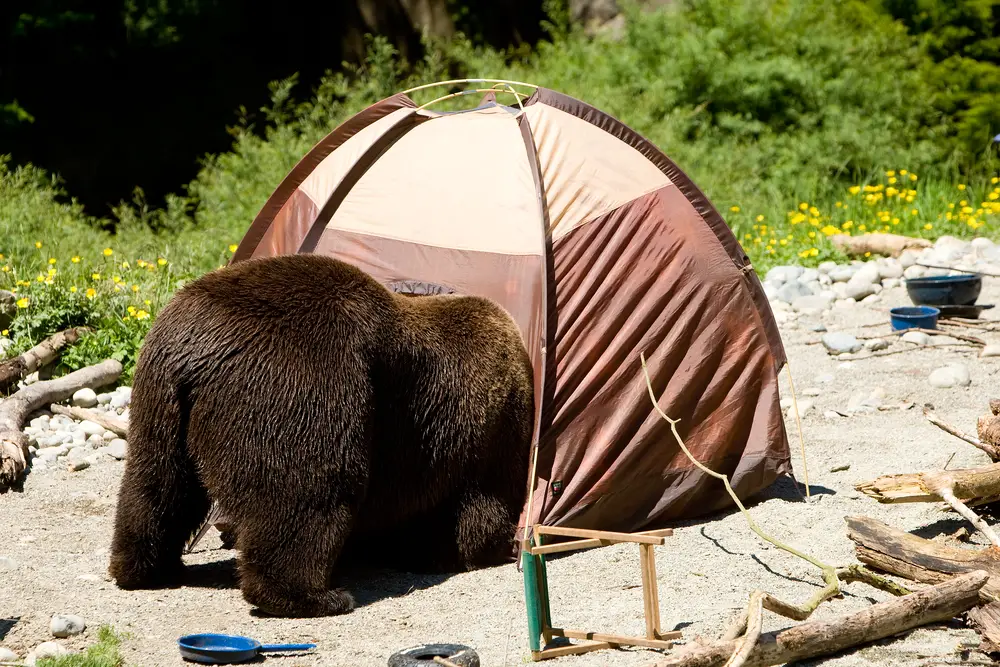
Over time, wildlife can become habituated to humans, meaning they lose their natural fear and wariness. This process is often accelerated in urban areas where encounters between people and animals are frequent. Coyotes and bears may begin to see humans as neither a threat nor a food source, making them more comfortable in our presence. Unfortunately, this lack of fear can lead to more bold and potentially dangerous behaviors.
When animals become too comfortable, they might start approaching homes, engaging with pets, or investigating playgrounds. While this can be an exciting spectacle, it raises safety concerns for both humans and wildlife. Education and deterrence strategies are key in preventing these scenarios. Simple measures, like making loud noises when encountering wildlife, can help reinforce the natural boundary between humans and these wild animals.
7. Efforts to Rewild Urban Areas
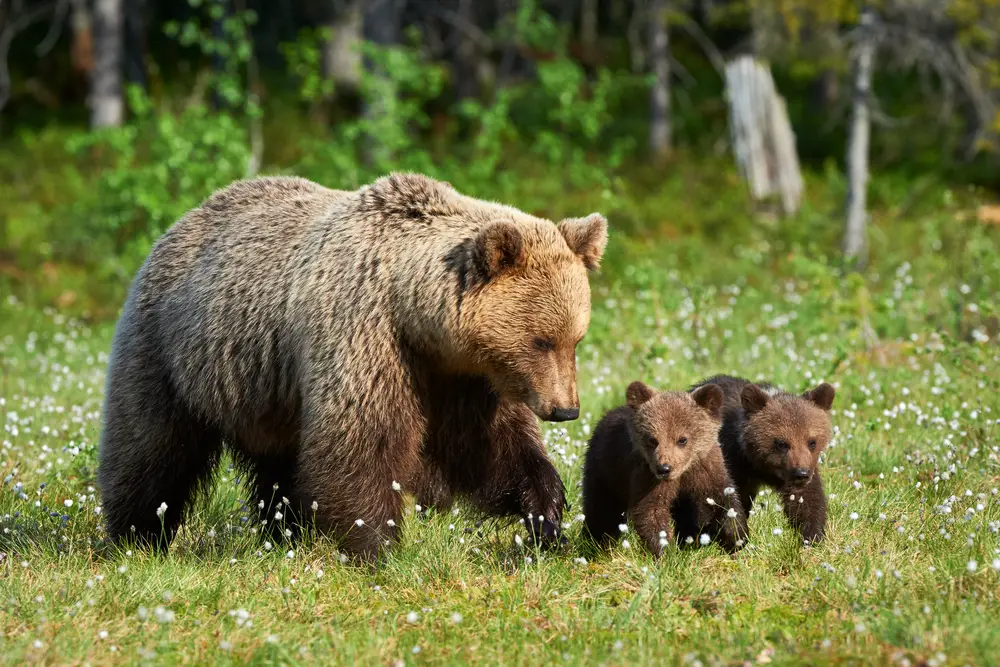
There is a growing movement to rewild urban spaces, making cities more hospitable to native plants and animals. These efforts aim to restore biodiversity and provide wildlife with natural habitats within city limits. While this is beneficial for the environment, it also means that you might see more wildlife visitors in your area. This rewilding can create a delicate balance between welcoming nature and ensuring community safety.
According to a report by the United Nations Environment Programme, urban rewilding initiatives are gaining traction worldwide, recognized for their role in combating climate change and supporting biodiversity. Cities like Chicago and London have implemented green infrastructure projects that encourage wildlife to thrive alongside people. These projects often include the creation of urban forests, green roofs, and wildlife corridors. While these initiatives are crucial for sustainable urban living, they also increase the likelihood of encountering species like coyotes and bears.
8. They’re Curious and Exploratory Creatures
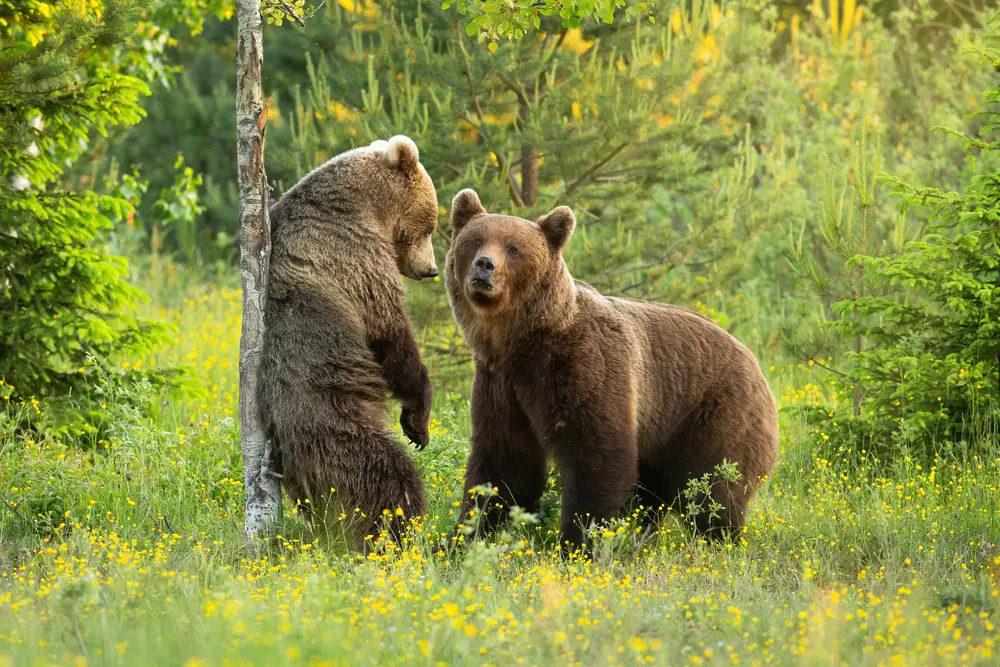
Coyotes and bears are naturally curious creatures, often venturing into new territories simply to explore. Their inquisitive nature can lead them to urban areas as they follow scent trails, search for food, or investigate unfamiliar sounds. This curiosity, coupled with their adaptability, makes them adept at navigating the man-made landscapes of cities. As a result, your neighborhood can become a new playground for these adventurous animals.
This exploratory behavior is a double-edged sword. On one hand, it shows the remarkable resilience and resourcefulness of wildlife. On the other hand, it increases the chances of encounters with humans, which can sometimes end in conflict. Educating communities about wildlife behavior can help mitigate these interactions. By understanding what drives these animals, people can better prepare and respond to their presence.
9. Seasonal Behavior Patterns Are Shifting
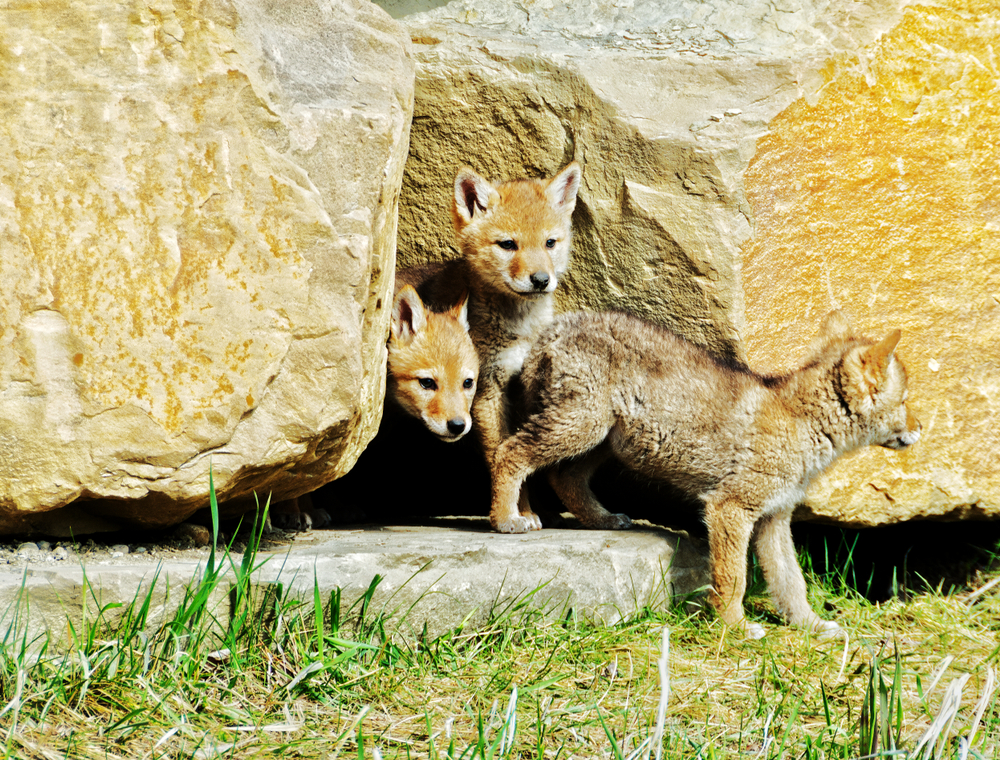
Certain seasons can influence wildlife movement, drawing coyotes and bears closer to human habitats. During the spring and fall, animals are often on the move for mating, birthing, or finding resources to prepare for winter. These seasonal patterns can bring them into closer contact with urban areas as they seek out food and mates. So, if you notice more wildlife activity during these times, it’s not your imagination.
By understanding these patterns, you can anticipate when these animals are most likely to appear in your community. For instance, bears are known to wander more during the fall as they prepare for hibernation. Similarly, coyotes might be more active in the spring as they raise their young. Being aware of these patterns can inform community preparedness and response strategies, ensuring a safer coexistence.
10. Lack of Natural Prey
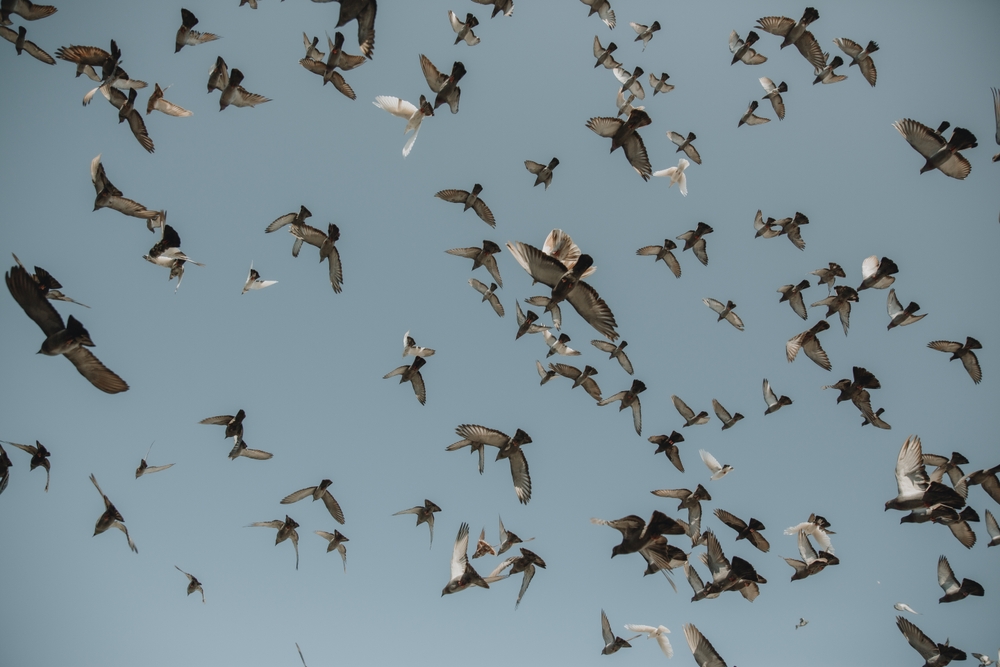
A decline in natural prey species can force predators like coyotes and bears to venture into urban areas in search of food. Factors such as disease, habitat destruction, and climate change have impacted the populations of small mammals, birds, and other traditional prey. With fewer options in their natural environment, these animals may find themselves turning to urban areas where food is more accessible. This can lead to unexpected visits to your backyard or local park.
The lack of natural prey doesn’t just push predators into new territories; it also alters their hunting behaviors. They might start targeting household pets or scavenging more aggressively in human waste. This shift can create challenges for wildlife management and community safety. Understanding the root causes of these behavioral changes is crucial for developing effective strategies to manage wildlife in urban settings.
11. Boundaries Between Urban and Wildlife Are Blurred
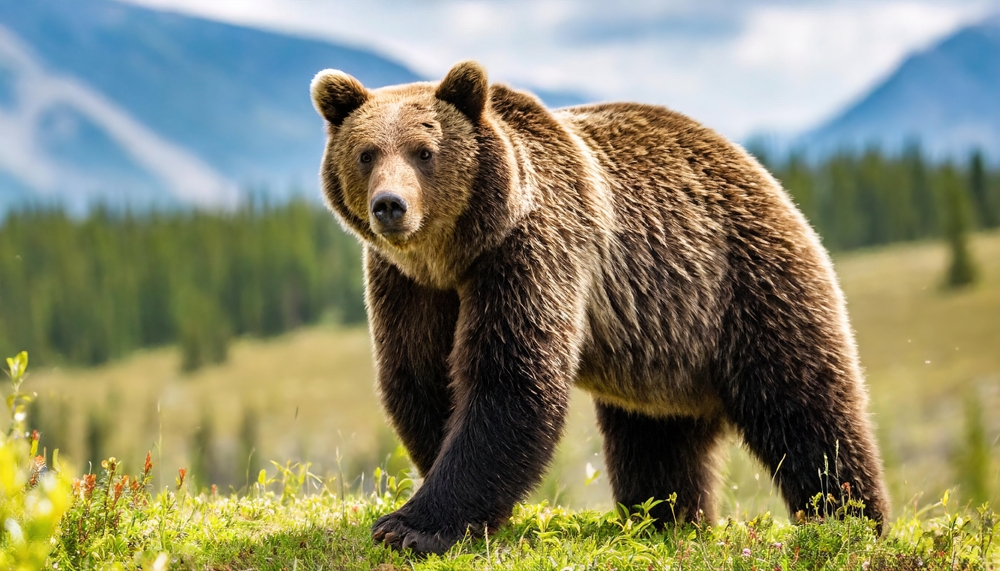
As humans continue to encroach on natural spaces, the boundaries between urban and wild areas blur. This encroachment pushes wildlife closer to human settlements, as they struggle to find undisturbed habitats. As you build new roads, homes, and businesses, you’re inadvertently inviting these animals into your community. It’s a phenomenon where nature and urban life intersect in unexpected ways.
This convergence often requires a rethinking of how we design our urban spaces. Incorporating wildlife-friendly design elements can help mitigate the impacts of encroachment. Strategies such as leaving buffer zones, creating green spaces, and promoting habitat restoration can provide wildlife with the resources they need without crossing into human territories. Communities must work collaboratively to address these challenges, ensuring a balance between development and conservation.
12. Conservation Measures Are Accidentally Fueling Things
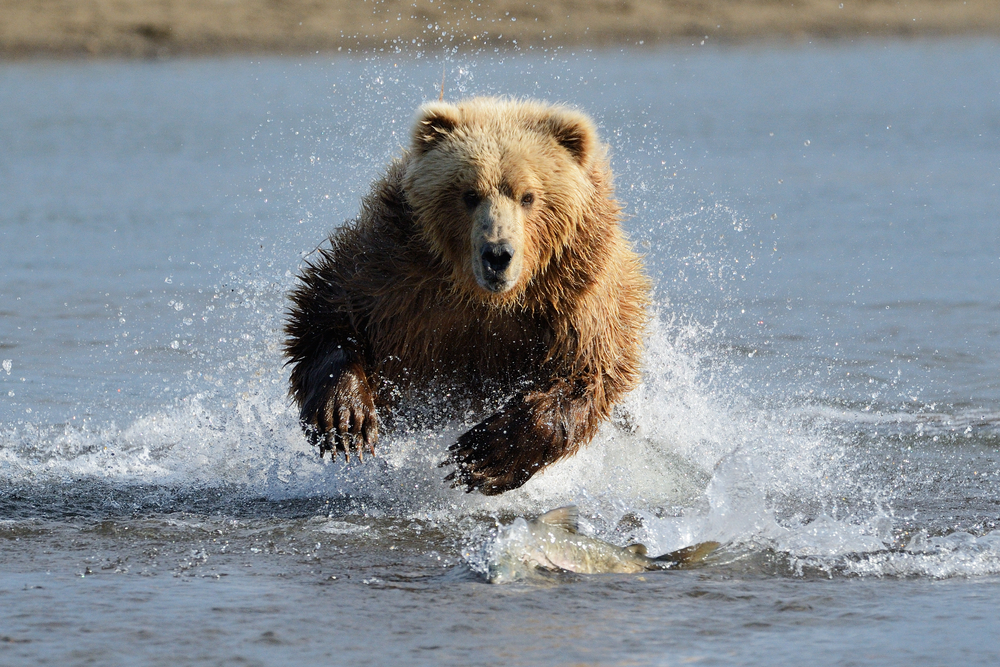
In efforts to minimize conflicts, some regions have adopted measures that inadvertently make urban areas more attractive to wildlife. For example, non-lethal deterrents like noise and light devices can push animals away from rural areas into cities. Moreover, conservation policies that protect wildlife can lead to population increases, resulting in more frequent urban visits. As these measures take effect, you might find yourself spotting more wildlife in your neighborhood.
While these strategies aim to protect both humans and animals, they also necessitate adjustments in urban management. It’s crucial to implement complementary measures that address the root causes of wildlife encroachment. Public education and community-based wildlife monitoring can help track these movements and adapt accordingly. By understanding the impact of these measures, we can create safer environments for both residents and their wild neighbors.
13. Wildlife Corridors Are Providing a Gateway
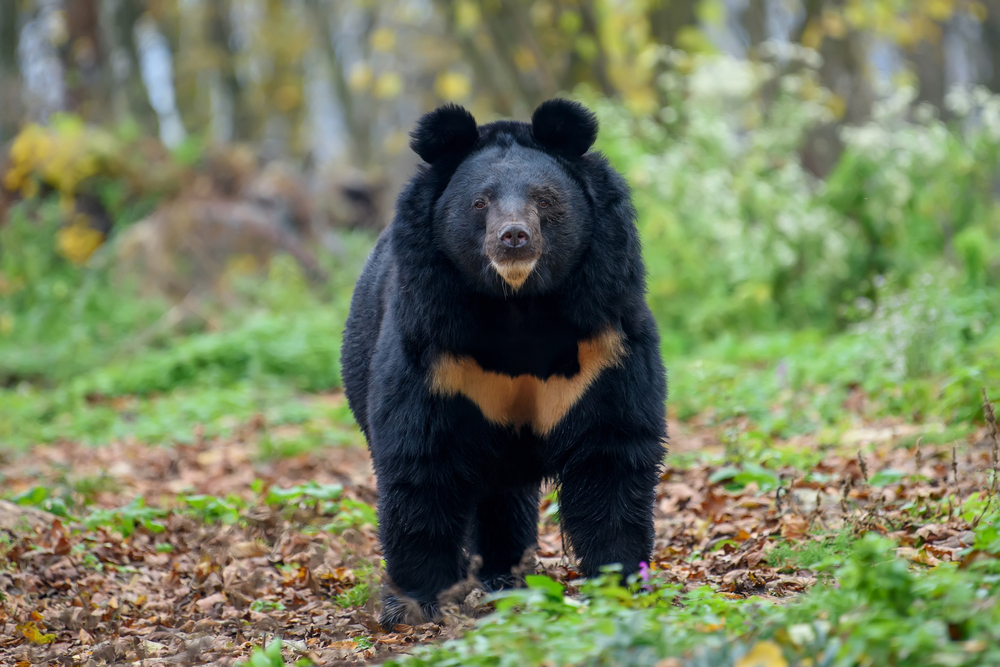
Efforts to connect fragmented habitats through wildlife corridors are intended to support animal movement and genetic diversity. While these corridors facilitate safe passage for wildlife, they can also lead animals directly into urban areas. As you create these pathways, you bridge the gap between rural and urban landscapes, allowing animals to explore new territories. This connectivity ensures the survival of wildlife populations but also brings them into closer proximity to human activity.
The creation of wildlife corridors requires careful planning to minimize potential conflicts between humans and wildlife. Effective corridor design includes consideration of landscape features, human activity patterns, and ecological needs. These projects offer benefits for biodiversity, but they also demand a commitment to coexistence strategies. As these corridors become more prevalent, communities must foster an understanding and appreciation of the wildlife they share their spaces with.