
California winters used to follow a familiar script: dry stretches, occasional rain, predictable patterns. Lately, that script has started to fall apart. What’s unfolding now isn’t an anomaly or a fluke—it’s a structural shift that’s already reshaping life across the state. The winter of 2026 isn’t unusual because it’s extreme, but because it reflects conditions Californians are increasingly expected to live with.
1. Rain Is Arriving in Shorter, More Intense Bursts
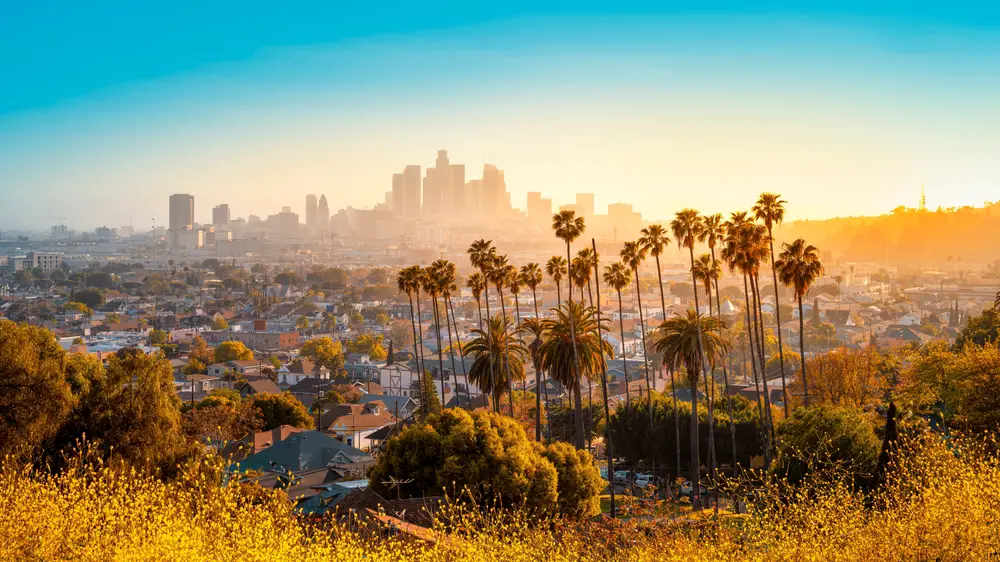
California is seeing fewer rainy days overall, but the storms that do arrive are heavier and more concentrated. Instead of steady precipitation, rainfall now comes in sudden, forceful waves. Infrastructure designed for slower accumulation struggles to keep up. Flooding happens faster and with less warning.
Climate scientists at NOAA have repeatedly pointed to atmospheric rivers as a growing driver of this pattern. These systems dump massive amounts of water in compressed timeframes. Drainage, roads, and neighborhoods aren’t built for that volume. The result is just pure chaos.
2. Snowpack Is Becoming Less Predictable

Snowfall in the Sierra Nevada is no longer a reliable indicator of water security. Some winters bring extreme accumulation, while others fall short. The swings are sharper and harder to plan around. Consistency has pretty much disappeared.
This volatility affects everything downstream, from agriculture to hydroelectric power. Planning used to depend on averages. Now it depends on uncertainty. That unpredictability is becoming the baseline.
3. Warmer Temperatures Are Reshaping Winter Storms
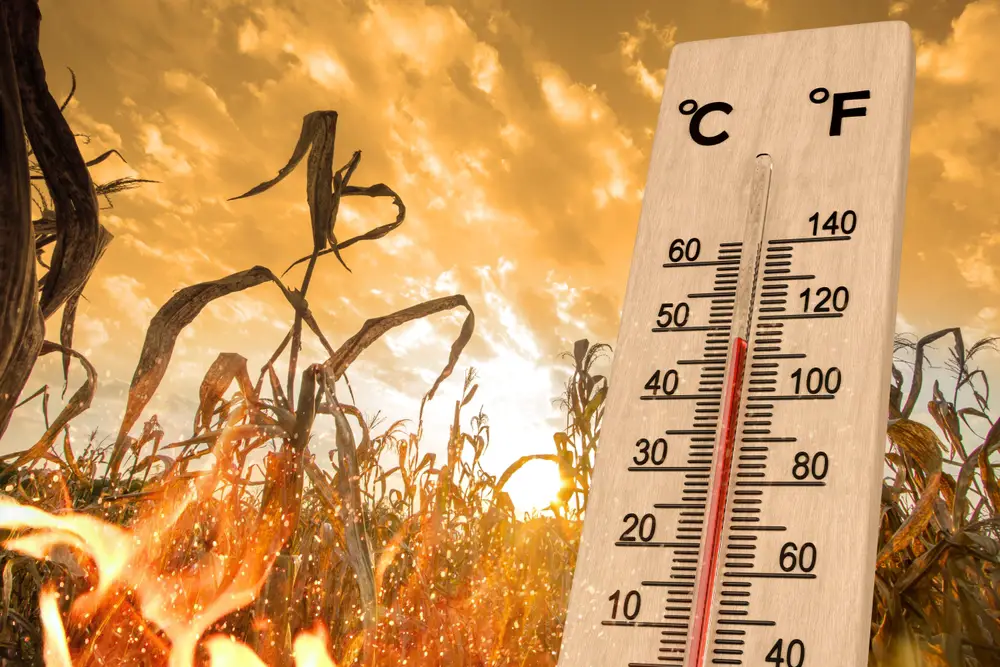
Winter storms are arriving with more warmth baked into them. Rain is falling at elevations that once reliably received snow. That changes how water is stored and released. Melt happens faster and earlier.
Researchers at the Scripps Institution of Oceanography have warned that rising winter temperatures are fundamentally altering storm behavior. Snowpack used to act as a natural reservoir. Now water runs off before it can be managed. Systems built for gradual release are being overwhelmed.
4. Flooding Is Expanding Beyond Traditional Risk Zones
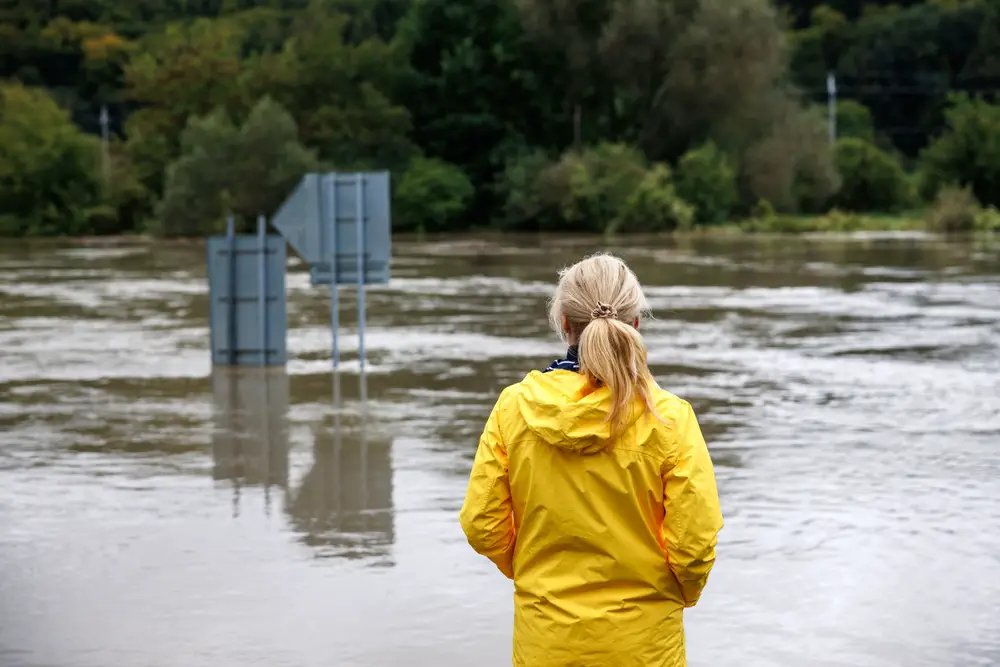
Flooding is no longer confined to areas historically labeled as flood-prone. Neighborhoods that rarely worried about water intrusion are now facing repeated incidents. Maps are outdated. Risk has moved.
This creates confusion and complacency. Insurance coverage lags behind reality. People are caught off guard, not because they ignored warnings, but because they don’t have the right experience to deal with them.
5. Wildfire Season No Longer Stops for Winter
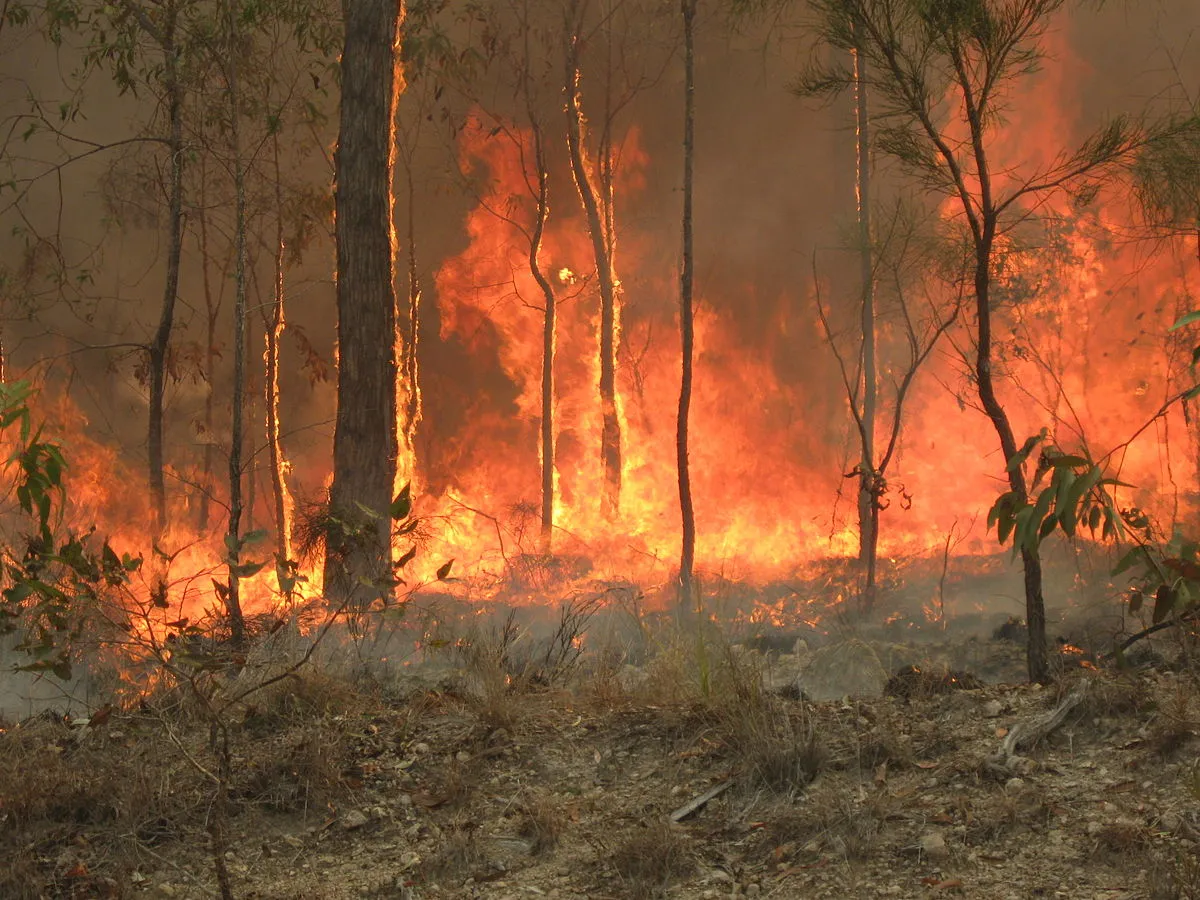
Winter used to act as a reset for wildfire risk. That pause is disappearing. Dry spells, warm winds, and delayed rainfall keep vegetation vulnerable year-round. Fire season is now bleeding into months that were once considered safe.
Cal Fire and other agencies have acknowledged this shift publicly in recent seasonal outlooks. Fire preparedness is no longer a summer-only concern. The calendar has lost meaning. Readiness now requires constant vigilance.
6. Mudslides Are Becoming a Routine Threat
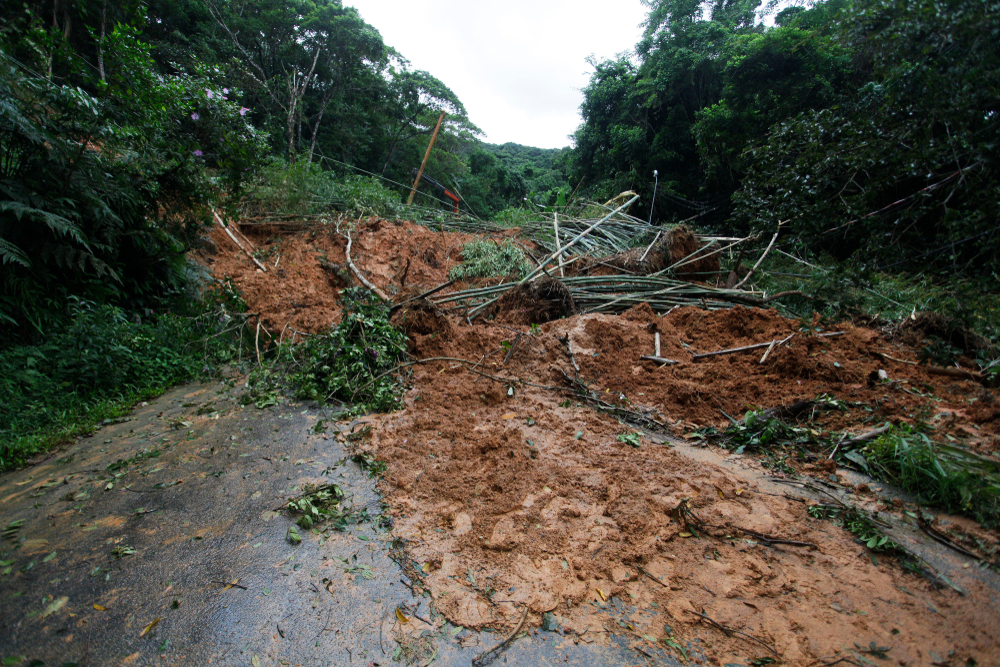
After years of drought and fire, soil across many regions has lost stability. When heavy rain hits, it doesn’t absorb—it moves. Hillsides give way quickly. Roads and homes are caught in the path.
What makes this especially disruptive is how little warning there often is. Slides happen overnight or during short storms. Recovery takes longer each time. The risk compounds.
7. Infrastructure Wasn’t Built for This Version of Winter
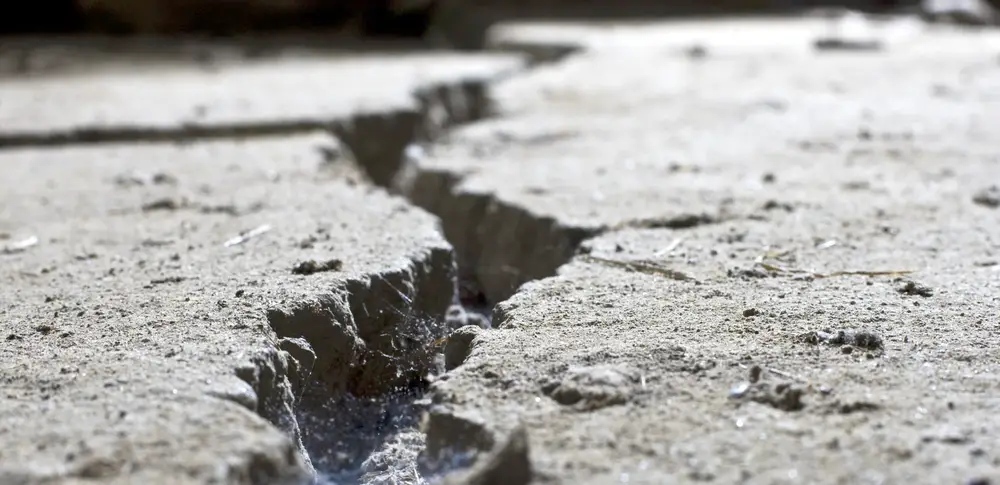
Much of California’s infrastructure was designed for a different climate reality. Storm drains, levees, and road systems assume patterns that no longer exist. Maintenance alone can’t solve the mismatch. The scale of change is structural.
State and federal infrastructure assessments have repeatedly flagged this vulnerability. Retrofitting takes time and political will. In the meantime, systems strain under conditions they weren’t meant to handle. Failures feel sudden, but they’re cumulative.
8. Power Outages Are Becoming an Expectation
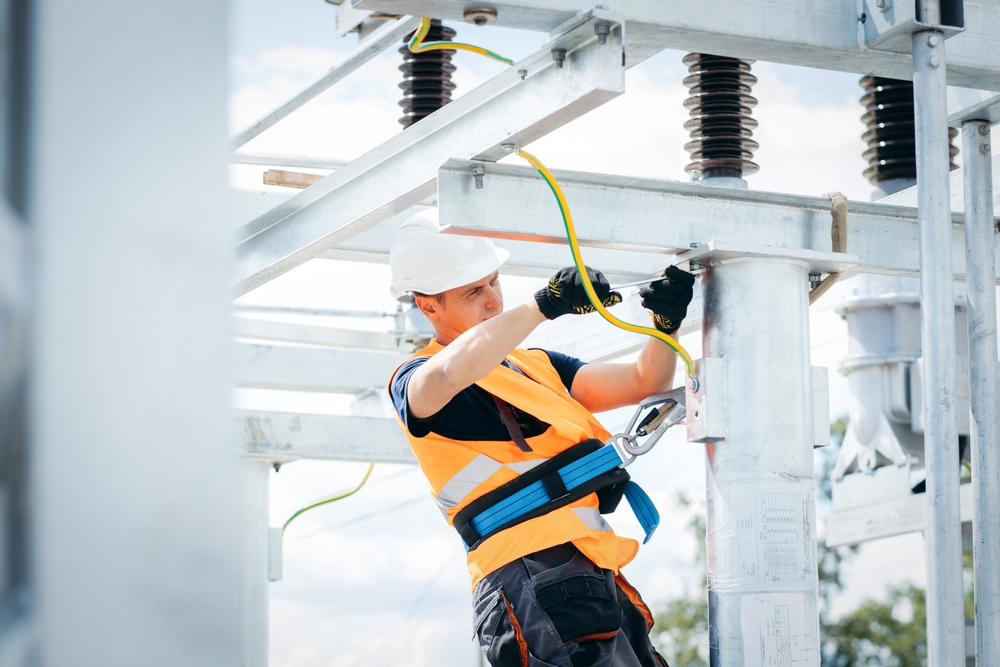
Winter storms are increasingly tied to widespread power disruptions. High winds, flooding, and falling debris all contribute. Outages last longer and affect larger areas. Reliability is slipping.
For many residents, this adds another layer of stress. Heating, communication, and work all depend on electricity. When outages become routine, planning replaces convenience.
9. Insurance Coverage Is Becoming Harder to Secure

As risks increase, insurers are pulling back. Premiums rise, or coverage disappears altogether. Homeowners discover gaps only after damage occurs. The system isn’t keeping pace.
This creates a sense of vulnerability. Protection feels conditional, and financial exposure grows.
10. Emergency Responses Are Being Stretched Thinner
More frequent and widespread weather events mean first responders are often managing multiple crises at once. Resources are shared across regions. Response times lengthen. Capacity is tested.
This isn’t about failure—it’s about volume. Systems designed for occasional emergencies are now handling constant ones. The strain shows, and recovery slows down.
11. Agriculture Is Losing Its Rhythm
Farmers depend on predictable cycles. Erratic winter conditions disrupt planting, irrigation, and soil management. Too much water at the wrong time can be as damaging as too little. Planning becomes reactive.
This instability ripples outward. Food prices fluctuate. Supply chains feel the impact.
12. Mental Fatigue Is Setting In

Living with constant weather uncertainty wears people down. Storm anxiety, evacuation readiness, and repeated disruptions accumulate. Winter no longer feels restful. It feels anxiety-inducing.
This kind of stress builds quietly. Fatigue becomes part of the season, where resilience is tested in new ways.
13. Adaptation Is Becoming a Daily Requirement
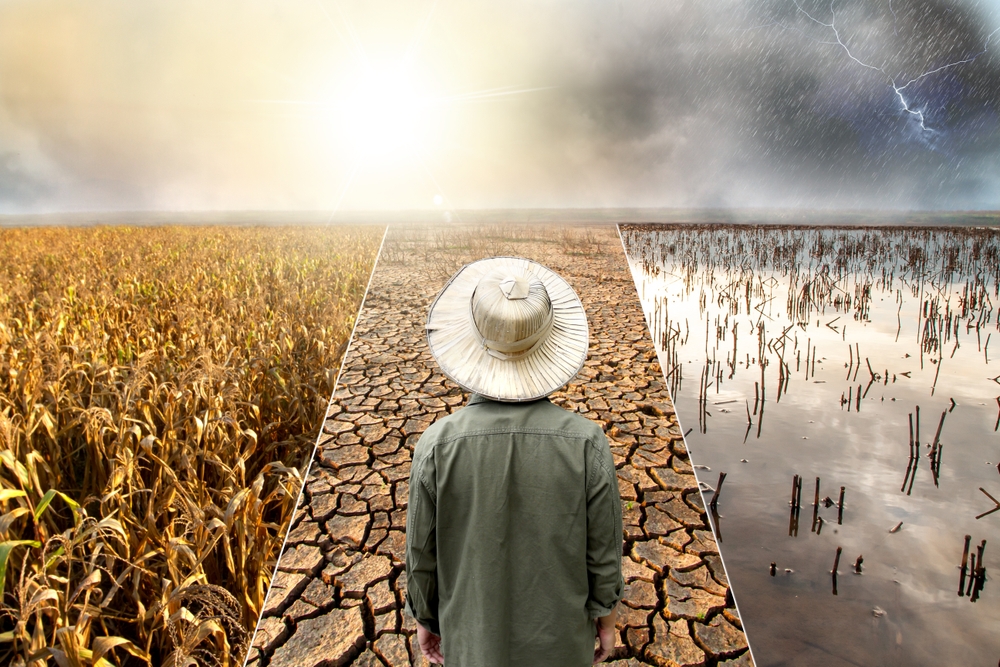
The biggest shift isn’t the storms themselves—it’s the need to constantly adjust. From travel plans to home maintenance, flexibility is no longer optional. Winter demands attention year-round. And the concept of what’s normal has changed.
The 2026 winter isn’t a warning shot. It’s a preview. What feels disruptive now is becoming routine, and preparation will increasingly matter more.