
Nuclear weapons are often discussed in abstract numbers: megatons, blast radii, casualty estimates. What’s harder to grasp is how uneven survival actually is in a nuclear event. Some things vanish instantly, while others endure in unexpected ways, long after cities are reduced to shadows. Understanding what survives — and why — reveals just how fragile modern life really is.
1. Concrete and Reinforced Bunkers
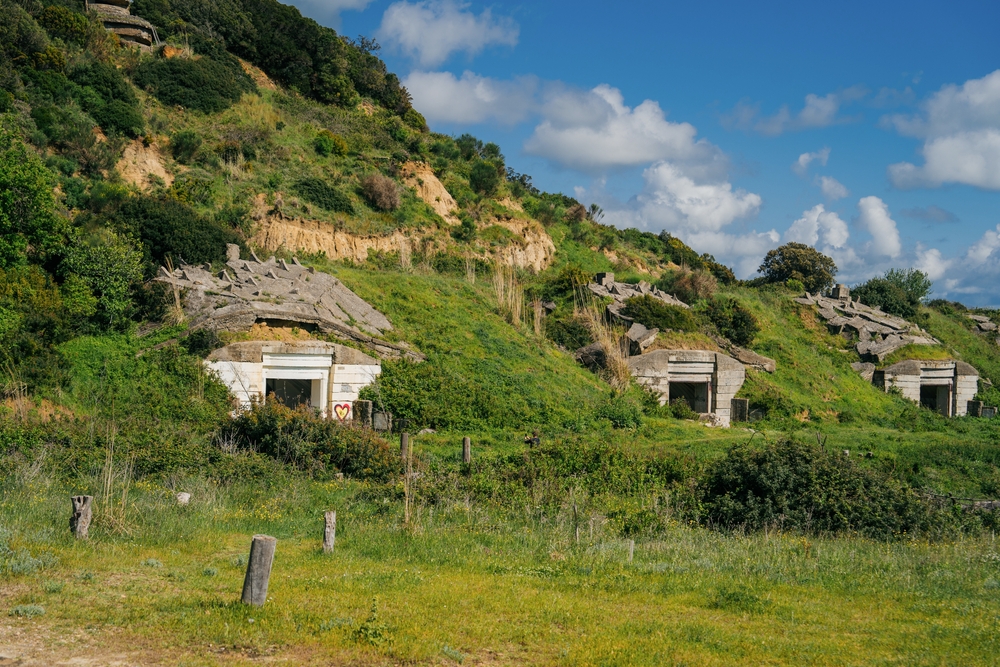
Structures specifically designed to absorb blast pressure stand the best chance of survival. Reinforced concrete bunkers, underground shelters, and hardened military facilities can withstand shockwaves that flatten ordinary buildings. Their survival depends heavily on depth, angle, and distance from the blast. Even then, survivability often means containment rather than comfort.
These structures protect against initial blast and radiation, but not long-term fallout exposure. Occupants face challenges like air filtration, food scarcity, and isolation. Survival inside doesn’t guarantee safety afterward. The bunker may endure even as the world outside becomes uninhabitable.
2. Digital Infrastructure and the Internet

Much of the internet disappears instantly in a nuclear strike. Data centers, power grids, and transmission nodes are extremely vulnerable to electromagnetic pulses. EMPs can permanently disable electronics across vast areas in seconds. Modern society’s digital nervous system collapses almost immediately.
Some isolated servers and satellite systems may survive temporarily. However, without electricity and maintenance, functionality degrades fast. Communication fractures into disconnected pockets. The myth of “the internet surviving everything” ends here.
3. Cockroaches and Insects

Insects, particularly cockroaches, are famously resilient to radiation. Their simple biological systems tolerate exposure levels lethal to humans. They also reproduce quickly and adapt easily. In post-nuclear environments, insects often thrive.
That doesn’t mean they are immune to all effects. Extreme heat still kills them near ground zero. But outside immediate blast zones, insects recover rapidly. Evolution favors simplicity in catastrophe.
4. Glass, Windows, and Modern Skyscrapers

Glass disappears almost instantly. Shockwaves shatter windows miles from the blast site, creating lethal shrapnel storms. Modern skyscrapers, designed for wind not pressure, collapse rapidly. Steel frames twist under intense heat.
Urban centers suffer disproportionately. Flying debris causes more injuries than radiation initially. Glass turns cities into weaponized landscapes. Survival indoors becomes impossible without protection.
5. Underground Water Systems
Deep aquifers often remain physically intact after nuclear strikes. Their depth shields them from immediate radiation and heat. However, surface contamination can seep downward over time. Water safety becomes uncertain but not instantly destroyed.
Infrastructure like pumps and treatment plants fail quickly. Access becomes the main problem, not existence. Clean water may still exist below ground. Reaching it safely becomes the challenge.
6. Wildlife in Remote Areas
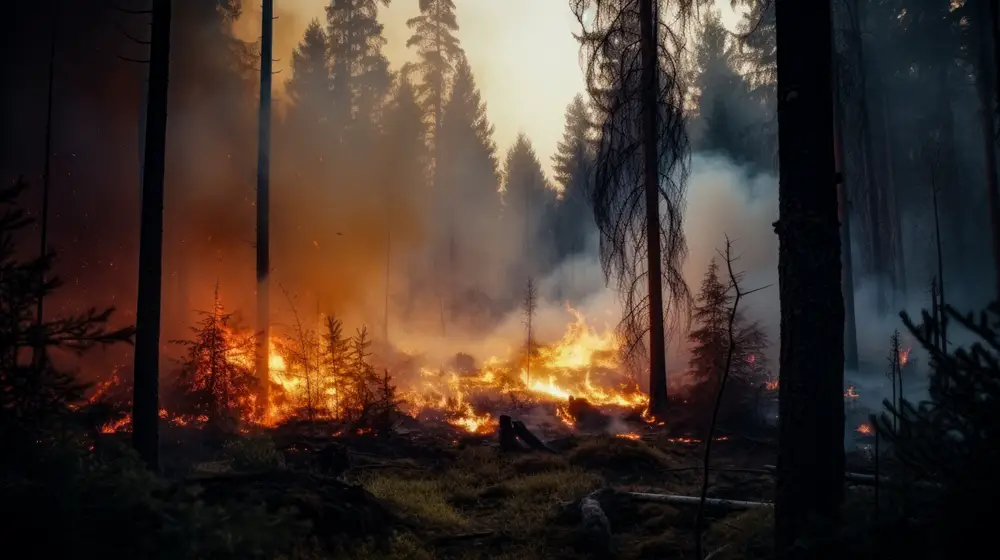
Animals far from blast zones may survive initial effects entirely. Without humans, ecosystems begin reshaping rapidly. Radiation impacts vary by species and exposure. Some populations rebound quickly.
Paradoxically, reduced human activity allows wildlife expansion. Nature adapts faster than civilization. Long-term genetic effects still occur. Survival does not mean unchanged.
7. Paper Records and Books

Paper is highly vulnerable to firestorms triggered by nuclear blasts. Libraries, archives, and personal records burn rapidly. Heat spreads faster than flames in urban zones. Knowledge disappears along with buildings.
Ironically, some books stored underground survive better than digital data. Analog resilience matters when power fails. History becomes fragmented. What survives depends on where it was stored.
8. Power Grids and Electricity
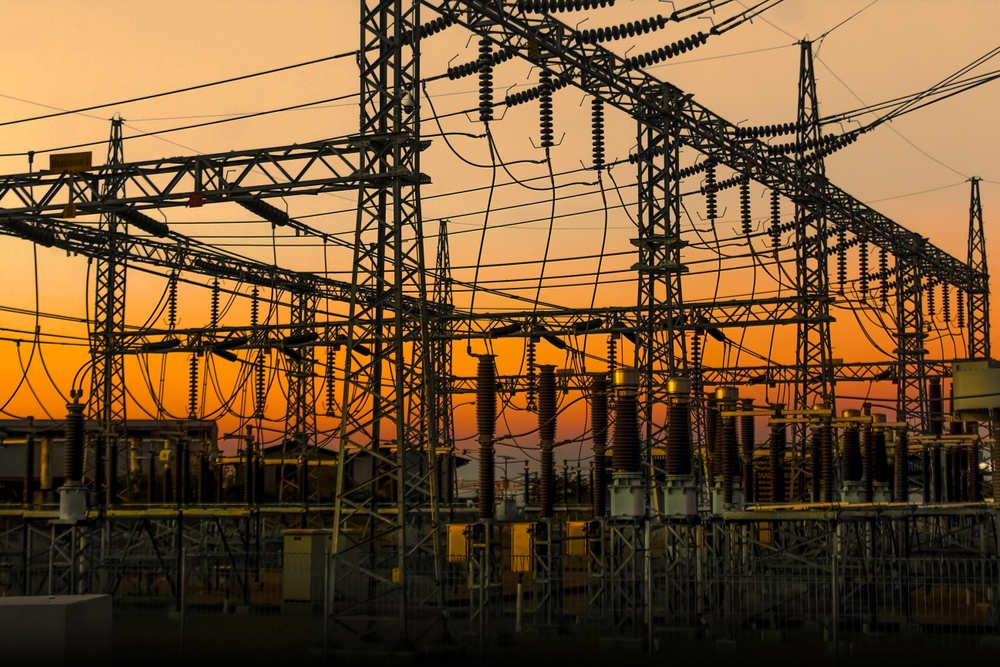
Electrical grids fail almost instantly. Transformers are extremely sensitive to EMP damage. Repairs take months or years under normal conditions. After a nuclear strike, repair may be impossible.
Without power, everything else collapses. Food distribution, water treatment, healthcare, and communication all stop. Electricity is civilization’s backbone. Its loss defines post-strike reality.
9. Human Survivors Near Ground Zero
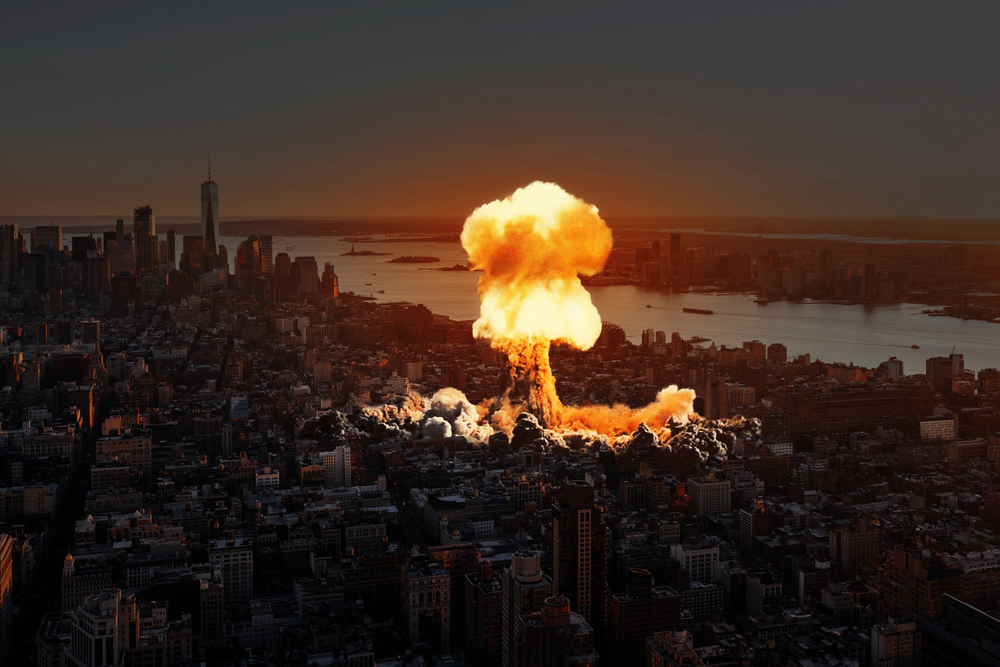
Human survival near a blast is rare but not impossible. Shielding, terrain, and timing matter. People underground or behind solid barriers sometimes live through initial impact. Survival often comes with severe injury.
Radiation sickness and burns follow quickly. Medical infrastructure is gone. Survival becomes a countdown rather than recovery. Living through the blast is only the beginning.
10. The Planet Itself
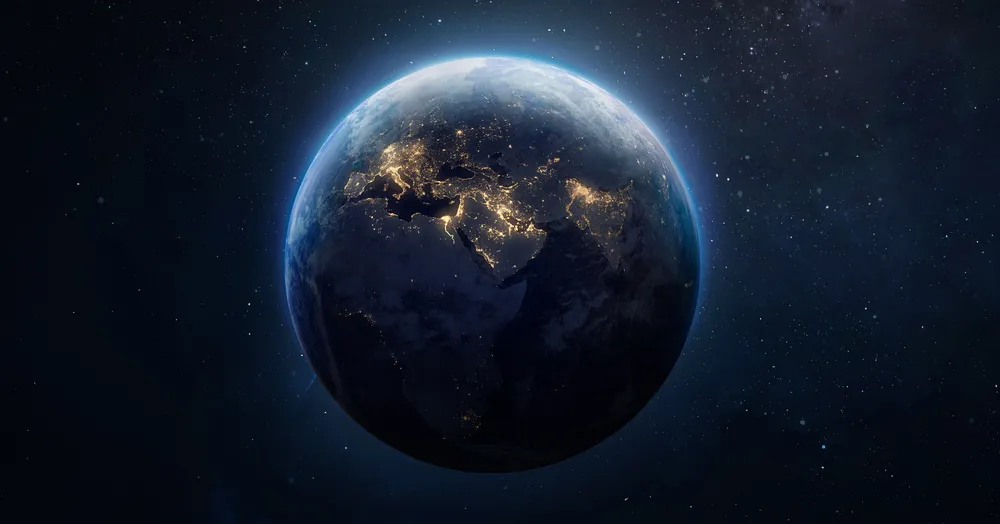
Earth survives nuclear war. The planet has endured asteroid impacts and mass extinctions. Life continues in altered forms. Humans are not Earth’s priority species.
Civilization may disappear, but geology does not care. Recovery happens on planetary timescales. The real question isn’t whether Earth survives. It’s whether we do.