
TikTok’s latest fascination with the “Capybara lifestyle” might seem like harmless fun, but it’s stirring up more trouble than you might realize. These quirky, oversized rodents, often seen chilling in memes, have captivated the digital world. But this obsession isn’t just about cute videos or catchy music snippets; it raises significant concerns for real-world conservation efforts. Let’s dig into the 13 ways this viral trend is causing more harm than good—and maybe give you a reason to think twice before your next share.
1. Misrepresentation of Capybara Behavior

Capybaras on TikTok often get depicted as ultimate chill creatures, but these portrayals can be misleading. While they may appear tranquil in videos, their natural behavior includes complex social structures and interactions that don’t always fit the laid-back narrative. This oversimplification can lead to misunderstandings about what these animals need to thrive in the wild. As a species, capybaras require specific environments and social systems that aren’t accurately portrayed in these clips.
A study by the Journal of Mammalian Biology highlights how pivotal accurate behavioral representation is for species conservation. When people start projecting human traits onto animals, it can diminish the urgency of preserving their natural habitats. By oversimplifying capybaras’ needs, the TikTok trend potentially harms efforts to maintain the ecosystems they rely on. It’s a reminder that viral fame should come with a responsibility for accuracy.
2. Encouraging Exotic Pet Ownership
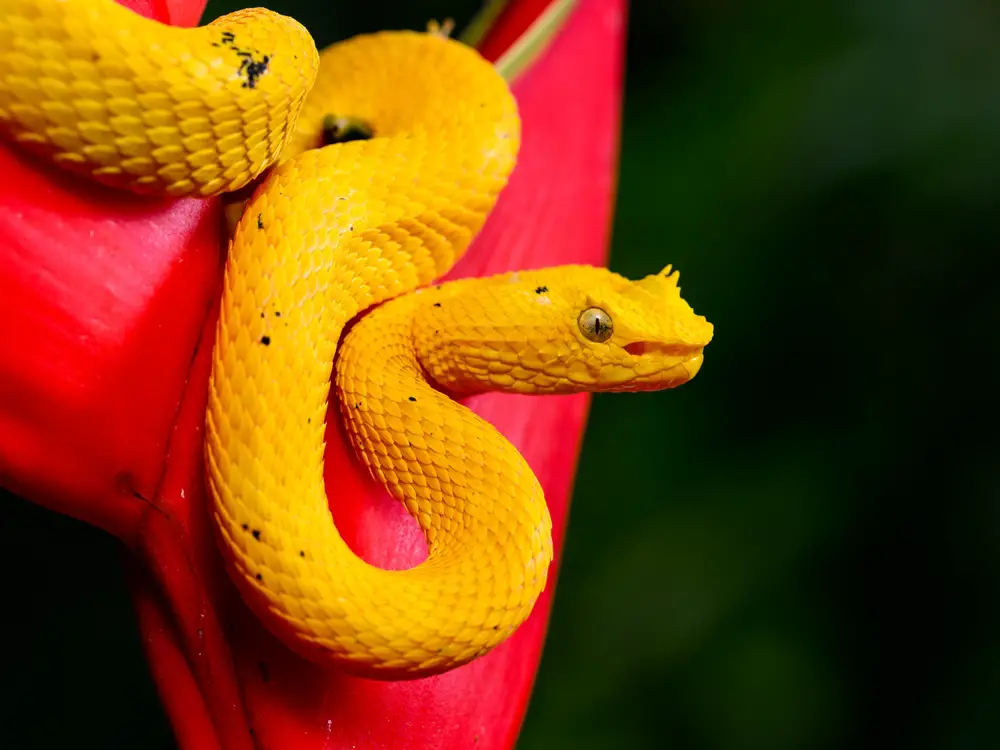
The viral nature of capybara content may unintentionally promote the idea that they make great pets. People see them lounging around seemingly content and may think, “I want one too!” But owning a capybara is far more complex than these videos suggest. They require significant space, specialized diets, and social interaction with their own kind to live healthily.
This trend can lead to impulsive pet ownership, with people rushing to adopt capybaras without understanding the commitment involved. Such impulsive decisions often end with animals being neglected, abandoned, or surrendered to shelters. Real-life capybara care involves challenges far beyond the scope of a 15-second video. The pet trade’s demand can also pressure wild populations, exacerbating conservation concerns.
3. Overshadowing Genuine Conservation Efforts
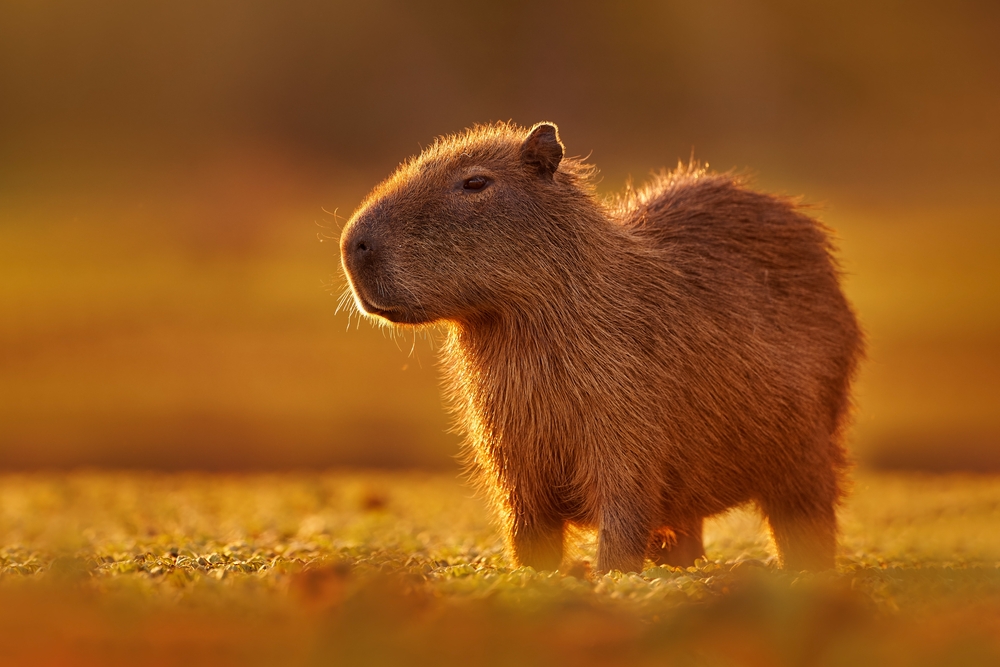
The capybara craze can distract from more serious conservation messages that need mainstream attention. While social media is a powerful tool for raising awareness, it can sometimes spotlight the wrong aspects. Conservation groups that work tirelessly to protect these animals might see their messages diluted in the wash of viral content. The focus shifts from serious conservation needs to a superficial portrayal of the animals.
The Wildlife Conservation Society highlights that social media can be both a boon and a bane in conservation efforts. While it can amplify urgency, it can also trivialize serious issues if not managed carefully. When people engage more with capybara memes than with genuine conservation campaigns, it risks diverting resources and attention away from critical projects. Elevating the right messages is crucial for impactful conservation work.
4. Humanizing Wildlife for Entertainment

TikTok trends tend to humanize capybaras, presenting them as if they enjoy human-like experiences. This anthropomorphism can lead to misconceptions about how capybaras interact in the wild. By portraying them as mini-humans, we risk ignoring their natural behaviors and needs. This misrepresentation can confuse audiences about what true wildlife conservation looks like.
The entertainment-focused portrayal might offer a quick laugh, but it doesn’t serve conservation goals. It can foster a disconnect between audiences and authentic wildlife experiences. When we replace real-life complexity with oversimplified representations, we undermine the animals’ true nature. It’s vital to remember that capybaras have ecological roles that go beyond the human lens of understanding.
5. Ignoring Ecological Impact

The curiosity sparked by capybara videos might lead some to explore their environments without understanding the ecological impacts. People might want to see capybaras in their natural habitats, potentially disturbing these ecosystems. The influx of human interest can lead to habitat degradation or alteration, which can harm not just capybaras but other species as well. The fascination with tese environments needs to be tempered with respect and caution.
Ecologists warn that increased human activity in delicate ecosystems can lead to unintended consequences. The Royal Society for the Protection of Birds emphasizes the importance of controlled ecotourism, where human presence is managed to minimize impact. Without careful planning, well-meaning visitors can inadvertently harm the habitats they wish to admire. It’s crucial to balance curiosity with responsibility to protect these ecosystems.
6. Fueling Misguided Conservation Support

When people engage with conservation through viral content, they might throw support behind efforts without understanding the complexities involved. TikTok’s simplified narratives can lead people to support causes that don’t address the real issues. This well-meaning but misguided aid can misallocate resources, leaving critical conservation needs unmet. The oversimplification of capybara conservation can dilute targeted efforts for effective change.
Conservation is nuanced, often requiring localized solutions tailored to specific environmental challenges. While viral content can raise awareness, it should also strive to educate viewers about these complexities. Misguided support can divert attention from the root causes that require intervention. A more informed audience can better contribute to meaningful conservation actions.
7. Perpetuating Stereotypes About Nature

TikTok’s portrayal of capybaras fosters stereotypes about wildlife that can simplify nature’s complexity. When capybaras are shown as carefree and constantly relaxed, it paints a misleading picture of their existence. Wildlife and nature are multifaceted, with intricate interactions and challenges that don’t fit into viral trends. These stereotypes can skew public perception, leading to misguided beliefs about wildlife behavior.
Researchers from the University of Exeter have emphasized the importance of authentic wildlife representation in social media. They argue that portraying a simplistic version of wildlife can lead to a lack of appreciation for biodiversity’s intricacies. This oversimplification can reduce the perceived need for comprehensive conservation strategies. Recognizing wildlife’s complexity is crucial for fostering a genuine connection with nature.
8. Promoting Short-Lived Engagement

The fleeting nature of social media trends means that today’s capybara sensation could be forgotten tomorrow. Viral content often garners short-lived engagement, with audiences moving swiftly from one trend to another. This can result in a temporary spike in interest rather than sustained conservation support. The challenge lies in converting this brief attention into long-term commitment.
Short-lived trends might raise awareness, but they often fail to inspire lasting action. Conservation requires ongoing efforts and a consistent commitment from supporters. Without sustained engagement, critical conservation projects might struggle to maintain momentum. Finding ways to translate viral interest into persistent advocacy is crucial for lasting impact.
9. Misleading Visual Narratives
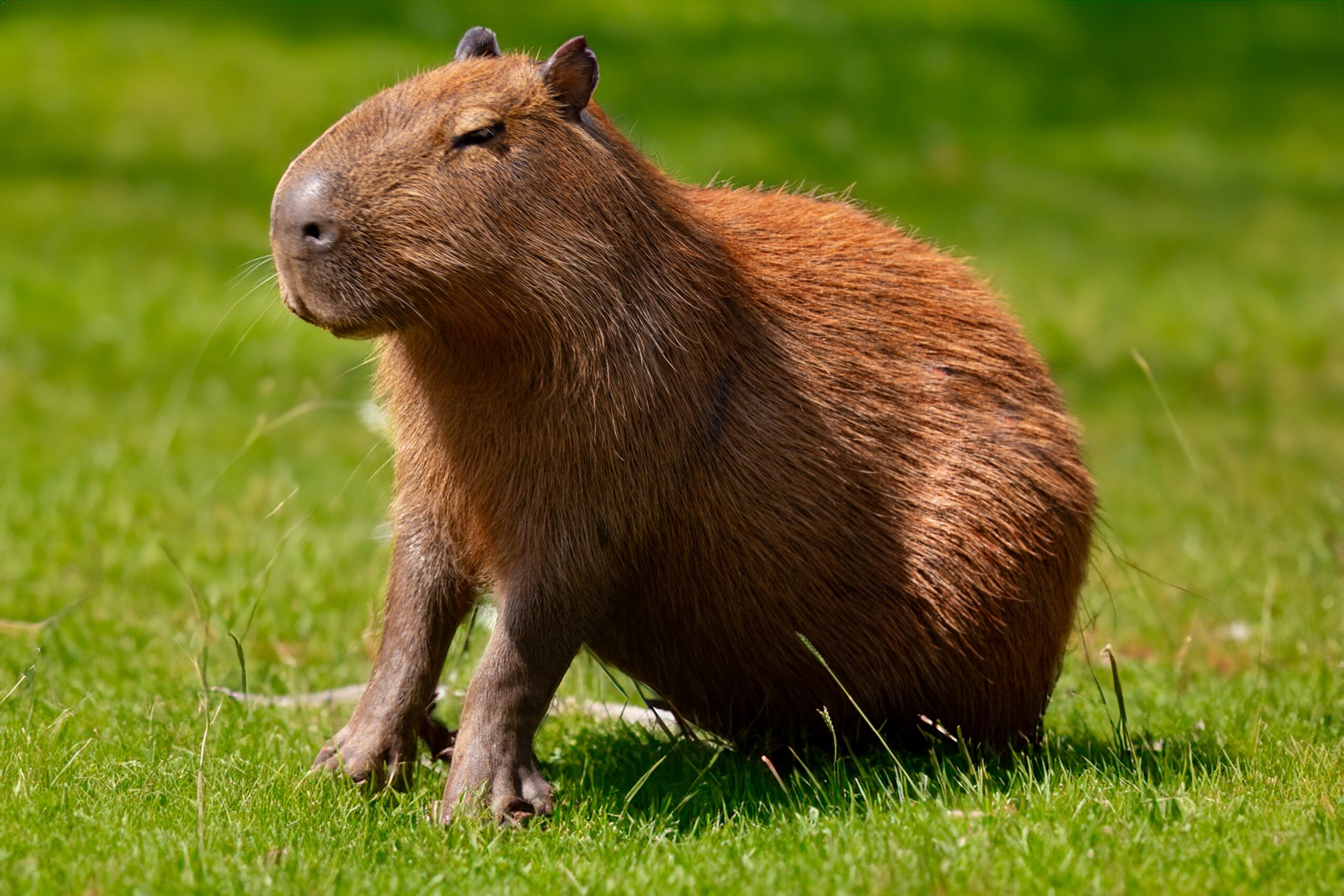
Many TikTok videos use editing and voiceovers to create comedic or entertaining narratives around capybaras. This might make for engaging content, but it risks distorting the reality of these animals’ lives. The discrepancy between edited content and true wildlife behavior can mislead audiences. These narratives may prioritize entertainment over education, leading to a skewed understanding of capybaras.
Visual media has the power to shape perceptions, but it can also reinforce misconceptions when not used responsibly. When creators prioritize clicks and views over accuracy, they inadvertently contribute to a culture of misinformation. This approach can hinder genuine understanding and appreciation for wildlife. Striking a balance between engaging content and educational value is essential.
10. Encouraging Disruptive Tourism
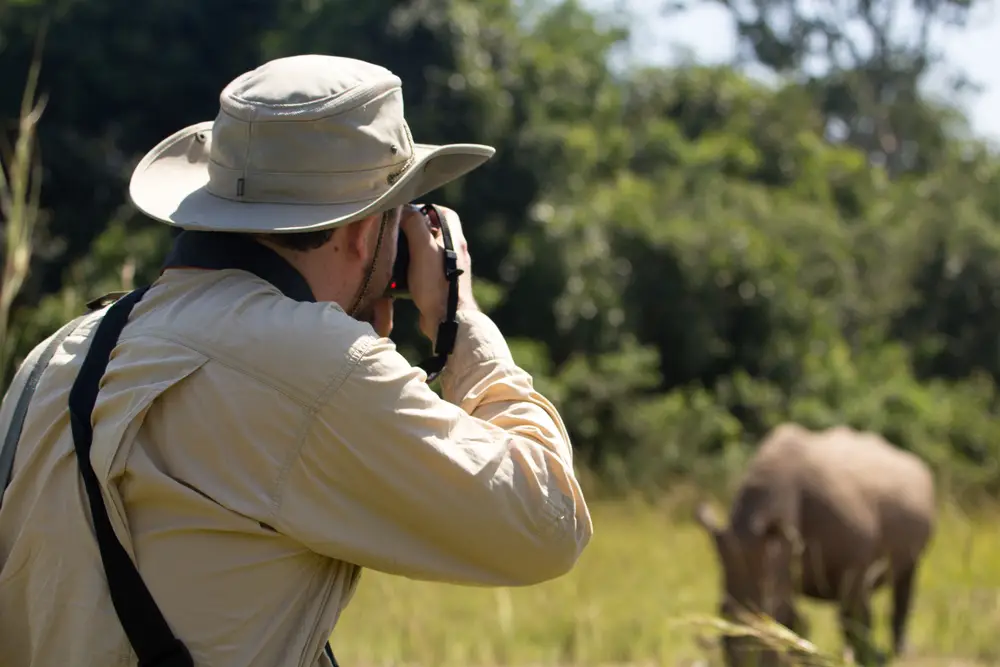
The heightened interest in capybaras might lead to an increase in tourism to their natural habitats. While tourism can boost local economies, it can also disrupt the natural balance if not managed carefully. The influx of visitors can lead to habitat destruction, pollution, and stress for the animals. Sustainable tourism practices are essential to protect both local communities and wildlife.
Tourism driven by viral trends often lacks the necessary infrastructure to manage large crowds responsibly. Without proper guidelines, well-meaning visitors can become a burden on fragile ecosystems. Conservationists stress the need for comprehensive planning to ensure tourism benefits rather than harms these regions. Balancing visitor interest with ecological sustainability is key to preserving natural habitats.
11. Neglecting Local Community Involvement

In the buzz surrounding capybara trends, the vital role of local communities in conservation can be overlooked. Effective conservation requires involving those who live alongside wildlife, integrating their knowledge and needs into protection strategies. Viral trends often bypass these communities, focusing instead on global audiences captivated by exotic images. This can marginalize the very people who are essential to successful conservation efforts.
Local communities possess invaluable insight into the habitats they inhabit, offering practical solutions that outsiders might miss. By excluding them from the narrative, we risk implementing solutions that aren’t sustainable or welcomed. Empowering local voices and ensuring they have a stake in conservation efforts can lead to more effective and harmonious outcomes. Real progress stems from collaboration and respect for those who live closest to the land.
12. Overshadowing Lesser-Known Species
With capybaras stealing the spotlight, other species that need attention may not get the conservation support they require. The focus on trendy animals can divert resources and attention from lesser-known but equally endangered species. This unequal distribution of attention can skew conservation priorities, leading to an imbalance in resource allocation. Lesser-known species, often crucial to their ecosystems, might face neglect as a result.
Biodiversity thrives on the interaction of diverse species, each playing a unique role. Overemphasizing one species at the expense of others can threaten this balance, impacting entire ecosystems. Conservationists advocate for a holistic approach that considers the needs of all species, not just those that capture public imagination. Broadening our focus can ensure a more equitable and effective conservation strategy.
13. Diminishing Conservation Messaging

When TikTok’s capybara craze takes center stage, the nuanced messaging needed for effective conservation can be drowned out. Viral trends often prioritize entertainment over informative content, leading to superficial engagement. This preference for lighthearted content can overshadow more serious conservation narratives that need attention. Crafting compelling messaging that resonates while still conveying critical information is a challenge in this media landscape.
Engaging content doesn’t have to sacrifice educational value. By weaving informative elements into popular trends, creators can elevate the conversation while maintaining audience interest. This approach requires creativity and a commitment to prioritize facts alongside fun. Finding this balance can transform fleeting trends into platforms for lasting change.