
Cats have a reputation for being aloof, but biologically, they are some of the most sensitive animals humans live alongside. Their nervous systems are finely tuned to detect environmental shifts long before humans notice anything unusual. When something feels off, cats rarely react dramatically — instead, they change subtly, strategically, and often silently. These behaviors aren’t random quirks; they’re deeply rooted survival responses shaped by evolution. Here are 13 scientifically grounded ways cats respond when they sense danger, illness, or instability.
1. They Suddenly Stare At One Spot
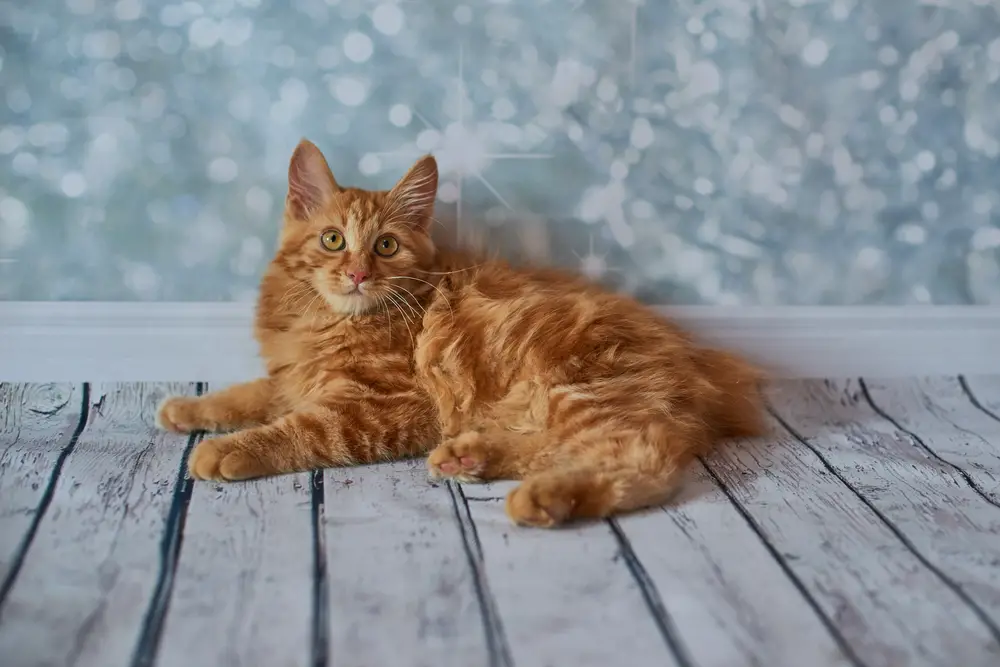
When a cat locks its gaze onto a wall, ceiling, or doorway, it’s usually processing sensory input you can’t detect. Cats hear frequencies up to 64 kHz, far beyond human capacity, allowing them to detect electrical hums, pests inside walls, or distant movement. Their visual system is also highly sensitive to micro-movements and shifts in light. What looks like zoning out is actually intense environmental scanning.
Animal behaviorists note that this frozen focus is a high-alert state, not curiosity. According to veterinary neurologist Dr. Karen Overall, prolonged staring often indicates a cat is monitoring a perceived anomaly until it resolves or escalates. The behavior helps cats gather data before deciding whether to flee, hide, or engage. It’s surveillance, not superstition.
2. They Hide In New Places
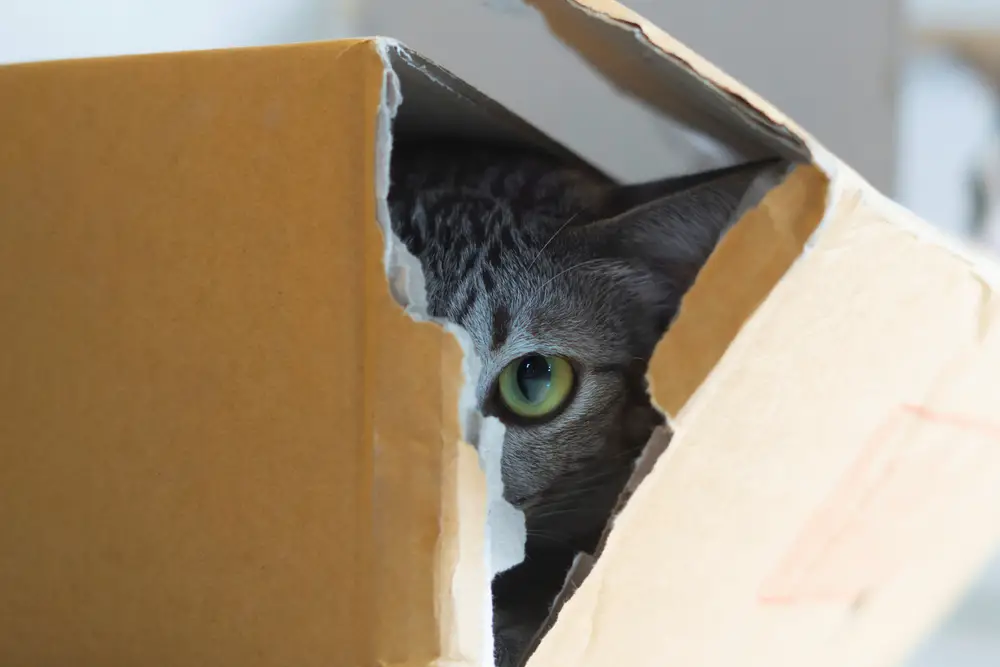
When cats abandon their usual hiding spots for new ones, it’s often a sign that their sense of safety has changed. This can be triggered by illness in the household, unfamiliar visitors, new sounds, or emotional tension between people. Cats prioritize concealment when they feel vulnerable or uncertain. Choosing a new hiding location allows them to reassess risk from a safer vantage point.
From a biological standpoint, hiding conserves energy while maximizing survival odds. Feline stress studies show that unpredictability is more stressful for cats than loud or obvious threats. By relocating, the cat is adapting to a perceived shift in environmental safety. It’s not fear-based behavior — it’s strategic withdrawal.
3. They Become Super Affectionate

Some cats respond to sensed distress by increasing physical contact, following you more closely, or insisting on sitting directly on your body. This behavior is most common in bonded cats who rely heavily on scent, warmth, and routine to assess safety. Physical closeness allows them to monitor changes in body temperature, breathing, and emotional state. It also stabilizes their own nervous system.
A 2023 study published in Animal Cognition found that cats are capable of emotional contagion, particularly toward familiar humans. Researchers observed measurable stress responses in cats when owners were anxious or ill. Increased affection appears to be both monitoring behavior and self-soothing. It’s not clinginess — it’s regulation.
4. They Refuse To Eat

When cats skip meals, it often signals that something feels unsafe. Eating requires lowering vigilance, which cats will not do if they perceive instability. In the wild, predators that eat at the wrong moment don’t survive long. Domestic cats retain this instinct.
Veterinary behaviorist Dr. Mikel Delgado notes that appetite suppression is one of the earliest indicators of feline stress. According to research from the American Association of Feline Practitioners, environmental stressors commonly trigger temporary anorexia in cats. This pause is protective, not defiant. Once safety feels restored, eating usually resumes.
5. They Follow You Everywhere
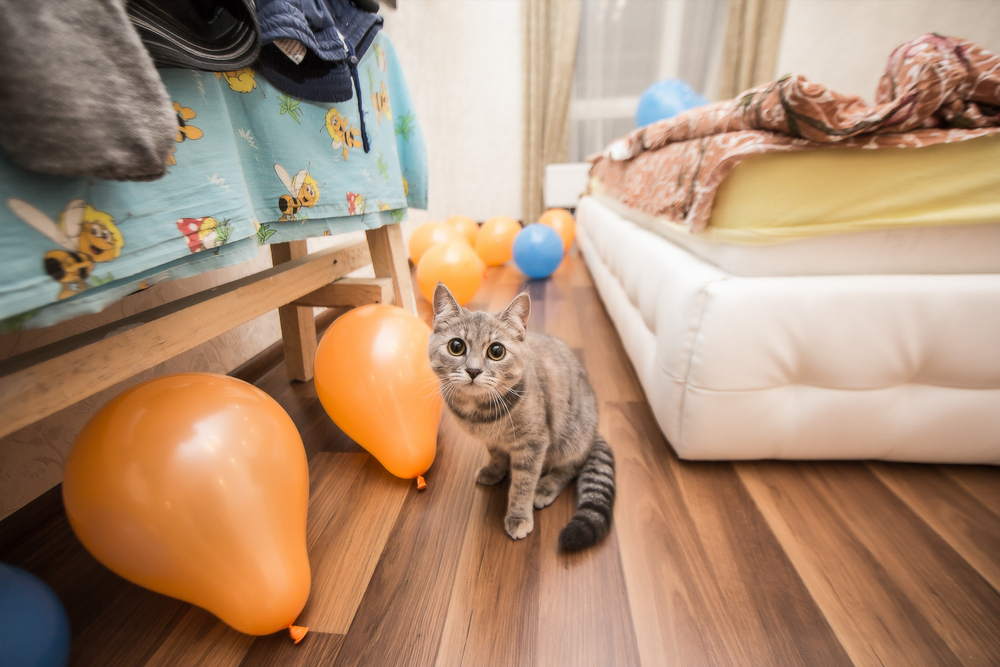
When a cat begins shadowing you closely, it’s often tracking changes in your behavior, health, or emotional state. Cats are pattern-recognition experts and notice deviations quickly. Staying near you allows them to continuously assess whether the situation is improving or worsening. Proximity equals information.
This behavior is rooted in social monitoring, not dependence. Studies on feline attachment show that cats use trusted humans as environmental anchors. When the anchor shifts, they stay close to recalibrate. It’s vigilance disguised as affection.
6. They Become More Vocal
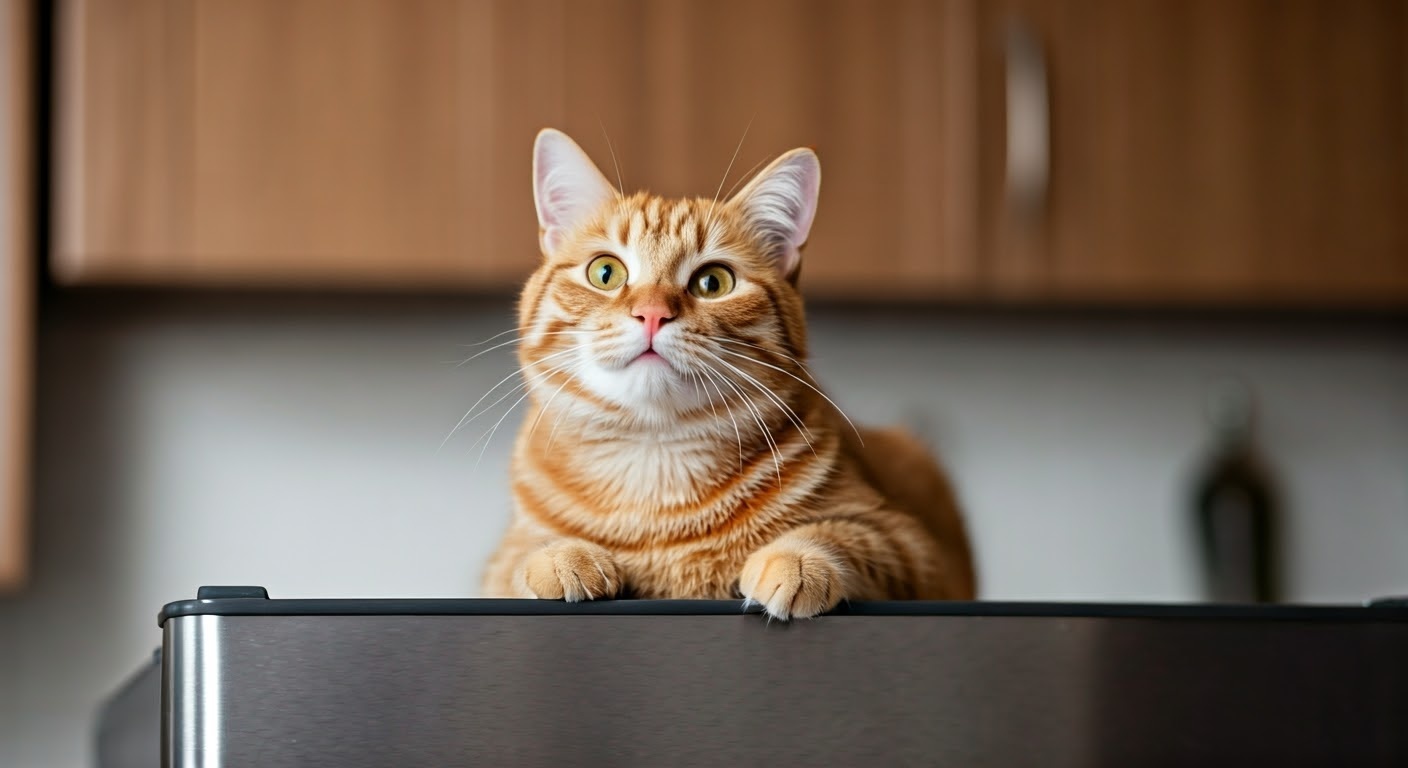
Increased vocalization, especially at night, often reflects heightened sensory awareness. Cats are crepuscular, meaning their alertness peaks at dawn and dusk when environmental cues are strongest. Sounds humans sleep through can feel significant to a cat during these hours. Vocalizing helps them communicate concern and release tension.
According to feline communication research, vocal behavior increases when cats feel uncertain rather than threatened. It’s an alert, not a panic response. The sound is part signal, part self-regulation. Silence would actually be more concerning.
7. They Put A Barrier Between The Threat
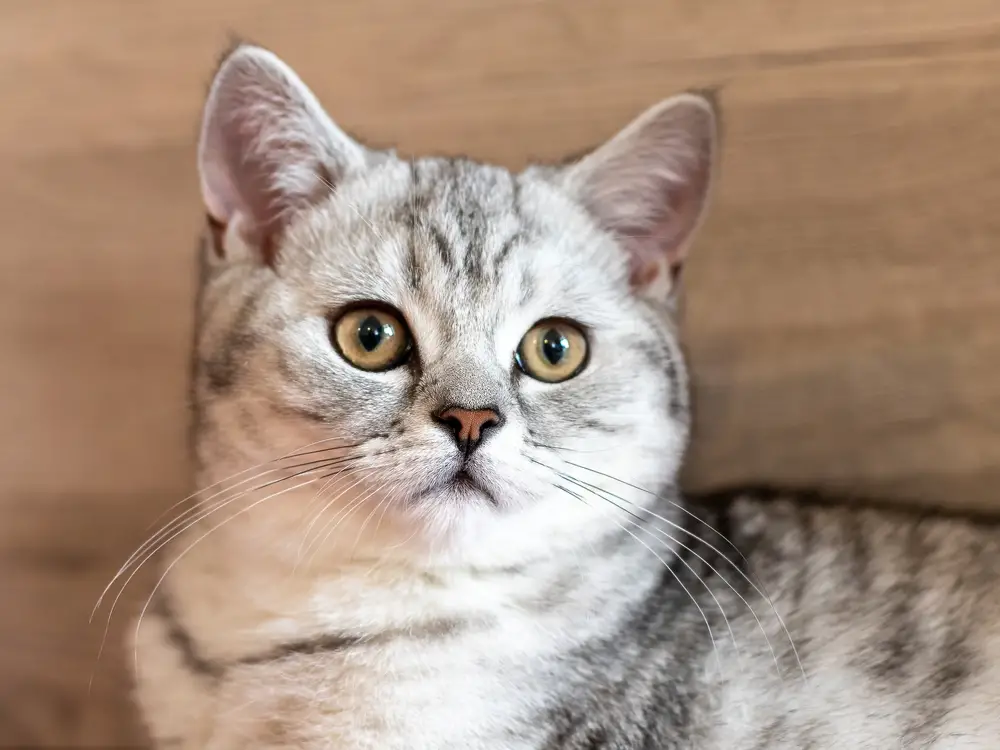
Cats sometimes position themselves between you and doorways, windows, or unfamiliar people. This behavior allows them to monitor potential entry points while maintaining escape routes. It’s a territorial and protective posture, not aggression. Cats instinctively manage spatial control when sensing risk.
Ethologists note that this positioning mirrors wild feline behavior around dens and resting areas. The cat becomes a living sensor, tracking movement and sound. It’s a sign of situational awareness, not dominance. They’re guarding information, not territory.
8. They Start Grooming Excessively
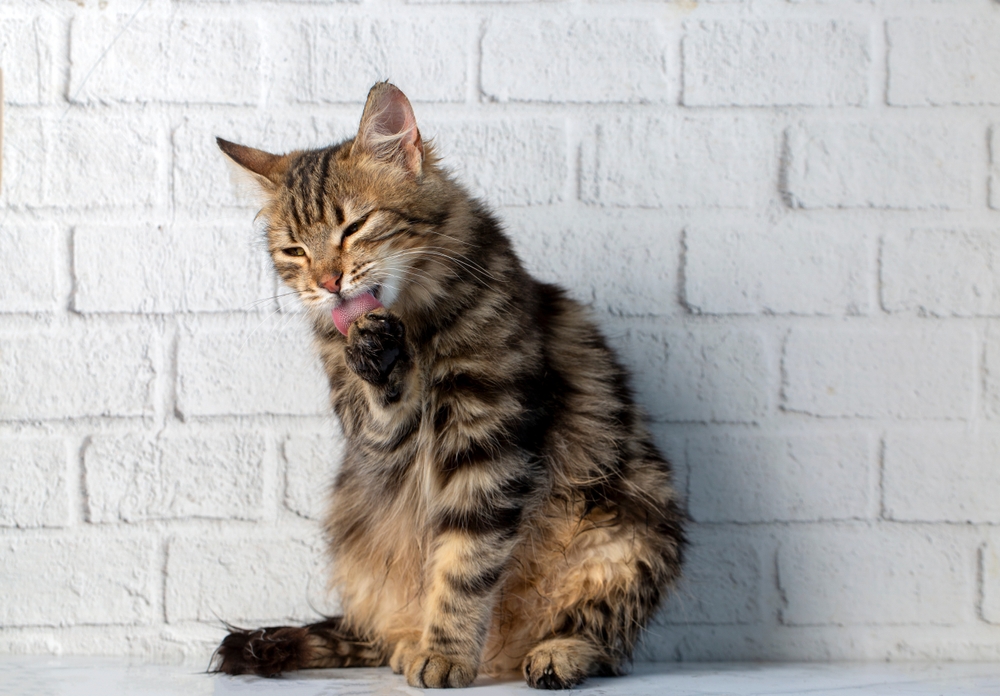
Over-grooming is a well-documented feline stress response tied to nervous system activation. Grooming releases endorphins that temporarily calm the brain. When the environment feels unpredictable, cats increase repetitive behaviors to create a sense of control. The act itself becomes stabilizing.
Research published in The Journal of Veterinary Behavior links excessive grooming to chronic low-grade stress rather than acute fear. It’s a coping mechanism, not vanity. The behavior increases when stress lacks a clear resolution. Grooming fills the gap.
9. They Avoid Certain Rooms
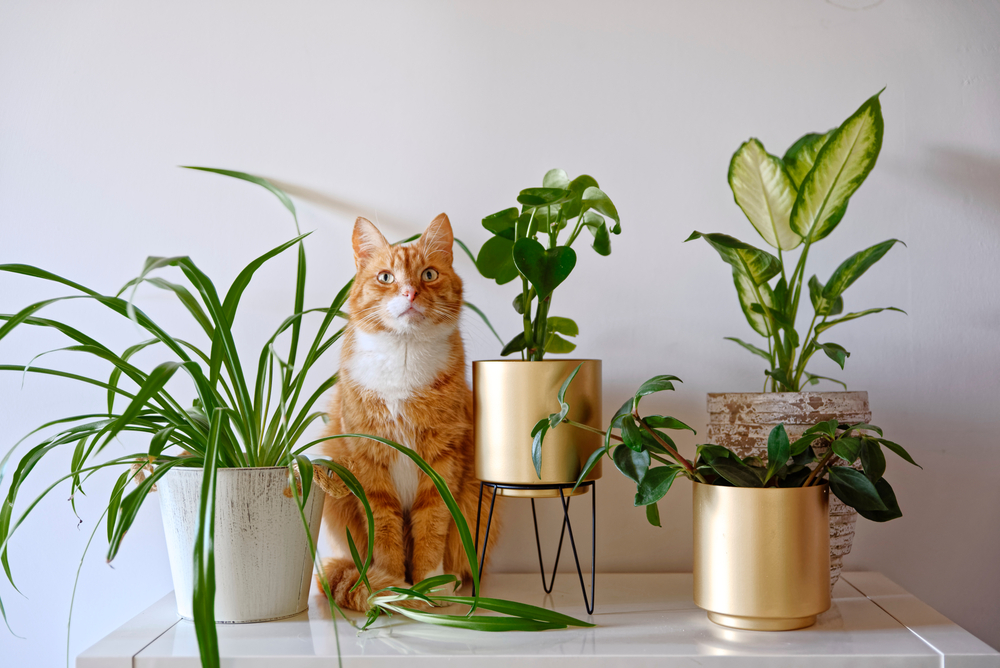
Cats detect subtle changes in scent, air pressure, and sound resonance that humans can’t perceive. A room associated with illness, conflict, or mechanical malfunction may feel unsafe to them long before you notice a problem. Avoidance is a preventative strategy, not a preference. They are mapping risk zones.
Environmental studies show cats will repeatedly test and then abandon areas that trigger stress responses. Once a space is flagged as unsafe, it stays flagged. This is sensory memory at work. The choice is deliberate and data-driven.
10. They Sit Very Still For Long Periods
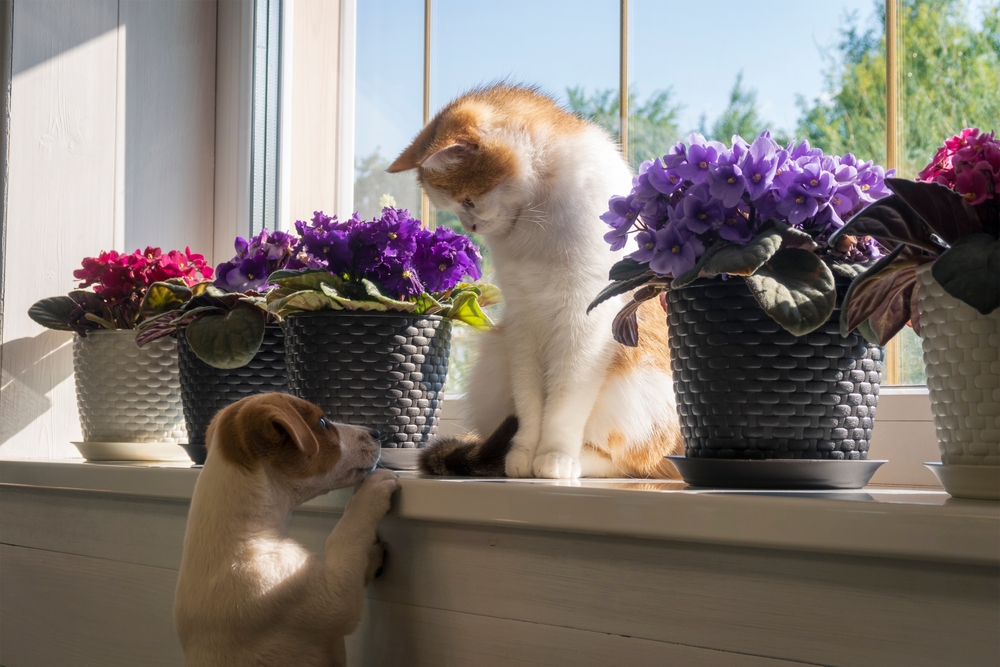
Stillness in cats is not relaxation — it’s heightened alertness. When movement decreases, sensory processing increases. The cat is gathering information while remaining invisible. This posture allows rapid response if conditions change.
From a neurological perspective, this state maximizes input while minimizing exposure. It’s a tactical pause. Cats in this mode are thinking, not resting. Movement comes only after assessment.
11. They Watch Other Animals Closely

Cats monitor changes in the behavior of other pets to gauge environmental safety. A shift in another animal’s routine can signal illness, stress, or danger. Watching allows cats to anticipate escalation. Group dynamics matter deeply to them.
Animal behavior research shows cats rely heavily on social cues from familiar animals. If another pet acts oddly, the cat treats it as actionable information. Observation becomes protection. Silence becomes strategy.
12. They Sleep On High Alert
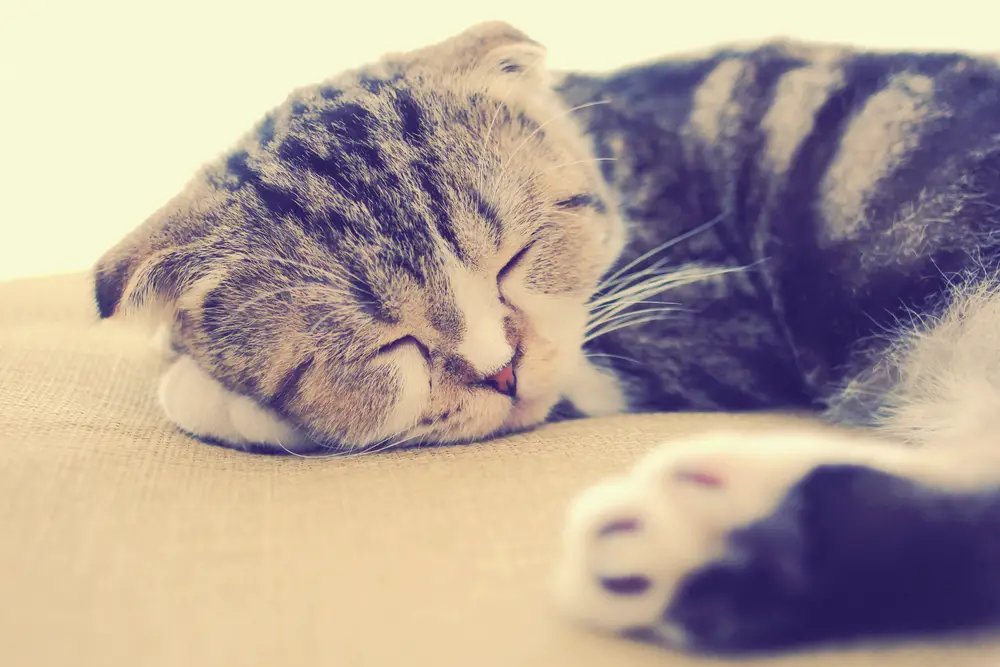
When something feels off, cats reduce deep sleep and remain semi-conscious. This allows immediate reaction to changes in sound or movement. It’s exhausting but protective. Survival takes priority over rest.
Veterinary sleep studies show stressed cats experience fragmented sleep cycles. According to feline neurologists, this state reflects environmental uncertainty rather than physical illness. Once stability returns, normal sleep resumes. Until then, vigilance wins.
13. They Stay Close Without Engaging
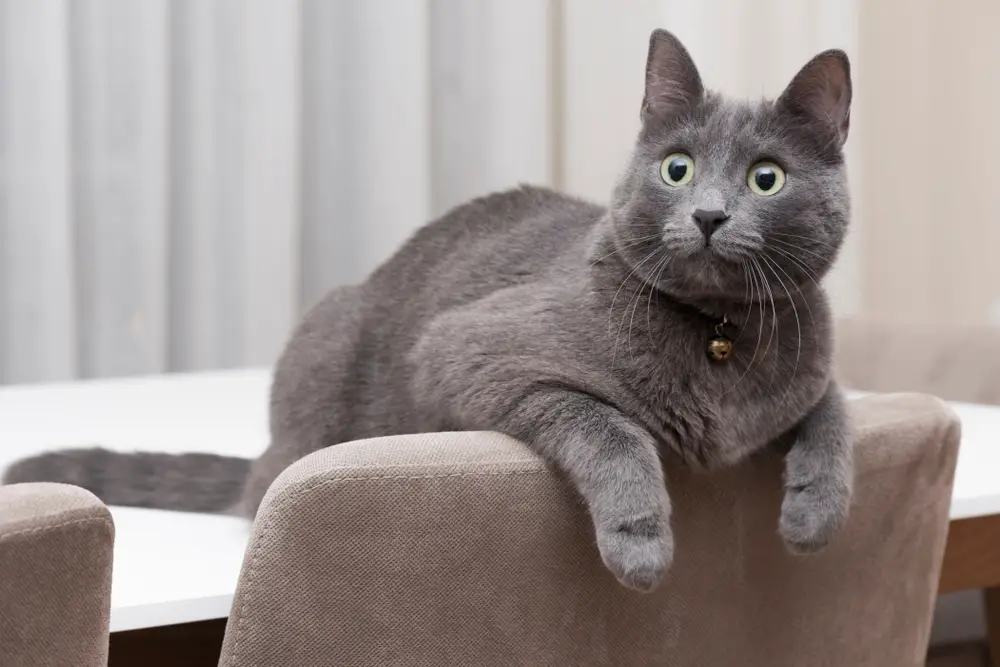
Sometimes cats remain near you but avoid touch or interaction. This behavior balances proximity with sensory overload. They want information without stimulation. It’s a careful middle ground.
This response is common when cats sense emotional instability rather than physical danger. They’re present, observant, and waiting. The quiet closeness is intentional. It means your cat is paying attention — very closely.