
Ultra-processed foods aren’t just unhealthy—they actively hijack and disable the sophisticated survival mechanisms that evolved over millions of years to regulate eating behavior and protect you from malnutrition and overconsumption. These foods are engineered to exploit evolutionary weaknesses in your reward systems while simultaneously breaking the feedback loops that should tell you when to stop eating. Understanding how processed foods disable your instincts explains why people can’t “just eat less” and why willpower fails against foods specifically designed to override the biological systems that normally control consumption.
1. Engineered Bliss Points Bypass Natural Satiety Signaling
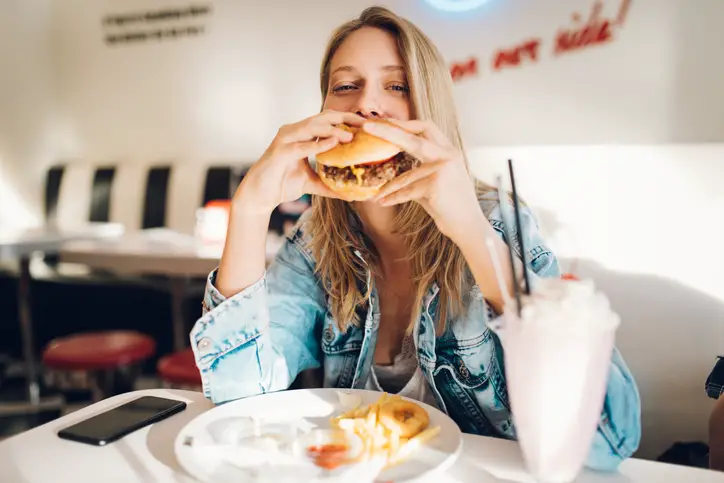
Ultra-processed foods are scientifically engineered to hit “bliss points”—precise combinations of sugar, salt, and fat that maximize pleasure while preventing the satiety signals that should make you stop eating. Natural foods contain nutrients in combinations that trigger fullness hormones like leptin and CCK when you’ve consumed adequate calories, but processed foods disable this feedback. The bliss point keeps dopamine firing without triggering the hormonal cascade that creates satisfaction and fullness, letting you consume thousands of calories without ever feeling truly satisfied.
Your brain evolved to stop eating when nutrient needs are met, but processed foods provide calories without the micronutrients your body is searching for. You keep eating because your nutrient-detection systems are signaling deficiency despite caloric excess—you’re simultaneously overfed and undernourished. A bag of chips provides 1,500 calories but almost no vitamins, minerals, or fiber, so your body continues sending hunger signals trying to acquire the nutrients it needs. The engineered palatability ensures you’ll keep eating foods that are nutritionally failing you, overriding the instinct to stop when adequately nourished.
2. Rapid Glucose Spikes Destroy Blood Sugar Regulation Instincts

Ultra-processed foods cause blood sugar to spike dramatically and crash rapidly, destroying the stable blood glucose regulation that normally controls hunger and eating behavior. Your body evolved to maintain steady blood sugar through slow-digesting complex carbohydrates and fiber, developing instincts to eat when glucose drops and stop when it’s adequate. Processed foods create glucose rollercoasters—massive spikes followed by crashes—that trigger constant hunger regardless of actual caloric needs.
The crash following a processed food sugar spike creates genuine hypoglycemia symptoms—shakiness, irritability, intense hunger, difficulty concentrating—that feel like starvation even though you consumed massive calories an hour earlier. Your insulin regulation becomes dysfunctional, overresponding to processed food spikes and then creating dangerous drops that trigger panic-level hunger. The instinct to eat when blood sugar is low is being activated inappropriately by dysregulated glucose, creating eating behavior that looks like lack of control but is actually your body desperately trying to stabilize blood sugar that processed foods destabilize.
3. Artificial Flavors Confuse Nutrient-Detection Systems

Your brain has sophisticated systems to detect nutrients through taste and smell, using these signals to predict what eating a food will provide and to create appropriate satiety responses. Ultra-processed foods use artificial flavors that trigger these nutrient-detection systems without providing the nutrients, confusing your brain about what you’ve actually consumed. Your tongue tastes “strawberry,” and your brain predicts the vitamins and phytonutrients strawberries provide, but artificial strawberry flavor provides none of these, leaving your nutrient-detection systems unsatisfied.
This flavor-nutrient mismatch prevents satisfaction and drives continued eating as your brain searches for the nutrients it was promised. Your instinct to eat diverse foods to acquire different nutrients is being exploited by processed foods that taste like many different things but nutritionally are all variations of refined grains, sugar, and industrial oils. You might eat products flavored as pizza, strawberries, chocolate, and cheese in one day, but you’ve consumed essentially the same nutritionally empty ingredients with different chemical flavoring, so your nutrient-diversity instincts keep driving more eating.
4. Lack of Fiber Eliminates Mechanical Fullness Signals

Natural foods contain fiber that physically fills your stomach and intestines, creating a mechanical stretch that signals fullness long before dangerous overconsumption. Ultra-processed foods are stripped of fiber, allowing you to consume enormous caloric density without the stomach distension that should make you stop eating. You can consume 2,000 calories of processed food in a volume that wouldn’t trigger fullness, while the same calories from whole foods would physically fill your digestive tract and activate stretch receptors that create fullness.
The fiber removal also eliminates the slow digestion that should provide sustained satiety between meals. Whole foods release energy slowly as fiber slows absorption, but processed foods dump calories into your bloodstream rapidly and leave your digestive tract empty, triggering hunger again within hours or even minutes. Your instinct to eat when your stomach is empty is being activated constantly because processed foods don’t provide the bulk that should keep your digestive system occupied between meals. You’re physiologically hungry shortly after eating because your digestive tract registers as empty despite adequate or excess calories consumed.
5. Hyperpalatable Combinations Don’t Exist in Nature, Creating Supernormal Stimulus

Ultra-processed foods combine sugar, fat, salt, and additives in ratios and intensities that never occur in nature, creating supernormal stimuli that overwhelm the reward systems calibrated for natural foods. Your brain’s pleasure and reward circuits evolved to respond to the sweetness of fruit, the richness of nuts, the savory quality of meat—all at intensities nature provides. Processed foods create stimulation 10-50 times more intense than natural foods, hijacking reward systems with pleasure they weren’t designed to handle.
This supernormal stimulation makes natural foods taste bland and unsatisfying by comparison, recalibrating your reward threshold so that whole foods no longer activate pleasure circuits adequately. An apple that would have satisfied ancestral sweet cravings now tastes boring after your brain has adapted to candy and soda. Your instinct to seek rewarding foods is intact, but the reward threshold has been artificially elevated by processed foods so intensely that natural options no longer satisfy. You need progressively more intense stimulation to activate pleasure responses, creating tolerance and dependence identical to drug addiction.
6. Liquid Calories Bypass All Satiety Mechanisms

Your satiety systems evolved for solid food and don’t register liquid calories effectively, allowing ultra-processed beverages to deliver thousands of calories without triggering fullness or satisfaction. Drinking a 300-calorie soda provides no satiety signal, so you eat the same amount of food afterward as if you’d consumed zero calories. Your thirst and hunger are regulated by completely different systems, and caloric beverages activate thirst satisfaction without engaging hunger satisfaction, making liquid calories essentially invisible to appetite regulation.
This bypassing of satiety mechanisms means people can consume an additional 400-800 calories daily from beverages without compensating by eating less food. Your instinct to drink when thirsty is being exploited by caloric beverages that satisfy thirst but deliver massive calories without satiety, and your meal-size regulation instincts don’t account for beverage calories at all. The evolutionary assumption was that all calories came from chewing and swallowing solid food, so liquid calorie consumption flies completely under your appetite regulation radar, driving overconsumption that your conscious mind doesn’t recognize or control.
7. Constant Availability Destroys Meal-Timing Instincts

Humans evolved with food scarcity and natural gaps between meals, developing instincts for meal timing, intermittent fasting periods, and circadian eating rhythms. Ultra-processed snack foods are engineered for constant availability and grazing, destroying the fasting periods that allow insulin sensitivity, cellular cleanup, and appetite regulation to reset. Your body is designed for feast-famine cycles, not continuous feeding, but processed food availability and palatability encourage constant eating that never allows metabolic rest.
The instinct to eat when food is available and abundant made sense when availability was unpredictable, but processed food availability is constant and overwhelming, turning this survival instinct into a liability. Your brain sees abundant, hyperpalatable food constantly and activates acquisition drives designed for uncertain food futures. The natural meal pattern—larger meals separated by hours of fasting—is replaced by continuous grazing on processed snacks, destroying circadian metabolic rhythms and insulin sensitivity. Your eating is no longer controlled by hunger and satisfaction but by food availability and engineered palatability triggering constant opportunistic eating.
8. Food Textures Are Engineered to Prevent Chewing Fatigue
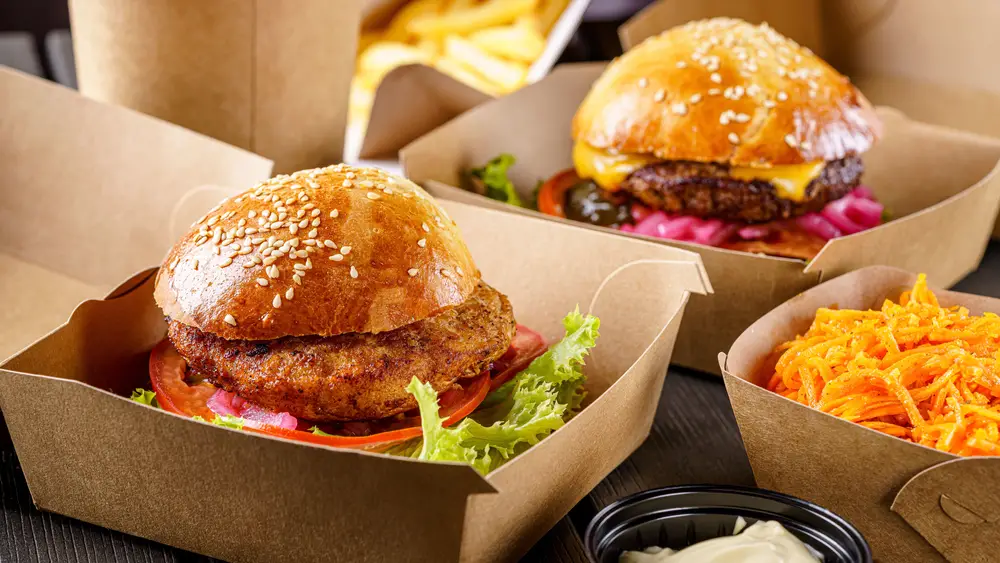
Ultra-processed foods are designed to dissolve instantly with minimal chewing, eliminating the jaw fatigue and time consumption that naturally limits eating of whole foods. Chewing is a satiety signal—the mechanical work of eating provides time for satiety hormones to activate and jaw fatigue creates natural stopping points. Processed foods melt or dissolve instantly, allowing consumption of massive amounts in minutes without the eating work that should slow consumption and allow satiety feedback.
Your instinct that “more chewing equals more food consumed” is completely wrong for processed foods that provide maximum calories with minimum eating effort. You can consume more calories from chips in five minutes than you could from whole vegetables in thirty minutes of chewing, bypassing the temporal and mechanical limits on consumption rate. The eating speed made possible by engineered textures means you consume far more calories before satiety hormones have time to activate—by the time leptin signals fullness 15-20 minutes after eating starts, you’ve already consumed three times what you would have from whole foods that require prolonged chewing.
9. Emulsifiers and Additives Disrupt Gut Microbiome Signaling

The emulsifiers, preservatives, and additives in ultra-processed foods directly damage gut bacteria that produce satiety hormones and communicate nutrient status to your brain. Your gut microbiome is essentially a sensory organ that detects nutrients and sends signals about what you’ve eaten and what you need. Processed food additives kill beneficial bacteria and promote inflammatory species, destroying the gut-brain communication that normally regulates appetite and creates food preferences based on nutritional needs.
The disrupted microbiome stops producing short-chain fatty acids that signal satiety and stops sending accurate information about nutrient intake. Your brain is receiving corrupted or absent signals from gut bacteria, leaving you unable to assess whether you’ve eaten adequately or what nutrients you need. The instinct to crave specific foods based on deficiencies—salt when sodium-depleted, protein when amino acid levels drop—stops working when your microbiome can’t accurately sense and report nutritional status. You’re eating blind, without the gut-brain feedback that should guide food choices and quantities toward nutritional adequacy.
10. Stress Eating Is Amplified by Designed Comfort Properties
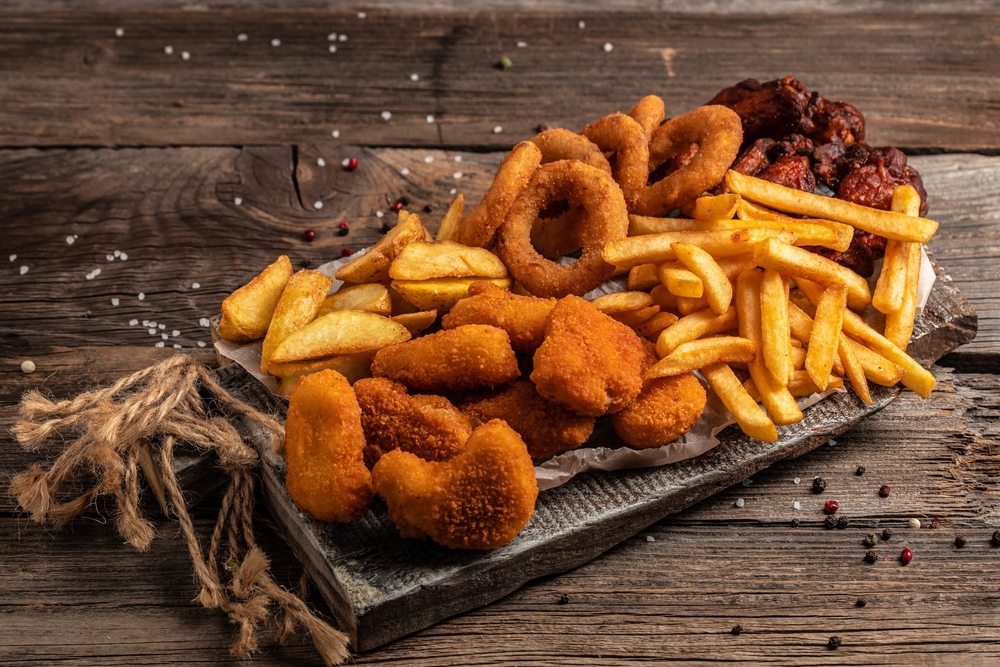
Ultra-processed foods are specifically engineered to provide comfort and stress relief through combinations of fat, sugar, and salt that activate opioid and reward systems more powerfully than natural foods. Your instinct to eat calorie-dense foods during stress evolved to prepare for challenges and uncertainty, but this adaptive response becomes maladaptive when triggered by chronic modern stress and directed toward foods engineered for maximum comfort activation. The engineered properties of processed comfort foods make stress eating far more damaging and compulsive than it would be with natural foods.
Natural comfort eating might involve extra portions at meals or slightly richer foods, but processed food comfort eating involves foods specifically designed to provide drug-like relief from negative emotions. The combination of rapid blood sugar increase, intense reward activation, and opioid system engagement creates genuine relief from stress and negative emotions, reinforcing the behavior powerfully. Your stress-eating instinct is being exploited by foods that provide such intense relief that they create dependence, turning occasional stress eating into compulsive emotional regulation through processed food consumption.
11. Marketing Exploits Evolutionary Preferences for Scarce Nutrients

Ultra-processed food marketing specifically targets evolutionary preferences for nutrients that were scarce in ancestral environments—sugar, salt, fat—using these cues to trigger acquisition drives despite modern abundance. Your brain is wired to find these nutrients highly rewarding and to acquire them opportunistically when available because they were genuinely scarce and valuable. Marketing that emphasizes “rich,” “indulgent,” “decadent,” or “sweet” activates instincts to acquire these scarce resources, even though they’re now abundant and your actual scarcity is in micronutrients like vitamins and fiber.
The visual and verbal cues in processed food marketing activate reward anticipation and acquisition drives designed for opportunistic feeding during ancestral scarcity. Seeing processed food advertising triggers dopamine release and motivation to acquire, hijacking the instinct to get calorie-dense foods while available. Your brain doesn’t understand that sugar and fat are now hyperabundant threats rather than scarce treasures—the marketing exploits are designed for scarcity in an environment of toxic abundance. The instinct to want and acquire foods high in sugar and fat when you see them is functioning perfectly for a world that no longer exists, making you vulnerable to marketing that triggers these drives constantly.