
Animals perceive their environments differently than humans do, picking up on residual scents, electromagnetic anomalies, structural sounds, and even emotional imprints left by previous occupants. While skeptics attribute unusual pet behavior in certain homes to explainable environmental factors, and believers point to supernatural sensitivity, the truth likely lies somewhere in between—pets are responding to real stimuli that humans simply can’t detect. These twelve behaviors appear repeatedly in homes with histories of trauma, death, or violence, suggesting that whether through natural or unexplained means, some animals sense when a place has witnessed suffering.
1. Refusing to Enter Specific Rooms
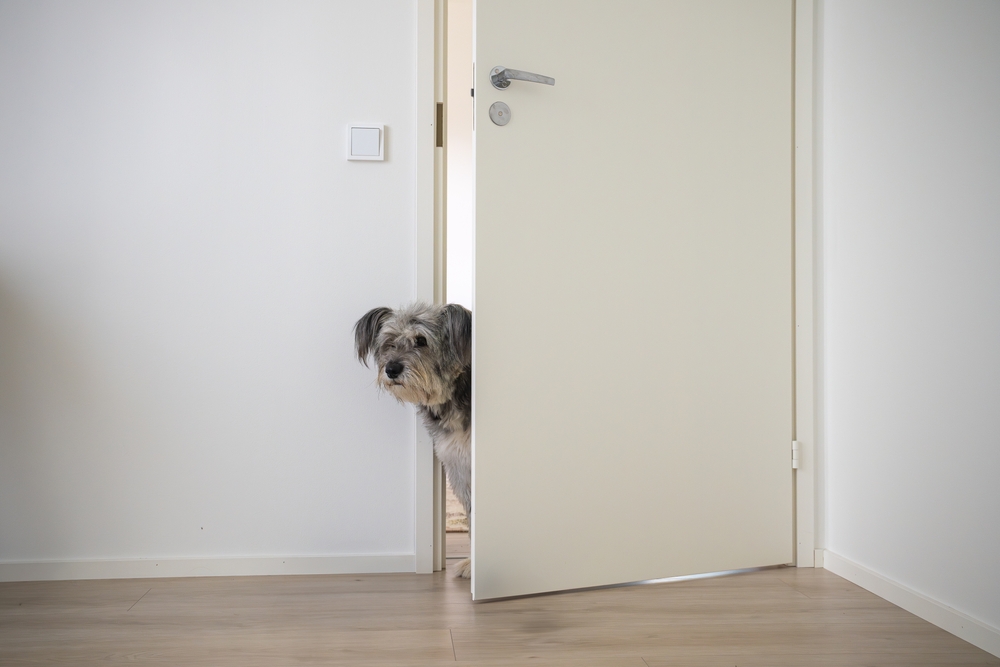
Pets that normally follow their owners everywhere will sometimes refuse to cross the threshold of particular rooms, backing away or becoming agitated when encouraged to enter. This behavior often targets rooms where traumatic events occurred—bedrooms where deaths happened, basements where violence took place, or closets where people hid during home invasions. The animals show no fear of adjacent rooms and will circle the doorway or peer inside without entering, suggesting they’re responding to something localized to that specific space.
Skeptics point to possible scent markers, electromagnetic fields from wiring, or infrasound from pipes that humans can’t detect but animals can. However, the behavior often persists even after renovations that would eliminate these factors, and multiple successive pets in the same home frequently avoid the identical rooms despite no shared experiences. Owners report that forced entry into these spaces results in immediate escape attempts and sometimes vomiting or urination from extreme stress, reactions that far exceed normal territorial hesitation.
2. Staring at Empty Spaces

Dogs and cats in certain homes will fixate on apparently empty corners, doorways, or ceiling areas, tracking movement that their owners can’t see. The pets’ eyes follow something across the room, their heads turning smoothly as if watching a person walk by. Sometimes their pupils dilate, ears rotate to track sound, or they’ll vocalize—barking, hissing, or growling—at the empty space with the same intensity they’d show toward an actual intruder.
This behavior is particularly unnerving when it occurs in homes where people died, especially if the pet focuses on areas associated with the deceased person’s routines. Some researchers suggest animals may be seeing shadows, detecting rodents in walls, or responding to light reflections humans don’t notice. Yet the behavior often happens in multiple lighting conditions and in spaces with no apparent stimuli, and the pets’ reactions suggest they’re perceiving something that engages their social or defensive instincts, not just noticing random movement.
3. Unexplained Aggression Toward Certain Areas

Normally gentle pets sometimes display sudden, intense aggression toward specific locations—snarling, hissing, or attacking walls, floors, or furniture with genuine fury. The aggression is directed and repeatable, targeting the same spots repeatedly across days or weeks. Cats have been known to attack particular corners until their claws bleed, and dogs may bark frantically and lunge at specific sections of wall as if fighting an invisible opponent.
These aggressive displays frequently occur in homes with violent histories, sometimes targeting the exact locations where assaults or murders took place, information the current owners only discover later through research. The pets behave as if defending themselves or their owners from a genuine threat, showing stress behaviors like raised hackles, flattened ears, and stress panting. Environmental factors like pests or strange odors typically cause investigation, not the defensive aggression these animals display, suggesting they perceive something actively threatening rather than merely unfamiliar.
4. Sudden Personality Changes After Moving In

Pets with established personalities sometimes undergo dramatic behavioral shifts within days of moving into certain homes, becoming withdrawn, anxious, or aggressive in ways completely out of character. A friendly, confident dog might become fearful and clingy, refusing to be alone in any room. A social cat might hide constantly, emerging only for food and showing hypervigilance even in previously comfortable situations.
These changes persist beyond the normal adjustment period and sometimes reverse immediately if the family moves again, suggesting the home itself rather than the transition is causing the distress. Veterinary exams typically reveal no medical causes, and the behaviors don’t respond to typical interventions for anxiety or fear. Owners in homes with dark histories report these personality changes more frequently than those in unremarkable properties, though whether this reflects actual patterns or confirmation bias remains debated.
5. Refusing to Sleep in Certain Areas
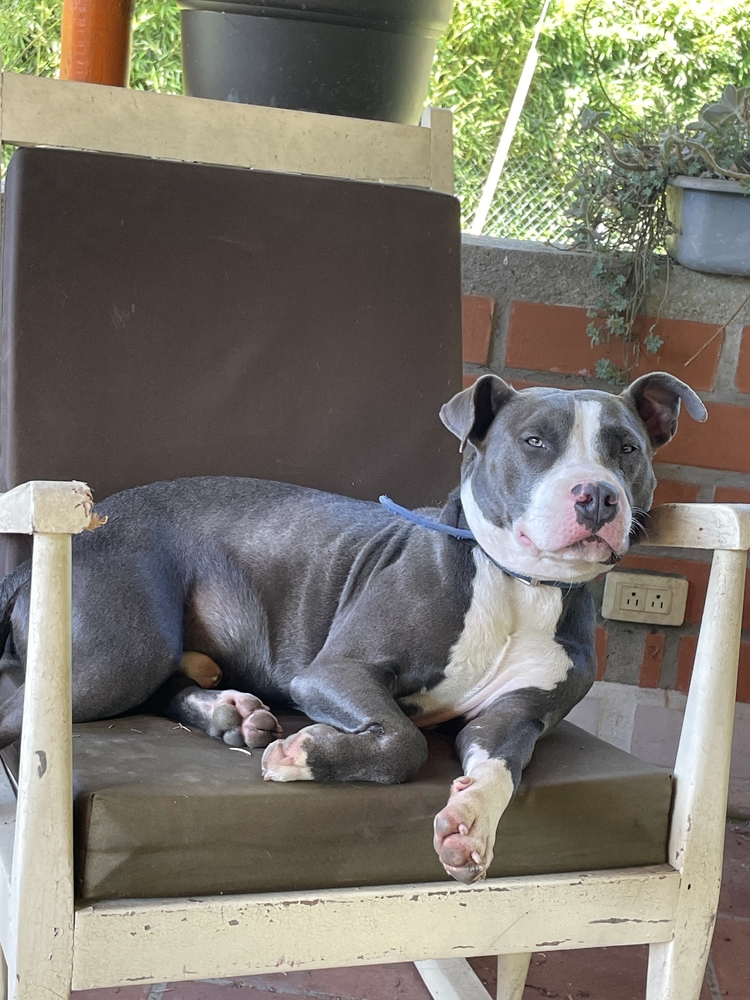
Pets will often avoid sleeping in specific rooms or areas of homes with troubled pasts, even when their beds or favorite furniture are located there. They’ll sleep in doorways positioned to watch the avoided space, or choose uncomfortable spots in other rooms rather than use comfortable bedding in the “wrong” location. If placed in these areas while sleeping, they wake immediately and relocate, sometimes appearing disoriented or frightened.
This behavior is particularly notable when it targets master bedrooms or locations where the pet previously slept without issue. Dogs that normally sleep on their owners’ beds will choose to sleep on hard floors in other rooms instead, and cats will abandon favorite sunny spots or warm radiators. The avoidance suggests these animals don’t feel safe becoming unconscious and vulnerable in these spaces, a primal response that indicates perceived threat rather than simple preference.
6. Following Invisible Presences

Some pets appear to track invisible entities through homes, following along beside or behind something their owners can’t see. Their movement is purposeful rather than random—they’ll trot alongside an apparent companion, pause when it presumably stops, and resume when it moves. The behavior mimics how they’d follow a person through the house, complete with appropriate pacing and directional changes.
This phenomenon is most commonly reported in homes where beloved former residents died, with pets acting as if accompanying the deceased through their old routines. Dogs might follow invisible presences to spots where previous owners habitually sat, or wait at doors as if something just exited. While some attribute this to learned patterns from previous pets or owners, it occurs in homes where the current animals never met the deceased and have no way of knowing their habits.
7. Extreme Reactions to Previously Neutral Spaces

Pets sometimes develop intense fear of spaces they previously navigated without concern—staircases, hallways, or bathrooms that suddenly become sources of terror. The fear appears suddenly rather than developing gradually, and the pet’s reaction is disproportionate, involving trembling, escape attempts, and sometimes loss of bladder control. Normal desensitization techniques rarely help, and the fear can persist for years.
These reactions often emerge in homes where falls, accidents, or violence occurred in the now-feared locations. A dog might refuse to use stairs where someone fell to their death, or a cat might panic when carried past a bathroom where a suicide occurred, despite having no way of knowing these histories. Skeptics suggest the animals may have had their own frightening experiences in these spots, but owners report no incidents that would explain the sudden onset of such extreme fear.
8. Protective Behavior Around Family Members

Some pets become intensely protective of their owners specifically when in certain areas of the home, positioning themselves between the person and particular spots, or showing agitation when owners enter specific rooms. A dog might block a child from entering a basement or follow an adult into a bedroom and remain hypervigilant, watching doorways and corners. The protective behavior is location-specific and disappears when the family is in other areas of the home or outside.
This behavior pattern appears frequently in homes with histories of violence against occupants, as if the pet is guarding against threats that occurred previously in that space. The animals aren’t protecting resources or exhibiting typical territorial behavior—they’re specifically concerned with their humans’ safety in particular locations. Some families report that this protective behavior decreased after blessing ceremonies, renovations, or when the threatening history was acknowledged, though whether these interventions actually changed anything or simply shifted the owners’ perceptions remains unclear.
9. Attempting to Lead Owners Away

Pets in some homes actively try to lead their owners out of certain areas, gently but persistently pulling on leashes, blocking paths, or grabbing clothing to guide people away from specific locations. The behavior is urgent and directed, unlike playful attempts to initiate walks or games. Once the person leaves the area, the pet relaxes immediately, but the pattern repeats whenever the owner returns to that spot.
This happens most often in areas where dangerous events occurred—attempting to lead children away from windows where previous occupants fell, or guiding owners out of rooms where murders happened. The pets seem genuinely distressed by their owners’ presence in these spaces, as if trying to prevent something bad from happening. While animals can certainly learn to associate locations with negative experiences, these pets often display this behavior in homes where nothing negative has happened during the current occupancy, suggesting they’re responding to something beyond their own learned experiences.
10. Unexplained Scratching and Pawing at Surfaces
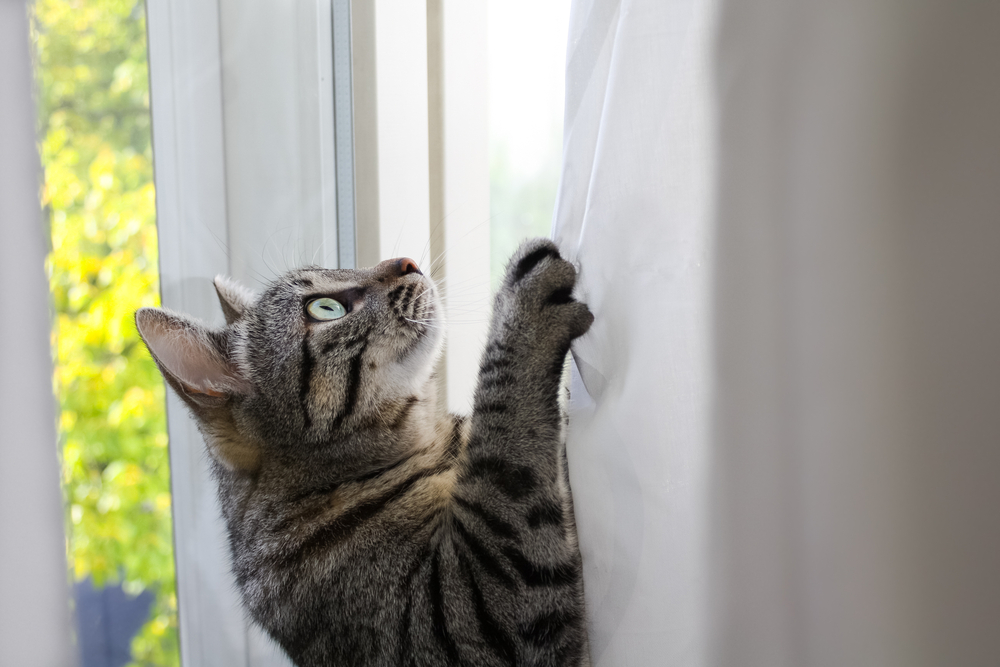
Pets sometimes obsessively scratch, dig, or paw at specific spots on floors, walls, or doors with focused determination that differs from normal play, attention-seeking, or territorial marking. They return to the same spots repeatedly, sometimes causing damage in their insistence on getting through or uncovering something. The behavior is compulsive and resistant to redirection, occurring even when the pet is otherwise well-trained and responsive.
In some documented cases, these focused scratching locations have later revealed hidden spaces, sealed rooms, or burial sites that supported the home’s troubled history—pets scratching at floors above crawlspaces where remains were found, or pawing at walls that concealed rooms used for violence. Whether the animals detect odors, sense voids through sound and vibration, or perceive something less explainable, their fixation on these specific spots suggests they’re aware of hidden elements within the structure that have significance to the home’s past.
11. Mirroring Behaviors of Deceased Pets or Owners

New pets in certain homes sometimes adopt specific behaviors, routines, or preferences of deceased previous pets or owners they never encountered. A newly adopted dog might immediately claim the exact sleeping spot of the previous dog, wait at the same window, or exhibit the same quirky habits. Cats might gravitate to chairs favored by deceased owners or respond to old names they were never taught.
Skeptics argue animals respond to lingering scents or that owners unconsciously encourage familiar behaviors, but the phenomenon includes specific, unusual actions that seem too precise to be coincidental. A rescue dog might limp on the same leg an unfamiliar previous pet had injured, or a cat might “knead” a blanket in the exact location and manner the deceased pet preferred. Whether this represents energetic imprinting, extreme scent sensitivity, or confirmation bias by grieving owners, the pattern appears frequently enough in homes with significant loss that it deserves consideration beyond simple coincidence.
12. Time-Specific Anxiety or Alertness

Some pets display heightened anxiety, alertness, or behavioral changes at specific times of day, often corresponding to when traumatic events occurred in the home’s history. A dog might become agitated every night at 2:47 AM, or a cat might hide every Tuesday evening at 6:30 PM, despite no current events triggering these responses. The temporal precision is striking—the behaviors occur almost exactly at the same times, sometimes to the minute.
Families later discover these times match when murders, suicides, or deaths occurred, information they didn’t know when they first noticed the pattern. While circadian rhythms and external environmental cues certainly influence animal behavior, the specificity of these responses in homes with traumatic histories suggests something beyond routine. The pets act as if reliving or responding to events that happened before they arrived, displaying fear or defensive behaviors at precise times when nothing in their own experience would trigger such responses.