
Dogs process and respond to emotional information with speed and accuracy that consistently outperforms human emotional recognition, accessing cues through multiple sensory channels and integrating them faster than conscious human thought. This isn’t just about domestication creating attentiveness to humans—it’s sophisticated multi-modal emotional processing that happens in milliseconds and detects subtleties that humans miss entirely or take far longer to recognize. Understanding these mechanisms reveals why dogs often seem to know how you’re feeling before you’ve fully recognized it yourself, and why their emotional assessments of situations and people are frequently more accurate than human first impressions.
1. Olfactory Emotion Detection Through Chemical Changes

Dogs detect emotional states through scent changes that humans produce through stress hormones, adrenaline, cortisol variations, and pheromones released through skin and breath. These chemical signals are invisible and undetectable to humans, but dogs process them through 300 million olfactory receptors (compared to humans’ 6 million) and a brain region dedicated to scent processing that’s 40 times larger proportionally than humans’. Research shows dogs can distinguish between sweat samples collected from people during fear versus calm states with over 90% accuracy, and they respond to these scent cues within seconds of exposure.
The speed advantage is that chemical signals precede conscious emotional expression—your body releases stress hormones before you’re aware you’re stressed, before your facial expression changes, before you’ve done anything visible. Dogs detect and respond to the fear, anxiety, or stress in your scent before you’ve realized you’re feeling it, giving them a temporal advantage measured in seconds or minutes. Someone approaching a dog while anxious about dogs releases scent signals the dog reads instantly, explaining why nervous people get more negative dog reactions—the dog has already assessed the emotional state before any interaction occurs.
2. Micro-Expression Reading Without Conscious Processing

Dogs detect micro-expressions—fleeting facial movements lasting 1/25th to 1/5th of a second that reveal genuine emotions people are trying to conceal. Humans can learn to read micro-expressions but require training and conscious attention, processing them slowly through cortical visual pathways. Dogs appear to process micro-expressions pre-consciously through subcortical visual pathways that bypass the cortex, creating faster emotional recognition that doesn’t require deliberate analysis.
The practical advantage is that dogs read your actual emotional state rather than your managed facial expression. Someone smiling while feeling angry or afraid displays micro-expressions of the genuine emotion that they’re consciously suppressing—humans might be fooled by the smile, but dogs read the micro-expressions revealing the true state. Research using high-speed cameras shows that dogs’ behavioral responses to human faces change within 150-200 milliseconds of expression changes, faster than conscious human recognition which takes 300-500 milliseconds. Dogs are literally reading and responding to emotional facial cues before humans have consciously processed what expression they’re seeing.
3. Vocal Tone Analysis Independent of Words

Dogs process vocal emotional tone separately from and faster than semantic content, using right-hemisphere brain regions specialized for emotional prosody that activate before language-processing regions. Brain imaging studies show that dogs’ emotional processing of tone activates within 200-300 milliseconds of hearing speech, while word processing takes 500-600 milliseconds. This means dogs know how you feel from your voice before they’ve processed what you said, giving emotional tone priority over verbal content.
The speed and accuracy of tonal processing explain why dogs respond more to how you say something than what you say—calling a dog with angry tone and happy words produces a hesitant or fearful approach, while calling with happy tone and angry words produces enthusiastic response. Humans consciously process words first and tone second, often missing tonal cues entirely when focused on semantic content. Dogs experience tone as the primary signal, accessing emotional information 200-300 milliseconds faster than humans who must first process words before consciously attending to tone, if they attend to it at all.
4. Body Language Reading in Peripheral Vision

Dogs possess superior peripheral vision and motion detection compared to humans, allowing them to monitor human body language continuously without direct gaze. Their visual field spans 240 degrees compared to humans’ 180 degrees, and their motion sensitivity allows detection of postural shifts and tension changes that humans miss unless looking directly at someone. This means dogs are continuously processing body language cues from humans even when appearing not to look at them, creating constant emotional monitoring without the focused attention humans require.
The processing speed advantage comes from dogs using peripheral vision that feeds directly to motion-sensitive brain regions that respond faster than central vision pathways. A dog can detect and respond to a human’s aggressive or fearful body posture—weight shift, muscle tension, postural collapse—within 100-150 milliseconds because peripheral vision and motion detection pathways are faster than the central vision pathway humans rely on. Humans must look at someone, consciously process their posture, and interpret it, taking 500+ milliseconds for the same recognition that dogs achieve in peripheral vision automatically and unconsciously.
5. Heartbeat and Breathing Detection Through Hearing

Dogs hear heartbeat and breathing pattern changes from several feet away using hearing that detects frequencies and intensities humans can’t perceive. The ability to hear someone’s heartbeat accelerating, breathing becoming shallow, or respiratory rate increasing provides real-time emotional state monitoring that occurs continuously and unconsciously. Studies show that dogs respond behaviorally to changes in human breathing and heart rate even when visual and olfactory cues are controlled, demonstrating they’re using auditory emotional information humans can’t access.
The speed advantage is that cardiorespiratory changes precede conscious emotional awareness and often precede visible expression—your heart rate increases before you realize you’re scared, before your face changes expression. Dogs hear the physiological stress response in real-time while humans might not consciously recognize fear or anxiety for several seconds after it begins physiologically. Someone approaching a dog whose heart is racing with anxiety is broadcasting that emotional state acoustically before they’ve consciously labeled it or controlled their expression, and the dog has already detected and responded to the cardiac signal.
6. Emotional Contagion Through Mirror Neurons
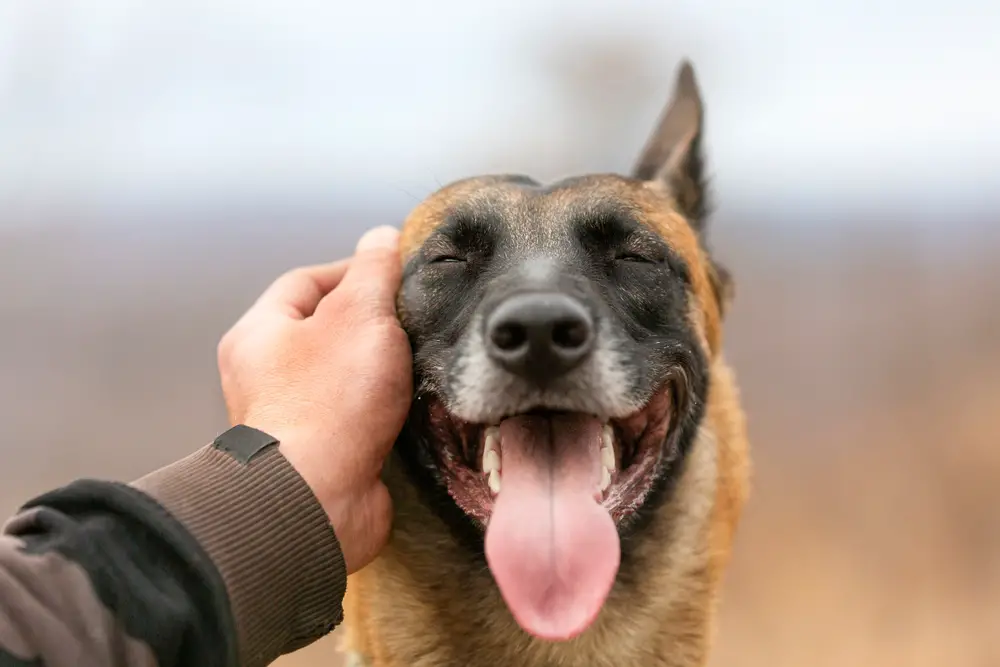
Dogs possess mirror neuron systems that create automatic emotional synchronization with humans, essentially feeling what humans feel through neural resonance before cognitive processing occurs. Brain imaging shows that observing human emotional expressions activates corresponding emotional centers in dogs’ brains within 150-250 milliseconds, faster than conscious empathetic response which requires cognitive interpretation. This neural mirroring creates emotional knowledge through direct experience rather than interpretation.
The practical implication is that dogs often know how you feel because they’re feeling it themselves through neural contagion before they’ve consciously processed what caused it. Someone experiencing anxiety creates an anxious dog not because the dog interpreted their behavior and decided to be anxious, but because mirror neurons triggered anxiety in the dog automatically and pre-consciously. Humans can experience emotional contagion too, but it typically requires conscious processing of the other person’s state followed by deliberate empathetic response, taking 1-2 seconds. Dogs experience the emotional state within a quarter second through automatic neural synchronization, giving them both speed and accuracy advantages.
7. Integration Across Sensory Modalities Simultaneously

Dogs process emotional information from multiple senses simultaneously—scent, sight, sound, and potentially electromagnetic field detection—and integrate them into unified emotional assessments faster than humans can process any single channel. The multi-modal integration happens in brain regions that receive convergent input from all sensory systems, allowing near-instantaneous cross-referencing. Research shows dogs produce integrated behavioral responses to emotional situations within 300-500 milliseconds, indicating they’ve already combined olfactory, visual, auditory, and possibly other information into a unified assessment.
Humans typically process senses somewhat sequentially, with consciousness accessing one sensory stream at a time even though parallel processing occurs unconsciously. Dogs appear to experience the integrated multi-sensory emotional information as a unified whole from the start, giving them richer emotional data processed more quickly. Someone approaching a dog is simultaneously broadcasting scent signals, body language, micro-expressions, vocal tone, breathing patterns, and heartbeat that the dog processes together into an immediate emotional assessment, while a human observer might consciously note the person’s facial expression but miss the body language, tone, and certainly can’t detect the chemical or cardiac signals the dog is using.
8. Behavioral Prediction From Pre-Movement Tension Patterns

Dogs detect subtle muscle tension patterns and weight shifts that precede conscious movement decisions, allowing them to predict behavior before humans are aware they’re about to act. The ability to read pre-movement tension gives dogs a temporal prediction advantage—they respond to your intention to move before you’ve consciously decided to move or before the movement is visible to human observers. Research on dogs working in protection and assistance roles shows they often respond to handler intentions 500-800 milliseconds before observable movement begins.
The mechanism appears to involve detection of muscle micro-contractions and postural adjustments that occur during motor planning before conscious movement execution. A person planning to stand up produces small weight shifts and muscle activations 300-500 milliseconds before visible movement, and dogs detect and respond to these signals. Humans only consciously recognize someone is standing up once large-scale movement begins, giving dogs a full half-second predictive advantage. This explains why dogs seem to respond to unspoken commands or know what you’re about to do—they’re reading the pre-movement signals your body produces before conscious action.
9. Context-Dependent Threshold Adjustment for Threat Detection
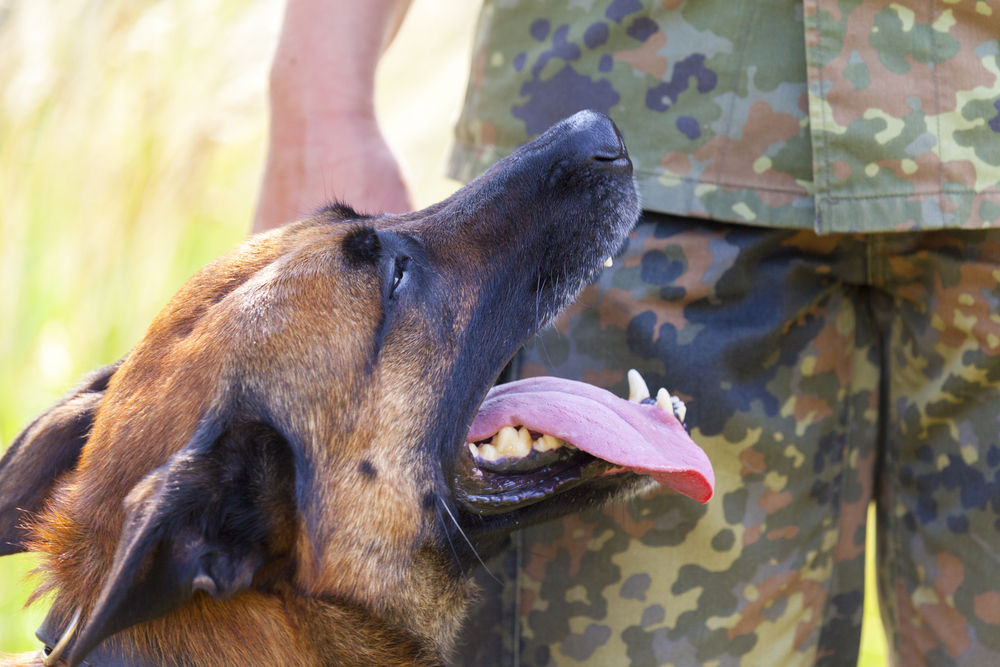
Dogs dynamically adjust their threat detection sensitivity based on context, lowering thresholds in uncertain or risky situations and raising them in safe environments, allowing faster emotional assessment when speed matters most. This context-dependent modulation happens automatically based on environmental cues and learned associations, creating a sophisticated risk assessment system that prioritizes speed during potential threats. The adjustment appears to occur at the sensory processing level, actually changing how quickly and sensitively dogs process emotional cues based on whether the situation warrants hyper-vigilance.
In unfamiliar or threatening contexts, dogs process emotional cues 30-40% faster than in familiar, safe environments, essentially operating in a heightened awareness mode that sacrifices some accuracy for speed. A dog encountering a stranger in an unexpected location reads and responds to that person’s emotional state faster than when greeting an expected visitor at home. Humans have similar context-dependent processing but it operates much more slowly and requires conscious attention to activate—you have to deliberately decide to be alert and careful, while dogs’ systems adjust automatically and unconsciously. This means dogs can be reading and responding to emotional threat cues in under 200 milliseconds in high-risk contexts, while humans might still be consciously assessing whether the situation warrants concern, taking 2-3 seconds to reach the same threat awareness the dog achieved in under a quarter second.