
Dogs make snap judgments about people within seconds of meeting them, relying on an sophisticated assessment system honed over thousands of years of living alongside humans. Their trust decisions aren’t random or based solely on whether you offer treats—they’re reading dozens of signals you probably don’t even realize you’re sending. Understanding how dogs evaluate trustworthiness can help you become the kind of person every dog instinctively feels safe around.
1. They Detect Your Fear or Aggression Through Scent
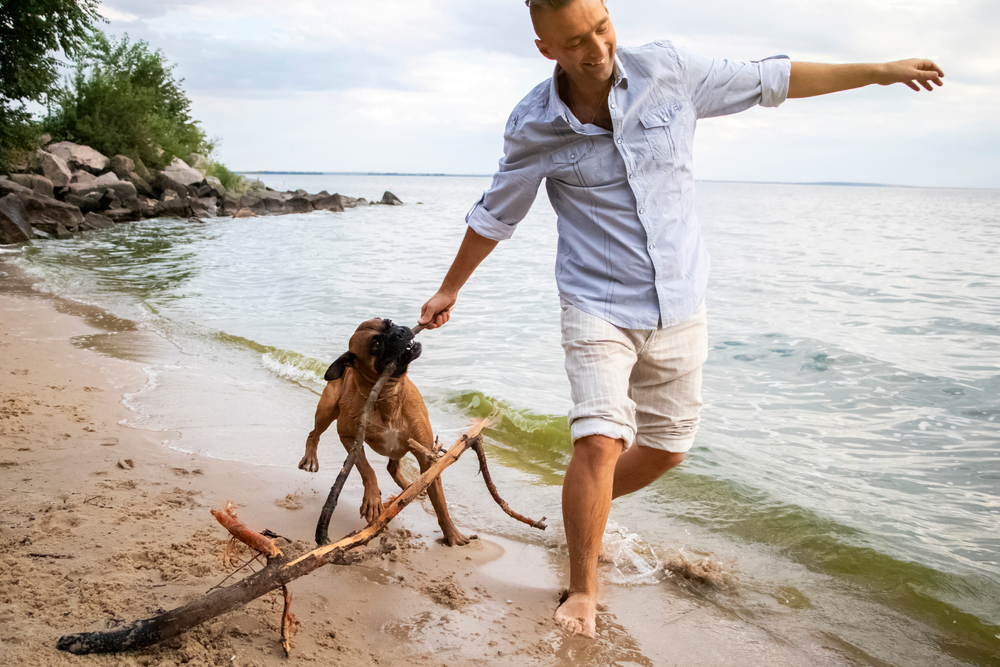
A dog’s nose is up to 100,000 times more sensitive than yours, and they use it to detect the chemical changes that happen when you’re stressed, afraid, or angry. When you’re nervous around dogs, your body releases cortisol and adrenaline that dogs can literally smell radiating from your pores. If you’re broadcasting fear or tension through your scent, they immediately categorize you as either a threat or someone who lacks confidence—neither of which inspires trust.
Dogs also smell if you’ve recently been in conflict with someone else, carrying the stress hormones from earlier interactions. People who are calm and genuinely comfortable around dogs have a chemical signature that puts dogs at ease instantly. Your emotional state is essentially broadcasting information through scent every moment, and dogs are reading it like a detailed report on your trustworthiness and stability.
2. They Watch How You Treat Their Owner
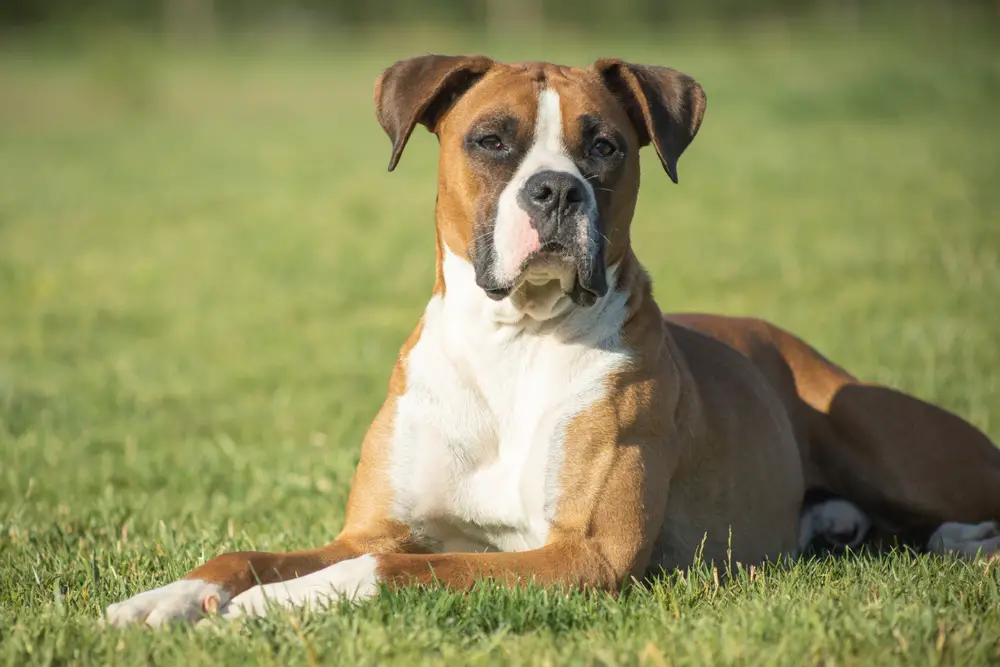
Dogs are incredibly observant of how you interact with the people they love, and any sign that you’re upsetting or threatening their human will instantly destroy trust. If you raise your voice, make aggressive gestures, or cause visible distress to their owner, most dogs will permanently categorize you as dangerous. They’re watching facial expressions, body language, and listening to vocal tone during every interaction you have with their family.
This protective assessment means dogs warm up quickly to people their owners clearly trust and welcome with genuine enthusiasm. Even subtle cues like a warm hug, shared laughter, or relaxed conversation signal to dogs that you’re safe. Dogs essentially use their owner’s authentic emotional response as the primary reference point for their own trust decisions, and they’re remarkably good at distinguishing real comfort from polite tolerance.
3. They Read Your Body Language Before You Speak
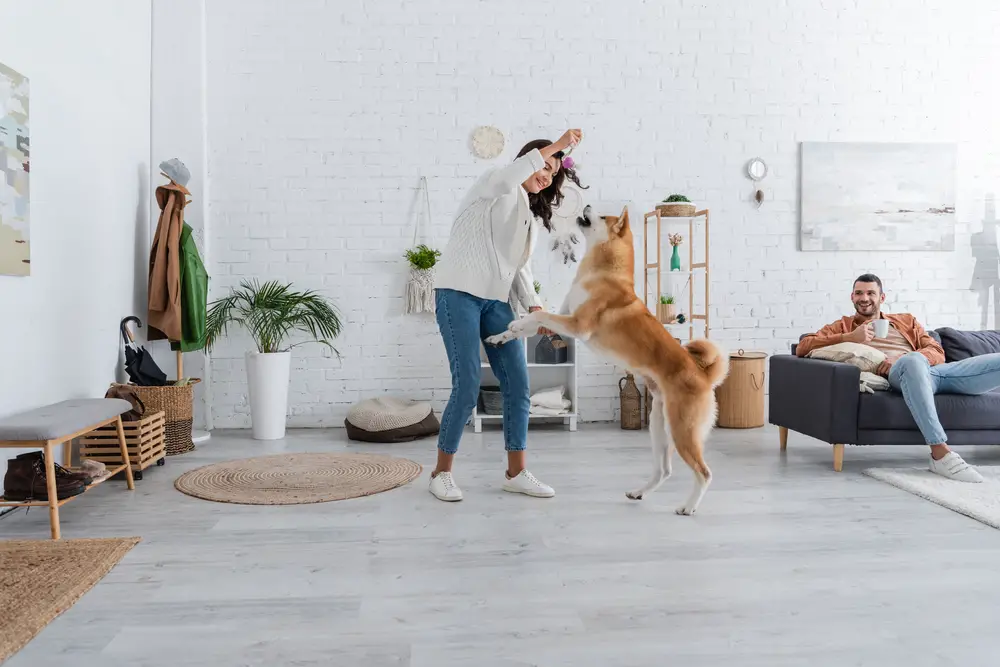
Dogs are masters at interpreting human body language, often noticing subtle movements before you’re consciously aware of making them. Stiff posture, direct staring, looming over them, or sudden movements all signal potential danger and trigger instant wariness. Conversely, relaxed shoulders, a slight sideways stance, avoiding direct eye contact, and smooth, predictable movements tell them you understand dog communication and aren’t a threat.
Your hands are particularly important in this assessment—dogs notice if you’re reaching toward them too quickly, keeping your hands hidden, or making grabbing motions. They’ve evolved alongside humans for over 15,000 years, making them incredibly attuned to our physical cues in ways that even primates can’t match. Even the way you walk into a room—confident and calm versus nervous and jerky—can determine whether a dog sees you as trustworthy within seconds.
4. They Notice Your Energy Level and How It Matches Theirs
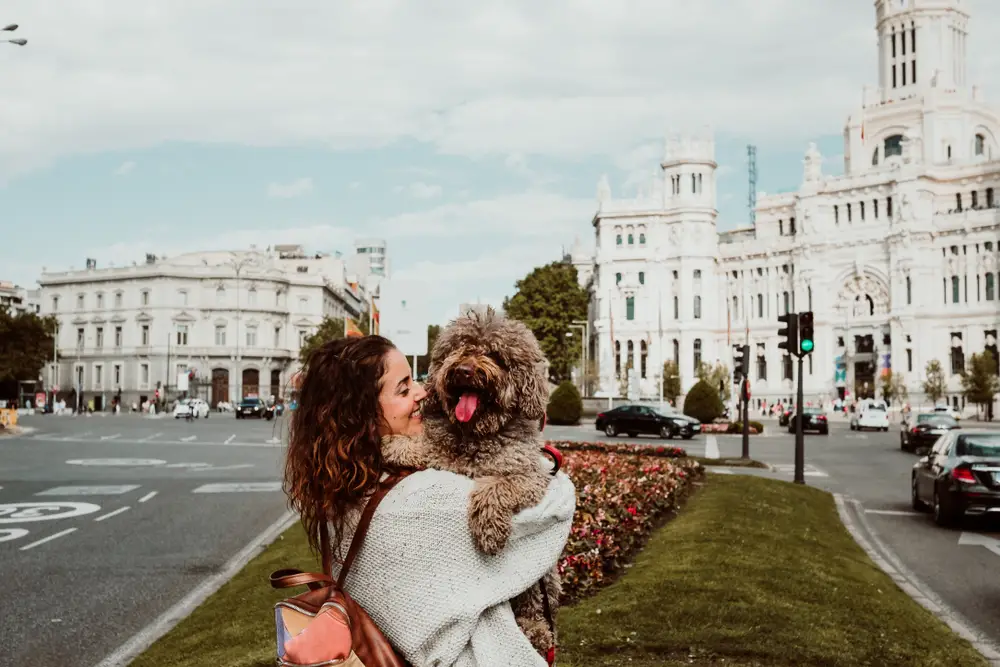
Dogs prefer people whose energy somewhat matches their own or who can appropriately read and adjust to the dog’s current state. An overly excitable person might overwhelm a calm, elderly dog, triggering distrust and avoidance because the mismatch feels threatening or confusing. Similarly, a very low-energy person might seem boring or “off” to a high-strung puppy, though this rarely triggers actual fear—just disinterest.
Dogs feel most comfortable with people who can read the room and adjust their behavior accordingly. If a dog is resting and you respect that by staying calm and quiet, you earn significant trust points. Your ability to match or complement their energy level demonstrates emotional intelligence that dogs recognize and deeply appreciate, signaling that you understand their needs and won’t force unwanted interactions.
5. They Test Your Reaction to Their Initial Approach
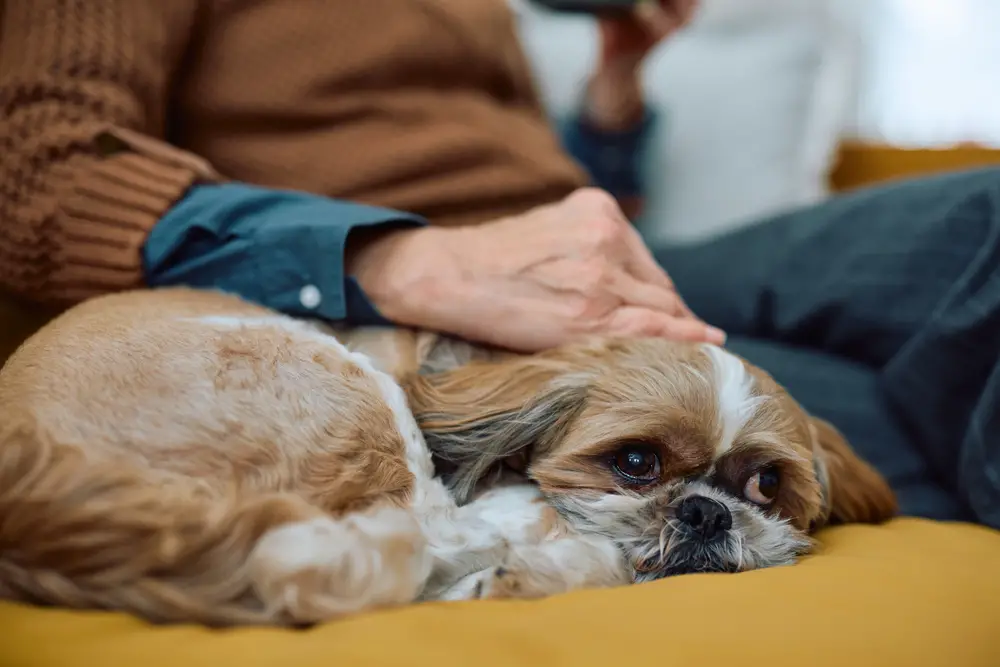
When a dog approaches you cautiously, they’re running a critical test to see how you respond to their boundary-setting. If you stay calm, avoid direct eye contact, keep your hands low and open, and let them sniff you on their own timeline, you pass with flying colors. Rushing toward them, reaching out too quickly, looming over them, or trying to pet them before they’ve completed their investigation will fail you immediately and possibly permanently.
Dogs often use this tentative first approach to gauge whether you respect their autonomy and understand canine communication. The best response is usually to ignore them initially—standing still or even turning slightly away—and allowing them to come to you when they’re comfortable. How you handle this first interaction sets the entire tone for the relationship and tells the dog whether you’re someone who respects boundaries or someone who violates them.
6. Your Voice Tone Matters More Than Your Actual Words
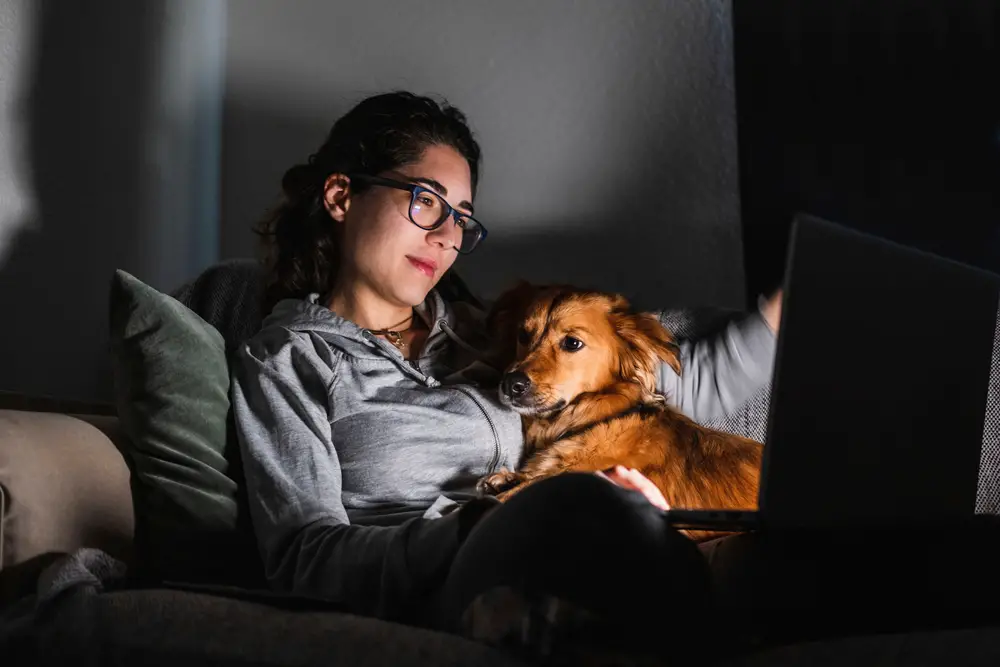
Dogs respond far more to how you say something than to what you actually say, using vocal tone as a primary trust indicator. A high-pitched, gentle voice typically signals friendliness and non-aggression, which is why baby talk often works remarkably well with dogs. Sharp, loud, or deep aggressive tones trigger their threat response instantly, regardless of whether you’re saying something objectively friendly like “good dog.”
The consistency of your tone also matters enormously—sudden changes in pitch or volume make dogs uncertain about your intentions and emotional stability. Dogs have learned over millennia to associate certain vocal patterns with positive experiences like treats and play versus negative ones like corrections and danger. Your vocal delivery is essentially your first introduction to a dog, and it carries more weight in their trust calculation than almost anything else you do.
7. They Remember Previous Experiences With People Like You
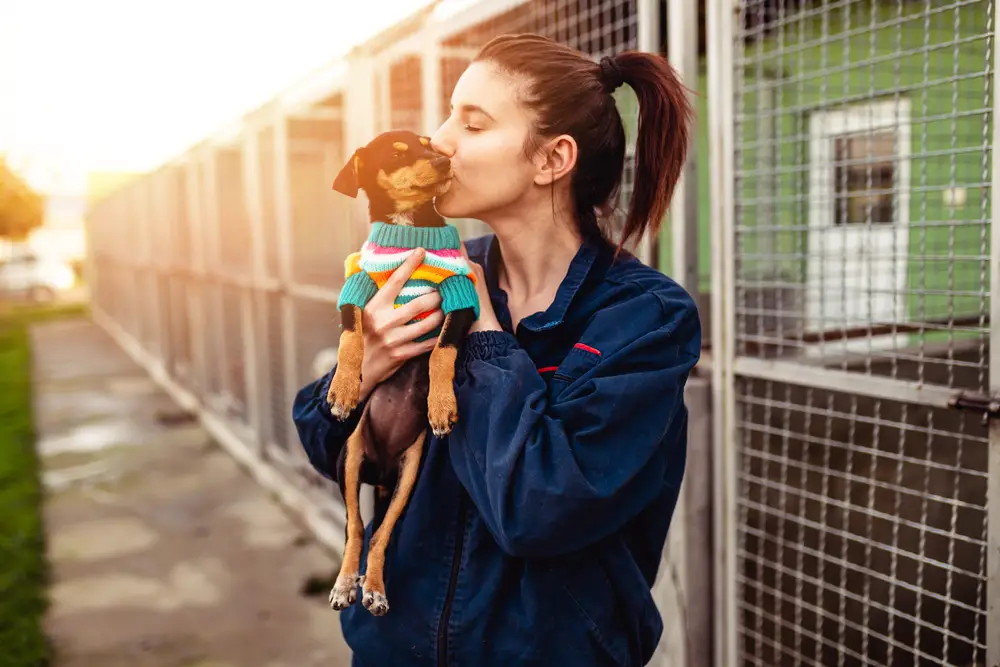
Dogs categorize people based on past experiences, and if you remind them of someone who hurt or scared them, you start at a severe disadvantage through no fault of your own. This might be your gender, height, clothing style, the presence of facial hair, or even something as specific as a hat or the way you walk. A dog who was abused by a tall man in a baseball cap might never fully trust tall men in hats, regardless of their actual character.
These associations can be incredibly specific and often aren’t obvious to humans trying to befriend the dog. Trauma-based distrust is particularly hard to overcome because it’s rooted in survival instinct rather than rational assessment of individual character. Understanding that a dog’s wariness might have absolutely nothing to do with you personally can help you approach the situation with appropriate patience rather than taking the rejection personally or trying to force interaction.
8. They Sense Your Genuine Intentions Toward Them
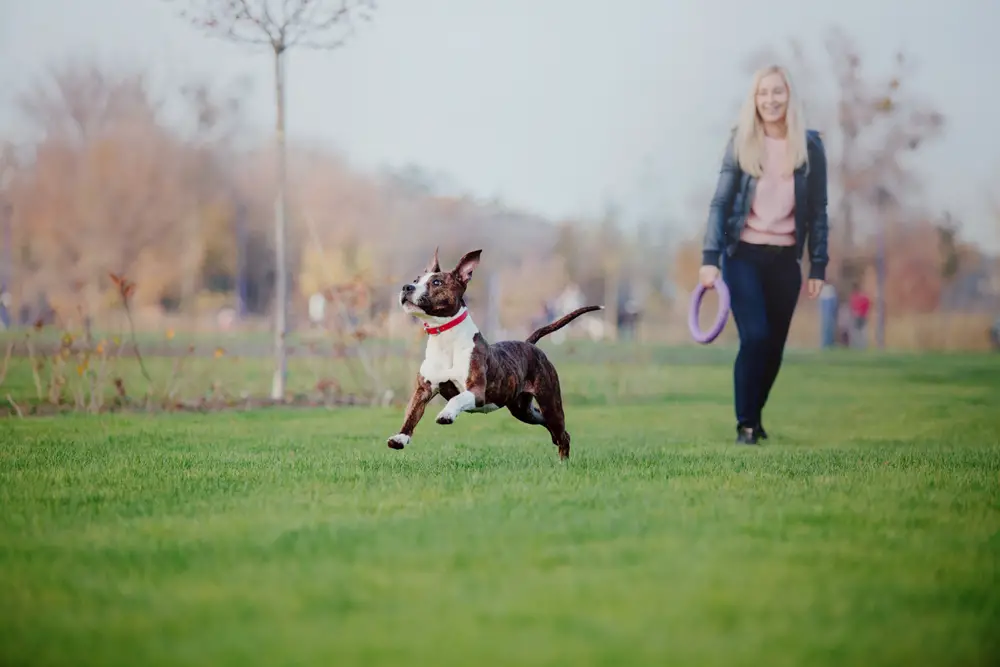
While it sounds mystical, dogs appear remarkably skilled at sensing whether someone genuinely likes them or is just tolerating their presence out of politeness. This likely comes down to micro-expressions, subtle pheromone differences, tiny body language cues, and vocal authenticity that reveal true feelings. Dogs often gravitate toward people who authentically enjoy their company and actively avoid those who are just going through the motions.
Your genuine enthusiasm—or lack thereof—comes through in countless tiny ways that dogs excel at detecting. People who are faking friendliness might fool other humans with their performance, but dogs tend to see straight through to your actual emotional state. Authentic positive regard for dogs creates a foundation of trust that simply can’t be manufactured through treats, forced baby talk, or mechanical interactions that lack real warmth.
9. They Pick Up on How Other Dogs React to You
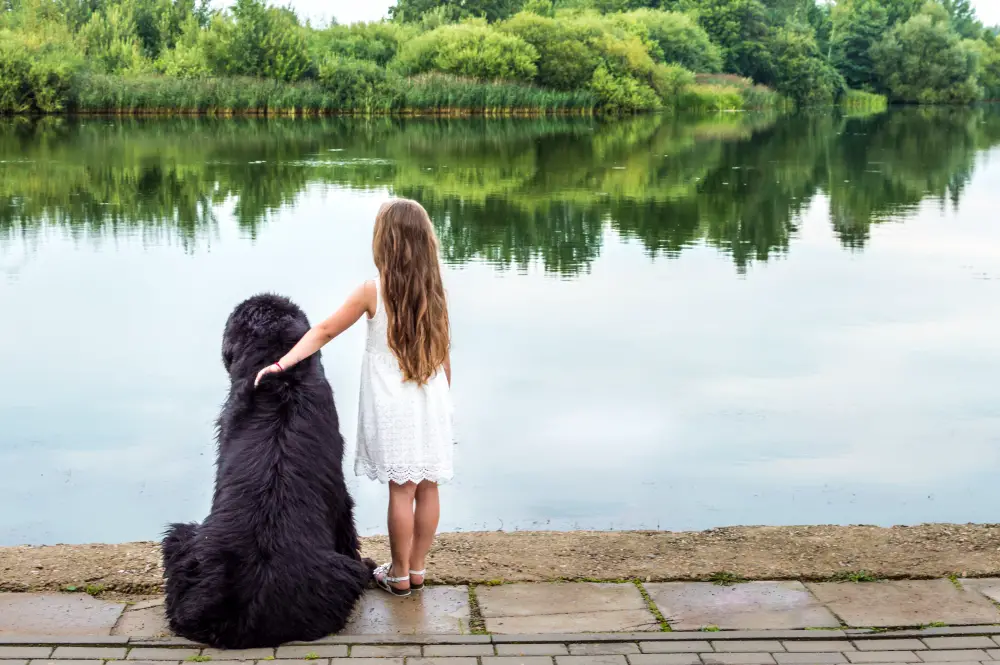
If a dog sees their canine friends acting comfortable and friendly around you, they’re exponentially more likely to trust you themselves through social referencing. Dogs take cues from other dogs about whether a person is safe, and this peer assessment often carries more weight than human reassurances. A nervous or aggressive reaction from another dog can make them instantly suspicious even if they had no initial concerns about you.
This is why dog parks and multi-dog households can be tricky environments—one dog’s fear response can spread to others like wildfire. Dogs also remember patterns over time, so if they consistently see other dogs enjoying your presence during repeated encounters, their trust builds steadily. The social proof from their own species often carries more weight than anything humans can say or do to convince them you’re trustworthy.
10. They Notice Your Consistency Over Time
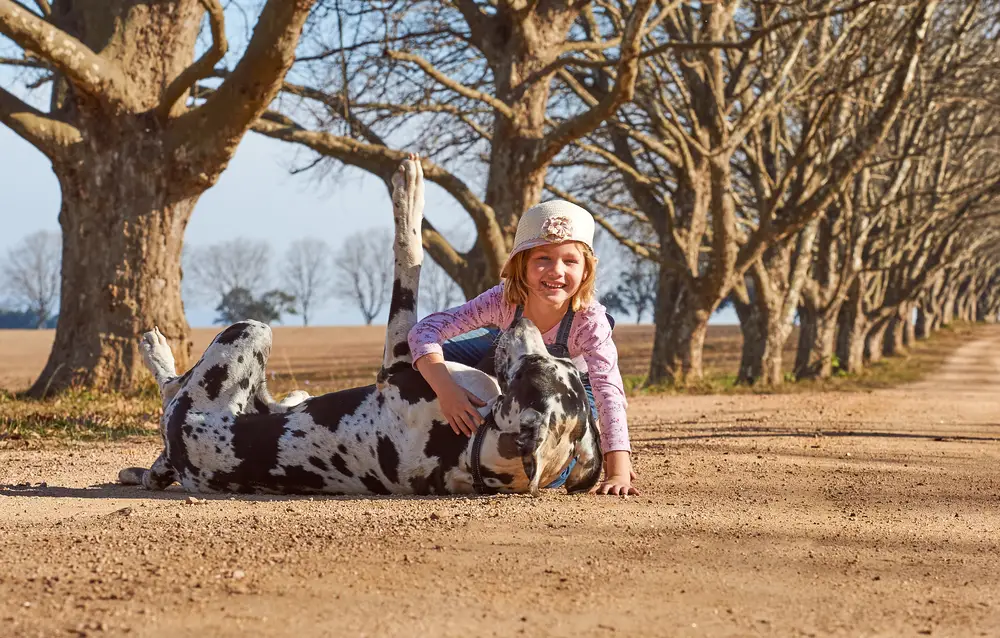
Dogs trust people who behave predictably and follow through on implicit and explicit promises. If you say you’re going to give a treat and then don’t, or if you’re friendly one day and distant the next without apparent reason, dogs notice these inconsistencies and file them as evidence of unreliability. Erratic behavior signals potential danger because unpredictability means the dog can’t accurately predict your actions and protect themselves.
This is why regular visitors who maintain consistent behavior and energy often become trusted faster than family members who are moody or inconsistent. Dogs feel fundamentally safer when they can predict your actions, responses, and moods with accuracy. Your consistency essentially proves that you’re a known quantity rather than a variable threat, which is one of the highest forms of trust a dog can offer.
11. They Test Whether You Respect Their Warning Signals
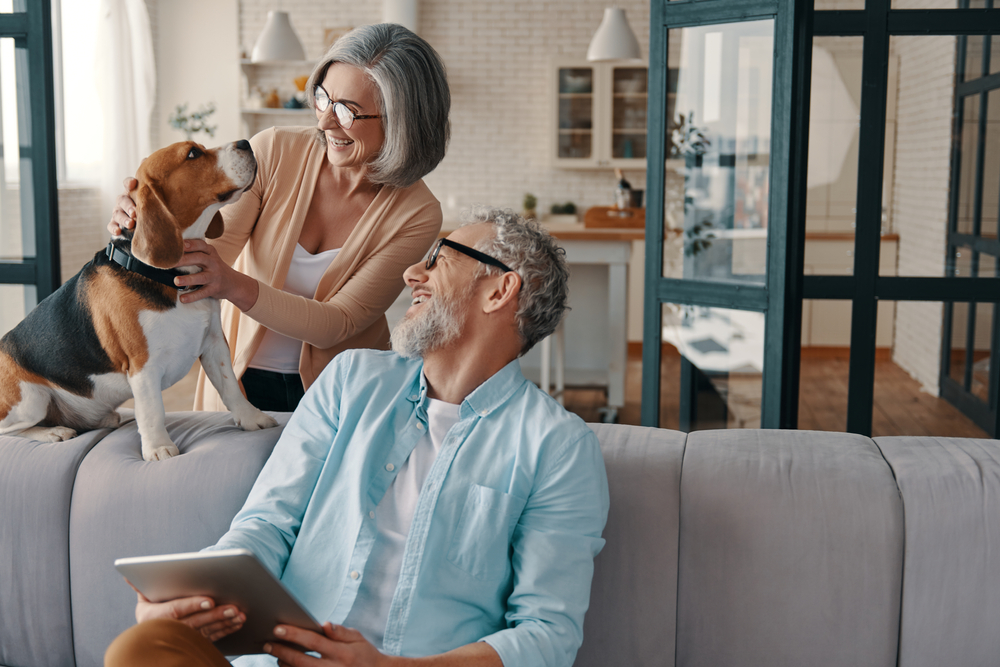
When a dog growls, backs away, shows whale eye, or displays other signs of discomfort, they’re watching intensely to see if you respect those boundaries. People who push past these clear warnings immediately lose all trust and may trigger a bite out of sheer self-defense. Those who back off, give space, and demonstrate that they understand and respect canine communication show themselves to be trustworthy and safe.
This respect for warning signals is absolutely crucial for building long-term trust with cautious, fearful, or traumatized dogs. Dogs remember with remarkable clarity who listened to their “no” and who violated their clearly communicated boundaries. Respecting their warnings is essentially respecting their autonomy and right to set boundaries, which earns the kind of deep trust that transforms relationships.
12. They Evaluate Your Consistency With Rules and Boundaries
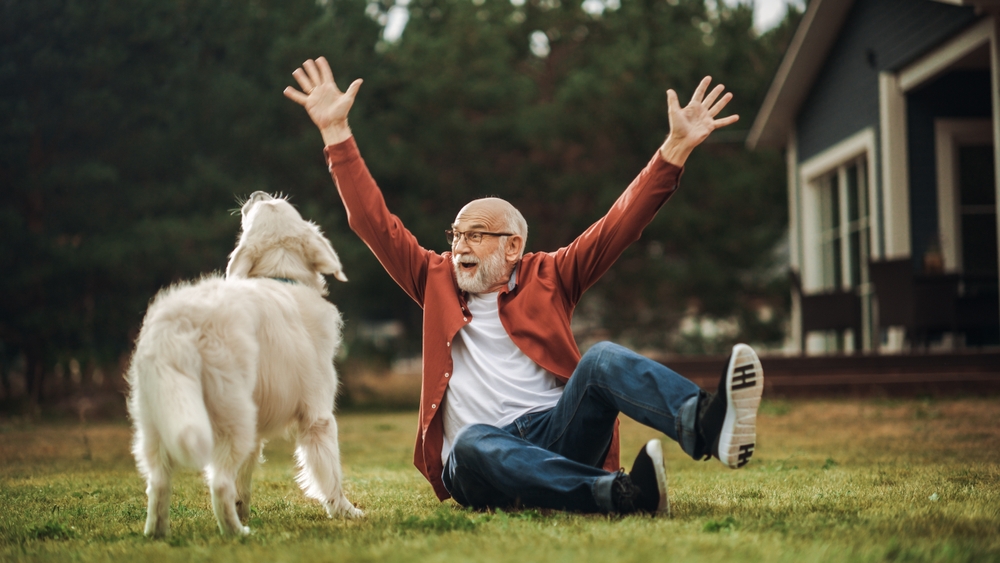
Dogs trust people who establish clear, consistent boundaries and enforce them fairly without anger or aggression. If you have rules like “no jumping” but enforce them randomly based on your mood or what you’re wearing, dogs learn you’re unreliable and unpredictable. People who maintain the same standards consistently—whether alone with the dog, in front of guests, or in different locations—earn genuine respect and trust.
It’s this consistency that’s actually more important than strictness—a dog can understand and trust clear, consistent boundaries even if they’re more relaxed than another person’s rules. What undermines trust is when the same person has different rules depending on their mood, the situation, or who’s watching. Dogs need predictable leadership, and people who provide that through calm, consistent boundary enforcement become trusted authority figures rather than just people who sometimes give commands.