
Dogs are talking all the time, even when they are completely silent. Long before a bark or growl happens, they are sending signals through posture, movement, facial tension, and subtle shifts in energy. Most of these cues are easy to miss unless you know what to look for. Once you recognize them, you realize your dog has been speaking fluently all along.
1. Eye Contact That Lingers or Avoids
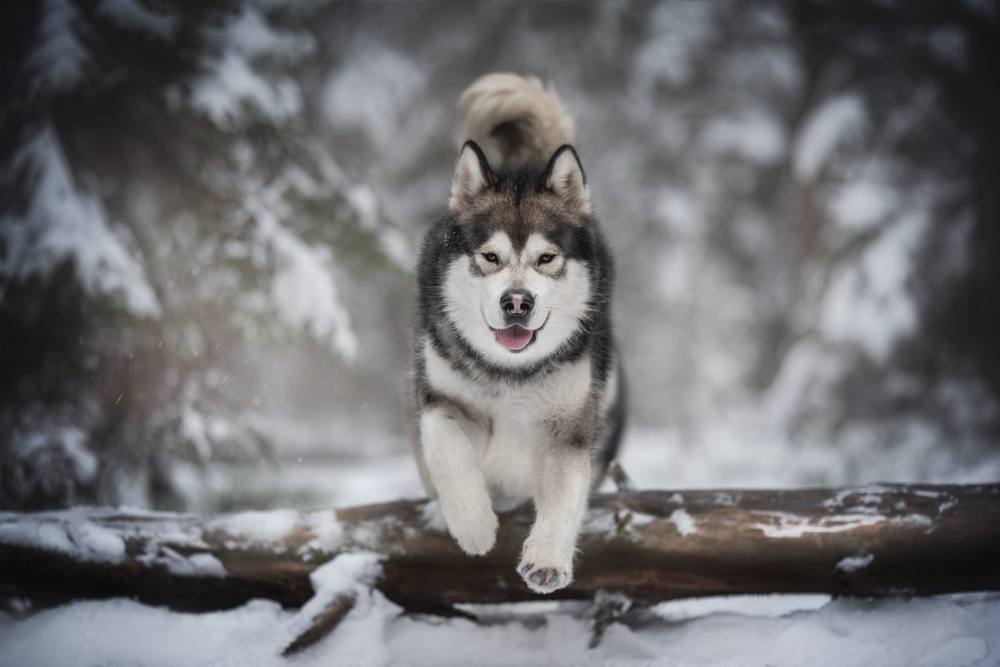
A soft, relaxed gaze often signals trust and connection. When a dog looks at you with gentle eyes and a loose face, it usually means they feel safe and engaged. Slow blinking or relaxed eye muscles can be a sign of comfort.
On the other hand, avoiding eye contact can communicate stress or submission. A dog that turns their head away is often trying to diffuse tension. Direct, hard staring, especially with a stiff body, can signal discomfort or a warning.
2. The Subtle Tail Position Shift
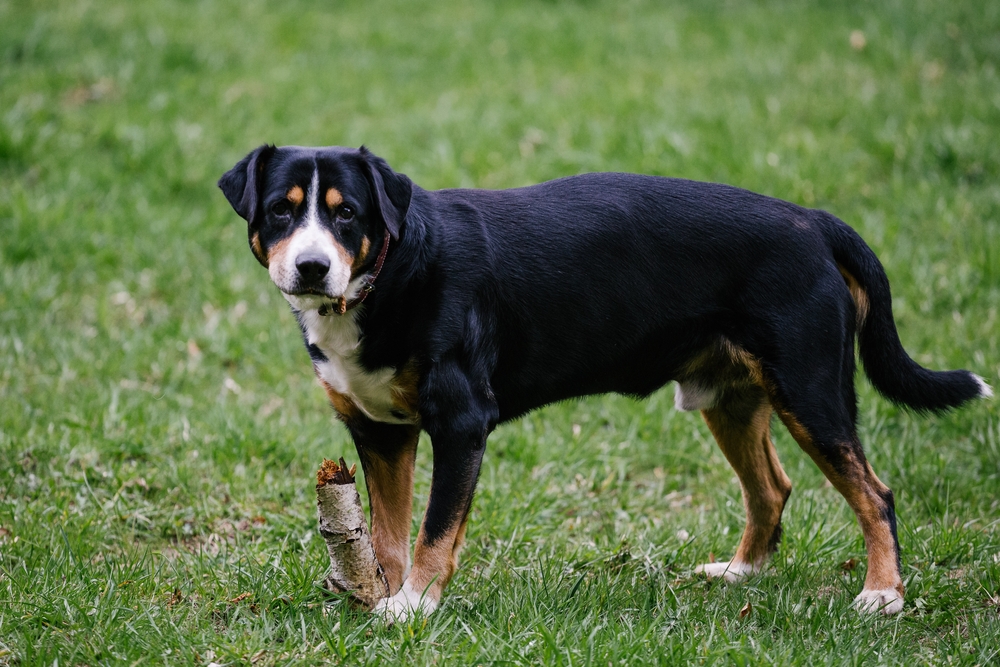
A wagging tail does not automatically mean happiness. The height, speed, and tension of the wag matter far more than the movement itself. A loose, mid-level wag usually reflects relaxed friendliness.
A stiff, high tail can signal alertness or arousal. A low or tucked tail often indicates fear or uncertainty. Dogs adjust tail position constantly to reflect how they feel in the moment.
3. Ear Position Changes
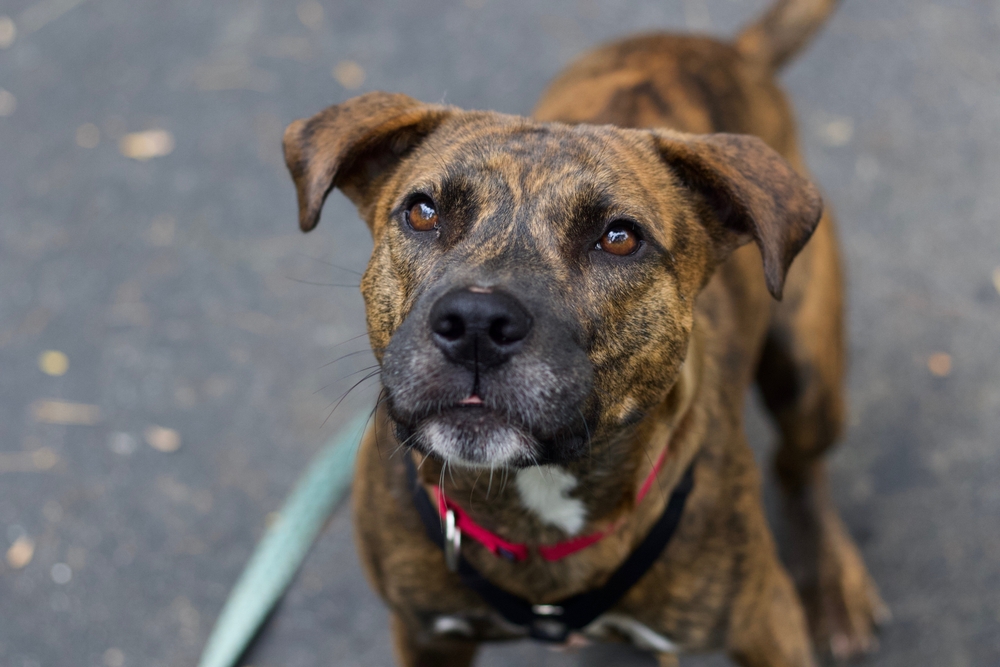
Dogs communicate volumes through their ears. Forward-facing ears often indicate alertness and interest in something specific. Slightly relaxed ears suggest calm curiosity.
Pinned-back ears can signal anxiety, appeasement, or discomfort. Rapid ear movements may show uncertainty as the dog processes information. Even subtle ear flicks can reveal emotional shifts.
4. Turning Their Head Away
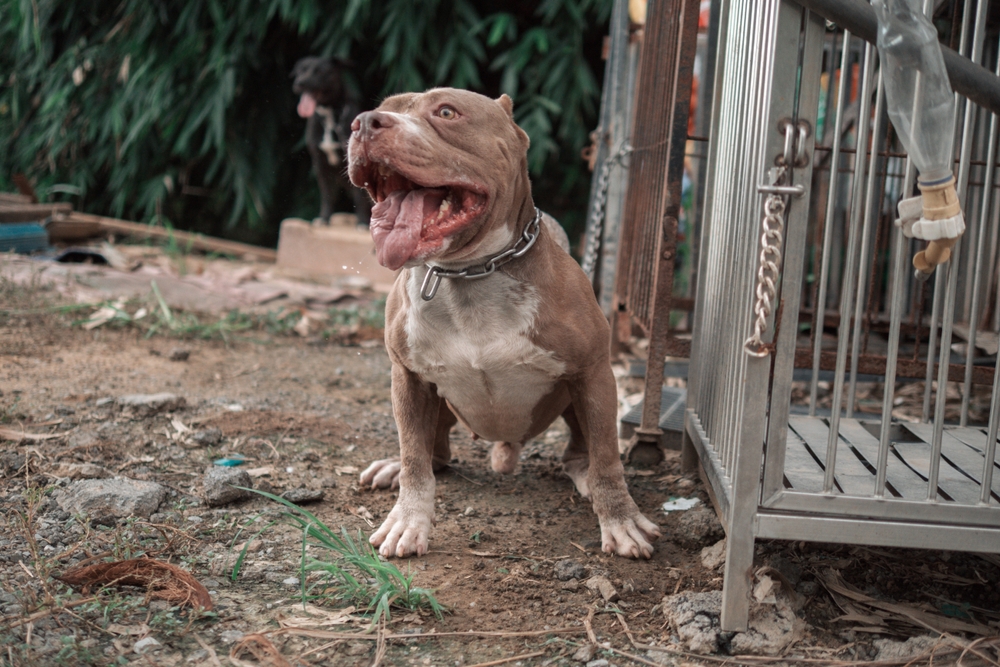
When a dog turns their head aside during interaction, it is rarely random. This movement often serves as a calming signal. It tells the other party they mean no harm and want to reduce tension.
Dogs frequently use this cue during uncomfortable moments. You might see it when someone leans over them or hugs them. It is their polite way of asking for space without escalating.
5. Yawning Outside of Sleepiness
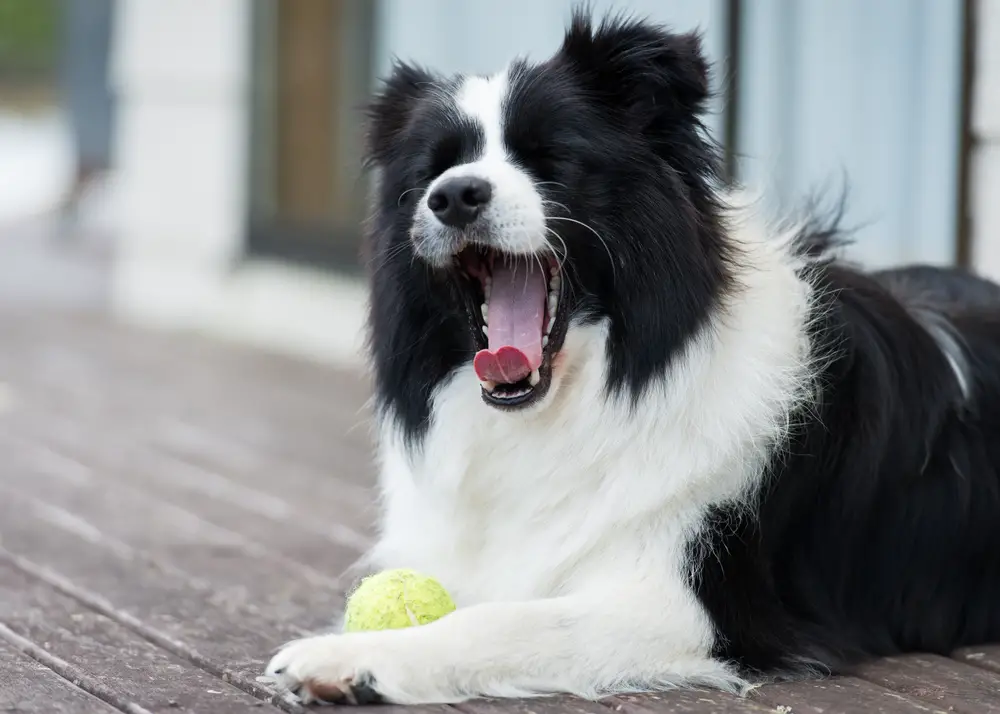
Yawning is not always about being tired. Dogs often yawn when they feel mild stress or social pressure. It is a self-soothing behavior that helps regulate their nervous system.
You may notice yawning during training sessions or vet visits. It can also appear when a dog senses tension between people. The yawn acts as a calming reset.
6. Lip Licking and Tongue Flicks
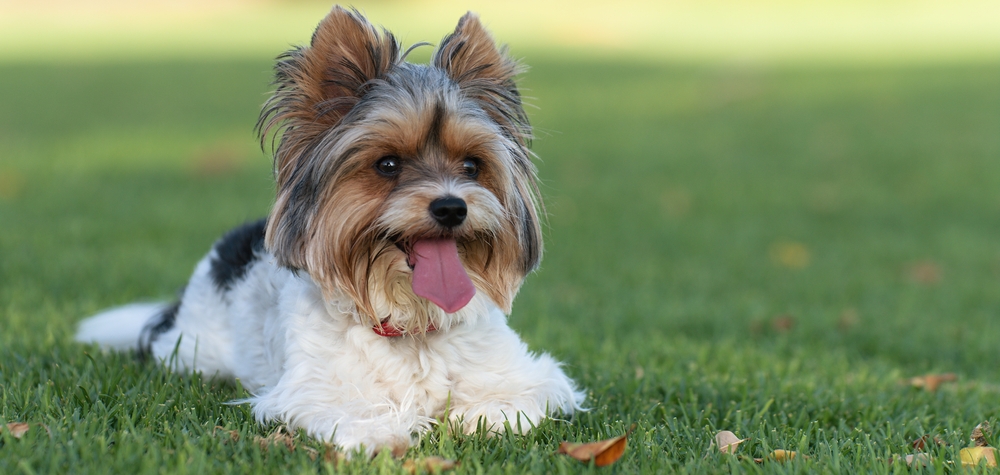
Quick tongue flicks across the lips are classic stress signals. They often appear when a dog feels uncertain or overwhelmed. This behavior is subtle and easily overlooked.
Lip licking can happen during interactions that feel intense. It may show up when someone reaches toward them too quickly. Dogs use it to signal discomfort before resorting to stronger reactions.
7. Freezing in Place
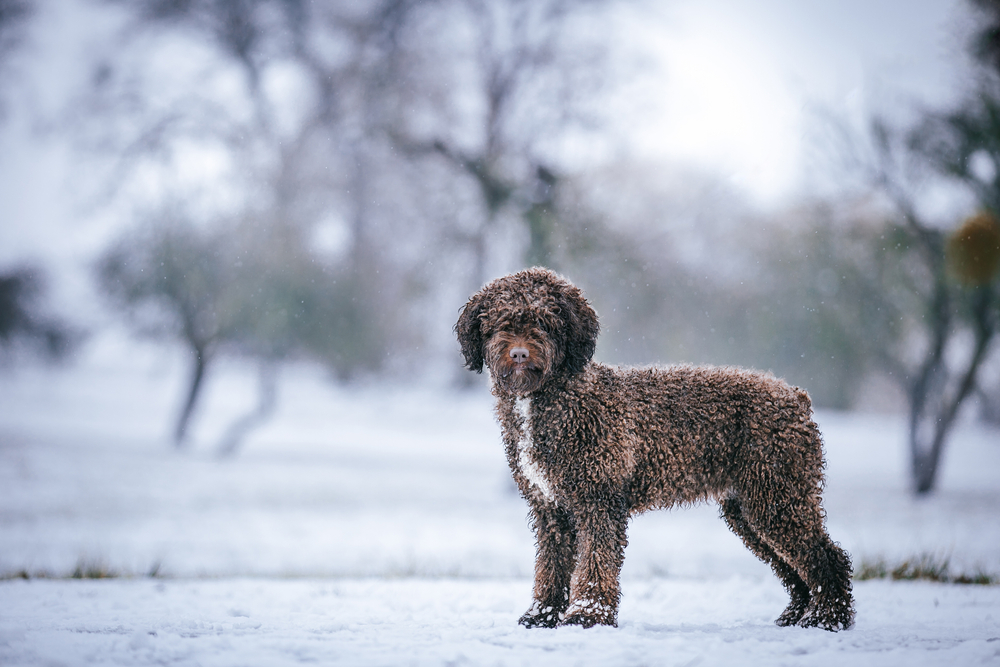
A sudden stillness can speak louder than any bark. When a dog freezes, even briefly, it often signals that they are evaluating a situation. This pause can precede either retreat or escalation.
Many bites are preceded by a freeze that humans miss. The body becomes stiff, and movement stops. Recognizing this cue allows you to step back before things escalate.
8. Leaning Into You
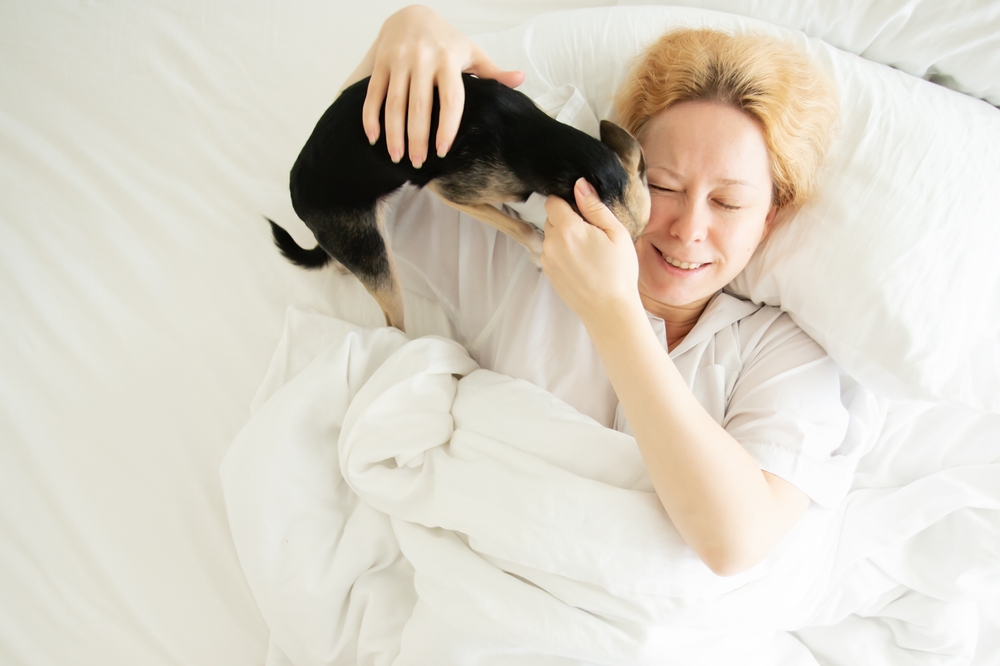
When a dog leans gently against you, it often reflects trust and comfort. Physical leaning can be a grounding behavior. It is a quiet request for reassurance.
Some dogs lean during uncertain situations. Others do it simply to enjoy closeness. The pressure is usually steady and relaxed rather than pushy or demanding.
9. Play Bows
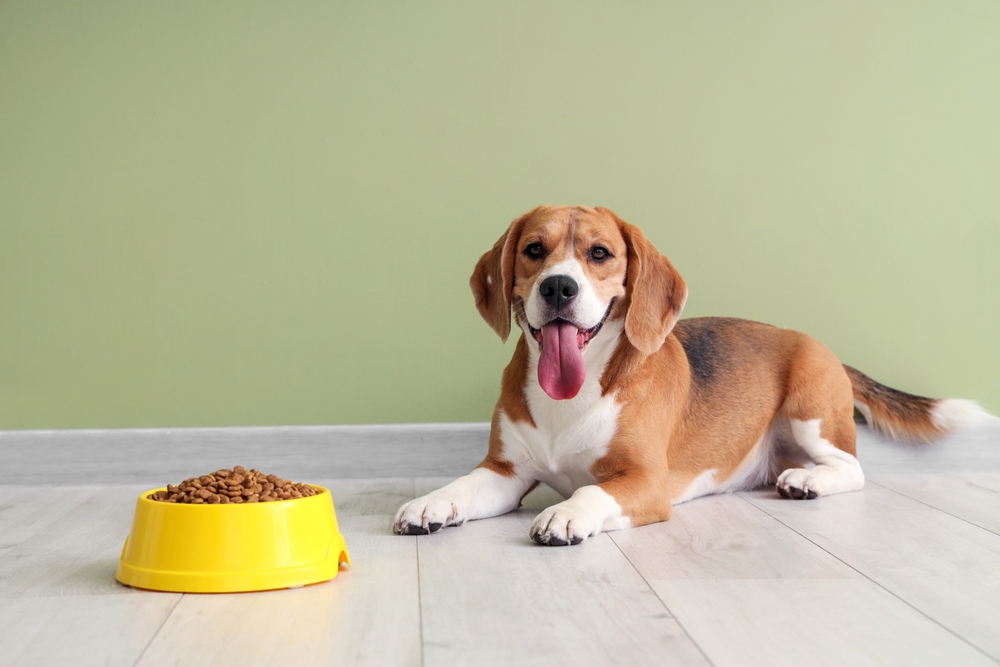
The classic play bow, with front legs lowered and rear end raised, is an invitation. It signals playful intent even if other body movements look intense. Dogs use it to prevent misunderstandings.
This gesture says, “Everything that follows is in fun.” It often appears before chasing or wrestling. The bow keeps social play from turning into conflict.
10. Slow Blinking
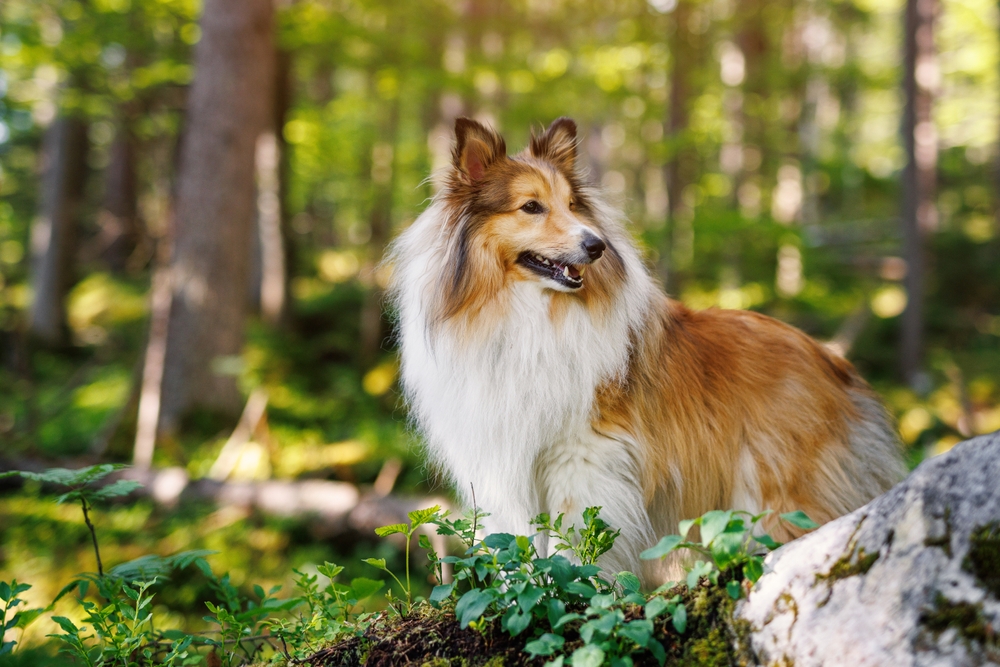
Slow blinking often indicates relaxation. Dogs may blink slowly when they feel secure in your presence. It is a subtle sign of calm.
This behavior can mirror human emotional connection. When you respond gently, the dog often softens further. It becomes a quiet exchange of trust.
11. Rolling Onto Their Side
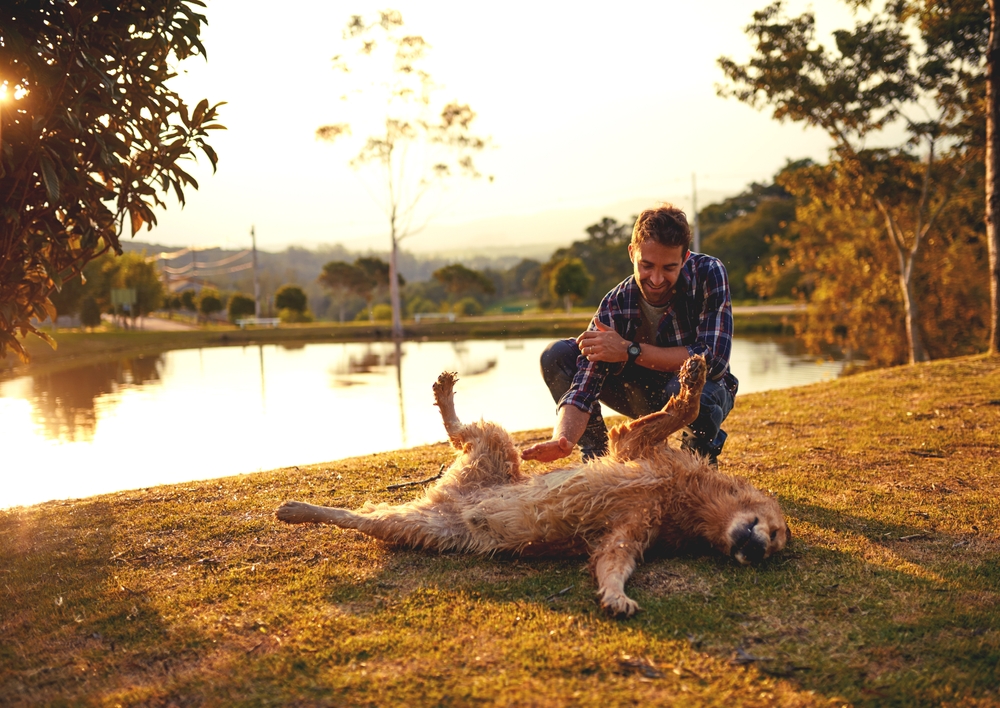
Exposing the belly is not always an invitation for rubs. Often, rolling partially onto the side signals submission or de-escalation. It can communicate that the dog is not a threat.
The rest of the body language matters. A loose, wiggly roll suggests comfort. A tense body with averted eyes suggests appeasement rather than play.
12. Paw Lifts
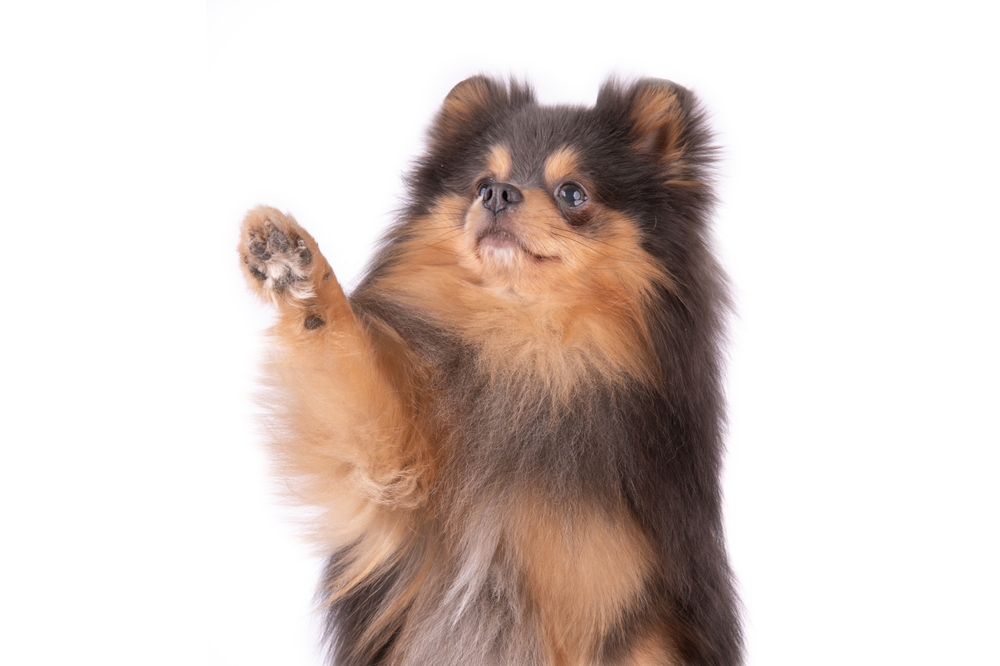
A lifted paw can indicate uncertainty or curiosity. Dogs often raise one paw when assessing something new. It is a thoughtful pause in physical form.
You might see it during training or when they hear an unfamiliar sound. The lifted paw reflects focused attention. It is a quiet signal that their mind is processing.
13. Sighing
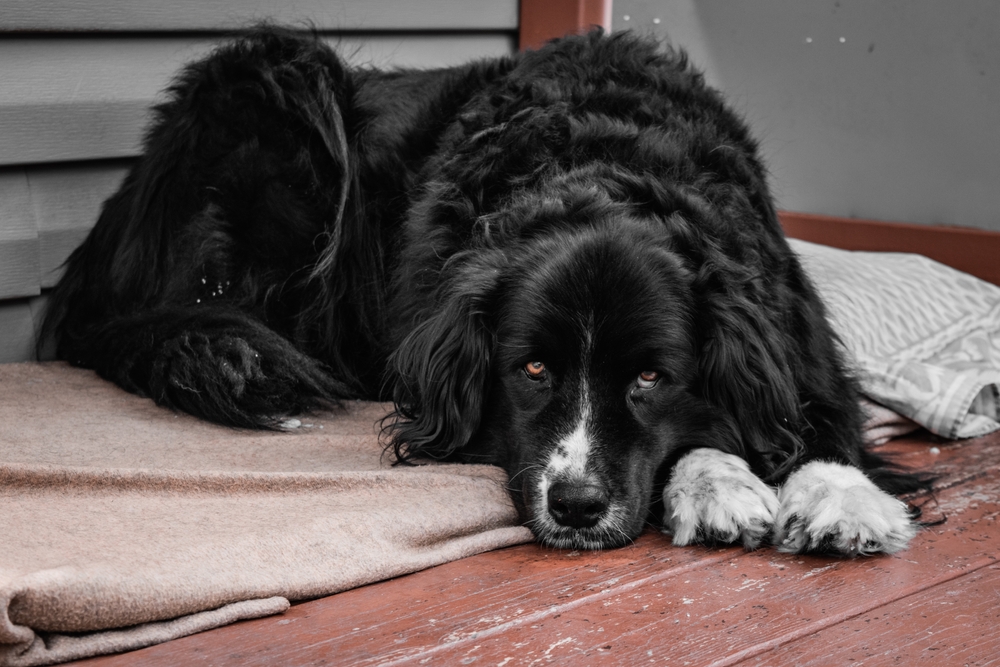
A long, audible sigh can signal contentment or release. Dogs often sigh when settling down after mild excitement. It reflects a nervous system returning to calm.
In some cases, a sigh can also indicate mild frustration. Context determines the meaning. Either way, it is a form of communication that rarely requires sound beyond the breath itself.