
Aging does not unfold the same way in every region. Climate, culture, healthcare access, food traditions, and social structure all shape how people experience later life. In the American South, those influences combine in distinctive ways that affect health, community, and lifestyle. Here are fourteen ways aging often looks different in the South.
1. Stronger Multigenerational Living Patterns

It is more common in many Southern communities for older adults to live near or with family. Grandparents often play daily roles in childcare and household structure. That proximity can increase social connection but also blur retirement boundaries.
Living close to family can reduce loneliness and provide practical support. However, it can also delay full independence or create caregiving strain. Aging becomes a shared family experience rather than an individual phase.
2. Church-Centered Social Life
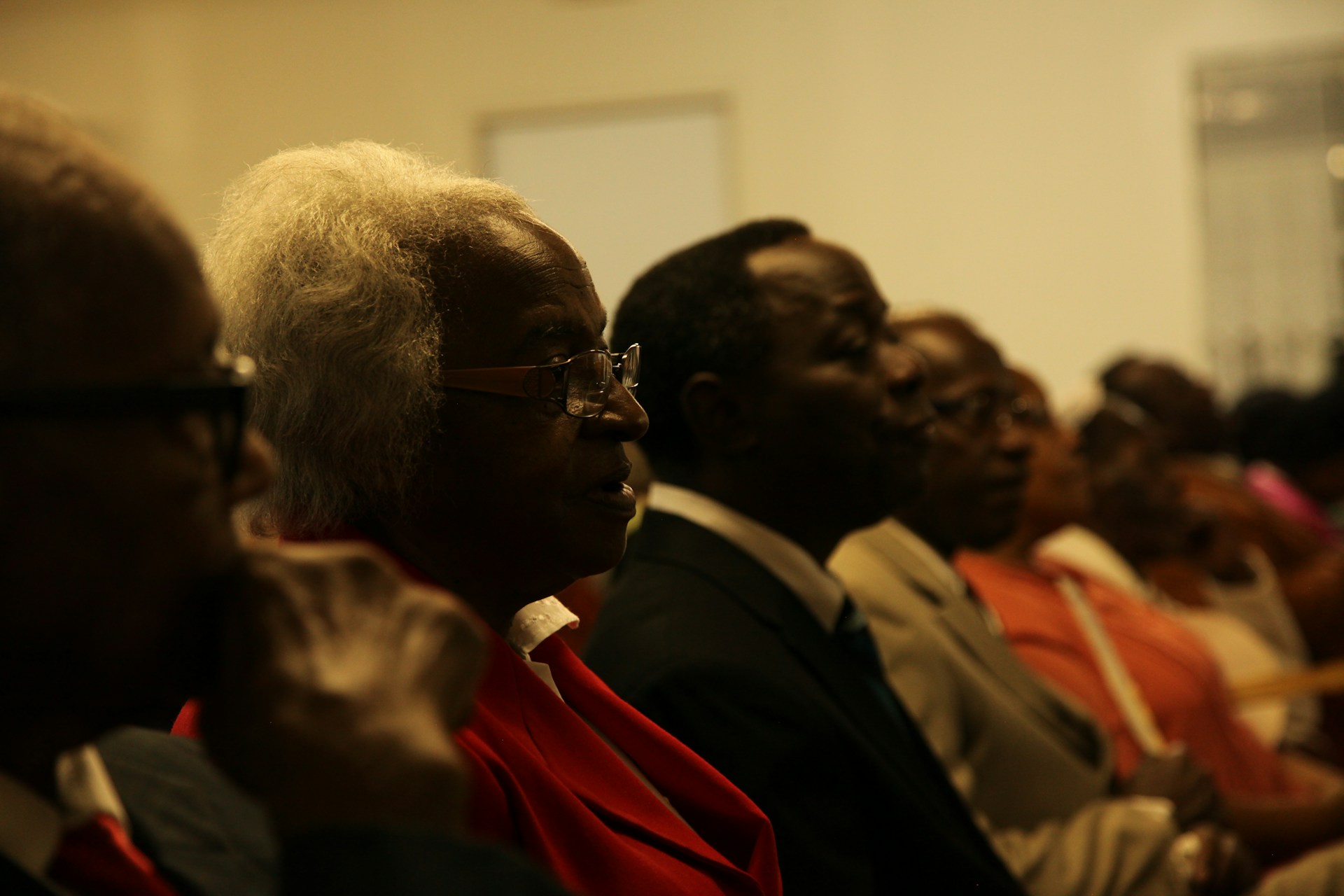
Religious institutions remain central in many Southern towns. Older adults often maintain active roles in church committees, volunteer groups, and outreach programs. Faith communities become primary social networks after retirement.
This structure can provide emotional resilience and purpose. It also creates routine social engagement that protects against isolation. Aging in the South is frequently intertwined with spiritual participation.
3. Higher Rates of Chronic Health Conditions

Southern states consistently report higher rates of hypertension, diabetes, and cardiovascular disease. Longstanding dietary patterns and limited preventive care access contribute to these trends. Aging populations often manage multiple chronic conditions simultaneously.
Healthcare systems in rural areas may struggle to provide specialist care. Transportation barriers can complicate routine medical visits. As a result, aging sometimes involves navigating more complex health challenges.
4. Deep Food Traditions That Shape Health

Southern cuisine carries strong cultural meaning. Fried foods, processed meats, and high-sodium dishes remain common in traditional diets. These patterns influence long-term metabolic health outcomes.
At the same time, food gatherings strengthen community bonds. Shared meals are central to social life and celebration. Aging in the South often includes balancing cultural food traditions with modern health advice.
5. Slower Daily Pace in Rural Areas

Many Southern retirees settle in small towns or rural communities. Life often moves at a slower rhythm compared to dense urban centers. That pace can reduce certain stressors.
However, rural isolation can also limit access to services and activities. Fewer recreational programs or transportation options may restrict mobility. Aging becomes quieter, sometimes more secluded.
6. Strong Informal Support Networks

Neighbors often play significant roles in daily life. Community members check on older residents and offer informal assistance. Social cohesion can provide protection during emergencies or illness.
This support system reduces reliance on formal institutions. Yet it may mask unmet healthcare or financial needs. Aging remains community-observed rather than system-managed.
7. Heat Exposure as a Daily Factor

Southern climates include long periods of high heat and humidity. Older adults face increased risk of heat-related illness. Outdoor activity patterns shift seasonally to avoid midday temperatures.
Air conditioning becomes essential infrastructure. Energy costs rise during summer months. Climate shapes daily routines in later life.
8. Distinct Retirement Migration Patterns

Many retirees move to Southern states for lower taxes and warmer weather. States like Florida, South Carolina, and Tennessee attract large senior populations. This creates pockets of aging-focused communities.
These migration patterns reshape healthcare demand and housing markets. Social circles often include other transplants. Aging becomes regionally concentrated in certain counties.
9. Greater Economic Disparities in Aging

Southern states often show wider income gaps among older adults. Some retirees enjoy low-cost living and property ownership. Others face fixed incomes with limited public support.
Access to quality healthcare varies significantly by county. Wealth strongly determines comfort in later life. Aging outcomes diverge sharply across communities.
10. Cultural Emphasis on Self-Reliance

Many Southern communities value independence and personal resilience. Older adults may delay seeking help for physical or financial difficulties. Pride can influence decision-making around assistance.
This mindset supports strength and autonomy. It can also delay medical intervention. Aging sometimes involves navigating between independence and necessary support.
11. Outdoor-Oriented Lifestyles

Fishing, gardening, walking, and porch sitting remain common routines. Even in retirement, outdoor presence stays culturally important. Natural spaces shape daily rhythms.
Physical activity levels may remain moderate through these habits. However, seasonal heat limits endurance during summer months. Climate dictates when and how movement happens.
12. Extended Family Caregiving Expectations

Adult children often feel strong responsibility toward aging parents. Formal assisted living may be used later or less frequently in some communities. Family-based care models persist.
Caregiving responsibilities can strain middle-aged family members. Financial and emotional pressures ripple across generations. Aging remains embedded within family systems.
13. Higher Rates of Early Disability
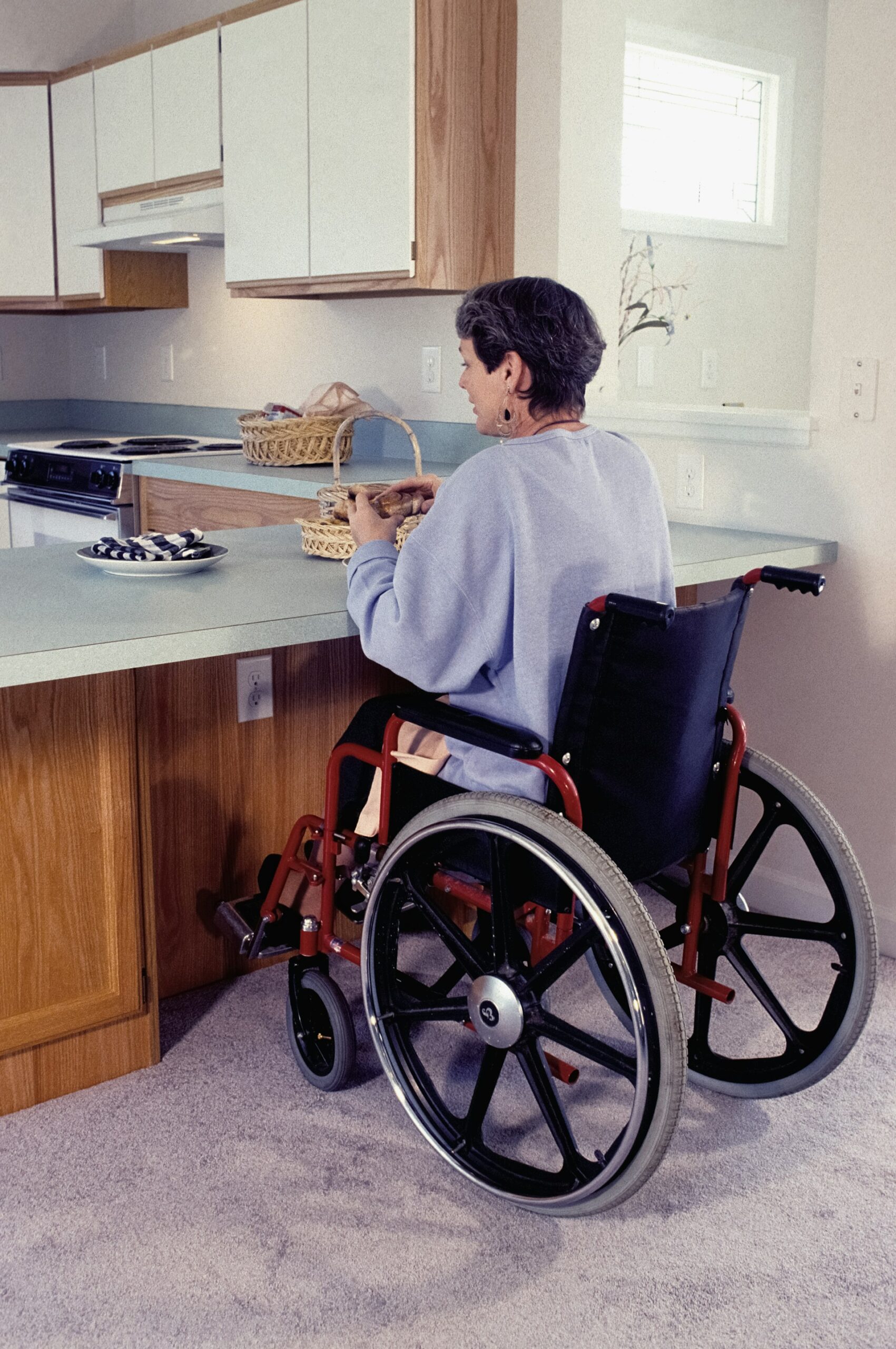
Public health data shows some Southern states report higher rates of disability before traditional retirement age. Chronic disease, manual labor history, and limited preventive care contribute. Physical strain accumulates earlier for many workers.
As a result, aging may begin functionally earlier. Retirement planning becomes complicated by health limitations. Later life often involves managing long-standing physical wear.
14. Strong Regional Identity Into Old Age

Cultural identity remains deeply tied to place in the South. Accent, traditions, local history, and food remain part of daily expression even in advanced age. Community belonging persists across decades.
This continuity provides psychological stability. Aging does not erase identity but reinforces it. Growing older in the South often means growing deeper into regional roots rather than drifting away from them.