
Wildlife recovery stories rarely make front-page news, and when they do, they are often met with skepticism. Once a species declines to the brink, most people assume it is only a matter of time before it disappears completely. Yet across the United States, a number of animals have staged dramatic recoveries that few experts predicted would succeed. These are thirteen wildlife comebacks that surprised scientists, conservationists, and everyday Americans alike.
1. Bald Eagle
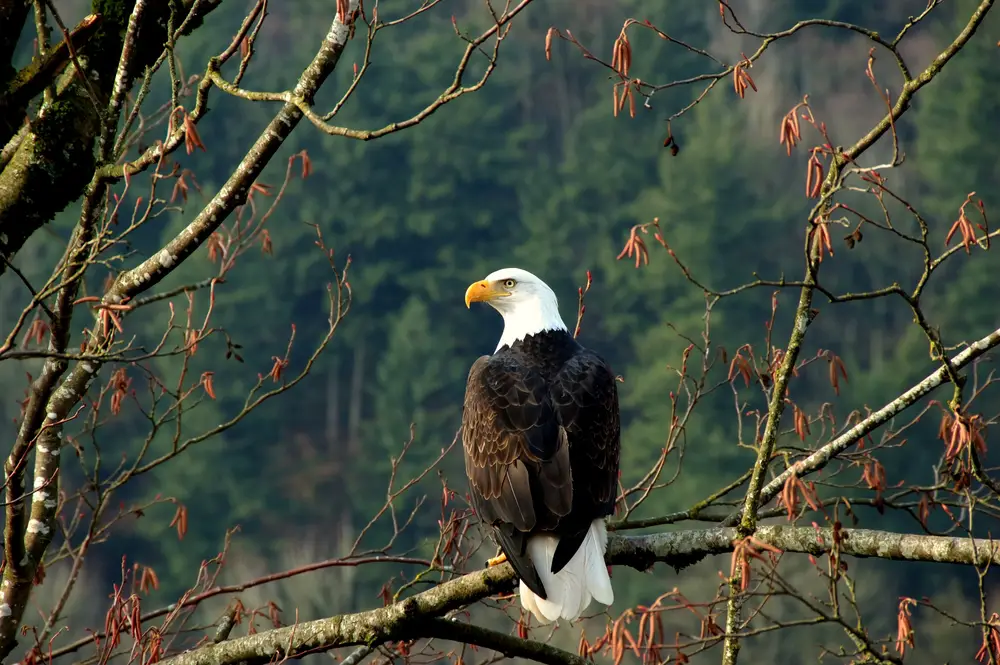
By the 1960s, the bald eagle had nearly vanished from the lower 48 states due to habitat loss and the widespread use of DDT, which weakened their eggshells. In 1963, there were only about 417 known nesting pairs in the continental United States. Many experts feared the national symbol was headed for extinction outside of Alaska.
The banning of DDT in 1972 and protections under the Endangered Species Act changed that trajectory. Intensive monitoring and habitat conservation allowed populations to rebound steadily over decades. Today, there are tens of thousands of nesting pairs, and bald eagles have been removed from the endangered species list, a turnaround few would have predicted half a century ago.
2. American Alligator
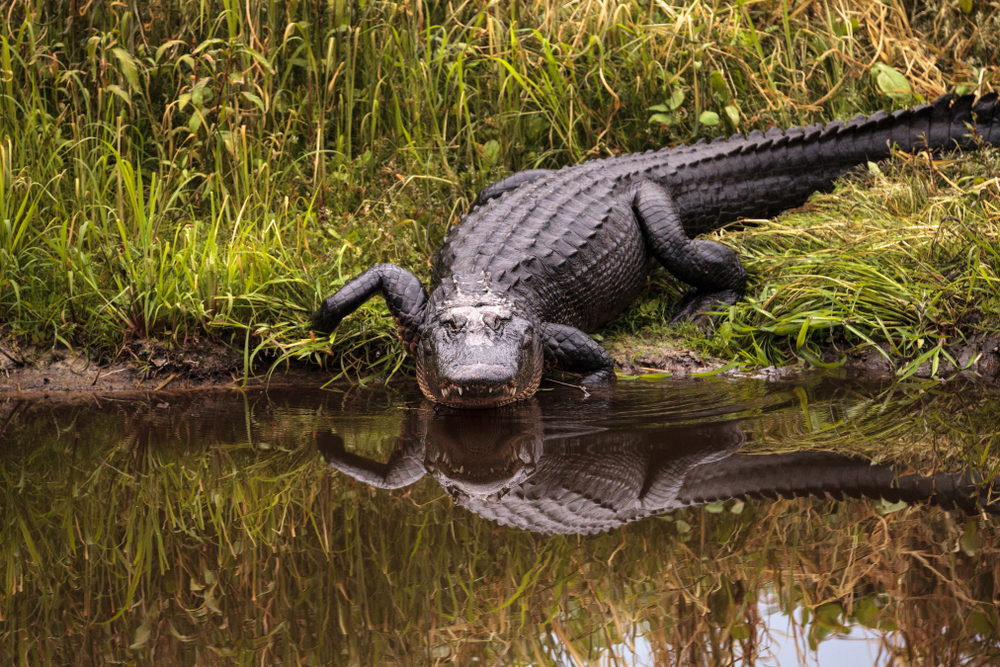
The American alligator was hunted heavily for its hide throughout the early 20th century, pushing it toward extinction in parts of the Southeast. By the 1960s, numbers had dropped so dramatically that the species was listed as endangered. Wetland destruction compounded the problem.
Strict hunting regulations and habitat protections allowed populations to recover rapidly. Managed conservation programs turned the alligator into a model for sustainable wildlife management. Today, the species is so abundant in many states that regulated hunting seasons are not only permitted but necessary.
3. Gray Wolf (Northern Rockies)
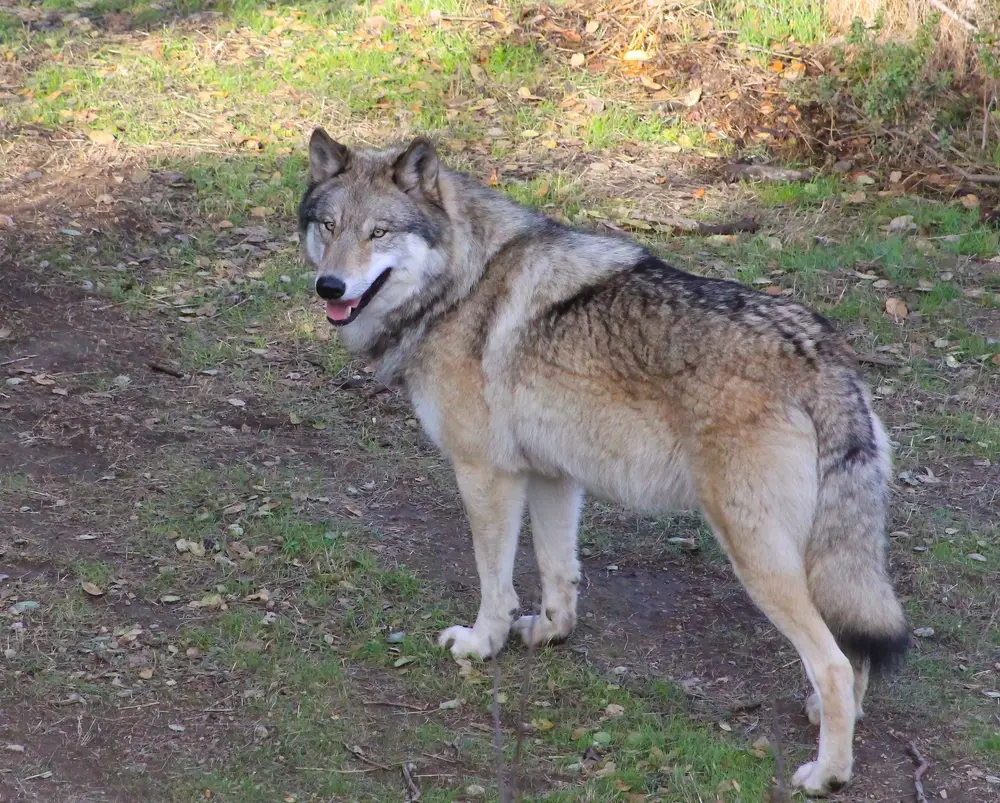
Gray wolves were systematically eradicated from much of the continental United States by the mid-1900s. Government-sponsored predator control programs left only a small population in Minnesota and on Isle Royale. Most Americans assumed wolves were gone for good from the West.
Reintroduction efforts in Yellowstone National Park and central Idaho in the mid-1990s reshaped that assumption. Wolves reestablished packs, restored ecological balance in some areas, and expanded their range. While management remains controversial, their return to the Northern Rockies is one of the most visible wildlife comebacks in modern U.S. history.
4. Humpback Whale
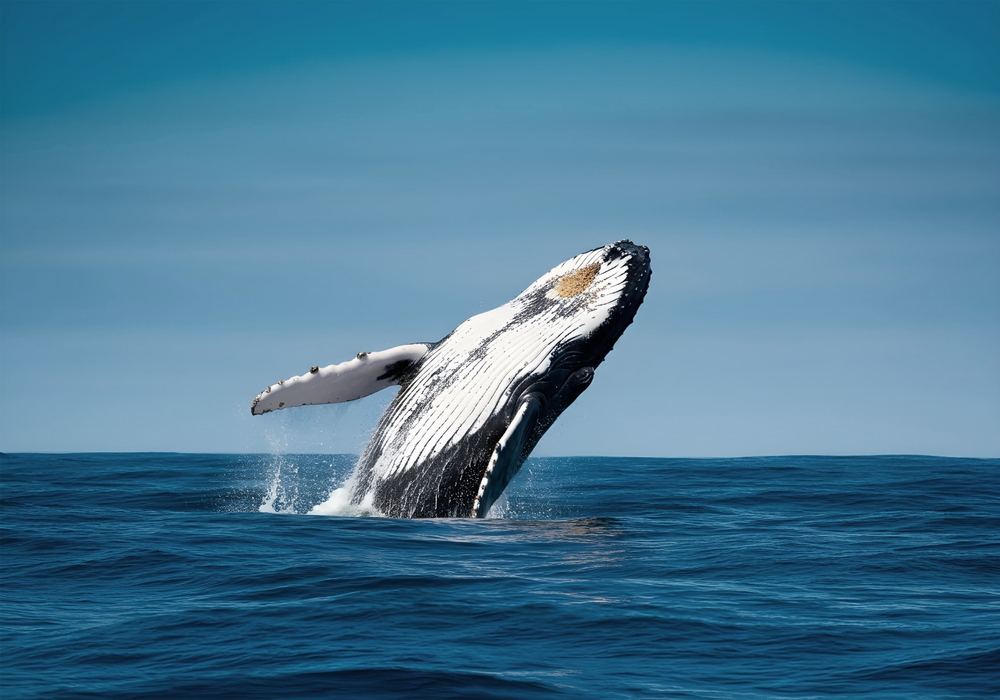
Commercial whaling devastated humpback whale populations worldwide throughout the 19th and 20th centuries. By the time international protections were enacted in 1986, many populations had collapsed. Their slow reproductive rate made recovery seem unlikely.
Since the global moratorium on commercial whaling, humpback numbers have rebounded significantly in several regions, including U.S. waters. Certain populations have grown enough to be removed from the endangered list. While not every group has fully recovered, their resurgence surprised even marine biologists who once expected a much slower turnaround.
5. Peregrine Falcon
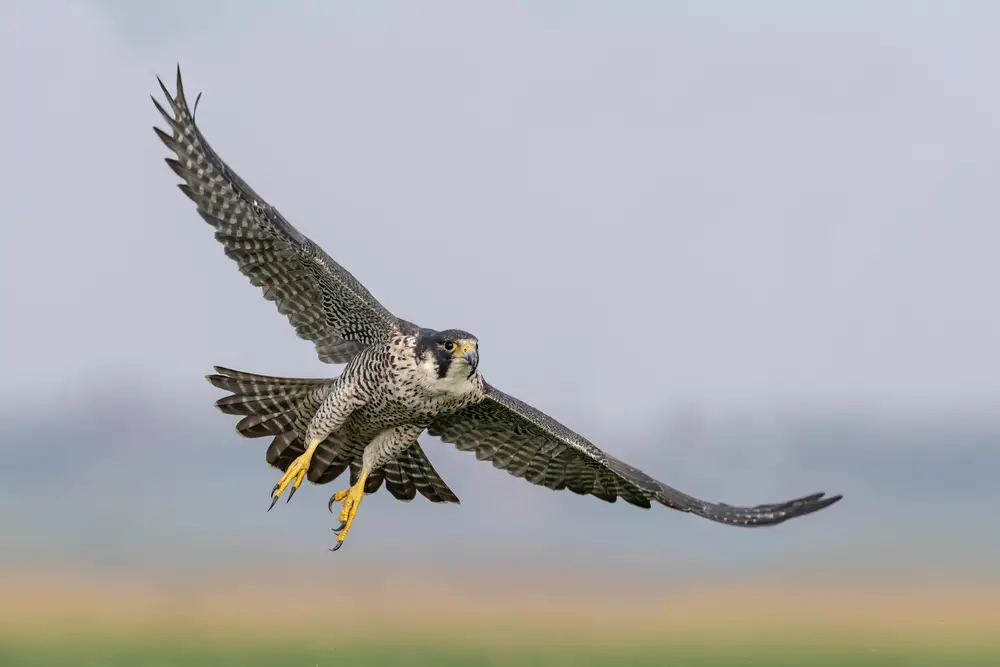
The peregrine falcon suffered catastrophic declines in the mid-20th century due to DDT contamination. Eggs failed to hatch, and nesting populations plummeted across North America. By the early 1970s, the species had disappeared from much of its historic range in the eastern United States.
Captive breeding and reintroduction programs played a crucial role in reversing the decline. Falcons were released into cities and wild landscapes, adapting surprisingly well to urban environments. Today, peregrines nest on skyscrapers and bridges, a dramatic comeback that few predicted would be so successful.
6. California Sea Otter
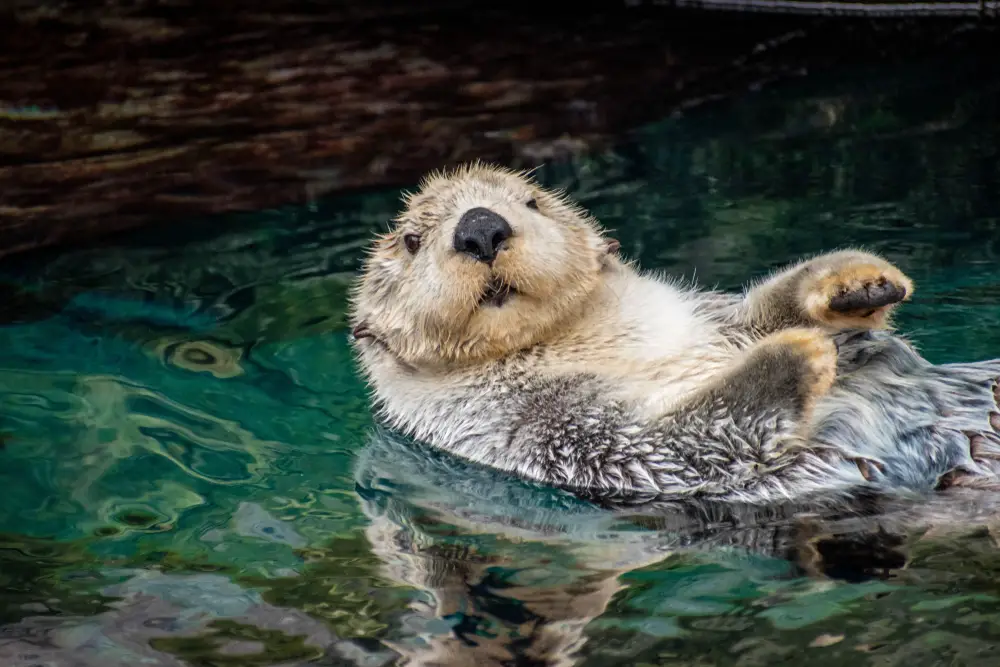
Sea otters were hunted nearly to extinction during the fur trade of the 18th and 19th centuries. By the early 1900s, it was believed that fewer than 100 remained along the California coast. Their ecological importance was not widely understood at the time.
Legal protection allowed surviving populations to slowly expand. While still considered threatened, sea otter numbers have grown enough to restore critical kelp forest ecosystems in some areas. Their recovery remains fragile, but their survival itself defied earlier expectations of total extinction.
7. American Bison
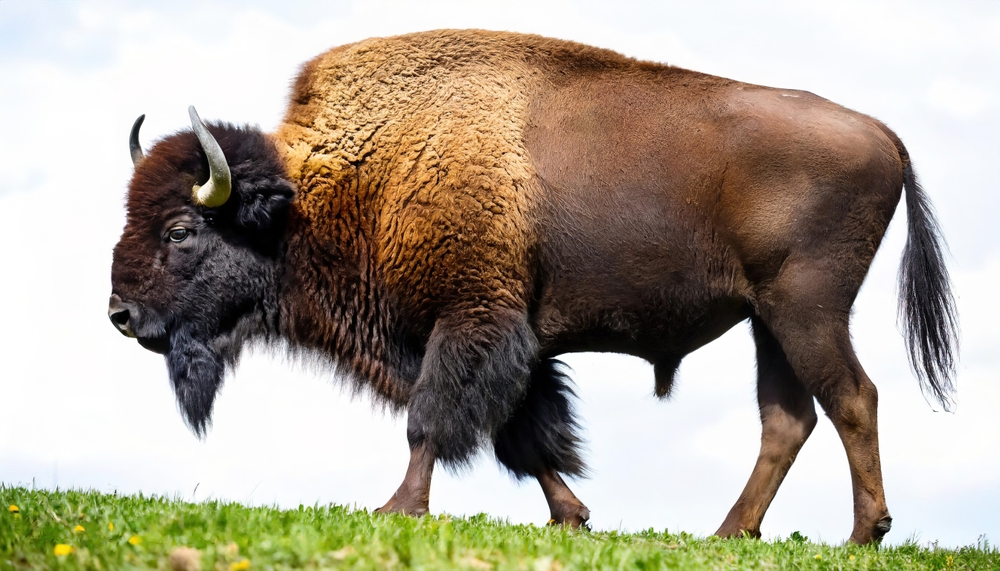
By the late 1800s, American bison had been reduced from tens of millions to only a few hundred individuals. Overhunting and deliberate extermination campaigns nearly erased them from the plains. Many observers believed the species would disappear entirely from the wild.
Conservation efforts by private ranchers and public agencies prevented that outcome. Today, hundreds of thousands of bison exist, though most are in managed herds. While truly wild populations remain limited, the species’ survival and partial restoration represent one of the earliest major conservation victories in U.S. history.
8. Brown Pelican
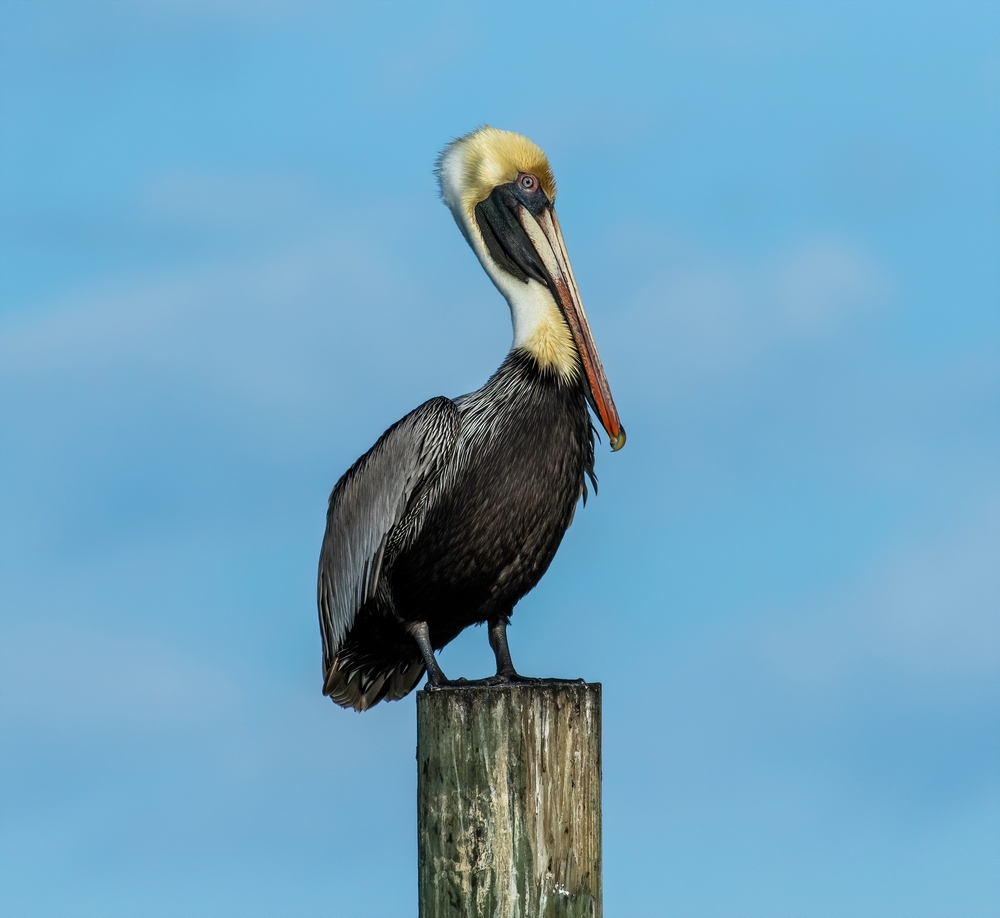
The brown pelican declined sharply in the 1950s and 1960s due to pesticide contamination and habitat loss. In some states, including Louisiana, nesting colonies disappeared entirely. The species was listed as endangered in 1970.
Following the DDT ban and coastal protections, pelican populations rebounded steadily. By 2009, the brown pelican was removed from the endangered species list nationwide. Their return to coastal skies and piers surprised communities that once believed they had lost the bird permanently.
9. Rocky Mountain Elk
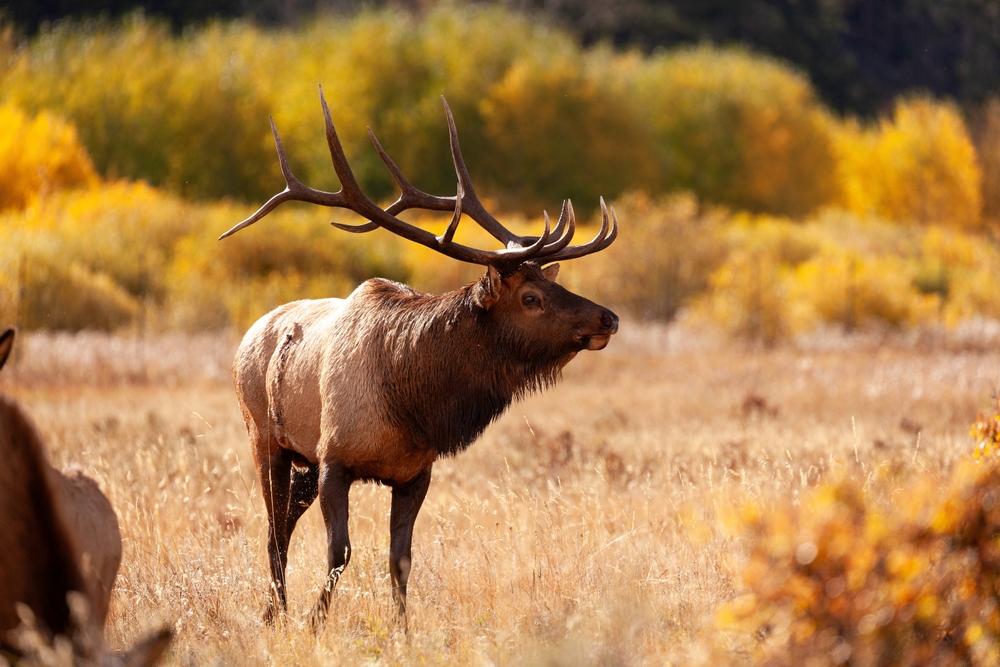
Unregulated hunting and habitat conversion dramatically reduced elk populations in the 19th century. In some regions, they vanished completely. By the early 1900s, remaining herds were small and scattered.
Restoration programs, including reintroductions and improved wildlife management, reversed the decline. Elk now thrive in many Western states and have even been reintroduced to parts of the eastern United States. Their rebound was so strong that controlled hunting seasons are once again common.
10. Black Bear (Eastern U.S.)
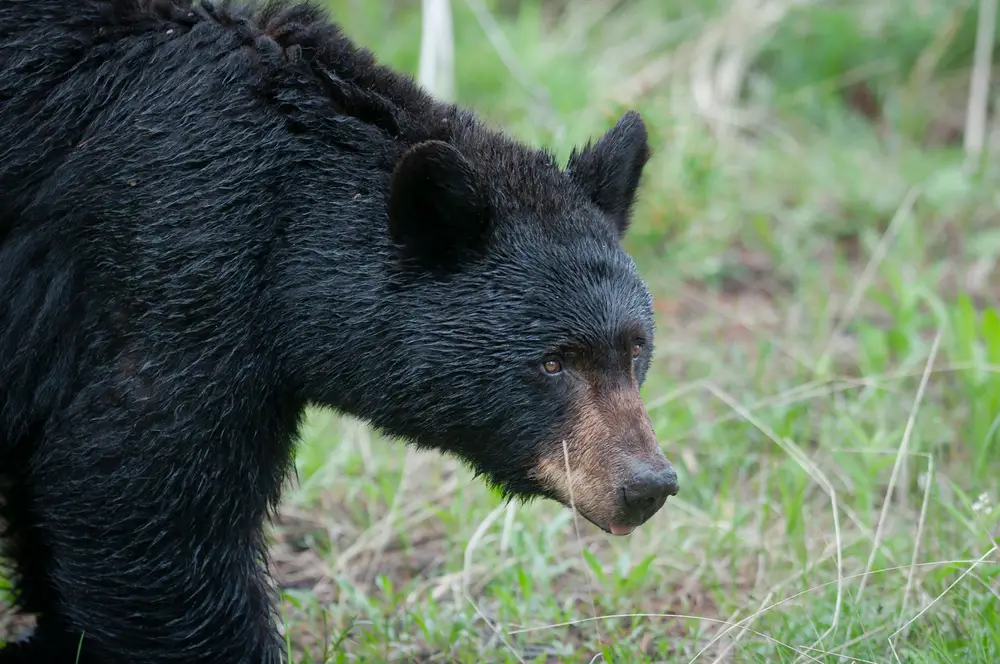
Eastern black bear populations declined due to deforestation and overhunting in the early 20th century. In several states, they were reduced to isolated pockets. Many communities assumed bears were gone for good from their regions.
Forest regrowth and regulated hunting allowed populations to expand naturally. Today, black bears have recolonized parts of the Northeast and Midwest where they were absent for decades. Their return has been so successful that human-bear conflicts have become a new management challenge.
11. Kemp’s Ridley Sea Turtle
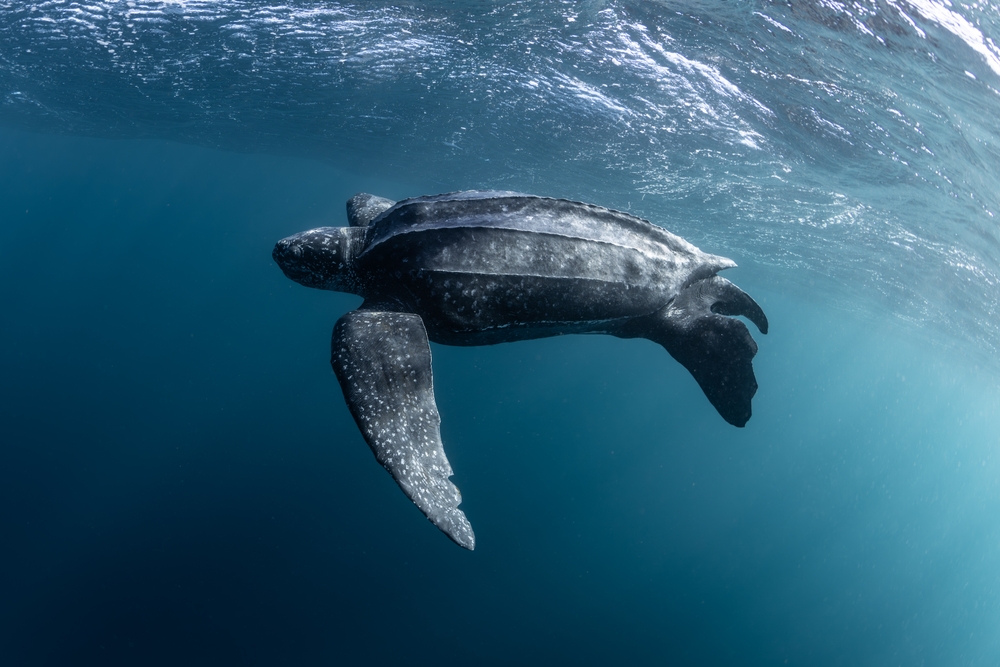
Kemp’s ridley sea turtle once faced near-extinction due to egg harvesting and accidental capture in fishing gear. By the 1980s, nesting numbers in Mexico and Texas had plummeted. Biologists feared the species might not recover.
Intensive binational conservation efforts, including nest protection and fishing regulations, dramatically improved survival rates. Nesting numbers have increased significantly over the past few decades. Though still vulnerable, the species’ rebound exceeded many early projections.
12. Wood Duck

The wood duck was heavily hunted in the late 1800s and early 1900s, and habitat destruction further reduced populations. By the early 20th century, sightings were rare in many areas. Their colorful plumage once made them easy targets.
Protective laws and the installation of nest boxes helped boost reproduction. Wood duck populations rebounded across much of their historic range. Today, they are a common sight in wetlands that once stood nearly silent.
13. Mountain Lion (Midwest and West Expansion)
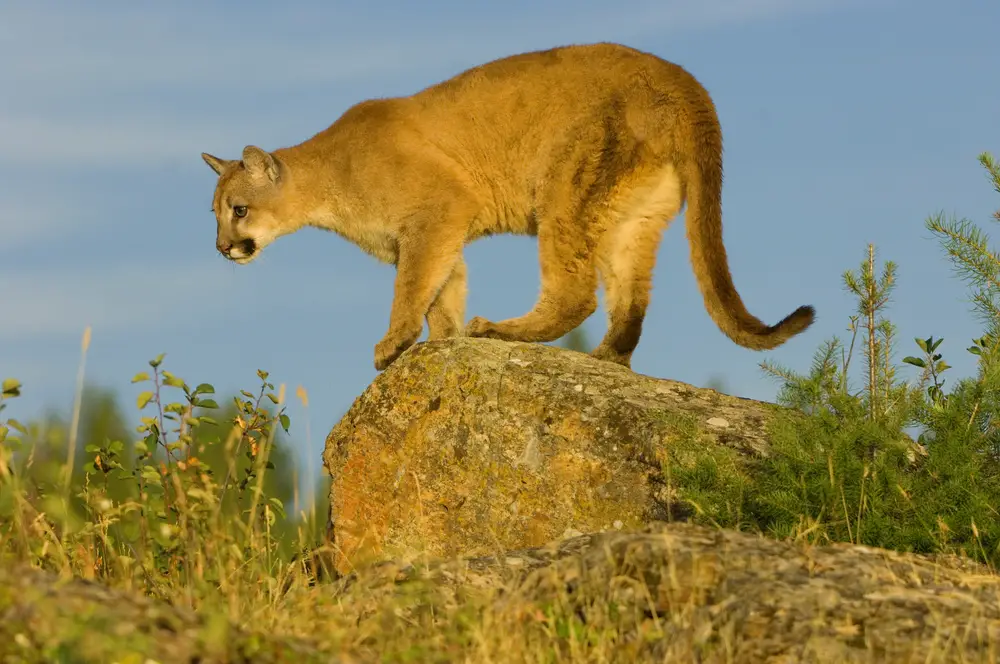
Mountain lions were eliminated from much of their eastern range by the early 20th century. Habitat loss and predator control programs pushed them westward into remote areas. Few believed they would ever expand beyond isolated Western strongholds.
In recent decades, mountain lions have gradually expanded into parts of the Midwest and Great Plains. Confirmed sightings and breeding populations have surprised wildlife officials in several states. While still absent from most of the East, their slow but steady expansion represents a comeback few predicted during their period of decline.