
The scientific community has long operated under the assumption that interspecies relationships follow predictable patterns—predator and prey, parasite and host, or neutral coexistence defined by ecological niche. But field researchers and wildlife biologists are documenting bonds between species that have no evolutionary explanation, no survival advantage, and no precedent in the literature. These aren’t fleeting curiosities or single observations; they’re sustained, affectionate relationships between animals that should ignore each other at best or kill each other at worst, partnerships that challenge fundamental assumptions about animal cognition, emotion, and social behavior. The bonds force scientists to confront uncomfortable questions about whether animals experience friendship, grief, and connection in ways that transcend survival and reproduction—the only motivations traditional biology allows for animal behavior.
1. Wild Deer Protecting Orphaned Rabbits
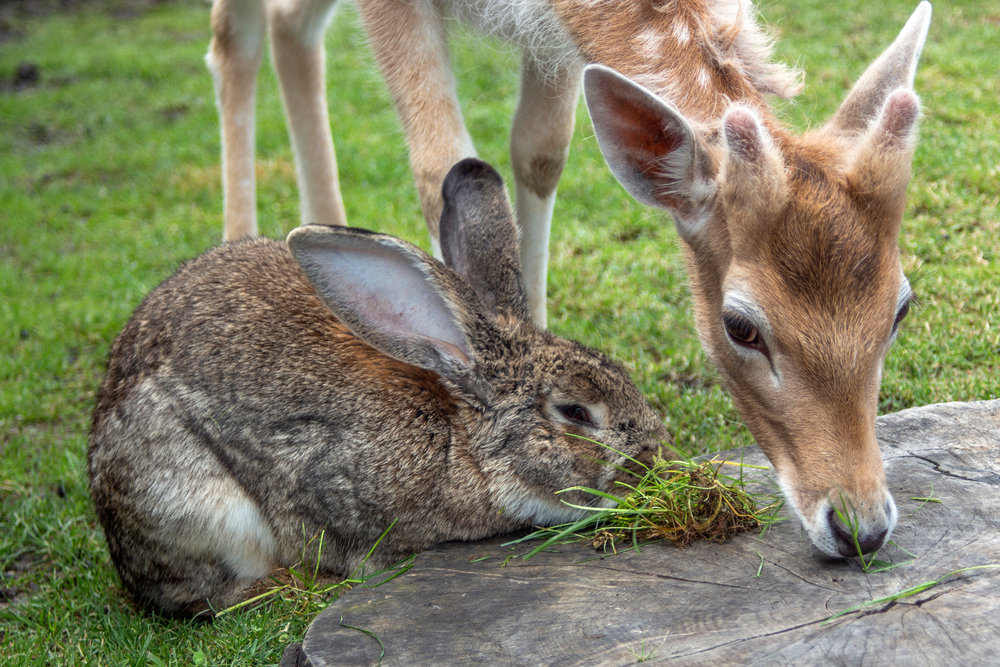
Wildlife cameras in Pennsylvania forests captured a doe allowing orphaned rabbits to nurse alongside her fawn, a behavior that makes no biological sense and costs the deer resources that should go exclusively to her genetic offspring. The doe actively protects the rabbits from predators, grooms them, and keeps them with her fawn for months until they mature and leave independently. Biologists monitoring the situation documented the deer returning to check on the rabbits even after they’d separated, behavior suggesting emotional attachment rather than confused maternal instinct.
The relationship challenges the assumption that maternal behavior is purely instinctual and genetically selfish—the deer gains nothing from investing in rabbits, yet the behavior is deliberate and sustained. Researchers have documented similar deer-rabbit fostering in multiple locations, suggesting it’s not isolated aberration but something within deer behavioral capacity that emerges occasionally. The cross-species adoption raises questions about animal emotion and motivation that can’t be explained through evolutionary fitness maximization, forcing recognition that animals sometimes act from motivations resembling compassion or empathy rather than genetic self-interest.
2. Unlikely Alliance Between Hippos and Terrapins
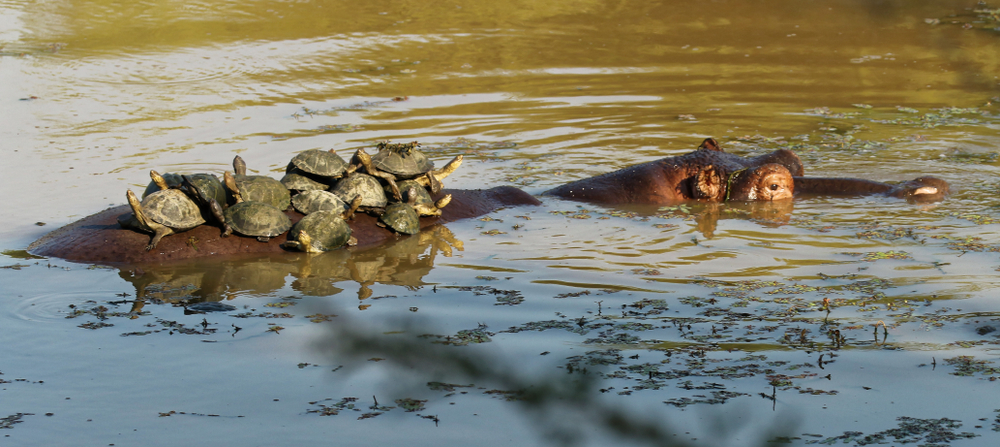
African wildlife researchers documented hippos at a South African reserve forming protective relationships with terrapins, allowing the turtles to climb on their backs and actively defending them from crocodiles. The hippos get no cleaning or parasite removal benefit—terrapins don’t provide symbiotic services—yet they tolerate and even encourage the turtles to remain on them. Video evidence shows hippos actively positioning themselves between crocodiles and terrapins, intervening in predation attempts despite having no stake in terrapin survival.
The protective behavior persists across years with individual hippos maintaining relationships with specific terrapins, suggesting genuine social bonds rather than random tolerance. Researchers studying the interaction can’t explain it through any traditional framework—there’s no mutual benefit, no kin selection, no apparent reason hippos should care whether terrapins survive. The relationship suggests hippos are capable of forming attachments and acting protectively toward other species for reasons beyond biological utility, behavior that implies emotional complexity and social motivation that shouldn’t exist in animals operating purely on evolved instinct.
3. Crow and Kitten Feeding Partnership
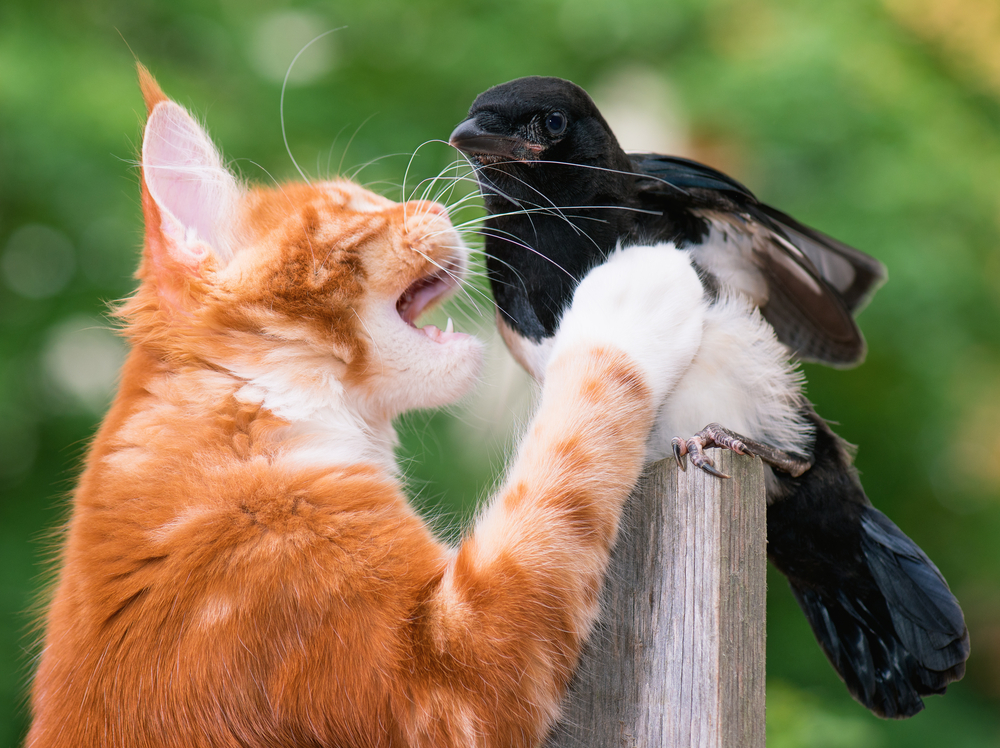
Urban wildlife observers documented a crow bringing food daily to a specific kitten for months, continuing even after the cat matured and no longer needed assistance. The crow brings edible items—scraps, insects, small food items—and waits while the cat eats, sometimes vocalizing in ways researchers interpret as communication. The cat responds to the crow’s vocalizations and the two spend time in proximity without the cat showing predatory interest despite crows being appropriate prey-sized for cats.
The relationship violates assumptions about predator-prey boundaries and interspecies interaction—cats should hunt crows, and crows should avoid cats, yet this pair has formed a provisioning bond that resembles friendship. Researchers following the case documented that the crow became agitated when the cat was temporarily removed for veterinary care, suggesting emotional investment in the relationship. The bond challenges explanations based on food exchange or mutual benefit because the crow is giving food without receiving anything tangible, behavior that suggests altruism or affection extending beyond species boundaries.
4. Elephant Mourning Dog’s Death
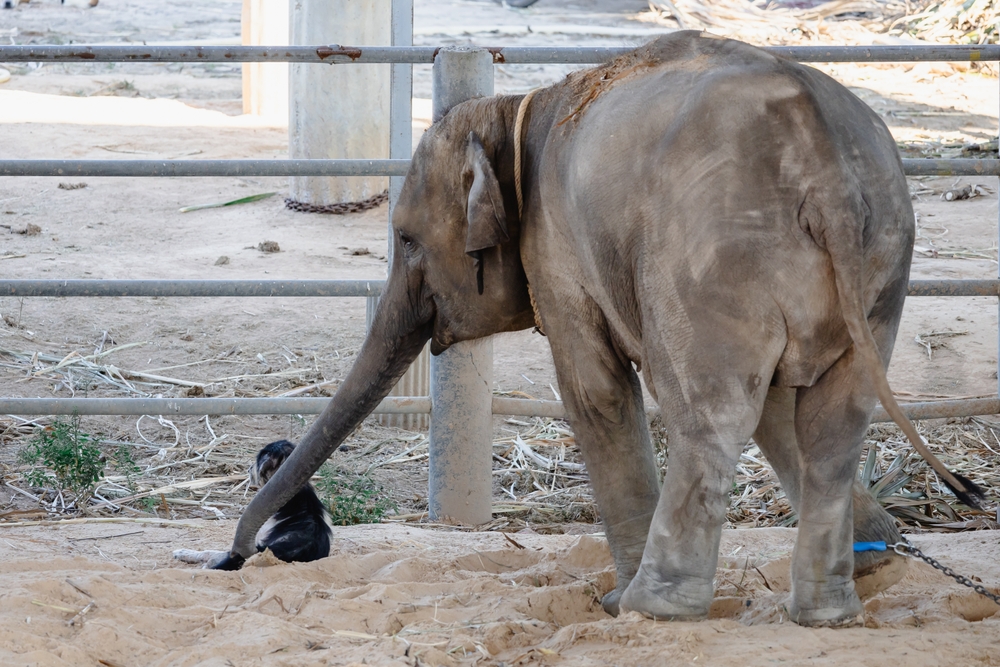
Wildlife sanctuary workers in Thailand reported an elephant becoming severely depressed after the death of a dog it had bonded with, refusing food for days and repeatedly visiting the location where the dog died. The elephant and dog had lived in proximity for three years, developing a relationship where they played daily, rested together, and sought each other’s company preferentially over conspecifics. The elephant’s grief response after the dog’s death—trumpet calls, reduced activity, apparent searching behavior—matched elephant responses to deaths of other elephants.
The mourning behavior demonstrates that elephants can form attachments to other species with emotional depth comparable to bonds with their own kind, a finding that challenges assumptions about the species-specificity of social bonds. The elephant’s depression required intervention as weight loss and behavioral changes threatened its health, suggesting the bond’s significance exceeded casual companionship. Researchers studying the case note that the elephant’s response to losing the dog was indistinguishable from grief observed when elephants lose family members, forcing recognition that attachment and loss can transcend species in ways that don’t align with assumptions about animals bonding only within evolutionary appropriate categories.
5. Wild Dolphin and Dog Beach Meetings
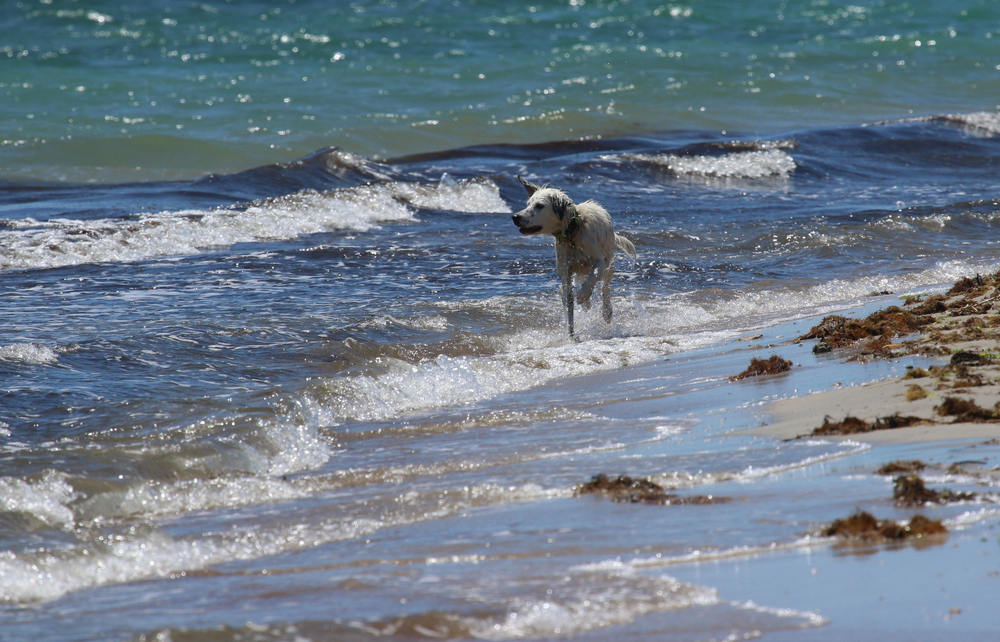
Marine biologists in Ireland documented a wild dolphin that returns daily to a specific beach to interact with a particular dog, a relationship that’s continued for over two years. The dolphin waits in shallow water while the dog swims out to meet it, and the two engage in what researchers can only describe as play—swimming in patterns, chasing each other, and vocalizing. The dolphin doesn’t interact similarly with other dogs or humans, specifically seeking this individual dog despite having access to dolphin pods offshore.
The specificity of the relationship—one dolphin preferring one dog over all other potential playmates—suggests individual recognition and preference that goes beyond species to personal connection. Neither animal gains obvious survival or reproductive advantage from the interaction, and both invest time and energy in maintaining the relationship across seasons. The researchers monitoring the situation describe the meetings as joyful interactions characterized by behaviors associated with positive emotional states, raising questions about whether animals experience friendship for its own sake rather than as a byproduct of evolutionarily useful social bonds.
6. Tortoise Adopting Baby Hippo
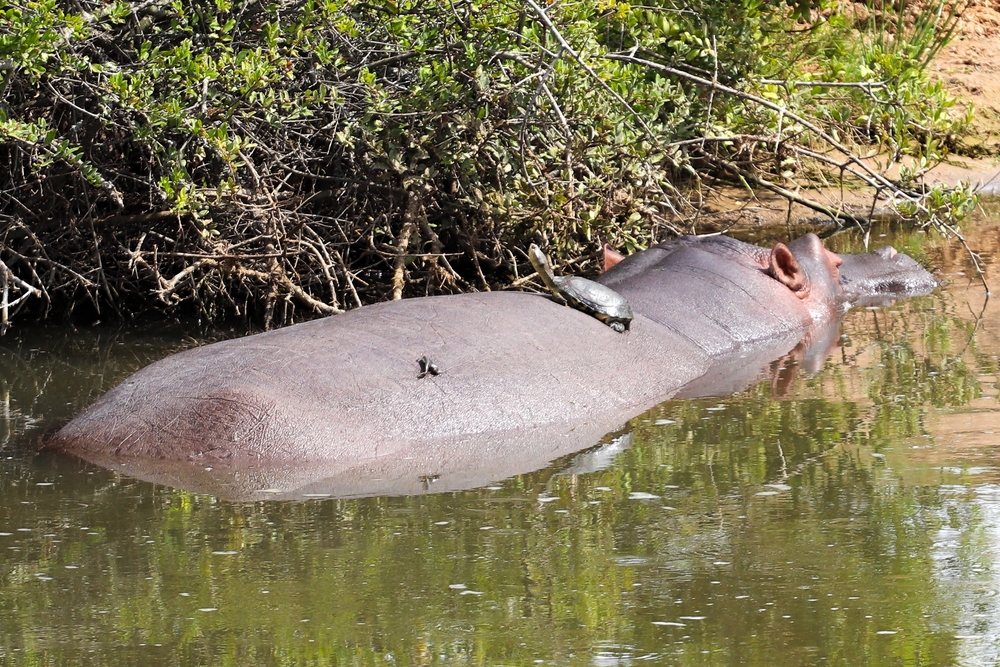
The famous case of Owen the orphaned baby hippo and Mzee the 130-year-old tortoise in Kenya stunned biologists when the hippo treated the tortoise as a surrogate parent and the tortoise accepted the role. Owen followed Mzee everywhere, slept beside him, and showed distress when separated, while Mzee tolerated the hippo’s presence, waited when Owen lagged behind, and appeared to deliberately move at paces Owen could follow. The relationship persisted for years until Owen reached sexual maturity and was moved to prevent inappropriate bonding.
The interaction violated assumptions about both species—hippos are social animals that should bond with hippos, while tortoises are solitary and shouldn’t form attachments to anything. The reciprocal nature of the relationship—Mzee modifying his behavior to accommodate Owen—suggests the tortoise wasn’t just tolerating the hippo but actively participating in a social bond. Researchers studying the case found no framework in existing literature to explain a 130-year-old tortoise forming a parental-type bond with a hippo, forcing acknowledgment that animal social behavior contains possibilities that current theory doesn’t account for or predict.
7. Fox and Hound Living Together in the Wild
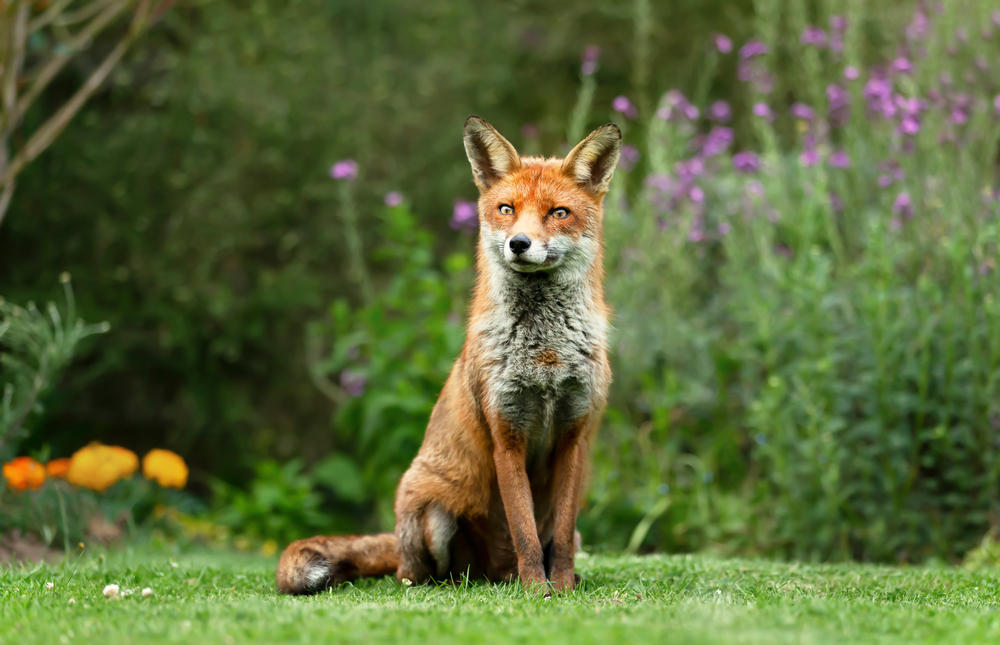
Wildlife researchers in England documented a wild fox and a hound who escaped from a nearby hunt living together cooperatively, sharing food and den space for over a year. The fox and dog were observed hunting together, with strategies suggesting cooperation and coordination rather than competition. The relationship persisted despite both animals having access to their own species—the hound could have returned to humans, and the fox had a nearby fox population—yet they chose to remain together.
The partnership challenges assumptions about domestication creating unbridgeable differences between wild and domestic canids—the fox accepted a domestic dog as a partner despite foxes typically avoiding dogs. The cooperative hunting behavior suggests they developed communication and coordination systems that allowed genuine teamwork rather than just tolerance. Researchers who located the pair before they eventually separated noted that both animals showed behavioral modifications suggesting they’d accommodated each other’s needs and patterns, reciprocal adjustments indicating genuine partnership rather than one animal simply tolerating the other’s presence.
8. Orangutan Mothering Tiger Cubs
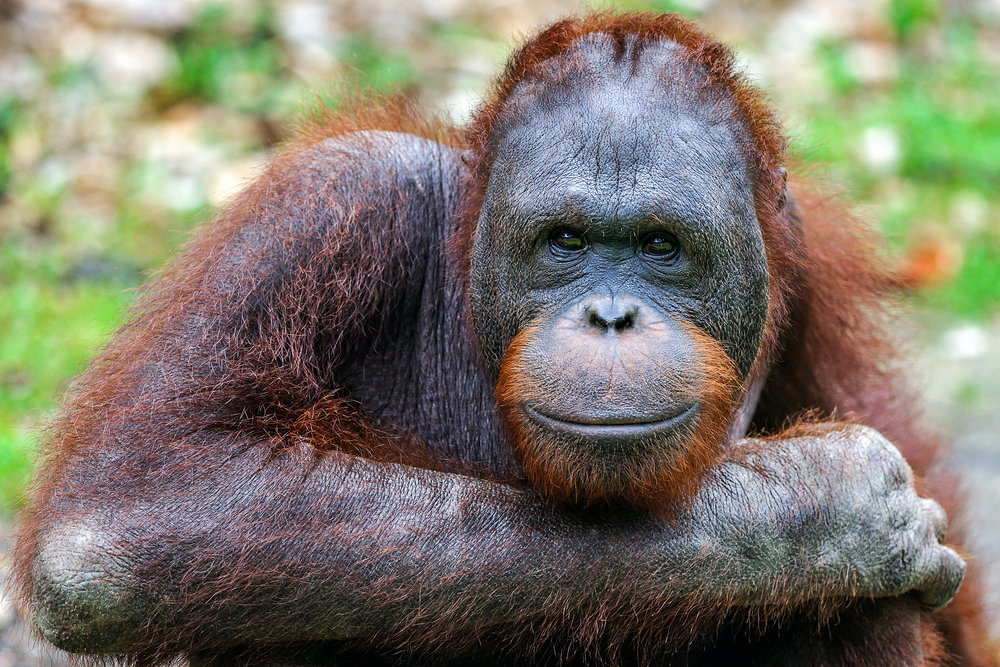
Zoo workers in South Carolina introduced orphaned tiger cubs to an orangutan after the mother tiger rejected them, expecting short-term temporary care at best. The orangutan, T.K., adopted the cubs fully, nursing them with fabricated bottles, grooming them, and teaching them behaviors that had no relevance to tigers but demonstrated maternal investment. The relationship continued long past the emergency period, with the orangutan showing distress when the maturing tigers were eventually separated for safety reasons.
The cross-species mothering demonstrates that maternal behavior and attachment can operate independently from biological relationship or even species recognition. T.K. treated the tigers exactly as she would have treated an orangutan infant, suggesting maternal motivation rather than species-specific programming drives the behavior. The orangutan’s grief when the tigers were removed matched responses observed when orangutans lose their biological offspring, indicating the emotional investment was genuine rather than performing programmed behaviors on inappropriate subjects. The case forces recognition that parental bonds can form across species boundaries with emotional depth equivalent to biological relationships.
9. Goose Becoming Guide for Blind Dog
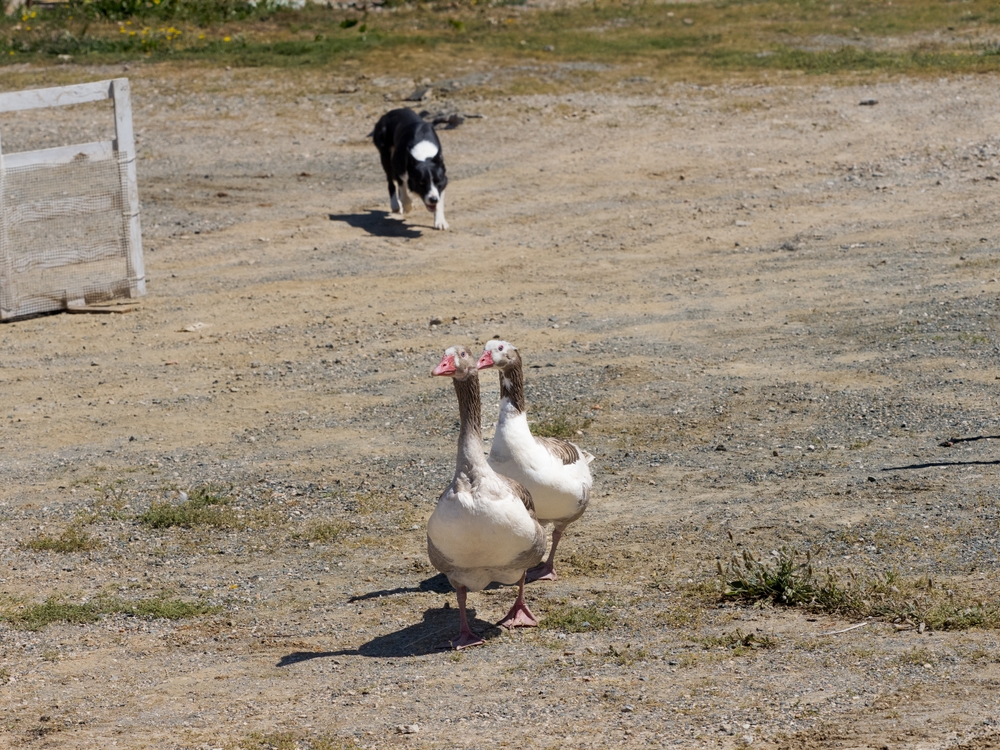
A farm in California reported a goose forming an inseparable bond with a blind dog, acting as the dog’s guide and protector for over three years. The goose walks ahead of the dog, honks warnings about obstacles, and aggressively defends the dog from other animals and perceived threats. The dog relies on the goose’s vocalizations for navigation, and the two are never more than a few feet apart during waking hours, sleeping pressed together at night.
The relationship requires the goose to understand that the dog has visual impairment and needs assistance, a level of theory of mind that researchers didn’t think geese possessed. The consistent helping behavior—guiding around obstacles, warning of hazards—demonstrates the goose tailoring its actions to the dog’s specific needs rather than displaying random protective instincts. Researchers studying the pair found that when the goose was temporarily separated from the dog, the goose showed agitation and the dog became disoriented and distressed, suggesting mutual emotional dependence that defies explanations based on utility or evolutionary advantage.
10. Wild Crow Bringing Gifts to Human Child
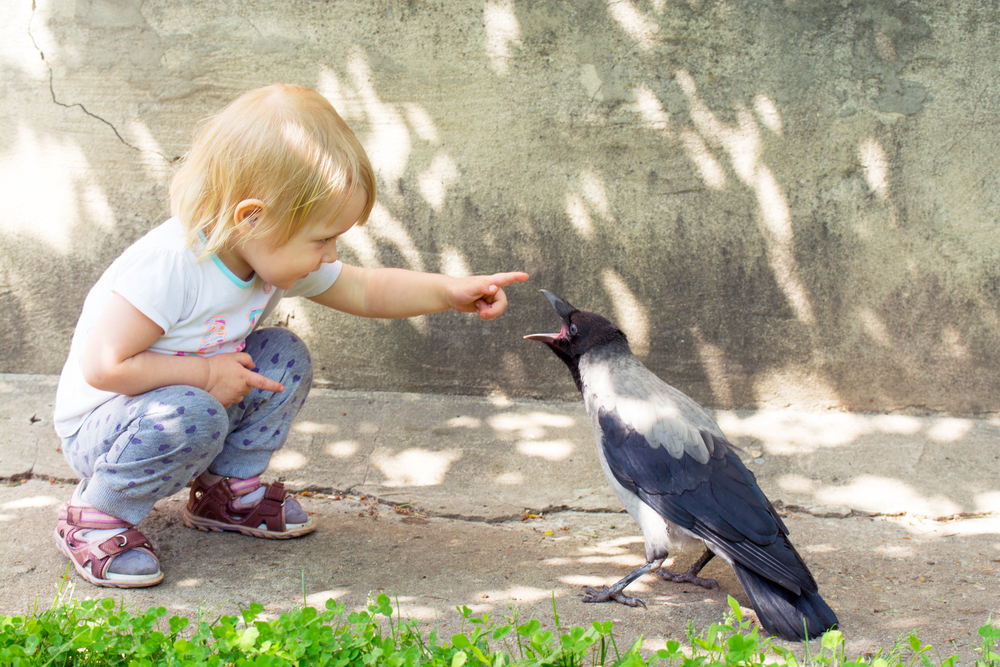
A family in Seattle documented a wild crow bringing small gifts—buttons, bottle caps, shiny objects—to their 8-year-old daughter regularly for over a year, leaving items in specific locations the crow learned the child would find them. The crow began leaving gifts after the child started sharing her lunch, but the gift-giving continued long after feeding stopped, suggesting the behavior transcended simple food exchange. The crow brings items with no nutritional or practical value, objects chosen apparently for aesthetic properties the crow believes the child will appreciate.
The gift-giving behavior demonstrates theory of mind—the crow understanding that the child values certain objects and deliberately seeking and bringing those objects to please her. The crow’s object selection shows learning about the child’s preferences, bringing more of items the child responded enthusiastically to and avoiding types she ignored. Researchers studying the case note that the crow’s behavior resembles human friendship rituals—maintaining connection through gift exchange—more than any documented crow behavior in natural contexts, suggesting the crow invented a social protocol for maintaining an interspecies relationship it valued.
11. Chimpanzee Adopting Kitten
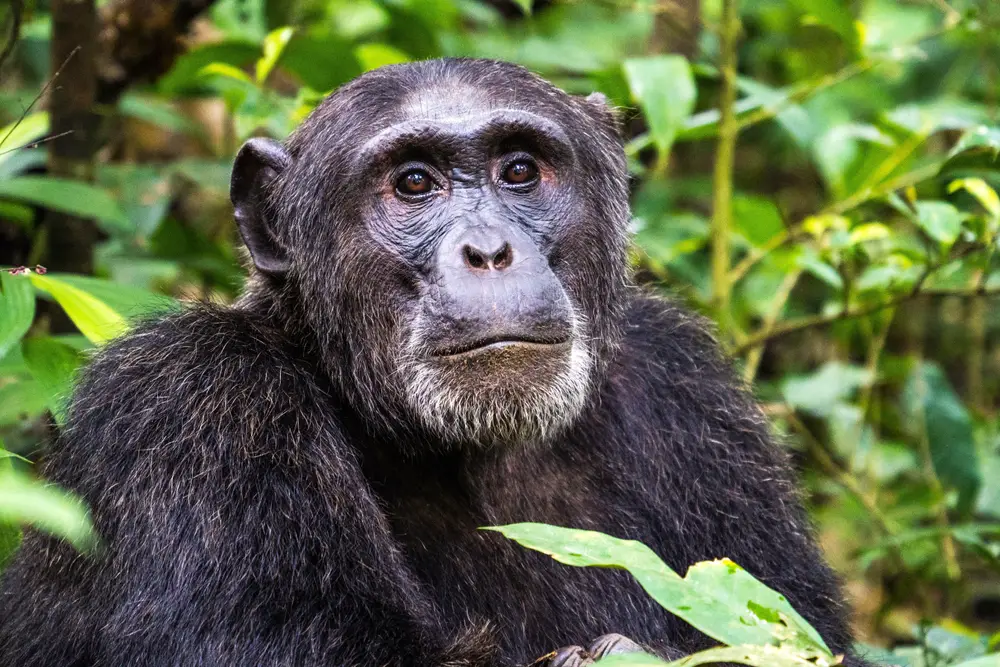
Researchers at a primate sanctuary were stunned when a male chimpanzee adopted a kitten that wandered into the enclosure, carrying it everywhere, sharing food, and sleeping with it cradled in his arms. The chimp, Limbani, treated the kitten with extraordinary gentleness, modifying his strength and movements to accommodate the fragile animal. The relationship continued for months until the kitten matured and was removed for safety, with Limbani showing clear depression and searching behavior afterward.
The adoption violated expectations about chimpanzee behavior—they’re known to hunt and kill small animals, not nurture them. Limbani’s behavioral modifications—gentle handling, food sharing, protective positioning—required recognizing the kitten’s vulnerability and adjusting his behavior accordingly, sophisticated cognition suggesting genuine caregiving motivation. The chimp’s grief response when the kitten was removed matched responses to losing chimp companions, indicating the attachment’s depth was comparable to social bonds with his own species. The case demonstrates that chimpanzees can form nurturing relationships with other species that override predatory or indifferent responses, behavior that suggests emotional and social flexibility that current models of chimpanzee cognition don’t fully account for.
12. Horse and Goat Grief Bond
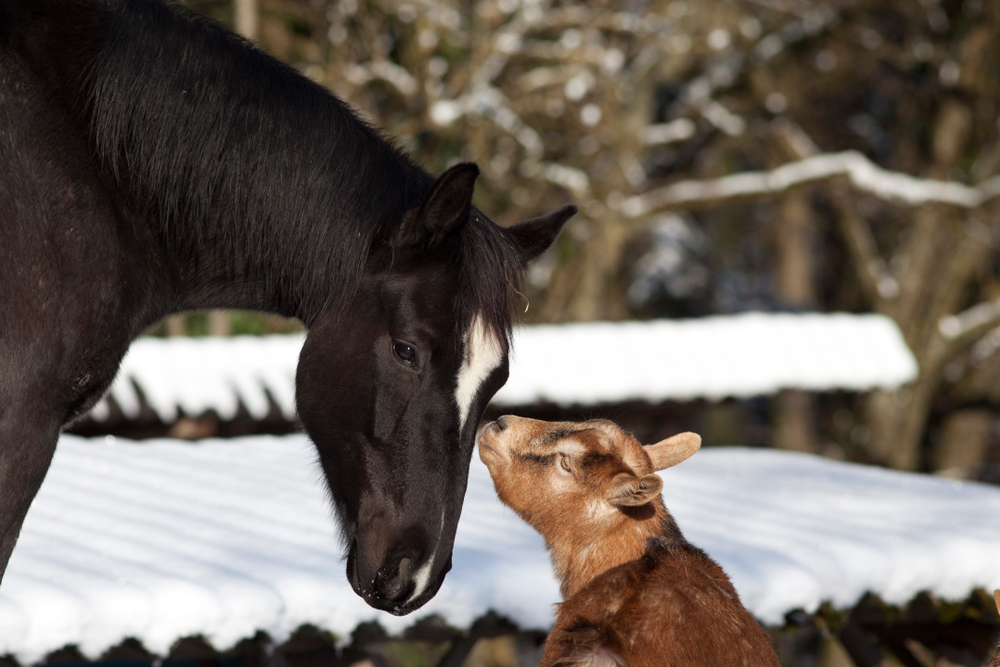
Equine researchers documented two horses who each lost long-term companion animals—one lost a goat and another lost a donkey—forming an intense bond centered on apparent mutual grief. The horses sought each other out immediately after their losses, spent all time together, and displayed behaviors researchers interpreted as mutual comforting. The bond formed specifically in the context of loss, suggesting the horses recognized shared emotional states and sought companionship specifically around grief rather than forming typical herd relationships.
The relationship challenges assumptions about animal grief being purely individual experience—these horses appeared to find comfort in each other’s presence specifically because both were grieving. The behaviors included standing head-to-head for hours, remaining in physical contact, and synchronized movements suggesting emotional regulation through companionship. Researchers studying the case found the bond persisted long after the acute grief period, transforming from mutual comforting into a sustained partnership, suggesting that shared emotional experience can create bonds independent of typical social structuring. The case implies that animals may seek and provide emotional support to others experiencing similar states, behavior that requires recognizing emotional states in others and responding with comfort, capabilities that move beyond simple social bonding into something resembling empathy and compassionate companionship.