
Dogs have been living alongside humans for thousands of years, and during that time they’ve become remarkably skilled at reading us. While we’re busy going about our daily lives, our dogs are gathering information through their extraordinary senses and observation skills. The result is that your dog likely understands aspects of your life and personality that even your closest human friends don’t recognize.
1. Your Daily Schedule Down to the Minute
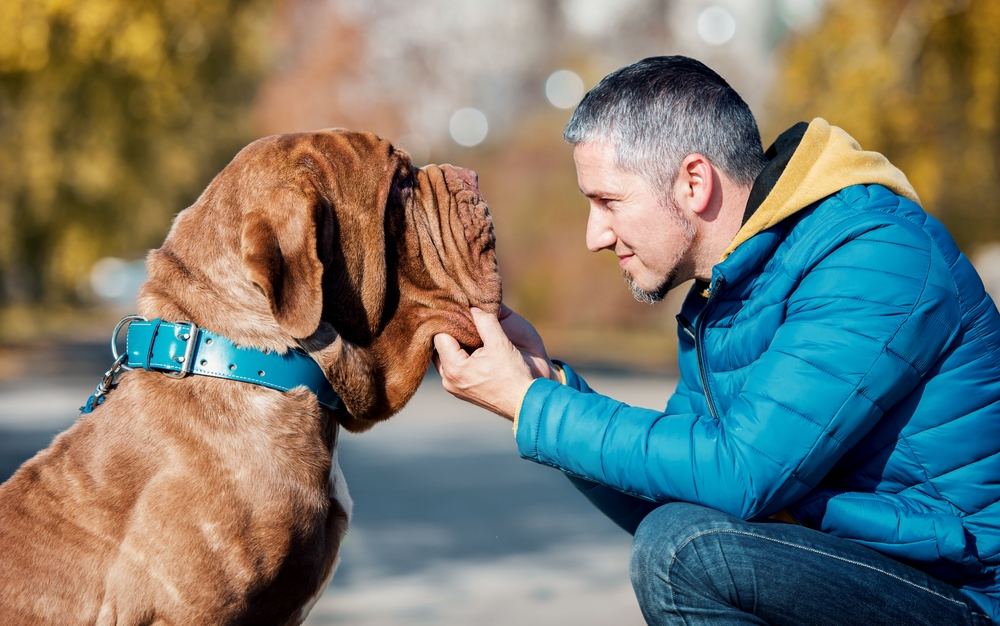
Your dog has internalized your routine with astonishing precision, often knowing what you’re going to do before you do it. They recognize the subtle pattern differences between workdays and weekends, noticing things like which alarm you use or how long you spend in the bathroom. This internal clock is so accurate that many dogs start anticipating your arrival home 15-20 minutes before you actually walk through the door.
They’ve also memorized the pre-departure rituals that signal you’re leaving and can predict how long you’ll be gone based on which shoes you put on or which bag you grab. Your morning coffee routine, the time you typically eat lunch, and when you usually go to bed are all filed away in their mental schedule. This isn’t just about being fed on time—dogs genuinely track your patterns because understanding your routine helps them predict their world.
2. When You’re About to Have Your Period
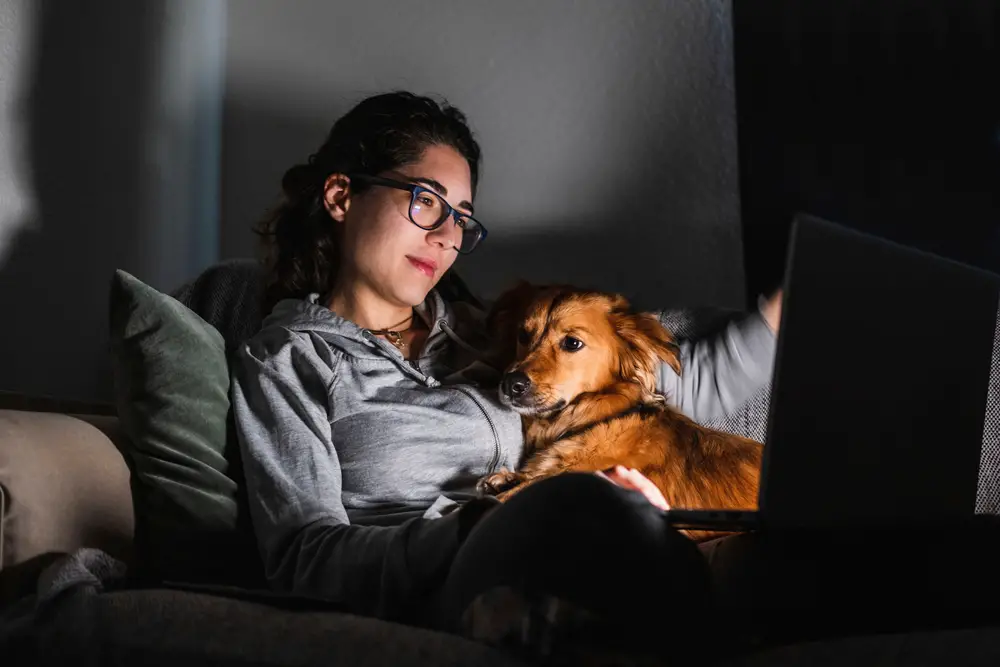
Dogs can detect the hormonal changes that occur during your menstrual cycle, often becoming more attentive or protective in the days before your period starts. The shift in hormones creates a different scent profile that your dog’s sensitive nose picks up immediately. Many women report their dogs acting clingy, lying near their abdomen, or becoming unusually gentle right before menstruation begins.
This detection isn’t limited to your period—dogs notice all hormonal fluctuations throughout your cycle. Some dogs become visibly concerned or protective during menstruation itself, seemingly understanding that you’re experiencing discomfort. Your dog’s behavior changes during this time aren’t random or attention-seeking—they’re responding to real physiological changes they can smell.
3. Which Family Members You Favor
Your dog picks up on the subtle ways you interact differently with various household members, noticing who gets genuine enthusiasm versus polite tolerance. They observe whose texts make you smile, who you rush to greet, and whose presence changes your body language and tone. Dogs are experts at reading these micro-signals that reveal your true feelings about the people in your life.
This awareness extends to visitors and extended family—your dog knows which relatives you’re happy to see and which ones stress you out. They mirror your actual feelings rather than your polite behavior, which is why dogs are sometimes standoffish with people you claim to like. Your dog is essentially reading your honest emotional response to each person and responding accordingly.
4. Your Stress Level at Work

Dogs can tell the difference between a good work day and a terrible one before you’ve said a word or changed out of your work clothes. They’re reading your cortisol levels through scent, noticing your facial tension, and picking up on how quickly you move and how heavily you sigh. A dog who greets you calmly on normal days might become extra affectionate or bring you toys after a particularly stressful workday.
They also know when work stress is becoming chronic rather than occasional. Dogs whose owners are experiencing burnout often display anxiety themselves or try to prevent their owners from leaving for work. Your dog understands that something about work is hurting you even if they can’t conceptualize what a job is.
5. When You’re Planning to Leave Town
Your dog knows you’re preparing for a trip well before suitcases come out, picking up on pre-travel behaviors like checking weather, doing extra laundry, or making arrangements. The anxiety many dogs show before their owners travel often begins days in advance because they’ve learned the pattern. They notice when you start consolidating medications, charging devices, or doing those little tasks that precede departure.
This anticipatory knowledge explains why some dogs start acting out or becoming clingy several days before a trip. They’re not psychic—they’ve just memorized your pre-travel routine down to the smallest details. Even discussing travel plans in conversation can trigger recognition in dogs who’ve learned to associate certain words and tones with being left behind.
6. Your Hidden Health Problems
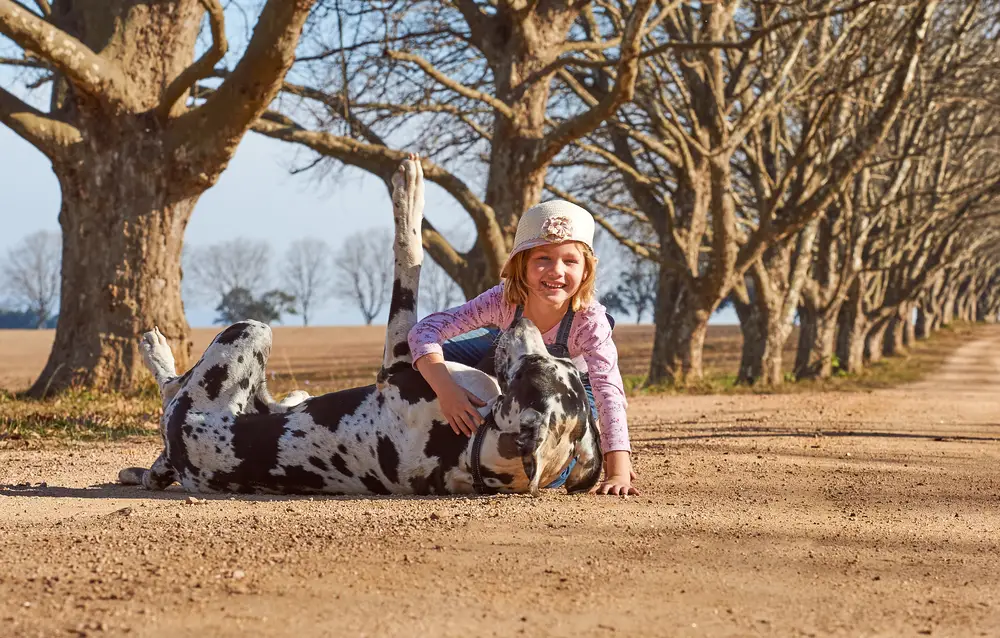
Dogs often detect health issues before you’re diagnosed or even symptomatic, persistently sniffing or pawing at areas where problems are developing. There are documented cases of dogs detecting cancers, heart conditions, and other serious illnesses months before medical diagnosis. Your dog’s unusual fixation on a particular body part shouldn’t be dismissed as strange behavior—it might be a legitimate warning.
This detection extends to mental health issues like depression and anxiety that you might be hiding from others. Dogs notice when you’re sleeping more, eating less, or losing interest in activities you usually enjoy. They respond to these changes even when you’re successfully masking them from the people around you.
7. Which Route You’re Taking Before You Turn
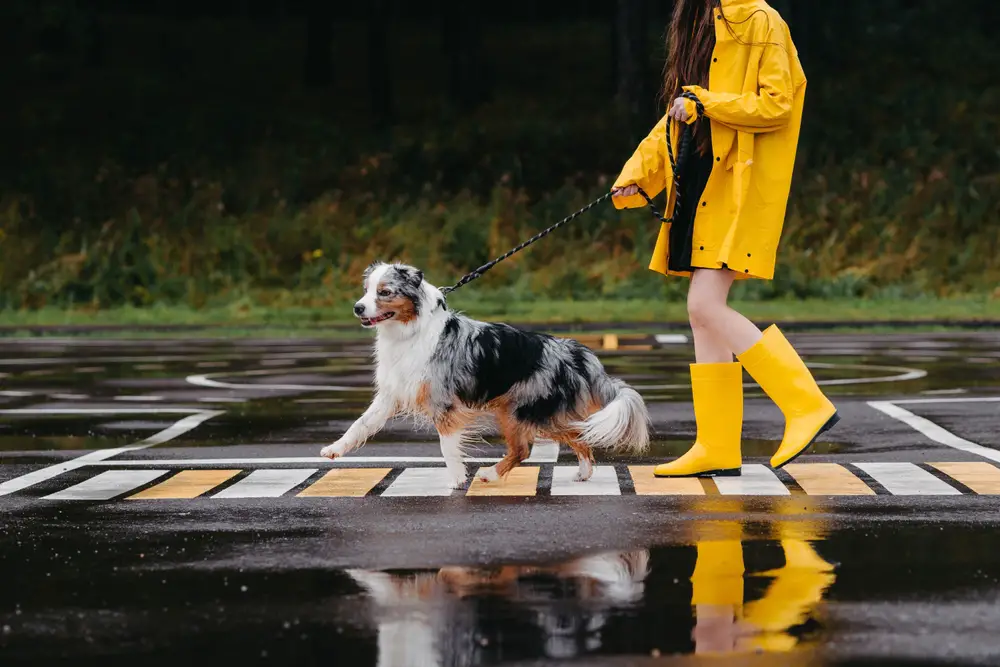
Dogs who regularly ride in cars learn to predict your destination based on incredibly subtle cues like which lane you choose or how you approach certain intersections. They often start showing excitement or anxiety about where you’re going well before you’ve arrived. This spatial memory is so detailed that dogs can distinguish between the route to the vet versus the route to the park after just a few repetitions.
They also notice when you’re taking a different route than usual, which can cause excitement or concern depending on what they predict is happening. Your dog’s behavior in the car is reflecting their sophisticated map of your regular routes and destinations. That whining that starts three turns before the vet’s office isn’t coincidence—they genuinely know where you’re headed.
8. When You’ve Been Crying Alone
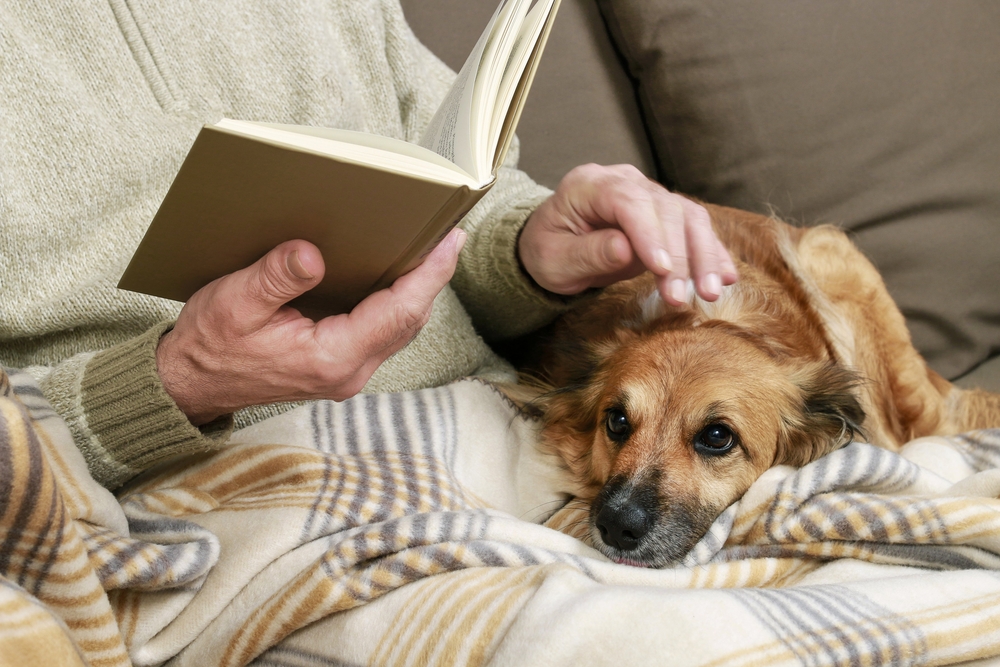
Even if you wash your face and compose yourself, your dog knows when you’ve been crying when no one else was around. The chemical changes in your tear composition, the residual scent of stress hormones, and subtle signs like puffy eyes or changed breathing patterns all register with your dog. They often respond with unusual gentleness or refuse to leave your side after you’ve had a private cry.
This detection means your dog knows about emotional struggles you’re keeping hidden from friends and family. They can’t tell what you were crying about, but they understand you were in distress. Dogs often position themselves nearby after detecting you’ve been upset, essentially standing guard during your vulnerability.
9. Your Real Bedtime Intentions
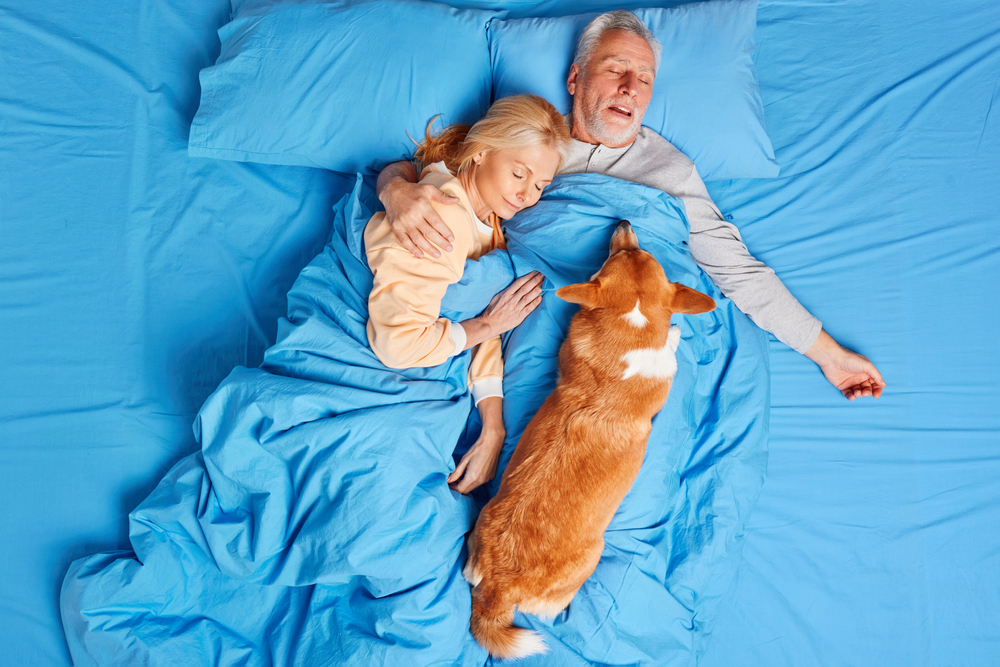
Dogs know the difference between when you say you’re going to bed and when you actually mean it versus when you’re just resting on the couch. They’ve learned to recognize the specific sequence of behaviors that precedes actual sleep—turning off certain lights, checking doors, brushing teeth. Your dog won’t bother moving to their sleeping spot until they detect you’re genuinely going to bed rather than just lying down.
They also know when you’re planning to wake up earlier than usual, often waking before your alarm on days when your energy and movement suggest something different is happening. This awareness extends to weekends when you sleep in—dogs adjust their expectations based on day-of-week patterns they’ve memorized. Your dog’s internal clock is synchronized with yours in ways that seem almost telepathic but are actually careful observation.
10. When You’re Genuinely Sick Versus Faking
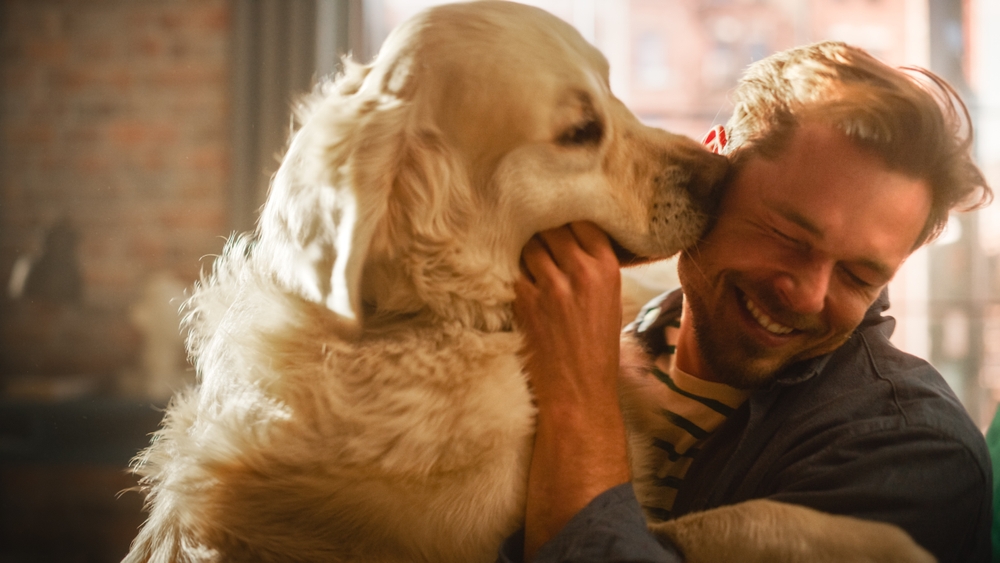
Dogs can distinguish between actual illness and malingering because real sickness produces specific scent and behavioral markers that can’t be faked. When you’re truly unwell, your body temperature, metabolism, and chemical output all change in ways your dog detects. They respond with protective, gentle behavior to genuine illness but may not show the same concern when you’re exaggerating symptoms.
This ability means your dog knows when you’re staying home from work because you’re actually sick versus because you just need a mental health day. They’re not judging—they’re just reading the biological truth of your condition. Dogs who are extra attentive during real illness but normal during “sick days” are revealing what they detect about your actual health status.
11. Your Financial Stress Before You Show It
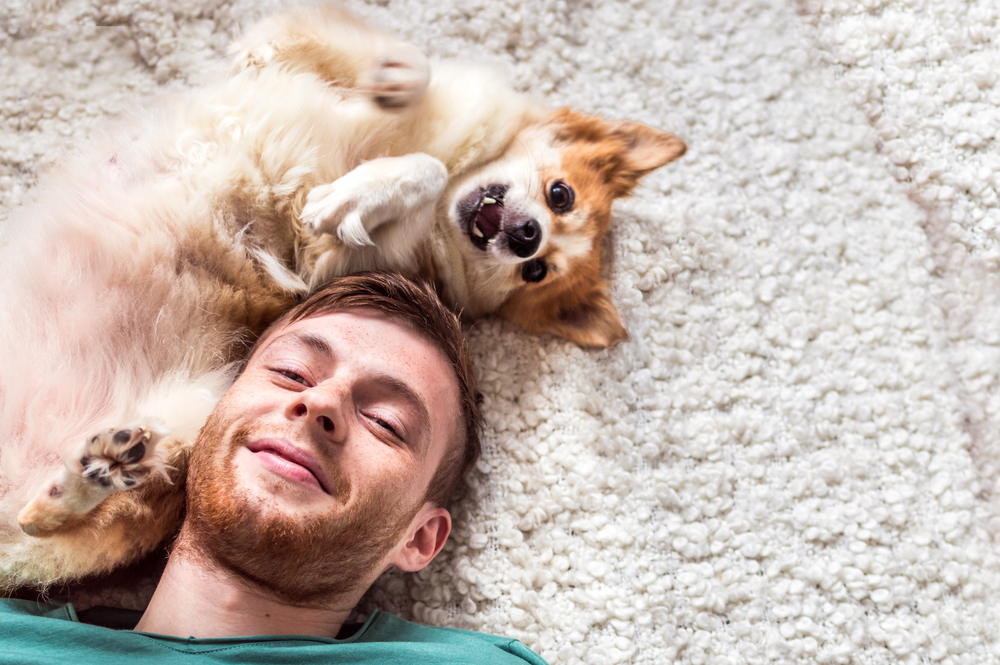
Dogs pick up on the subtle behavior changes that accompany financial worry—checking your phone more frequently, tense conversations, reduced spending on treats or activities. They notice when money stress affects your sleep, appetite, and overall demeanor. The anxiety dogs display during financial difficulties in the household isn’t about understanding money—it’s about detecting that their owner is experiencing chronic stress.
This awareness can manifest as dogs becoming more clingy, developing behavior problems, or seeming depressed themselves. They’re responding to your elevated cortisol levels and changed behavior patterns. Your dog knows something is wrong even though they can’t conceptualize bills or budgets.
12. When You’re About to Have a Panic Attack
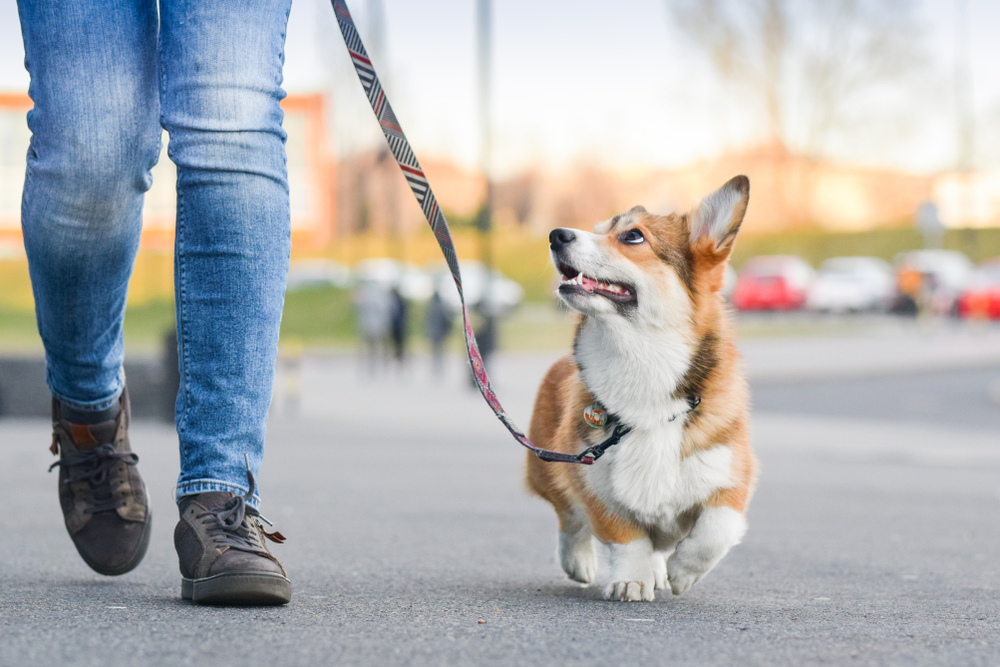
Some dogs can detect panic attacks minutes before they begin, responding to the physiological changes that precede the conscious experience of panic. Heart rate changes, breathing pattern shifts, and chemical releases all signal to your dog that something is happening. Dogs who consistently alert to panic attacks aren’t trained—they’re naturally responding to these detectable changes.
This predictive ability has led many people with anxiety disorders to rely on their dogs as early warning systems. The dog’s alert can sometimes help interrupt the panic cycle before it fully develops. Even dogs who don’t actively alert still know when you’re having a panic attack and often respond with calming pressure or refusal to leave your side.
13. Your Nighttime Habits When Everyone’s Asleep
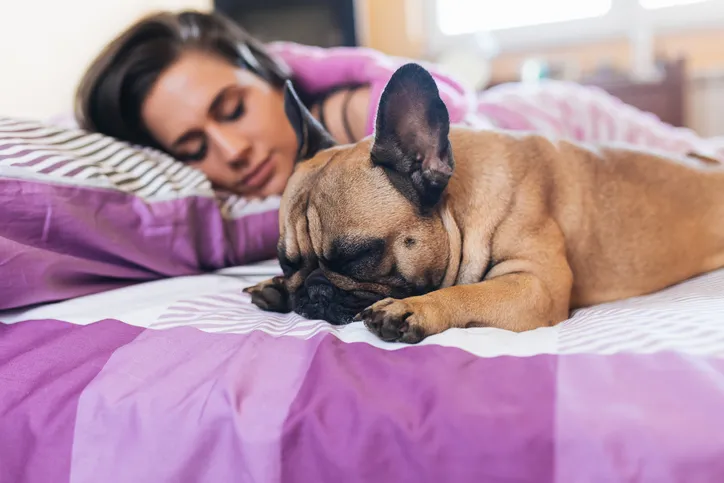
Dogs know exactly what you do during nighttime hours when everyone else is asleep—whether you raid the fridge, scroll on your phone, or get up multiple times. They’re tracking your movements and patterns even when they appear to be sleeping. This is why dogs aren’t surprised when you get up in the middle of the night—they’ve been monitoring you the entire time.
They also know if you have nightmares or restless sleep, responding to changes in your breathing, movements, and scent during different sleep stages. Some dogs will wake you from nightmares or position themselves closer when they detect disturbed sleep. Your dog is essentially standing watch all night, aware of everything you do even in the dark when you think no one notices.