Here’s the part nobody warns you about: pet grief doesn’t end when you stop crying in the car. It just gets quieter, sneakier, and weirdly specific—like reaching for a leash that isn’t there, or hearing nails on the floor that never happen. Now a wave of “grief tech” startups is stepping into that ache with a seductive pitch: what if your pet could “still be here,” in a voice note, a chatbot, a video, a virtual avatar. It sounds comforting until you realize the comfort is often packaged as a subscription—and your love is the product.
1. The Grief Tech Industry Is Betting You’ll Do Anything For One More Moment
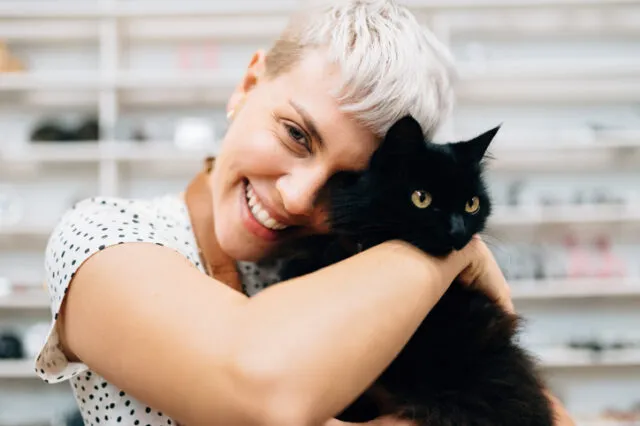
Pet loss is often treated like a minor inconvenience, but for a lot of people, it hits like a real bereavement—and that gap is exactly where these startups move in. The pitch is simple: your pet’s presence felt like stability, so they’ll “recreate” it in a form you can access on demand. That means your photos, videos, voice clips, and memories become raw material for an app experience designed to feel emotionally familiar. And yes, it can be soothing—while also being a business model built on your most vulnerable moment. The emotional intensity isn’t imagined, either—pet loss is increasingly recognized as legitimate grief, and that’s fueling a whole support economy around it.
Reports on pet bereavement note that many owners experience the loss like losing family, even while feeling dismissed by others. That mismatch—big grief, little validation—makes “digital comfort” feel irresistible. If the world won’t take your grief seriously, an app promising your dog’s “voice” might.
2. The “Clone” Usually Starts As A Chatbot Trained On Your Memories

Most of these services aren’t literally cloning anything—they’re building a conversational bot that talks the way you expect your pet to “feel.” You feed it stories, quirks, routines, maybe the way your dog greeted you at the door or your cat’s “judgment blink.” Then the system reflects that back in bite-sized messages meant to mimic presence. It’s less “pet consciousness” and more “emotional autocomplete.”
That can be comforting because your brain is already primed to fill in the blanks, especially when you’re grieving. You don’t need a perfect replica—you need a familiar pattern that makes your nervous system unclench for a second. The risk is you start turning to the bot for regulation instead of processing the loss. And when the app glitches, resets, or updates, it can feel like losing them twice.
3. Some Platforms Are Borrowing The “Dead Loved One Chatbot” Playbook
Pet “digital clones” don’t exist in a vacuum—they’re part of a broader trend of AI tools that simulate dead people via chat, voice, or video. One widely publicized case involved someone using an AI system to recreate conversations with a deceased loved one, which ignited a huge debate about ethics and grief. That same emotional mechanism—interactive presence—is now being repackaged for pet parents. The result is a product that feels tender on the surface, with big psychological questions underneath.
Documentaries and researchers have already raised alarms about “afterlife” AI and how it can complicate mourning rather than resolve it. The biggest concern isn’t that people are “crazy” for wanting it—it’s that grief is persuasive, and tech is optimized to keep you engaged. The more you talk to it, the more it feels “real,” even when you know it isn’t. And the more “real” it feels, the harder it can be to let go.
4. The Next Step Is Voice—Because Hearing Them “Again” Hits Harder

Text is one thing, but voice is where people crack, because it bypasses logic and goes straight to the body. Some startups promise to build a “voice presence” using old videos—barks, meows, little noises, even collar jingles layered into a “soundscape.” You’re not just reading nostalgia, you’re hearing it. And that sensory hit can feel like relief, like painkiller-level relief. But voice is also where the uncanny starts creeping in, because a slightly-off sound triggers a primal “wrong” reaction.
The brain notices timing, tone, rhythm—especially with a pet you loved daily. If the audio feels synthetic, it can be disturbing instead of comforting. And once you’ve paid for that “one more time” moment, it’s hard not to chase it again.
5. Some Companies Are Sliding From “Memorial” Into “Replacement.”
A memorial is supposed to honor what happened, but some products blur into the fantasy that nothing ended. That’s where the language gets slippery: “keep them with you,” “bring them back,” “never say goodbye.” Researchers looking at AI “afterlife” tools have warned that this framing can keep grief in a loop instead of helping it move forward.
The issue isn’t comfort—it’s dependency disguised as healing. In the pet context, it can get even stickier because pets already function like emotional anchors. If your dog was your calm, your routine, your reason to get up, an AI “version” can feel like a lifeline. But lifelines can become leashes if the product is engineered to keep you paying. Comfort shouldn’t require a monthly bill and a data upload.
6. The Wildest Twist Is When It Gets Paired With Real Pet Cloning

Here’s where things go full sci-fi: some people are combining AI memorial tools with actual biological pet cloning. Commercial pet cloning exists, and companies like ViaGen publicly offer cloning services for cats and dogs using stored cells. If you can create a living genetic “copy,” the temptation to also recreate the personality digitally becomes intense.
But genetics aren’t personality, and anyone who’s loved animals knows that painfully well. A clone may look similar, but behavior is shaped by environment, bonding, and chance. AI tools try to patch that gap by “restoring” the vibe through chat or voice. It’s basically a two-pronged attempt to rebuild what was never meant to be rebuildable.
7. Your Data Becomes The Product—And Grief Makes People Overshare
To build a convincing “pet clone,” these platforms often ask for an intimate archive: daily photos, videos inside your home, voice clips, routines, locations, even family details. Researchers and ethicists discussing AI “digital afterlife” tools consistently point to privacy risks—because the raw material isn’t just about the pet, it’s about you. Your home layout, your kid’s voice in the background, your habits, your grief spiral at 2 a.m.—it’s all in there.
And once it’s uploaded, you’re trusting a company to protect it forever. Grief also lowers your defenses, which is why “just share more memories to improve the clone” can turn into a bottomless pit. You keep feeding it because you want it to feel closer. That’s not weakness—it’s love. But companies can monetize love with frightening efficiency.
8. Kids Get Pulled Into It—And That Changes The Stakes

Adults can hold two truths—“this isn’t real” and “this comforts me”—but kids often can’t. If a child believes the pet is “still here” in the phone, it can delay their understanding of death in ways parents don’t anticipate. It can also become emotionally confusing if the bot says something that doesn’t match the child’s memory. And children tend to anthropomorphize animals naturally, which makes the illusion stickier.
Even for adults, grief can feel like bargaining, and this is bargaining with Wi-Fi. The tool can be used gently, like a scrapbook you can talk to. Or it can become a substitute relationship that crowds out real coping. With kids, the line between those two can vanish fast.
9. The “Hologram” Dream Is Mostly Marketing—But The Emotion Is Real
Some startups love flashy demos—AR pets “in your living room,” a 3D avatar that trots toward you, a “presence mode” that pings you like your pet is checking in. The visuals can be cute, but they rarely match the depth people want, which is the feeling of being chosen by that animal. Still, even a shallow illusion can trigger a deep emotional response. Your brain doesn’t need perfect resolution to miss someone.
The danger is when the marketing implies closure, like you can outsource mourning to a feature update. A hologram doesn’t fix the silence in the house. It just decorates it. And when the novelty wears off, you’re left with the same grief—plus the awkward awareness that you paid for a simulation.
10. The Subscription Model Can Turn Love Into A Monthly Anxiety
This is where people get blindsided: the “clone” isn’t a one-time memorial, it’s a service. That means tiers, upgrades, storage limits, and the subtle dread of “what happens if I stop paying?” If your pet’s “presence” is locked behind an account, the cancellation button feels like another death. And that’s a brutal psychological bind to place someone in. Even if the company is well-meaning, financial friction changes grief. Suddenly, your mourning has customer support tickets and billing cycles.
People start using the bot more because they’re paying, not because it’s helpful. When comfort becomes a product, you must keep “active,” it stops being comfort and starts being control.
11. The Uncanny Valley Isn’t Just Creepy—It Can Be Genuinely Upsetting
With pets, people remember micro-details—how your cat chirped, how your dog’s ears moved when you said “treat.” If a digital clone gets those wrong, it can feel like a parody of someone you adored. That mismatch can trigger anger, guilt, or a sick feeling you can’t quite name. And then you’re grieving your pet and also grieving the fact that the “clone” didn’t deliver what you needed. Some people will still choose it because imperfect closeness is better than none.
Others will try it once and feel haunted rather than helped. The point is: you can’t predict your reaction until you’re in it. And grief is already unpredictable enough without adding software.
12. It Can Rewire Your Memory Of Them—In A Way You Don’t Expect
When you repeatedly interact with a simulation, it can start to overwrite the edges of your real memory. You begin remembering the “version” you talked to last week, not just the animal you lost. That might sound dramatic, but memory is reconstructive, and grief makes it even more fluid. The clone can slowly become the loudest version of them in your head. For some people, that’s soothing because it keeps the bond accessible.
For others, it’s unsettling because it feels like the real pet is being replaced by an app personality. If the bot’s tone shifts after an update, it can feel like your pet “changed.” And that’s a uniquely modern kind of heartbreak.
13. The Line Between Comfort And Scam Is Thin In This Space
Any trend fueled by grief attracts opportunists, and “digital cloning” is catnip for shady marketing. If a company promises miracles—“exact personality,” “true consciousness,” “your pet talks back exactly like before”—that’s a red flag. The most honest products call themselves memorial tools, not resurrections. The shadiest ones sell resurrection language while delivering a generic bot with your pet’s name on it.
People also underestimate how easy it is to fake demos with careful scripting. A short clip can look magical while the real product feels hollow. If you’re grieving, you’re more likely to believe the promise because you want to. And scammers know that.
14. Some Pet Parents Love It—Because Love Doesn’t Stop Just Because Death Happened

Not everyone finds it creepy—some people genuinely feel helped by having a place to “talk” and ritualize their memories. It can function like a journal that answers, which can be emotionally regulating in the early shock stage. It can also provide companionship to people who rely on their pets as their primary emotional support. For them, the tech doesn’t replace the pet—it supports the human.
The healthiest version of this trend treats the clone as a container for remembrance, not as a substitute for a relationship. It’s the difference between visiting a memorial and pretending the person never died. If the tool helps you honor what was real, it can be gentle. If it tries to convince you the loss didn’t happen, it can become a trap.
15. The Big Question Is Whether We’re Building Healing Tools Or Avoidance Machines
This trend exists because pet love is real, and pet grief is real, and modern life gives people fewer spaces to process it. Tech is offering something that looks like emotional support—but packaged as engagement, retention, and revenue. That doesn’t automatically make it evil, but it does mean the incentives aren’t purely compassionate. In the wrong hands, it becomes an avoidance machine that keeps you circling the loss instead of integrating it.
The future likely isn’t “no” or “yes,” but boundaries—what the product claims, how it stores data, and whether it encourages closure. People deserve tools that respect grief, not exploit it. And if a company is serious, it should be transparent about what it is: a memorial experience powered by patterns, not a pet soul revived. Because honesty is the only thing that keeps comfort from turning into something darker