
There’s an unsettling trend creeping across the American landscape, and it’s not a new TikTok challenge—it’s a climate phenomenon that’s hitting close to home. As “forever droughts” affect more and more states, property values in some areas are starting to evaporate faster than an ice cube on an Arizona sidewalk. For homeowners, real estate investors, and those dreaming of a white picket fence, it’s time to consider the implications of these prolonged dry spells. Here are 13 states where these forever droughts are reshaping property values, and what that means for your future in the housing market.
1. California: The Poster Child for Drought

California isn’t just about Hollywood glitz and Silicon Valley startups; it’s also a state that’s been thirsting for water like a marathon runner at mile 25. With its recurring droughts, California has become a case study in how limited water resources can impact property values. These droughts aren’t just inconvenient—they’re reshaping where people want to live, and property values are reflecting this shift. Urban and coastal areas may still fetch a premium, but rural and suburban regions are feeling the pinch.
According to a study by the Public Policy Institute of California, property values in drought-stricken areas have seen a noticeable decline as water scarcity becomes a permanent resident. This isn’t just about higher water bills; it’s about the long-term sustainability of living in areas without reliable water access. People are increasingly factoring this into their decisions, leading to a real estate market that’s as unpredictable as the state’s weather patterns. So, if you’re considering making California your home, it’s wise to think beyond the beach views and exciting city life.
2. Arizona: More Than Just a Dry Heat

Arizona’s known for its sweltering heat, but now it’s also recognized for its enduring drought conditions. While the Grand Canyon State often boasts about its sun-soaked days, the lack of water is starting to create cracks in its real estate market. Homebuyers are becoming wary of purchasing properties that can’t guarantee sufficient water access, and this hesitation is starting to show in property appraisals. It’s not just the desert communities feeling the heat—urban centers like Phoenix and Tucson are grappling with the implications, too.
With water conservation becoming a household norm, Arizona’s residents are finding that lush green lawns are a luxury few can afford. As water restrictions tighten, the demand for water-efficient homes rises, reshaping what buyers look for in their desert oasis. You might find that the real estate market here demands a savvy understanding of water rights and future sustainability. It’s a classic case of the environment directly influencing the housing market, and navigating it requires both caution and foresight.
3. Nevada: The Silver State’s Water Woes
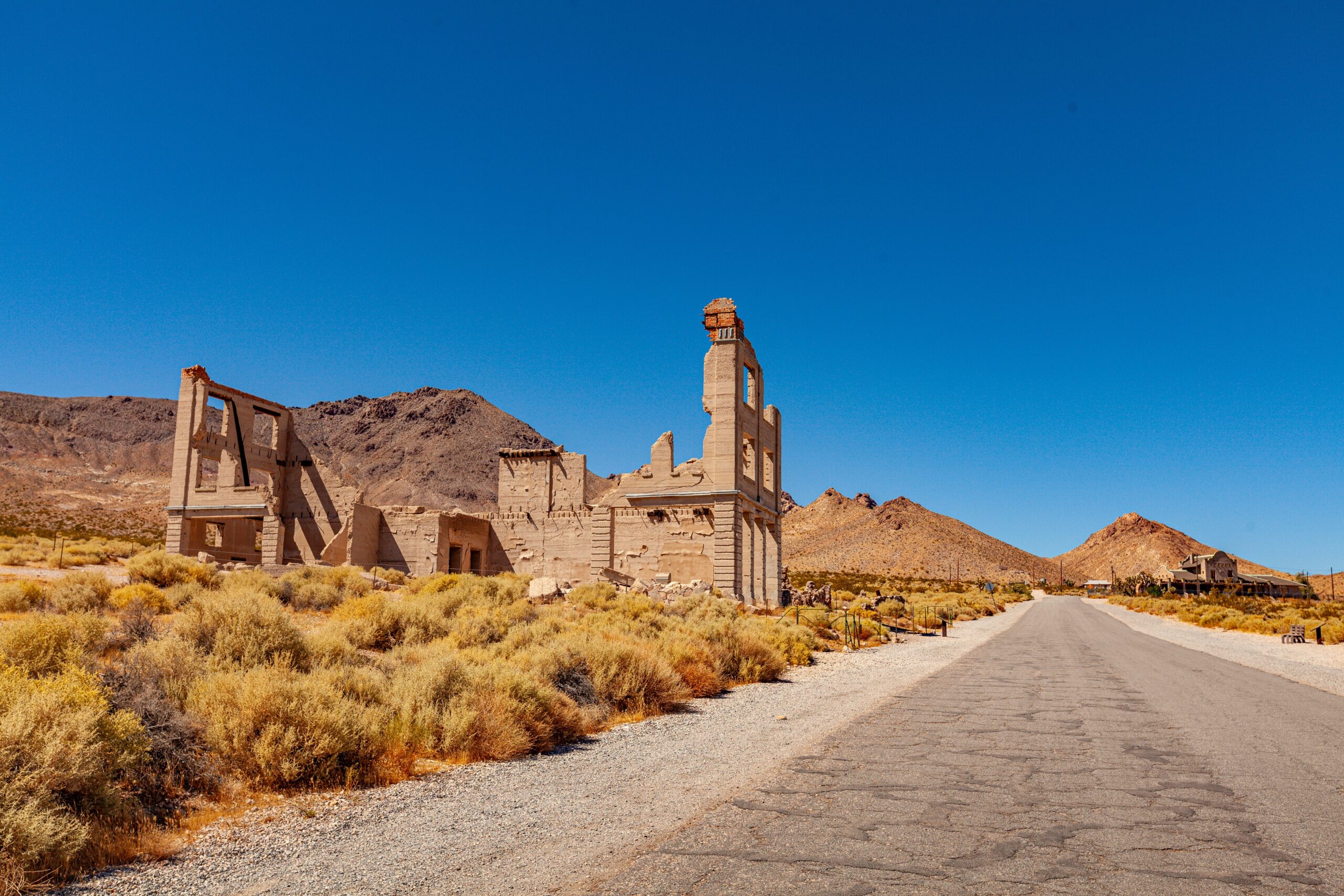
Nevada may be famous for the bright lights of Vegas, but away from the Strip, the story is more about water scarcity than jackpots. The state is facing long-term drought conditions that are reshaping its housing market in significant ways. Newcomers are often surprised to learn that the allure of Nevada’s no income tax and low cost of living comes with a major caveat: limited water resources. As a result, areas outside the urban centers are experiencing a real estate slump.
The Nevada Department of Water Resources has highlighted how these drought conditions are pushing residents and investors to reconsider their options. Housing developments are now competing for dwindling water supplies, leading to increased costs and decreased interest from potential buyers. As a property owner or prospective buyer, it’s crucial to weigh the benefits of Nevada living against these growing environmental challenges. For many, the question becomes whether the economic savings are worth the environmental costs.
4. Texas: The New Frontier for Water Conservation

Texas might call itself the Lone Star State, but it’s certainly not alone in dealing with devastating drought conditions. Known for its wide-open spaces and bigger-than-life personality, Texas is finding that its water resources aren’t quite as expansive. The state’s population boom has only exacerbated the issue, putting pressure on already stressed water systems. This is translating into an ever-more complex real estate market, particularly in regions that can’t promise a reliable water supply.
In areas like West Texas, property values are beginning to reflect the harsh realities of water scarcity. Urban centers such as Austin and Dallas are increasingly focused on sustainability initiatives to mitigate these challenges. If you’re eyeing Texas for its economic opportunities and lifestyle perks, it’s important to factor in the long-term water outlook. The saying “everything’s bigger in Texas” might hold true, but that doesn’t extend to its water resources.
5. Colorado: From Snowcapped Peaks to Dry Valleys
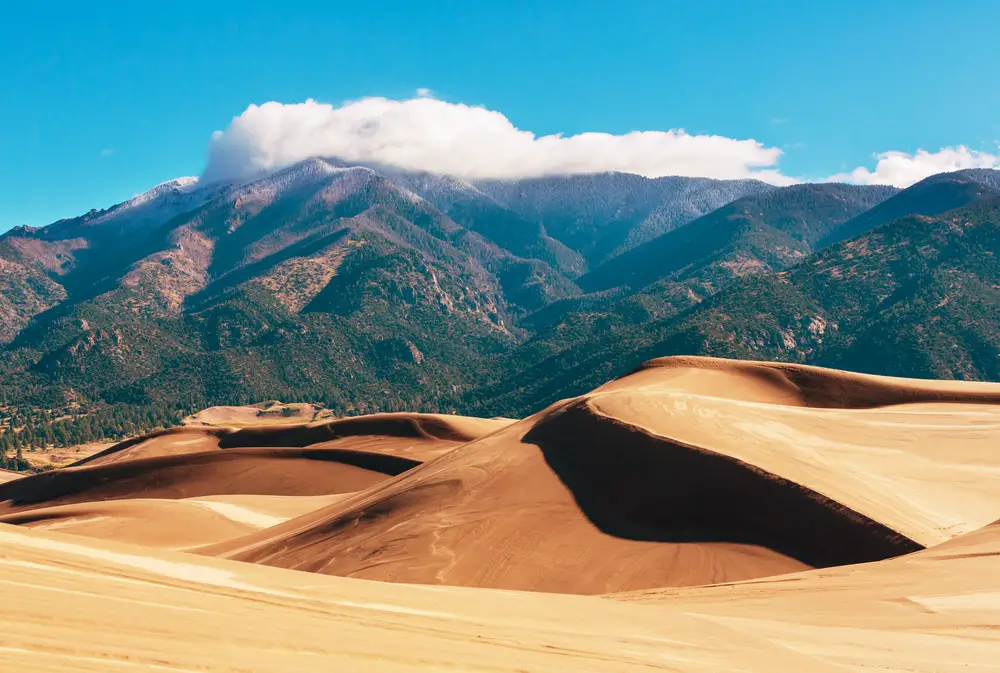
Colorado’s breathtaking landscapes might make it seem like a paradise untouched by drought, but that’s far from the truth. The state is grappling with its own long-term water issues, driven by decreasing snowpack in the Rockies and increasing demands from a growing population. While ski towns and mountain retreats maintain high property values, regions dependent on agriculture and ranching are increasingly vulnerable. These areas are seeing property values start to dip as water scarcity becomes a more pressing concern.
Experts from the Colorado Water Center point out that the state is at a critical juncture, needing to balance growth with sustainable water management. The resulting uncertainty is making some potential homeowners think twice before buying property in drought-affected regions. This is especially true for those who are new to the area and may not fully grasp the complexities of Colorado’s water challenges. So if you’re considering putting down roots in the Centennial State, it’s wise to understand how water availability might shape your investment.
6. Utah: A High Desert Dilemma
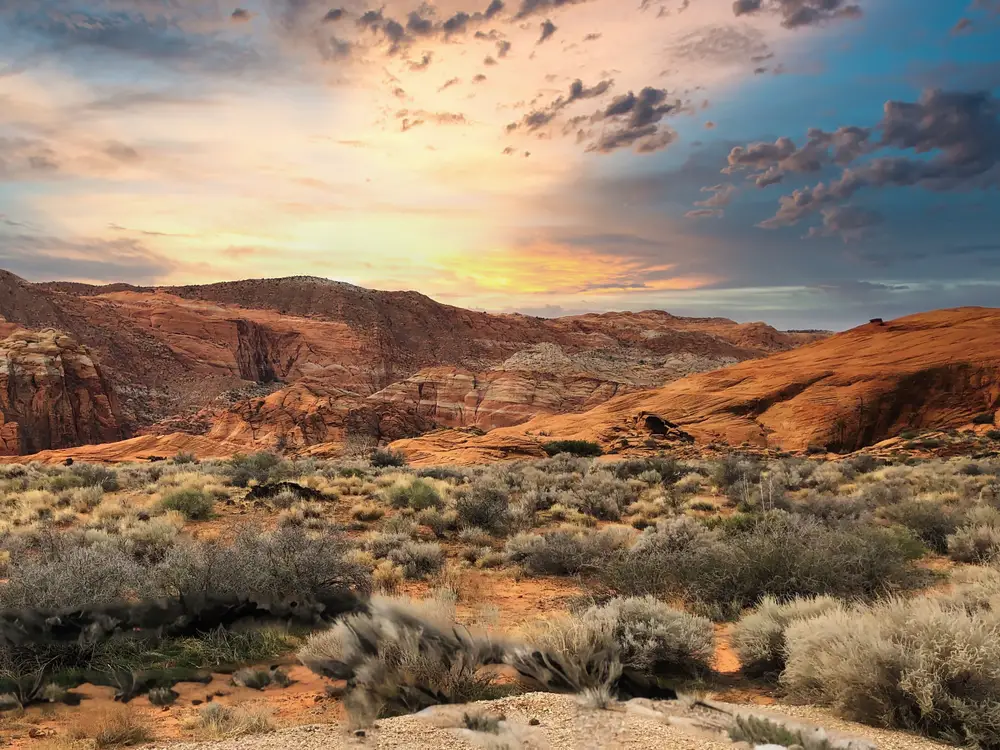
Utah’s stunning landscapes and national parks might paint a picture of natural abundance, but beneath the surface, the state is dealing with significant drought conditions. The Beehive State is experiencing some of the driest periods on record, which is beginning to sting homeowners and the real estate market. As people flock to Utah for its outdoor lifestyle and economic opportunities, the demand for housing continues to swell. However, water scarcity is making some prospective buyers reconsider their options.
While Salt Lake City and its surrounding areas are expanding, the challenge of securing enough water looms large. The state has implemented numerous water conservation efforts, which are crucial, but they also highlight the ongoing issues that come with limited resources. For those eyeing a piece of Utah’s real estate pie, the question becomes whether the state’s natural beauty outweighs its water limitations. It’s a balancing act that requires careful thought and planning.
7. New Mexico: Land of Enchantment and Drought
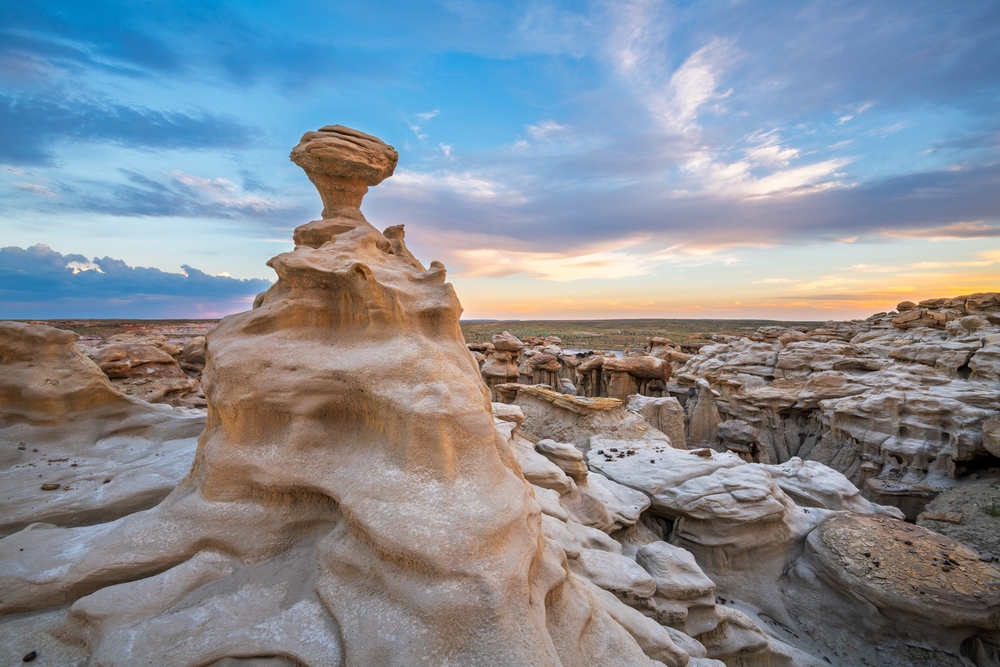
New Mexico’s allure has always been its unique blend of cultures and landscapes, but it’s now also known for enduring drought conditions. These long-term water shortages are making their mark on the state’s real estate market, especially in rural and agricultural communities. While the vibrant city of Albuquerque continues to attract new residents, areas outside the metro are seeing a decline in property values. It’s a trend that’s making people think twice about investing in the more arid corners of the state.
According to data from the New Mexico Water Resources Research Institute, the implications of drought are more than just low reservoir levels—they’re affecting economic growth and housing demand. This puts potential homeowners in a tricky position, as they must weigh the charm of New Mexico against its environmental challenges. If you’re drawn to the state for its culture and landscapes, it’s important to consider how these persistent droughts might impact your lifestyle and investment. The Land of Enchantment may still enchant, but it demands a new level of awareness and preparedness from those who choose to call it home.
8. Oregon: More Than Just Rainy Days
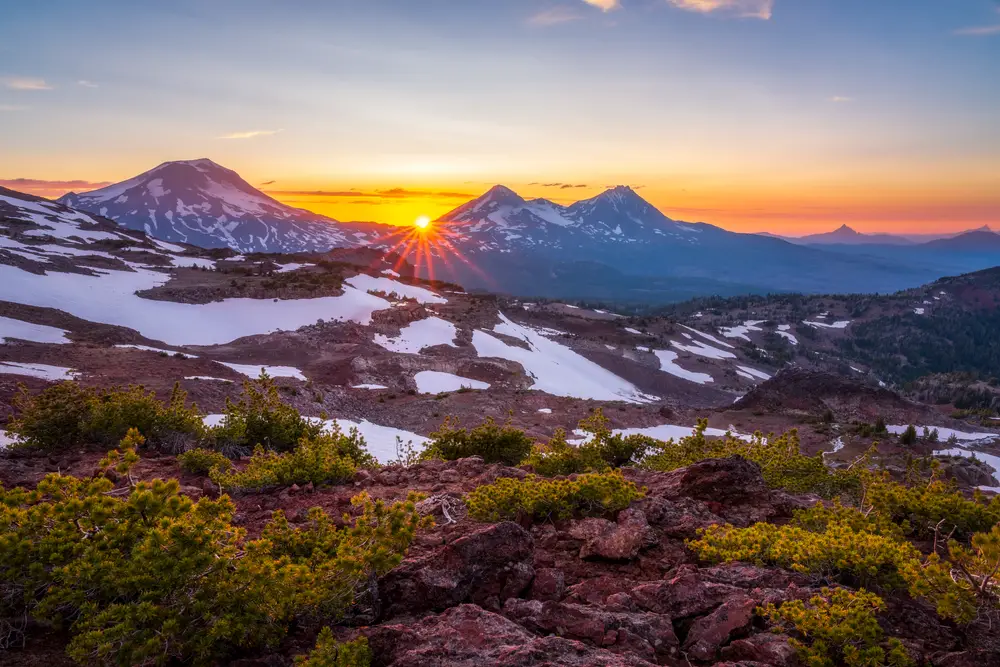
When you think of Oregon, you might picture lush forests and rainy days, but the state is facing its own drought challenges. While the coastal regions continue to receive ample rain, the eastern parts are drying up, which is affecting property values in unexpected ways. The divide between the wet west and dry east is becoming more pronounced, leading to a varied real estate market. People looking to buy in Oregon must now consider how these drought conditions could affect both their quality of life and their long-term investments.
As Portland and other western cities continue to thrive, areas reliant on agriculture and farming are feeling the strain of limited water resources. This dichotomy is creating a situation where buyers need to be more savvy and well-informed than ever before. If you’re considering making Oregon your home, it’s important to understand that the state’s reputation for rain doesn’t extend to all corners. Being prepared for these regional disparities will help ensure your decision is both informed and resilient.
9. Kansas: The Heartland’s Water Crisis
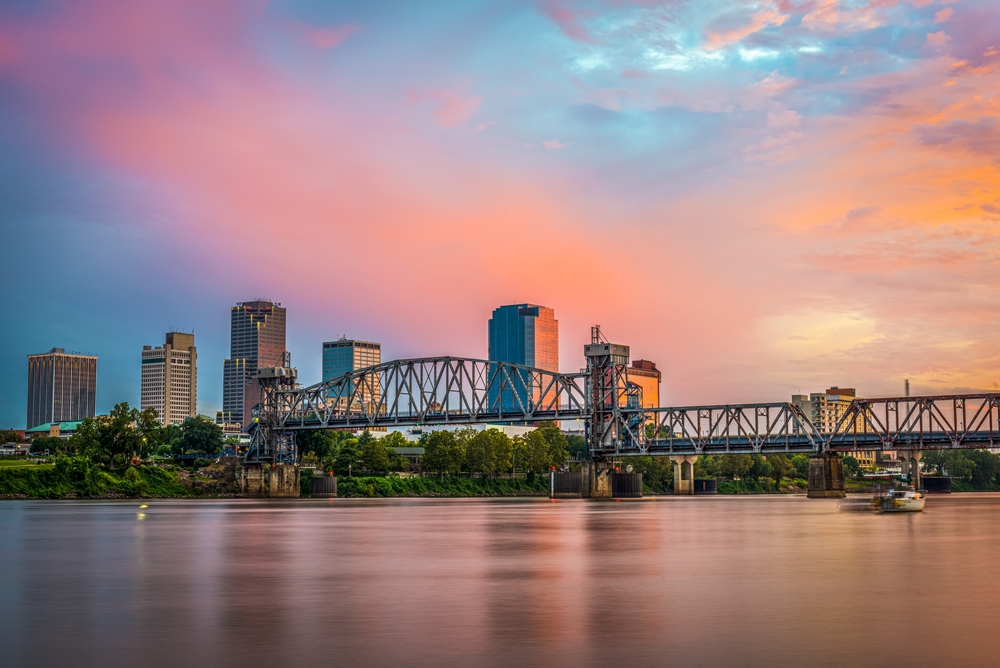
Kansas might be in the nation’s heartland, but it’s also at the heart of a growing water crisis. Known for its agriculture and wide-open spaces, the state is experiencing drought conditions that are impacting its property markets. Areas that once thrived on farming and ranching are beginning to see property values dip as water availability becomes less certain. These shifts are making some people reconsider the long-term viability of investing in Kansas real estate.
The state is taking steps to address these challenges, but the impact on the housing market is undeniable. For those considering Kansas as a place to plant roots, it’s critical to understand how these water issues might affect your property’s future value. While the state offers a quintessential slice of Americana, the environmental challenges are a growing concern. As you weigh the pros and cons, keep in mind that Kansas’s charm comes with a new set of considerations.
10. Idaho: From Potato Harvests to Water Scarcity
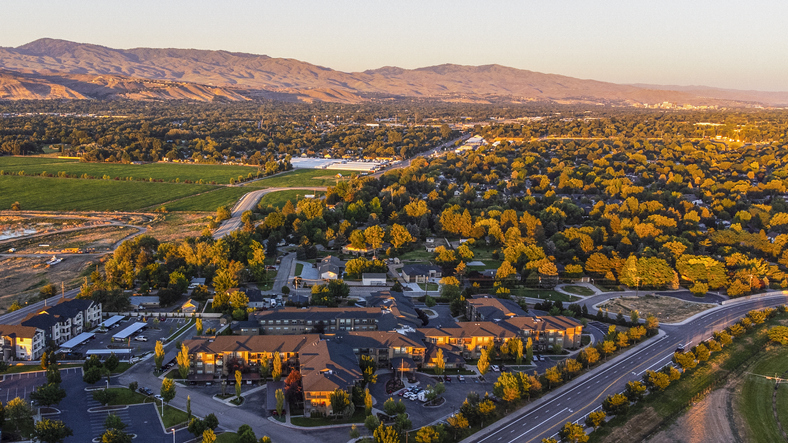
Idaho might be famous for its potatoes, but it’s facing a significant challenge with water scarcity that’s starting to reshape its property market. While the state has traditionally been a bastion of agriculture and wide-open spaces, these drought conditions are beginning to take a toll. Areas that once attracted buyers for their rich farmlands are experiencing a dip in property values as water becomes a more scarce commodity. It’s a shift that’s making both current residents and potential newcomers rethink their options.
As the state grapples with these environmental challenges, the real estate market is moving towards more sustainable and water-efficient solutions. People are increasingly valuing homes that come with water-saving features, which is changing how properties are evaluated and sold. If you’re considering Idaho for its natural beauty and agricultural appeal, it’s essential to understand how ongoing droughts might impact your investment. The land of famous spuds is demanding a new level of environmental awareness and adaptability.
11. Oklahoma: More Than Plains and Tornadoes
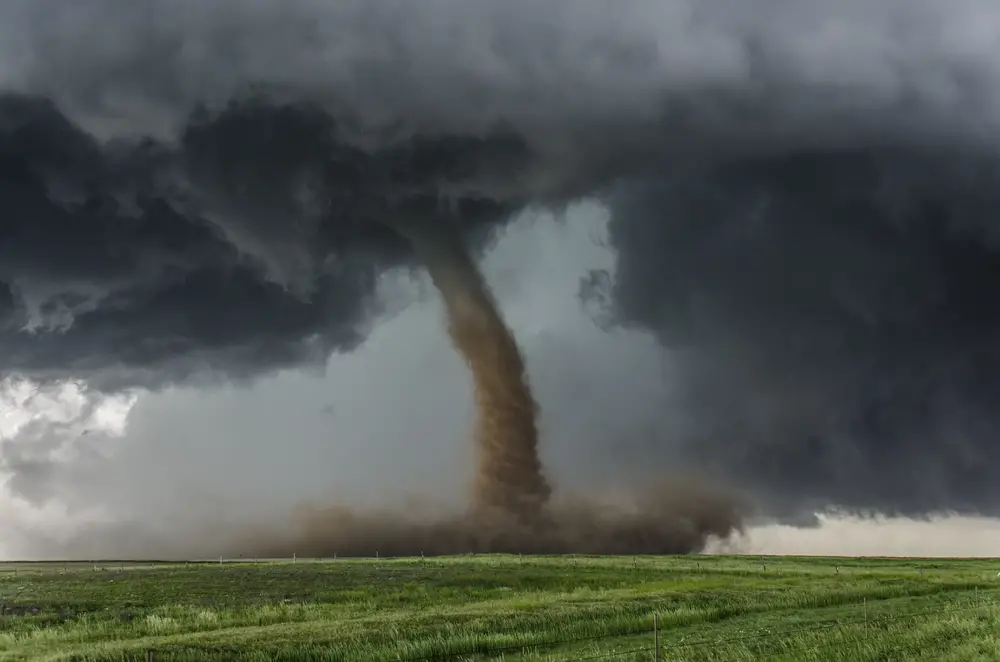
Oklahoma is often associated with its plains and tornadoes, but it’s facing a quieter, albeit just as impactful, challenge with drought. The state’s agricultural sectors are particularly hard hit, which is starting to have a ripple effect on the housing market. As farmers and ranchers struggle with water shortages, property values in these areas are beginning to feel the strain. The result is a more complex real estate landscape that requires careful navigation.
While cities like Oklahoma City and Tulsa continue to grow, the drought conditions are prompting people to reconsider rural investments. If you’re looking at Oklahoma as a potential home, it’s crucial to understand how these environmental factors might influence your decision. The state offers a unique blend of opportunities and challenges, but water scarcity is a growing consideration. As you weigh your options, keep in mind that Oklahoma’s charm is intertwined with its environmental realities.
12. Montana: Big Sky, Little Water
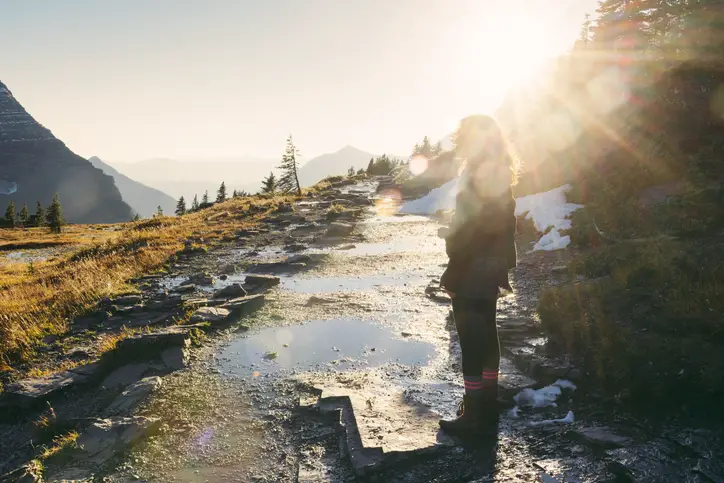
Montana is known for its big sky and expansive landscapes, but these picturesque vistas are increasingly accompanied by drought conditions. The state is experiencing some of the driest periods on record, affecting everything from agriculture to property values. While the allure of Montana’s natural beauty remains, the ongoing water scarcity is making people reconsider their options. As irrigation challenges mount, areas that once thrived on farming are beginning to see a decline in real estate appeal.
The growing drought is prompting residents and newcomers alike to evaluate water efficiency and sustainability. Those interested in Montana’s stunning landscapes and serene lifestyle must now factor in the long-term implications of water scarcity. It’s a balancing act that requires a deep understanding of both environmental and economic factors. If you’re dreaming of living under Montana’s big sky, it’s important to be informed and prepared for the new challenges that come with it.
13. Wyoming: Cowboy State’s Drought Dilemma
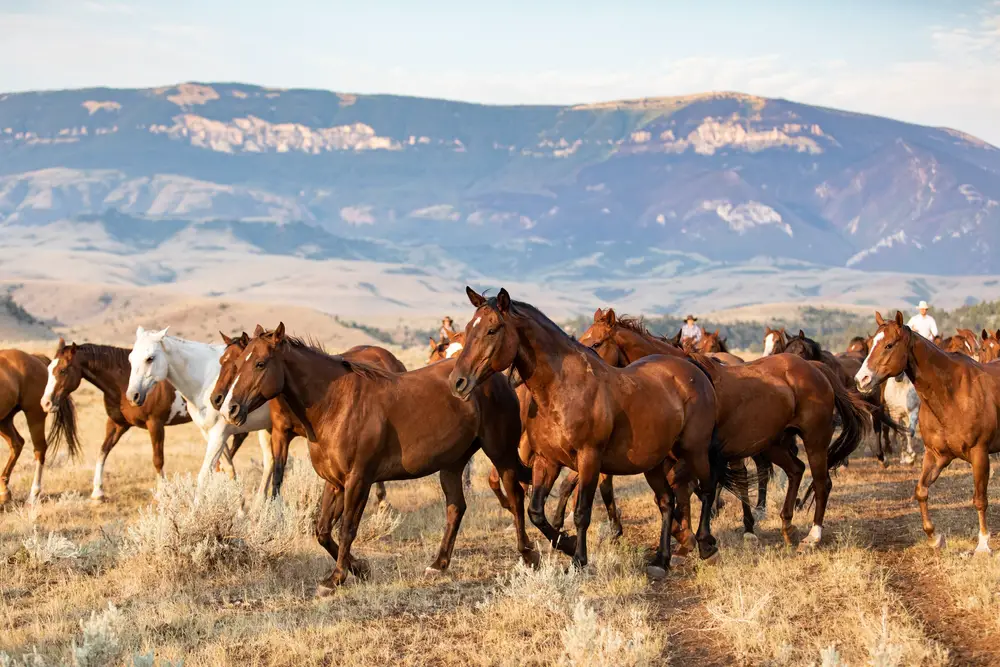
Wyoming’s rugged beauty and cowboy culture might make it seem untouched by modern challenges, but it’s not immune to drought conditions. The state’s water scarcity is beginning to make waves in its real estate market, particularly in rural and agricultural areas. While city centers like Cheyenne and Jackson Hole continue to attract people for their amenities and lifestyle, the more remote areas are grappling with the realities of limited water resources. This shift is prompting potential buyers to think twice about investing in certain parts of the state.
As the drought continues, Wyoming’s housing market is becoming increasingly complex, demanding a greater level of awareness and understanding. For those drawn to the state’s natural beauty and open spaces, it’s crucial to consider how these environmental challenges might affect your real estate investment. The Cowboy State may still offer a unique lifestyle, but it comes with a new set of considerations. Being prepared for these challenges will help ensure a more informed and resilient decision-making process.