
America’s prettiest lakes have a darker side, and dogs are usually the first to pay for it. Warm water, nutrient runoff, and long heat streaks can trigger harmful algal blooms—especially cyanobacteria (“blue-green algae”)—that can make dogs dangerously sick within hours. Add in pollution legacies, stormwater surges, and shoreline scum that looks like harmless “pond foam,” and you’ve got a problem that feels invisible until it isn’t. Here are some of the most loved, most visited U.S. lakes where pet owners need to stay extra alert—because the vibe can be pristine while the water is absolutely not.
1. Lake Erie
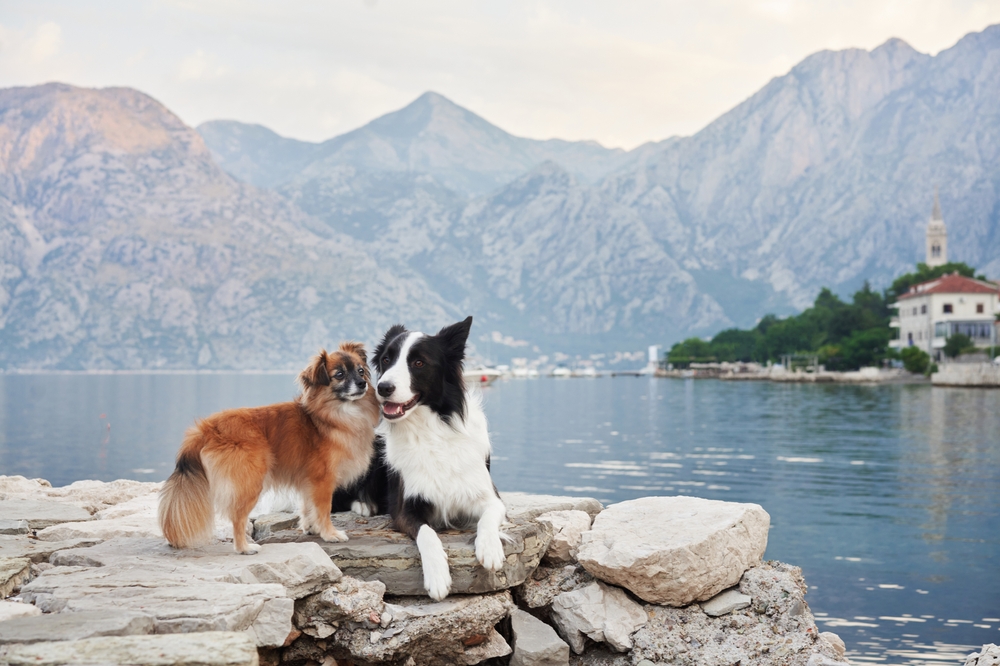
Lake Erie is famous for summer weekends, boat days, and that “we’re basically on the ocean” feeling. But it’s also notorious for harmful algal blooms that can concentrate near shore—exactly where dogs splash, drink, and lick their fur afterward. Cyanobacteria toxins can be far more dangerous to pets than people because dogs ingest more water, and they don’t stop at a sip. Veterinary and animal-safety experts warn that exposure can happen through swallowing water, eating algae mats, or grooming toxin off the coat.
The scary part is how normal it can look from a distance—just a little scum, a little foam, a little swampy edge. Dogs don’t interpret “gross-looking” as “medical emergency,” so they’ll wade right into the most concentrated zone. If you see streaks, slicks, clumps, or anything that resembles spilled green paint, treat it like a hard no. And if your dog gets wet anyway, rinse them immediately with clean water before they start licking.
2. Lake Okeechobee (Florida’s Bloom Pipeline)

Lake Okeechobee is enormous, iconic, and deeply tied to Florida’s water system—which is exactly why problems don’t stay contained. When blooms develop, they can move through connected waterways and show up where families walk dogs, paddle, or fish. Your dog doesn’t need to swim across the lake to be affected—one shoreline gulp can be enough. The bigger the water system, the easier it is for toxins to spread into everyday recreation spots.
This is also a place where heat, nutrients, and shallow water can team up in the worst way. Some days it looks fine until you’re close enough to notice the shoreline slick. If you’re anywhere near a canal, marina edge, or stagnant-looking inlet, assume bloom conditions can pop up even if the “main” lake looks blue. When in doubt, keep your dog leashed and away from the waterline.
3. Lake Pontchartrain

Lake Pontchartrain is one of those places that feels like a giant backyard—beaches, paths, breezes, and “just one quick splash.” But warm, nutrient-rich water and storm-driven runoff can create conditions where bacteria and algae thrive, especially in calmer pockets. Dogs are drawn to the edges: the shallows, the seaweed-y areas, the places where scum collects. That shoreline zone is exactly where toxins can be most concentrated.
Public warnings often focus on swimming for humans, but dogs behave differently and take bigger risks. They drink the water, chase sticks, bite at floating mats, and then groom themselves like it’s their job. If your dog comes out smelling “pondy” or looking like they have a faint green film on their fur, don’t shrug it off. Rinse them, watch for vomiting, weakness, drooling, or wobbliness, and call your vet if anything feels off.
4. Lake Tahoe

Lake Tahoe has a reputation for clarity, beauty, and “this water is probably healthier than me.” But even lakes with a pristine brand can develop localized problem areas—especially near warm shallows, marinas, and slow-moving coves. The danger isn’t always a whole-lake event; it’s a pocket of shoreline where algae or bacteria can quietly spike. And dogs don’t stay in the photogenic deep-blue section—they go straight for the warm edges.
What gets pet owners is the mismatch between the vibe and the risk. You’re standing in postcard water, your dog is thrilled, and it feels ridiculous to worry. But toxins can be patchy, and “patchy” is all it takes when your dog treats the shoreline like a buffet. If you notice any unusual film, surface streaking, or clumped growth along rocks, redirect your dog immediately. Tahoe is the classic reminder that appearance is not a water quality test.
5. Clear Lake, California

Clear Lake is popular for fishing, boating, and that laid-back Northern California lake life. It’s also one of those places where blooms can become a recurring seasonal storyline, and “recurring” is exactly what makes dogs vulnerable—people get desensitized. One week it’s fine, the next week the shoreline looks a little thick, and suddenly your dog is licking algae off their paws like it’s seasoning. Animal-safety guidance warns that exposure to cyanobacteria can be dangerous through ingestion and grooming after contact.
The emotional trap is thinking a little algae is just nature doing nature. But cyanobacteria isn’t “just algae” in the harmless, seaweed-on-your-ankle sense—it can carry toxins that hit the liver or nervous system fast. If you’re at a lake known for blooms, assume the risk rises sharply during hot spells and still-water days. Keep fresh drinking water on hand so your dog isn’t tempted to sip from the lake. And if you see mats, scum, or streaks, treat it like a closed beach—even if nobody put up a sign.
6. Utah Lake

Utah Lake is shallow and warm-prone, which is a combo that can supercharge bloom conditions. Shallow lakes heat up faster, and warm water helps cyanobacteria grow and concentrate near shore. Dogs tend to swim, then drink, then play, then drink again—so their exposure can stack quickly. Even if the lake looks “normal” at a glance, wind can push scum into certain areas and create a toxic hotspot. This is also where “wading” can be riskier than swimming.
A dog that stays in the shallows is basically hanging out in the zone where algae mats collect and break apart. If you’re going to a shallow lake, your safest move is to keep your dog out entirely and offer a kiddie pool or rinse station back at the car. And if your dog does get in, don’t wait to see what happens—wash them off before they lick themselves clean.
7. Lake Champlain
Lake Champlain is beloved, massive, and shared across communities that treat it like summer’s main character. But large lakes can still produce small, nasty bloom zones—especially in bays, inlets, and near agricultural runoff paths. Cyanobacteria isn’t always dramatic; sometimes it’s a thin surface slick that looks like pollen. Dogs, unfortunately, don’t differentiate between “pollen-looking” and “potential toxin.”
The biggest risk behavior is letting your dog fetch sticks from the shoreline where scum collects. They don’t just touch the water—they bite whatever’s floating, then swallow some, then lick the rest off. If your dog comes out with a greenish tint, smells musty, or seems unusually drooly afterward, treat it as a red flag. Don’t “wait it out” overnight if symptoms begin; early vet care matters with toxin exposure. Always check local advisories before letting pets swim, even if the beach appears open.
8. Lady Bird Lake, Texas
City lakes feel safe because they’re so integrated into daily life—joggers, paddleboards, families, dogs everywhere. But urban runoff, heat, and stagnant corners can make these waters unpredictable, and pets often get exposed first because they’re low to the ground and obsessed with the shoreline. Dogs will drink from shallow edges that people wouldn’t touch, then lick themselves in the car like it’s a spa day. A “normal” paddle spot can become risky fast under the right conditions.
The biggest issue is assuming “if it were dangerous, someone would stop us.” Sometimes advisories lag behind real-time conditions, and sometimes the bloom is localized. If your dog is the type to gulp water mid-play, you need to treat any warm, still, green-tinged lake edge like a hazard zone. Bring clean water, keep them on leash near shore, and avoid areas with any surface film. Your dog doesn’t need a full swim to get a toxic dose.
9. Lake Michigan Shoreline Hotspots

People hear “Lake Michigan” and assume endless dilution equals endless safety. But shoreline conditions can behave like a separate micro-environment, especially in marinas, lagoons, and warm, sheltered areas where water circulation is low. That’s where algae can collect, break apart, and intensify—right where dogs love to romp. The lake can look gorgeous fifty feet out and questionable right at the edge.
Dogs are also more likely to stir up sediment and scummy material because they run, dig, and paddle like tiny chaos engines. That movement can mix whatever’s sitting in the shallows into the water they’re actively swallowing. If you’re at a beach with dead fish, thick plant mats, or a visible surface sheen, skip the “quick dip.” A hike away from the waterline is a better day than an emergency vet visit.
10. Lake Superior Harbors And Marinas

Lake Superior gets the “it’s too cold for problems” reputation, and sometimes that’s true—until it isn’t. Harbors and marinas can be warmer, slower, and more polluted than open water, creating pockets where bacteria and algae conditions diverge from the rest of the lake. Dogs don’t swim in the middle of the lake; they swim where boats idle and shoreline gunk gathers. Even in cold regions, a sheltered inlet in late summer can turn into a risk zone.
The other issue is what dogs pick up on the shore: decaying organic matter, dead fish, and mystery sludge. If your dog is a scavenger, they’ll grab the one thing you didn’t see and swallow it before you can blink. Keep them on leash around rocky harbor edges, and don’t let them drink from puddles near the lake that may contain concentrated runoff. Cold water doesn’t automatically mean safe water for pets.
11. Lake Mead
Lake Mead is famous in a way that’s almost symbolic—drought, water levels, and the whole “the West is changing” narrative. When water levels drop and heat intensifies, the shoreline changes, circulation patterns shift, and certain contaminants can become more concentrated in specific areas. Dogs tend to drink more when it’s hot, so they’re at higher risk precisely when conditions are most stressful. Even if the main channel looks fine, shallow coves can behave very differently. This is also where “desert lake fun” can lead to dehydration-related decision-making.
A thirsty dog will drink anything if you haven’t brought enough clean water. If you’re near a low-water shoreline that looks stagnant, smells funky, or has a visible ring of residue, don’t let your dog wade. Pack extra water like it’s non-negotiable, because it is.
12. Lake Lanier

Lake Lanier is the kind of lake where summer is loud—boats, people, beaches, dogs, everything. Heavy use plus stormwater and nutrient runoff can create conditions where water quality fluctuates more than visitors expect. Dogs swim close to shore where oils, debris, and algae can collect after high-traffic weekends. The water can look totally normal until your dog comes out smelling like a swamp. If you’re at a crowded lake, don’t assume “popular” equals “safe.” Popular just means many bodies and many opportunities for shoreline conditions to degrade.
Keep your dog from drinking lake water and offer frequent clean-water breaks, especially in heat. And if you notice foam lines, surface streaks, or thick patches near the edge, move to dry land. The best lake day for your dog can be a shaded picnic, not a swim.
13. The Hudson River Estuary Zones

Some of the most alarming bloom descriptions come from people who say the water looked like swirling green paint—and that’s not poetic, it’s a warning sign. Reports of major toxic algal bloom conditions in parts of the Hudson River have included explicit warnings about risk through contact and ingestion, with pets singled out as especially vulnerable. Dogs are more likely to drink from the edge, then lick their fur, then keep playing like nothing happened. That “they seem fine” window can be exactly when toxins are already taking effect.
The most dangerous assumption is that rivers “move too much” for blooms to matter. Estuary zones, calmer stretches, and connected creeks can behave like still water even when the river itself seems active. If you see surface slicks, scummy rafts, or green streaking, treat it as a no-contact situation for your dog. Rinse your dog immediately if they get in, and watch closely for vomiting, diarrhea, weakness, tremors, or unusual drooling. If symptoms show up, call a vet and mention possible toxic algae exposure—because speed matters.