
There’s a special kind of domestic animal joy that only emerges when the snow falls: a frantic, primal excitement that turns a well-behaved pet into a snow-crazed lunatic. For certain breeds, the cold, powder-white world is not a minor inconvenience; it’s a call back to their ancient, rugged origins in the frigid mountains or icy plains. These dogs and cats are uniquely wired, both physically and psychologically, to treat a fresh snowfall like a personal invitation to party.
From sled dogs that literally feel joy when pulling a load through the drifts to massive felines built to conquer the Siberian cold, these 13 breeds are not just tolerant of snow—they are secretly, or not-so-secretly, obsessed with it.
1. Siberian Husky
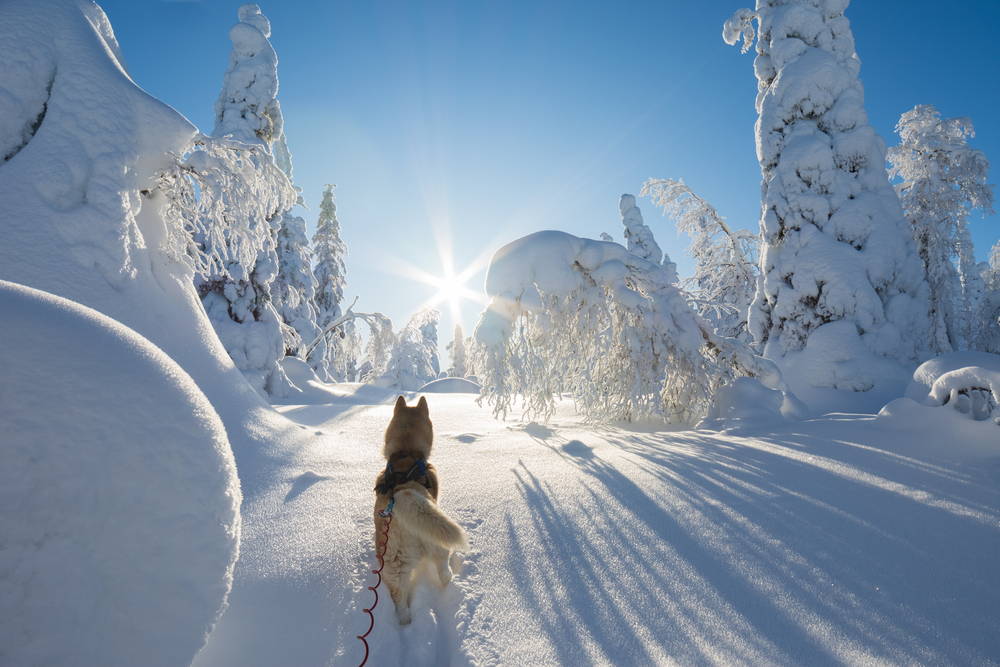
The Husky is the ultimate snow enthusiast, with a double coat that provides incredible insulation and blue eyes naturally adapted to diffuse bright light reflected off the snow. Their entire genetic makeup is devoted to enduring life in cold, giving them a primal joy when the temperature drops. They don’t just tolerate snow; they feel at home in it.
Their strong sledding instinct means they have an innate desire to run and pull through deep drifts. Watching a Husky play in the snow is watching pure, unadulterated happiness expressed through frantic digging and bounding.
2. Samoyed
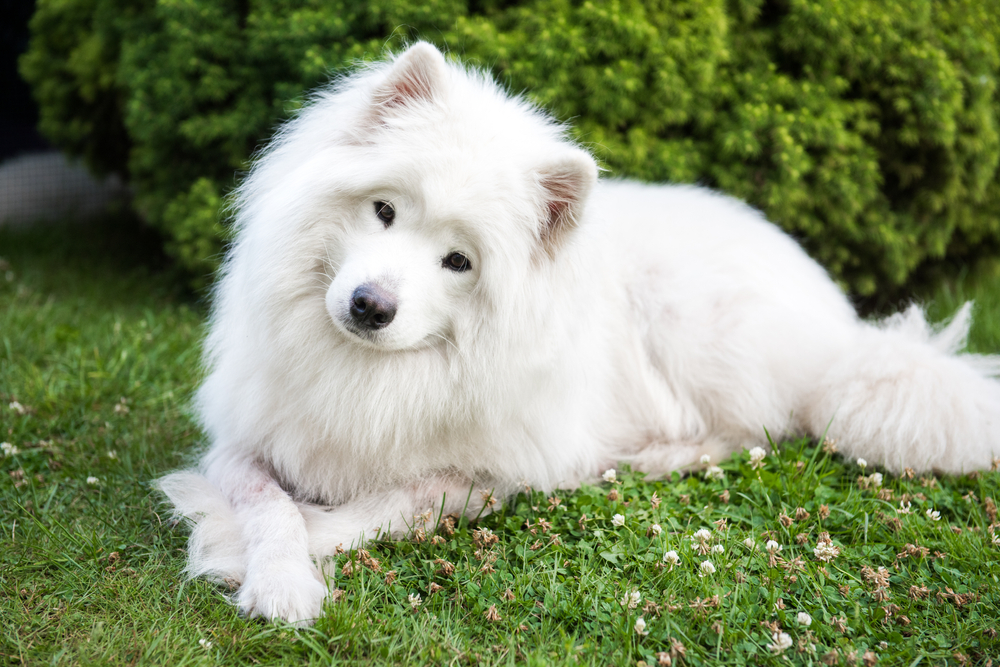
Known as the “Smiling Sammy,” this breed originated in Siberia, where they were used to herd reindeer and pull sleds in some of the coldest conditions on Earth. Their thick, fluffy white coat is designed to be completely waterproof and insulated, making them impervious to most winter weather. They truly thrive in the harsh cold.
The Samoyed’s happy, perpetually upturned mouth is actually functional, as it prevents drooling and the formation of icicles around the mouth, proving their perfect adaptation to cold-weather life. They consider a snowstorm to be the best day ever.
3. Maine Coon Cat
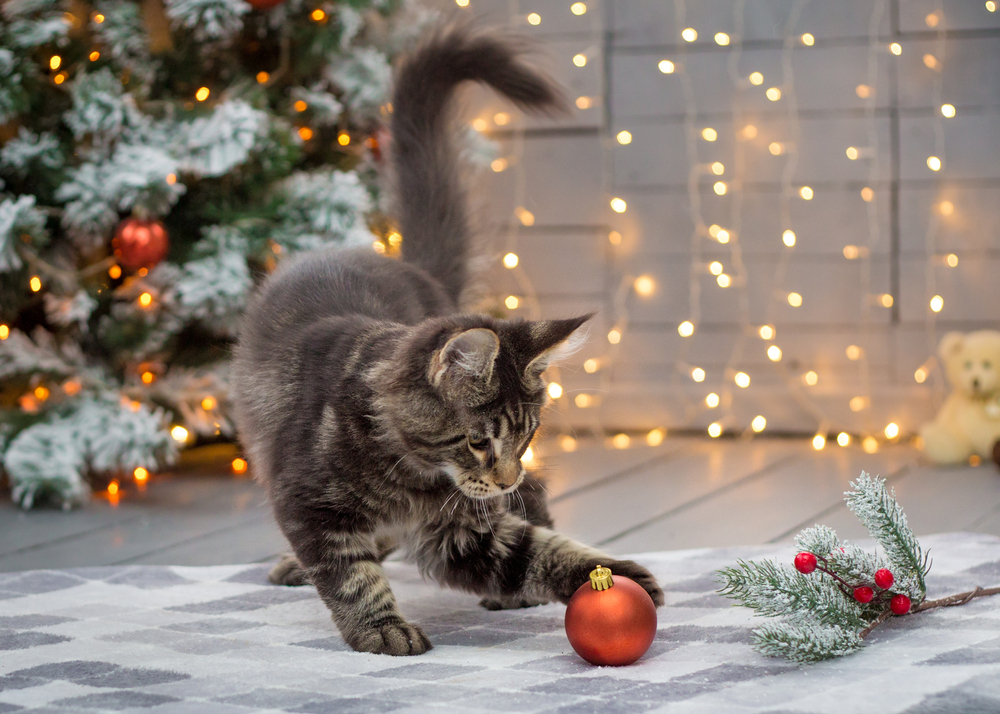
This “gentle giant” of the feline world is one of the few cat breeds that genuinely loves and excels in cold weather. Their massive, dense, water-repellent coats, tufted ears, and enormous, “snowshoe”- shaped paws make them perfectly suited to walking on snow without sinking. Their size allows them to navigate drifts easily.
Maine Coons often enjoy playing in water and snow, a rare trait for a domestic cat. They have a patient, hardy nature that allows them to watch the falling flakes for hours, completely unfazed by the low temperatures.
4. Alaskan Malamute
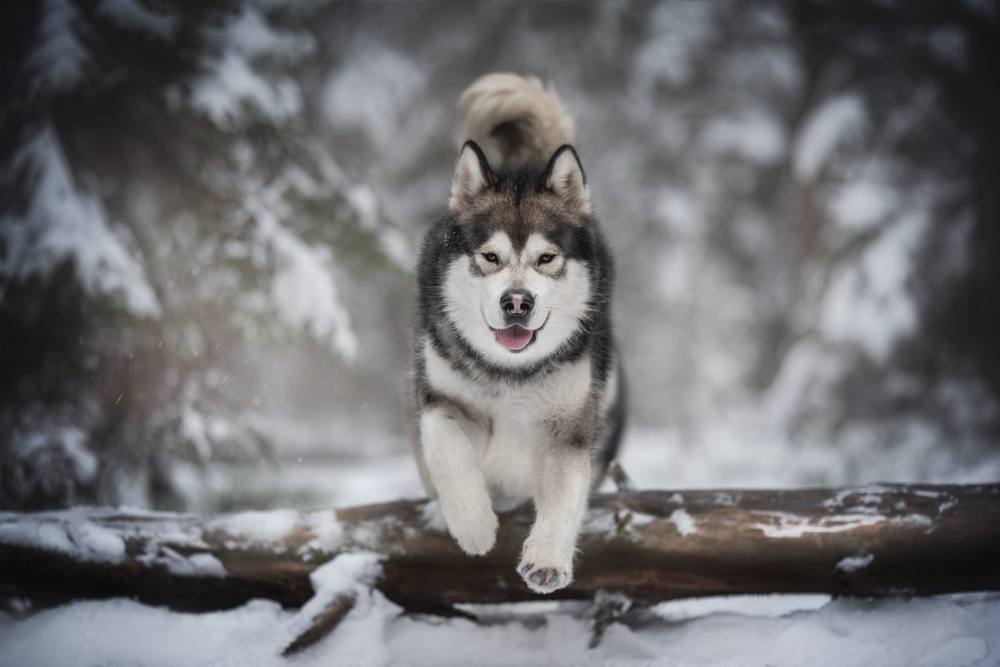
Built like a powerhouse compared to the Husky, the Malamute was bred to pull heavy freight over long distances in the Arctic. Their enormous size, brute strength, and dense, woolly undercoat mean they view heavy snow as an ideal work environment. They prefer to be outside in a blizzard than inside by the fire.
Malamutes possess an almost religious dedication to digging, often tunneling through snow banks with intense fervor. This powerful drive is a biological necessity rooted in their history of building snow dens for shelter.
5. Bernese Mountain Dog
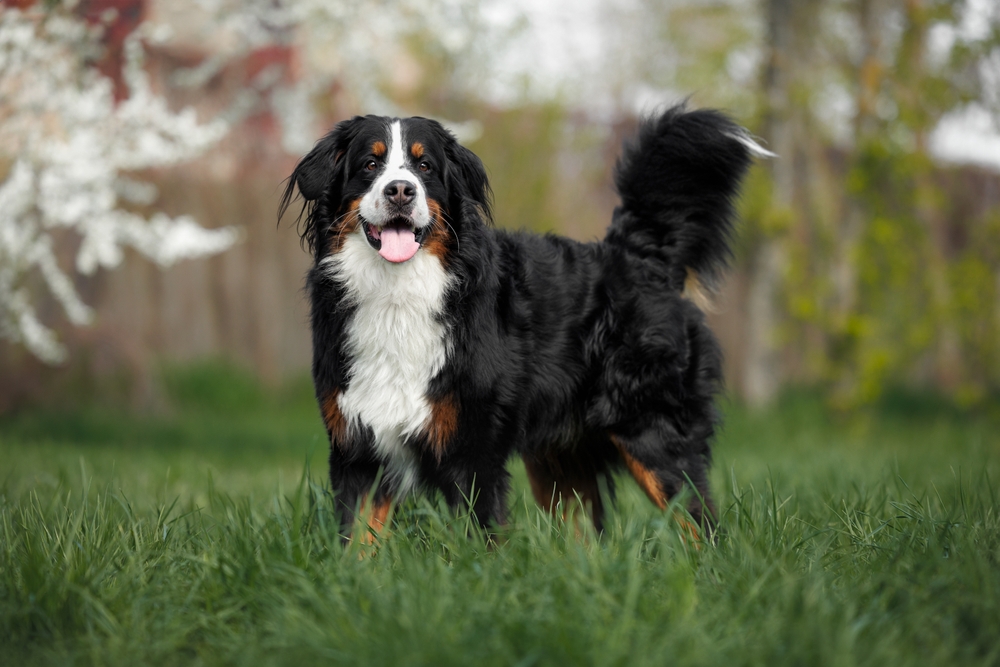
Hailing from the chilly Swiss Alps, the Bernese Mountain Dog was originally used for herding cattle, pulling carts, and guarding farms in snowy terrain. Their beautiful, thick tri-color coat is surprisingly well-insulated against extreme cold. They are built for serious, sustained work in the drifts.
These dogs are known for their gentle, affectionate nature, but their love for the snow is deeply pragmatic. They are large, hardy, and love to “cart,” which is their instinctual desire to pull objects through the snow.
6. Norwegian Forest Cat
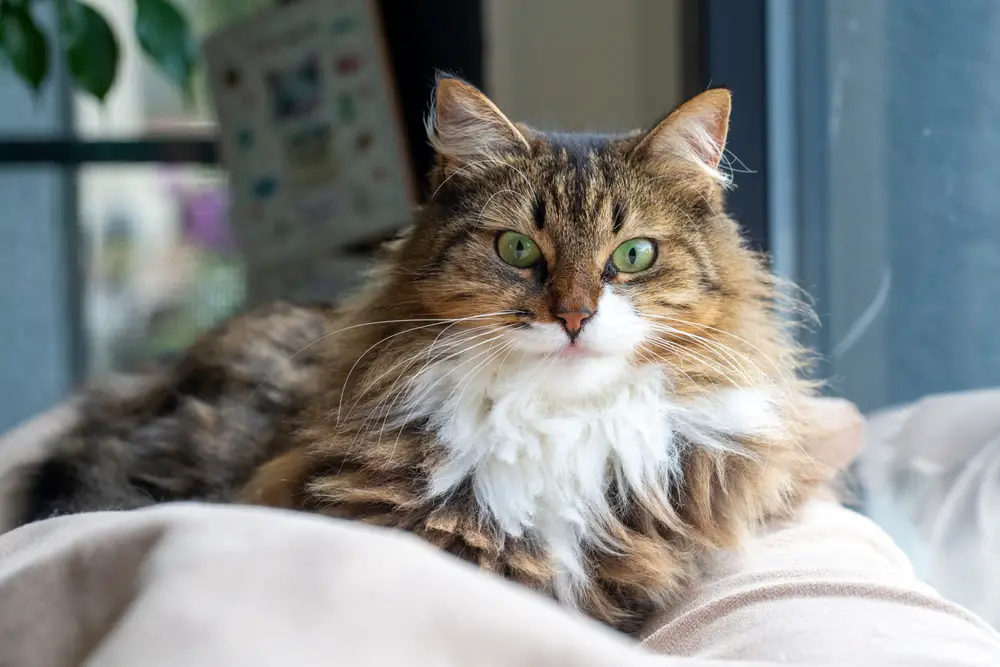
Known in their native Scandinavia as the “Skogkatt,” this ancient breed evolved to survive the long, harsh winters of Northern Europe. They possess a thick, woolly undercoat and a glossy, water-resistant top layer that sheds snow and ice easily. Their ear tufts and long, bushy tail provide extra warmth.
Like the Maine Coon, the Norwegian Forest Cat’s large paws are naturally adapted to act like snowshoes. They are active, hardy hunters who see the snow-covered landscape as a fun new dimension for exploration and stealth.
7. Newfoundland
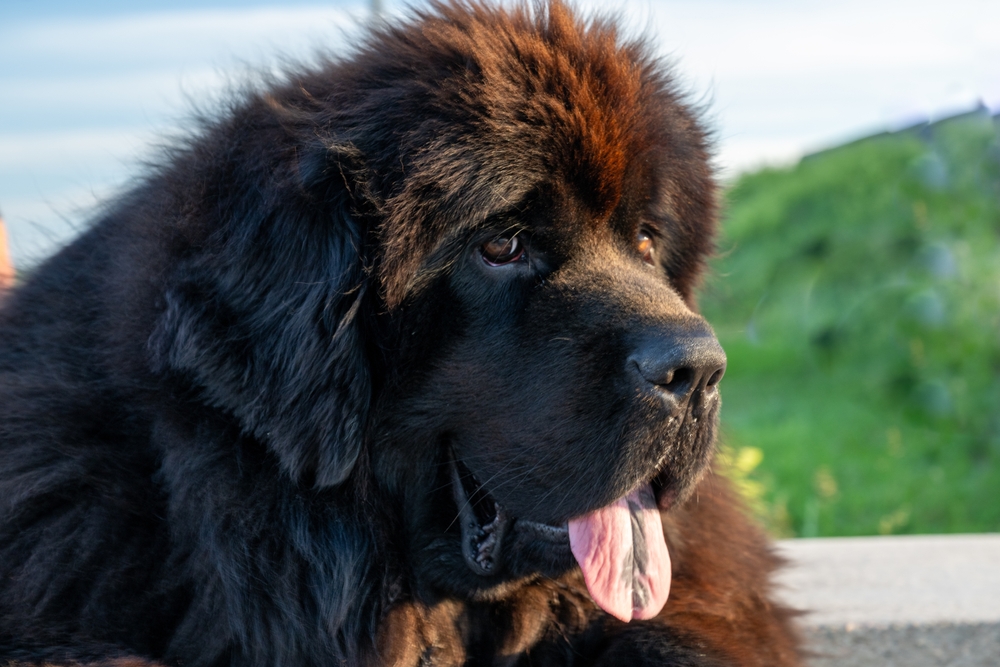
The massive Newfoundland was initially bred in the frigid waters of Newfoundland, Canada, where they were used to rescue fishermen and haul nets. Their thick, double coat is incredibly oily and water-resistant, making them immune to the shock of cold water and snow. They are the ultimate gentle giant built for the elements.
Newfoundlands view snow as a fun, deep pool to swim through, and their massive, webbed paws are perfect for navigating the slippery terrain. Their love for the water extends effortlessly to the snow.
8. Keeshond
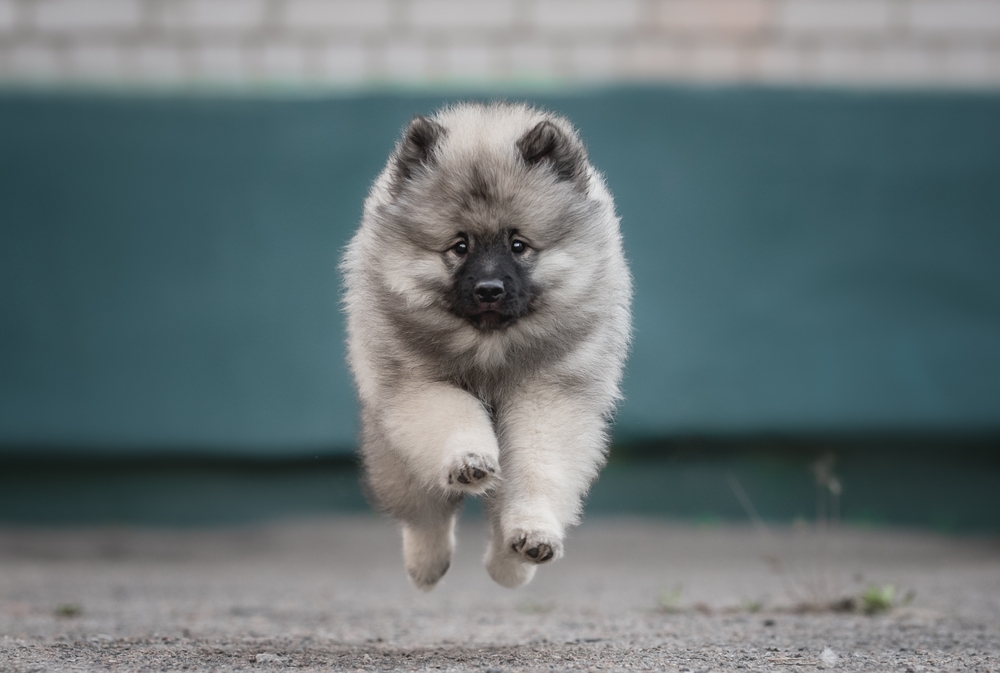
This distinct, fluffy breed originated in the Netherlands, where it was primarily used as a watch and companion dog on barges traveling canals, enduring damp, cold conditions. Their thick, silver-and-black coat stands out from their body, creating a natural insulating layer of air that traps heat. They carry their own weather protection.
The Keeshond is highly intelligent and loves the stimulating environment that a fresh snowfall provides. They enjoy patrolling their territory and are incredibly resilient in the cold, able to endure extended periods of outdoor play.
9. Persian Cat
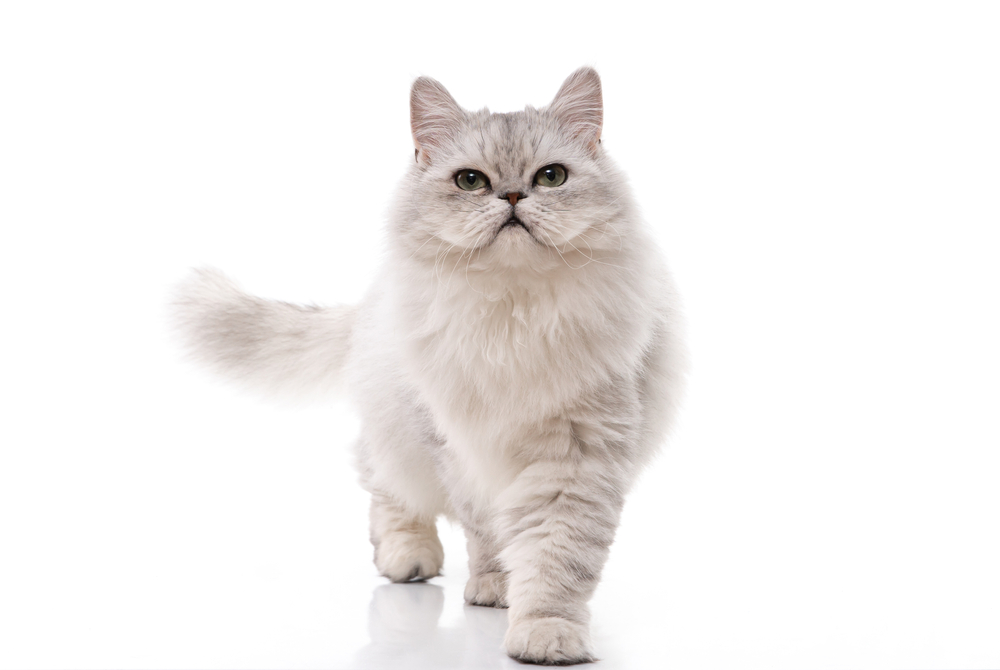
While often associated with plush indoor luxury, the Persian cat has an incredibly dense, thick coat that initially developed in the mountains of Persia (Iran), where the climate is much colder. Their long, luxurious fur is actually a highly effective insulator. The breed’s quiet, patient demeanor suits them to watching the snow from a cozy, partially-covered spot.
Despite their delicate appearance, they are surprisingly hardy and thrive in cooler indoor temperatures. Their massive coat is designed to keep them perfectly warm even when observing the winter action from a snowdrift.
10. Saint Bernard
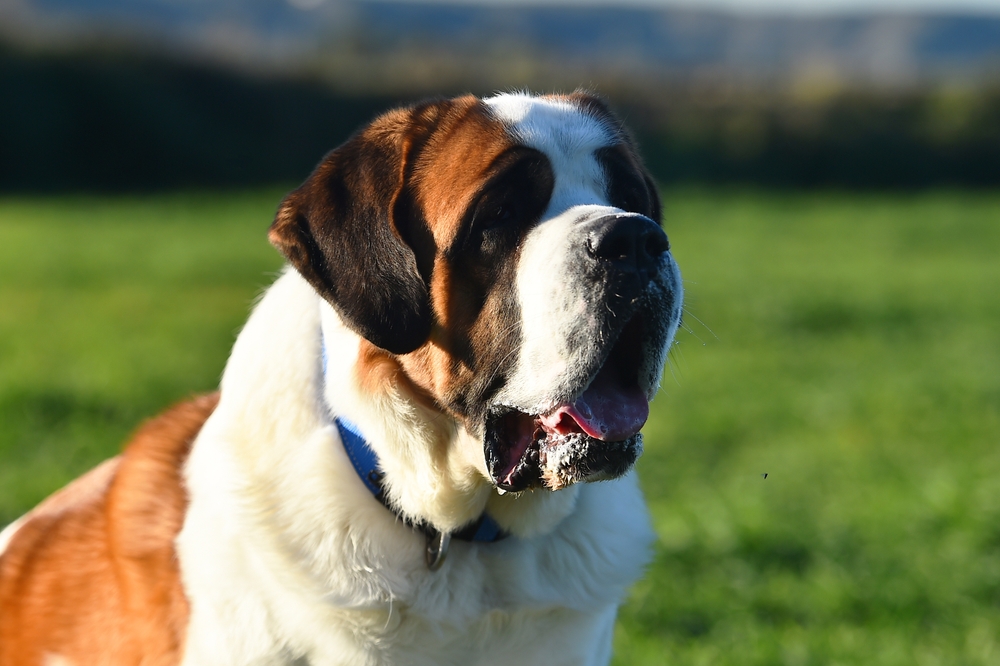
The Saint Bernard, originating from the frigid, high-altitude passes of the Swiss and Italian Alps, was historically used by monks to rescue travelers trapped in snowstorms and avalanches. Their huge size, immense strength, and dense coat made them perfectly equipped for search-and-rescue in extreme snow conditions. They are literally bred for deep snow.
They possess an instinctual love for the cold and heavy snow, viewing it as their natural workspace. Their history is inextricably linked to the drama and deep drifts of the mountain winter.
11. Shiba Inu
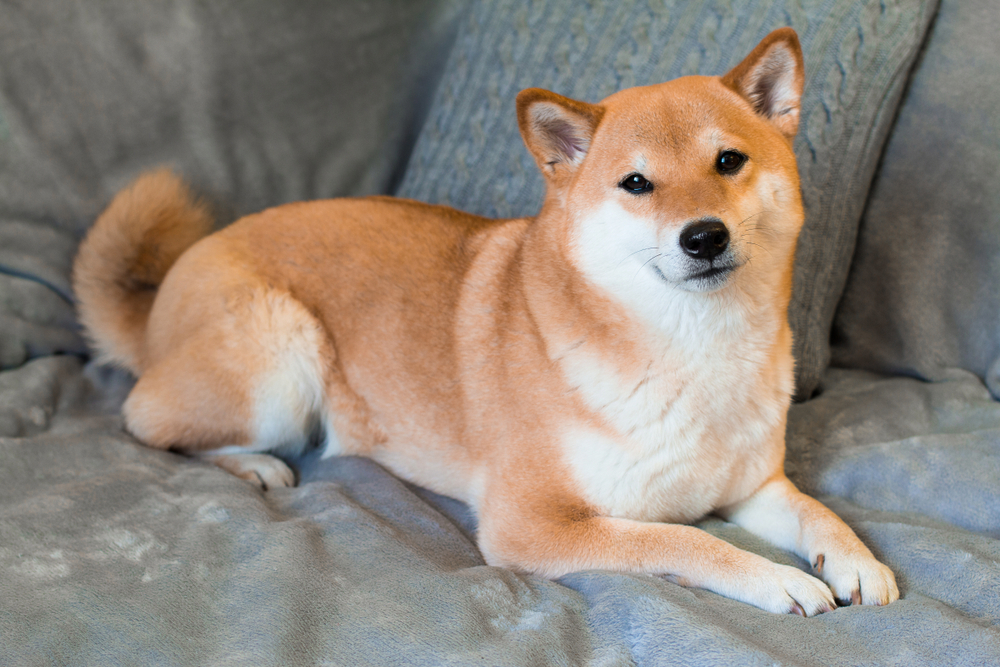
The Shiba Inu is one of Japan’s ancient dog breeds, evolving in the country’s cold, mountainous regions. They possess a thick, stiff double coat that easily sheds moisture and provides excellent insulation against severe cold. They are known for their spirited, mischievous personalities, which are amplified by fresh snow.
Shibas often display a quirky, playful “burrowing” behavior, diving their heads into the snow and emerging covered in white. They are hardy, energetic dogs who find endless fascination in the new textures and smells of a winter landscape.
12. Great Pyrenees
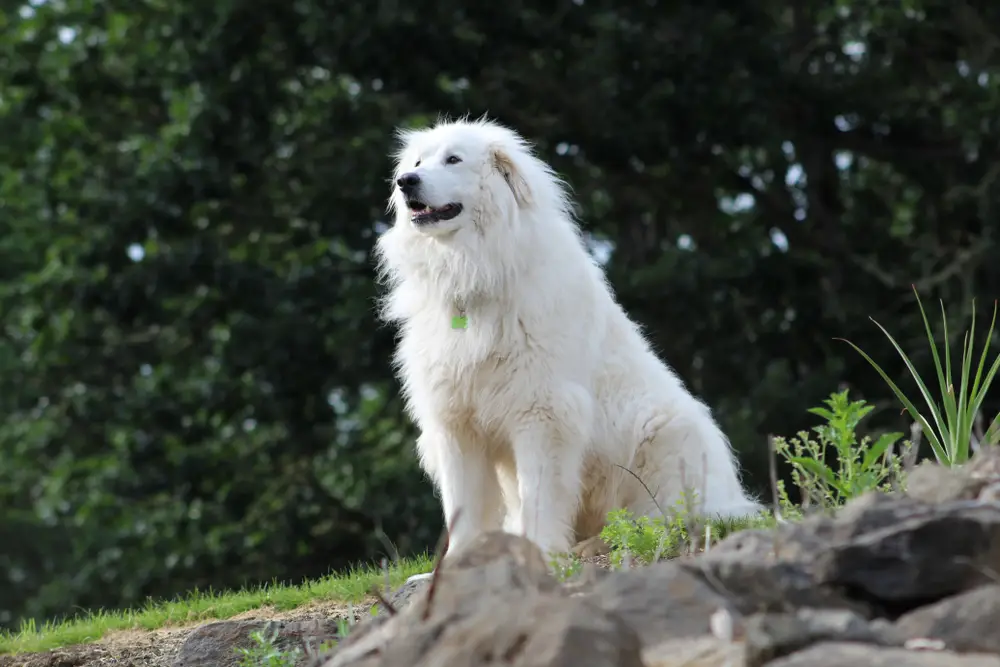
Originating in the Pyrenees Mountains between France and Spain, this massive breed was used to guard flocks against wolves in freezing, snow-covered conditions. Their thick, weather-resistant white coat is so dense it feels like wool, protecting them from sub-zero temperatures. They are naturally calm, powerful guardians of the snow.
The Great Pyrenees naturally prefers to be outdoors, even in a blizzard, and will happily sleep directly on the snow. Their powerful build and patient nature make them perfectly adapted to long, cold vigils.
13. Finnish Lapphund
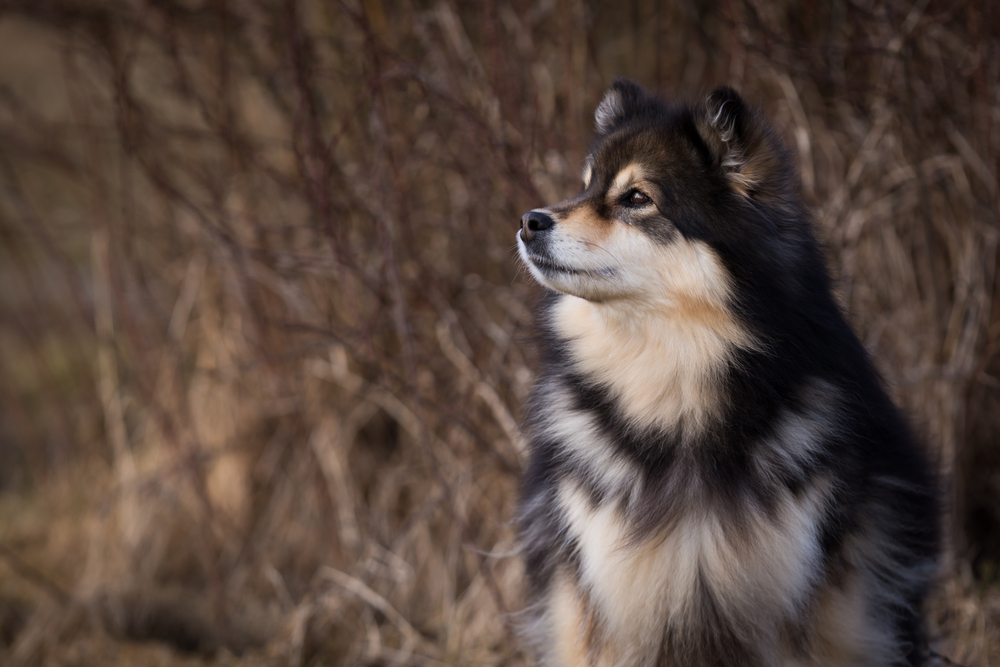
The Finnish Lapphund was bred to herd reindeer in the freezing Lapland region of the Arctic Circle. This requires extreme resilience and a thick, highly insulating double coat that allows them to work all day in deep snow and sub-zero temperatures. They are playful, affectionate dogs who genuinely thrive in the cold.
Their inherent herding instinct often manifests as them playfully “bundling” or circling family members in the snow. They possess an almost limitless tolerance for cold and view every snowflake as a gift.