
Social media algorithms and viral trends have transformed obscure dog breeds into cultural phenomena overnight, creating demand explosions that overwhelm responsible breeders and attract unethical mass producers. These aren’t the gradual popularity increases of previous generations—they’re Instagram and TikTok-driven crazes that turn unknown breeds into must-have status symbols within months. Understanding which breeds are experiencing social media-fueled popularity surges reveals the power of viral content to reshape dog ownership trends and the dangers of breed selection driven by algorithms rather than lifestyle compatibility.
1. French Bulldogs: The Ultimate Instagram Dog
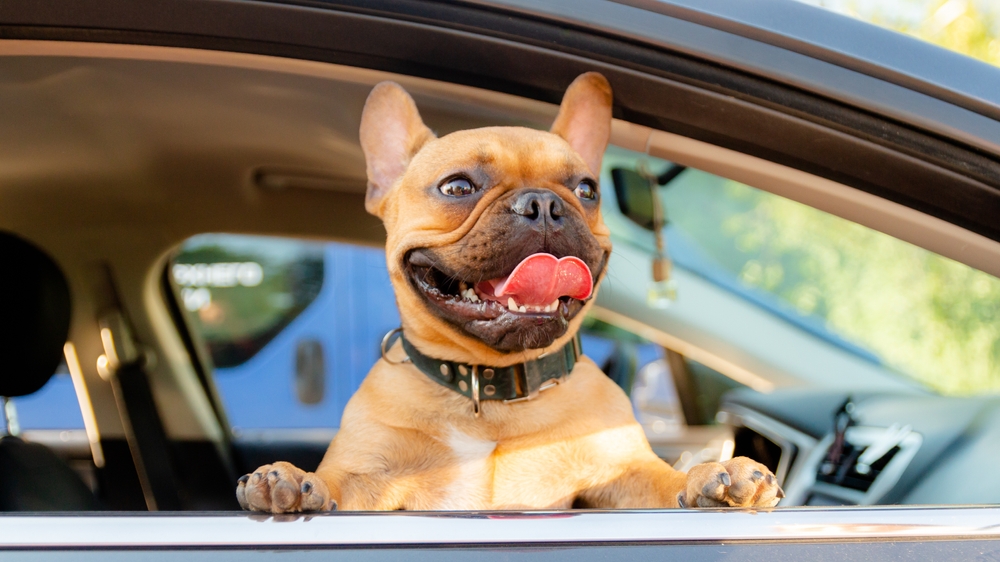
French Bulldogs exploded from relative obscurity to the most popular breed in America and the UK, driven almost entirely by celebrity ownership and Instagram aesthetics. Their compact size, expressive faces, and photogenic bat ears make them perfect for social media content that generates massive engagement. Celebrities from Lady Gaga to The Rock posting Frenchie content created aspirational demand that skyrocketed prices from $1,500 to $5,000-15,000 in less than a decade.
The social media popularity created devastating consequences as puppy mills and backyard breeders flooded markets with poorly bred French Bulldogs suffering severe health problems. The extreme brachycephalic (flat-faced) structure that makes them photogenic also causes breathing problems, overheating risks, and lifelong medical issues costing $5,000-15,000+ annually. Instagram-driven demand prioritized appearance over health, creating a generation of French Bulldogs suffering from breed features that social media celebrates but that cause genuine misery to the dogs who live with them.
2. Corgis: The Royal Meme Breed
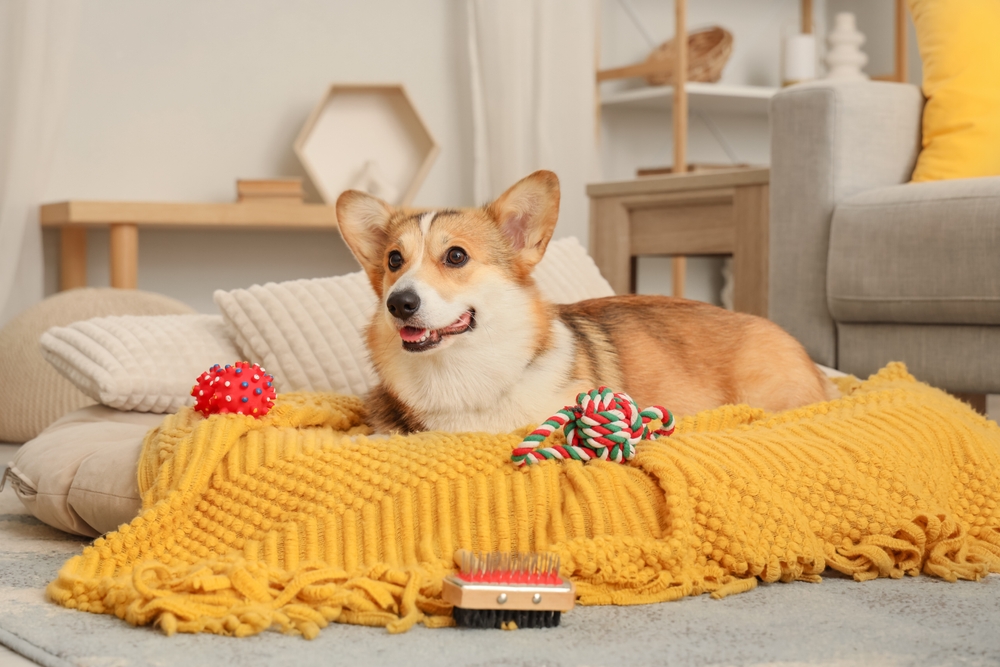
Corgis transformed from relatively unknown herding dogs to viral social media stars through meme culture and royal association with Queen Elizabeth II. Their short legs, fluffy butts (“corgi sploot” photos), and expressive faces generate enormous engagement on TikTok and Instagram. Viral corgi accounts with millions of followers created aspirational demand where people wanted the dog they saw in memes rather than understanding the breed’s actual characteristics.
The social media craze created corgi shortages with waitlists extending years and prices increasing from $800-1,200 to $2,000-4,000. Unscrupulous breeders capitalized on demand by mass-producing corgis without health testing, creating dogs with genetic issues the viral content never shows. New owners discovered that the adorable social media stars are actually high-energy herding dogs that nip ankles, bark excessively, and require extensive exercise—realities that don’t appear in the cute 15-second videos that drove their popularity.
3. Golden Retrievers: Viral Wholesomeness Personified
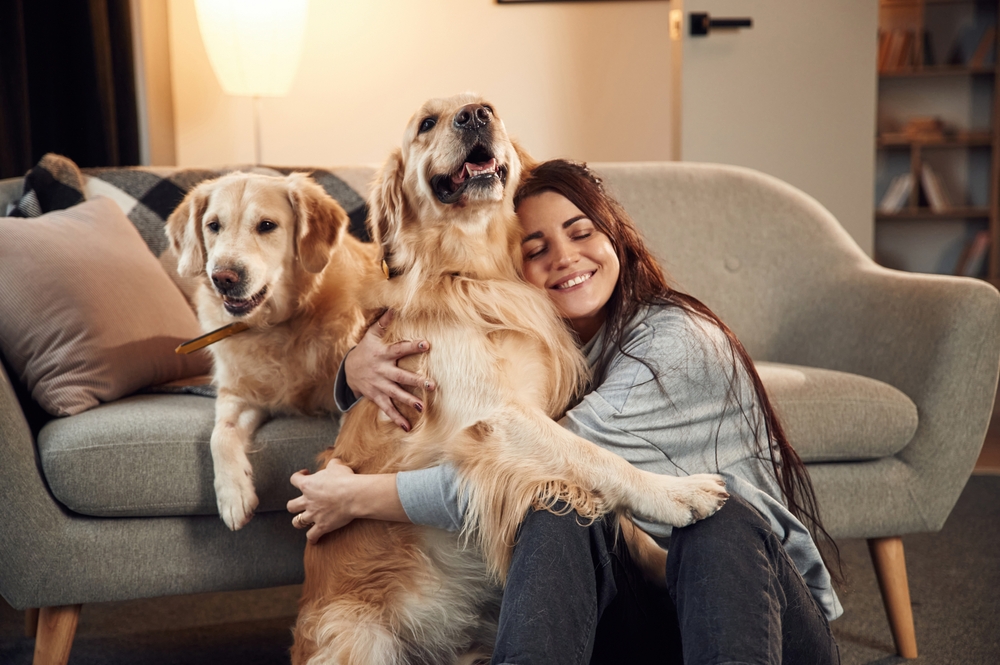
Golden Retrievers already enjoyed popularity but experienced renaissance through wholesome viral content and accounts like “Tucker Budzyn” with 4+ million TikTok followers. The breed’s photogenic appearance, perceived gentleness, and tendency to do silly things make them perfect for feel-good content that algorithms promote heavily. Viral golden retriever content generates millions of views by portraying them as perfect family dogs incapable of doing wrong.
The social media portrayal obscures that goldens are high-energy sporting dogs requiring 90+ minutes of daily exercise and extensive training to become the calm family dogs portrayed online. New owners expecting the dog from viral videos face destructive adolescent retrievers that counter-surf, jump on people, and require years of consistent training. The viral content shows adult dogs after thousands of hours of training but creates expectations that puppies will naturally behave like the polished social media stars that took years to develop.
4. Pomskies: The Designer Hybrid Taking Over Feeds
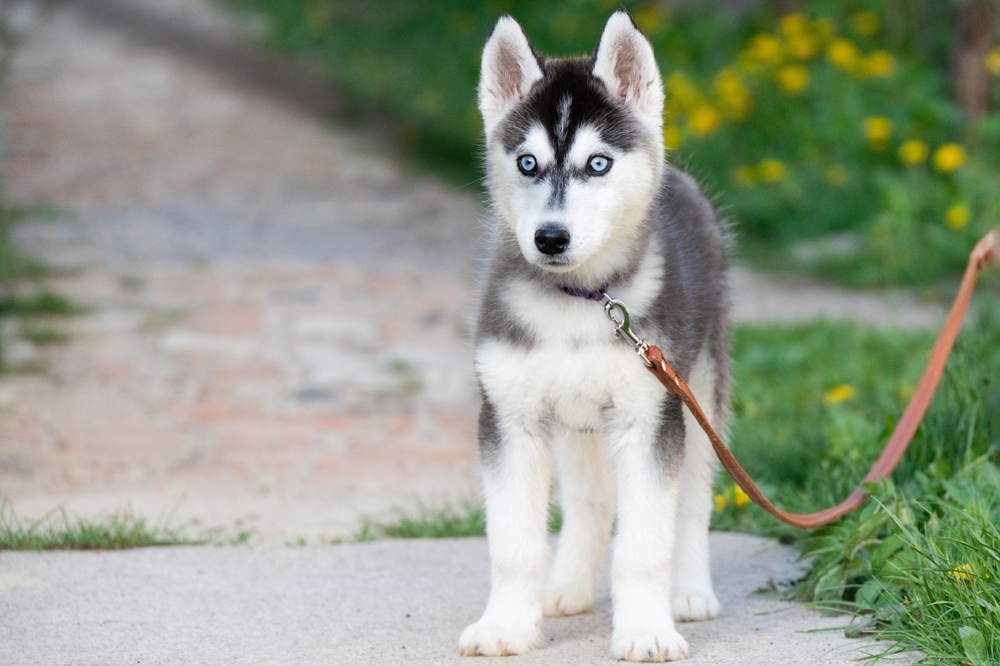
Pomskies—Pomeranian-Husky mixes—went from nonexistent to everywhere on social media within five years due to their striking appearance combining husky markings with Pomeranian size. Viral photos and videos of these designer hybrids generate massive engagement because they look like miniature huskies, fulfilling demand for husky appearance without the size. Instagram accounts featuring pomskies accumulate hundreds of thousands of followers, creating aspirational demand from people who want what they see online.
The social media craze created a pomsky industry charging $3,000-8,000 for dogs with completely unpredictable adult size, temperament, and appearance. First-generation crosses produce inconsistent results—some look like huskies while others look like Pomeranians, and temperament varies wildly from anxious to aggressive. The cute puppy photos driving demand don’t show that many pomskies develop serious behavioral problems from the conflicting genetic temperaments of two dramatically different parent breeds combined by breeders motivated by profit rather than sound breeding practices.
5. Shiba Inus: Meme Culture Made Real
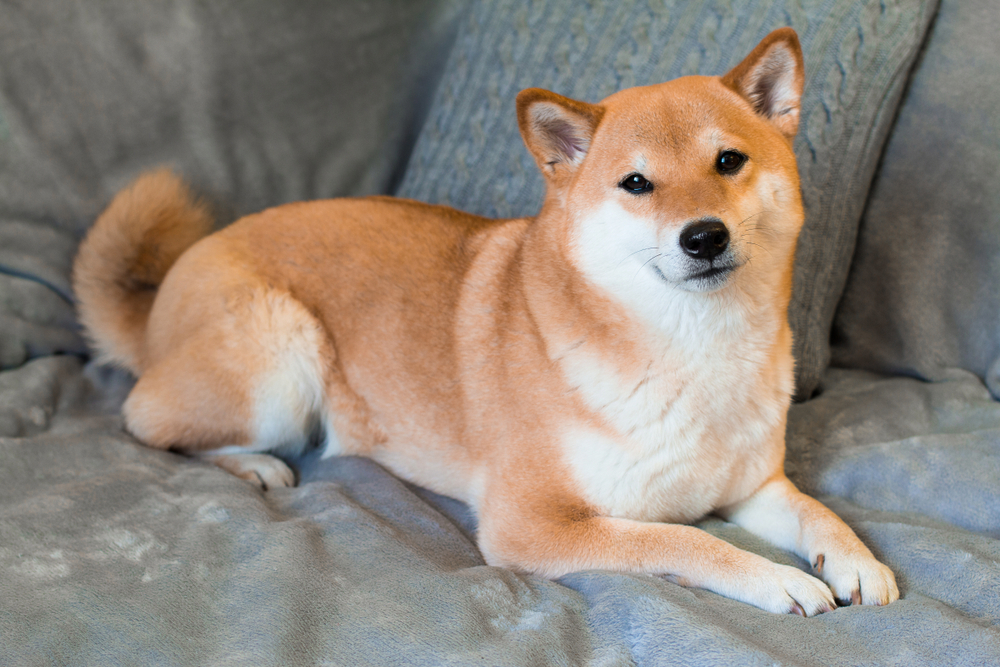
Shiba Inus exploded in popularity through the “doge” meme and subsequent viral content featuring their fox-like appearance and distinctive personalities. Their photogenic features—curled tail, pointed ears, expressive faces—and aloof temperament create content that algorithms favor. Viral videos of Shibas “screaming” or displaying stubborn behavior generate millions of views, transforming an obscure Japanese breed into a global phenomenon.
The meme-driven popularity increased prices from $1,500-2,000 to $3,000-6,000 and created massive demand that ethical breeders couldn’t meet. New owners attracted by viral content discovered Shibas are extremely difficult dogs—stubborn, aloof, prone to aggression, and nearly impossible to train or keep off-leash. The social media content that made them famous celebrates exactly the traits that make them challenging pets, creating a disconnect between viral entertainment value and actual livability as family companions.
6. Bernedoodles: The Viral Teddy Bear Dog
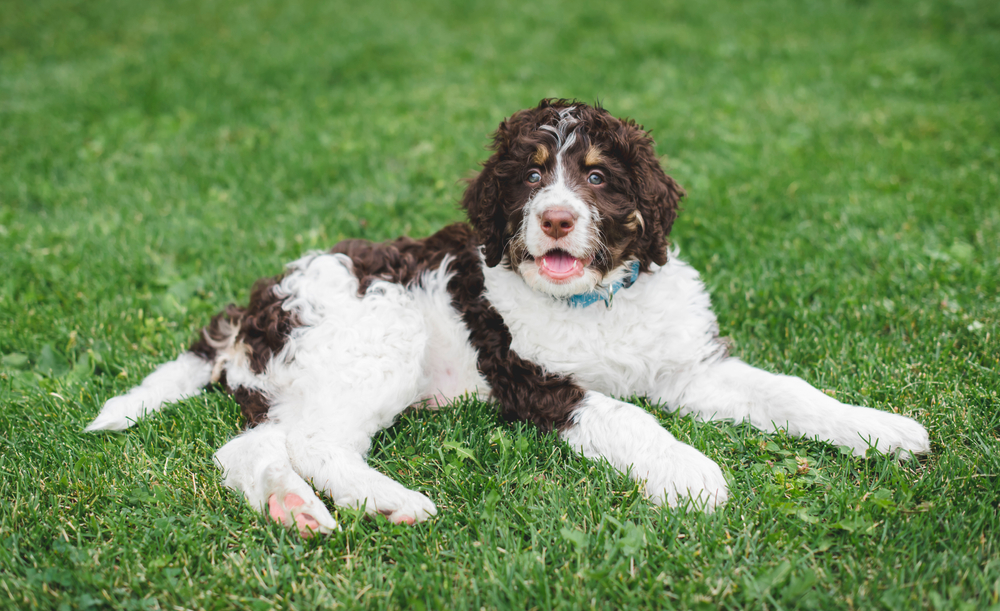
Bernedoodles—Bernese Mountain Dog-Poodle crosses—became Instagram sensations through their teddy bear appearance and large, photogenic size. Influencers posting Bernedoodle content created aspiration for these designer dogs portrayed as perfect family companions with hypoallergenic coats. Viral content showing gentle giants playing with children generated demand from families wanting the exact dog they saw online.
The Instagram-driven craze pushed prices to $4,000-10,000 for dogs that don’t reliably inherit hypoallergenic coats or gentle temperaments. Many Bernedoodles shed extensively despite marketing claims, and the combination of Bernese health problems with the unpredictability of hybrid vigor creates dogs with expensive medical issues. Social media content rarely shows the extensive grooming requirements ($80-150 monthly), separation anxiety, or that many inherit Bernese stubbornness rather than Poodle trainability—realities that emerge only after purchasing based on viral content.
7. Australian Shepherds: The Outdoor Influencer Essential
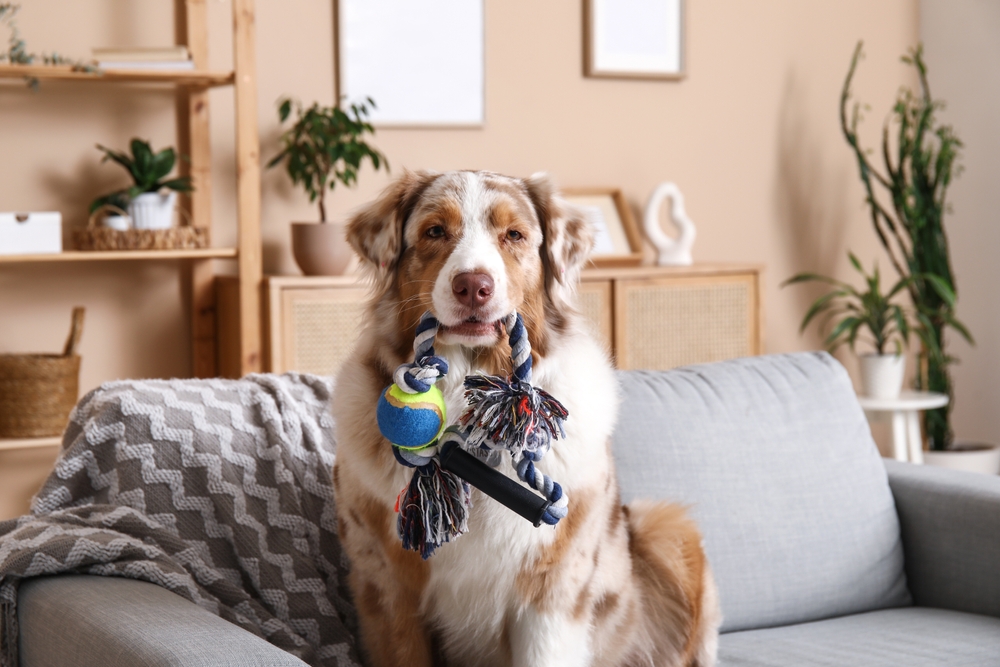
Australian Shepherds became the official dog of outdoor lifestyle influencers, appearing in millions of posts featuring hiking, camping, and adventure content. Their striking appearance—merle coats, blue eyes, athletic build—photographs beautifully in outdoor settings, making them perfect for the aesthetic many influencers cultivate. Accounts like “TheDogist” and adventure-focused influencers posting Aussie content created association between the breed and aspirational outdoor lifestyles.
The viral outdoor content created demand from people wanting to project active lifestyles rather than people actually living those lifestyles. New owners discovered Australian Shepherds are intensely high-energy working dogs that develop destructive behaviors and neuroses without 2+ hours of daily exercise and mental stimulation. The gorgeous Instagram photos of Aussies on mountain peaks don’t show the 90% of time these dogs spend anxiously pacing, destroying furniture, or developing obsessive-compulsive behaviors when their exercise and mental stimulation needs aren’t met.
8. Samoyeds: The Smiling Cloud Dogs of TikTok
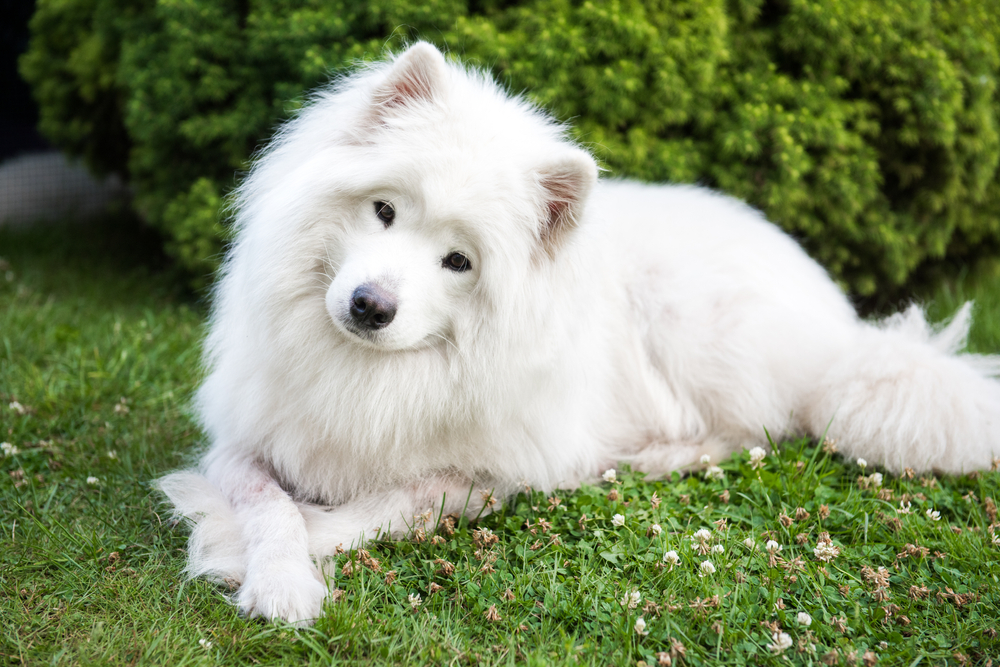
Samoyeds went viral for their “smiling” expressions and cloud-like white coats, generating millions of views on content featuring their photogenic appearance. Accounts showcasing Samoyeds as gentle, smiling, fluffy dogs created enormous demand from people captivated by their aesthetic appeal. The breed’s striking appearance in photos and videos makes them extremely shareable content that algorithms promote heavily.
Viral Samoyed content drove prices from $1,500-2,500 to $4,000-8,000+ and created demand far exceeding responsible breeding capacity. New owners discovered the viral “smiling” dogs require professional grooming every 6-8 weeks at $80-150 per session, shed enough fur to fill garbage bags weekly, and are vocal, stubborn, independent dogs bred for Arctic work. The grooming requirements and exercise needs aren’t visible in the beautiful photos that drove demand, and many Samoyeds end up in rescues from owners who wanted the Instagram aesthetic but couldn’t handle the reality.
9. French Bulldog-Boston Terrier Mixes: “Frenchtons” Capitalize on Trends
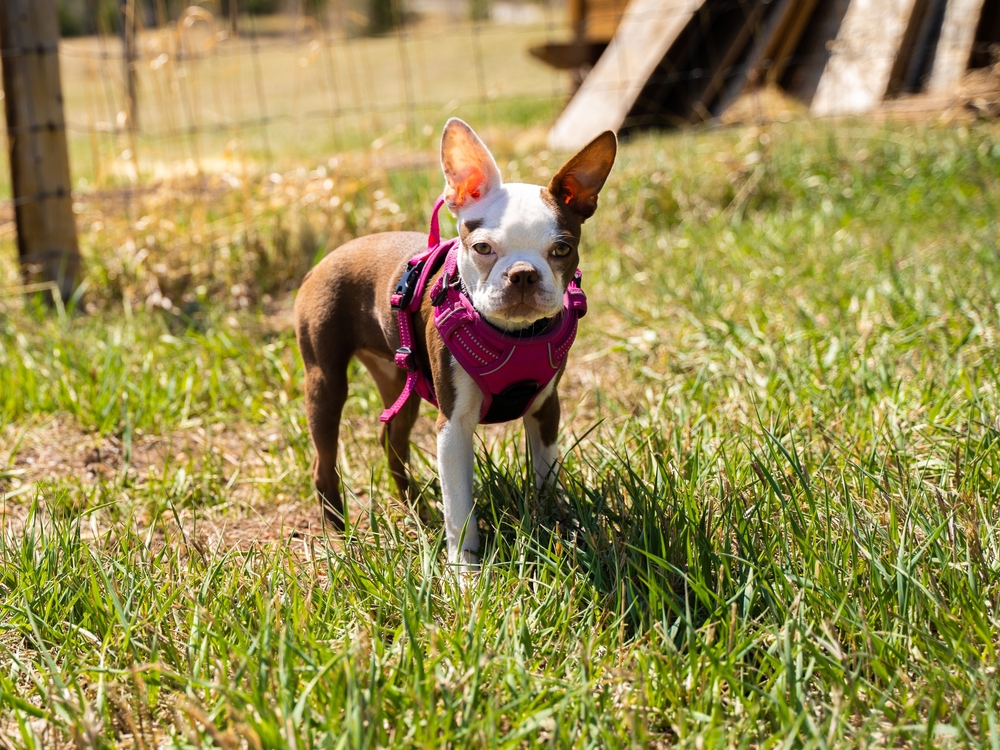
Frenchtons—French Bulldog-Boston Terrier mixes—emerged as social media darlings marketed as “healthier French Bulldogs” with similar appearance. Viral content featuring these designer mixes positions them as addressing health concerns while maintaining the aesthetic that made French Bulldogs popular. Instagram accounts showcasing Frenchtons as alternatives to Frenchies created new market demand at $2,500-6,000 per puppy.
The social media marketing obscures that Frenchtons still inherit brachycephalic health problems from both parent breeds and that hybrid vigor doesn’t guarantee health improvements. Many Frenchtons develop the same breathing, overheating, and structural problems as purebred French Bulldogs despite marketing claims about improved health. The viral content driving demand rarely comes from veterinary experts but from breeders and owners with financial incentives to promote the cross as a healthier alternative that scientific evidence doesn’t consistently support.
10. Mini/Toy Aussiedoodles: Tiny Designer Dogs Everywhere
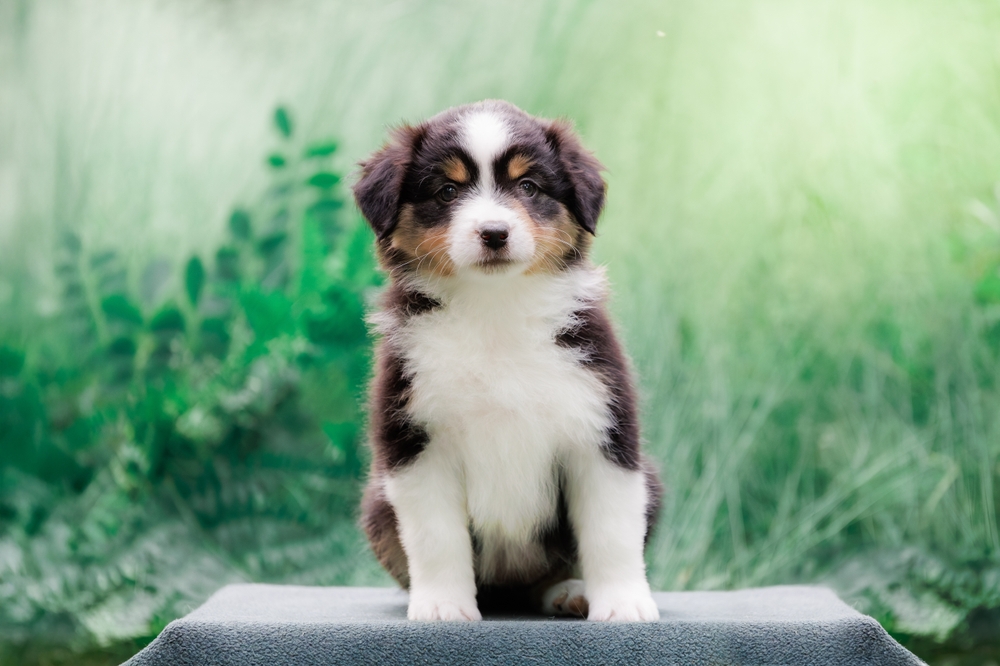
Mini and Toy Aussiedoodles—miniature Australian Shepherd-Poodle mixes—exploded on social media as portable, photogenic designer dogs combining popular breeds. Their small size, diverse coat colors, and teddy bear appearance make them perfect for influencer content and apartment-living audiences. Viral posts featuring pocket-sized Aussiedoodles created demand from urban millennials wanting Instagram-worthy dogs in manageable sizes.
The social media-driven trend pushed prices to $3,000-8,000 for dogs created by breeding increasingly small parent dogs, creating health problems inherent in miniaturization. Many develop luxating patellas, dental overcrowding, and hypoglycemia from being bred below healthy size standards to meet demand for tinier dogs. The cute photos don’t show that many inherit Australian Shepherd energy and neuroses in a Poodle-sized package that’s anxious, reactive, and requires more exercise and stimulation than owners expecting a small, calm lap dog can provide.
11. Dachshunds: Meme Lords of the Short Dog World
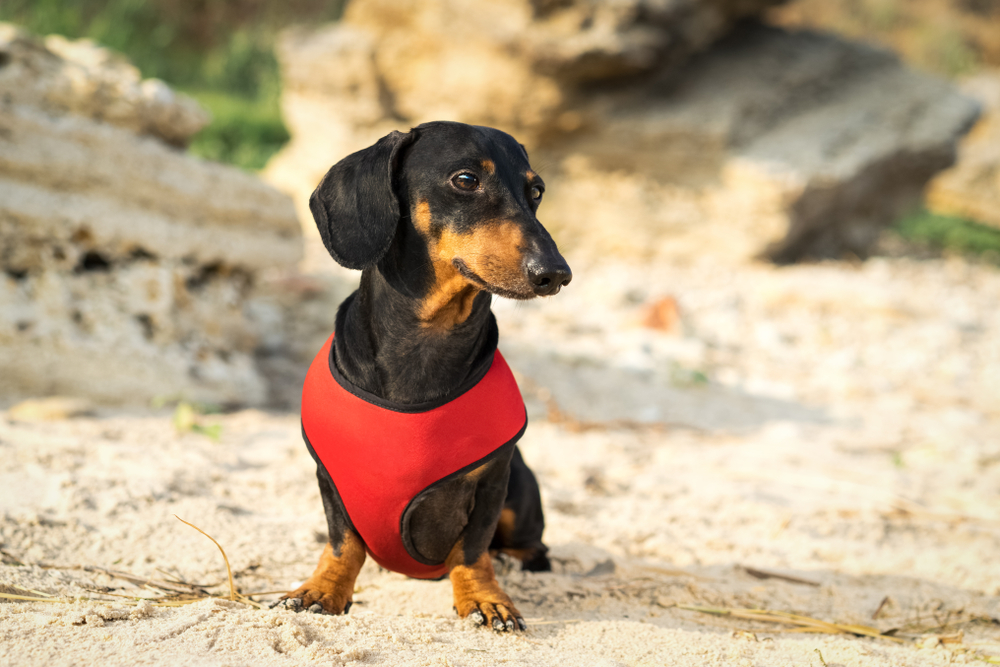
Dachshunds experienced renewed viral popularity through meme culture celebrating their long bodies, short legs, and expressive personalities. TikTok and Instagram content featuring dachshunds in hot dog costumes, “wiener dog races,” and their dramatic personalities generates millions of engagements. Accounts like “Crusoe the Celebrity Dachshund” with millions of followers created aspirational demand for the breed’s distinctive appearance and bold personalities.
Viral content increased demand while obscuring that dachshunds have 20-25% lifetime risk of debilitating spinal disease requiring surgery costing $8,000-15,000. The long back and short legs that make them meme-worthy also make them prone to intervertebral disc disease that can cause paralysis and chronic pain. Social media celebrates the exact body structure that veterinary medicine considers a health liability, driving demand for dogs whose distinctive appearance predisposes them to suffering that the viral content that made them popular never acknowledges.
12. Belgian Malinois: The Military/Police Dog Gone Mainstream
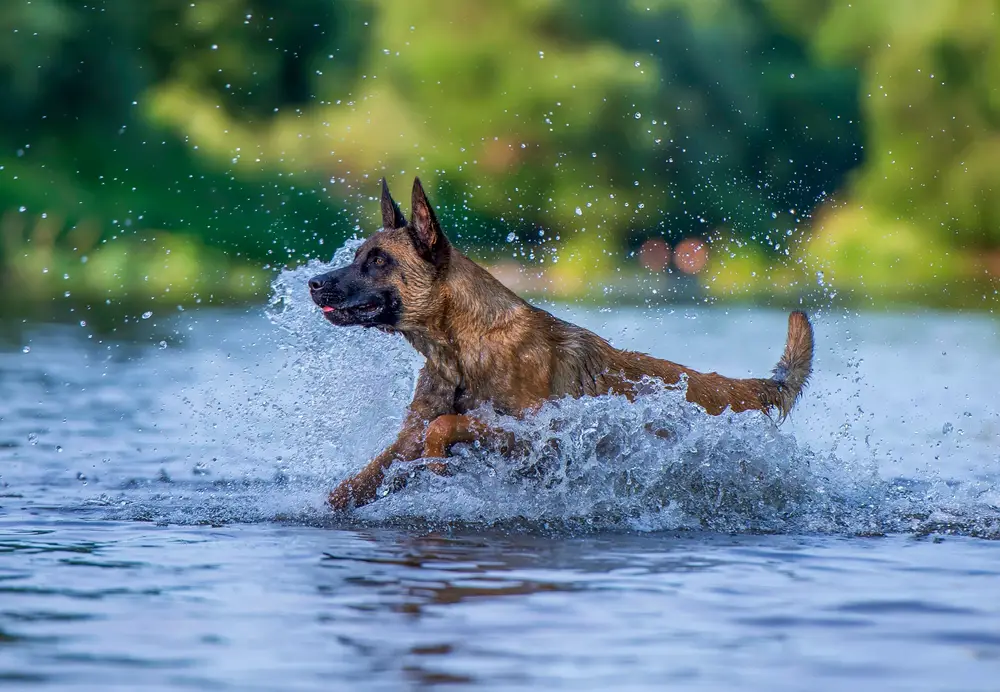
Belgian Malinois went from unknown working dogs to social media stars through viral content showcasing their athletic abilities and work in military and police roles. Videos of Malinois scaling walls, executing protection work, and performing incredible athletic feats generate millions of views and created aspirational demand. The breed’s association with elite military units and dramatic work capabilities made them seem like the ultimate dog for people wanting working dog credentials.
Social media popularity pushed Malinois from working lines into pet homes completely unsuited for their intensity, creating catastrophic mismatches. These are dogs bred for military and police work requiring 2-3 hours daily of intense exercise plus training, prone to serious aggression without expert handling. Shelters now overflow with adolescent Malinois surrendered by owners who saw the Instagram videos but couldn’t handle dogs that destroyed homes, bit family members, and required professional trainer intervention that social media content never shows as necessary for managing these intense working dogs.