
Long before engines, hydraulics, and automation transformed work, animals were the original labor force behind human progress. Entire civilizations were built on their strength, endurance, and obedience, often at enormous physical cost to the animals themselves. From agriculture and warfare to transportation and industry, animals carried burdens humans could not—or would not—carry alone. These creatures weren’t helpers; they were the backbone of human survival.
1. Horses
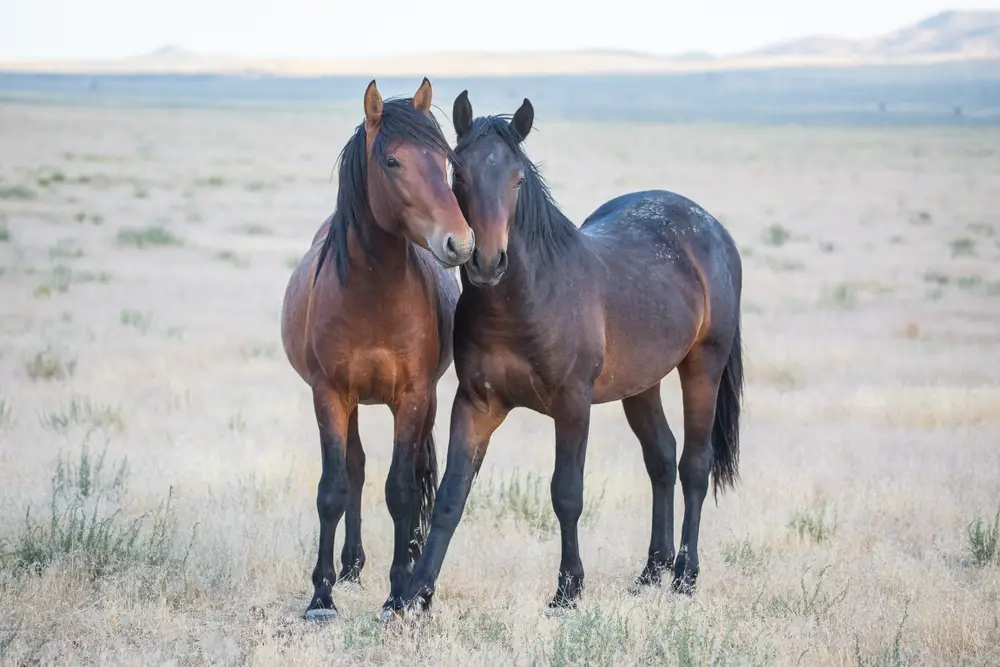
Horses were the single most important labor animals in human history. They plowed fields, transported goods, powered mills, carried soldiers into battle, and pulled carts across continents. Entire economies depended on their strength and stamina. Without horses, industrialization would have been delayed by centuries.
Their labor was relentless and often brutal. Many worked until collapse, especially in cities where carriage horses endured long hours on stone streets. Veterinary care was minimal, and rest was rare. Horses didn’t just support civilization — they dragged it forward.
2. Oxen
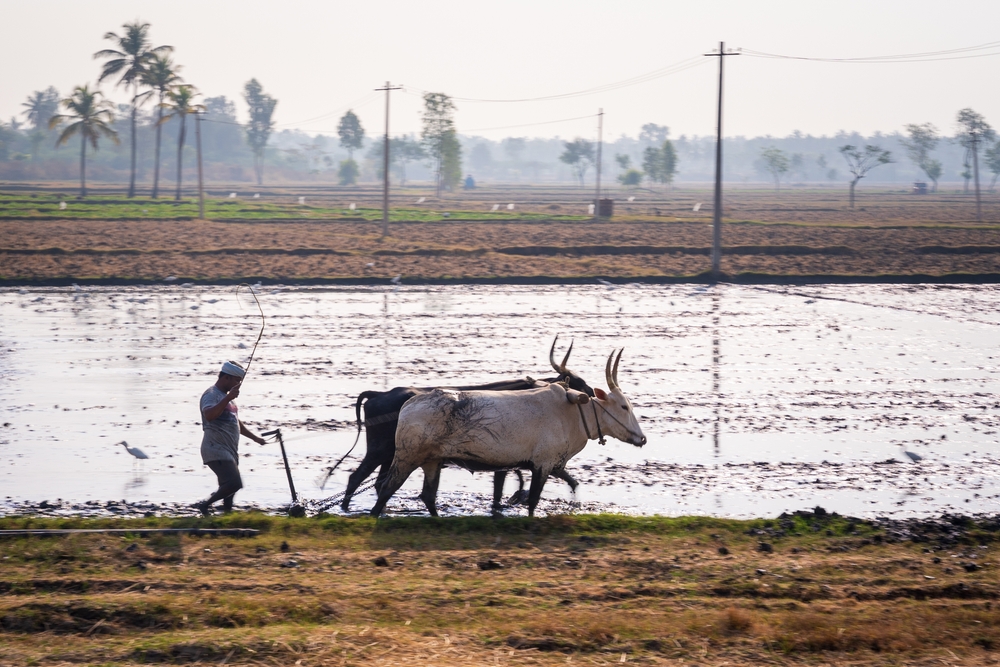
Oxen were the primary power source of ancient agriculture. Their slow but immense strength made them ideal for plowing dense soil and hauling massive loads. Civilizations across Asia, Europe, and Africa relied on oxen to cultivate food at scale. Farming without them was nearly impossible.
Their lives were defined by labor from youth to death. Oxen worked long days under harsh conditions with little rest. They were valued more for their output than for their longevity. For thousands of years, food security rested squarely on their shoulders.
3. Donkeys
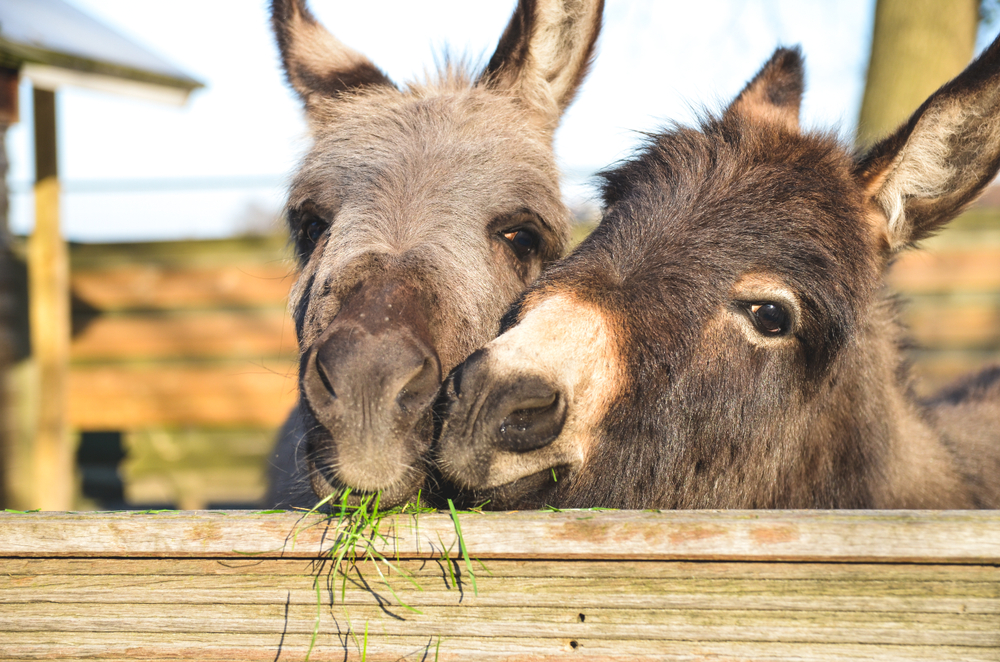
Donkeys were indispensable in harsh, mountainous, and arid environments. Their sure-footedness made them well-suited for transporting goods in areas where wheeled vehicles were ineffective. Trade routes across the Middle East, Africa, and South America depended on them. Entire supply chains moved on donkey backs.
Their resilience often led to exploitation. Because donkeys could endure extreme hardship, they were pushed beyond humane limits. Injuries were common and rarely treated. Their reputation for stubbornness was often merely a form of self-preservation.
4. Mules
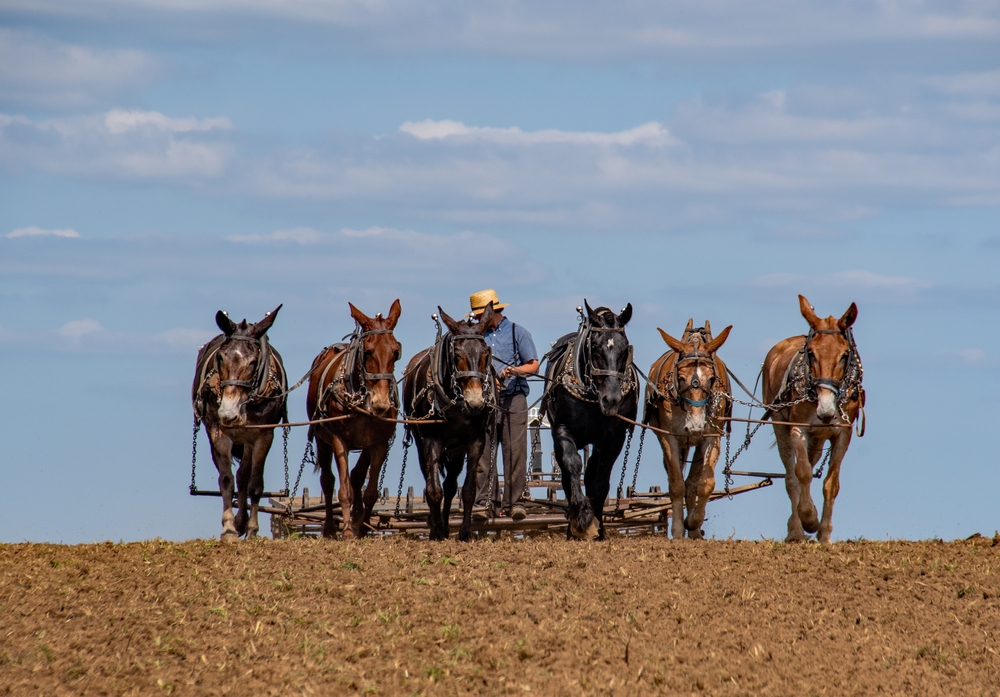
Mules combined the strength of horses with the endurance of donkeys. They were prized for heavy labor in mines, farms, and military logistics. In the United States, mules powered agriculture well into the 20th century. They were especially critical in the American South.
Mules has to work in grueling conditions, both underground and in fields. Many spent their lives hauling coal or timber in darkness. Despite their intelligence, they were treated as expendable tools. Machines replaced them, but only after extracting decades of labor.
5. Elephants
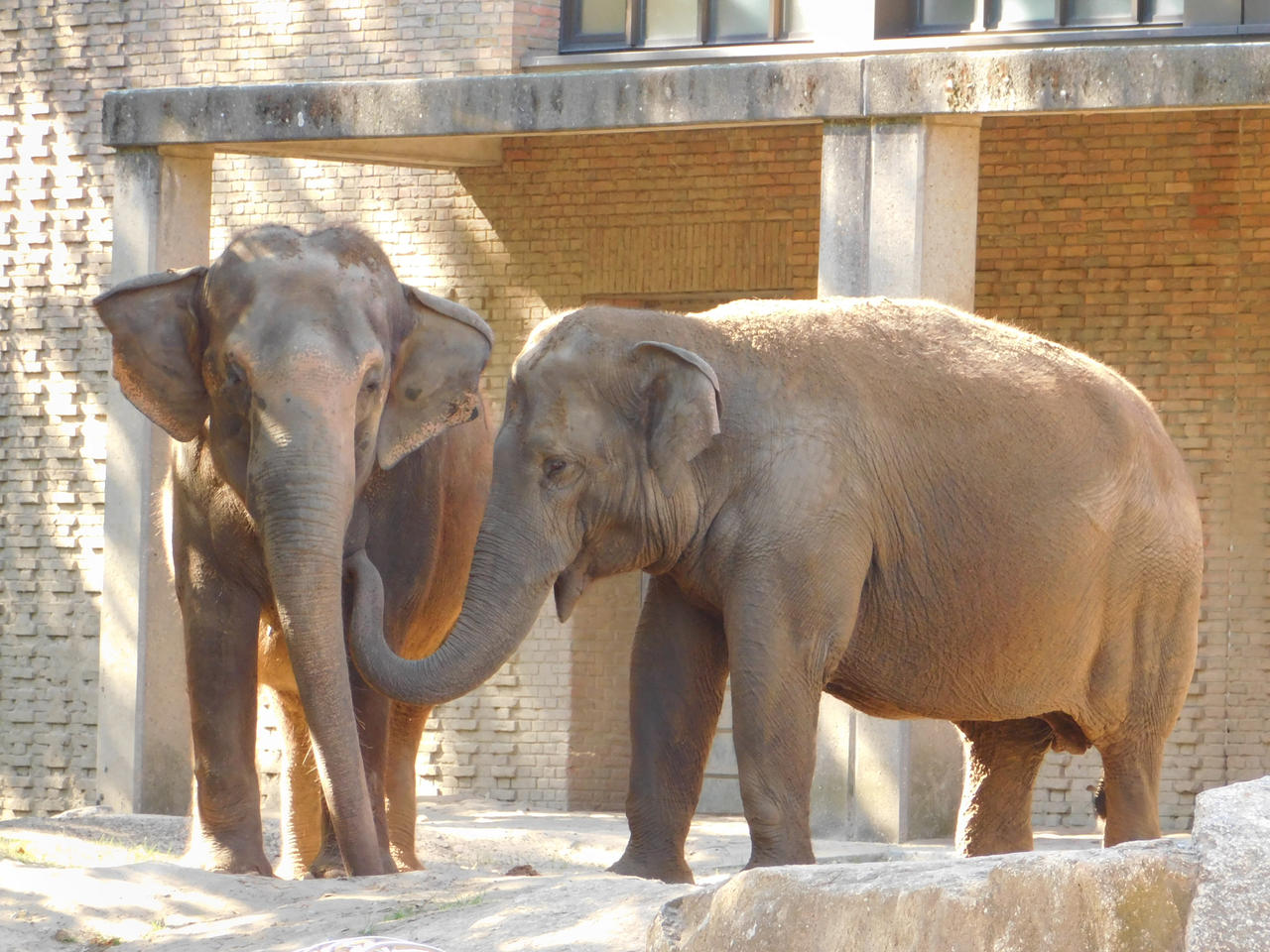
Elephants were used extensively in Asia for logging, construction, and warfare. Their strength allowed them to move massive trees and stones humans couldn’t manage. Ancient temples and infrastructure owe their existence to elephant labor. They were living cranes.
The toll on elephants was severe. Forced labor disrupted natural behaviors and shortened lifespans. Training often involved cruelty and confinement. Their intelligence made the exploitation especially tragic.
6. Camels
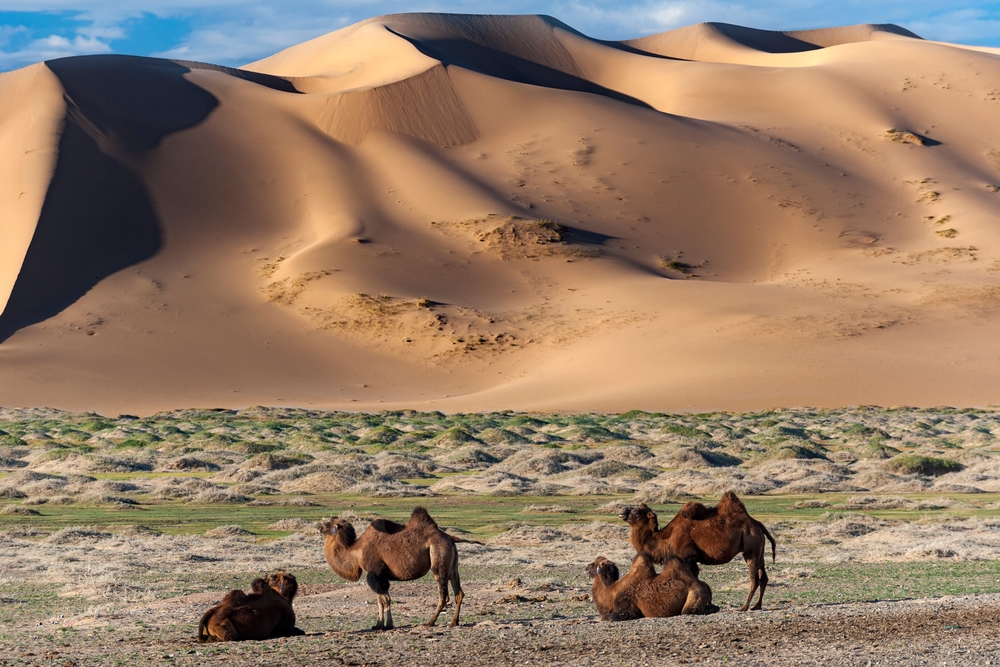
Camels were the lifeline of desert civilizations. They transported goods, water, and people across vast, inhospitable landscapes. Trade routes like the Silk Road depended on them. Without camels, desert economies would have collapsed.
They endured extreme heat, dehydration, and heavy loads. Despite their adaptations, the labor was exhausting. Camels often worked until physical breakdown. Their survival skills were exploited relentlessly.
7. Dogs

Dogs performed labor far beyond companionship. They pulled sleds, herded livestock, guarded property, and hunted for food. In Arctic regions, sled dogs were essential for survival. Entire communities depended on their work.
The conditions were often brutal. Dogs worked in freezing temperatures with minimal protection. Injuries and exhaustion were common. Their loyalty made them easy to overwork.
8. Reindeer
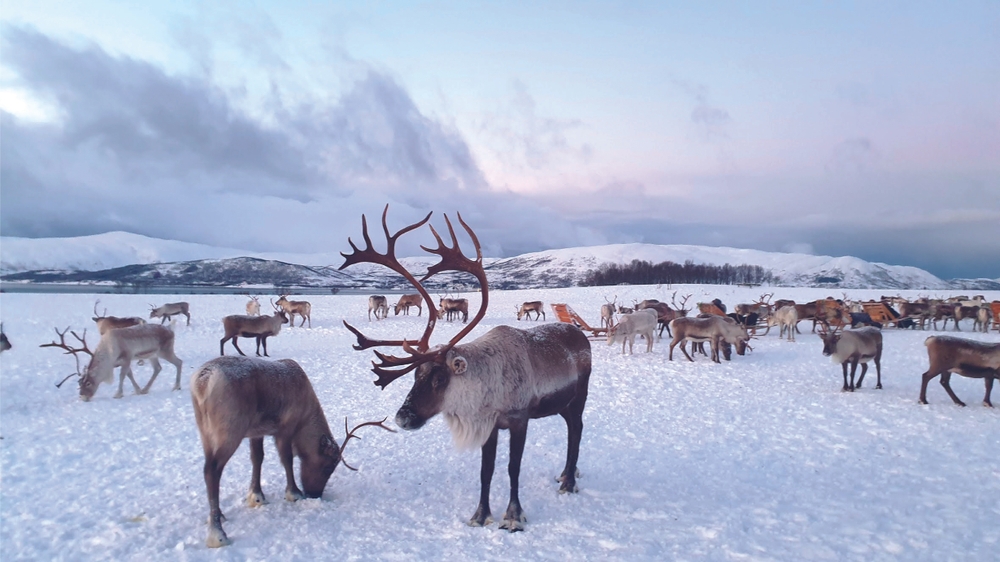
Reindeer were central to Indigenous Arctic cultures. They transported goods, pulled sleds, and provided food and materials. Life in extreme climates depended on them. They were both laborers and lifelines.
Despite mutual dependence, the labor was intense. Reindeer endured long migrations and harsh weather. Human survival often came at their expense. Their role blurred the line between partnership and exploitation.
9. Water Buffalo

Water buffalo-powered rice agriculture across Asia. Their strength and tolerance for wet conditions made them ideal for flooded fields. Entire populations relied on their labor for food production. Rice cultivation depended on them.
Their work was physically demanding and constant. Buffalo often labored knee-deep in mud for hours daily. Veterinary care was rare. Their contribution fed billions.
10. Llamas
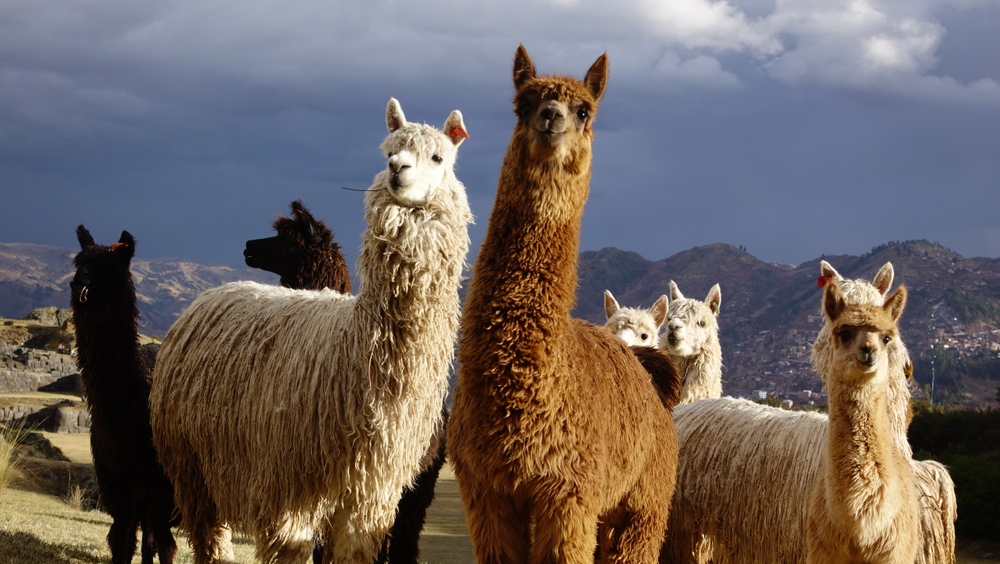
Llamas were the primary means of transport in the Incan Empire. They carried goods across steep Andean terrain inaccessible to wheeled transport. Roads and trade networks relied on them. Human expansion in the Andes depended on llama labor.
They carried heavy loads at high altitudes. Overloading was common despite physical limits. Injury and exhaustion were frequent—their labor built empires without recognition.
11. Cats
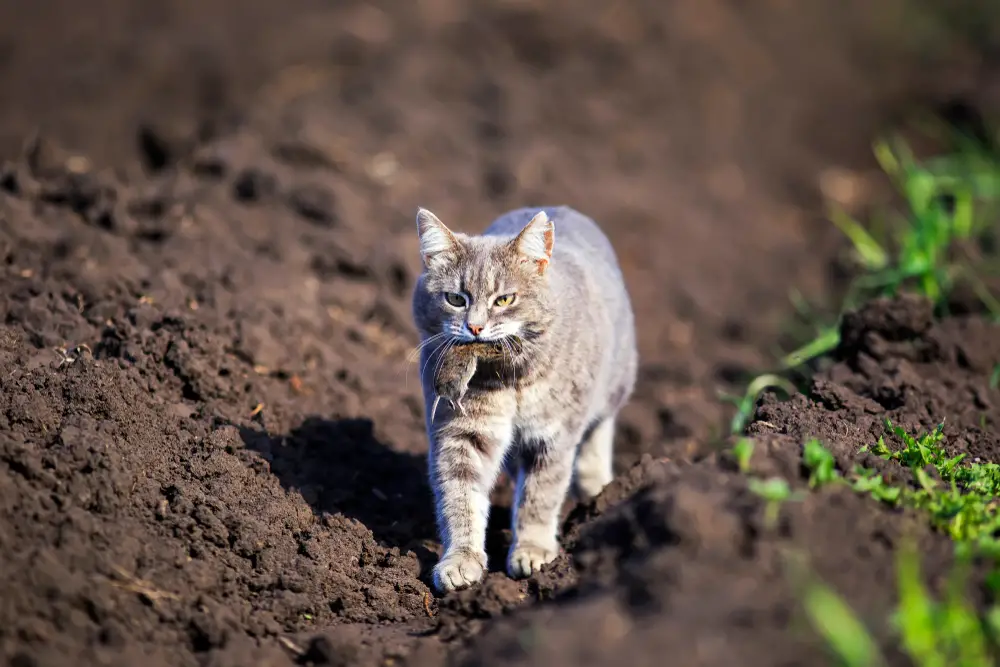
Cats performed essential pest-control labor in agriculture and shipping. Protecting grain stores prevented famine. Ships relied on cats to control rats during long voyages. Trade depended on their hunting instincts.
Their work was constant and unpaid. Many lived short, dangerous lives aboard ships or in barns. Disease and injury were common. Their contribution was silent but vital.
12. Pigeons
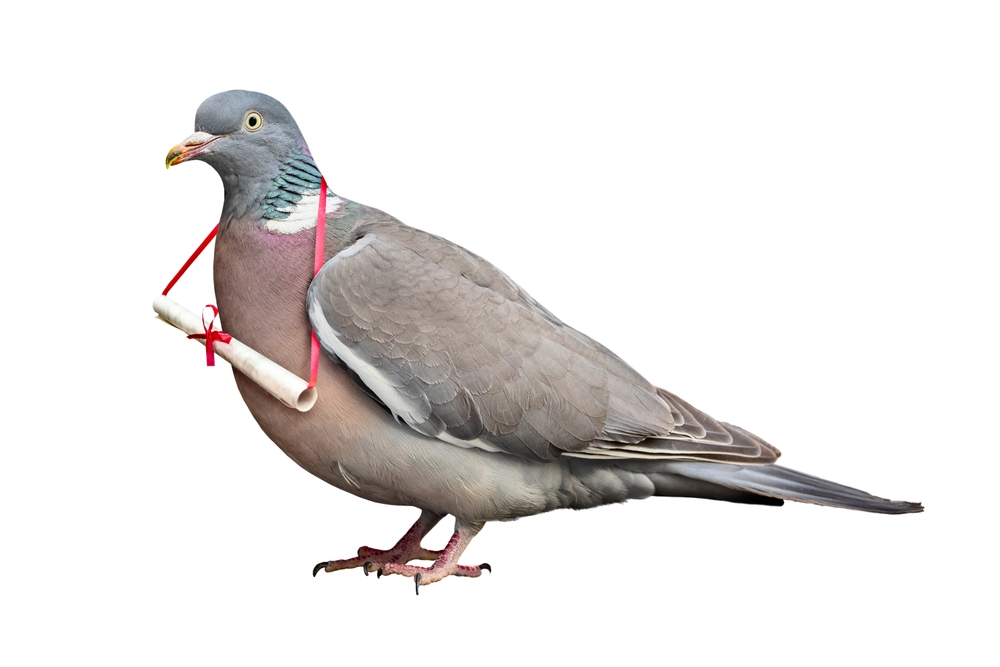
Pigeons served as communication laborers for centuries. They carried messages across battlefields and borders. Governments and militaries depended on them for survival. Wars were won because of pigeons.
Their work placed them directly in danger. Many were shot down or died from exhaustion. Despite this, they were sent repeatedly. Their role was both heroic and disposable.
13. Rats
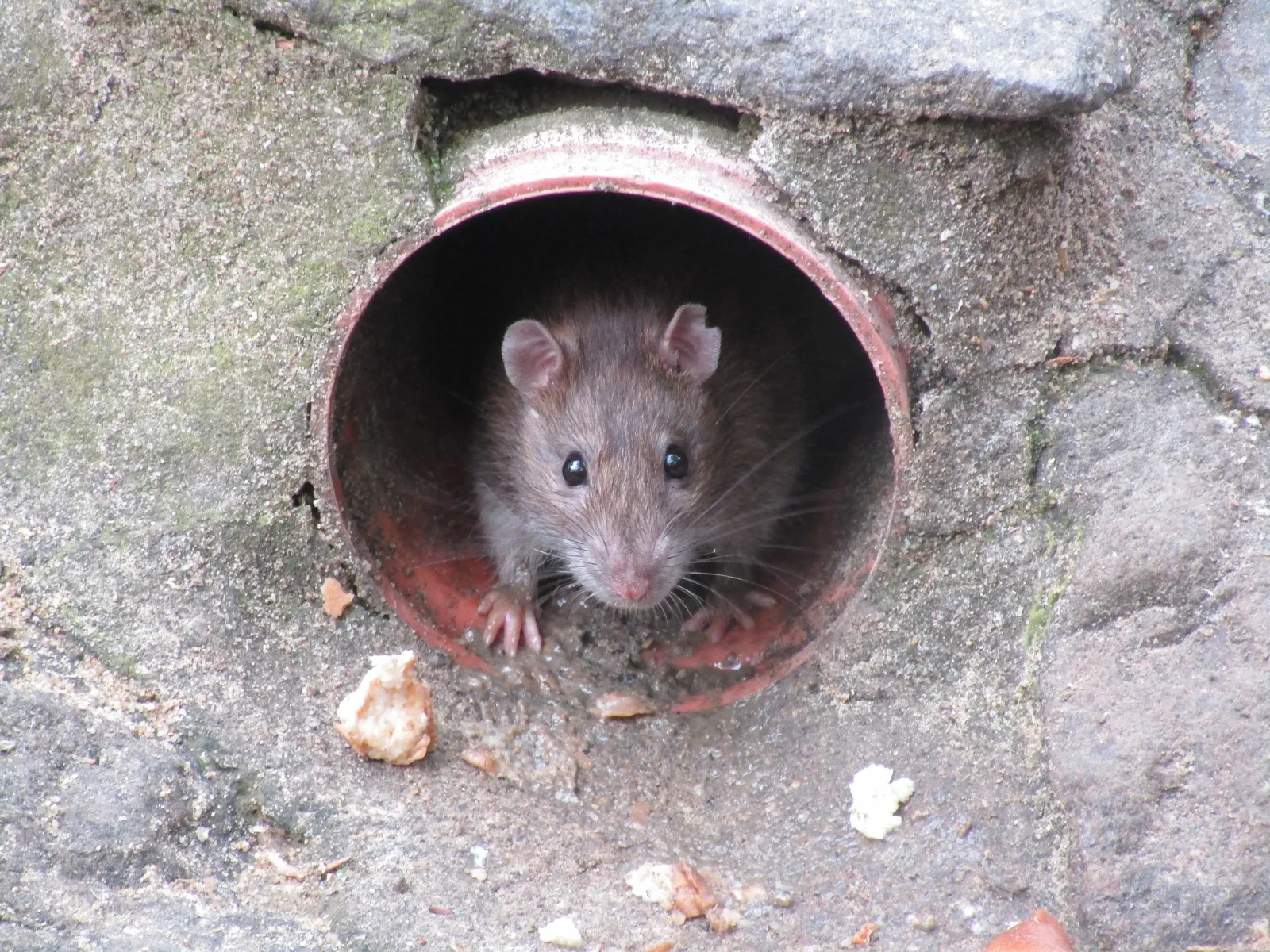
Rats were unintentionally exploited in industrial environments. Mines and laboratories relied on them for detection and experimentation. They were sent into hazardous spaces first. Human safety often depended on their suffering.
Their labor was involuntary and lethal. Exposure to toxins and confined spaces killed countless rats. Their intelligence was exploited without mercy. Progress came at their expense.