Some wild mammals possess bite forces so extreme they seem almost impossible. These animals are not just strong for their size, but capable of generating crushing power that dwarfs what most predators can manage. When biologists measure their bite force in pounds per square inch, the numbers sound more like industrial machinery than living tissue. Here are twelve wild mammals whose jaws push the limits of biology and make scientists double-check their equipment.
1. Hippopotamus
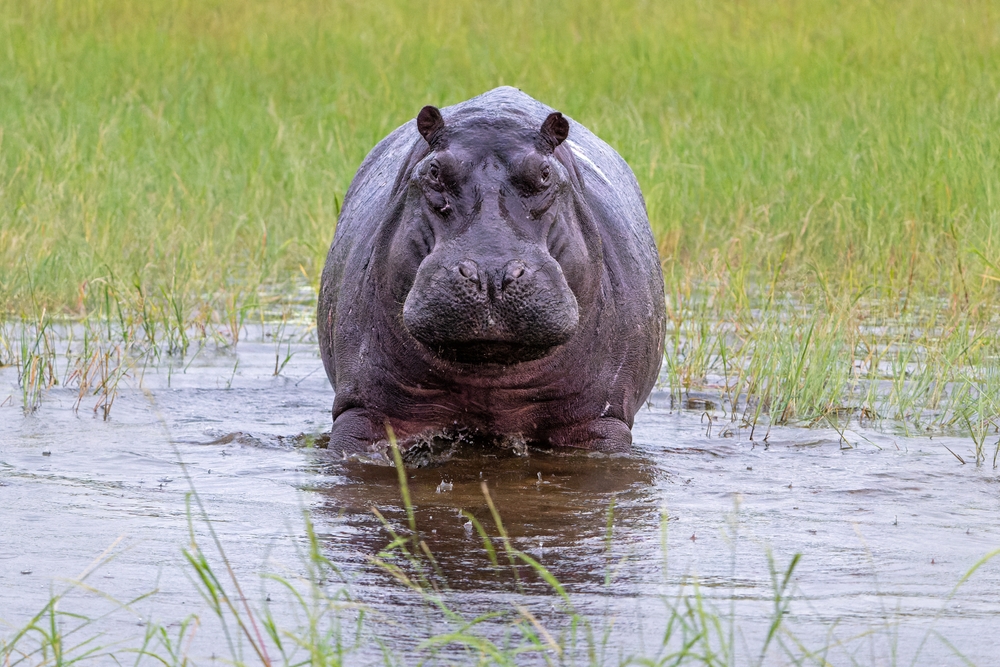
The hippopotamus has one of the most powerful bites ever recorded in a land mammal. Studies estimate their bite force at around 1,800 PSI, enough to easily snap a canoe or crush thick bones. Their enormous jaw muscles and wide gape allow them to open nearly 150 degrees, maximizing leverage.
Despite being herbivores, hippos use their jaws as primary weapons in territorial disputes. Males fight by clamping down on rivals with shocking force. That crushing capability makes them one of the most dangerous animals in Africa, even without sharp predator instincts.
2. Saltwater Crocodile (Honorable Comparison From Reptiles)
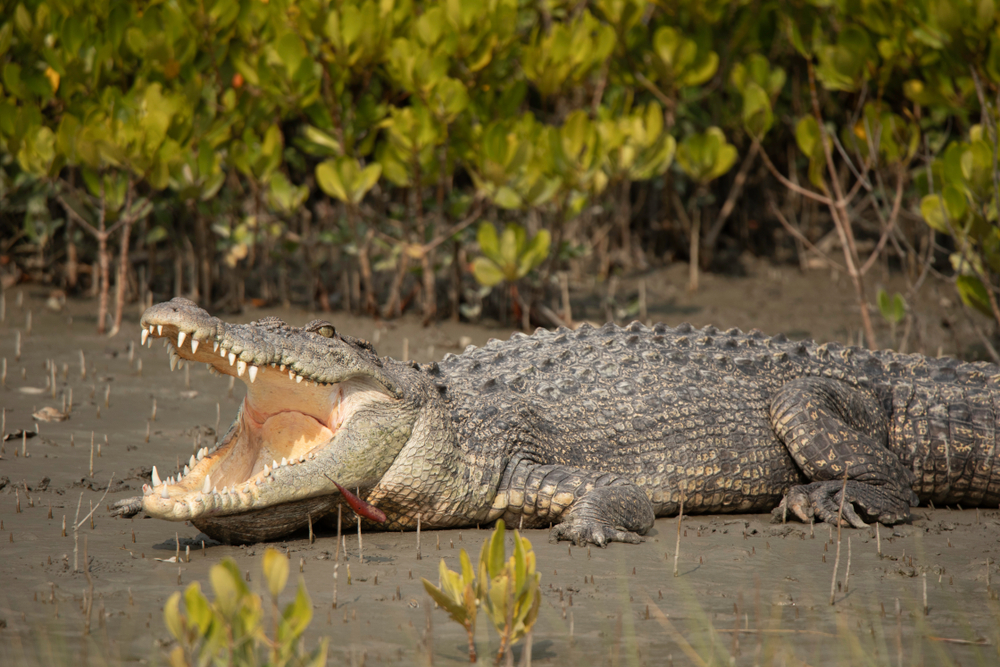
While not a mammal, the saltwater crocodile is often mentioned to show just how extreme mammalian bites are in comparison. Crocodiles can exceed 3,700 PSI, making them the strongest biters in the animal kingdom overall. Mammals rarely approach those numbers, which makes the top mammalian contenders so impressive.
Researchers often use crocodile data as a benchmark when studying mammal jaw mechanics. It highlights how unusual it is for a warm-blooded animal to produce extreme bite forces. That context makes the strongest mammals stand out even more.
3. Jaguar
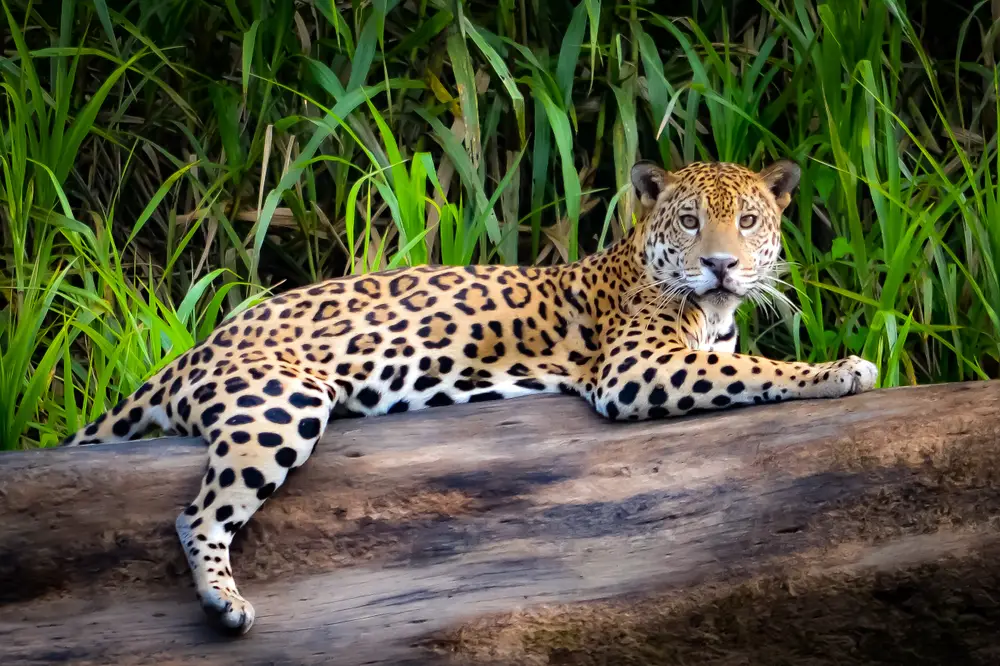
Among big cats, the jaguar reigns supreme in bite force relative to body size. With an estimated bite of roughly 1,500 PSI, it surpasses lions and tigers proportionally. Its short, broad skull gives it mechanical leverage that maximizes pressure.
Jaguars are famous for killing prey with a skull-piercing bite rather than a throat hold. They can crush turtle shells and even puncture caiman skulls. That unique killing strategy relies entirely on jaw strength that borders on unbelievable.
4. Gorilla
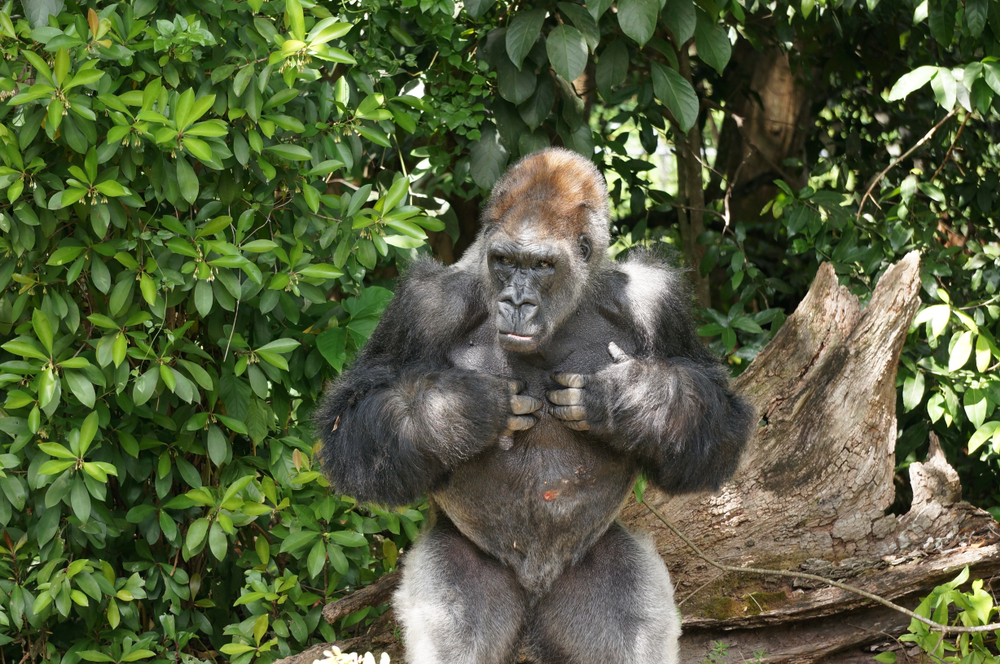
Gorillas may look gentle while eating leaves, but their bite force is estimated around 1,300 PSI. Massive jaw muscles and thick molars allow them to grind tough vegetation effortlessly. Their sagittal crest, the ridge atop the skull, anchors powerful chewing muscles.
While gorillas are not predators, their bite is formidable in defensive situations. A threatened silverback can inflict catastrophic injury with a single clamp of the jaws. Their power is built for survival, not hunting, but it remains staggering.
5. Spotted Hyena
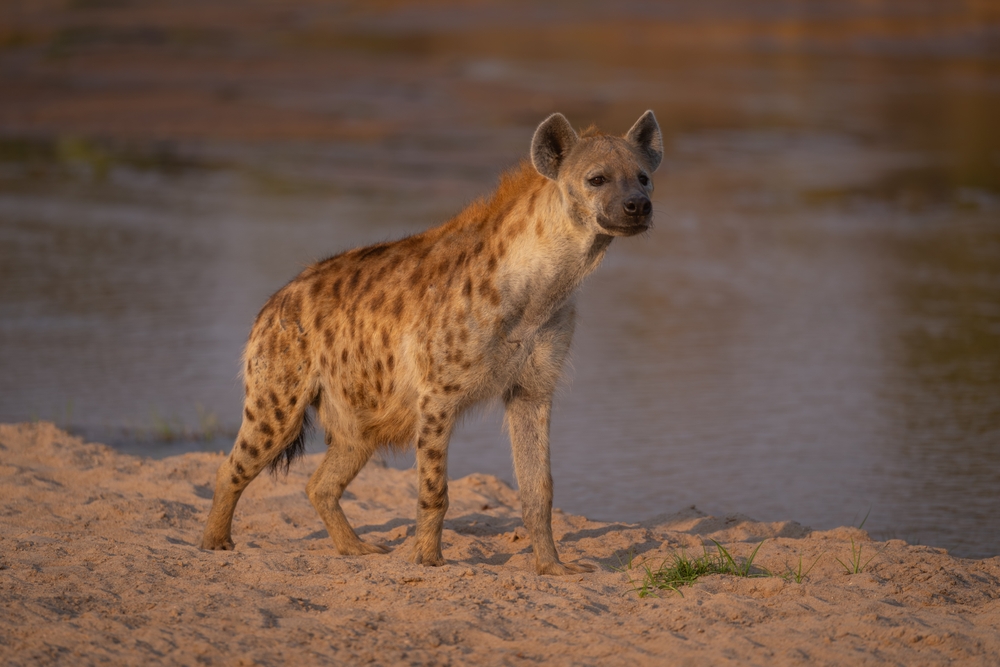
Spotted hyenas are famous for bone-crushing bites that can exceed 1,100 PSI. Their jaws are specialized to break femurs and access marrow that other predators leave behind. This gives them a unique ecological advantage on the savannah.
Their skull shape is compact and reinforced for repeated crushing. Unlike many predators that avoid dense bone, hyenas actively seek it out. That adaptation makes their bite force both practical and extreme.
6. Polar Bear
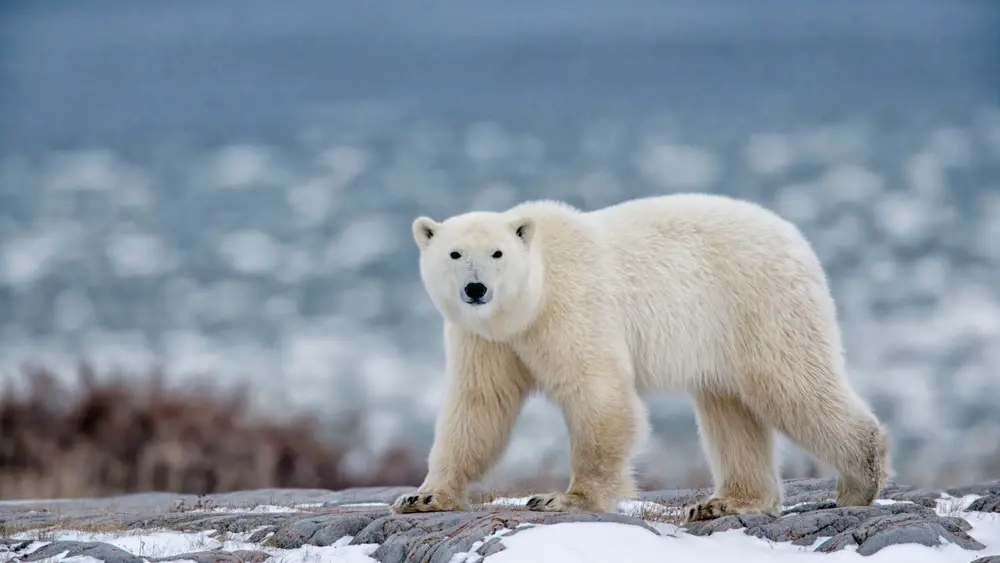
Polar bears possess one of the strongest bites among bears, estimated near 1,200 PSI. Their massive heads and powerful neck muscles amplify jaw strength. They need this force to subdue large prey like seals.
Their bite is designed for puncturing thick hide and breaking bones quickly. Living in the Arctic requires efficiency, and a powerful bite ensures meals are secured fast. In a survival environment with limited food, jaw strength matters enormously.
7. Grizzly Bear
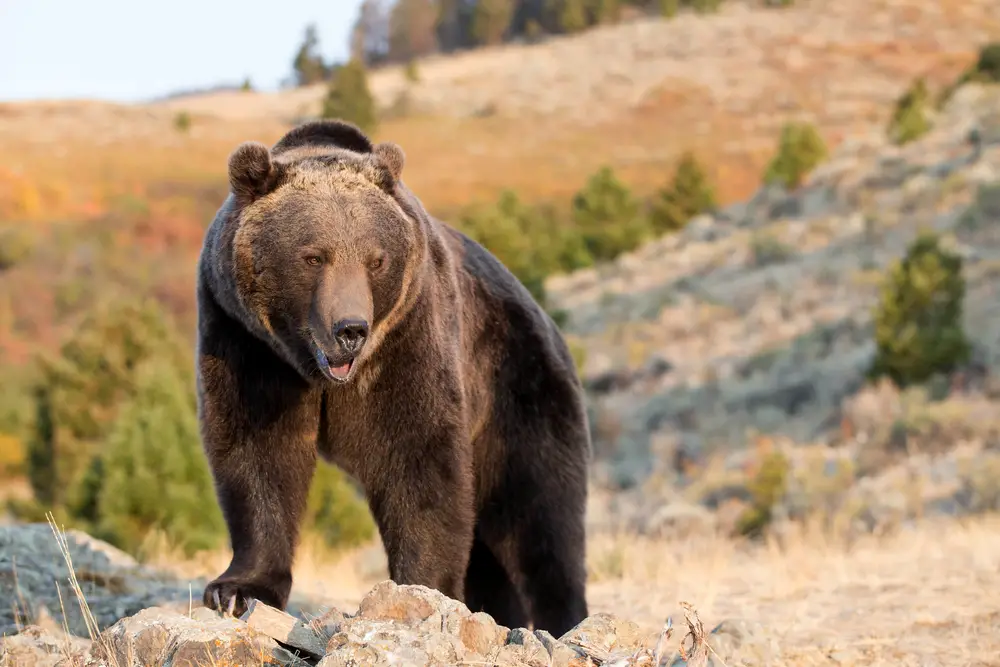
Grizzly bears also demonstrate impressive bite forces approaching 1,160 PSI. Their large molars crush roots and tough plant matter, but they are equally capable of tearing into meat. That versatility demands serious jaw strength.
When defending cubs or territory, a grizzly’s bite can be devastating. Combined with their size and claws, the jaw strength becomes part of a lethal defensive package. Few animals challenge them directly.
8. Tasmanian Devil
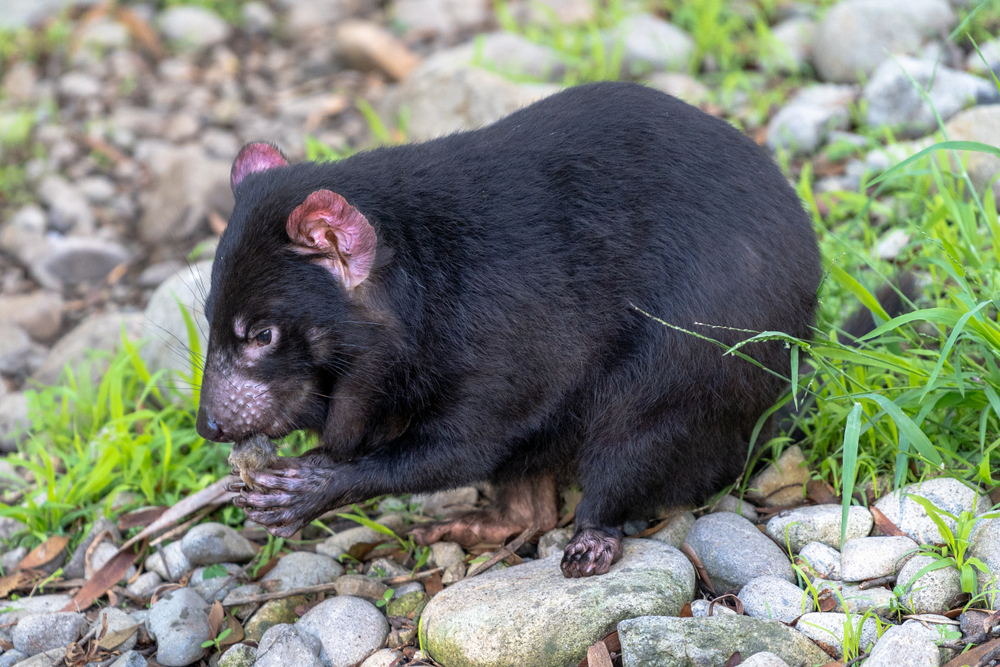
The Tasmanian devil has one of the highest bite forces relative to body size of any mammal. While absolute PSI is lower than bears or hippos, the proportional strength is extraordinary. Their jaws can generate immense pressure for an animal weighing under 30 pounds.
They specialize in consuming carcasses entirely, including bones. Their short snout and wide jaw structure maximize leverage. For their size, the force seems almost disproportionate to their small frame.
9. African Lion
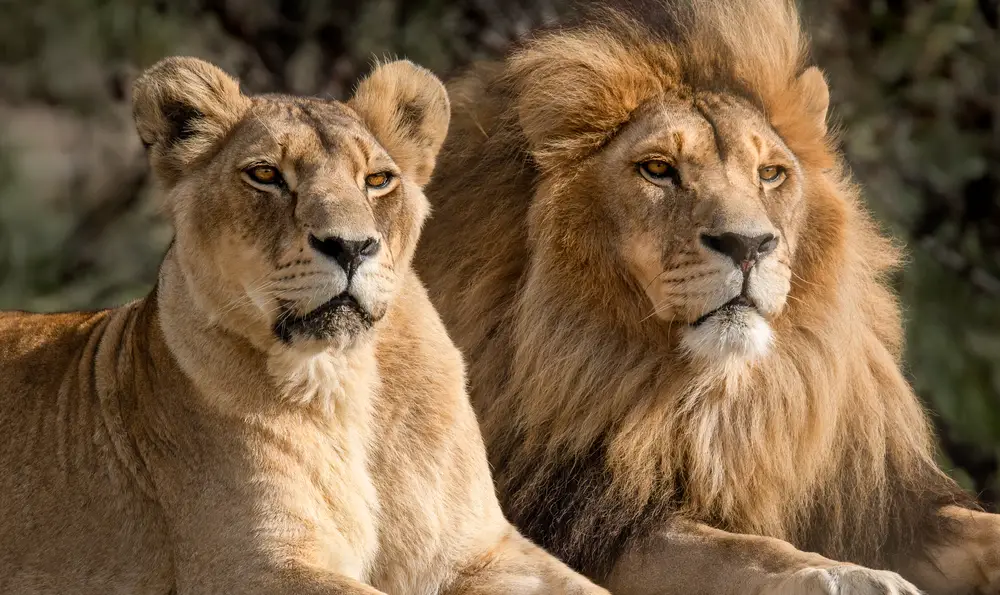
Lions have a bite force estimated around 650 PSI, which may seem modest compared to hippos or jaguars. However, combined with their size and cooperative hunting, it becomes extremely effective. Their canines are designed to grip and suffocate prey.
Lions rely more on technique than raw PSI alone. Their strength is focused on throat holds that cut off airflow quickly. The synergy of muscle, teeth, and teamwork makes their bite deadly even without record-breaking numbers.
10. Tiger
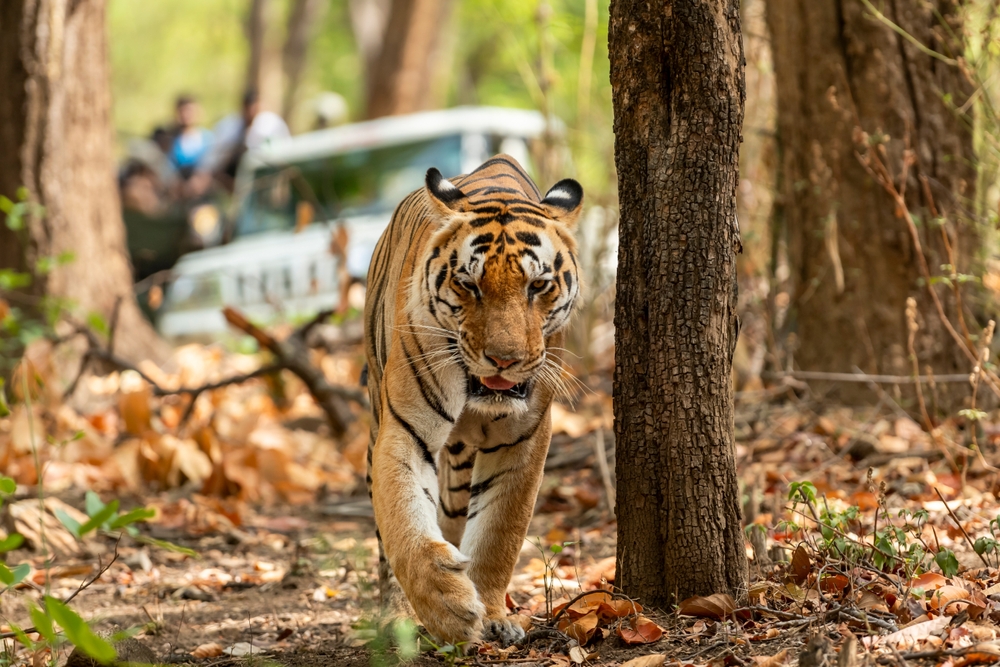
Tigers produce a bite force similar to lions, roughly 1,050 PSI in larger individuals. Their massive heads and jaw muscles are built for solo hunting. Unlike lions, they subdue prey alone, which requires greater individual strength.
Their bite is used to clamp down on the neck or throat of large ungulates. The combination of stealth and jaw power allows them to take down animals larger than themselves. That independent hunting style demands extraordinary bite control and force.
11. Wolf
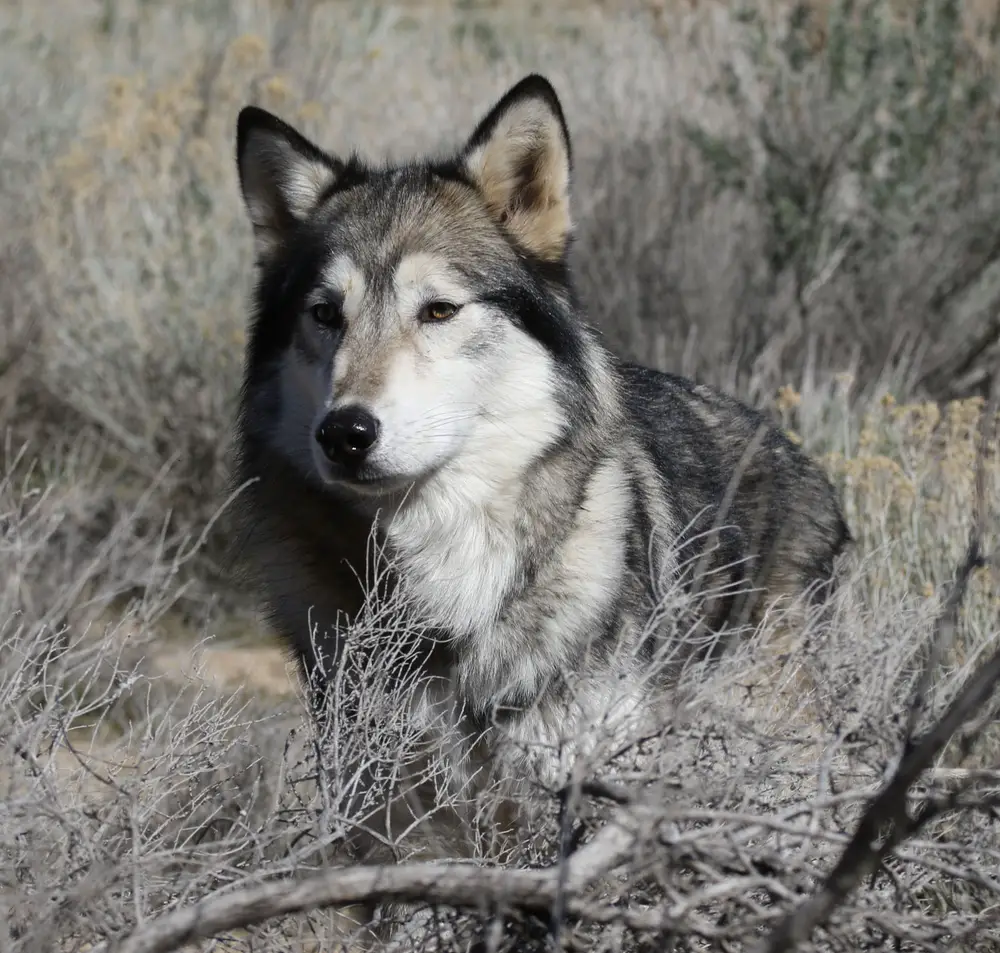
Gray wolves generate an estimated 400 PSI, which may not sound extreme at first glance. However, when combined with pack coordination, it becomes devastating. Multiple wolves biting simultaneously can bring down prey many times their size.
Their jaws are built for endurance as much as crushing force. Wolves maintain grip while tearing flesh efficiently. Bite strength paired with stamina makes them formidable hunters.
12. Warthog
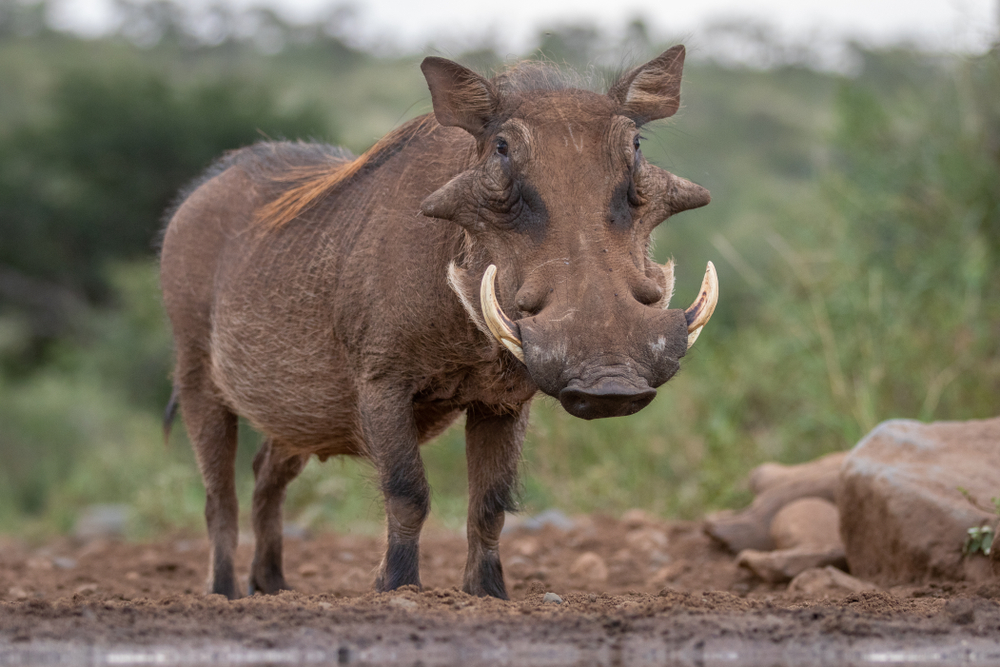
Warthogs are not typically associated with extreme bite force, but their jaws are surprisingly powerful. Their thick skull and reinforced snout structure support strong chewing muscles. They use their bite primarily for defense when cornered.
A threatened warthog can inflict serious injury with both tusks and jaw pressure. While not record-breaking in raw PSI, their bite is effective and underestimated. Sometimes the surprise factor adds to the danger.