
The U.S. is experiencing an unexpected and concerning trend: a record spike in thermal spring accidents. These natural wonders, known for their breathtaking beauty and soothing waters, seem to have become hotspots for mishaps. From unwary tourists to unpredictable environments, numerous factors contribute to this alarming rise. Here are 13 reasons why these accidents are happening and what you should know to avoid becoming part of the statistics.
1. Increased Tourism, Lack of Awareness
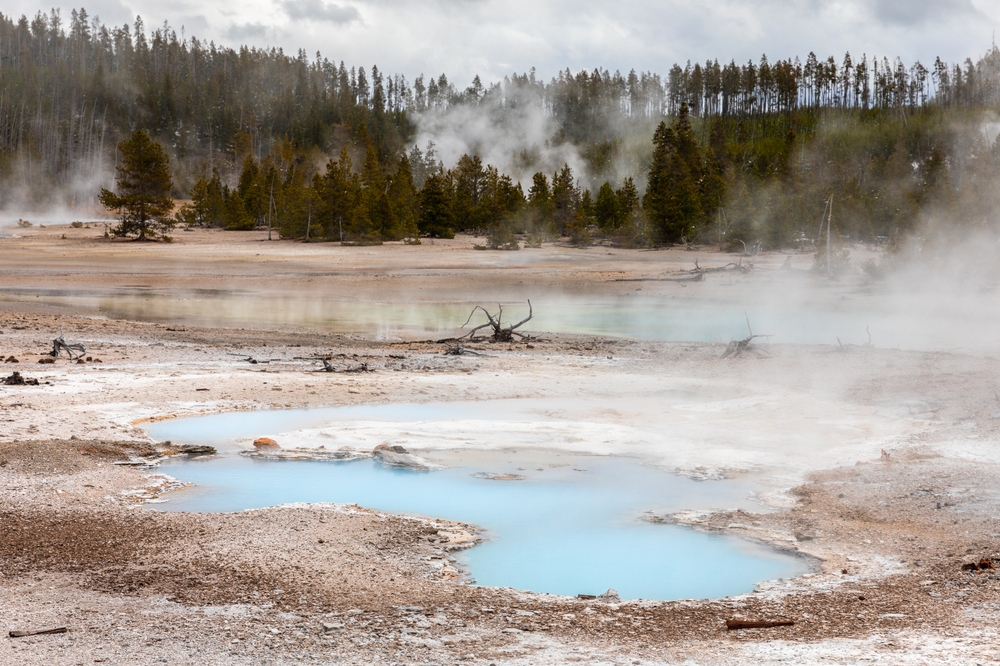
With more people seeking adventure and the allure of natural beauty, thermal springs have become a popular destination. However, the surge in tourism means many visitors are unaware of the dangers these environments pose. The mineral-rich waters can reach scalding temperatures, and unwary tourists often underestimate the risks. Without a proper understanding of the terrain and conditions, accidents become increasingly likely.
A recent article in National Geographic highlights how the rise of social media has fueled interest in these picturesque locations, often leading to overcrowding and safety hazards. People are more focused on capturing the perfect selfie than paying attention to warning signs. This distraction can have dangerous consequences, turning a relaxing day into a potentially life-threatening situation. A little knowledge and respect for the environment can go a long way in preventing accidents.
2. Misleading Appearances, Hidden Dangers
Thermal springs may look inviting, but appearances can be deceiving. Crystal-clear waters often hide treacherous drop-offs or fluctuating temperatures. Many visitors assume that if the water looks serene, it’s safe, forgetting that these are natural, and often volatile, environments. This misconception can lead to unexpected injuries or worse.
It’s crucial to remember that thermal springs are not controlled spas but wild, active geothermal areas with their own set of rules. You wouldn’t dive into unknown waters without checking their depth or temperature, yet that’s what many do when visiting these sites. Understanding that beauty doesn’t equate to safety is essential. Respecting these environments means acknowledging their power and potential hazards.
3. Changing Climate, Temperature Spikes

Climate change is more than just a global headline; it’s affecting local ecosystems in ways you might not expect. Rising temperatures and shifting weather patterns can alter the behavior of thermal springs. According to a study by the National Oceanic and Atmospheric Administration (NOAA), these changes can lead to increased geothermal activity or sudden temperature spikes in spring waters. Visitors who aren’t prepared for these fluctuations can easily find themselves in dangerous situations.
As climate conditions continue to evolve, so do the risks associated with natural attractions like thermal springs. Unpredictable weather can lead to unexpected changes in water levels or temperatures, catching visitors off guard. Staying informed about local weather patterns and potential geothermal activity is more critical than ever. A little preparation can mean the difference between a safe visit and a hazardous encounter.
4. Inadequate Signage, Lax Safety
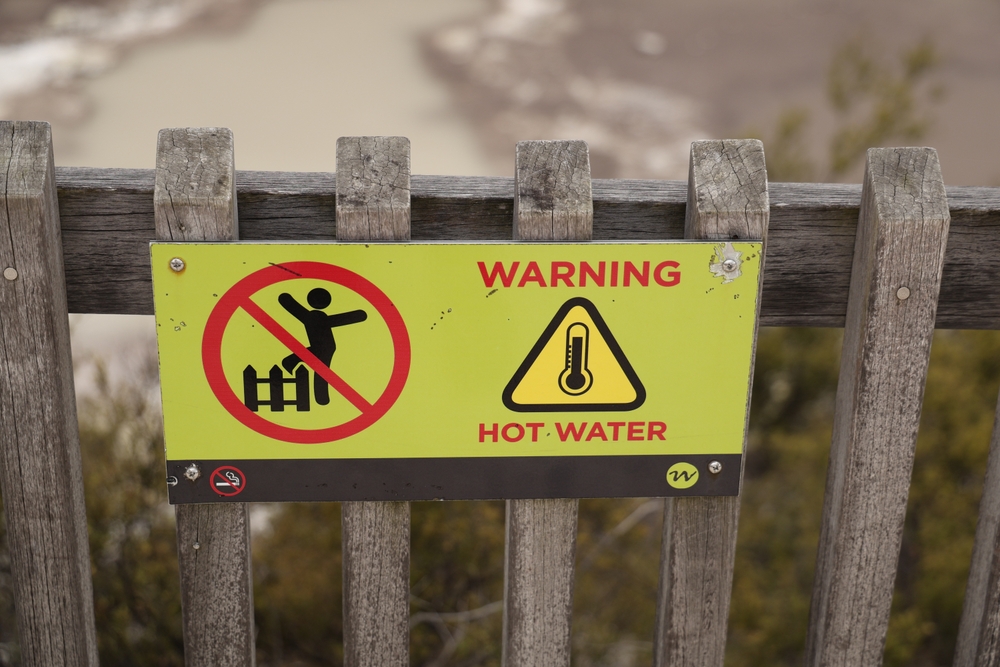
Not all thermal springs are equipped with the necessary safety warnings or barriers. In many locations, signage is either outdated or nonexistent, leaving visitors without crucial information. This lack of guidance can lead to poor decision-making and unexpected accidents. When you’re navigating an unfamiliar and potentially dangerous environment, having clear, visible warnings is essential.
Some springs are located in remote areas where upkeep and maintenance are challenging. Budget constraints and logistical issues often mean that safety measures are not prioritized. This lack of investment in visitor safety can have dire consequences, as people inadvertently wander into hazardous zones. Until improvements are made, it’s vital to approach these areas with caution and conduct your own risk assessments.
5. Misjudging Depth, More Accidents

For many, the thrill of exploring thermal springs can overshadow critical safety assessments like gauging water depth. It’s easy to assume that clear waters are shallow, but this can be a dangerous misconception. According to experts from the American Red Cross, misjudging water depth is a leading cause of aquatic accidents. The bottom of a thermal spring can be uneven and unpredictable, making it crucial to assess before diving in.
This is especially important because geothermal waters can obscure visibility, masking hidden dips and sudden drop-offs. Visitors often enter the water without realizing these risks, leading to injuries or worse. Simple precautions like testing the depth before fully entering can prevent these accidents. Always remember that what you see on the surface rarely tells the whole story beneath.
6. Unpredictable Wildlife, Close Encounters

Thermal springs are not only beautiful but also home to diverse wildlife, some of which can pose unexpected dangers. While many animals are harmless, others can be territorial or aggressive, especially when startled by human presence. People unfamiliar with the area’s wildlife might inadvertently provoke an animal, leading to dangerous encounters. Awareness and respect for local fauna are essential for a safe visit.
Many visitors are so focused on the springs themselves that they overlook the natural habitat surrounding them. This can result in surprising and potentially hazardous encounters with animals like snakes or insects. Maintaining a respectful distance and observing wildlife from afar is always the best policy. Being mindful of your surroundings can prevent unwelcome surprises during your visit.
7. Geological Instability, Increased Erosion
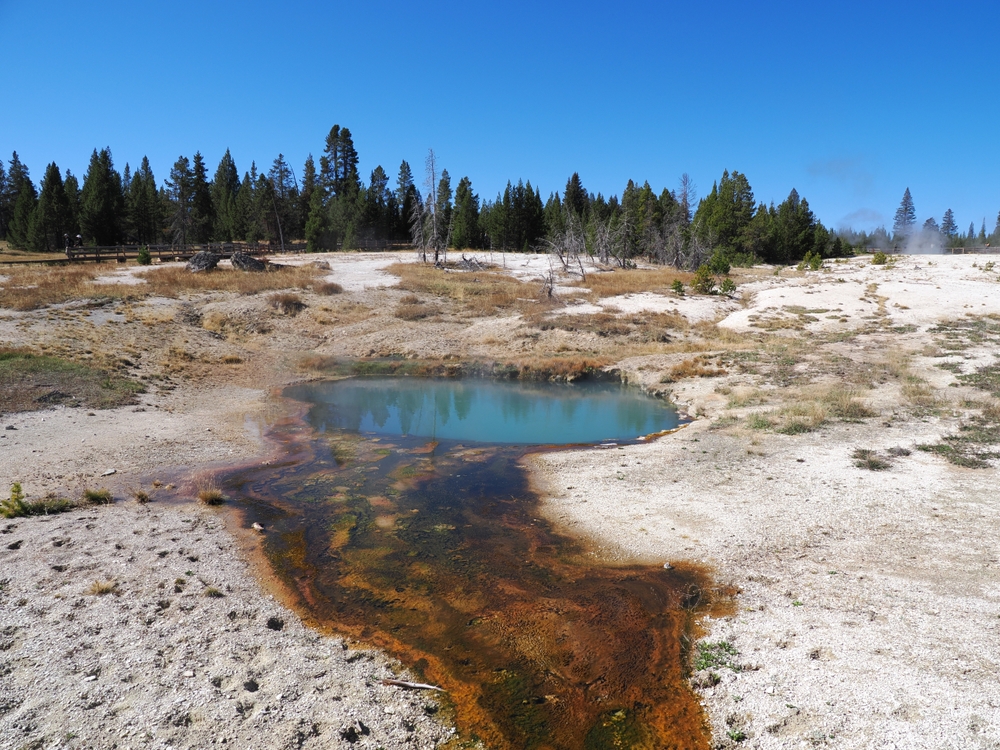
The natural processes that create and sustain thermal springs can also make them unstable. Erosion, seismic activity, and geological shifts can affect the safety of these areas, often without warning. The United States Geological Survey (USGS) has noted that regions with geothermal activity are inherently unpredictable and can experience sudden changes. Visitors unaware of these risks may find themselves in precarious situations without a clear escape route.
It’s important to remember that these are dynamic, living landscapes that are constantly evolving. Erosion can lead to unstable ground, while underground shifts may cause sudden steam vents to open up. Respecting the power of nature and acknowledging its unpredictability is crucial for staying safe. Before venturing into these areas, it’s wise to check for any recent geological activity reports or advisories.
8. Reckless Behavior, Risk-Taking Consequences
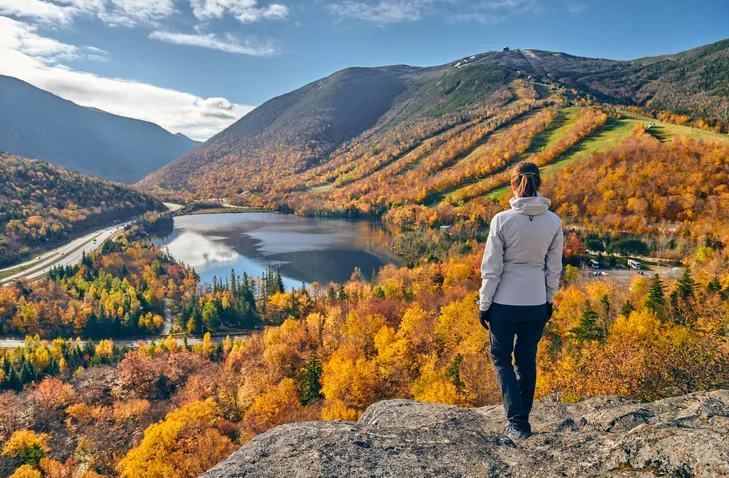
There’s a fine line between confidence and recklessness, especially when exploring natural wonders. Many visitors, buoyed by previous experiences, may overestimate their ability to navigate potentially dangerous environments. This overconfidence can lead to risky behaviors, like venturing off marked paths or ignoring warning signs. While a sense of adventure is commendable, it’s crucial to balance it with caution and respect for nature.
Risk-taking can be exhilarating, but it also comes with consequences. Ignoring safety protocols puts not only yourself at risk but also those around you. It’s essential to recognize your limits and stick to designated safe zones. Embracing the adventure responsibly ensures that you can enjoy the experience without unintended accidents.
9. Remote Areas, Limited Emergency Services
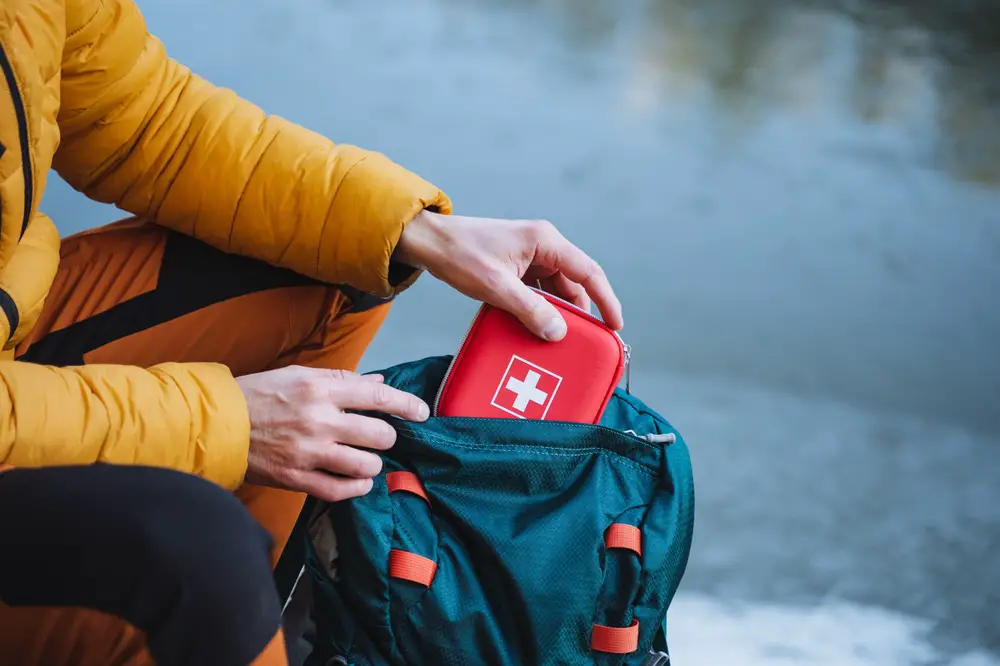
Many thermal springs are located in remote regions, far from immediate medical assistance. In the event of an accident, limited access to emergency services can exacerbate the situation. Rescue teams may face challenges reaching the location quickly due to difficult terrain and lack of infrastructure. This delay can mean the difference between a minor incident and a serious emergency.
When planning a visit to a remote thermal spring, it’s vital to consider the availability of nearby medical facilities. Understanding the logistics of the area and having a plan for emergencies can be lifesaving. Carrying a basic first aid kit and knowing contact details for local rescue services are practical steps. While the location’s seclusion adds to its charm, it also requires heightened awareness and preparation.
10. Inexperienced Swimmers, Dangerous Conditions

Thermal springs can be deceptively inviting, but they’re not always suitable for inexperienced swimmers. The warm waters can mask strong currents or deep areas that present challenges for those not confident in their swimming abilities. People may enter the water thinking it’s safe, only to find themselves struggling with conditions beyond their control. Recognizing your swimming skills is crucial before taking a dip.
For those less experienced, even calm waters can become overwhelming, especially if unexpected factors come into play. Staying at the edges or using flotation devices can provide additional safety. Encouraging group visits where more experienced swimmers are present can also enhance security. Remember, there’s no shame in sitting out if you’re unsure—safety should always come first.
11. Alcohol Consumption, Impaired Judgment

A day at the springs might seem like the perfect setting for a leisurely drink, but alcohol and geothermal waters are a risky mix. Drinking impairs judgment and can lead to dangerous decisions, such as underestimating water temperatures or depths. Alcohol consumption increases the risk of dehydration and reduces your ability to react in emergencies. Keeping a clear head is vital for navigating these unpredictable environments safely.
It’s easy to get caught up in the relaxed atmosphere and forget the potential dangers that lurk in thermal springs. While having fun is part of the experience, moderation is key. Limiting alcohol intake and staying hydrated with water can prevent impaired judgment and keep you safe. Remember, enjoying the springs responsibly ensures both a memorable and safe experience.
12. Changing Water, Chemical Shifts
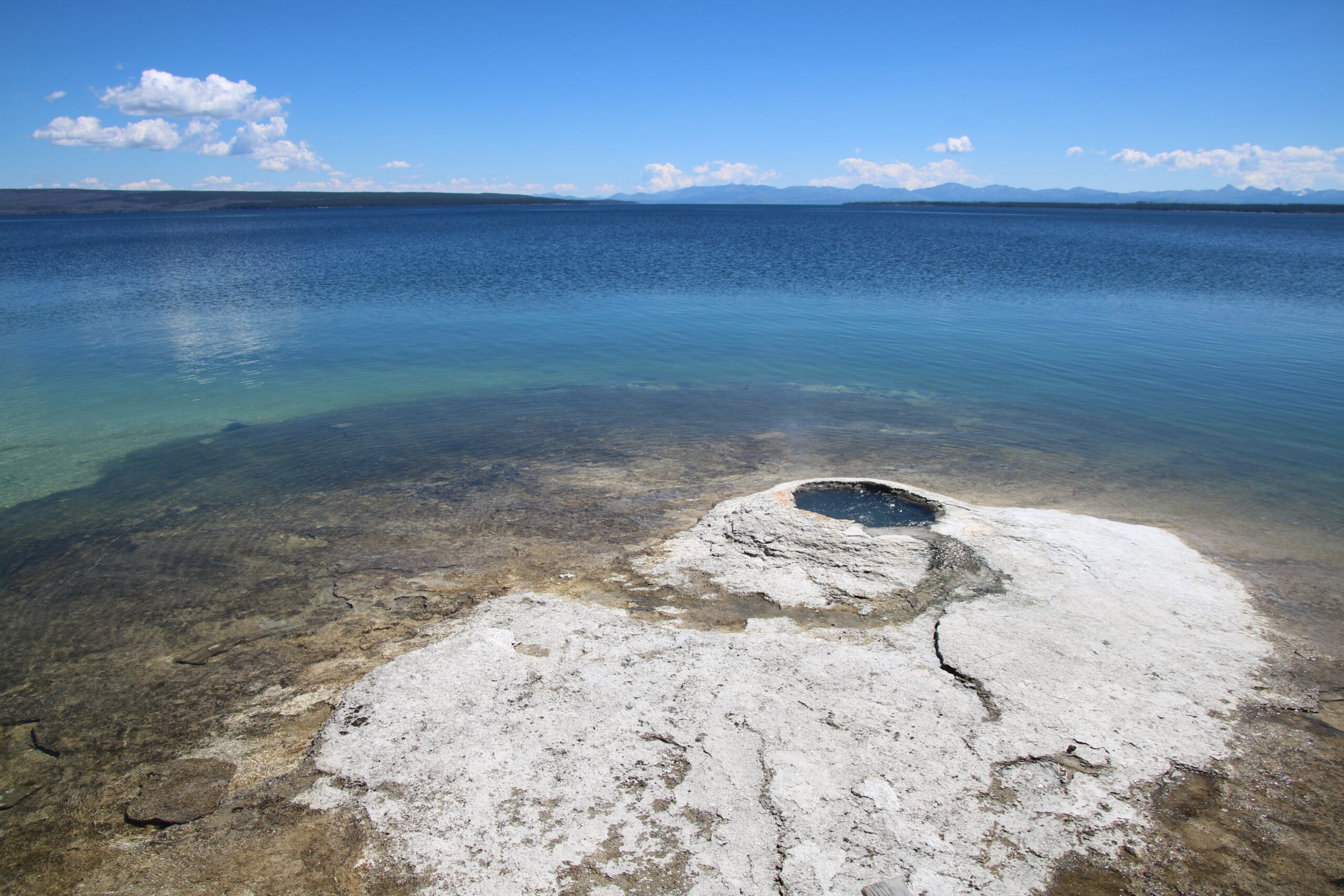
Thermal springs are known for their mineral-rich waters, which can change in composition due to various natural factors. These changes can affect both the water’s appearance and its safety for human contact. Visitors who are unaware of or sensitive to these chemical shifts may experience skin irritations or other health issues. Understanding the water’s chemistry before entering is crucial for avoiding unpleasant surprises.
Local environmental changes, such as nearby volcanic activity or pollution, can alter the water’s properties. Staying informed about the spring’s current conditions and any recent environmental reports can help in making safe decisions. It’s also wise to test a small area of skin for sensitivity before fully immersing yourself. Respecting the natural composition of these waters is essential for a pleasant and safe visit.
13. Wrong Footwear, Slippery Terrain
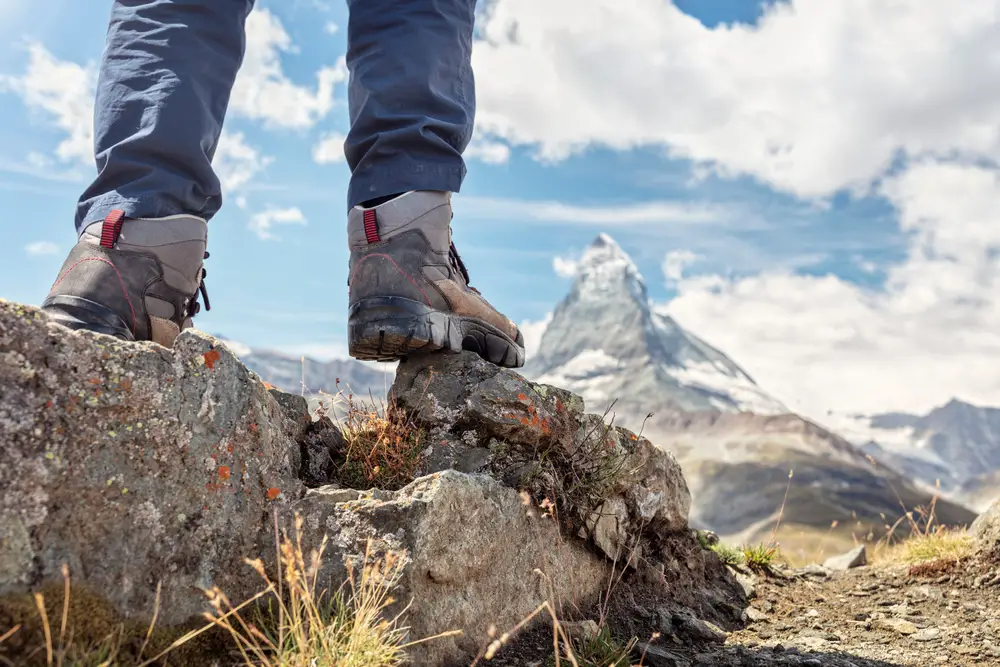
Navigating the often rocky and slippery terrain of thermal springs requires the right footwear to prevent accidents. Many visitors opt for flip-flops or go barefoot, increasing the risk of slips, falls, or cuts from sharp rocks. Proper footwear can provide the necessary grip and protection needed in these unpredictable environments. Taking this simple precaution can make a huge difference in ensuring your safety.
The rough and uneven surfaces around thermal springs are not forgiving and can lead to injuries if you’re not adequately prepared. A pair of sturdy, water-resistant shoes with good traction can prevent painful accidents. Investing in proper gear might not seem glamorous, but it’s a smart choice for anyone wanting to enjoy the springs safely. Remember, being prepared from the ground up is key to a successful and secure adventure.