
Fishing is often about patience and skill, but sometimes it’s about sheer surprise as well. When fishermen head out to sea, they expect to reel in the usual suspects like tuna, cod, or perhaps a hefty marlin. Yet, every so often, they pull something extraordinary from the depths that leaves even seasoned anglers scratching their heads. From ancient relics to bizarre creatures, here are 15 strange finds that have been making waves in the fishing community.
1. Ancient Amphorae

Imagine the shock of pulling up an ancient amphora instead of your typical catch of the day. Amphorae are large storage jars used by ancient civilizations to transport goods like wine and olive oil. When a group of fishermen off the coast of Spain discovered one, it was like uncovering a piece of history from a watery tomb. These artifacts often provide valuable insights into ancient trade routes and cultural exchanges.
According to a study by the University of Barcelona, such finds are more common in the Mediterranean, where many ancient shipwrecks lay undisturbed. The amphorae are usually well-preserved due to the protective layer of sediment on the ocean floor. This discovery not only enriches our understanding of history but also brings a moment of excitement to an otherwise routine day at sea. It’s like finding an ancient message in a bottle, with the sea itself as the storyteller.
2. Giant Squid
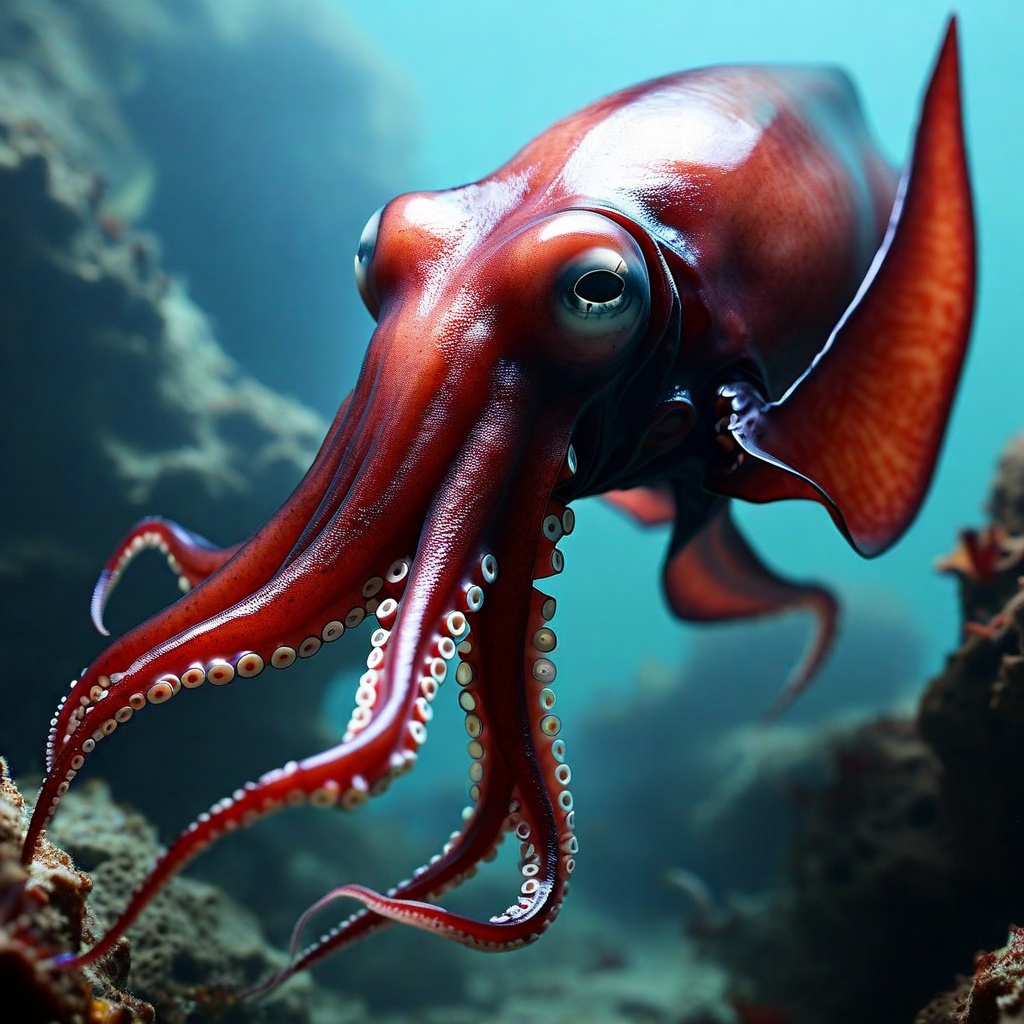
You’ve heard tales of the legendary Kraken, but a giant squid is as close as it gets to those mythic sea monsters. These elusive creatures, often residing thousands of meters beneath the surface, are rarely seen by human eyes. When one gets tangled in a fishing net, the spectacle is nothing short of awe-inspiring. With tentacles that can stretch up to 40 feet long, they evoke both wonder and a touch of fear.
Fishermen who encounter these giants often become temporary marine biologists, studying the squid’s massive eyes and intricate skin patterns. The giant squid’s anatomy offers clues about deep-sea life, a realm less explored than the surface of the moon. However, the real heart-stopping moments come when trying to untangle one from a net without harming either party. It’s a delicate dance between man and beast, a testament to the mysteries that still lurk in the ocean’s depths.
3. World War II Bombs

Fishing nets sometimes retrieve more than just fish — occasionally, they bring up remnants of history’s darker chapters, like unexploded World War II bombs. These relics serve as a stark reminder of the past conflicts that once raged over vast oceanic expanses. For the fishermen involved, it’s a chilling experience realizing the deadly potential of their catch. Safety protocols immediately turn an ordinary fishing day into a high-alert operation.
A report from the National Oceanic and Atmospheric Administration (NOAA) highlights that thousands of such bombs were dumped into oceans worldwide, many still posing risks today. Fishermen are trained to handle such finds with extreme caution, often calling in naval experts to ensure safe disposal. These moments underscore the ocean’s role as a keeper of history, where artifacts of human conflict lay dormant, waiting to resurface. It’s a powerful reminder of the ocean’s dual nature — provider of life and keeper of secrets.
4. Plastic Debris Sculptures

Not all strange catches are ancient or living; some are a result of human negligence, like massive sculptures of plastic debris. These sculptures form when ocean currents accumulate waste into large, tangled heaps. For fishermen, pulling one up is a stark reminder of the ongoing battle against ocean pollution. It’s a visual testament to the impact of our collective habits on marine environments.
The retrieval of such a “catch” can be both frustrating and enlightening. It sparks necessary conversations about sustainability and the responsibility we all share in protecting our seas. Fishermen often collaborate with environmentalists to document and dispose of these accidental art pieces. It’s an unexpected way the ocean speaks back to us, urging for better stewardship of its waters.
5. Deep-Sea Fish with Transparent Heads
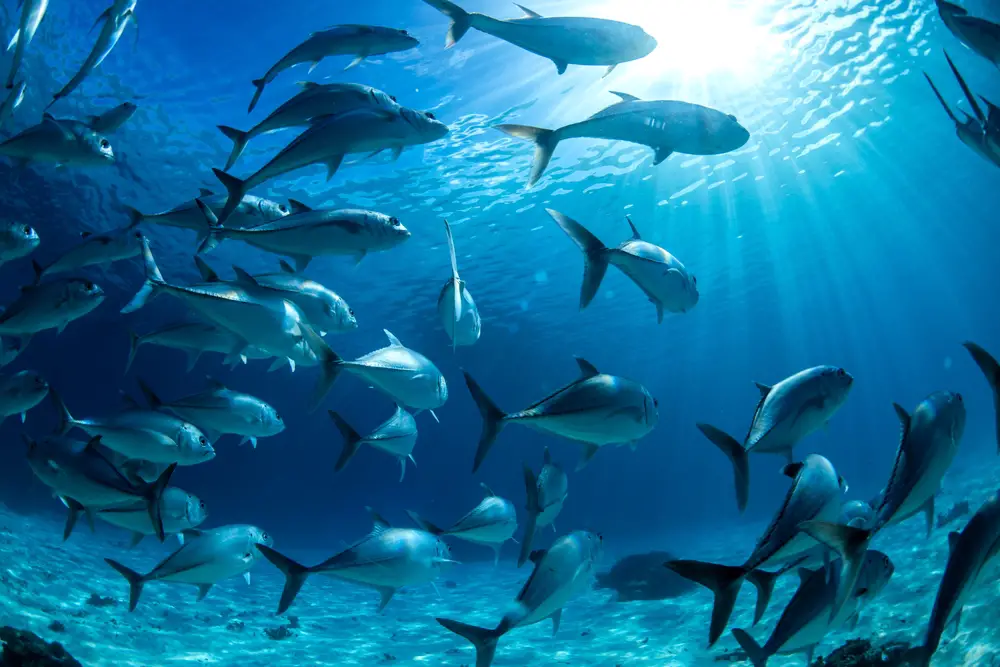
Every so often, an odd creature with a transparent head, like the barreleye fish, finds its way into fishing nets. This deep-sea fish is a marvel of evolution, with its see-through dome allowing it to spot prey above while remaining undetected. Discovering this fish is akin to witnessing nature’s ingenuity at work — an example of life adapting to extreme darkness and pressure. For many fishermen, it’s a surreal encounter that feels like science fiction brought to life.
Marine biologist Dr. Bruce Robison from the Monterey Bay Aquarium Research Institute explains that these fish are rarely caught due to their preference for deep, abyssal waters. Their presence in shallower nets is often attributed to certain environmental changes or anomalies. The barreleye fish’s unique physiology provides scientists with insights into evolutionary adaptations to the deep-sea environment. For those lucky enough to see one up close, it’s an unforgettable glimpse into the mysteries of the ocean’s depths.
6. Mysterious Submarine Drones

Imagine hauling in a catch only to find it’s a sleek, modern submarine drone. These unmanned vehicles, often used for research or military purposes, occasionally go astray and end up in fishermen’s nets. For those at sea, it’s a puzzling discovery that raises questions about the hidden technological activities beneath the waves. The sight of a drone among fish is a curious blend of the natural world meeting advanced human ingenuity.
When fishermen encounter these devices, their first step is often to contact authorities to determine the drone’s origins. Such incidents highlight the increasing intersection of technology with traditional fishing practices. Authorities sometimes reclaim these drones to study the data collected during their unintended voyage. These interactions are a reminder of the vast, unseen network of exploration occurring beneath the ocean’s surface.
7. Fossilized Shark Teeth
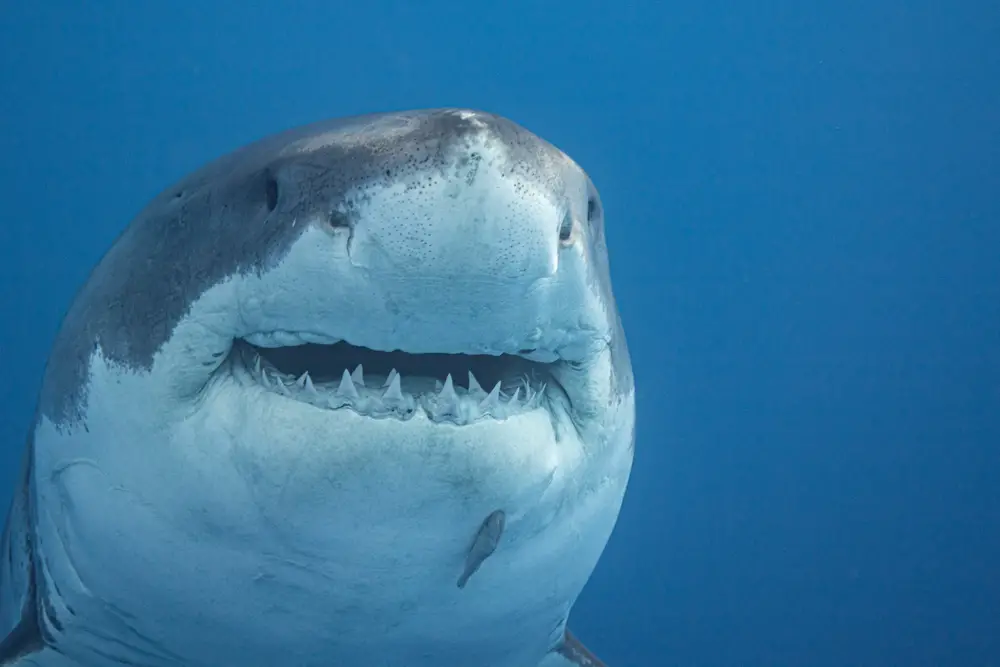
In a serendipitous mix of paleontology and fishing, some nets pull up ancient fossilized shark teeth. These teeth can be millions of years old, remnants of long-extinct species that once patrolled prehistoric seas. For fishermen, finding such a fossil is like connecting with Earth’s distant past, a tangible link to creatures that once dominated the oceans. The discovery can turn a regular fishing trip into an impromptu history lesson.
According to the Smithsonian National Museum of Natural History, these teeth are often found in sediments churned up by ocean currents or dredging activities. They serve as a record of ancient marine ecosystems and the evolution of sharks over millennia. Fishermen sometimes hand them over to researchers or keep them as unique treasures from the deep. It’s a fascinating glimpse into the layers of time lying beneath the ocean’s surface.
8. Undiscovered Species
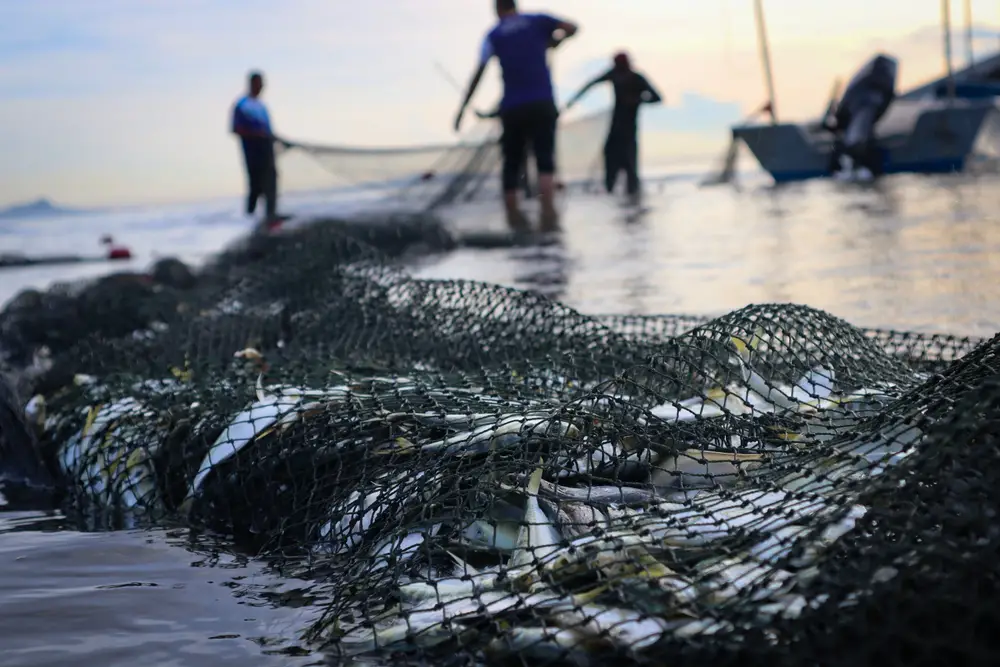
Every so often, fishermen stumble upon creatures never before seen by science. These undiscovered species are often deep-sea dwellers that have escaped the notice of marine biologists. Finding one is an extraordinary experience, akin to unearthing a new chapter of the natural world. It’s a thrilling moment that turns fishermen into accidental explorers of uncharted biological territories.
Documentation of these finds can lead to new scientific studies and a better understanding of ocean biodiversity. For fishermen, it’s a rare opportunity to contribute to marine science, adding to the catalog of known species. These discoveries remind us of the ocean’s vast unexplored frontiers and the endless potential for new knowledge. It’s a humbling experience, knowing that vast portions of the sea still hold secrets waiting to be revealed.
9. Ghost Fishing Nets

The term “ghost nets” refers to abandoned fishing gear that floats through the ocean, trapping anything in its path. Finding these nets entangled with marine life is a grim reminder of the dangers they pose to ocean ecosystems. For those at sea, retrieving ghost nets is both a rescue mission and a call to action for more sustainable practices. It highlights the ongoing battle between human industry and environmental preservation.
Fishermen who encounter ghost nets often work to free trapped creatures and safely dispose of the nets. These efforts sometimes involve collaboration with conservation groups, turning an accidental catch into an opportunity for environmental advocacy. The presence of ghost nets also underscores the need for improved waste management and fishing regulations. It’s a stark illustration of the ocean’s vulnerability and the responsibility we share to protect its inhabitants.
10. Underwater Statues

It’s not every day that fishermen reel in an underwater statue, but when they do, it’s a story worth telling. These submerged artworks range from ancient relics to modern installations designed to promote coral growth. Discovering a statue can be a surreal moment, as if stumbling upon a lost civilization or a sunken utopia. It adds an unexpected artistic layer to the fishing experience, bridging the gap between human creativity and nature.
Such discoveries often spark curiosity and lead to further exploration of their origins and purpose. For contemporary works, they may even become part of marine conservation efforts, serving as artificial reefs. These statues remind us of the ocean’s role as a canvas for artistic expression and ecological innovation. It’s a unique intersection of art and nature, where each influences and enriches the other.
11. Coral Sculptures

While not intentionally caught, coral sculptures — intricate forms created by the growth of coral on submerged structures — are sometimes retrieved by fishermen. These natural artworks highlight the ocean’s creative power, transforming discarded items into vibrant marine habitats. For fishermen, encountering such a sculpture is a reminder of the beauty and resilience of marine life. It’s an awe-inspiring moment that showcases nature’s ability to reclaim and repurpose.
These sculptures often stimulate discussions about coral reef conservation and the role of artificial reefs. They illustrate how human intervention can sometimes have unexpected positive ecological outcomes. Fishermen may collaborate with scientists to study these formations and their impact on local biodiversity. It’s a testament to the ocean’s ability to surprise and inspire, even in unexpected circumstances.
12. Lost Shipping Containers

Imagine the surprise of discovering a massive shipping container where schools of fish should be. Lost during storms or accidents, these containers occasionally wash up in nets or on the seafloor. For fishermen, it’s a bizarre and cumbersome catch that turns a typical day into a logistical puzzle. The contents of these containers can range from mundane goods to unexpected treasures, each with a story to tell.
The presence of these containers highlights the complexity of global trade and its environmental implications. Fishermen may report their findings to authorities for retrieval and investigation, ensuring safe disposal or recovery. These encounters underscore the ocean’s role as a highway for global commerce, but also the challenges it faces from human activity. It’s a striking example of how interconnected our world truly is, for better or worse.
13. Bioluminescent Creatures

Bioluminescent creatures like jellyfish or certain types of plankton occasionally end up in fishing nets, turning a catch into a glowing spectacle. These organisms emit light through chemical reactions, creating mesmerizing displays in the dark ocean depths. For fishermen, encountering these glowing wonders is like witnessing a natural light show, a magical moment amid the routine. It’s a vivid reminder of the ocean’s enchanting mysteries.
The glow of these creatures often leads to discussions about bioluminescence and its role in marine ecosystems. Scientists study these organisms to understand their adaptations and potential applications in technology and medicine. Fishermen encountering them may contribute to research by reporting sightings and providing samples. It’s a captivating intersection of wonder and science, where the beauty of nature inspires both awe and inquiry.
14. Alien-Like Sea Cucumbers
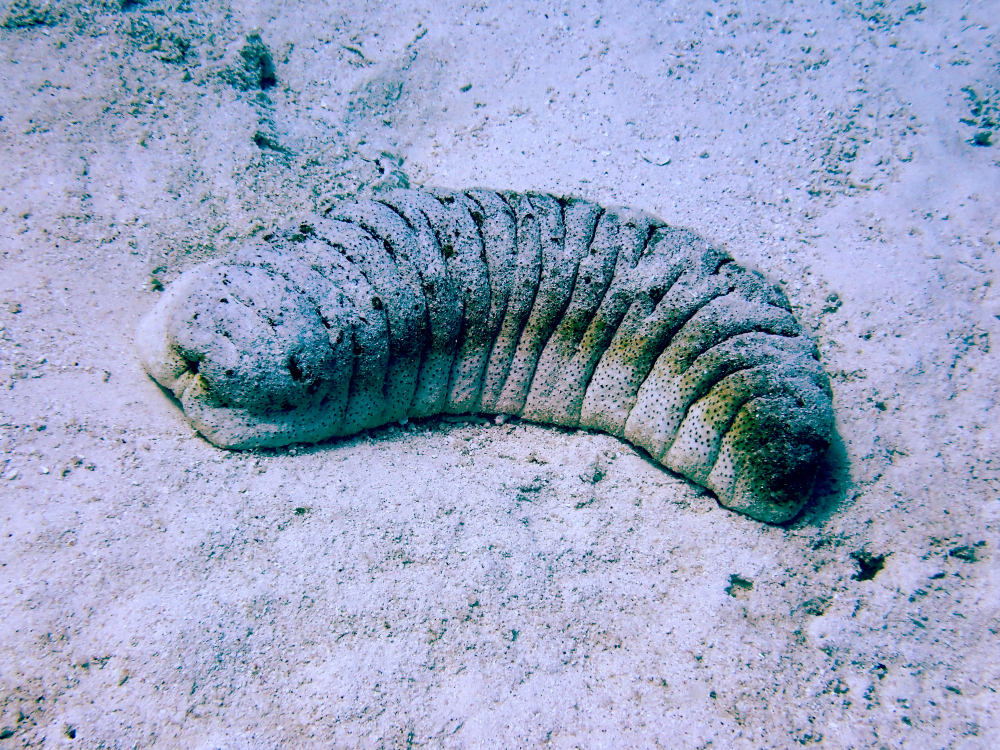
Some sea cucumbers look so strange they could be mistaken for extraterrestrial life forms. These bizarre echinoderms have unique shapes and vibrant colors that make them stand out from typical marine catches. For fishermen, finding one is like encountering an alien from the deep, a living reminder of the ocean’s diversity. It’s a curious discovery that often sparks fascination and a bit of amusement.
These unusual sea cucumbers serve as a reminder of the adaptive strategies marine life employs to thrive in varied environments. Their peculiar forms and habits are subjects of interest for marine biologists studying their ecological roles and potential medicinal uses. Fishermen might share their finds with researchers, contributing to our understanding of these enigmatic creatures. It’s an unexpected way the ocean showcases its biodiversity, offering surprises that are both educational and entertaining.
15. Sunken Treasure

The dream of finding sunken treasure occasionally comes true for some lucky fishermen. While rare, coins, jewelry, and other valuables from shipwrecks sometimes wash up in nets, turning a routine catch into a jackpot. For those at sea, it’s an exhilarating experience, blending the thrill of discovery with the allure of untold stories buried beneath the waves. Each piece of treasure holds the promise of adventure and the mystery of its origin.
Such discoveries often lead to legal and ethical considerations, as well as collaboration with historians and archaeologists. These treasures are not just valuable; they offer glimpses into maritime history and the fates of lost ships. Fishermen who find them become part of a narrative that bridges past and present, connecting us to the rich tapestry of human endeavor and exploration. It’s a romantic notion brought to life, where the sea’s depths serve as a vault of history waiting to be unlocked.