
Across much of the United States, wildlife decline does not always look dramatic. There are no sudden extinctions announced on the evening news, no empty forests that immediately signal loss. Instead, populations thin quietly year after year, until what was once common becomes rare enough that even experienced observers struggle to find it. These are some of the species and groups experiencing silent, often overlooked collapses across America.
1. North American Insects
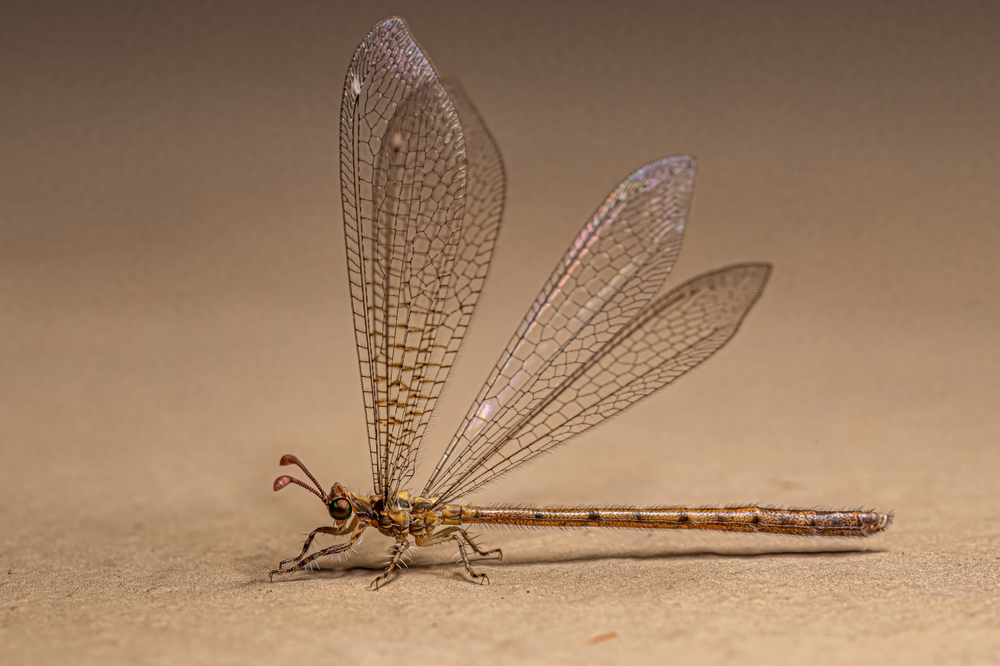
Insect populations across North America have declined sharply in recent decades, mirroring global trends. Long-term monitoring studies show significant drops in abundance and diversity in both rural and urban areas. Habitat loss, pesticide use, and climate change are primary drivers.
Because insects form the foundation of food webs, their decline ripples upward to birds, reptiles, and mammals. The loss often goes unnoticed because insects are small and rarely counted by the public. Yet fewer butterflies on summer fields and fewer fireflies at dusk signal a profound ecological shift.
2. Monarch Butterflies
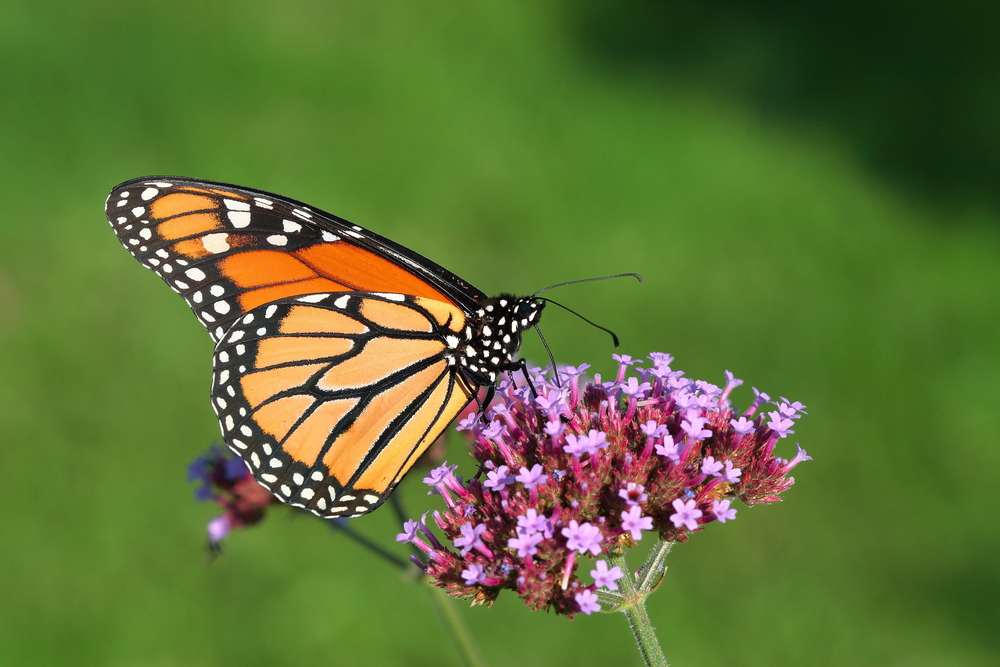
Monarch butterfly populations have fluctuated dramatically, with long-term declines in their overwintering numbers in Mexico. Habitat loss along migration routes and the disappearance of milkweed plants have reduced breeding success. Climate extremes have further destabilized recovery efforts.
While occasional rebound years bring hopeful headlines, overall numbers remain far below historical averages. The monarch’s iconic migration masks how fragile the population has become. What was once a common backyard sight is increasingly seasonal and sparse.
3. Grassland Birds
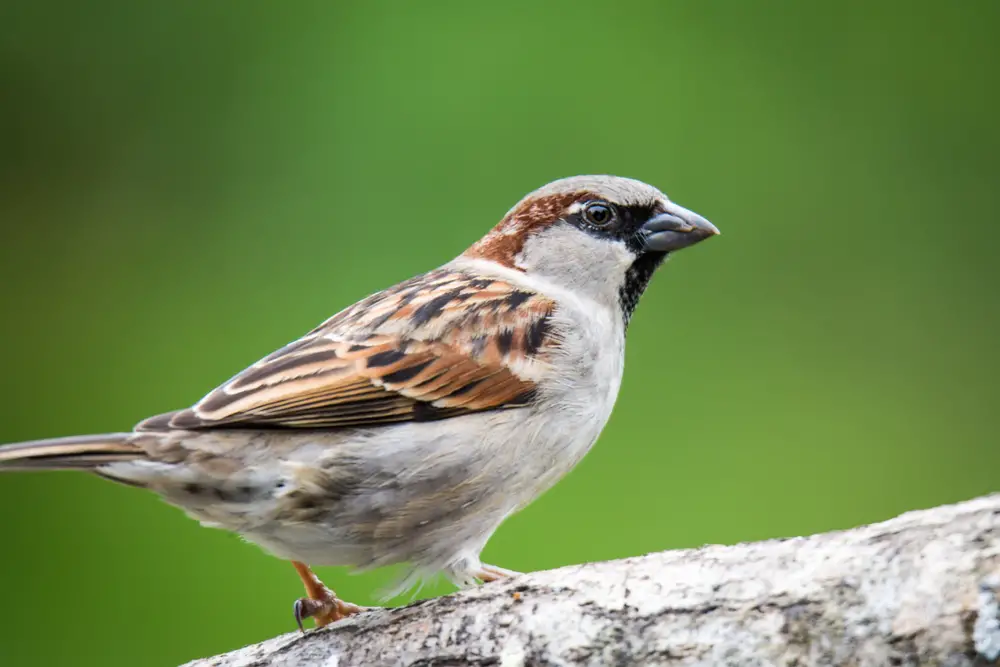
Species like meadowlarks, bobolinks, and grasshopper sparrows have experienced steep declines over the past several decades. Conversion of native prairie to agriculture and development has erased critical nesting habitat. Industrial farming practices leave little undisturbed grassland.
Grassland birds represent one of the fastest-declining bird groups in North America. Their disappearance is subtle because few people regularly visit open prairies. Yet in many regions, the soundscape of spring has grown noticeably quieter.
4. Freshwater Mussels
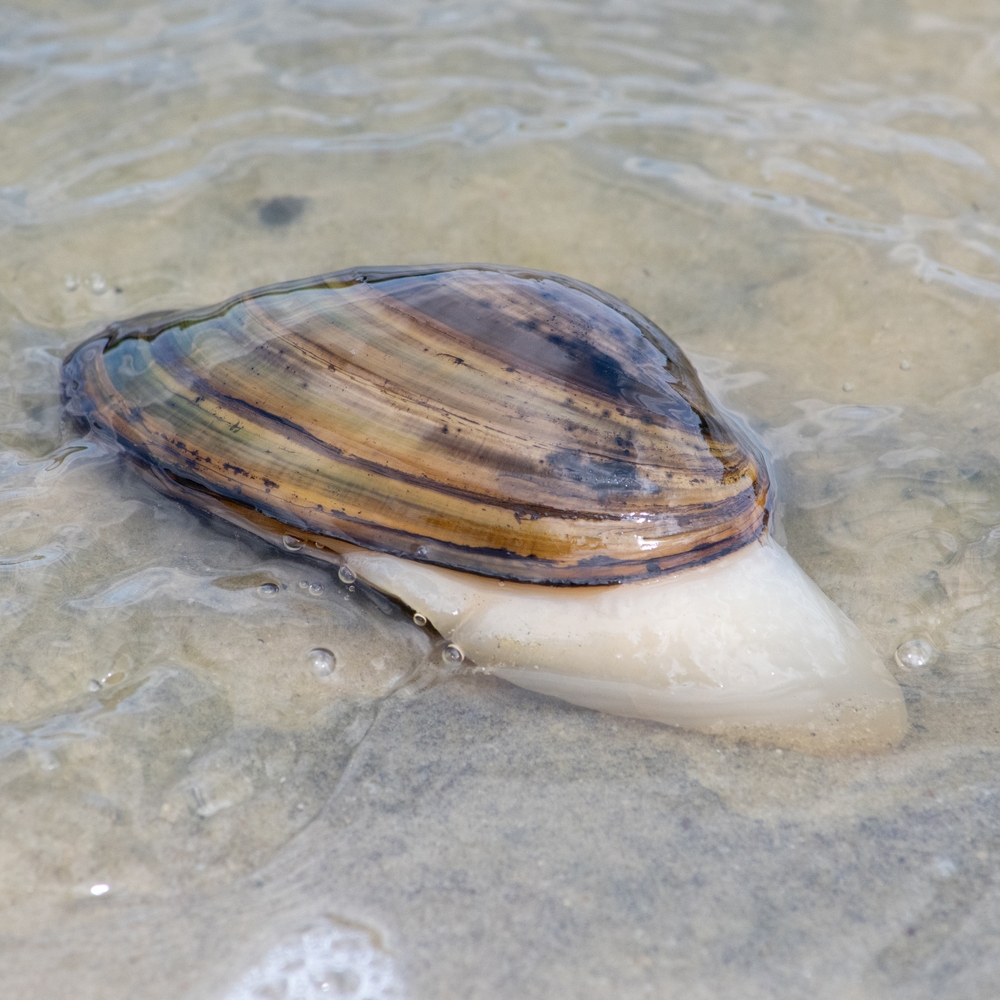
Freshwater mussels are among the most endangered groups of animals in the United States. Pollution, dam construction, and invasive species like zebra mussels have devastated native populations. Many species now exist only in isolated river stretches.
Because they live underwater and rarely attract attention, their collapse has unfolded largely unnoticed. Mussels play a critical role in filtering water and maintaining ecosystem health. Their decline signals broader instability in freshwater systems.
5. Western Bumblebees
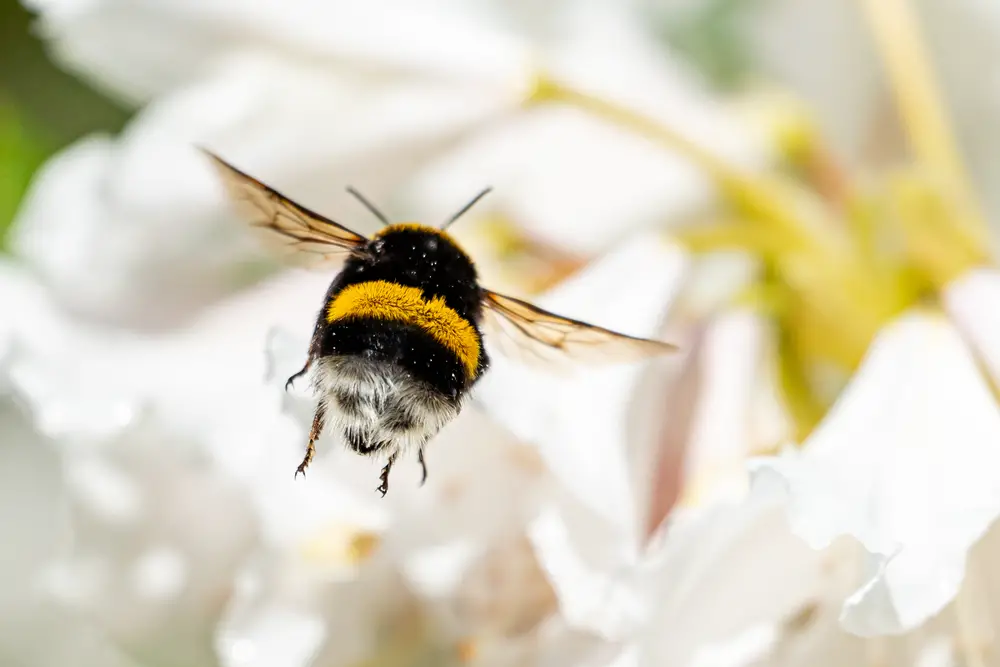
Several native bumblebee species have declined sharply, including the once-common western bumblebee. Pesticides, habitat fragmentation, and disease transmission from managed bee populations contribute to losses. Climate change has further altered floral resources.
Pollinator decline affects not only wild plants but also agriculture. The absence of familiar buzzing in certain regions reflects deeper ecological stress. What was once an everyday garden presence is now locally scarce.
6. American Eels
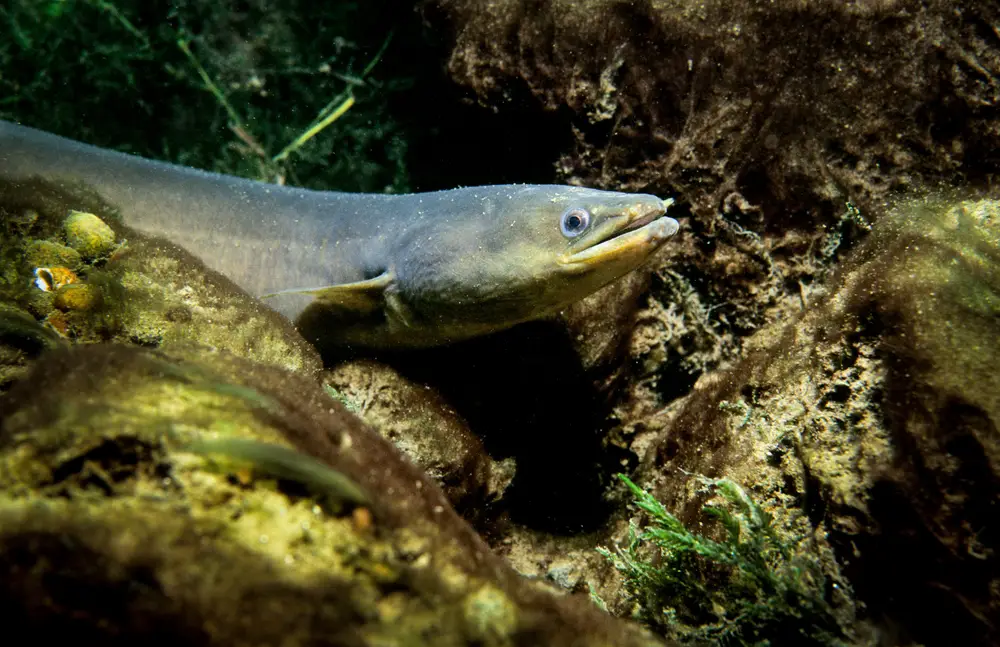
American eel populations have declined significantly due to dams, overfishing, and habitat barriers. These fish migrate thousands of miles between freshwater rivers and the Sargasso Sea to reproduce. Obstructed waterways prevent successful life cycles.
Because eels are elusive and largely nocturnal, their disappearance attracts little public attention. Yet they were once abundant in rivers along the East Coast. Their quiet decline illustrates how infrastructure reshapes ecosystems.
7. Lesser Prairie-Chickens
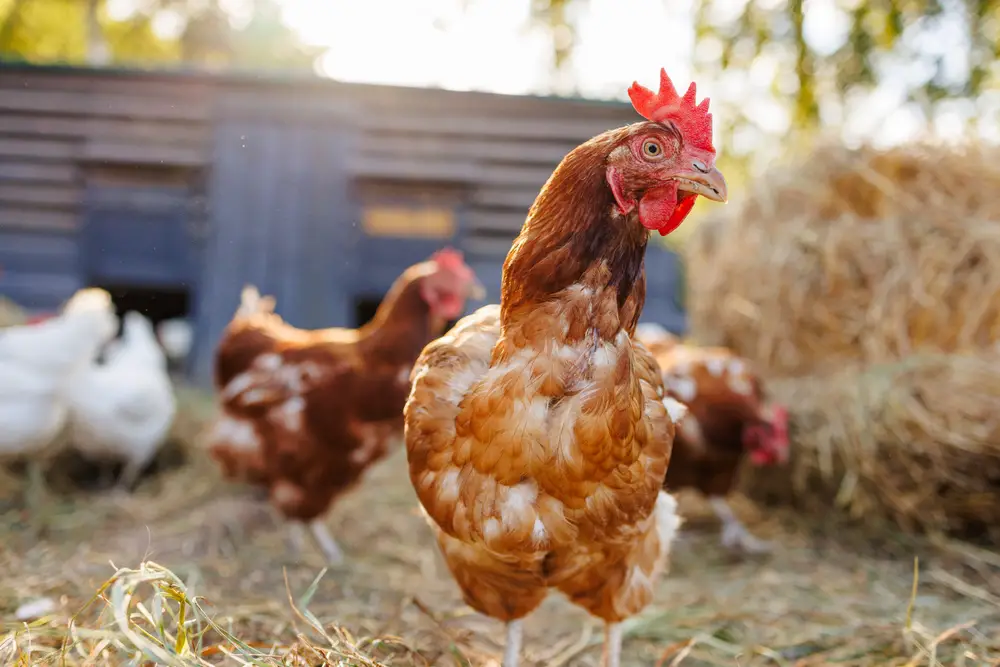
The lesser prairie-chicken has suffered dramatic population declines across the Great Plains. Energy development, agriculture, and drought have fragmented its habitat. In some years, population estimates have dropped to critically low levels.
This species depends on large, uninterrupted grassland expanses. When habitat breaks into smaller pieces, breeding success declines. The loss is largely invisible outside conservation circles, but it reflects widespread prairie degradation.
8. Western Snowpack-Dependent Amphibians
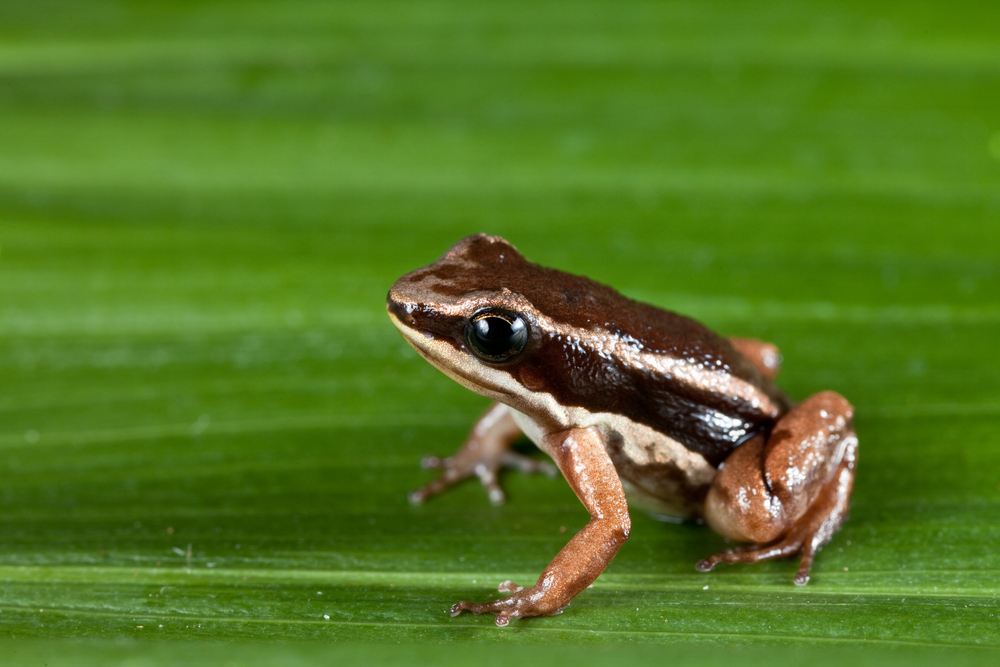
Certain frog and salamander species in western states rely on predictable snowpack and seasonal meltwater. Climate change has altered snowfall timing and water availability. As breeding pools dry earlier, reproductive success declines.
Amphibians are especially sensitive to environmental shifts. Their population losses often signal ecosystem imbalance before other species show visible effects. Because many live in remote high-elevation areas, declines go largely unseen.
9. Rusty Patched Bumblebee
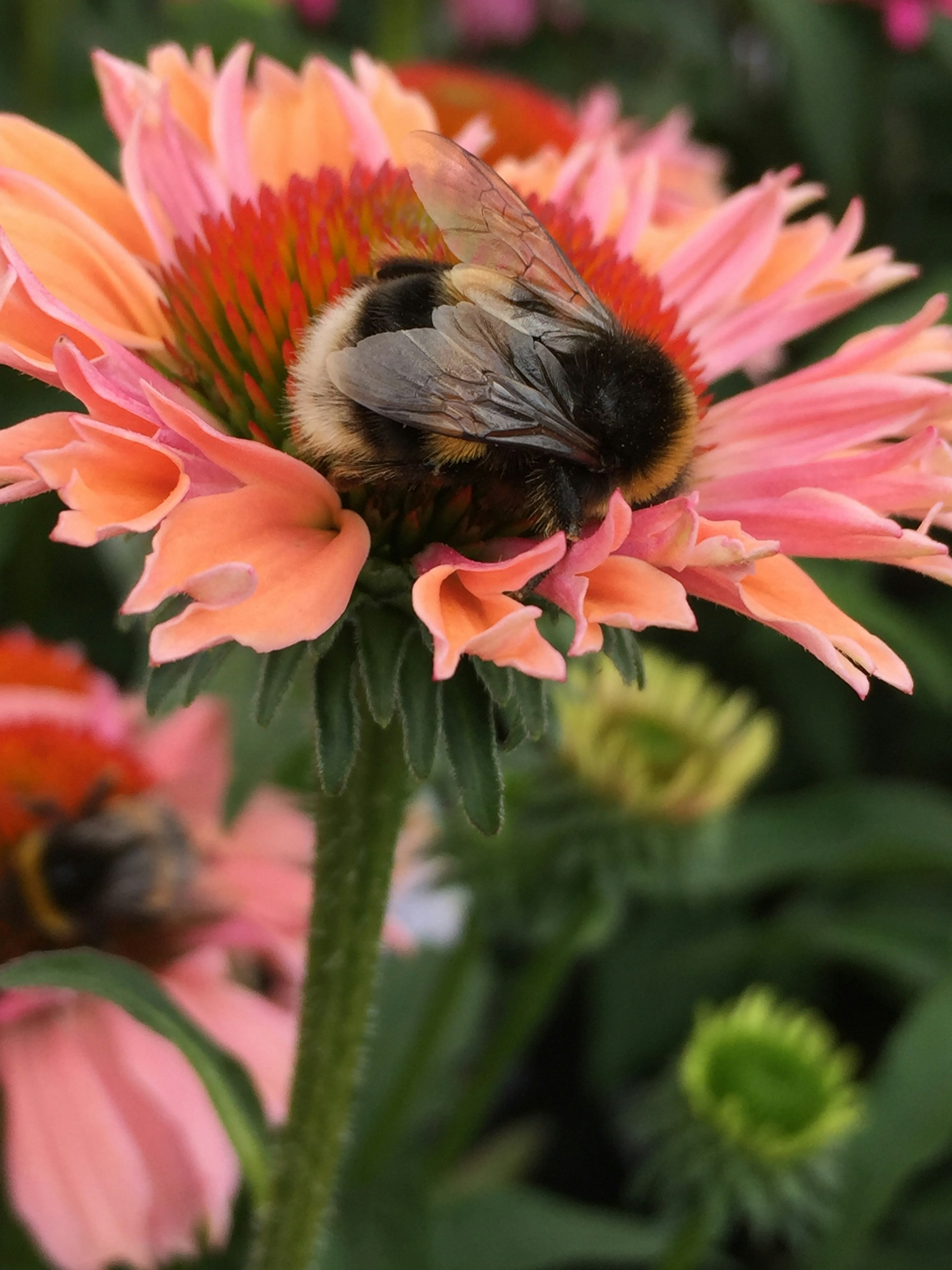
The rusty patched bumblebee was once common across the Midwest and Northeast. It has declined by an estimated 80–90% in parts of its range. Habitat loss and disease are major contributing factors.
Now listed as endangered, it survives in scattered pockets. Few people recognize its absence unless they study pollinators closely. Its collapse represents the broader vulnerability of native bee species.
10. Gulf Coast Oysters
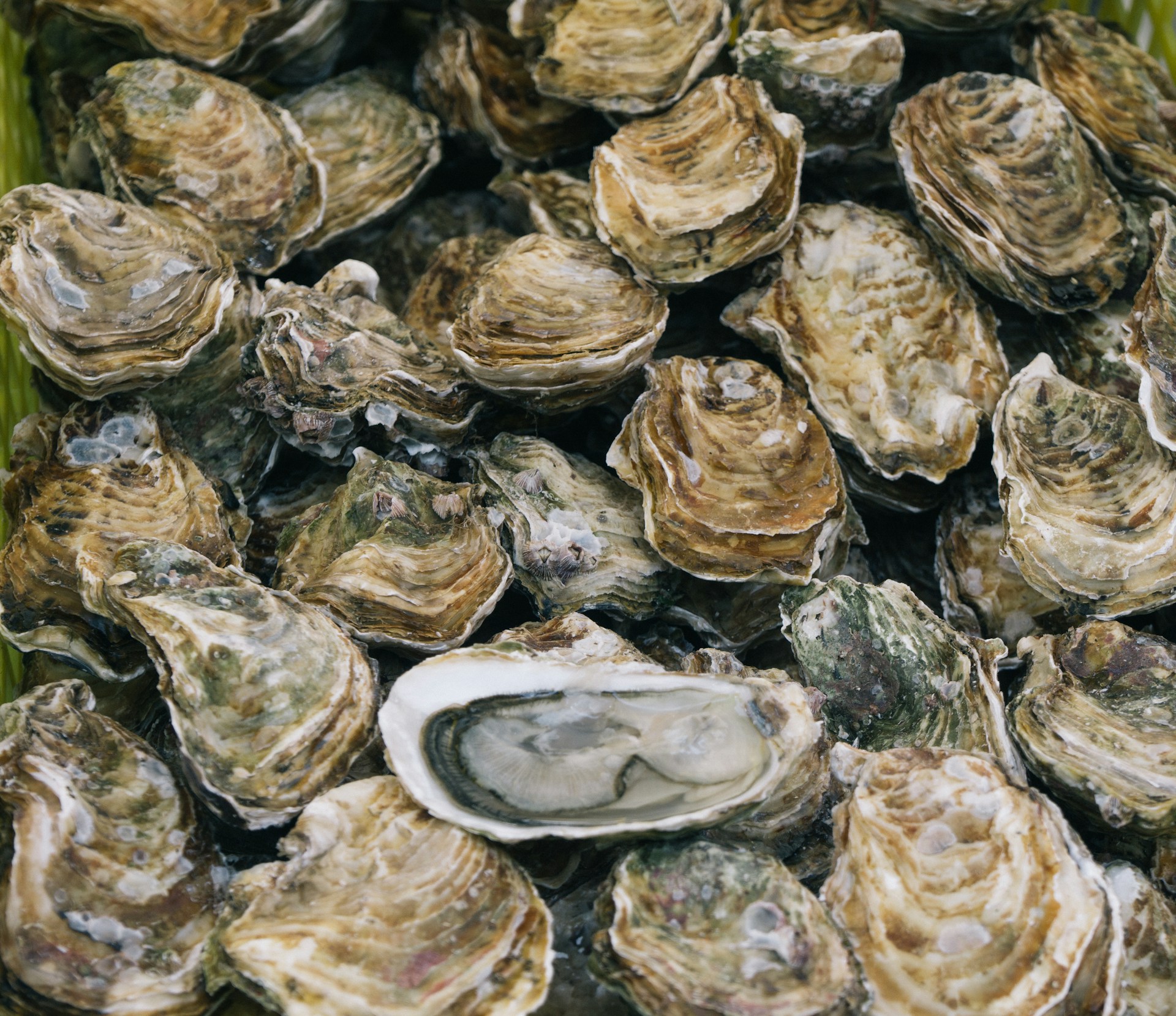
Oyster reefs along the Gulf Coast have experienced significant declines due to overharvesting, pollution, and hurricane damage. Freshwater diversion projects have altered salinity levels essential for oyster survival. Disease outbreaks have compounded stress.
Oysters provide natural shoreline protection and water filtration. Their loss increases erosion and reduces coastal resilience. Yet many coastal residents notice the change only when seafood prices rise.
11. Sage Grouse
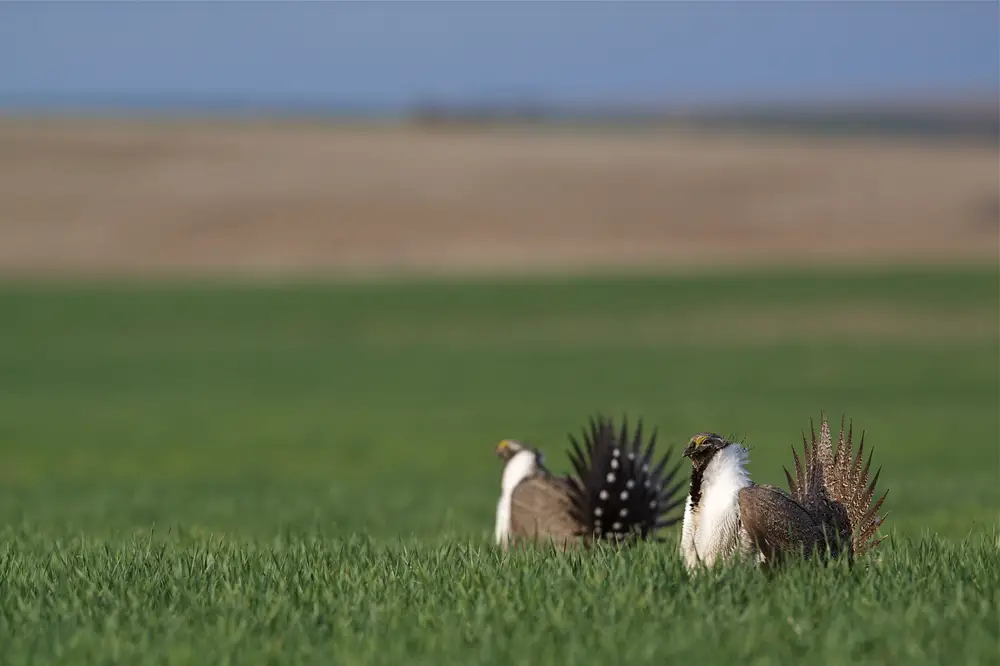
Greater sage-grouse populations have declined across the western United States. Energy development, invasive grasses, and wildfires have reduced sagebrush habitat. Fragmented landscapes disrupt breeding grounds known as leks.
Although conservation efforts have slowed some declines, many local populations remain fragile. The bird’s elaborate mating displays continue in fewer and fewer places. Habitat loss unfolds quietly across vast western ranges.
12. River Otters in Certain Regions
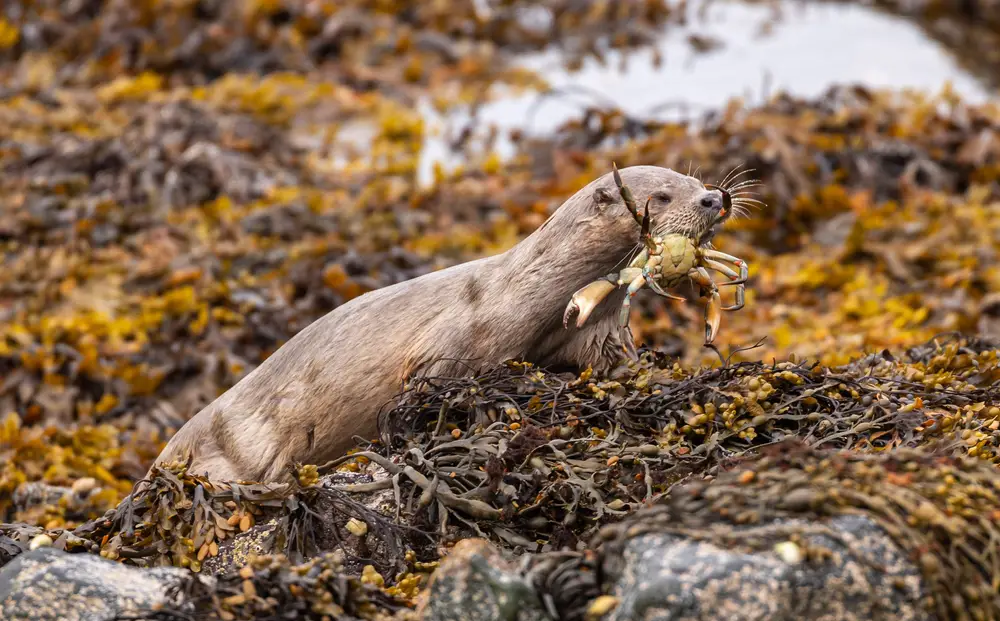
While river otters have recovered in some states, localized declines persist in heavily polluted or urbanized watersheds. Contaminants and habitat disruption reduce prey availability. These regional collapses often go unnoticed amid broader recovery narratives.
Wildlife trends can vary dramatically by location. A species thriving in one state may struggle in another. Regional monitoring reveals declines masked by national averages.
13. Native Crayfish
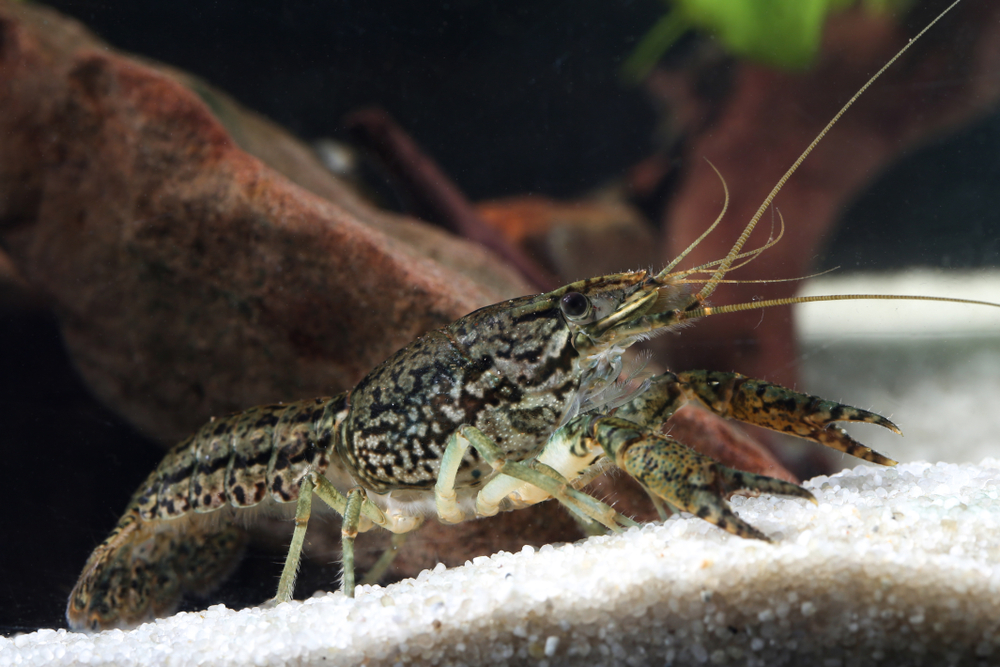
Many native crayfish species face threats from invasive crayfish that outcompete them. Pollution and sedimentation degrade the clean streams they require. Some species have extremely limited ranges, making them vulnerable to local disturbances.
Crayfish play essential roles in aquatic food webs. Their quiet disappearance alters stream dynamics. Because they are small and seldom highlighted, their decline rarely captures attention.
14. Migratory Shorebirds
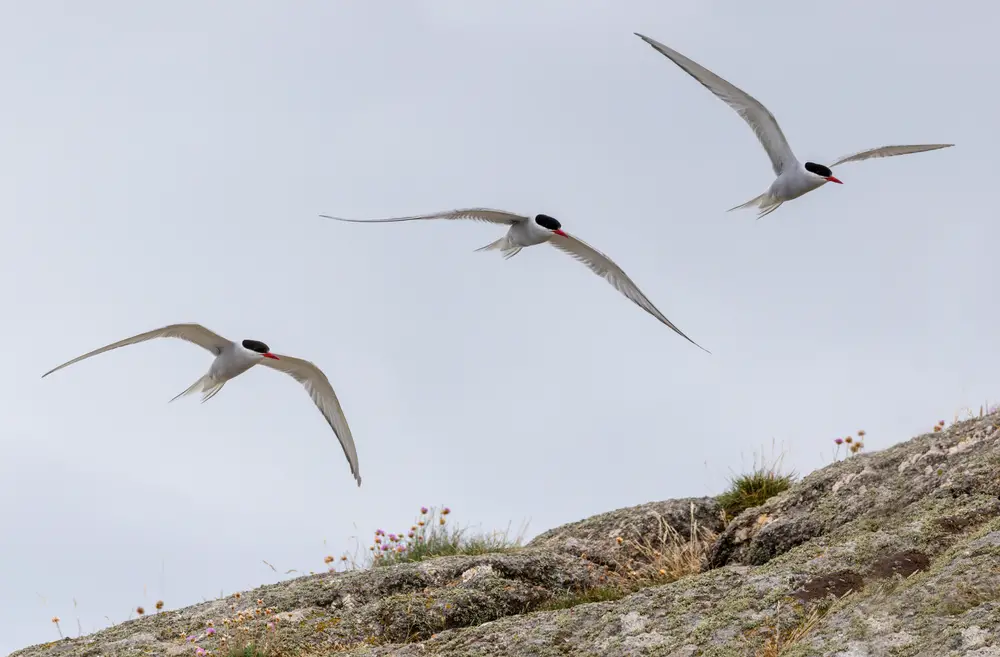
Certain migratory shorebird species, including red knots and lesser yellowlegs, have experienced steady population declines. Habitat loss at critical stopover sites reduces their ability to refuel during long migrations. Climate shifts also affect breeding grounds in the Arctic.
These birds depend on a chain of intact habitats across continents. Disruption at any point can impact survival. Their diminishing flocks mark a subtle but serious shift in global ecological stability.