
Pet parenting looks glamorous on social media, but vets see the unfiltered reality every day: the small things owners skip are often the big things that snowball. Most pets don’t show pain the way humans do, so issues can simmer quietly until they’re expensive, scary, or irreversible. The good news is that the most ignored health problems are also the most preventable when you know what to watch for. Here are the pet health issues vets say owners overlook the most—and what actually helps.
1. Nutrition Getting Treated Like A Vibe Instead Of A Plan
A lot of owners think “premium” packaging automatically means a diet is right for their pet. Vets see the fallout in dull coats, chronic itchiness, soft stool, and creeping weight gain that owners normalize. The real issue is mismatch: the wrong calories, the wrong nutrient balance, or a diet that doesn’t fit your pet’s age and activity level. Food isn’t just fuel for pets—it’s a daily medical decision.
Veterinary nutrition guidelines emphasize regular nutritional assessment and individualized recommendations, not one-size-fits-all feeding. The WSAVA Global Nutrition Guidelines also highlight practical ways vets evaluate diet quality and match it to a pet’s needs.
When owners treat nutrition as an aesthetic choice instead of healthcare, problems compound quietly. If your pet’s body condition has shifted, that’s a signal, not a personality trait.
2. Chronic Low-Level Dehydration
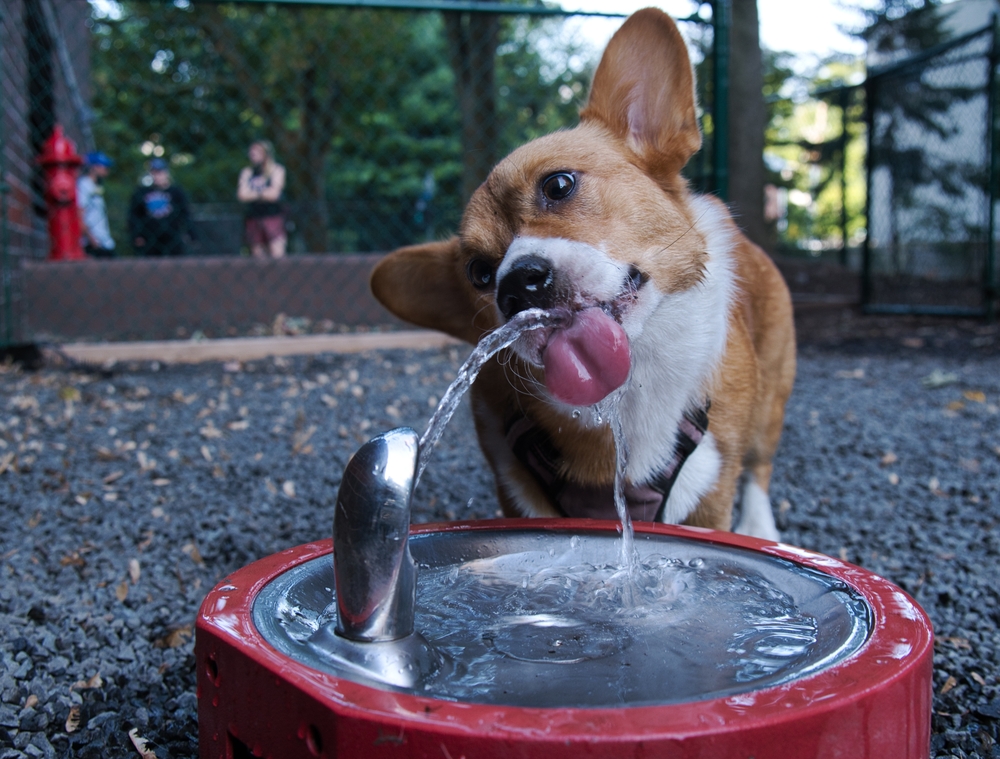
A surprising number of pets don’t drink enough, especially cats and picky small dogs. Owners often assume the water bowl “being there” means the pet is hydrating properly. Vets see dehydration show up as urinary issues, constipation, lethargy, and kidney strain over time. If your pet’s water habits changed, that’s a health clue, not a quirk.
Hydration also gets missed because many pets hide subtle discomfort until it’s advanced. Adding extra water to food or offering wet food can help certain pets, but it depends on medical history. A fountain can encourage drinking, but it isn’t magic if there’s underlying pain or illness. The bigger point is that thirst and urination patterns matter more than most owners realize.
3. Skipping “Routine” Vet Visits Until Something Looks Wrong
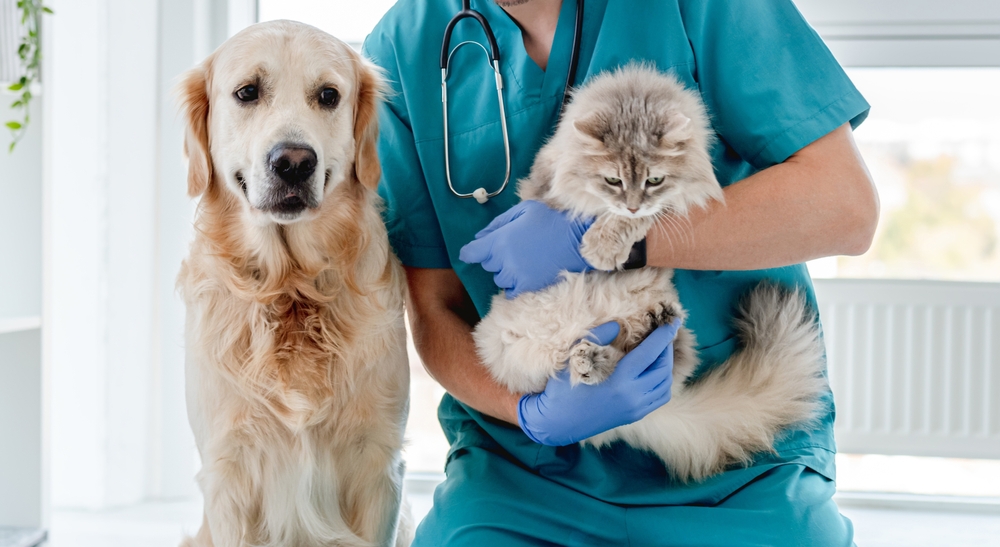
Owners often wait for a dramatic symptom before booking an appointment. Vets see how that backfires because many conditions are easier to treat when caught early. A pet can look “fine” while developing dental disease, arthritis, heart changes, or metabolic issues. Prevention isn’t boring—it’s how you avoid the crisis era.
Preventive care guidelines recommend at least annual veterinary exams for dogs, and more frequent visits for many pets depending on age and needs.
Those checkups aren’t just vaccines; they’re the time your vet listens, palpates, checks weight trends, and catches problems before they explode. If you only go when your pet is visibly sick, you’re already behind the disease timeline. That’s not guilt—it’s just how biology works.
4. Exercise Being Replaced By “They Run Around The House”

Indoor wandering is not the same as real exercise, especially for dogs built to move and work. Vets see weight gain and joint decline that owners chalk up to “getting older.” Exercise doesn’t just burn calories—it supports heart health, digestion, mobility, and mood. A pet that’s under-exercised often becomes over-anxious, under-slept, and harder to manage.
The most common mistake is treating exercise as optional enrichment instead of basic health maintenance. For many pets, movement is also pain prevention because stronger muscles support joints. Shorter, consistent sessions often work better than occasional “big days.” If your pet is slowing down, don’t assume laziness—assume information.
5. Dental Disease Being Ignored Until Breath Gets “Gross”

Bad breath is not a personality trait, and it’s not harmless. Vets see owners normalize it while gum inflammation and periodontal disease quietly progress. Once teeth are loose or painful, treatment gets more invasive and expensive. Dental pain also changes behavior, appetite, and energy in ways owners don’t always connect.
The AVMA notes that periodontal disease is the most common dental condition in dogs and cats, and many pets show early evidence by around age three.
Dental care isn’t just about teeth—it affects overall health and chronic inflammation. Even basic home habits can slow progression, but consistency matters more than perfection. If your pet’s mouth looks red, smells strong, or bleeds, that’s a vet issue.
6. Grooming Problems That Turn Into Medical Problems
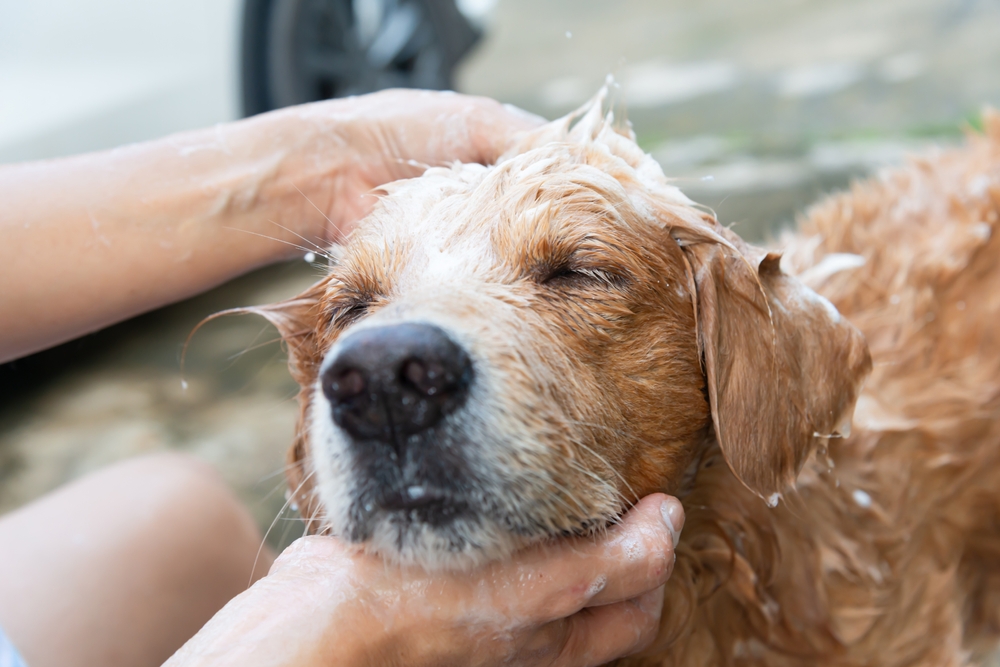
Owners often treat grooming as cosmetic, but vets treat it as early detection. Mats can pull skin, trap moisture, and create infections that owners don’t see until the pet is miserable. Overgrown nails change posture and can worsen joint pain. Ear and skin issues also hide under “it’s just their coat.”
Grooming is one of the easiest ways to notice subtle changes like lumps, tenderness, flaky skin, or sudden sensitivity. If your pet suddenly hates brushing, that can signal pain or inflammation. Regular grooming also helps you catch parasites before they explode into a house-wide situation. It’s not vanity—it’s surveillance.
7. Vaccines And Preventive Care Getting Delayed “Because They Stay Home”
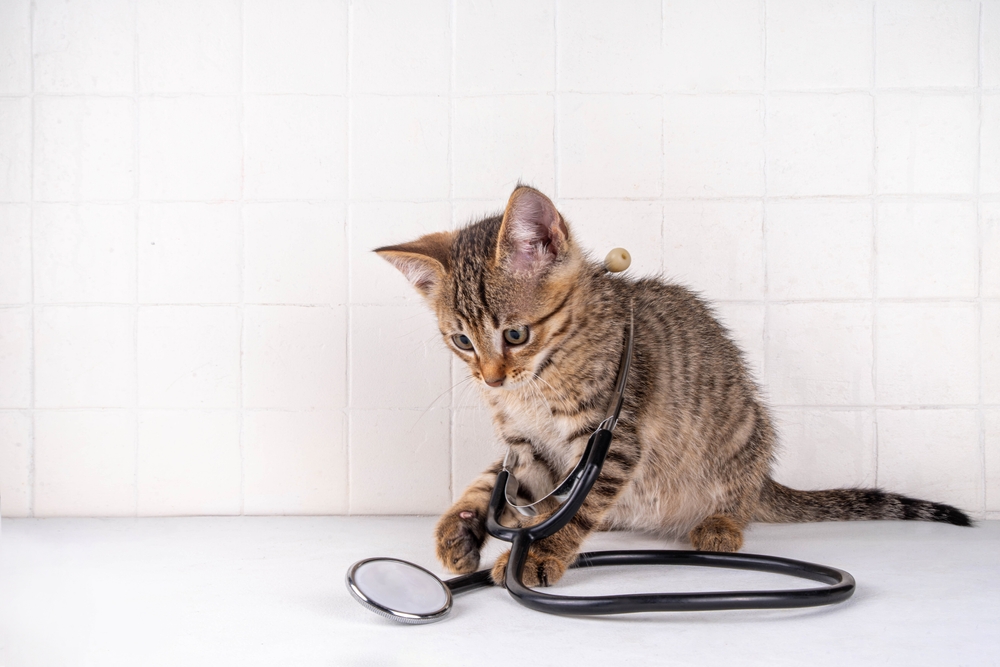
Some owners assume indoor pets are automatically low-risk, so vaccines slide down the priority list. Vets see how quickly that logic breaks when a pet escapes, meets another animal, or is exposed through people and shared environments. Preventive care isn’t a fear tactic—it’s how you avoid diseases that are expensive, painful, or fatal. Skipping protection often feels fine until it suddenly doesn’t.
AAHA’s canine vaccination guidelines frame vaccination as a cornerstone of preventive healthcare and one of the most cost-effective ways to support health and longevity.
Your vet’s job is to tailor timing and risk based on lifestyle, not to sell you a one-size schedule. The most common regret vets hear is “I didn’t think we needed it.” Prevention is always cheaper than panic.
8. Socialization Being Mistaken For “They’re Just Shy”

A fearful pet isn’t being dramatic; they’re communicating stress. Owners often avoid addressing it because it feels like personality, not a health and behavior issue. Vets see anxiety morph into reactivity, digestive upset, aggression, and chronic stress patterns. Socialization isn’t about forcing interactions—it’s about building safety.
When pets don’t learn how to handle novelty, routine events become threatening. That stress can shorten fuses and shrink their world until even normal experiences feel intolerable. Controlled exposure, positive reinforcement, and slow pacing often work better than “throw them in and hope.” Calm confidence is a health outcome.
9. Training Being Treated Like Obedience Instead Of Communication

Owners often treat training as a way to control pets, but vets see it as a safety tool. A pet that can reliably come, stay, and settle is less likely to get injured, lost, or stressed. Training also reduces conflict, which reduces stress-related health issues. The point isn’t perfection—it’s predictability.
When training is inconsistent, pets get mixed messages and owners get frustrated. That tension shows up as “behavior problems” that are really communication breakdowns. Positive reinforcement builds trust, which makes medical handling and grooming easier too. Good training often prevents the next emergency visit.
10. Spaying And Neutering Being Put Off For “Later”
Some owners delay spay/neuter because they’re unsure about timing or worry it’s unnecessary. Vets see the downside when preventable infections, cancers, and roaming behaviors show up. Reproductive hormones can also influence stress, marking, aggression, and escape attempts. Waiting doesn’t always buy you anything except risk.
The decision should be individualized with your vet, because age, breed, and health history matter. Spaying and neutering is not just population control—it’s often preventive medicine. If you’re on the fence, ask your vet to explain the specific risks for your pet. “Later” has a way of becoming “too late.”
11. Parasite Prevention Being Seasonal When Parasites Aren’t

A lot of owners treat fleas and ticks like a summer-only issue. Vets regularly see infestations pop up in cooler months, especially when pests live indoors. Parasites aren’t just itchy—they can transmit disease and trigger allergic reactions. Once a home is infested, eradication becomes a full project.
Prevention also needs to match the pet’s lifestyle and the region’s risk. Some pets need year-round control, and some need targeted strategies, but guessing is risky. If you see scratching, hair loss, or “pepper” in the coat, don’t wait. Parasites multiply faster than owner denial.
12. Safe Spaces And Stress Signals Being Overlooked
Owners often miss stress because it doesn’t always look like panic. It can look like hiding, pacing, excessive licking, appetite changes, or sudden clinginess. Vets see stress worsen skin problems, digestion, and immune resilience. A pet’s nervous system is part of their health profile.
A safe space isn’t a luxury; it’s how pets regulate. It should be quiet, predictable, and respected by everyone in the home. When pets can’t decompress, their behavior and body pay the price. Calm is a medical asset.
13. Pet-Proofing Being Done Only After The First Emergency

Owners often underestimate how fast accidents happen. Vets see poisonings from human medications, toxic foods, household cleaners, and chewed cords all the time. The most common theme is “I didn’t think they could reach it.” Pets are athletes when motivation hits.
Pet-proofing isn’t paranoia—it’s reducing preventable risk. Trash, cords, dangling strings, and toxic plants are the usual suspects. Even boredom can turn into danger when pets entertain themselves. The safest home is the one designed for curiosity.
14. Flea And Tick Products Being Used Incorrectly
Owners sometimes mix products, guess doses, or use dog products on cats, which can be genuinely dangerous. Vets see adverse reactions that could have been avoided with one quick call. Even “natural” products can be irritating or toxic depending on the ingredient and species. Prevention only works if it’s safe and correctly applied.
The smartest approach is vet-guided and risk-based, not influencer-led. Check pets for ticks after outdoor time, and remove ticks promptly when found.
CDC
+1
If your pet has side effects like vomiting, tremors, or lethargy after a product, contact a vet immediately. Parasite control is medical care, not a cosmetics aisle experiment.
15. Assuming Love Automatically Covers The Basics
Most owners genuinely adore their pets, but affection can’t replace preventive care. Vets see “loved” pets with unmanaged pain, unchecked weight gain, and untreated dental disease because the household is emotionally attentive but medically avoidant. Love is a foundation, not a substitute for action. If anything, love should make you more willing to face the uncomfortable stuff early.
The real flex in pet ownership is noticing small changes and taking them seriously. It’s scheduling the appointment, doing the boring routine, and following through when it’s inconvenient. Pets don’t need perfection, but they do need consistency. The healthiest pets are usually the ones whose owners stay curious instead of assuming.