
Diving into the unknown depths of the ocean can be an exhilarating experience, but it also comes with its fair share of risks. While the underwater world is full of mesmerizing beauty, it’s also home to some of the most unusual and potentially dangerous creatures. Divers, both novice and experienced, often hope to avoid certain sea creatures that can turn a peaceful dive into an anxiety-inducing encounter. Here are 14 sea creatures you’d probably prefer not to meet face-to-face during your underwater adventures.
1. Box Jellyfish
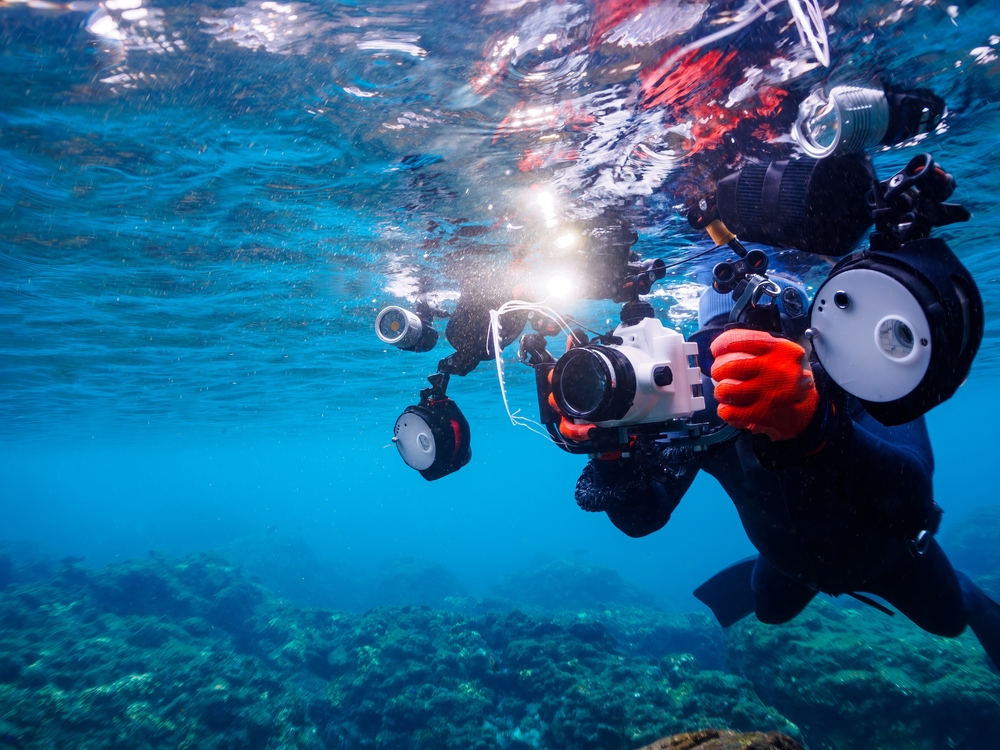
Floating through the warm waters of the Indo-Pacific, the box jellyfish is as beautiful as it is dangerous. Its translucent body makes it nearly invisible, allowing it to sneak up on unsuspecting swimmers and divers. With tentacles that can extend up to 10 feet, this creature’s sting is one of the most potent in the animal kingdom, capable of causing heart failure in humans. According to the Australian Institute of Marine Science, box jellyfish have accounted for more deaths in Australia than sharks, emphasizing the seriousness of their threat.
The pain from a box jellyfish sting is described as excruciating, and the venom can cause paralysis, cardiac arrest, and even death within minutes. If you’re diving in regions where box jellyfish are common, wearing a full-body wetsuit can offer some protection. Always carry vinegar, as it can help deactivate the nematocysts and reduce pain until medical help arrives. Avoid swimming near river mouths or during jellyfish season to minimize the risk of an encounter.
2. Great White Shark
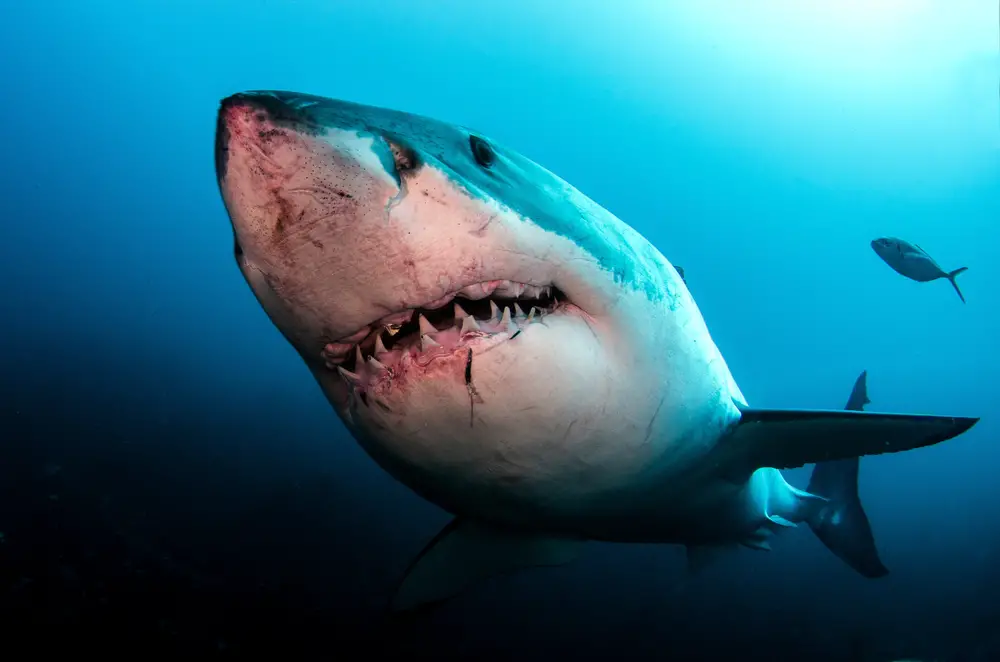
The great white shark, with its powerful build and infamous reputation, is perhaps the ocean’s most iconic predator. While shark attacks are rare, the great white is responsible for the most unprovoked attacks on humans. Encountering one during a dive can be terrifying, but experts emphasize that these sharks are often more curious than aggressive. Still, their size and power make them a creature divers hope to never confront.
When diving in waters known to host great whites, staying calm and avoiding sudden movements can help you remain undetected. Experts suggest diving in groups and avoiding murky waters where visibility is low. If you do see a shark, maintain eye contact and do not turn your back, as they often rely on stealth to hunt. Remember, these creatures are protected, and their presence is a sign of a healthy ecosystem.
3. Stonefish
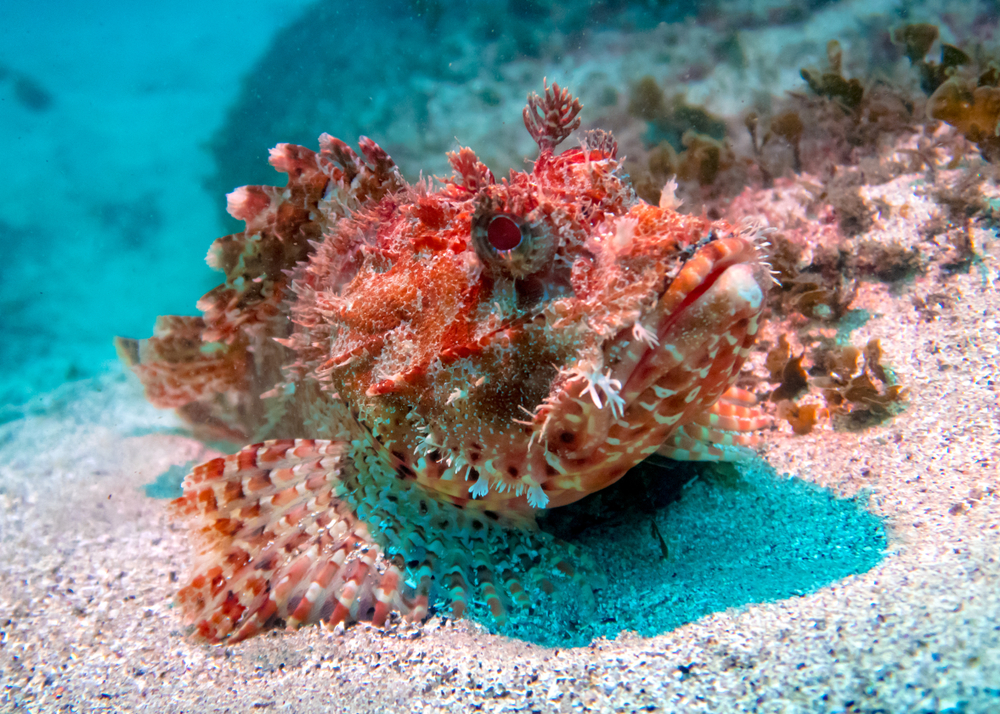
Camouflaged perfectly against the ocean floor, the stonefish is one of the most venomous fish in the world. Its venomous spines can deliver a sting that causes excruciating pain and, in extreme cases, paralysis or heart failure. Found in the coastal regions of the Indo-Pacific, the stonefish is often stepped on by divers who fail to notice its presence. According to the journal *Marine Drugs*, treatment should be sought immediately after a sting, with hot water immersion being one of the recommended first-aid measures.
The stonefish’s ability to blend in with its surroundings makes it a master of disguise. To avoid a painful encounter, always observe the ocean floor carefully and avoid touching or stepping on anything that looks suspicious. Wearing sturdy diving boots can provide an additional layer of protection. Remember, prevention is key when dealing with such a well-camouflaged creature.
4. Blue-Ringed Octopus
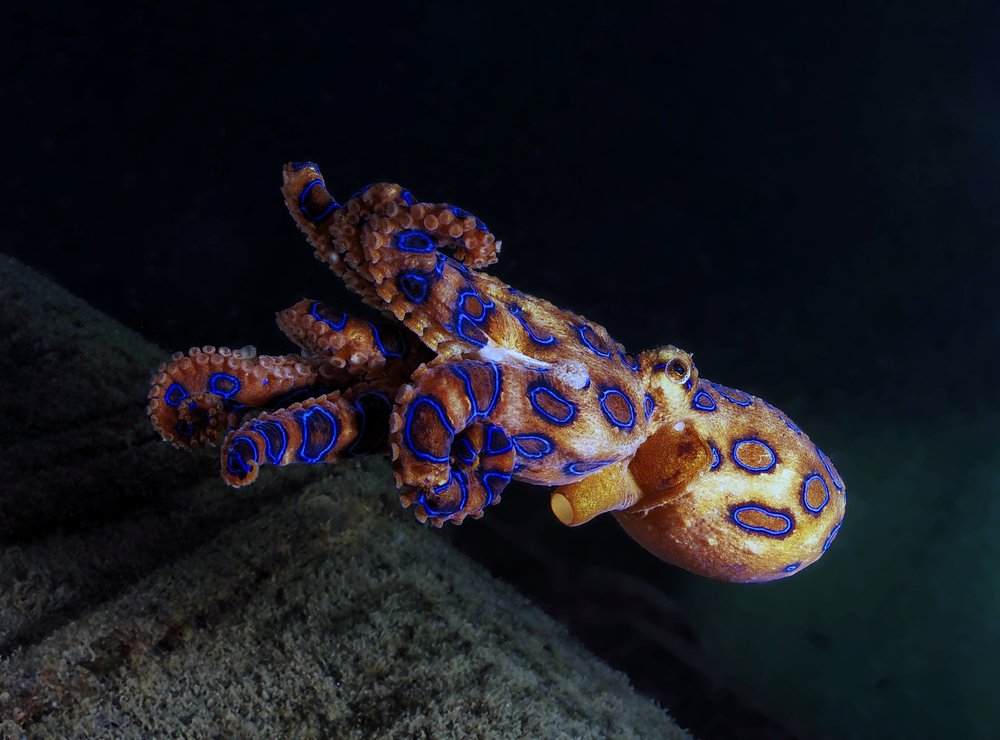
Though small and seemingly unthreatening, the blue-ringed octopus is packed with a deadly punch. Found in tide pools and coral reefs in the Pacific and Indian Oceans, this octopus is easily recognized by its vivid blue rings. However, these rings only appear when the octopus feels threatened, serving as a warning sign. Its venom contains tetrodotoxin, which can cause paralysis and respiratory failure in humans.
Despite its danger, the blue-ringed octopus is generally non-aggressive and only bites when provoked. If you’re diving in areas where they are common, admire them from a distance and avoid handling them at all costs. First aid involves applying pressure to the wound and providing artificial respiration if necessary. Being aware of your surroundings and the creatures that inhabit them is the best way to enjoy a safe dive.
5. Lionfish
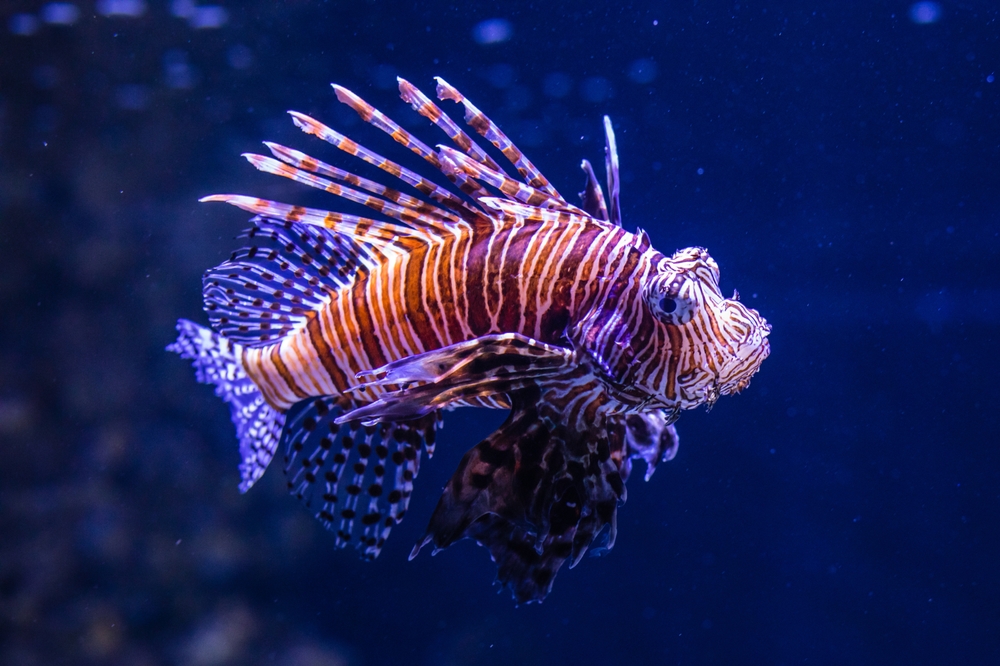
The lionfish, with its vibrant stripes and flowing fin rays, is both beautiful and hazardous. Originally from the Indo-Pacific, it’s now an invasive species in the Atlantic, causing ecological disruption. The lionfish’s venomous spines can deliver a sting that leads to pain, swelling, and in some cases, more serious systemic effects. Research from NOAA highlights the importance of controlling lionfish populations to protect native marine life.
For divers, the lionfish’s striking appearance is both a warning and a temptation. Keeping a safe distance is crucial, as their spines can easily penetrate human skin. If stung, immediate treatment with hot water can help alleviate pain and neutralize the venom. Always approach lionfish with caution, respecting their role in their native ecosystems while being mindful of their invasive impact elsewhere.
6. Tiger Shark
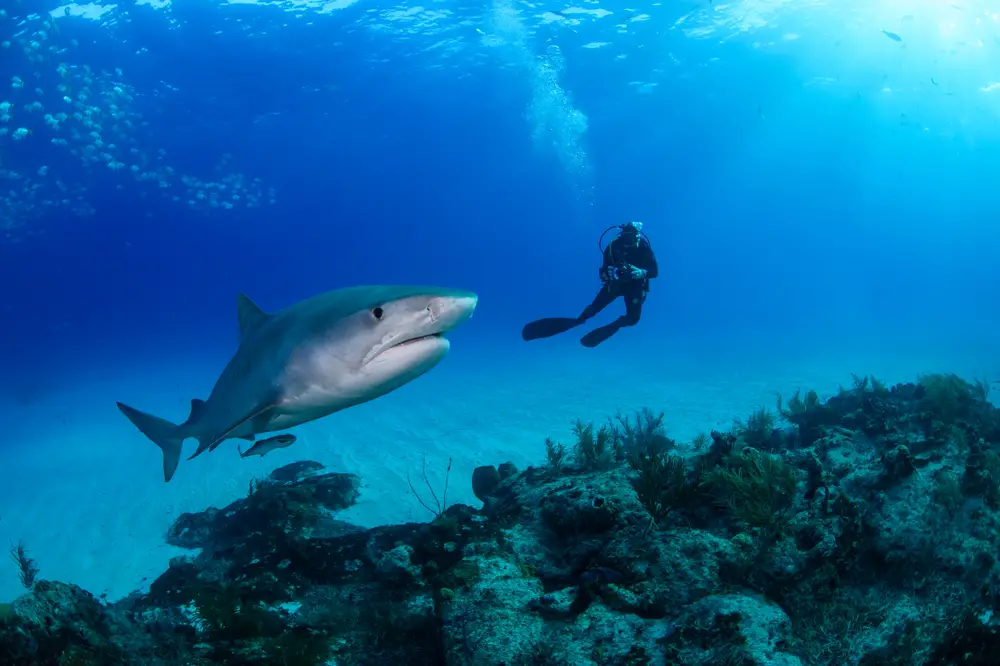
Known for their impressive size and striking stripes, tiger sharks are one of the ocean’s top predators. Their diet is incredibly diverse, ranging from fish and seals to birds and even license plates, earning them the nickname “the garbage cans of the sea.” While they are responsible for a number of attacks on humans, these incidents are relatively rare. Nonetheless, their curious nature and formidable presence make them a creature most divers hope to avoid.
When diving in tiger shark territory, it’s important to maintain a calm demeanor and avoid splashing or making erratic movements. Diving with a group provides safety in numbers, and having a guide familiar with shark behavior can be invaluable. If a tiger shark approaches, try to maintain eye contact and position yourself vertically to appear larger. Respecting these creatures and understanding their behavior can minimize risks and enhance your diving experience.
7. Portuguese Man o’ War
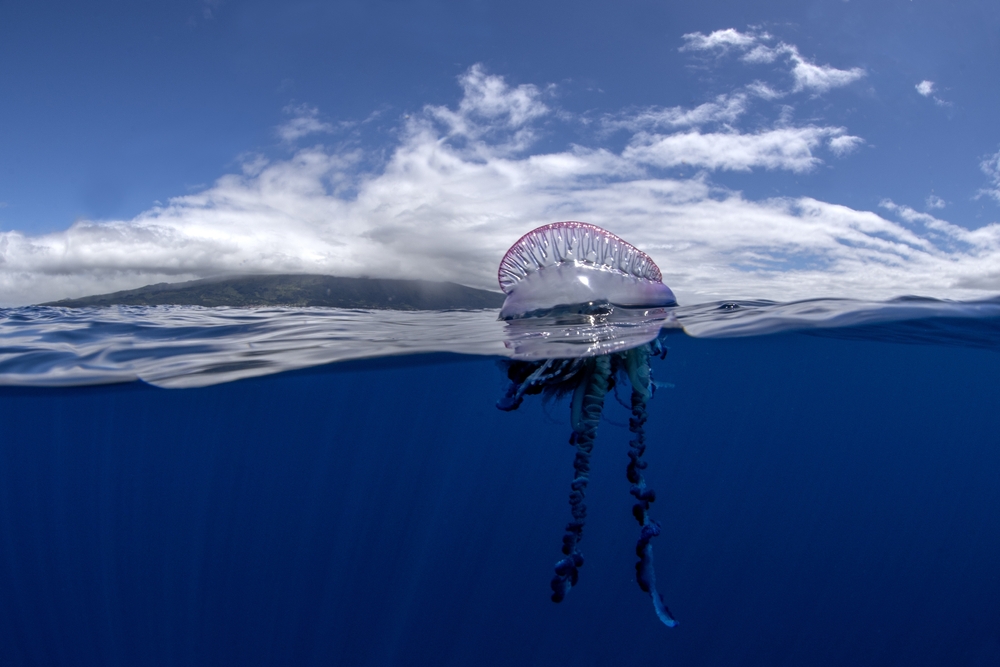
Often mistaken for a jellyfish, the Portuguese man o’ war is actually a siphonophore—a colonial organism made up of specialized polyps. Its long tentacles can extend up to 165 feet, delivering painful stings that can cause welts and more severe allergic reactions in some people. Found in warm ocean waters worldwide, they float on the water’s surface, making them difficult to spot from below. According to a study in the *Journal of Coastal Life Medicine*, vinegar and applying heat are recommended first-aid treatments for man o’ war stings.
Despite their alluring appearance, these creatures are best admired from a safe distance. If you’re diving in an area known for man o’ war presence, wearing a wetsuit can offer some protection from the sting. Avoid touching them, even if they appear dead, as their tentacles can still deliver a potent sting. Being informed about the presence of these creatures can help you enjoy a safer dive.
8. Moray Eel
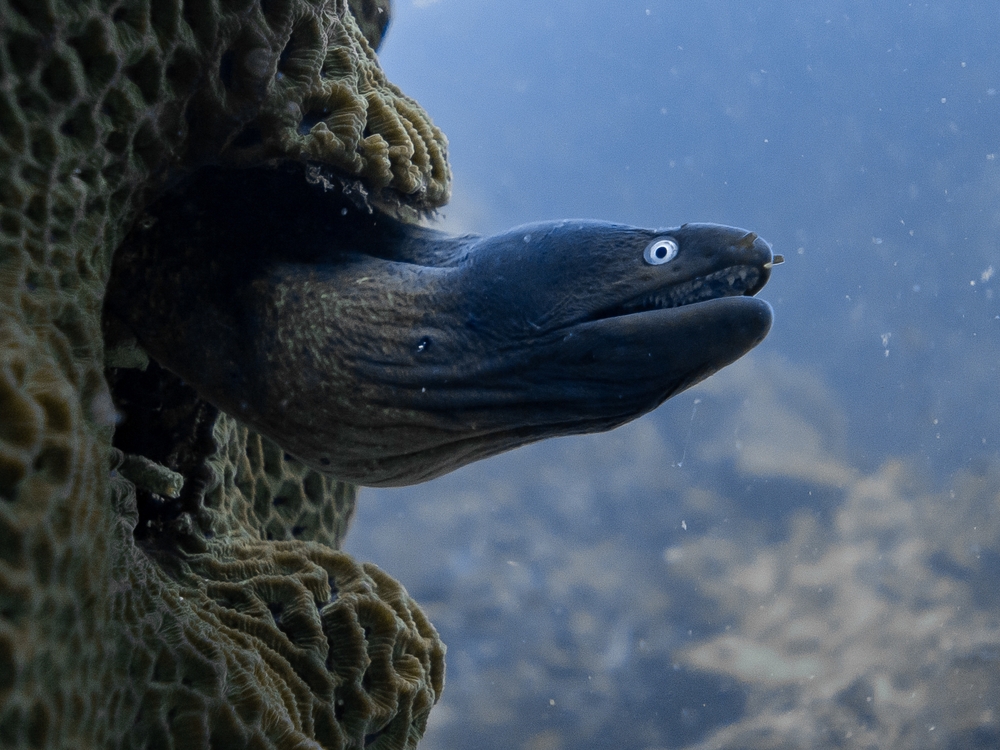
With their snake-like bodies and sharp teeth, moray eels can be intimidating to encounter underwater. Typically hiding in crevices and rock formations, they are more defensive than aggressive. While not venomous, a bite from a moray eel can be painful and prone to infection due to bacteria in their mouths. These eels are nocturnal hunters, and divers are most likely to encounter them during dusk or dawn.
When diving near potential moray eel habitats, it’s best to avoid reaching into holes or crevices. Observing these eels from a respectful distance allows you to appreciate their unique place in the marine ecosystem without risk. If bitten, seek medical attention to prevent infection and ensure proper wound care. Understanding their behavior can help you coexist peacefully with these fascinating creatures during your dive.
9. Barracuda
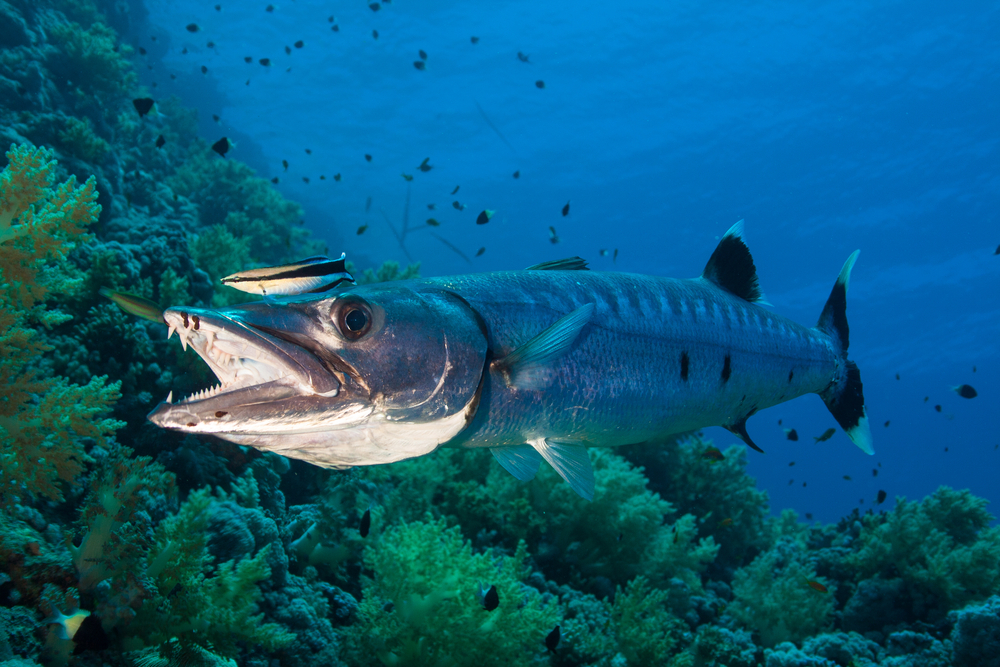
Known for their speed and agility, barracudas are sleek, torpedo-shaped fish that can appear suddenly during a dive. They are attracted to shiny objects, mistaking them for prey, which can lead to unexpected encounters with divers wearing reflective gear. While attacks on humans are rare, a curious barracuda can be unnerving due to their sharp teeth and menacing appearance. These fish are often found in tropical and subtropical waters, lurking near coral reefs and seagrasses.
To avoid unwanted attention from barracudas, remove or cover any shiny accessories before diving. Maintaining a calm and steady approach in the water can help prevent startling these creatures. If you do encounter a barracuda, remain still and allow it to pass without making sudden movements. Understanding their curiosity and avoiding flashy gear can ensure a safe and enjoyable dive.
10. Electric Eel
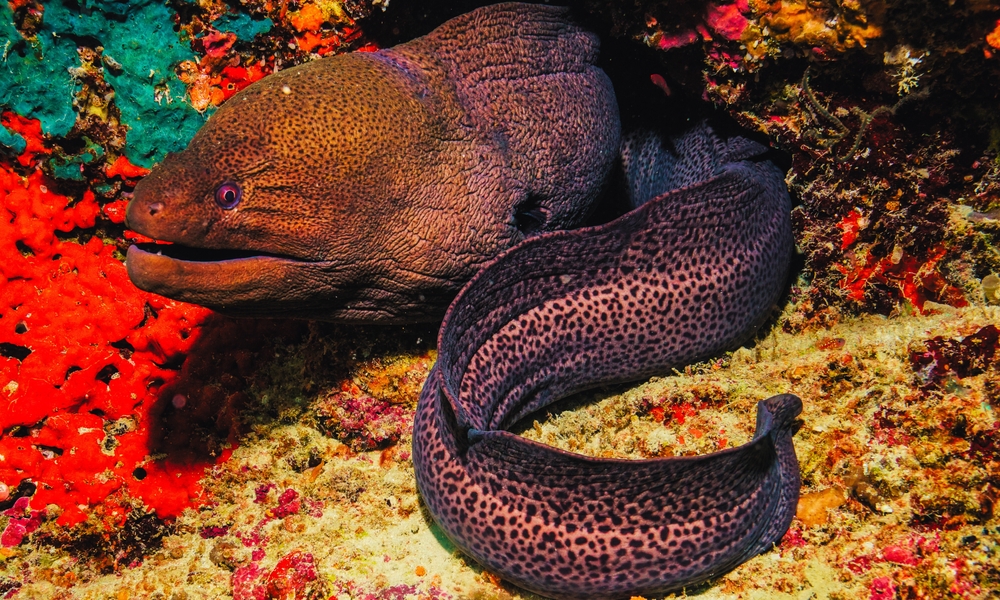
Electric eels, native to South America’s freshwater rivers, are known for their ability to generate powerful electric shocks. Although rarely encountered by divers, their electrical discharges, used for hunting and self-defense, can be strong enough to stun a human. These eels can grow up to eight feet long, and their shocks can reach up to 600 volts. While encounters are uncommon, they serve as a reminder of the diversity and unpredictability of aquatic life.
If diving in areas where electric eels are found, it’s wise to avoid murky waters where visibility is compromised. Giving these creatures plenty of space and observing them from a distance reduces the risk of startling them into using their electric defense mechanism. Being aware of your environment and respecting the habitat of electric eels can help prevent any unexpected jolts during your dive. Understanding these creatures’ unique adaptations can enhance your appreciation of the underwater world.
11. Cone Snail
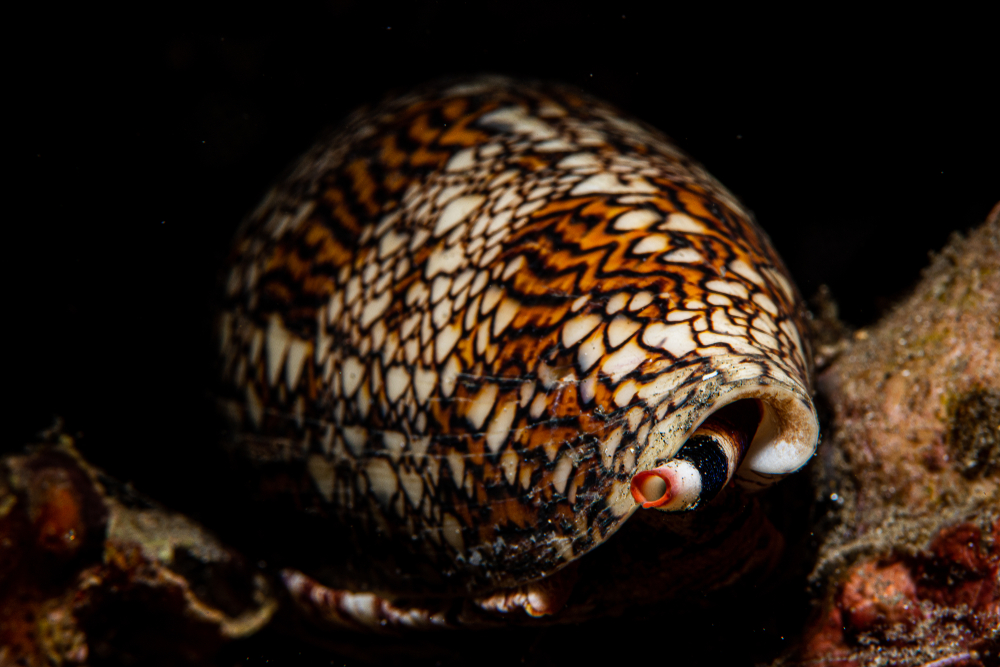
The cone snail may not look threatening, but this small creature packs a venomous punch. Found in tropical and subtropical waters, cone snails use a harpoon-like tooth to deliver venom capable of paralyzing prey, and in some cases, can be fatal to humans. Handling cone snails carries significant risk, as their venom can cause symptoms ranging from pain and swelling to respiratory failure. They are often found in coral reefs and rocky areas, where they blend seamlessly with their surroundings.
To avoid accidental stings, it’s best to admire cone snails from a distance and refrain from touching them. Wearing gloves can provide an additional layer of protection if you need to handle objects in areas where cone snails are present. If stung, seek medical attention immediately, as there’s no specific antivenom for their venom. Being aware of your surroundings and exercising caution can help ensure a safe dive.
12. Stingray
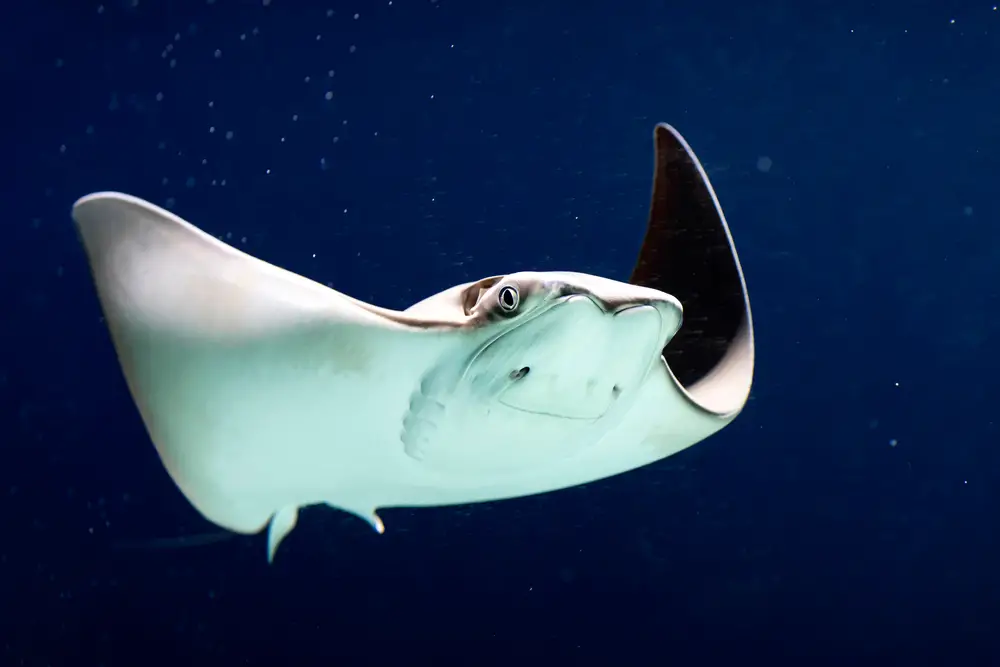
With their graceful movements and unique shape, stingrays are a common sight on many dives. While generally docile, they can become defensive if stepped on or provoked, using their barbed tail to deliver a painful sting. Most encounters with stingrays are harmless, but their venom can cause intense pain and require medical attention. They are often found resting on the sandy ocean floor, camouflaged from predators and unsuspecting divers.
When diving in areas where stingrays are common, practice the “stingray shuffle” by dragging your feet through the sand to alert rays to your presence. Observing them from a respectful distance allows you to appreciate their elegance without disturbing them. If stung, apply hot water to the wound and seek medical care to manage pain and prevent infection. Understanding stingray behavior can help you enjoy their beauty while minimizing the risk of an unpleasant encounter.
13. Sea Snake
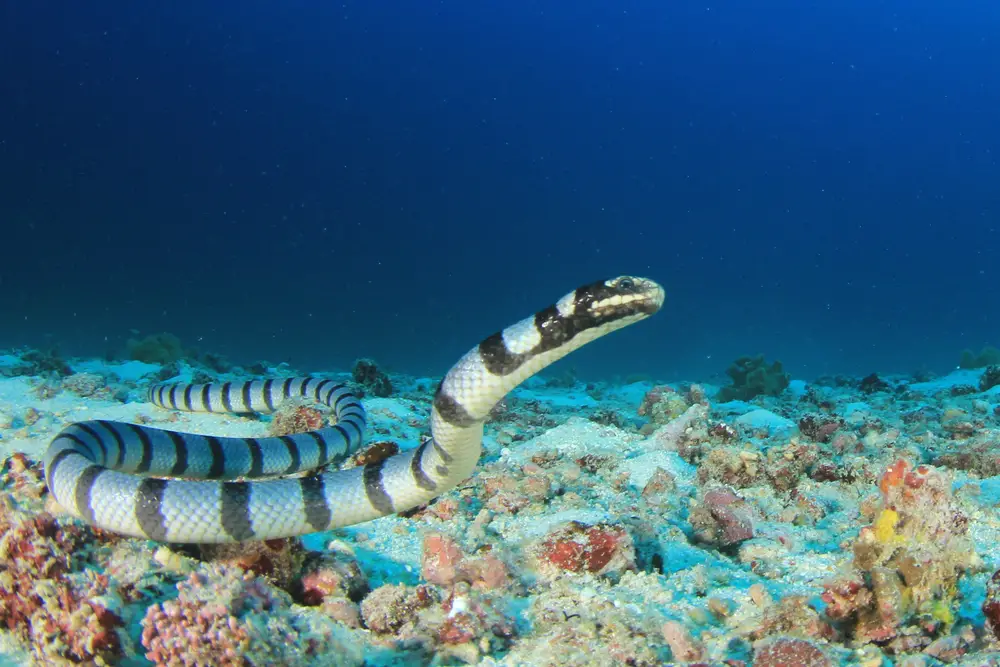
Sea snakes, prevalent in the warm waters of the Indian and Pacific Oceans, are highly venomous but rarely aggressive towards humans. Their venom is potent, but their small mouths and fangs make bites uncommon. Sea snakes are often curious and may approach divers, mistaking them for potential mates or fellow snakes. Although they pose a low risk to divers, their presence can still be unnerving due to their reputation.
When diving in areas populated by sea snakes, it’s best to remain calm and avoid any sudden movements. Allow these creatures to move away on their own, and resist the urge to touch them, as they may perceive this as a threat. Understanding their behavior and respecting their space can help ensure a peaceful coexistence. Appreciating their unique adaptations contributes to a richer diving experience.
14. Giant Squid
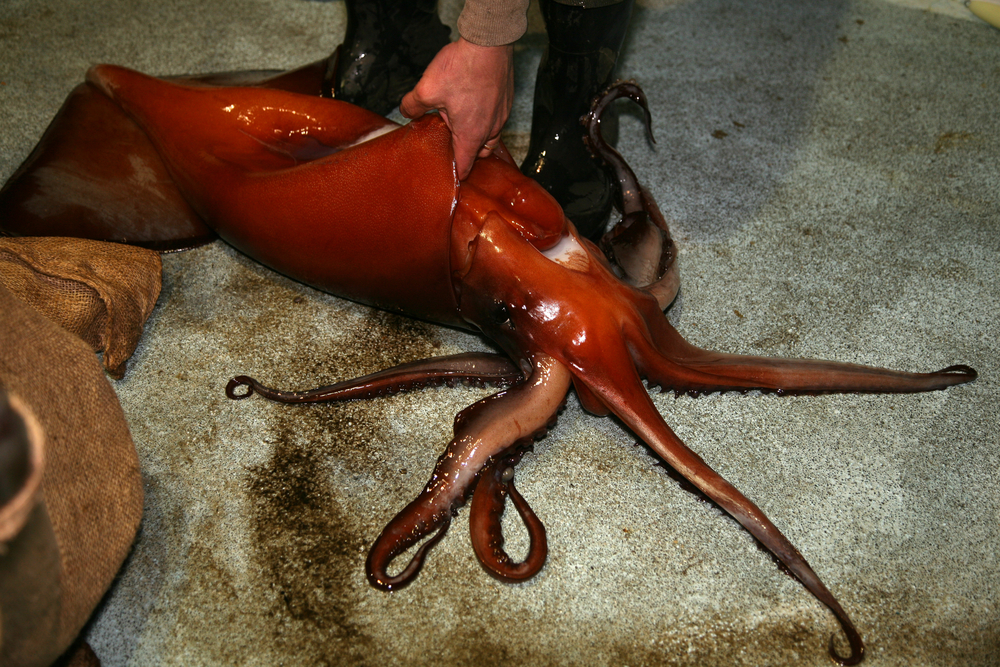
The elusive giant squid, with its massive size and mysterious nature, has captured human imagination for centuries. While rare, sightings or encounters with these deep-sea dwellers are both awe-inspiring and terrifying. Giant squids can grow up to 43 feet long, with powerful tentacles and a beak capable of inflicting damage. Although they reside in deep ocean waters, they occasionally venture into shallower zones, where divers might catch a glimpse.
To date, interactions with giant squids have been minimal, as they tend to avoid human contact. If you find yourself near one, the best approach is to observe from a distance and avoid any interaction. Their presence is a testament to the ocean’s enduring mysteries and the potential for discovery. The thrill of possibly encountering such a creature is enough to remind divers of the vast and varied life hidden beneath the waves.