
Talking to pets isn’t a quirky habit or a sign of loneliness—it’s deeply human. Science, psychology, and neuroscience all point to the same conclusion: speaking to animals fulfills emotional, cognitive, and relational needs that modern life often leaves unmet. Pets don’t interrupt, judge, or correct you, which makes them uniquely powerful listeners. Here’s why your brain feels compelled to narrate life to a creature who can’t technically talk back.
1. You’re Wired For Connection

Human brains evolved to communicate constantly, even in the absence of another speaking human. When a pet is present, your brain automatically categorizes it as a social being rather than an object. Talking becomes a way to regulate connection and emotional safety.
Neuroscience research shows that social speech activates reward and bonding pathways regardless of who is listening. The brain prioritizes expression over response. Pets trigger the same circuitry as trusted companions. Silence feels unnatural when connection is available.
2. Pets Don’t Interrupt Or Judge
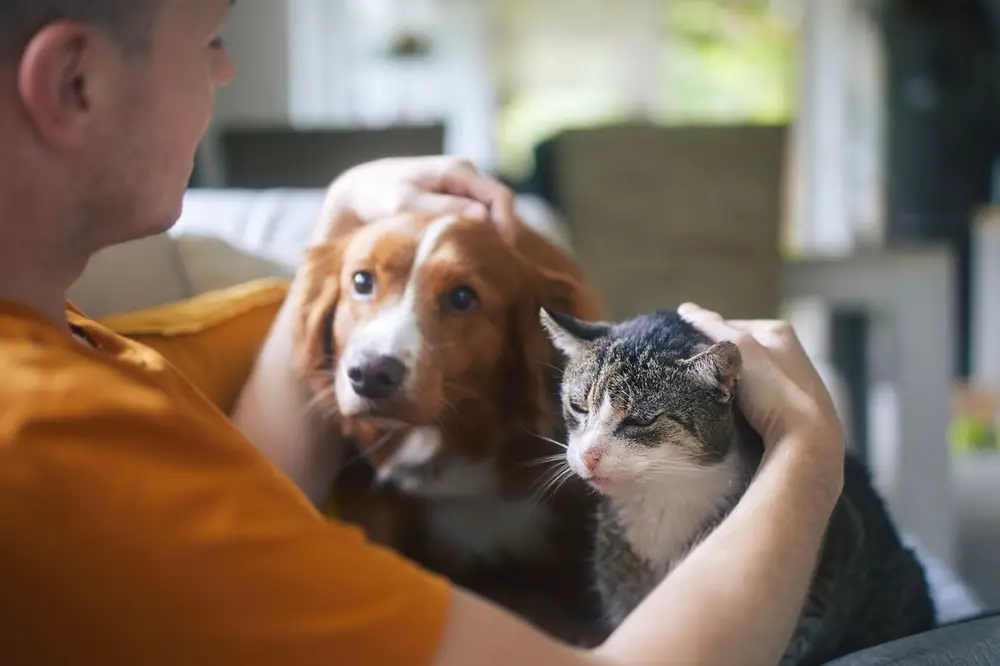
Pets don’t interrupt, correct, or critique your thoughts. That absence of judgment lowers self-monitoring and social anxiety. Talking feels safer because there’s no risk of rejection.
Psychology studies on emotional disclosure show people speak more freely when evaluation is removed. Pets create an emotionally neutral audience. This encourages honesty without fear. Your nervous system relaxes.
3. Speaking Out Loud Regulates Emotion
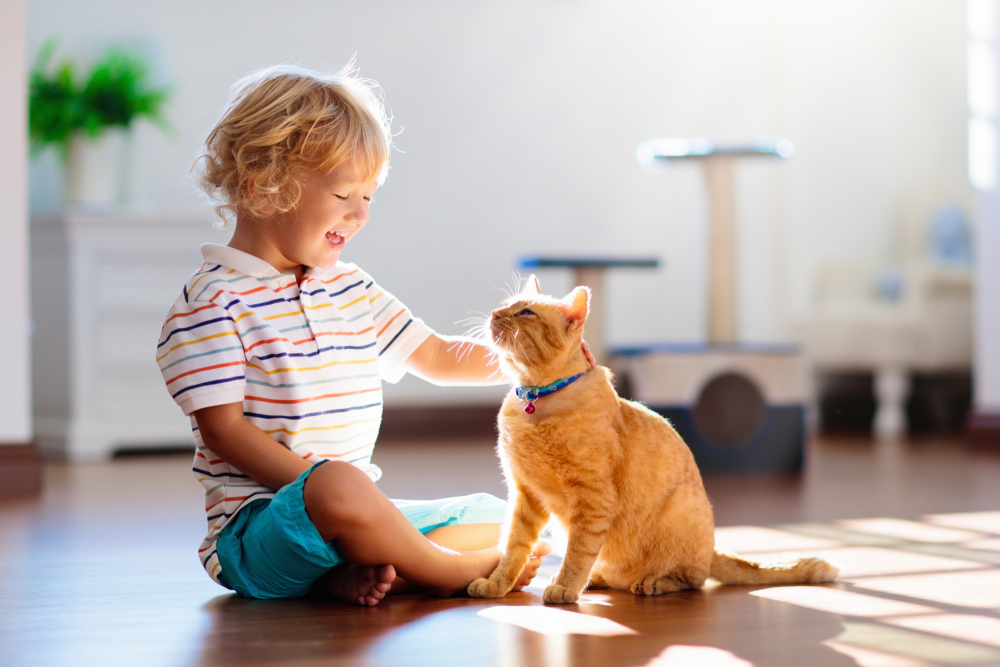
Verbalizing feelings helps your brain process them more effectively. Talking slows emotional escalation and organizes thoughts. Pets offer a safe target for this regulation.
A 2023 study in Frontiers in Psychology found that self-directed speech reduces stress responses. Pets naturally invite this behavior. Saying things out loud lowers emotional intensity. Calm follows speech.
4. Talking Strengthens Your Bond
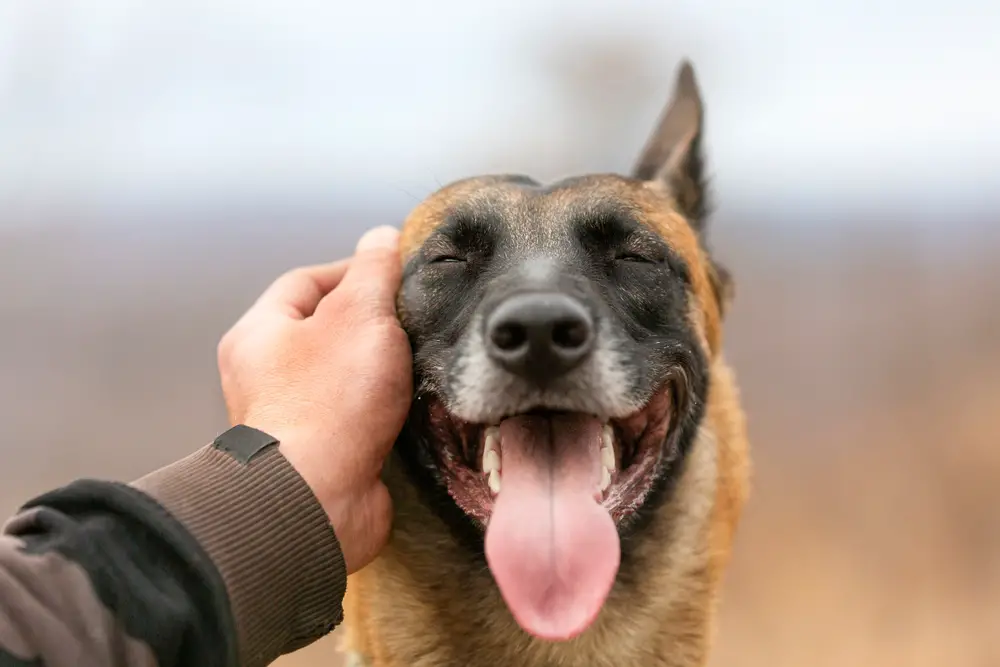
Humans instinctively assign personality and intention to living beings. Talking to pets reinforces emotional connection. Meaning is built through narrative.
Cognitive science shows anthropomorphism strengthens bonding. Pets become relational partners rather than passive animals. Conversation deepens attachment. The bond feels mutual.
5. Pets Keep You In The Present Moment

Talking to a pet pulls attention away from abstract worries. It grounds you in immediate reality. Presence increases when attention narrows.
Mindfulness research shows that interaction with animals reduces rumination. Pets keep you here, not spiraling. Speech reinforces grounding. Calm emerges naturally.
6. It Strengthens Your Nervous System
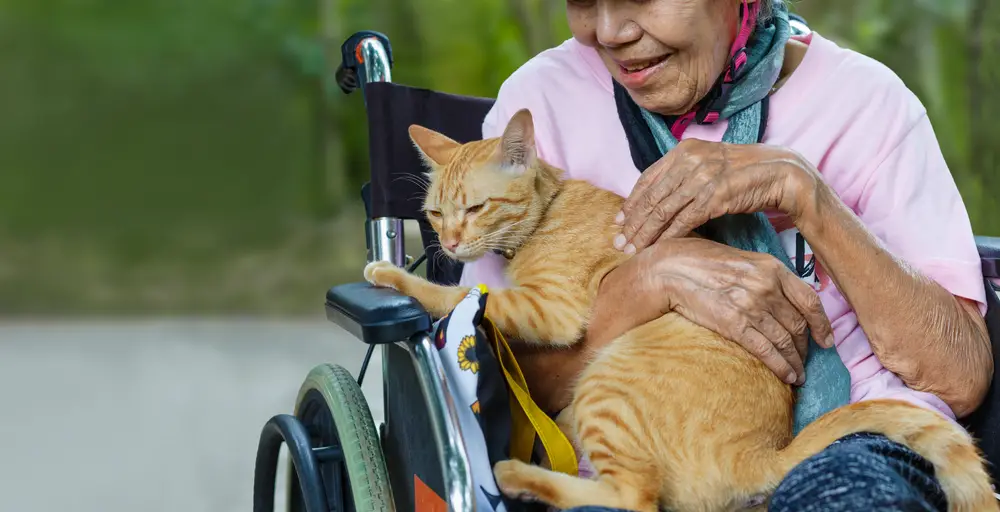
Pets regulate stress simply by existing nearby. Speaking aligns your nervous system with theirs. Calm becomes contagious.
A 2024 study from the National Institutes of Health linked pet interaction to lowered cortisol levels. Speech strengthens this effect. Regulation becomes mutual. Calm deepens.
7. Talking Reinforces Routine and Predictability
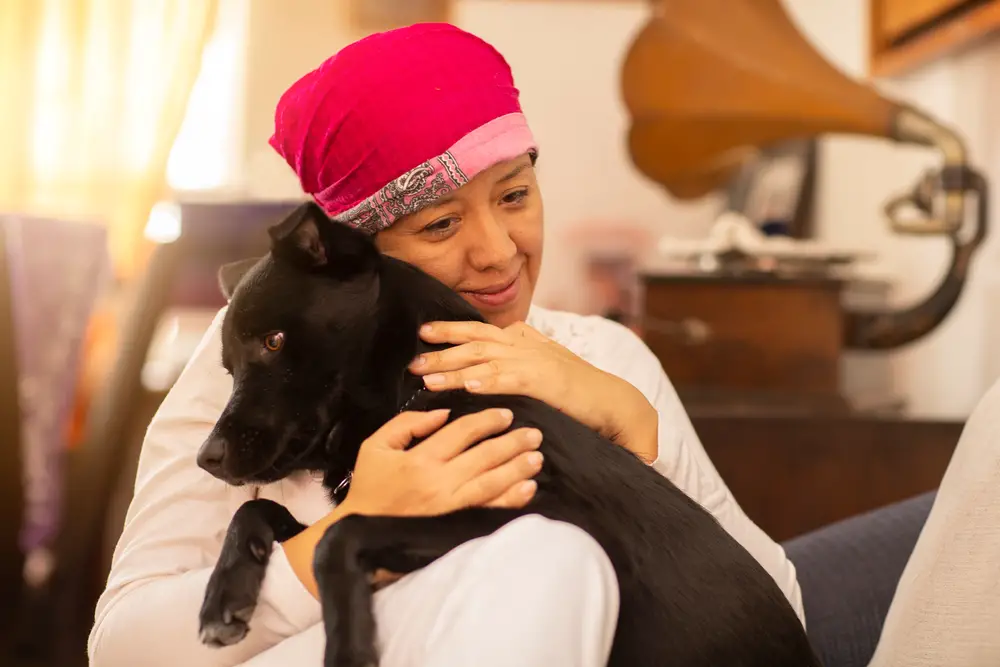
Humans narrate tasks to structure time. Pets become part of daily rituals. Talking reinforces rhythm and consistency.
Behavioral research shows routine lowers anxiety. Pets anchor schedules. Verbal cues strengthen structure. Stability increases.
8. Pets Trigger Caregiving Instincts

Humans instinctively communicate with dependents. Pets activate nurturing behaviors. Speech reinforces caregiving roles.
Evolutionary psychology suggests caregiving strengthens emotional regulation. Talking supports bonding. Responsibility feels purposeful. Connection deepens.
9. You Feel Emotionally Seen

Pets respond through body language and attention. That response feels validating. Words feel received even without reply.
Studies in human-animal interaction show that perceived responsiveness matters more than verbal feedback. Pets offer attunement. Emotional exchange feels real. Connection satisfies.
10. It Helps You Think More Clearly

Verbalizing thoughts organizes cognition. Pets provide a low-pressure listener. Thinking improves through speech.
Cognitive research shows that externalized speech improves problem-solving. Pets facilitate this naturally. Clarity emerges. Insight follows.
11. You Make Your Pets Feel Safe
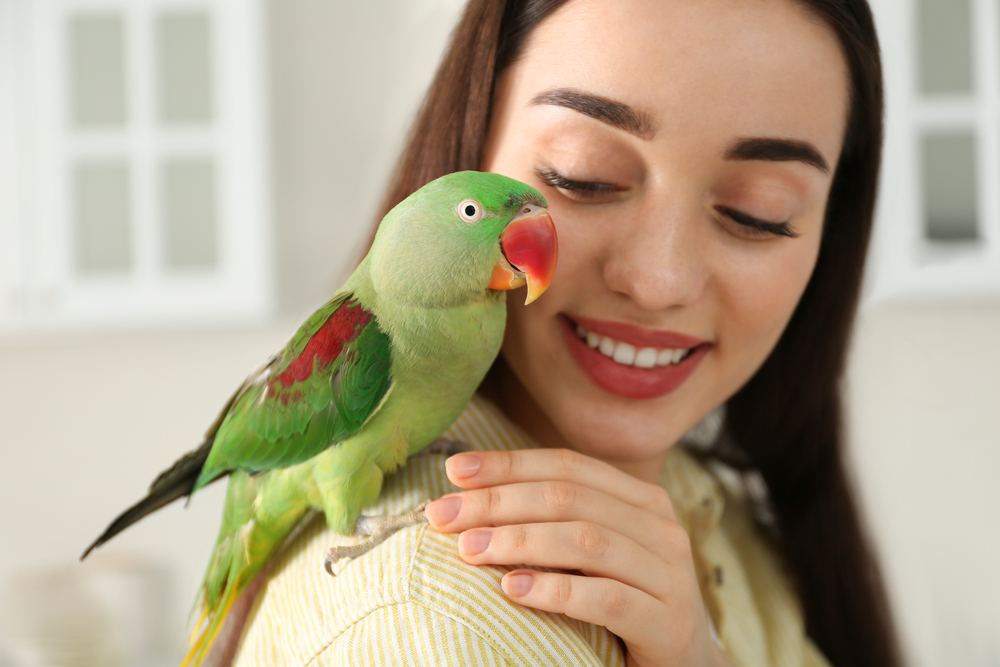
Talking to pets builds emotional fluency. It’s a rehearsal without risk. Expression becomes easier elsewhere.
Therapeutic research shows low-stakes expression increases emotional confidence. Pets offer practice. Communication improves. Vulnerability grows.
12. Pets Mirror Your Emotional State
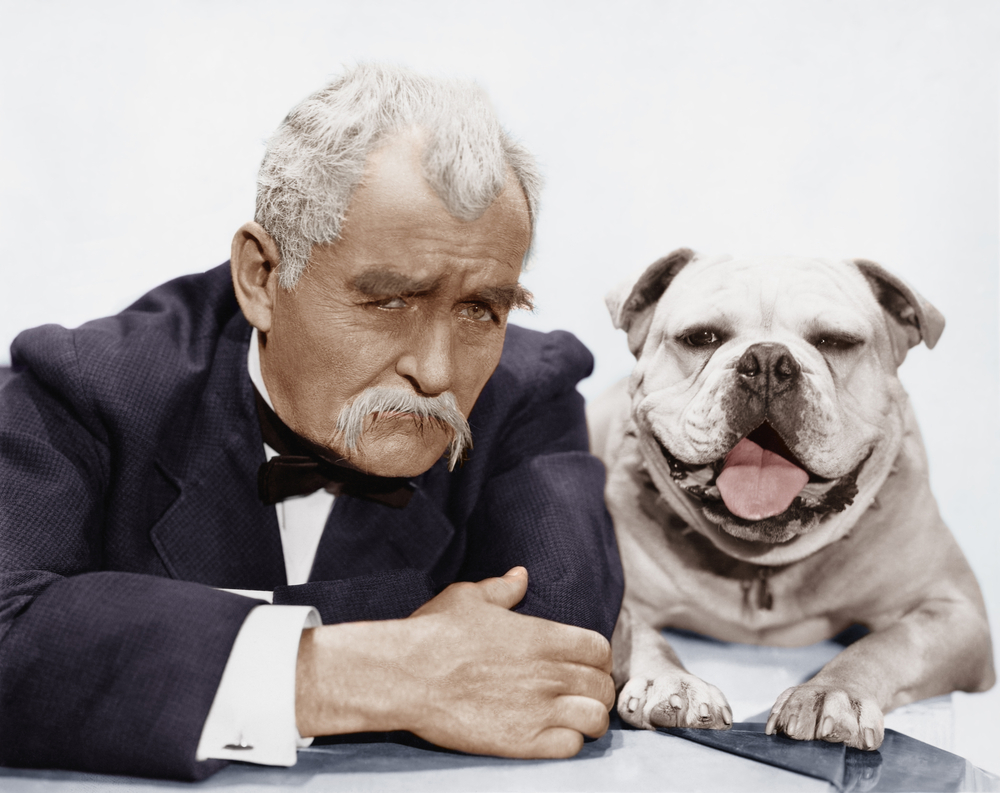
Animals respond to tone and energy. Talking creates feedback loops. Emotional awareness sharpens.
Studies in animal behavior show pets attune to vocal cues. Speech influences mood. Awareness increases. Regulation improves.
13. It Stops You Feeling Lonely

Loneliness isn’t about isolation—it’s about connection quality. Pets provide companionship without demand. Speech fills emotional gaps.
Social psychology research confirms that perceived connection reduces loneliness. Pets meet that need. Words strengthen bonds. Comfort follows.
14. Your Brain Doesn’t Need A Verbal Reply

Expression satisfies internal needs regardless of response. Pets meet the requirement of presence. Speech completes the loop.
Neuroscience shows that expression itself activates reward pathways. Listening isn’t required. Pets suffice. Talking feels complete.