
When a human dies, the animals left behind don’t understand death the way we do — but they feel the rupture immediately. The bond between a pet and their owner isn’t just emotional; it’s neurological, chemical, and built into daily survival patterns. In 2026, animal behavior research confirms that pets experience loss as a full-body disruption, not a passing sadness. Their grief shows up quietly, in routines, senses, and behaviors that are easy to miss unless you know what you’re seeing.
1. They Search For Your Scent Everywhere

The first response many animals have to an owner’s absence is an intense search for their scent. Dogs and cats may press their faces into shoes, laundry, pillows, or the side of the bed where their person slept. This isn’t comfort-seeking alone — it’s information-gathering, because scent is how animals confirm safety and presence. When the scent doesn’t lead to reunion, confusion and stress rise sharply.
A 2025 study from the Canine Behavioral Lab found scent-searching behavior increases by more than 60% in the first two days after a primary caregiver disappears. Researchers noted that scent functions as a neurological anchor for routine and emotional regulation. When that anchor weakens, cortisol levels spike rapidly. The fading scent marks the moment the loss becomes real.
2. They Keep Waiting For You On Schedule
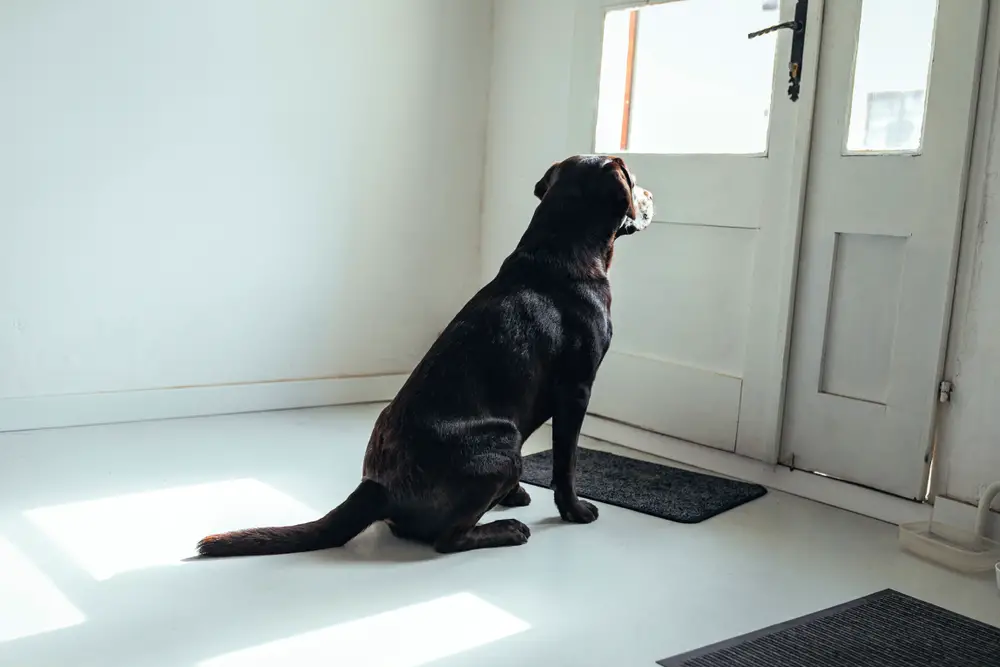
Grieving animals often continue shared routines with painful precision. A dog may sit by the door at walk time or wait by the food bowl when you feed them. Cats may return to specific windows or chairs at the same hour every day. These behaviors aren’t forgetfulness — they’re expectation.
Animals use routine to predict safety, and repeating it helps stabilize a suddenly broken world. The behavior can persist for weeks or even months. When the routine repeatedly fails, many animals show visible stress responses. This is grief expressed through habit.
3. Their Voice Changes

After losing an owner, some animals grow uncharacteristically quiet while others develop new, low-frequency vocalizations. Cats may emit long, mournful yowls at night that are different from hunger or attention calls. Dogs may stop barking entirely, even at stimuli they once reacted to. The soundscape of the animal changes along with their internal state.
A 2026 University of Melbourne study linked these vocal changes to drops in oxytocin and serotonin. Researchers identified grief vocalizations as “search calls” — sounds meant to trigger reunion. When no response comes back, animals often withdraw into silence. The quiet is not calm; it’s resignation.
4. They Avoid Certain Places

Some animals refuse to enter rooms or sit in spots where their owner spent the most time. A chair, bed, or home office may suddenly become off-limits. This avoidance isn’t indifference — it’s emotional overload. The contrast between memory and absence is too destabilizing.
Behaviorists believe this mirrors human avoidance grief responses. The space no longer feels safe or complete, so the animal marks it as unusable. Over time, some pets cautiously re-approach these areas. Others never do.
5. They Lose Interest In Food
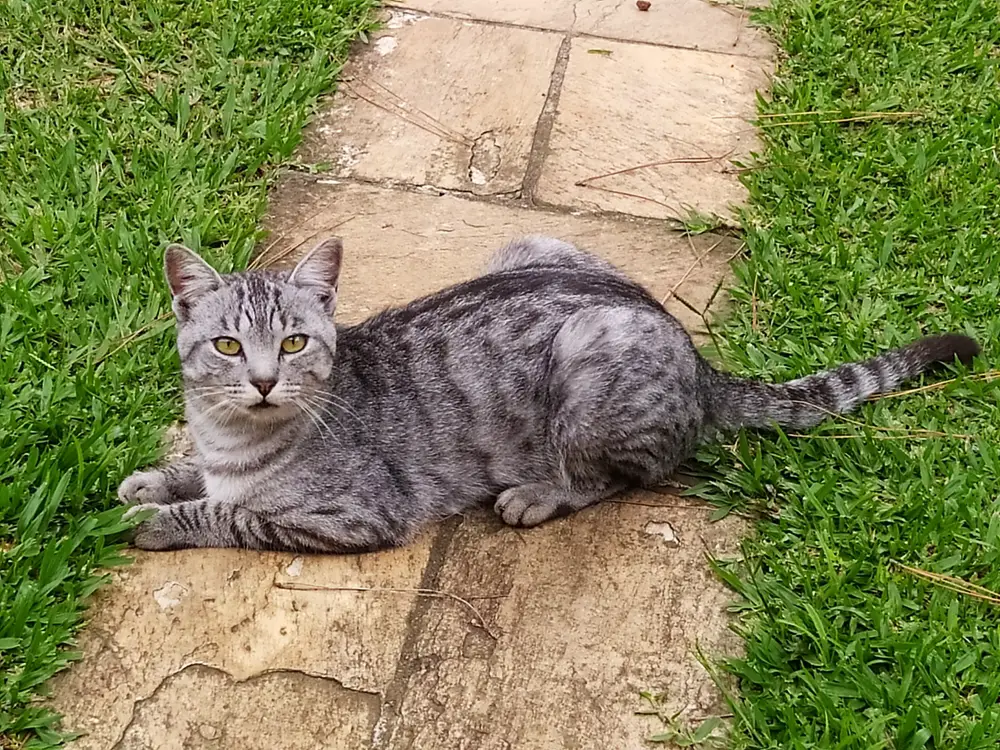
One of the most common physical signs of grief is appetite disruption. Pets may sniff food and walk away or eat only if coaxed. Stress hormones interfere directly with digestion, suppressing hunger signals. Eating feels unsafe when emotional stability is gone.
Veterinary psychology research shows grief-related appetite loss mimics trauma responses. The body prioritizes vigilance over nourishment. If the behavior lasts too long, medical intervention is often necessary. Grief is metabolically expensive.
6. They Stop Playing And Socializing
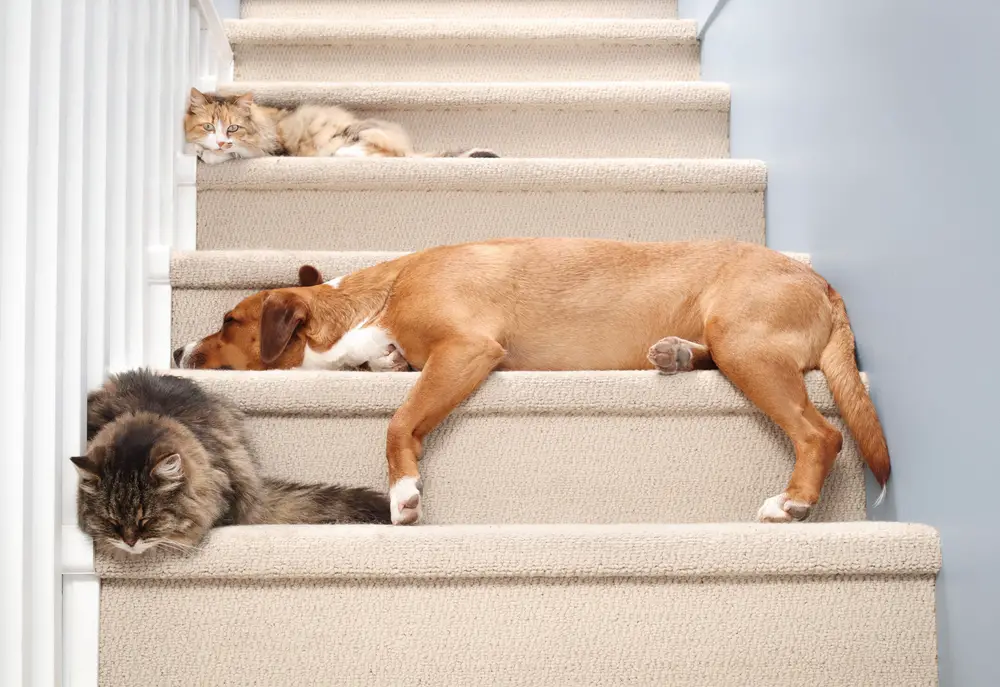
Grieving animals often disengage from activities that once brought joy. Toys go untouched, walks lose their appeal, and social interaction drops sharply. This isn’t laziness — it’s emotional shutdown. The nervous system enters conservation mode.
A 2025 Journal of Veterinary Psychology study found that pets experiencing loss show reduced dopamine response to rewards. The brain’s motivation circuits go quiet. This phase can look like depression. It’s the animal recalibrating without their anchor.
7. They Groom Themselves Excessively
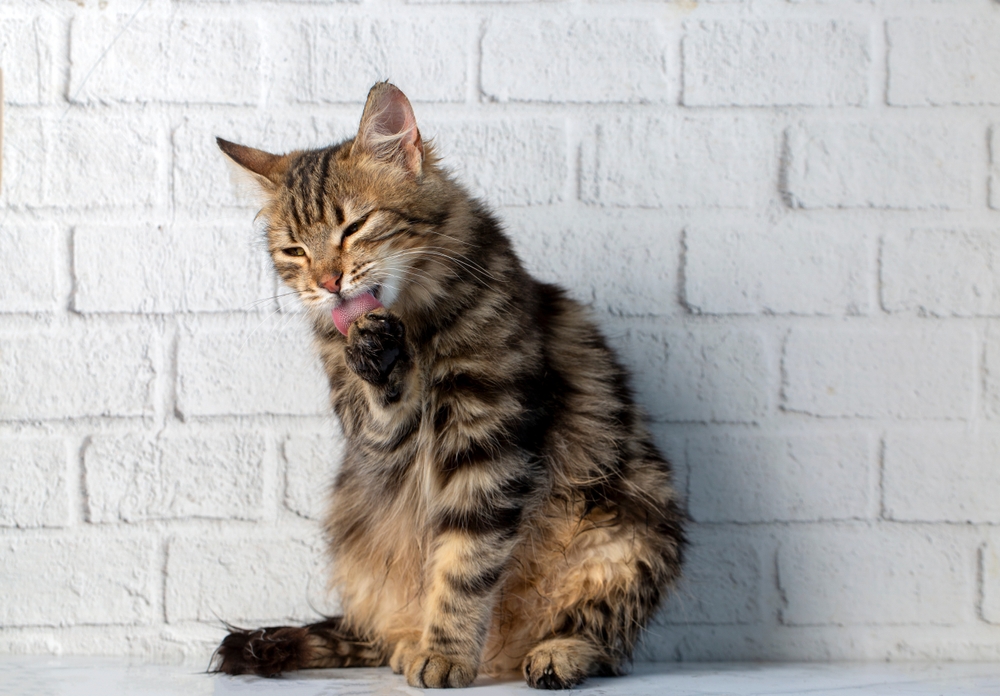
Over-grooming is a common stress response in grieving pets, especially cats. Repetitive licking releases small amounts of endorphins that temporarily reduce anxiety. Some animals groom until fur thins or bald patches appear. It’s self-soothing taken too far.
Veterinarians consider this a red flag for unresolved emotional distress. The behavior often escalates in quiet environments. Left untreated, it can lead to skin infections. Grief doesn’t stay emotional — it turns physical.
8. They Stay Close To Other Family Members
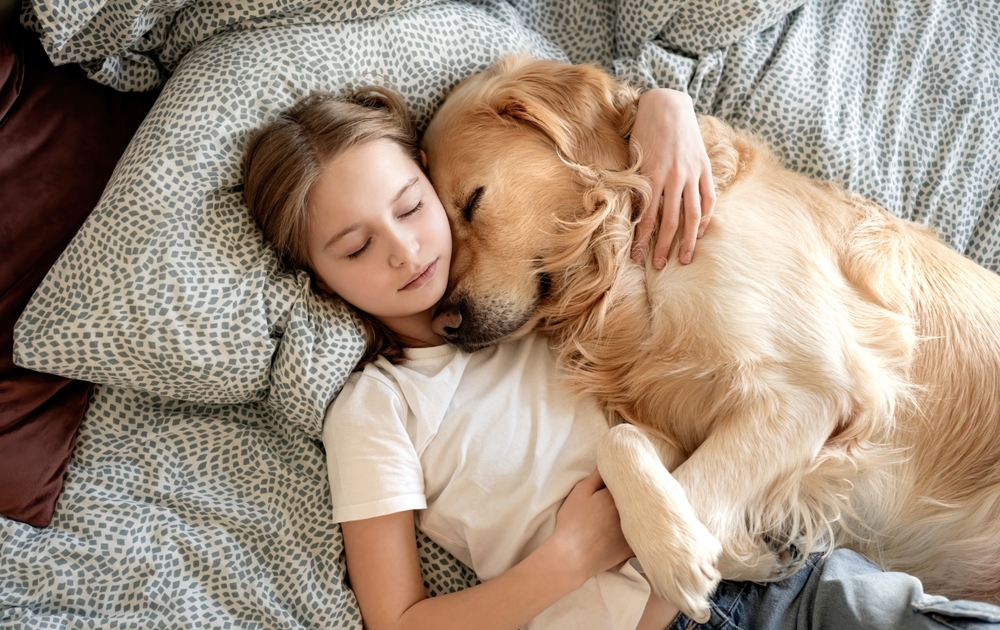
Some pets suddenly become intensely attached to another household member. They may follow them from room to room or sleep pressed against them at night. This isn’t a replacement — it’s stabilization. The animal is rebuilding a social map.
Attachment shifts are a survival response. Animals need a dependable presence to regulate stress. This behavior often fades as the animal adjusts. It’s grief-driven bonding, not clinginess.
9. They Sleep More
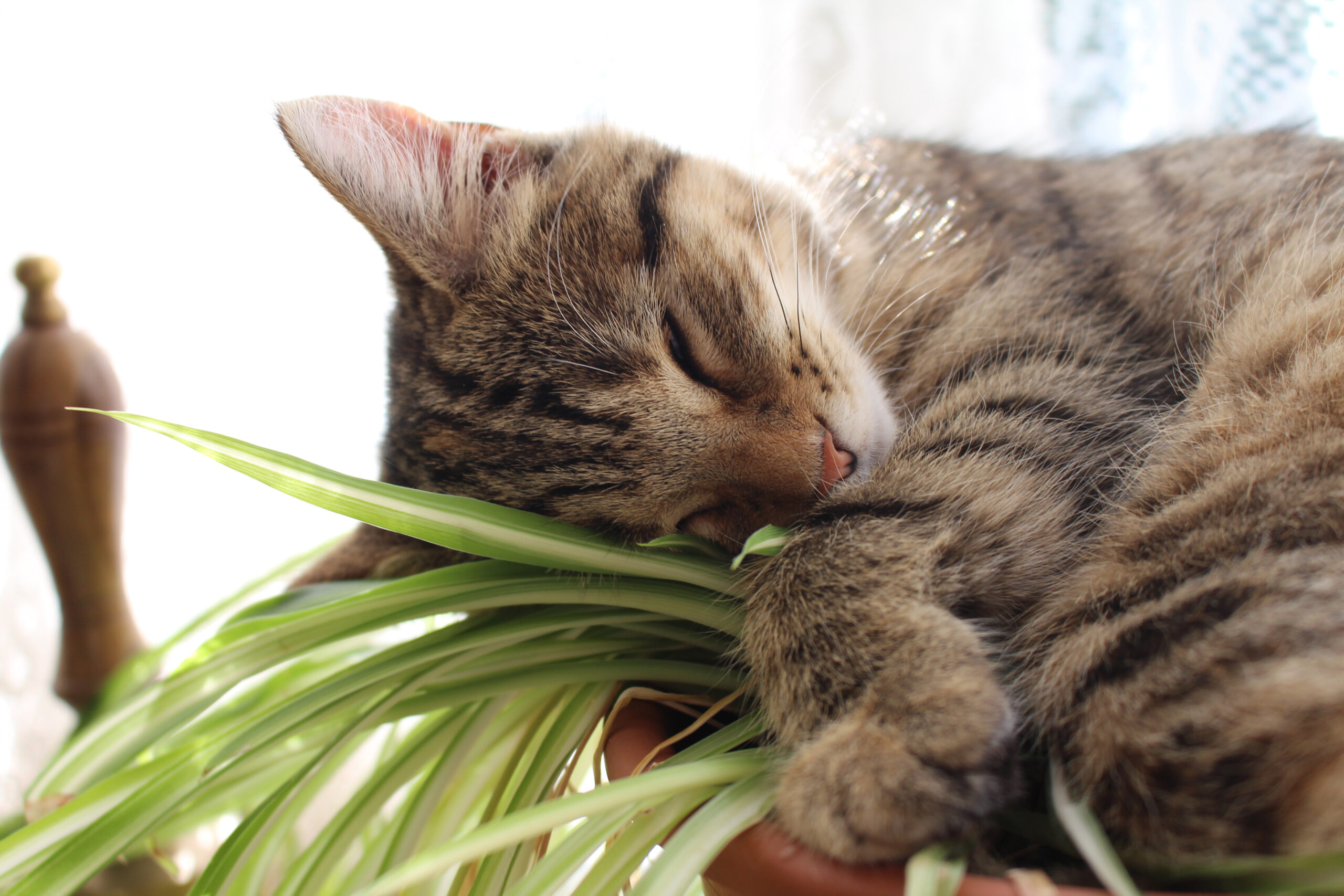
Grieving pets often sleep longer hours but remain easily startled. Their sleep is shallow, fragmented, and hypervigilant. This mirrors trauma-related sleep patterns in humans. The nervous system never fully powers down.
Behaviorists note that deep sleep requires safety. Without their primary person, that safety feels compromised. The animal rests, but doesn’t recover. Fatigue builds quietly over time.
10. They Become Hyper-Aware

Many grieving animals react strongly to footsteps, keys, or cars outside. Their ears and posture stay alert longer than usual. They are scanning for the impossible return. Every familiar sound carries hope.
This heightened vigilance increases stress load. Over time, it may fade into withdrawal. The animal learns the sound won’t lead to reunion. Grief trains the senses.
11. They Stay Put In One Place
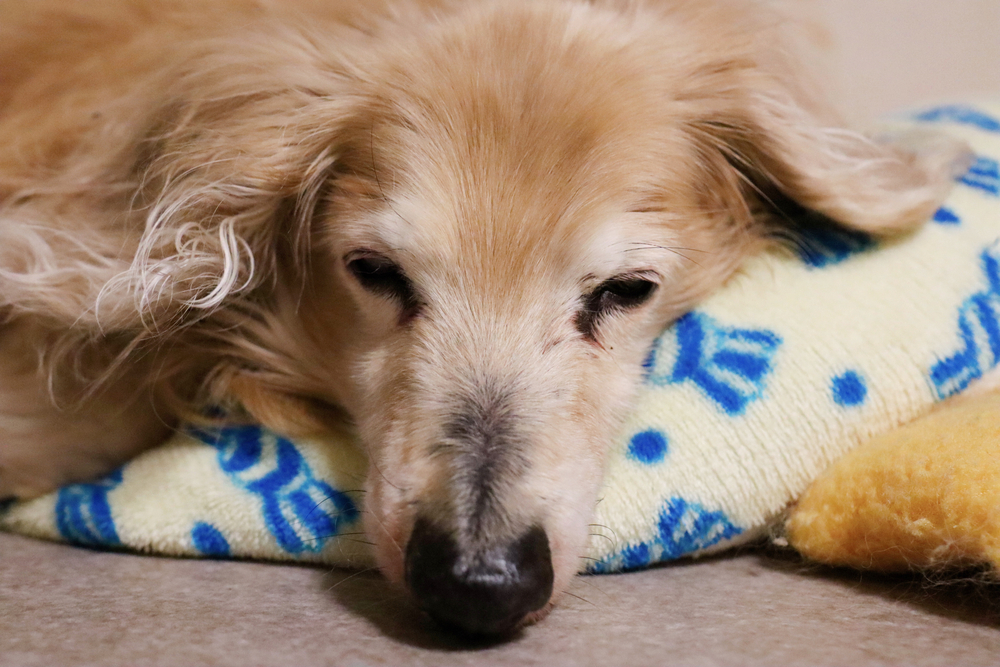
Animals that once roamed confidently may stick to a few safe zones. Exploration requires curiosity and emotional surplus. Grief removes both. The world feels smaller and less predictable.
Ethologists describe this as “territorial contraction.” The animal limits exposure to manage stress. Recovery often coincides with renewed confidence. Space expands as safety returns.
12. They Mirror Human Grief
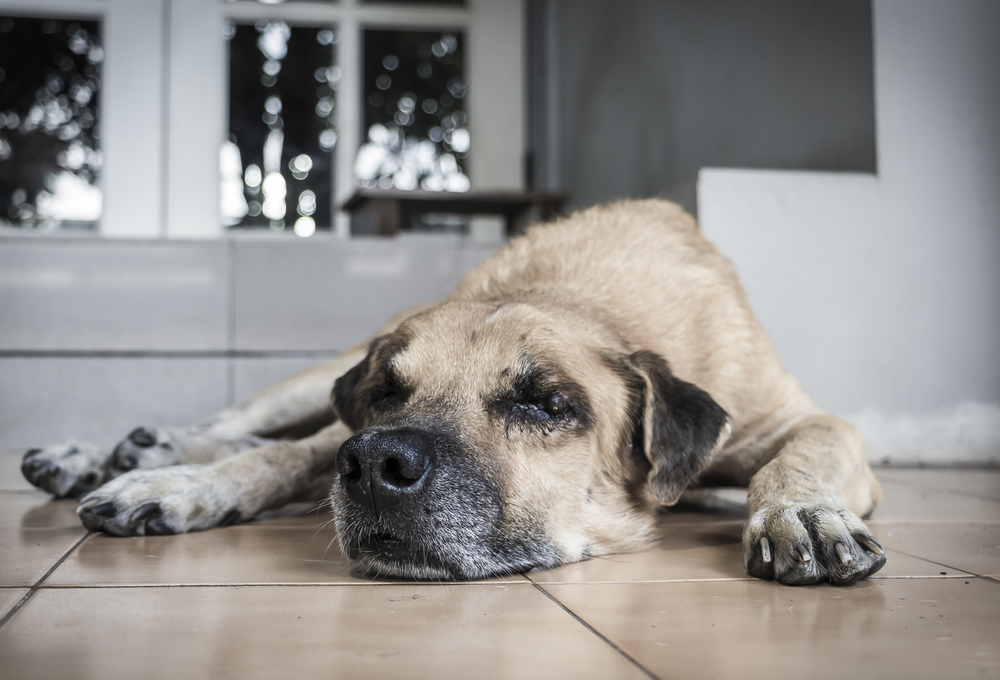
Pets often reflect the emotional state of their human companions. If the household is quiet, heavy, or distressed, animals absorb it. Their nervous systems sync with the group. Grief becomes communal.
Studies in interspecies emotional regulation show animals respond strongly to human stress hormones. Healing accelerates when routines return, and emotional signals stabilize. Pets grieve with us, not beside us. Their loss is shared.