
Luxury home design used to emphasize openness, glass walls, and seamless indoor-outdoor living, and those elements haven’t disappeared. What’s changed is how they’re being balanced against a growing desire for protection, reliability, and control. Today’s high-end buyers aren’t preparing for worst-case scenarios so much as a future that feels less predictable than it once did.
1. Privacy Is Being Reframed as a Form of Security
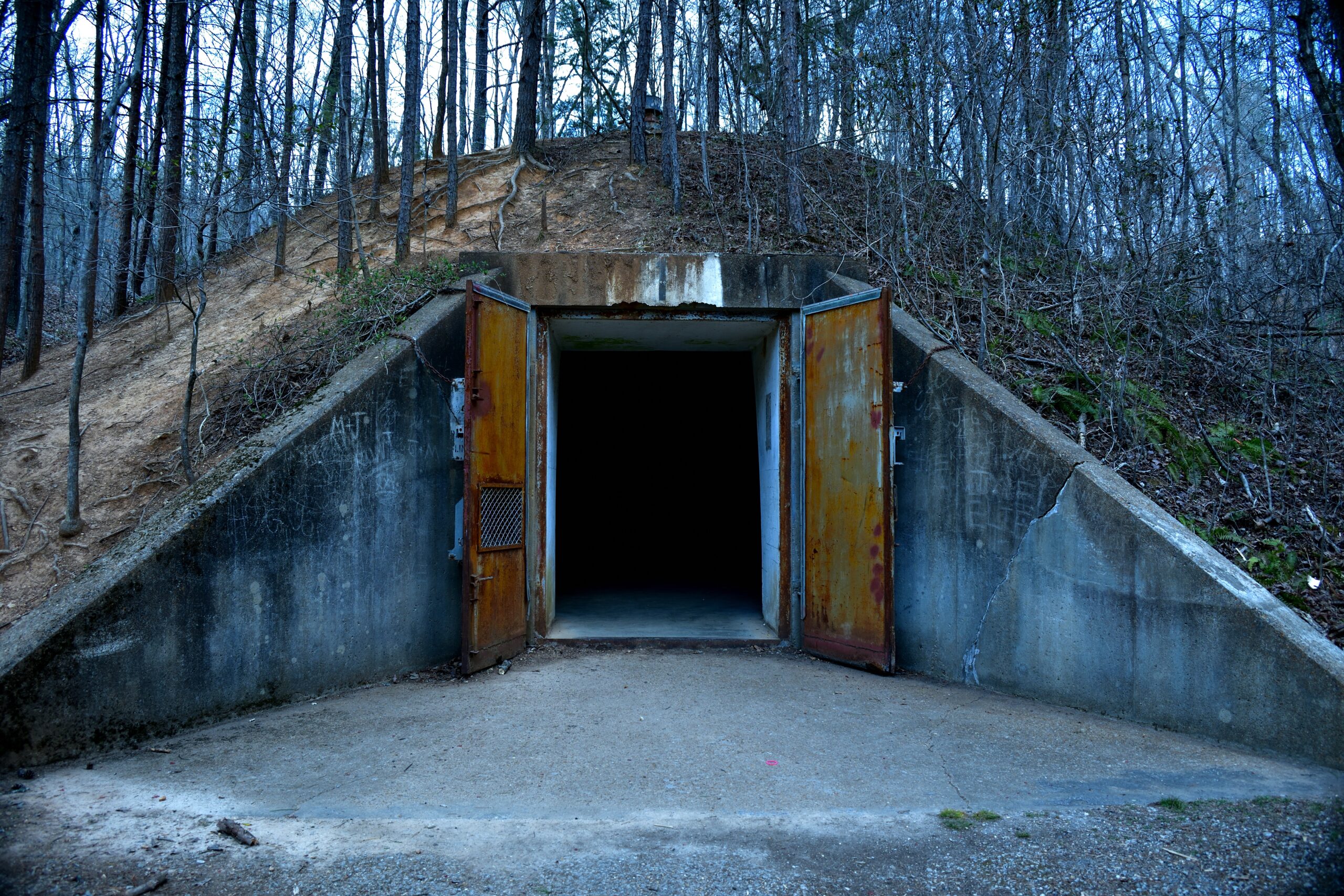
High-end homes are moving away from total transparency and toward more intentional visibility, using reinforced materials, thoughtful setbacks, and layered entry points. Expansive glass still exists, but it’s often paired with structural choices that limit exposure. Privacy is no longer just about discretion or exclusivity. It’s about reducing vulnerability.
Designers describe buyers who want homes that feel calm and protected rather than on display. The ability to close off space has become part of the luxury appeal. Instead of feeling cut off, these homes feel controlled. Comfort now includes the option to disengage from the outside world.
2. Backup Power Is Becoming an Expectation
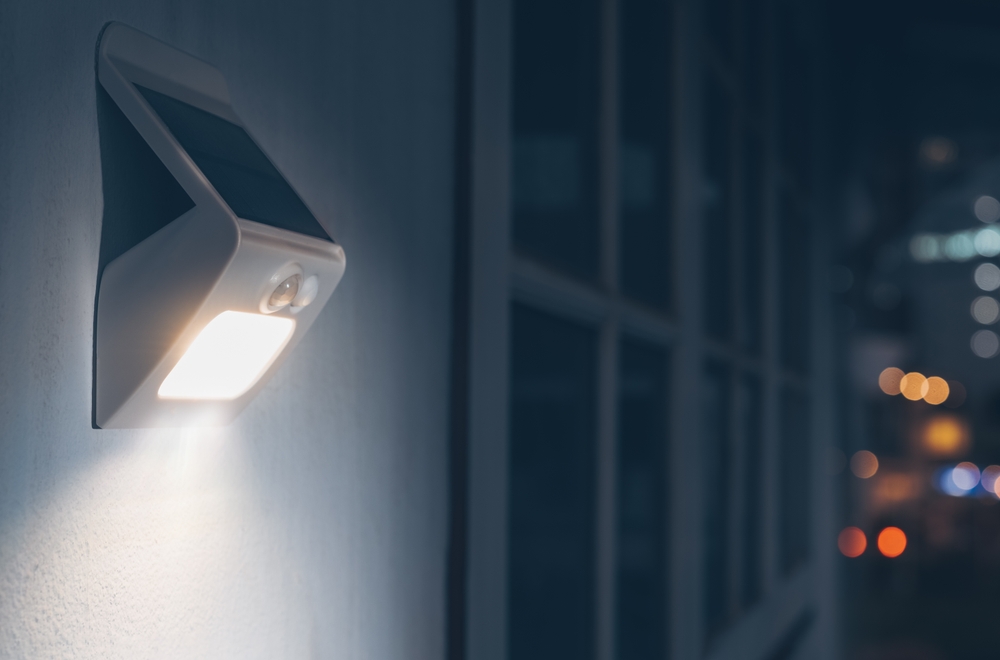
Whole-home generators and solar battery systems are no longer treated as emergency add-ons tucked away after construction. In luxury builds, they’re being integrated early, alongside foundational systems. Power continuity has become part of how comfort is defined. Convenience depends on consistency.
According to reporting from the U.S. Energy Information Administration and luxury real estate developers, demand for backup energy systems has risen sharply among high-net-worth buyers. Power outages are no longer viewed as rare disruptions. They’re treated as foreseeable interruptions that good design should anticipate. Homes are being planned with that assumption built in.
3. Climate Control Is Shifting Toward Self-Reliance
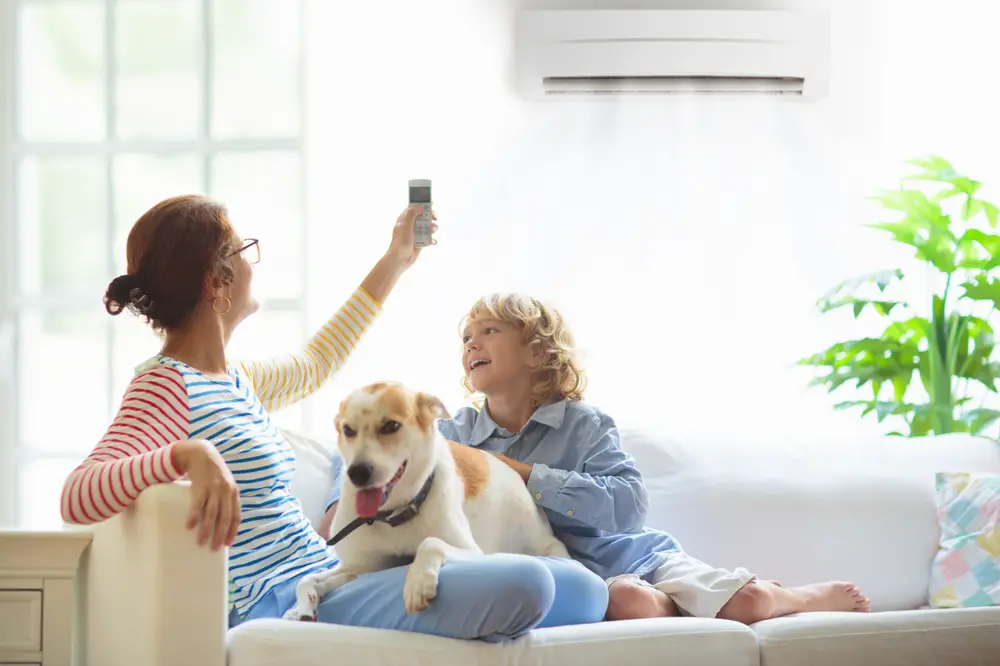
Advanced HVAC systems now prioritize redundancy and independence rather than simple efficiency. Zoned temperature control, sealed insulation, and high-grade air filtration are becoming standard features in new luxury homes. These systems are designed to maintain livable conditions even when external systems falter. Comfort is engineered with contingencies in mind.
Rather than relying entirely on municipal infrastructure, homeowners want internal stability during heat waves, cold snaps, or smoke events. Environmental unpredictability has become part of the design brief. The house itself functions as a buffer. Climate resilience is replacing climate indulgence.
4. Materials Are Chosen for Strength as Much as Style
Lightweight finishes and delicate materials are being balanced with stone, concrete, steel, and reinforced composites. These choices aren’t just aesthetic shifts. They reflect concerns about durability, fire resistance, and long-term structural integrity. Strength has become a design value.
Buyers increasingly respond to homes that feel physically solid. Materials that age well and withstand pressure signal quality more than trend-forward finishes. The look is subtle rather than fortress-like.
5. Safe Rooms Are Being Integrated Into Everyday Spaces
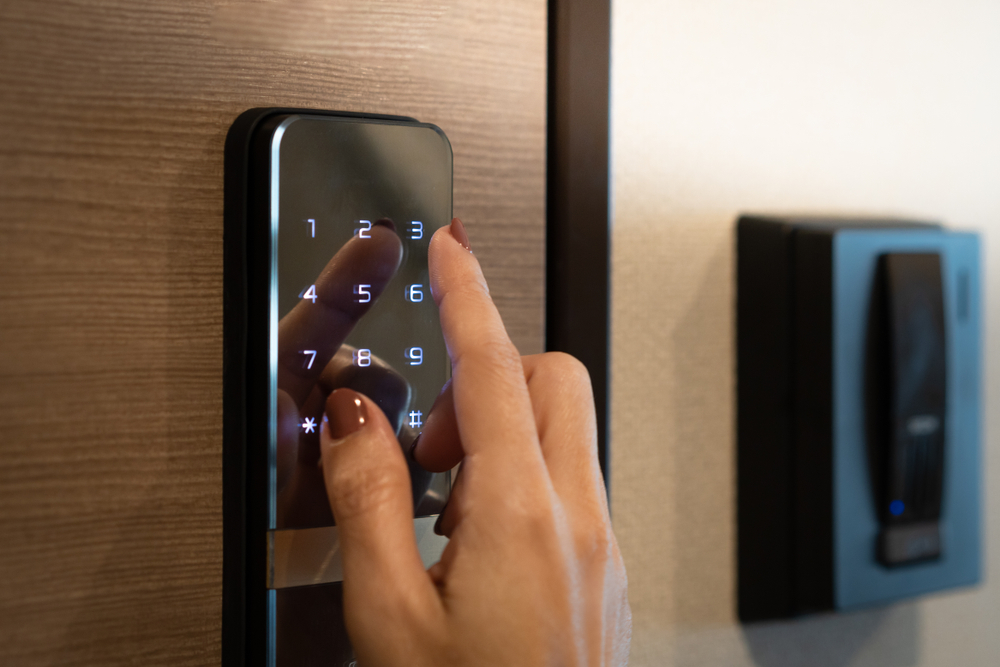
Dedicated safe rooms are returning, but rarely under that name. They’re framed as secure retreats, interior sanctuaries, or wellness rooms, designed to feel usable rather than alarming. These spaces are meant to function daily, not just during emergencies. Security is folded into normal life.
Architectural firms report growing interest in reinforced interior rooms that double as offices, gyms, or meditation spaces. The appeal isn’t fear-driven. It’s about optionality. Protection exists without taking over the home’s identity.
6. Water Independence Is Becoming More Common

Luxury homes are increasingly incorporating discreet water storage, filtration, and reuse systems. Rainwater capture and private reserves are designed to blend into the property rather than stand out. Dependence on municipal supply feels less comfortable than it once did. And this sense of control has become reassuring.
Data from water management agencies and green building councils show a steady rise in private water solutions within high-end construction. Drought awareness has reshaped expectations. Water security is no longer niche; it’s part of responsible design.
7. Storage Is Being Designed Around Continuity
Storage spaces are evolving from overflow zones into carefully planned systems. Climate-controlled pantries, wine rooms, and medical storage areas are designed for preservation rather than excess. Organization serves a functional purpose. Everything is meant to last.
Real estate analysts link this shift to concerns about supply disruptions and reliability. Buyers aren’t trying to stockpile indefinitely. They want the ability to maintain normal routines when access is interrupted. The goal is continuity, not hoarding.
8. Layouts Are Prioritizing Protection Over Views
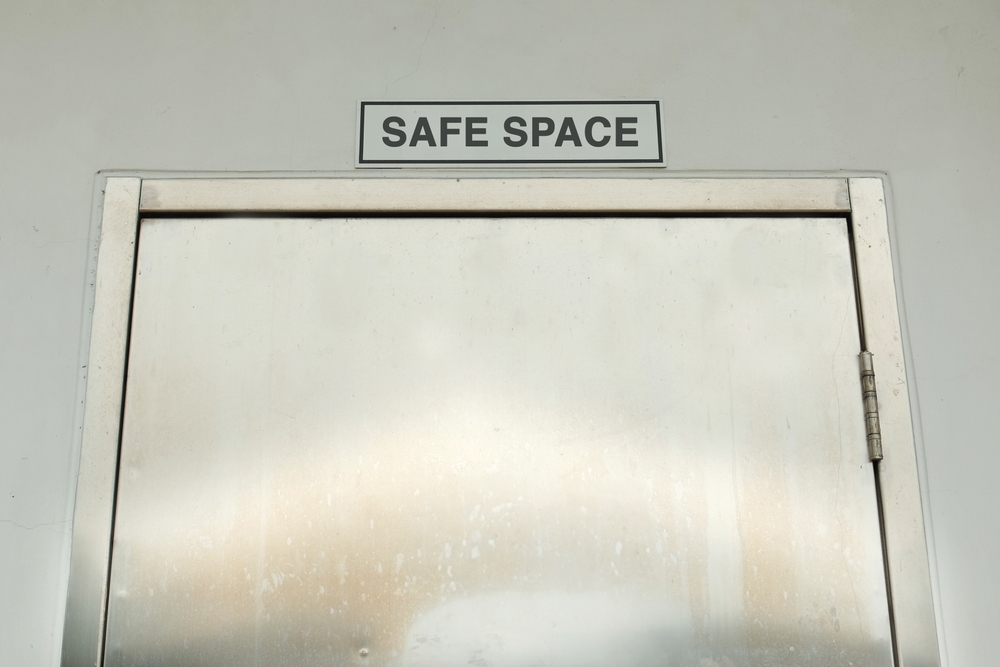
Floor plans are being designed with a greater emphasis on interior safety and containment rather than uninterrupted sightlines. Bedrooms, offices, and essential living spaces are often positioned deeper within the home, buffered from exterior walls. This approach reduces exposure without sacrificing openness entirely. Views still matter, but they’re no longer the organizing principle.
Designers note that buyers want spaces where they feel shielded without feeling closed in. The home’s internal geography matters more than its outward presentation. Protection is achieved through placement rather than spectacle. The layout itself does much of the work.
9. Underground and Semi-Subterranean Spaces Are Making a Return
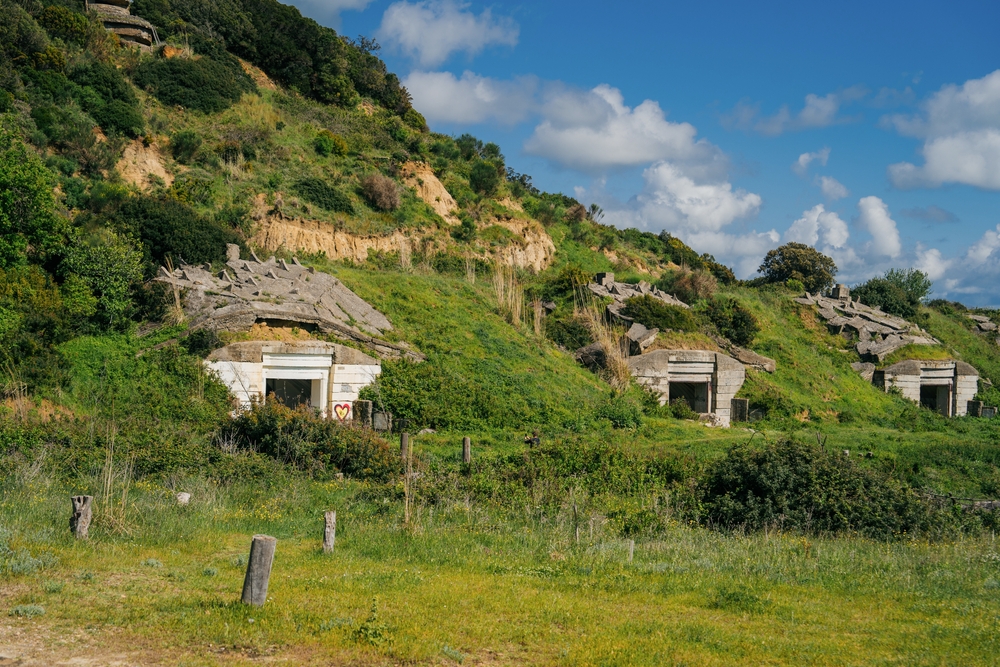
Basements and partially subterranean rooms are being reimagined as usable living spaces rather than storage or afterthoughts. Improved ventilation, lighting, and moisture control have made these areas more comfortable and appealing. What was once avoided now feels practical.
These spaces offer natural insulation and protection from extreme weather. They’re often designed as guest suites, gyms, or media rooms rather than shelters. The appeal isn’t concealment. It’s adaptability.
10. Fire-Resistant Design Is Influencing Aesthetics
In fire-prone regions, exterior design is increasingly shaped by defensibility. Rooflines, siding materials, and landscaping choices are selected with fire resistance in mind. Visual softness takes a back seat to survivability. Safety considerations are shaping curb appeal.
Homes are being built to withstand ember exposure and radiant heat rather than relying on firefighting response alone. This changes how luxury is expressed. Durability becomes part of the visual language. The house signals readiness.
11. Technology Redundancy Is Replacing Flashy Smart-Home Features
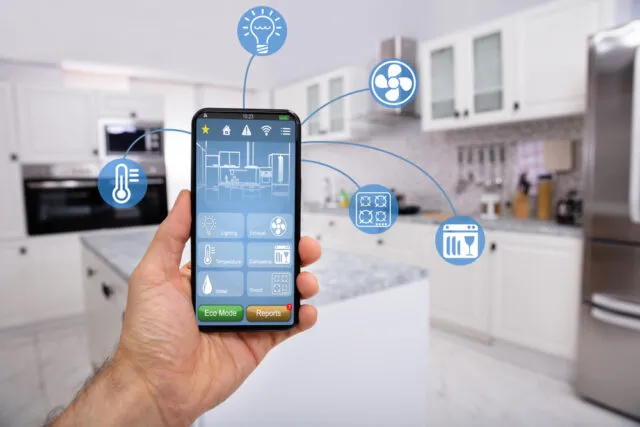
Luxury homes still incorporate advanced technology, but the focus has shifted from novelty to reliability. Redundant systems ensure lighting, security, and communication continue functioning if one system fails. Dependability matters more than seamless automation. Convenience now includes fallback options.
Buyers are less impressed by complexity and more concerned with continuity. Analog backups are often built alongside digital systems. The goal isn’t to be cutting-edge; it’s to have confidence that the home will function under stress.
12. Perimeter Security Is Becoming More Discreet
Rather than overt gates or visible barriers, security features are being embedded into the design itself. Landscaping, lighting, and subtle elevation changes create natural boundaries. These elements guide movement without announcing restriction. Security blends into aesthetics.
This approach maintains a sense of openness while limiting access. The home feels private without appearing defensive. Control is exercised quietly but intentionally.
13. Medical Access Is Being Designed Into Homes

Dedicated spaces for medical supplies and emergency equipment are becoming more common in high-end builds. These aren’t clinics, but organized areas designed for accessibility and storage. The idea is that health just becomes another part of home planning.
Buyers want the ability to respond calmly to emergencies. Having supplies on hand reduces reliance on external systems during disruptions. It’s a practical extension of wellness design that feels responsible rather than extreme.
14. Soundproofing Is Highly Valued
Acoustic insulation is gaining importance as homes double as workspaces and refuges. Soundproofing helps maintain calm during external disturbances, whether environmental or social. Noise control contributes to a sense of stability. Quiet becomes functional.
Luxury buyers increasingly prioritize environments that protect mental space. The absence of noise supports focus and rest. Sound management becomes another layer of insulation.