
Every city has flaws, but some places are operating under a level of social, political, environmental, and psychological pressure that makes daily life uniquely volatile. “Toxic” doesn’t just mean crime statistics—it means instability baked into everyday existence, where residents are constantly navigating danger, scarcity, corruption, or systemic breakdown. These cities aren’t devoid of beauty, culture, or resilient people—but the conditions surrounding them create an environment that can be emotionally and physically corrosive over time. Here are 13 of the most toxic cities on Earth, ranked by the combination of violence, instability, inequality, and risk.
1. Fortaleza, Brazil
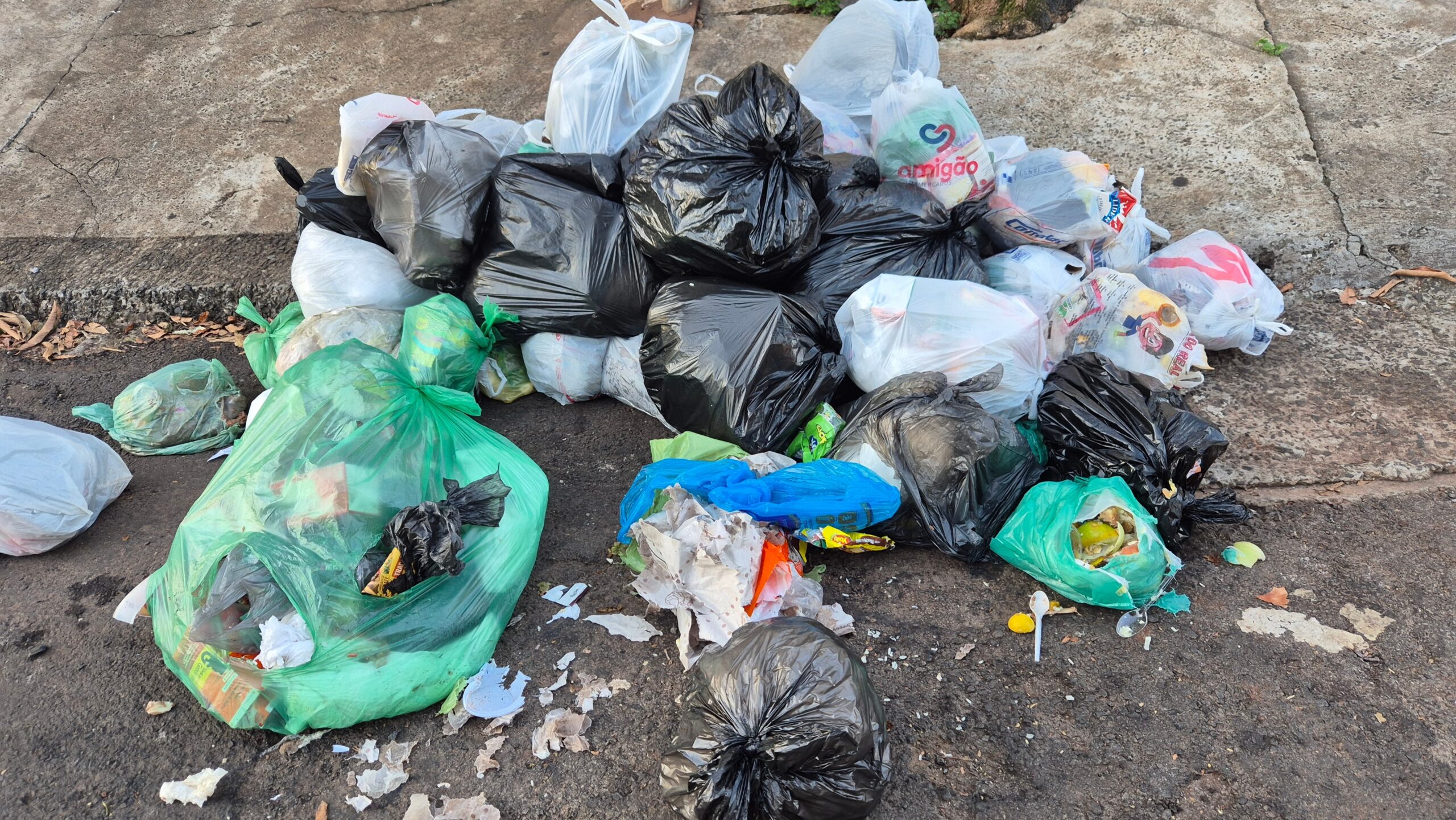
Fortaleza struggles with violent crime tied to drug trafficking and organized gangs. Certain areas experience frequent armed robberies and assaults. Economic inequality exacerbates instability. Residents often adapt through hyper-awareness.
Tourism coexists with danger, creating uneven safety zones. The city’s energy is undeniable, but tension is constant. Toxicity here is about unpredictability. You’re never entirely off guard.
2. Kabul, Afghanistan
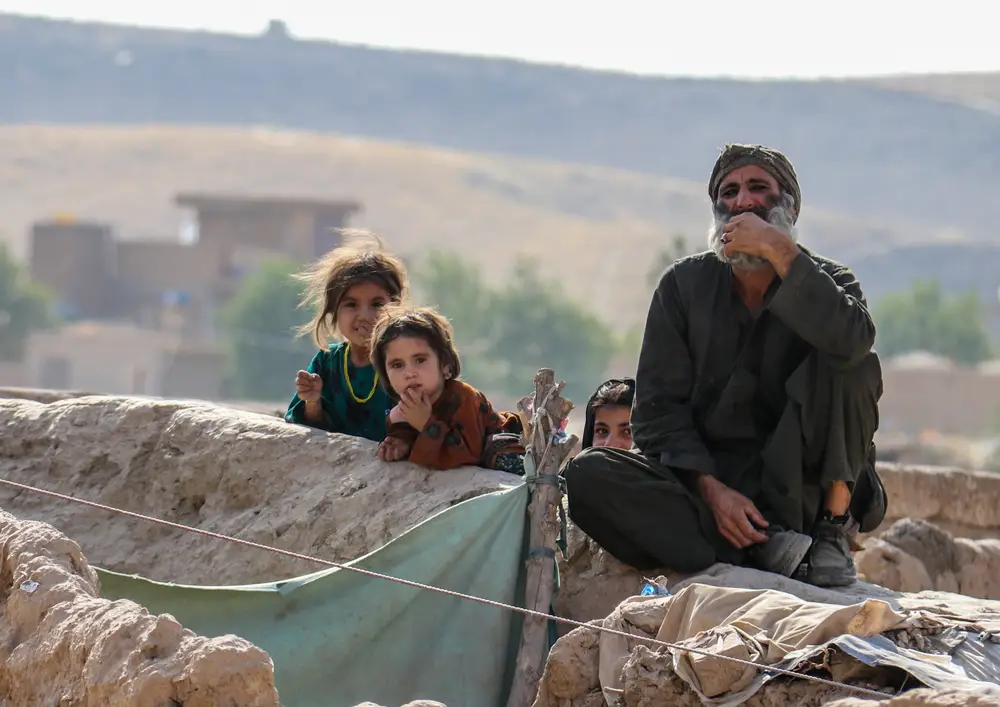
Kabul exists under the weight of decades of conflict, with security threats woven into everyday life. Bombings, political repression, and humanitarian crises make the city extraordinarily difficult to navigate safely. Access to education, healthcare, and employment is deeply restricted, especially for women. The atmosphere is one of constant vigilance.
Despite its deep history and cultural significance, Kabul’s instability defines daily life. Residents adapt to unpredictability as a norm rather than an exception. The city’s toxicity isn’t just physical danger—it’s the erosion of personal freedom and hope. Survival often outweighs aspiration.
3. San Pedro Sula, Honduras
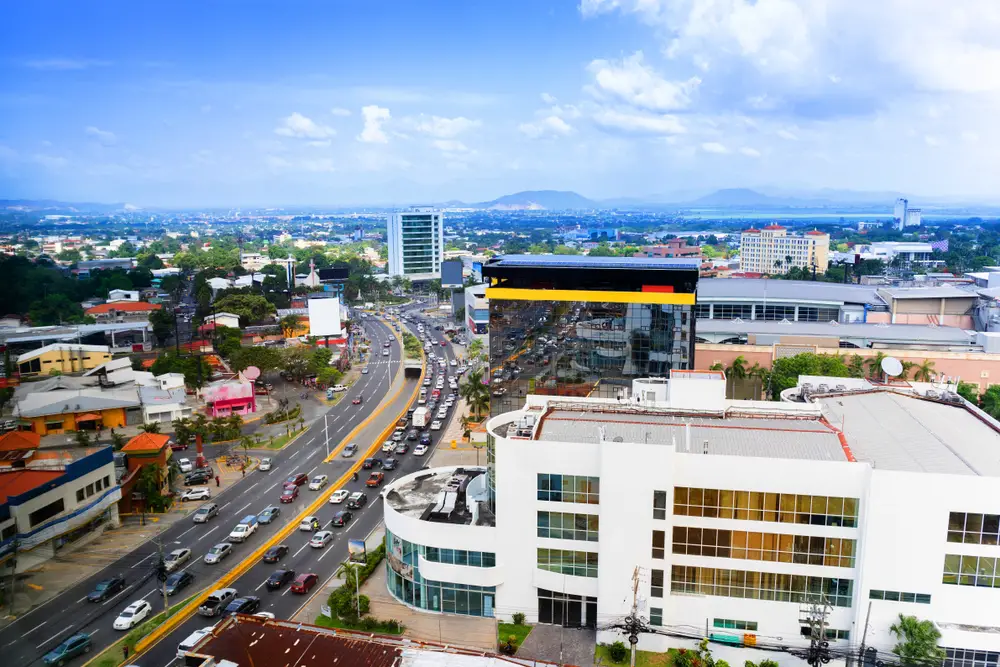
San Pedro Sula has long been associated with extreme gang violence and cartel influence. Homicide rates have historically placed it among the world’s deadliest cities. Extortion, forced recruitment, and territorial violence affect daily routines. Entire neighborhoods operate under unofficial gang governance.
Economic inequality fuels the toxicity. With limited opportunity and weak state protection, many residents feel trapped. Migration becomes a survival strategy rather than a choice. The city’s danger is structural, not incidental.
4. Port Moresby, Papua New Guinea

Port Moresby struggles with extreme crime rates, weak infrastructure, and deep inequality. Armed robberies and violent assaults are common enough to shape how people move through the city. Many businesses operate behind barbed wire and private security. Daily life often feels fortified.
The toxicity comes from institutional fragility. Limited policing, corruption, and economic disparity leave residents exposed. While the surrounding natural beauty is striking, the city itself is marked by social tension. Trust is a scarce resource.
5. Ciudad Juárez, Mexico
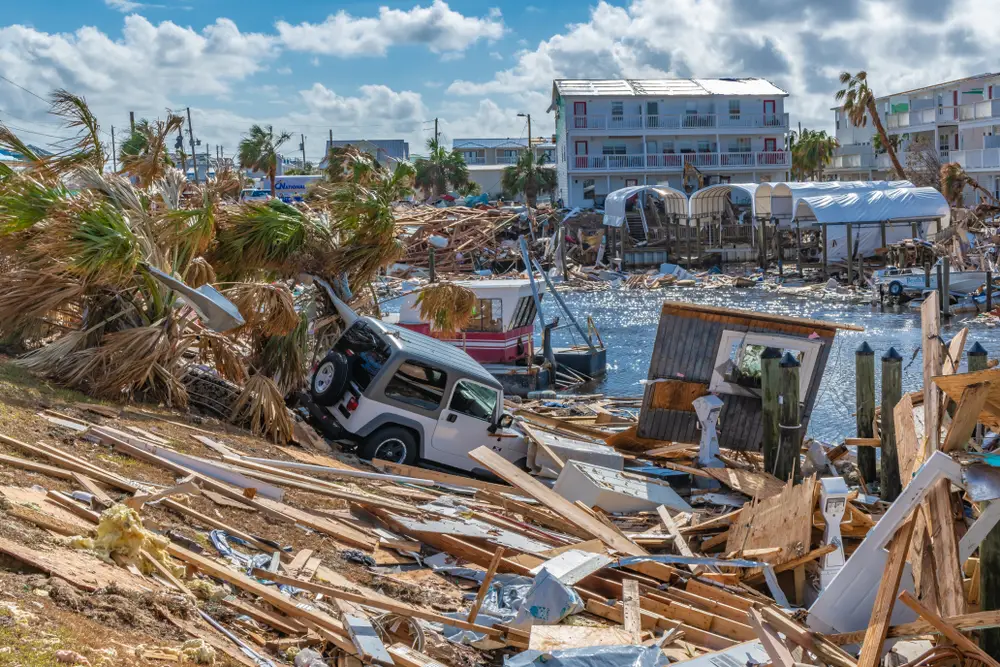
Ciudad Juárez sits at the crossroads of cartel violence and border politics. Though homicide rates fluctuate, the legacy of drug war brutality remains embedded in the city’s psyche. Disappearances, femicides, and organized crime have left lasting scars. Fear often shapes behavior more than laws do.
Economic dependence on cross-border labor adds instability. Many residents juggle opportunity and danger simultaneously. The city is resilient but perpetually tense. Toxicity here is cyclical, rising and falling with cartel dynamics.
6. Baghdad, Iraq
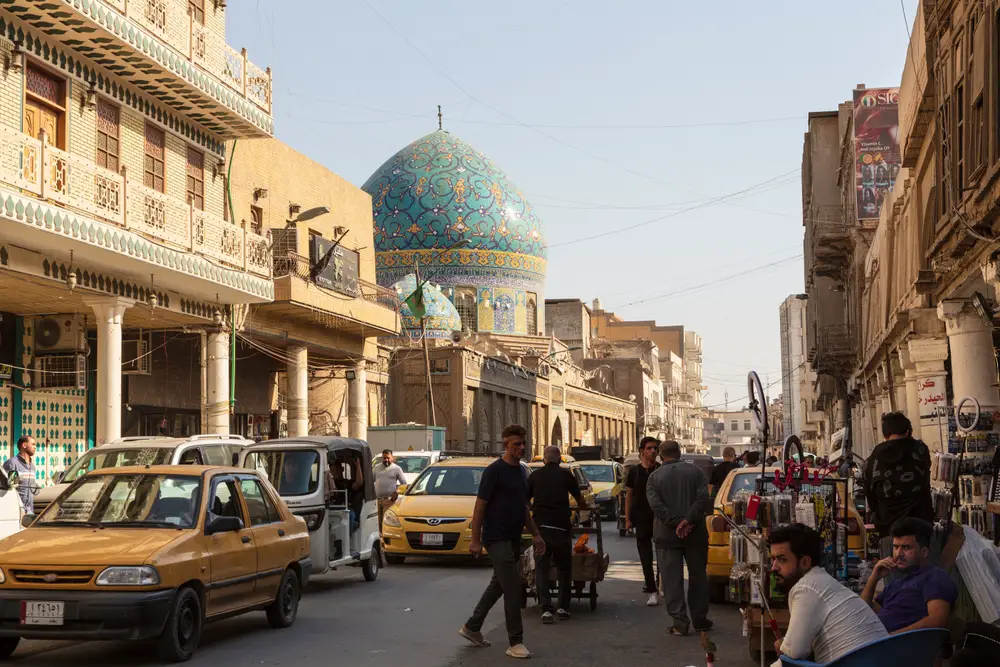
Baghdad’s toxicity stems from prolonged conflict, political fragmentation, and intermittent violence. While conditions have improved in some areas, instability remains close to the surface. Infrastructure struggles under decades of damage and neglect. Power outages and security incidents disrupt normalcy.
Psychological fatigue is widespread. Generations have grown up amid war and uncertainty. Even in calmer periods, the threat of disruption lingers. It’s a city constantly bracing for impact.
7. Acapulco, Mexico
Once a glamorous tourist destination, Acapulco has become synonymous with cartel violence. Public shootouts, disappearances, and corruption have severely damaged public safety. Tourism now exists alongside fear rather than ease. The contrast is jarring.
The city’s economy suffers as violence deters visitors. Residents live with the tension of unpredictability. Beauty and danger coexist uncomfortably. The toxicity lies in how quickly safety can evaporate.
8. Cape Town, South Africa
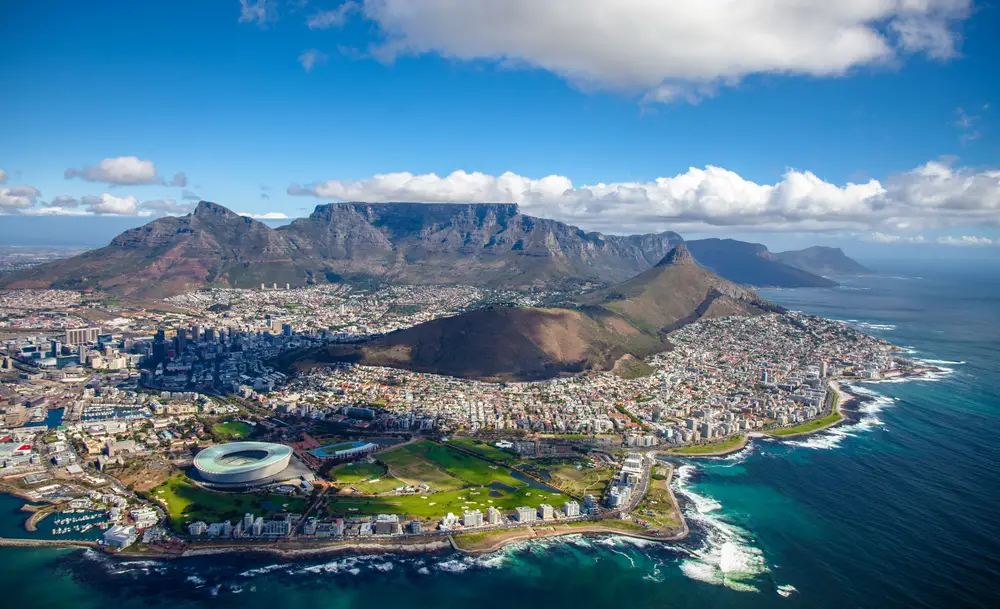
Cape Town’s toxicity comes from extreme inequality layered over high crime. Wealthy enclaves exist beside communities facing gang violence and poverty. Violent crime, particularly gun violence, affects specific neighborhoods intensely. The divide is stark and visible.
The psychological impact of inequality is profound. Residents navigate parallel realities within the same city. While breathtakingly beautiful, Cape Town carries deep social fractures. Safety often depends on geography.
9. Rio de Janeiro, Brazil

Rio’s toxicity is rooted in its dramatic contrasts. Luxury and poverty exist within sightlines of each other. Armed gangs control many favelas, while police militarization adds further tension. Violence flares unpredictably.
Despite global fame and cultural vibrancy, daily life for many is shaped by insecurity. Trust in institutions is fragile. The city pulses with energy—but also volatility. Joy and danger share the same streets.
10. St. Louis, United States
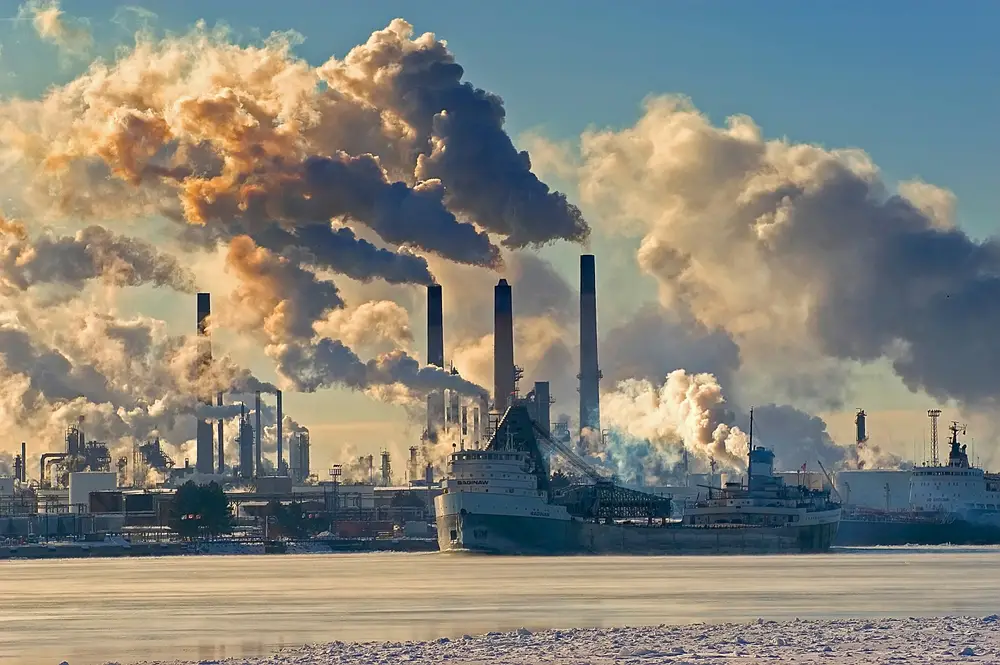
St. Louis stands out as one of the most violent cities in the U.S. when measured by per-capita crime. Gun violence is concentrated in specific neighborhoods, often tied to systemic poverty and racial inequality. The danger is uneven but severe. Entire communities live under chronic stress.
Toxicity here is structural. Longstanding segregation, disinvestment, and mistrust fuel cycles of violence. While cultural richness remains, safety disparities define the urban experience. Progress exists, but the burden is heavy.
11. Kingston, Jamaica
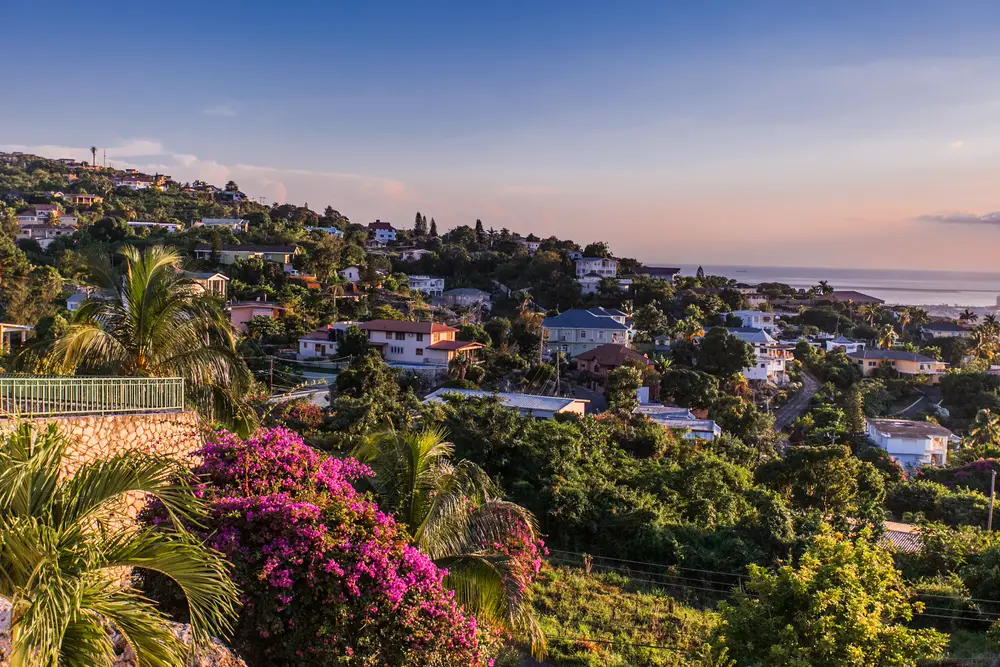
Kingston’s challenges center on gang violence and economic inequality. Certain neighborhoods experience persistent insecurity that shapes daily routines. While the city is culturally influential, crime remains a serious concern. Safety varies sharply by area.
The city’s toxicity isn’t its people—it’s systemic neglect. Residents balance creativity with caution. Music and culture thrive alongside fear. It’s a city of brilliance under pressure.
12. Caracas, Venezuela
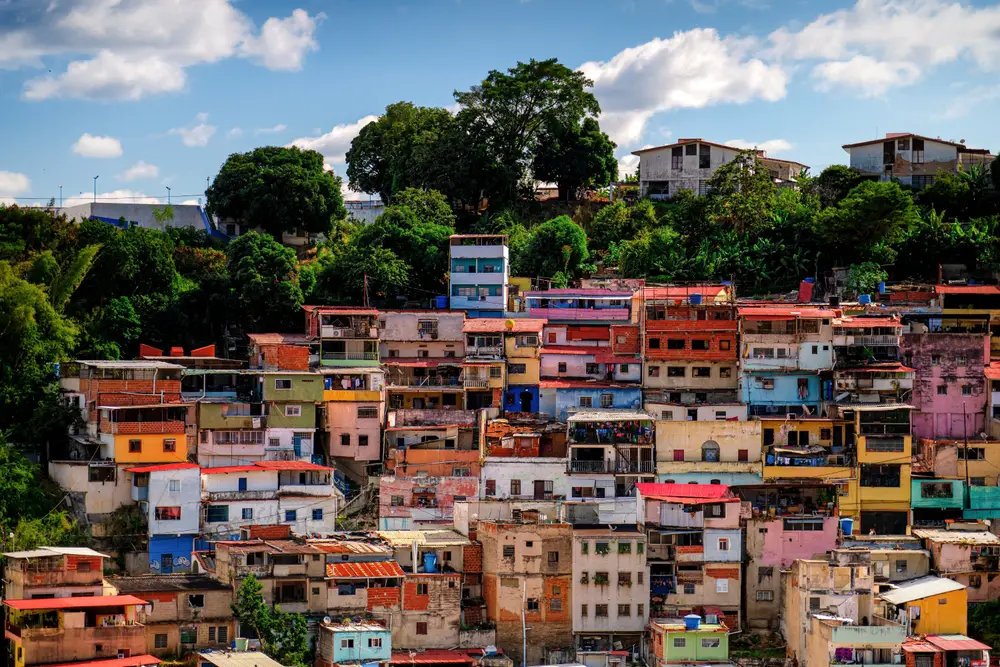
Caracas consistently ranks as one of the most dangerous and unstable cities in the world, where hyperinflation, political repression, and violent crime collide daily. Basic necessities like food, medicine, and electricity are unreliable, forcing residents into constant survival mode. Violent crime, including kidnappings and armed robberies, remains widespread, even as official data becomes harder to verify. Living here often means navigating fear alongside economic collapse.
Beyond crime, the psychological toll is immense. Protests, government crackdowns, and mass emigration have hollowed out social trust. Many residents describe living in a state of permanent uncertainty, where long-term planning feels impossible. It’s a city rich in culture but strained by systemic breakdown.
13. Lagos, Nigeria
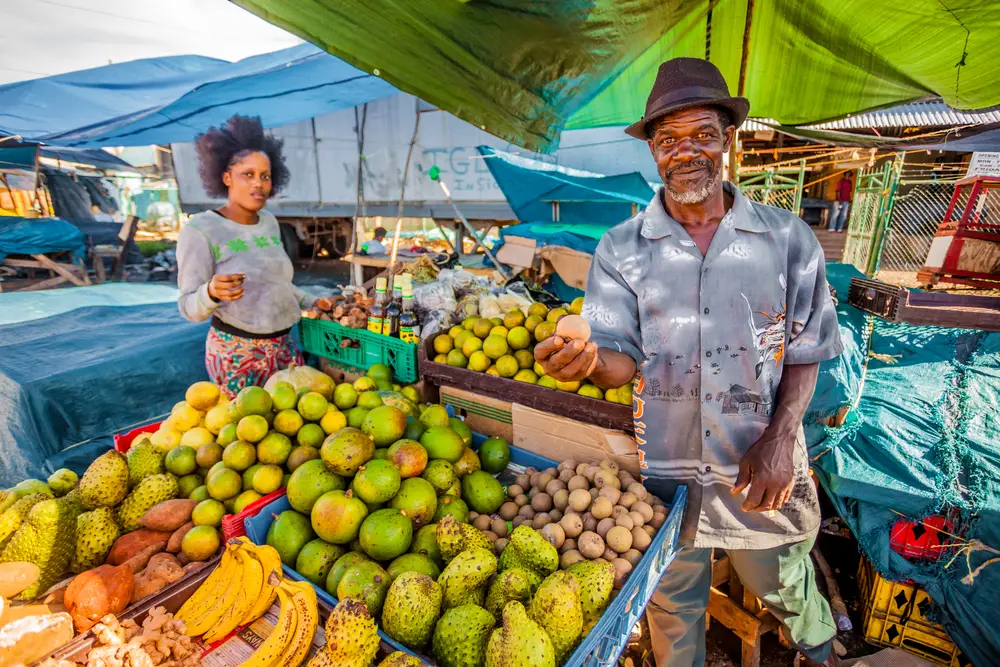
Lagos is chaotic, overcrowded, and environmentally strained. Traffic paralysis, pollution, crime, and infrastructure overload define daily life. Economic opportunity exists—but so does relentless stress. Survival requires constant adaptability.
The toxicity isn’t just violence—it’s exhaustion. Millions navigate noise, congestion, and uncertainty every day. Lagos is dynamic and ambitious, but mentally draining. Living here demands resilience at every turn.