
Some animals don’t just survive in the wild — they perform. Their colors, patterns, and movements look so intentional they feel almost styled, as if nature briefly became a maximalist artist and refused to hold back. These creatures don’t blend in, hide quietly, or fade into the background. They command attention.
From rainforests to frozen tundra, these animals remind us that beauty isn’t an accident — it’s evolution at its most theatrical. Here are the animals whose existence feels almost rude in how stunning it is.
1. The Flashy Peacock
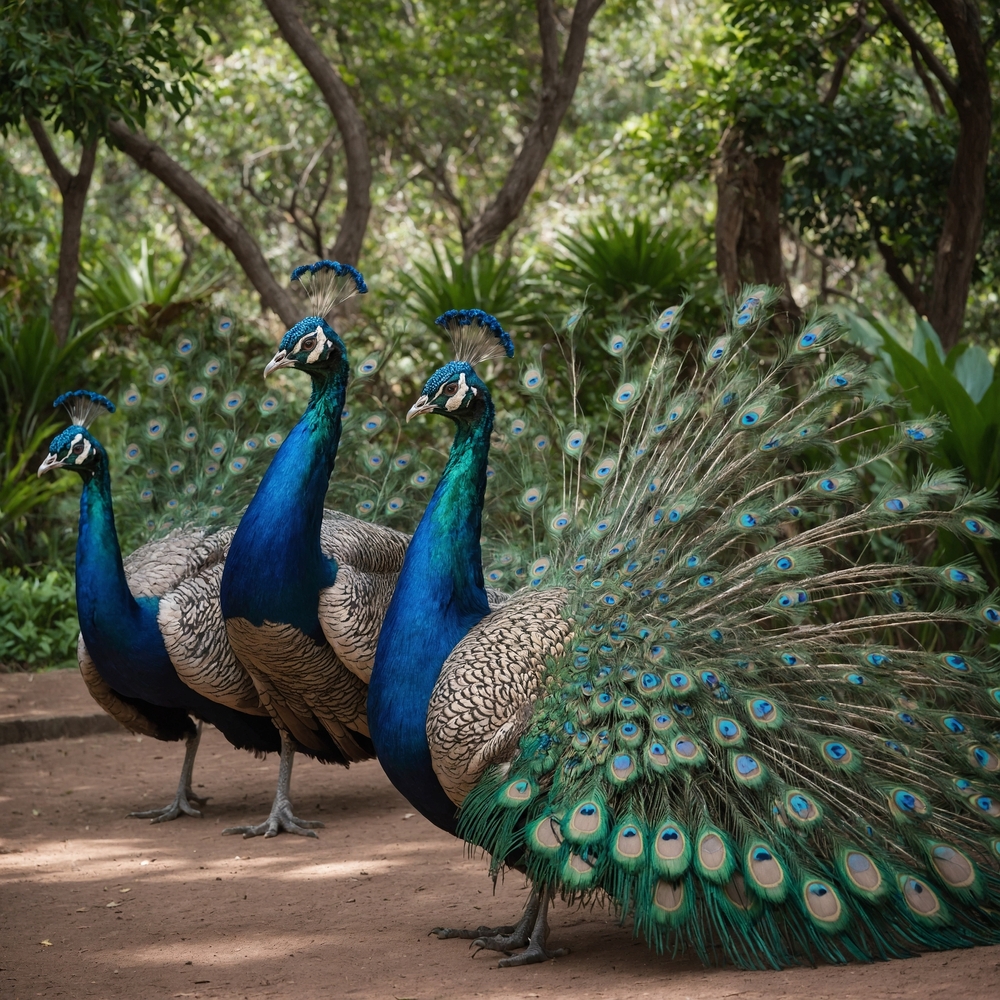
Peacocks don’t flirt — they stage a full production. When a male fans out his tail, it becomes a living mosaic of iridescent blues and greens. Britannica explains that each feather contains microscopic structures that bend light into impossible colors. It’s beauty weaponized for attraction.
Across cultures, peacocks symbolize pride, immortality, and divine favor. But maintaining that beauty is costly, making them vulnerable to predators and habitat loss. Their survival proves that sometimes extravagance really does pay off. Watching one display feels like witnessing nature’s most confident flex.
2. The Blue Morpho Butterfly
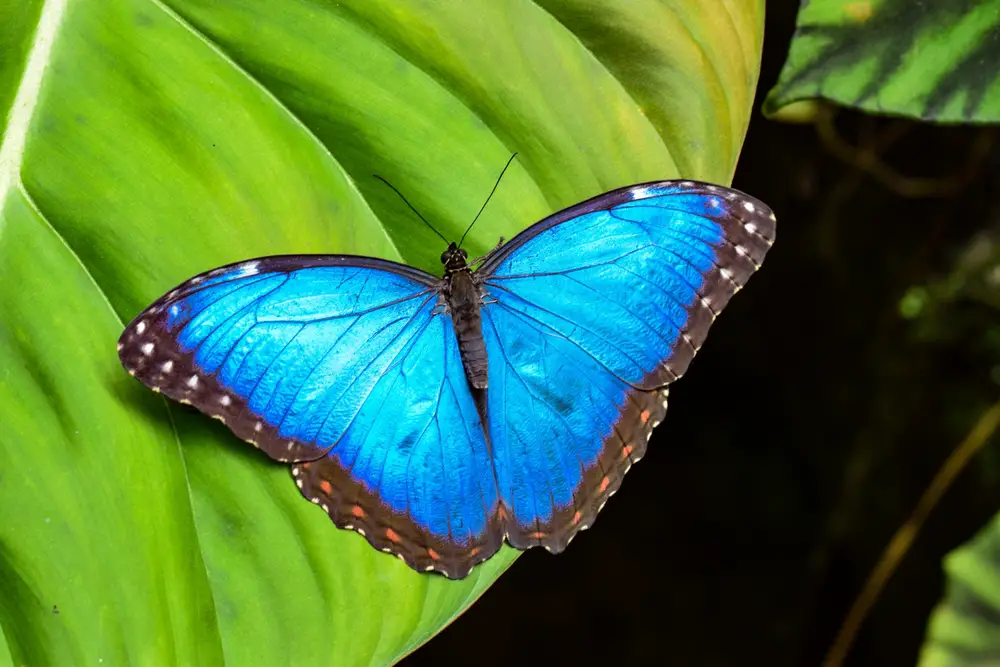
The Blue Morpho doesn’t just flutter — it flashes. Native to Central and South American rainforests, its electric blue wings catch sunlight in a way that looks digitally enhanced. National Geographic has documented how the color isn’t pigment at all, but microscopic structures that refract light. That shimmer disorients predators and mesmerizes humans equally.
Despite its dramatic presence, the Blue Morpho lives a surprisingly short adult life, often just a few months. Before becoming airborne art, it spends most of its existence as a leaf-chewing caterpillar. The transformation feels almost unfair, like nature saving all its drama for the final act. Seeing one in motion feels like witnessing a glitch in the forest.
3. The Siberian Tiger
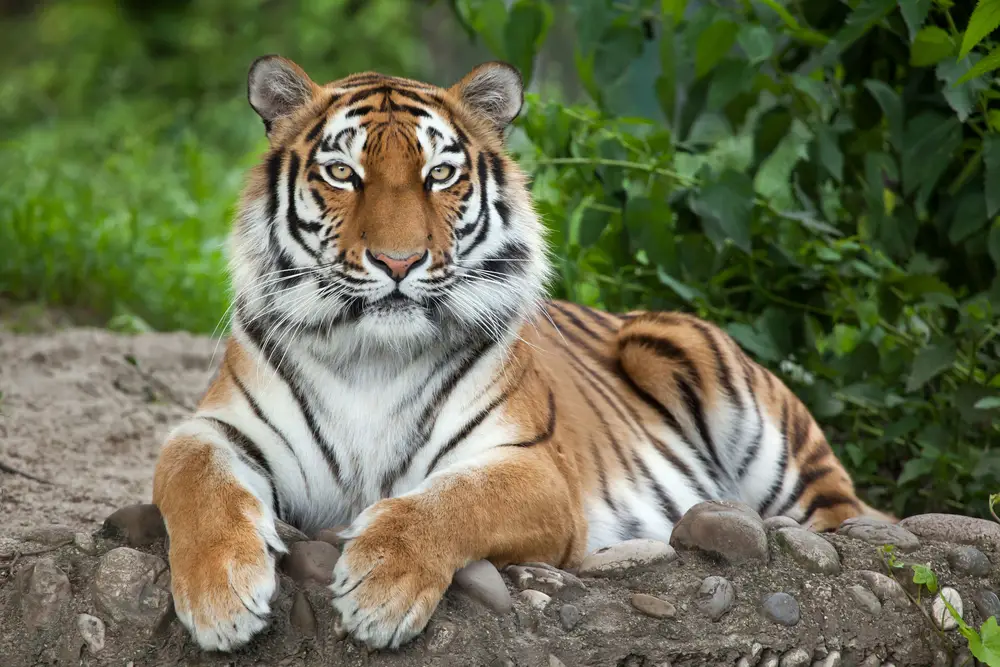
The Siberian tiger doesn’t announce itself — it radiates authority. With its massive frame, thick fur, and stark black stripes, it looks designed for dominance in frozen forests. WWF has identified it as the largest tiger subspecies still alive. Every detail of its appearance doubles as survival equipment.
Yet this apex predator teeters on the edge of extinction, with only a few hundred left in the wild. Habitat loss and poaching continue to shrink their world. The tragedy is that something so visually perfect is also so fragile. Seeing one isn’t just awe-inspiring — it’s haunting.
4. The Mandarin Duck
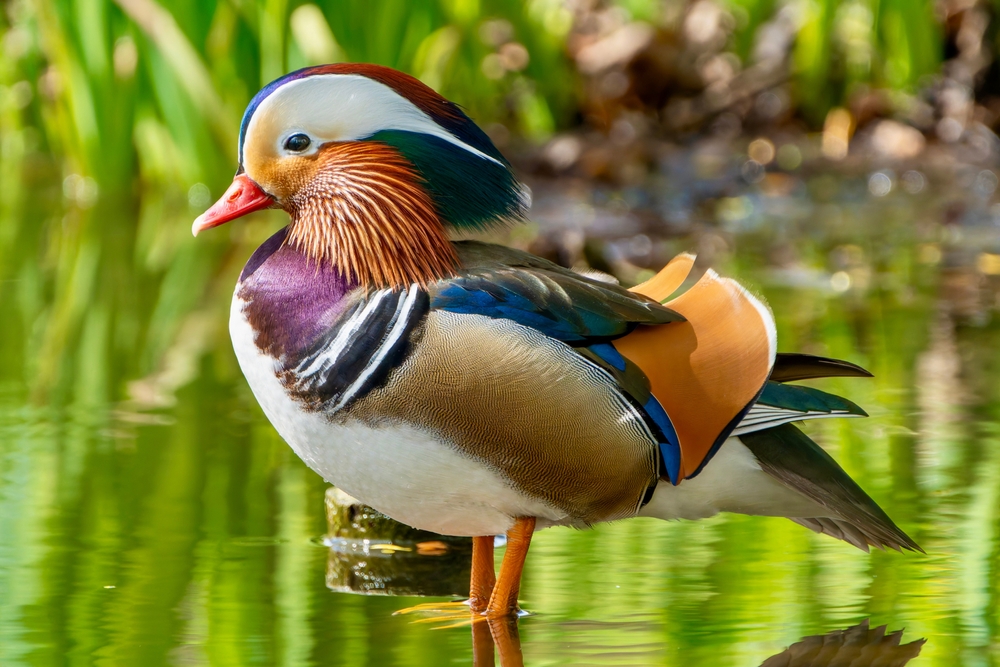
The Mandarin duck looks like it escaped from a fantasy illustration. With layered oranges, purples, greens, and whites, it defies everything we expect a duck to look like. Native to East Asia, the male’s breeding plumage is almost surreal. In Chinese culture, the species symbolizes lifelong partnership.
Unlike their flamboyant appearance, Mandarin ducks are calm, quiet creatures. They glide rather than splash, almost aware of their aesthetic responsibility. Birdwatchers treat sightings like rare art encounters. Seeing one in motion feels oddly intimate, like stumbling onto a private gallery.
5. The Snow Leopard
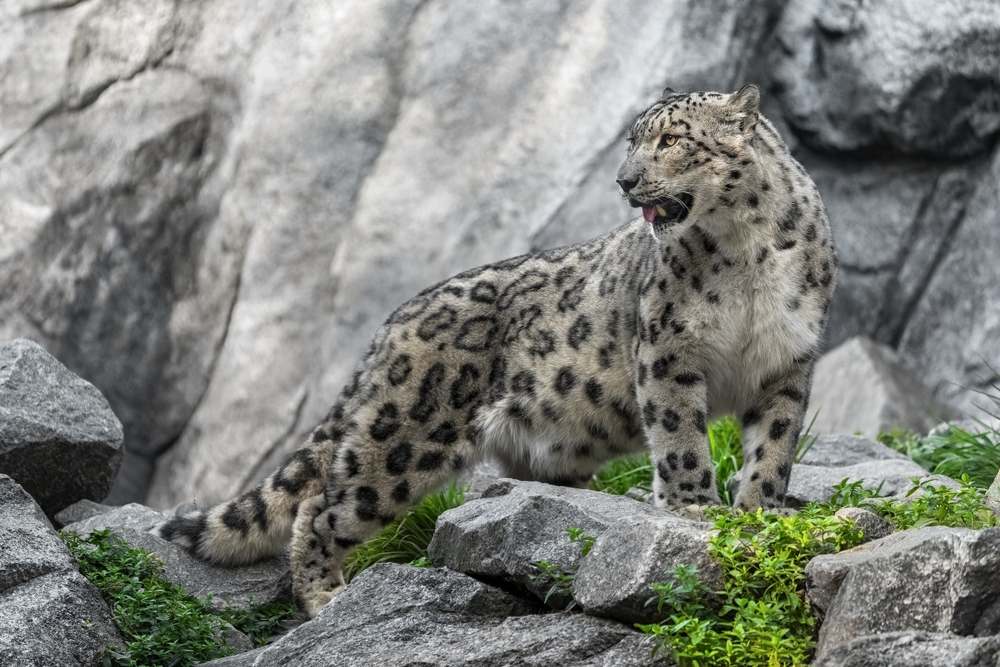
Snow leopards don’t roar — they haunt. Their smoky gray coats dissolve into rocky mountains like living camouflage. Built for altitude, they leap vast distances with impossible ease. Conservation groups identify them as keystone predators in fragile mountain ecosystems.
Their beauty is paired with near invisibility, which is both their protection and their curse. Climate change and human expansion are pushing them further into isolation. Spotting one is considered a once-in-a-lifetime experience. Their existence feels more like myth than biology.
6. The Scarlet Macaw
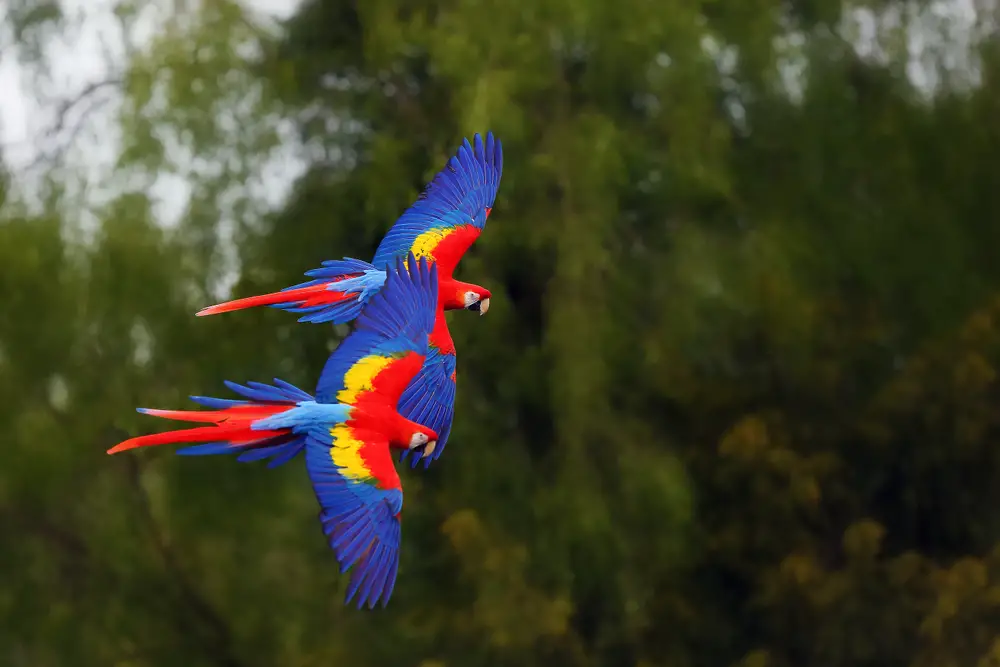
Scarlet macaws don’t blend in — they dominate. Their red, blue, and yellow feathers look deliberately celebratory. Found in Central and South American rainforests, they are loud, social, and deeply bonded to their mates. Scientists credit them with vital seed dispersal roles.
Their intelligence and emotional depth make them magnetic but also vulnerable to the illegal pet trade. Habitat loss continues to thin their numbers. Watching a flock take flight feels cinematic, like nature staging its own festival. They remind us that color can be a survival strategy.
7. The Emperor Angelfish
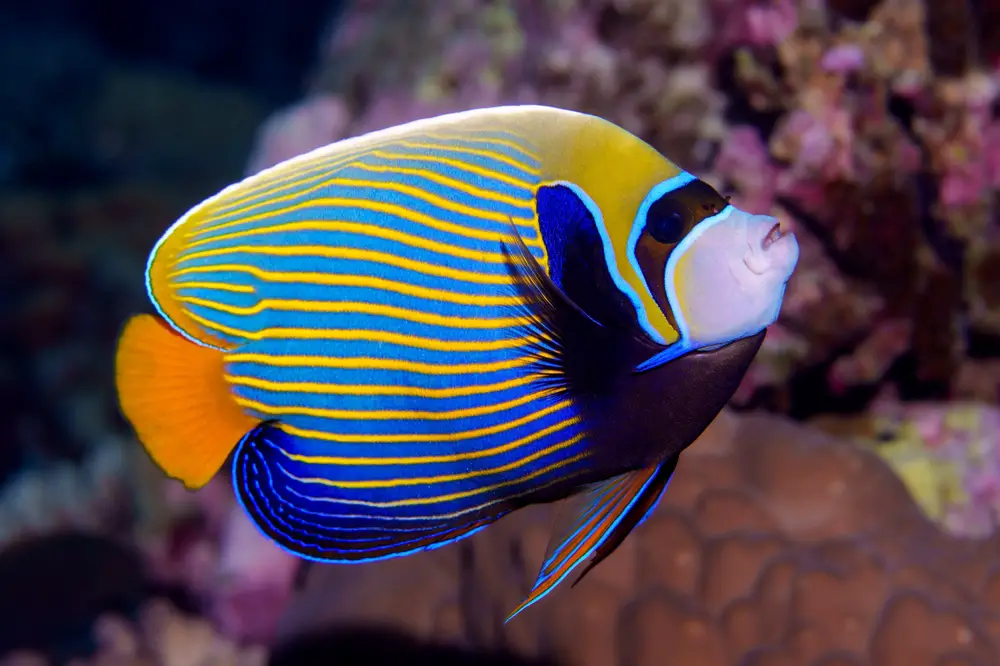
The emperor angelfish looks designed by someone obsessed with symmetry. Bold blue and yellow lines curve across its body like royal robes. Found in Indo-Pacific reefs, it changes appearance completely as it matures. Marine biologists describe the transformation as one of the ocean’s most dramatic.
They move slowly, deliberately, like they know they’re being watched. Their grazing behavior helps maintain reef health. In aquariums, they’re difficult to care for, making wild encounters even more precious. Seeing one feels like discovering an underwater cathedral.
8. The Glasswing Butterfly
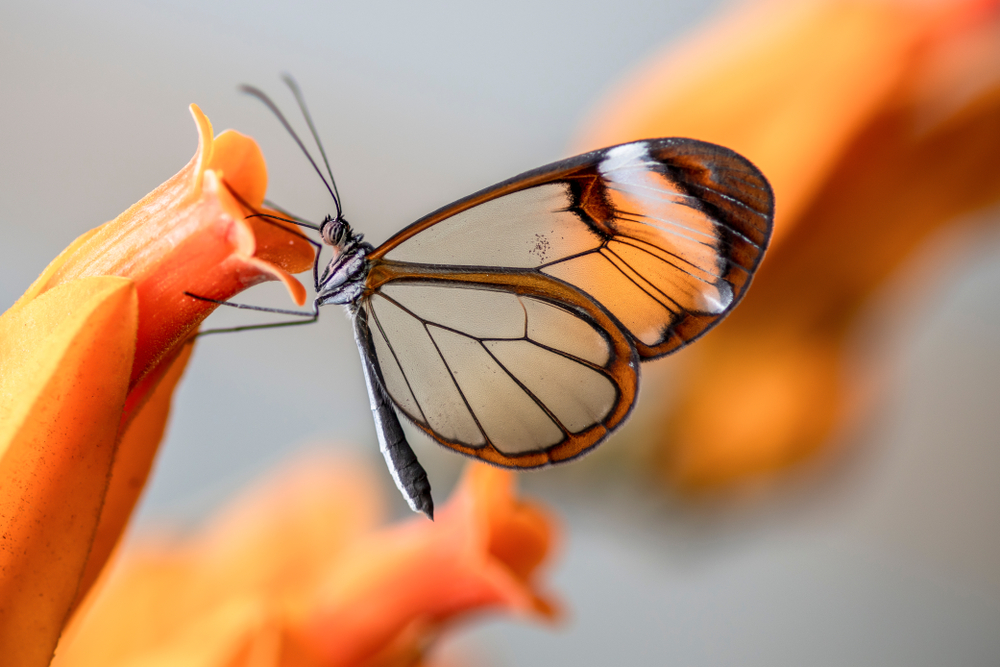
Glasswing butterflies don’t reflect light — they disappear into it. Their transparent wings allow backgrounds to pass straight through them. Researchers note this adaptation dramatically reduces predator detection. It’s camouflage taken to an almost philosophical level.
They migrate long distances despite looking impossibly delicate. Their presence feels fleeting, like something you imagined seeing. Gardeners and scientists alike describe encounters as strangely emotional. They’re proof that invisibility can be its own kind of beauty.
9. The Bengal Tiger
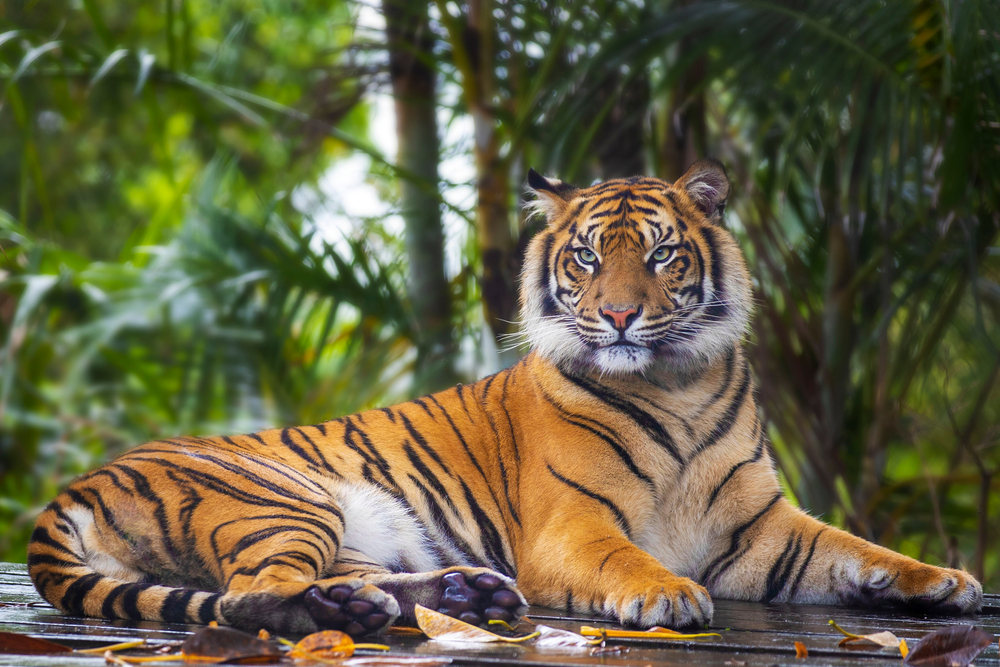
Bengal tigers are the image we all picture when we think “tiger.” Their orange coats burn against forests and grasslands across India and Bangladesh. Conservationists emphasize their role in regulating prey populations. Without them, ecosystems collapse.
Despite being the most numerous tiger subspecies, they remain endangered. Poaching and habitat fragmentation continue to threaten them. Their beauty has made them cultural symbols of power and resilience. Seeing one feels like meeting history itself.
10. The Red-Eyed Tree Frog
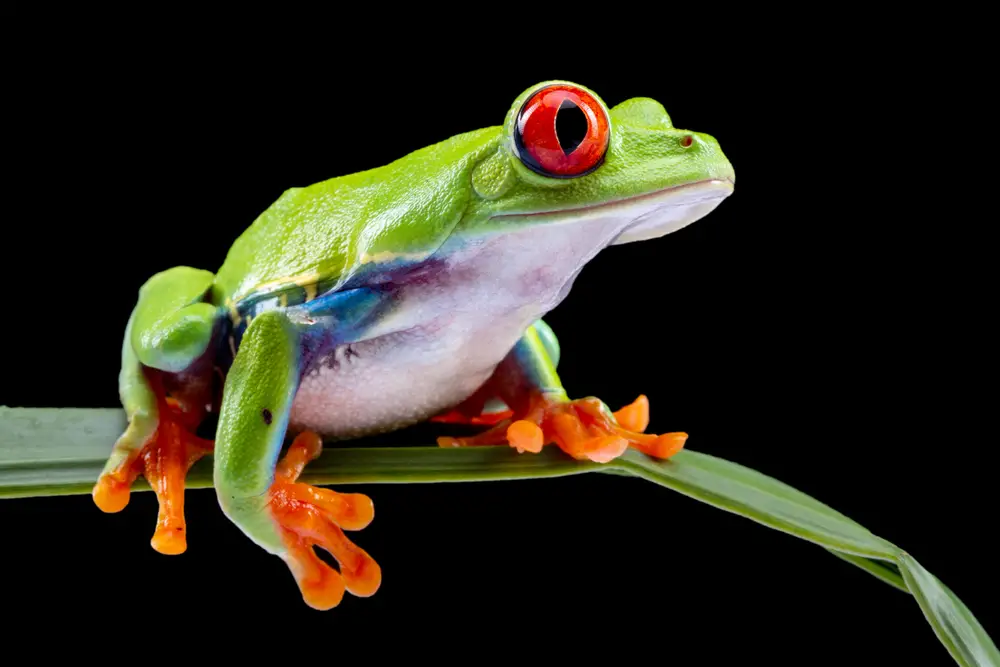
Red-eyed tree frogs don’t hide quietly. Their neon green bodies, orange feet, and glowing eyes exist to shock predators into hesitation. Scientists describe this as “startle coloration.” It’s defense through drama.
They cling effortlessly to leaves using suction-like toes. Their nocturnal routines keep them out of sight until suddenly, they’re everywhere. Climate change threatens their rainforest homes. Seeing one feels like spotting a jewel that shouldn’t exist.
11. The African Elephant
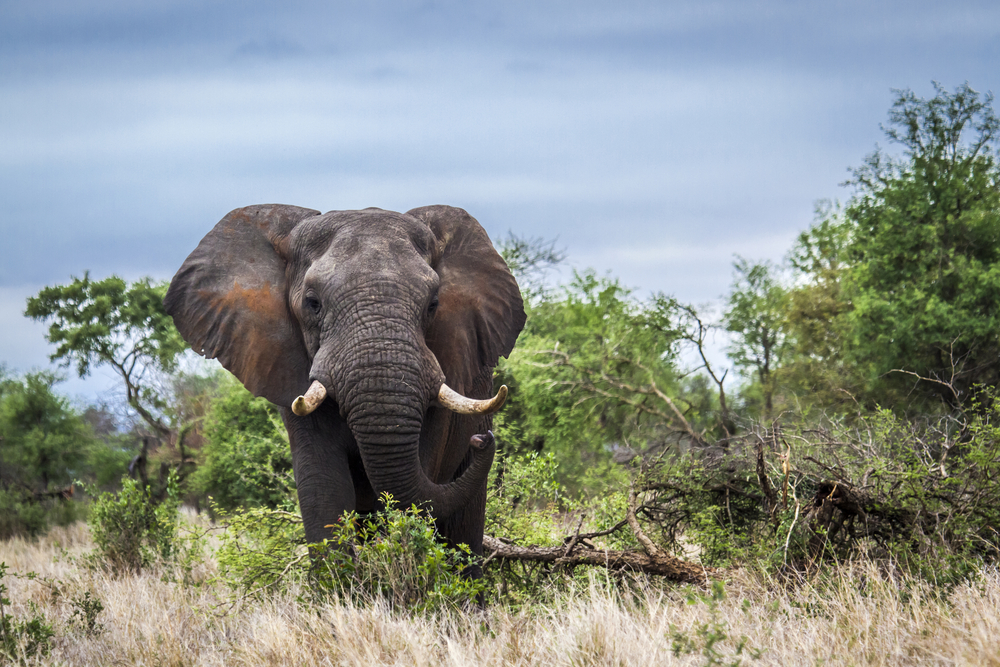
African elephants carry beauty in their presence, not patterns. Their size, intelligence, and social bonds command reverence. Researchers document their grief rituals and memory capacity. They reshape entire landscapes.
Poaching and shrinking habitats remain severe threats. Conservationists warn that losing elephants would unravel ecosystems. Watching one move feels grounding, almost humbling. They remind us beauty doesn’t always glitter — sometimes it stands still and breathes.
12. The Mandarinfish
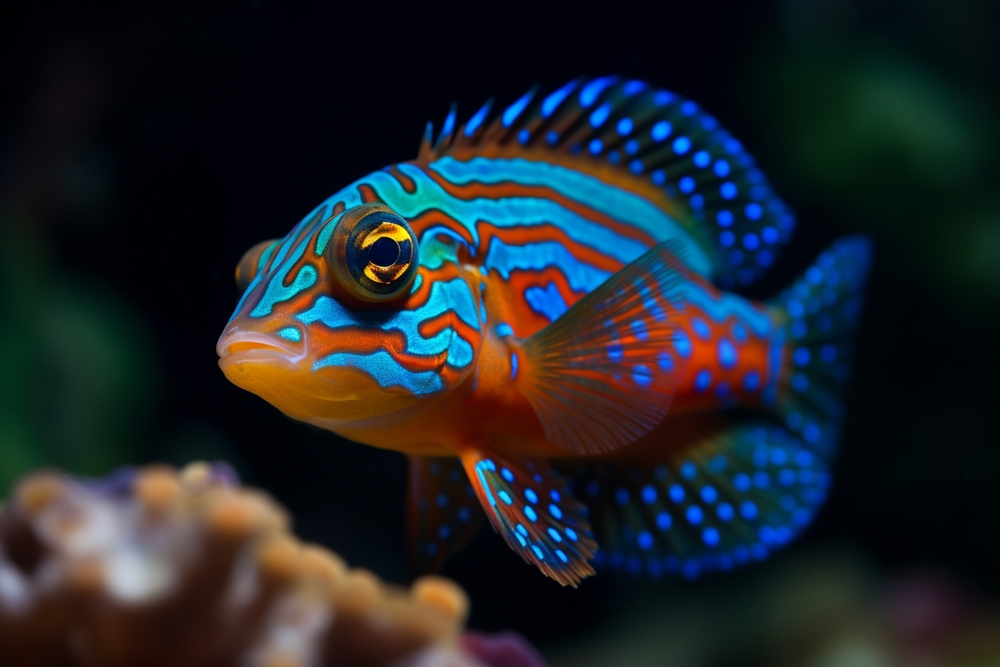
Mandarinfish glow with impossible blues and oranges. Found in Pacific coral reefs, they look like animated characters drifting into real life. Marine researchers note their elaborate mating dances at dusk. It’s underwater theater.
They’re small, shy, and surprisingly picky eaters. Their beauty makes them popular but difficult to keep. Coral reef decline threatens their habitat. Encountering one feels like finding a secret meant to stay hidden.
13. The Arctic Fox
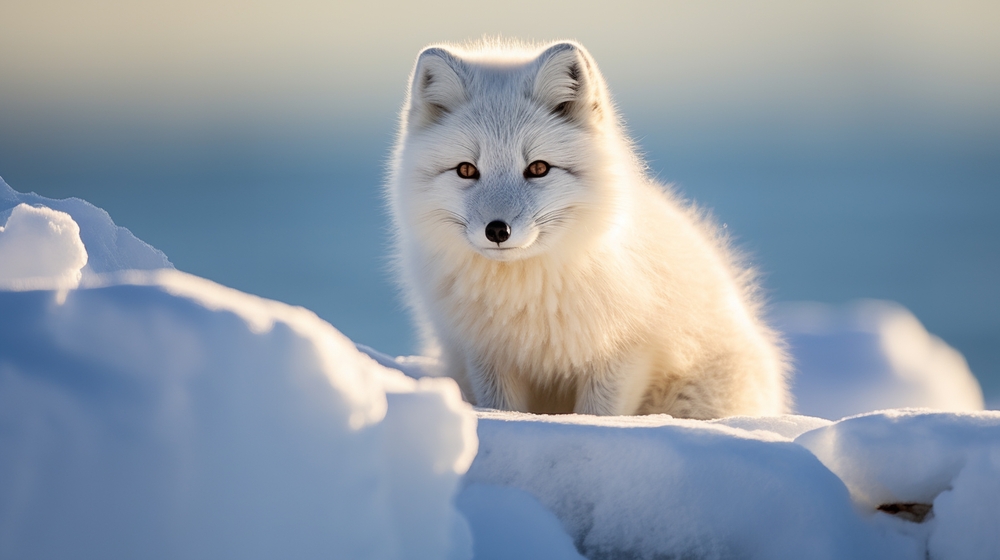
The Arctic fox looks sculpted from snow. Its fur shifts color with the seasons, blending seamlessly into tundra landscapes. Wildlife researchers credit this adaptability for its survival in extreme cold. It’s elegance built for endurance.
Climate change is pushing competitors north, threatening their niche. Despite resilience, their future is uncertain. Watching one move across ice feels surreal. They embody beauty that survives against the odds.