
National parks are where nature feels cinematic—until it feels personal. The danger usually isn’t a dramatic animal encounter (though that happens); it’s heat, water, altitude, cliffs, and people overestimating what their bodies can handle. The National Park Service tracks mortality trends to help parks target safety efforts, and the patterns are consistent: falls, drowning, heat illness, and medical events are the repeat offenders.
Here are 15 U.S. national parks where the scenery is stunning, but the risks are real.
1. Grand Canyon National Park
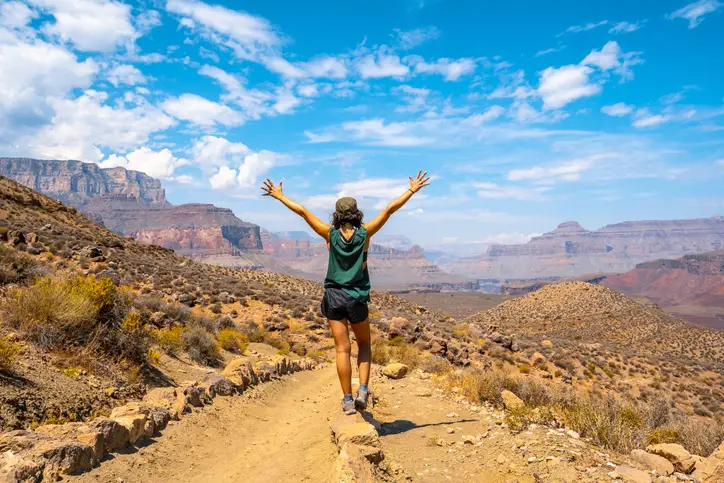
The Grand Canyon looks peaceful from the rim, but it’s one of the most unforgiving landscapes in the country once you step beyond the guardrails. Heat exposure, dehydration, and sudden fatigue turn hikes into medical emergencies fast, especially in summer. The vertical terrain makes falls and missteps catastrophic, and rescues can be complicated by remoteness. Even people who think they’re “just going to take a quick photo” can end up in a situation they can’t reverse.
NPS mortality reporting shows that parks use this data to identify leading causes like falls and heat illness and prioritize prevention. The canyon’s danger is that it punishes small mistakes with big consequences, and it does it quietly. Your biggest risk isn’t the hike you planned—it’s the heat you didn’t respect. That’s why rangers constantly warn visitors that the canyon is hotter, steeper, and longer than it looks from above.
2. Yosemite National Park
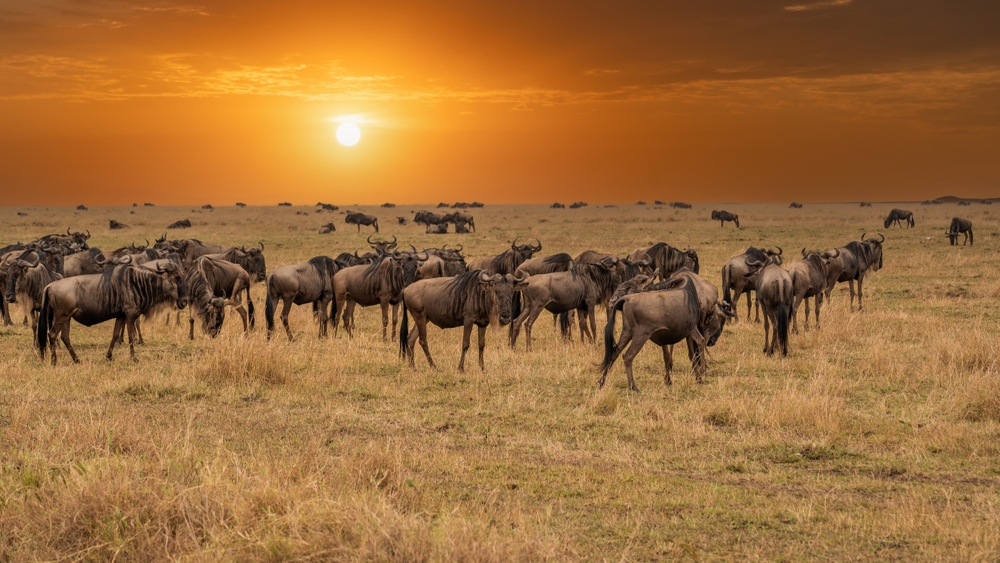
Yosemite’s cliffs and granite domes are iconic, but they’re also where a lot of accidents happen fast. Slick rock, steep drop-offs, and “one step closer” photo behavior combine into a perfect storm. Water is another risk—rivers can look calm while hiding deadly currents and cold shock. When people chase views without margins for error, Yosemite doesn’t forgive.
Analyses based on NPS mortality data have flagged accidental falls as a major killer in the system, and Yosemite is often highlighted in reporting around fall-related fatalities. The danger here isn’t only technical climbing—it’s casual hiking near ledges, wet rock near waterfalls, and underestimating conditions. Yosemite can feel like a curated outdoor museum, which is exactly why people drop their guard. It’s the park where beauty makes you brave in the worst way.
3. Yellowstone National Park
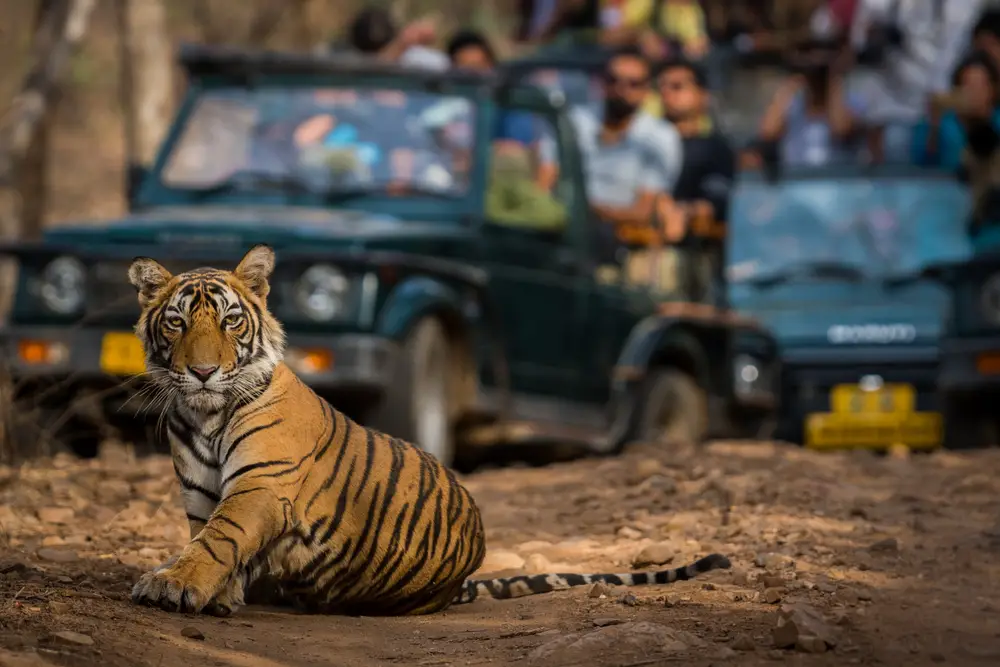
Yellowstone is dangerous because it looks like a theme park and behaves like a volcano. The wildlife is huge, fast, and unpredictable, but the bigger threat is often the geothermal ground itself. People step off boardwalks for a better angle, and suddenly the earth isn’t solid anymore. A wrong step can mean severe burns or worse.
The U.S. Geological Survey has written plainly about how hazardous Yellowstone’s hydrothermal features are compared with wildlife encounters. Yellowstone also has clear safety rules like keeping distance from animals and staying on boardwalks, because the park has seen injuries and fatalities when visitors don’t follow them. What makes Yellowstone uniquely risky is that danger is literally under your feet. The landscape can be stunning and lethal in the same square meter.
4. Denali National Park And Preserve
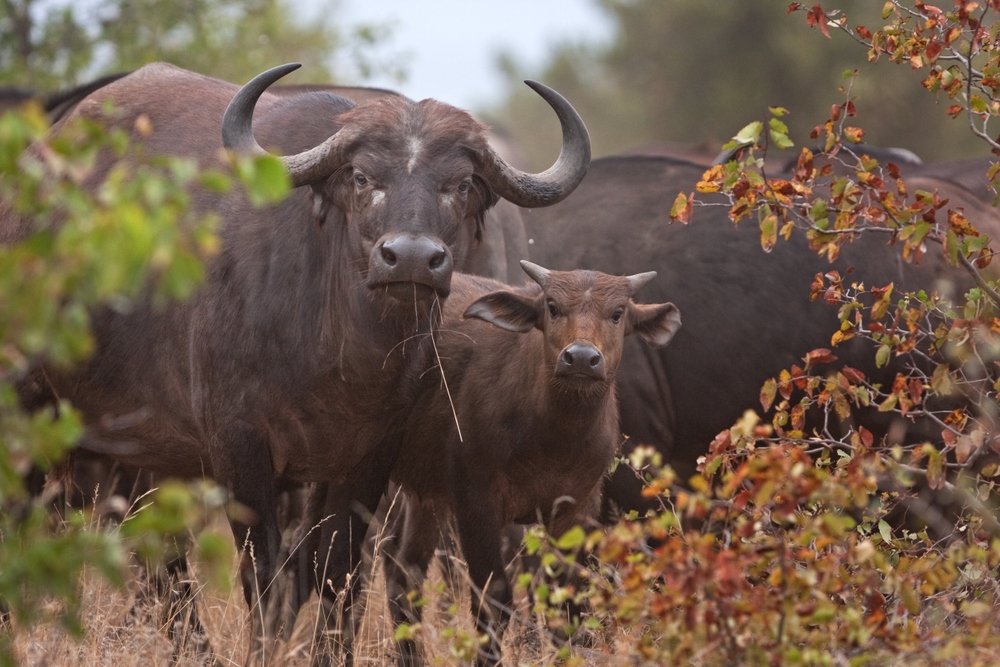
Denali is a wilderness park that doesn’t pretend to be convenient. Weather shifts quickly, visibility can vanish, and distances are deceptive in big-country terrain. Even experienced visitors can underestimate how cold, wet, and exposed they’ll get. Isolation turns small injuries into big survival problems.
Denali’s own NPS reporting has discussed serious risks like falls, altitude sickness, and frostbite for climbers and backcountry travelers. The park’s danger is also logistical: rescue takes time, and the environment doesn’t pause while you wait. If you come here expecting a casual hike vibe, you’re mismatched to the location. Denali is breathtaking, but it’s not forgiving.
5. Zion National Park
Zion is one of those parks where the trails are famous, and that fame can be part of the danger. Angels Landing is steep and exposed, and crowds can create pressure to keep moving even when you shouldn’t. The Narrows feels magical until a storm turns it into a trap. Slot canyons can flood with terrifying speed.
Zion’s NPS incident reporting describes how flash-flood forecasts and canyon conditions can rapidly become life-threatening, especially in narrow corridors like The Narrows. The danger isn’t just nature—it’s timing, weather, and people treating a hike like an attraction. Zion can be safe with preparation, but it punishes improvisation. If your plan is “we’ll see how it goes,” Zion is not your park.
6. Death Valley National Park
Death Valley’s danger is simple: heat that can kill you quickly, and distances that don’t care about your phone battery. People show up underprepared because they think they’ll just drive viewpoints. Then a breakdown, a short walk, or a wrong turn becomes a medical emergency. The environment is so extreme that your body can fail before you realize you’re in trouble.
The National Park Service’s heat safety guidance for Death Valley reflects how serious the risk is, including how quickly heat becomes unsafe for outdoor activity. The park’s danger isn’t dramatic—it’s physiological and relentless. You don’t “push through” Death Valley; you manage it. The park earns its name when visitors treat heat like a background detail.
7. Rocky Mountain National Park
Rocky Mountain is deceptively dangerous because it’s easy to access high elevation quickly. Visitors can go from sea level to thin air fast, and the altitude can hit like a wall. Storms can roll in suddenly, and temperatures can drop hard even in summer. People underestimate how quickly conditions change above treeline.
NPS mortality data exists specifically to help parks identify trends that put visitors at risk, and altitude-and-exposure parks consistently deal with medical events and weather-related problems. Rocky Mountain’s danger is that it feels like a scenic drive until it becomes an oxygen problem. The most common mistake is treating altitude symptoms like something to ignore. In that environment, ignoring your body is the hazard.
8. Great Smoky Mountains National Park
The Smokies are wildly popular, which makes their danger sneaky. Heavy visitation means more chances for accidents on roads, trails, and waterways. Dense forests and changing weather also make it easier to get lost than people expect. And because the landscape looks gentle, people take fewer precautions.
The risk here is often “normal” things stacking up—wet rocks, river crossings, foggy roads, and long hikes without enough supplies. Another issue is that search-and-rescue in thick forest terrain can be slow and complicated. The Smokies don’t look like an extreme park, which is exactly why people get caught off guard. It’s an easy place to be casually unprepared.
9. Glacier National Park

Glacier is a high-stakes mix of steep terrain, cold water, and real bear country. Trails can be narrow with sudden drop-offs, and weather can flip from sunny to dangerous in minutes. Cold exposure and hypothermia risks can show up even when people think it’s “just a summer hike.” The park also has remote areas where help isn’t immediate.
Glacier’s danger is that it blends alpine risk with wildlife risk in the same hike. Visitors may be focused on views and forget that this is a rugged landscape built on rock, ice, and elevation. Even small slips on wet stone can become major falls. If you’re not prepared for cold, distance, and wildlife etiquette at the same time, Glacier gets risky fast.
10. Grand Teton National Park
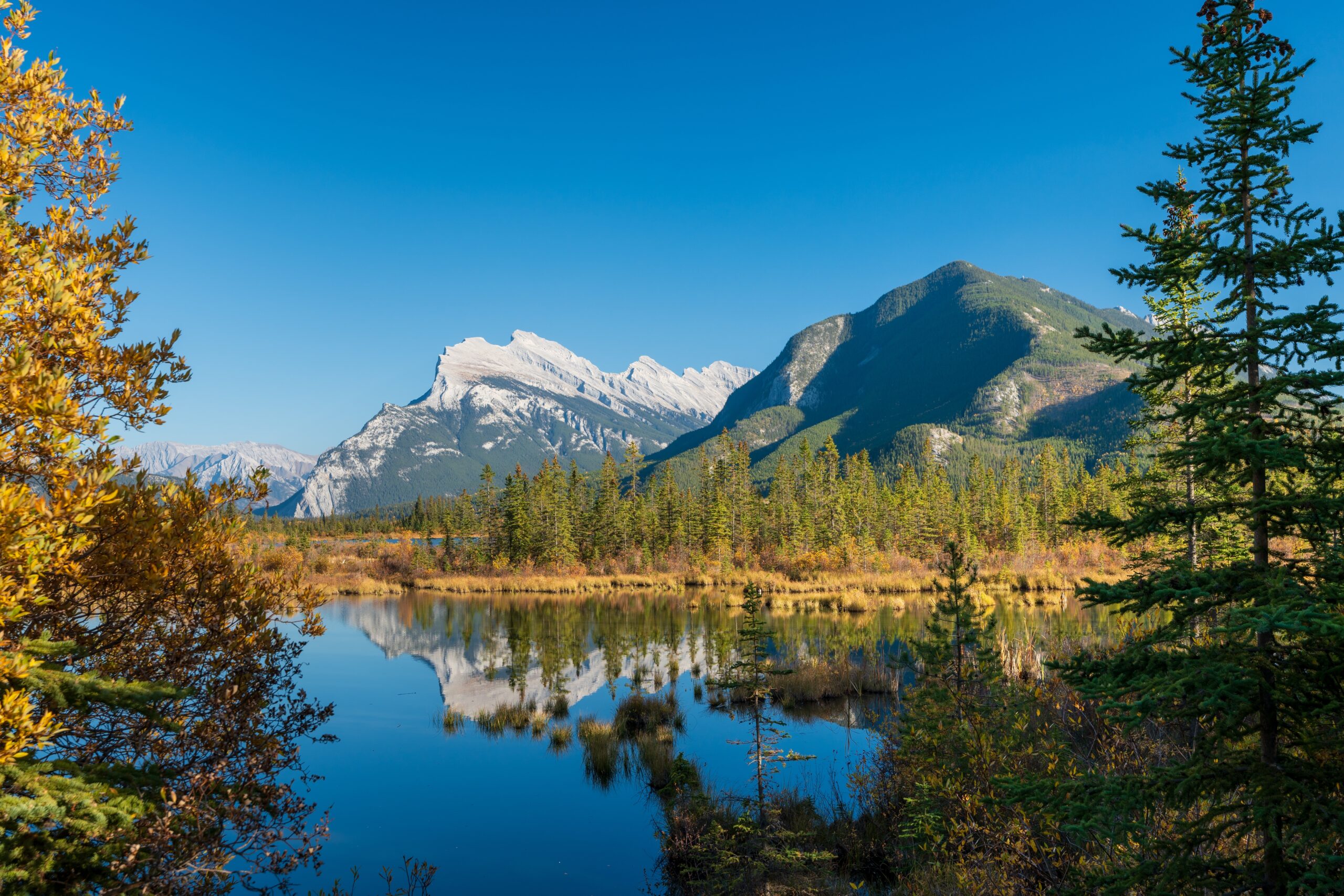
Grand Teton is stunning, but its mountains are serious. People underestimate the technical nature of some routes because the park feels accessible and photogenic. Sudden weather, steep climbs, and cold lakes create a dangerous mix. Even experienced hikers can get caught off guard by exposure and fatigue.
The park’s biggest danger is overconfidence paired with dramatic terrain. A “quick” summit attempt can turn into a long descent in worsening conditions. Water crossings and cold-water immersion can also create emergencies without warning. It’s a park where the views invite you higher than your preparation may support.
11. Mount Rainier National Park
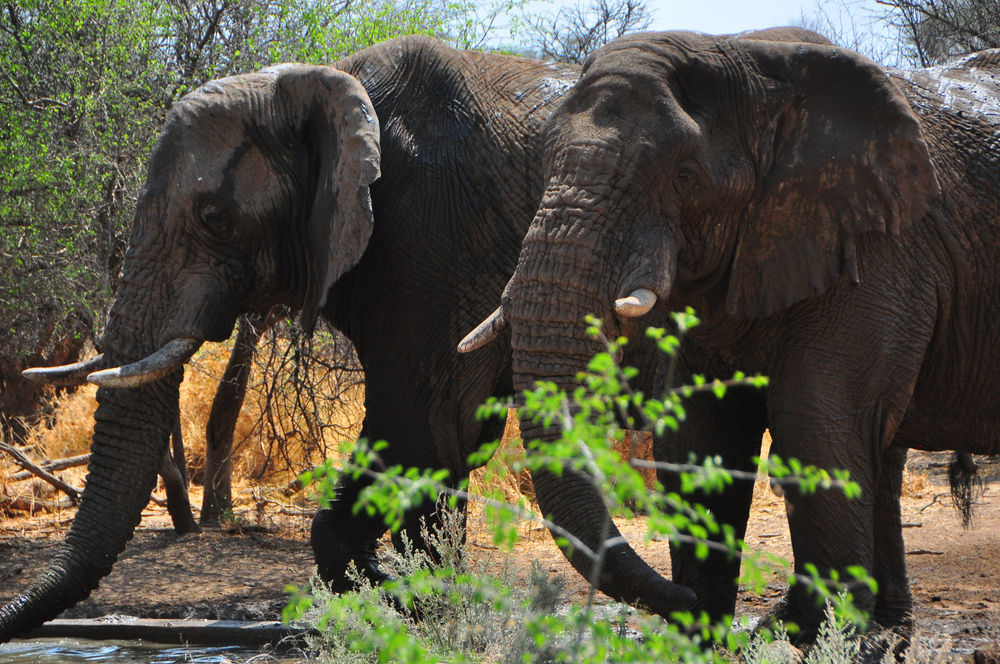
Mount Rainier is a glaciated volcano, which means the terrain can be breathtaking and unstable. Crevasses, icefalls, rockfall, and rapidly changing conditions create real mountaineering risk. Even day hikers can be threatened by sudden weather shifts and slick trails. The mountain has a way of making people feel small and exposed.
The danger is that Rainier draws both casual visitors and serious climbers into the same landscape. People can wander from a paved viewpoint into conditions that require technical judgment. Whiteouts can reduce visibility to nothing, and mistakes compound quickly in snow and ice. Rainier is gorgeous, but it’s not a casual mountain.
12. Olympic National Park
Olympic is dangerous because it contains multiple ecosystems that each come with their own hazards. Rugged coastline means rogue waves, slippery rocks, and sudden tides. Dense rainforest trails can disorient visitors, and weather can shift quickly. Mountain areas add cold exposure and steep terrain into the mix.
The park’s variety makes it easy to pack the wrong expectations. People plan for one environment and accidentally end up in another, underprepared. Coastal rescues can be tricky because conditions change fast. Olympic can feel like several parks stitched together, and each part has its own way of humbling visitors.
13. Big Bend National Park

Big Bend’s danger is isolation plus desert heat. Cell service can be unreliable, distances are huge, and medical help is far away. People underestimate how quickly dehydration can hit when the air is dry and the sun is aggressive. A “short hike” can become a serious situation if water planning is sloppy.
The park’s remoteness also means minor car trouble can become life-threatening in extreme temperatures. Wildlife hazards exist, but the bigger issue is exposure and logistics. Big Bend is spectacular, but it requires a different mindset than a park near a city. You don’t visit Big Bend casually; you plan it like it matters.
14. Hawai‘i Volcanoes National Park
This park is dangerous because it’s alive in the most literal way. Volcanic terrain includes sharp rock, unstable ground, and areas with hazardous gases. People can get injured on lava rock quickly, and conditions can change depending on volcanic activity. Visitors sometimes treat it like a normal hiking park, and that’s where things go wrong.
The risk is also psychological: the landscape feels otherworldly, and people want to get closer. But “closer” can mean unstable crust, steam vents, or restricted zones for a reason. Even without an eruption, volcanic environments demand respect. It’s one of the few parks where the ground itself can be an active hazard.
15. Acadia National Park
Acadia surprises people because it’s coastal, scenic, and feels approachable. But cliffs, slick granite, and rapidly changing weather can turn a casual walk into a dangerous fall risk. The ocean is also a hazard, with unpredictable waves and slippery shoreline rock. Visitors often underestimate how quickly coastal conditions can shift.
Acadia’s danger is that it doesn’t look extreme until it suddenly is. A wet trail or a wind gust near an exposed edge changes everything. People also get lulled into taking risks because the park feels “manageable.” It’s a reminder that danger isn’t always about size—it’s about conditions and complacency.