
There’s something inherently captivating about the allure of a beautiful beach, but not all sandy shores are the paradises they appear to be. While many beaches promise serene waves and golden sun, some contain hidden dangers that can turn your dream vacation into a nightmare. From deadly marine life to treacherous tides, these beaches require more than just sunscreen and a good book. Here’s a look at the 15 most dangerous beaches in the world and the reasons why you should approach them with caution.
1. Playa Zipolite, Mexico
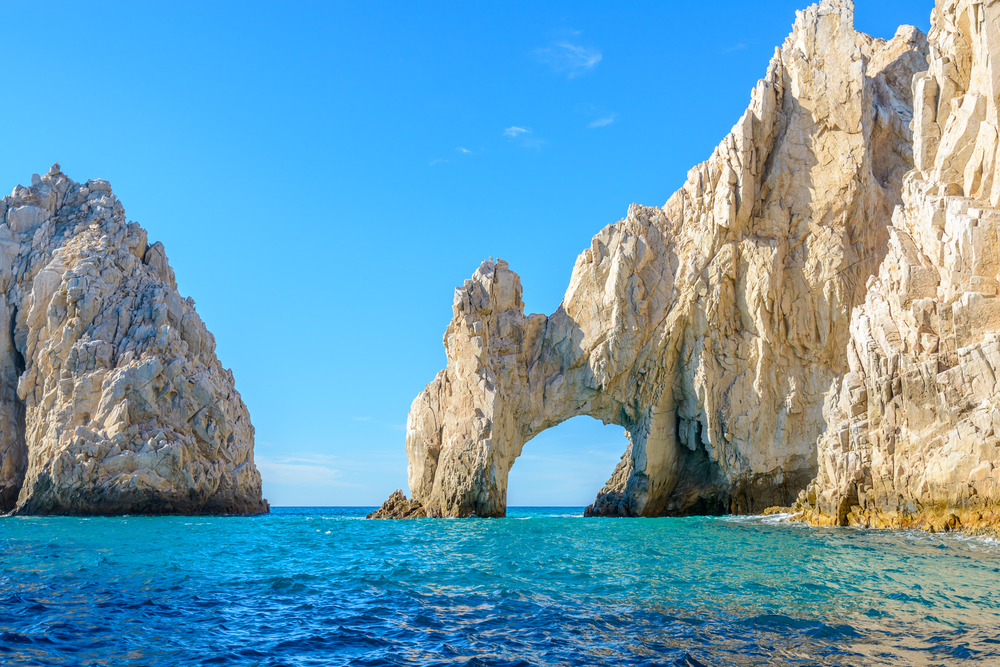
Playa Zipolite, often dubbed the “Beach of the Dead,” might sound like a setting for a thriller novel, but it’s a real place with real risks. This stunning beach along Mexico’s Pacific coast is notorious for its strong rip currents that have claimed many lives over the years. The currents can be aggressive and unpredictable, pulling unsuspecting swimmers out to sea with alarming speed. Despite these dangers, Playa Zipolite remains a popular destination for tourists seeking its natural beauty and laid-back atmosphere.
In recent years, local authorities have increased lifeguard presence and installed warning signs to mitigate the risks. According to a study published in Marine Safety Journal, these measures have significantly reduced the number of accidents, but the beach still demands respect and caution from visitors. If you’re planning a visit, it’s advised to stay informed about current conditions and heed the warnings of lifeguards. After all, it’s better to enjoy the view from the safety of the shore than to risk an unwanted adventure with the currents.
2. Fraser Island, Australia
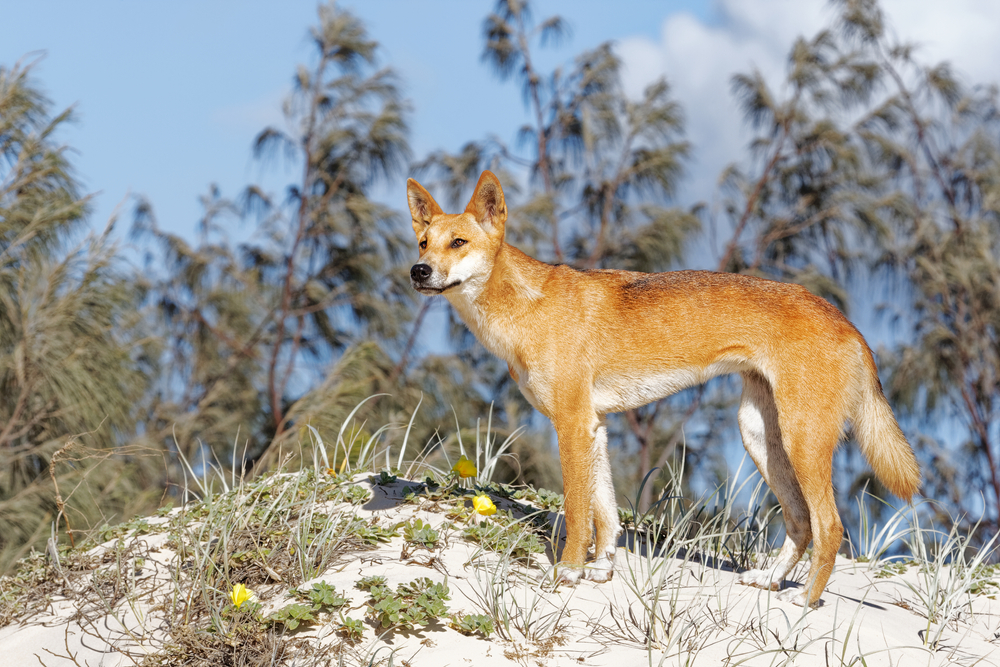
Fraser Island is a unique gem off the coast of Queensland, Australia, known for its stunning sand dunes and crystal-clear lakes. However, its beaches pose significant threats that visitors must be aware of. The waters are home to a variety of dangerous marine life, including sharks and jellyfish, and it’s also a habitat for the infamous saltwater crocodile. These predators, combined with strong undertows, make swimming a hazardous activity.
On land, Fraser Island hosts its own set of dangers, such as the dingo population that can be aggressive, particularly if they perceive a threat or are searching for food. It’s crucial to follow guidelines set by local rangers, including keeping a safe distance from wildlife and ensuring your food is securely stored. The island’s rugged beauty is worth experiencing, but it demands a high level of awareness and respect for nature. Always be prepared and informed to ensure your visit is memorable for the right reasons.
3. New Smyrna Beach, Florida
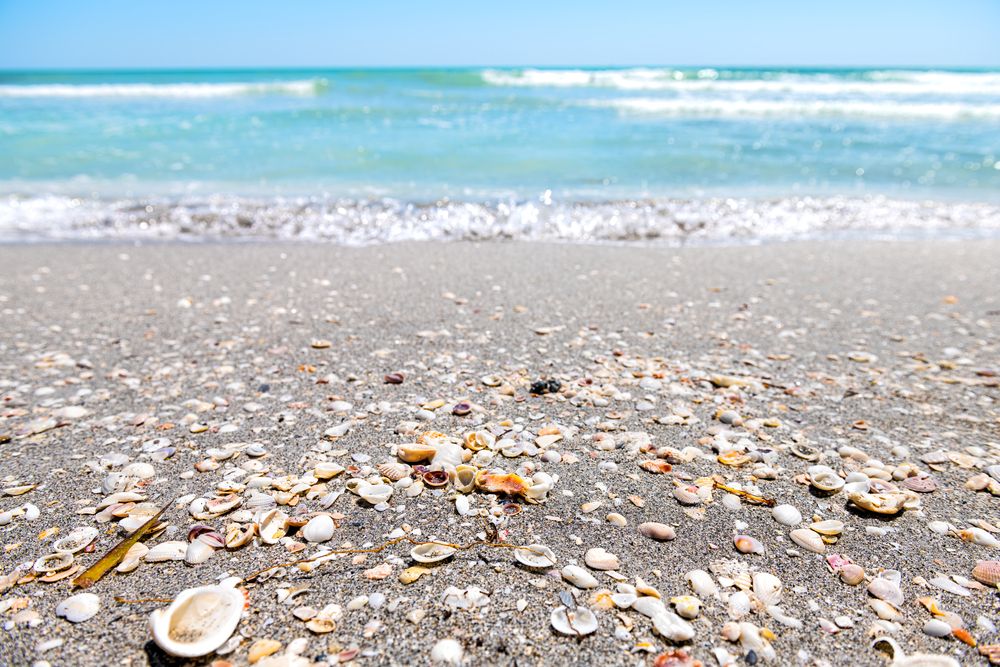
New Smyrna Beach in Florida is often called the “Shark Attack Capital of the World,” a title that’s as chilling as it is telling. This beach experiences more shark bites annually than any other place on the planet, largely due to the high number of people entering the water in an area rich with fish — a primary shark food source. While most bites are non-fatal, the frequency of incidents is enough to keep even the bravest swimmers on high alert. Despite this, the beach’s white sands and vibrant surf culture continue to attract thousands of visitors.
Local experts, including those from the International Shark Attack File, suggest that avoiding swimming at dawn or dusk can reduce the risk of encounters. They also advise against wearing shiny jewelry or entering the water with open wounds, as both can attract sharks. The community has taken steps to educate the public, emphasizing the importance of understanding shark behavior. With the right precautions, you can still enjoy the sun and surf without becoming part of the statistics.
4. Hanakapiai Beach, Hawaii
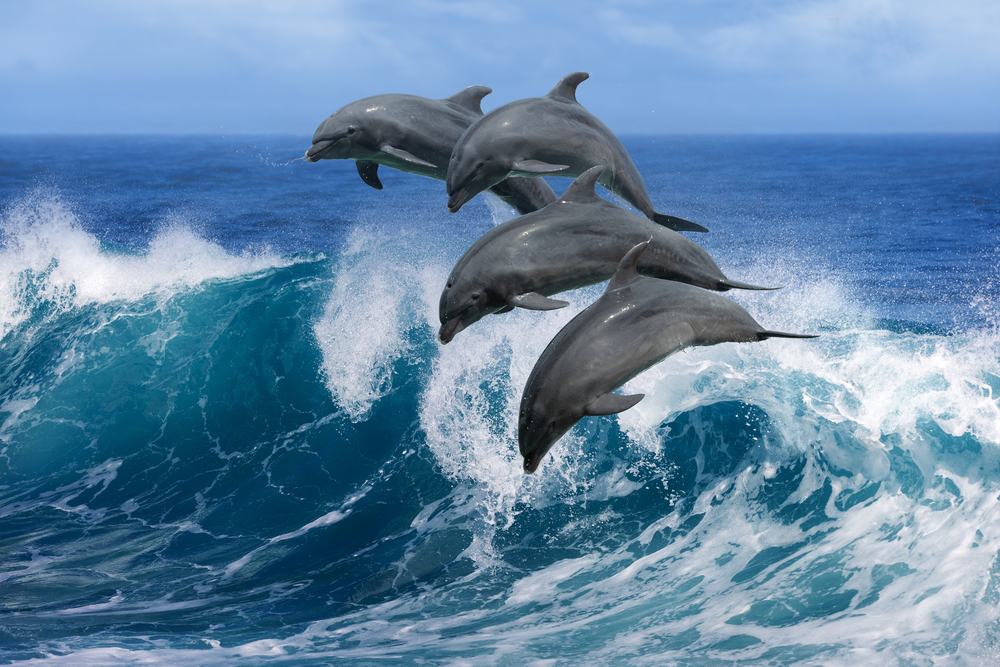
Hanakapiai Beach on the Hawaiian island of Kauai is as beautiful as it is deadly. This remote beach is accessible only by a challenging hike, which adds to its secluded allure. However, the beach is notorious for its powerful rip currents and lack of a protective reef, making the waters extremely unsafe for swimming. Over 80 people have drowned here, a grim testament to the beach’s dangerous conditions.
Visitors are often drawn in by the secluded beauty and the allure of adventure, but it’s crucial to heed the warning signs. Local guides advise enjoying the beach from the safety of the sand, as venturing into the water is a risk not worth taking. The beach’s isolation means there are no lifeguards or immediate help available, which can turn a fun outing into a perilous situation. Always prioritize safety over thrill when visiting this stunning but treacherous location.
5. Gansbaai, South Africa
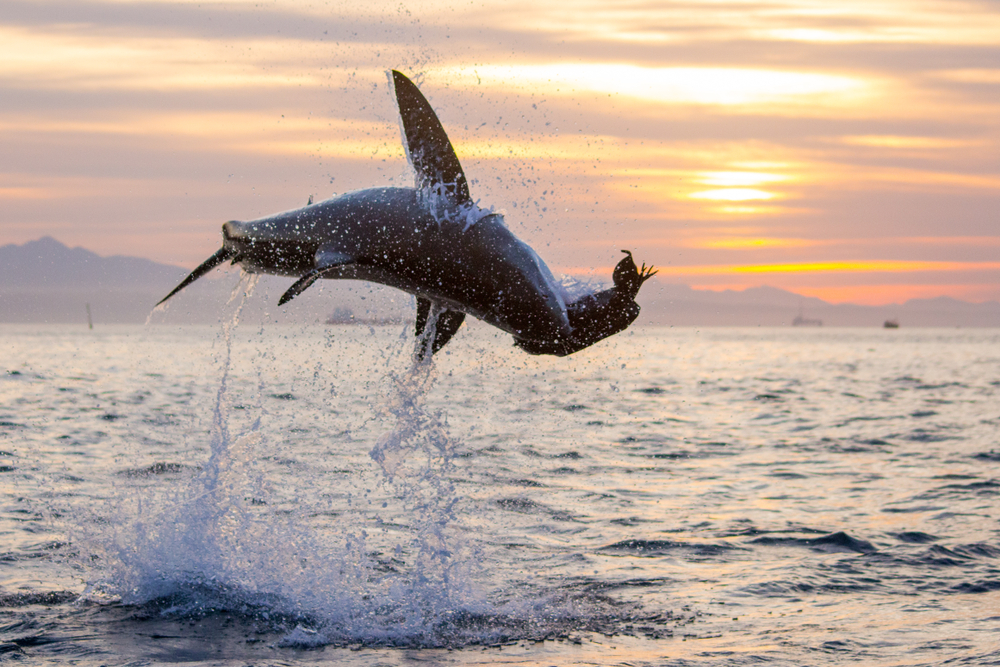
Gansbaai, a small fishing town in South Africa, has earned the nickname “Great White Shark Capital of the World.” The waters here are teeming with these magnificent yet fearsome creatures, drawn by the abundant seal population on nearby Dyer Island. While shark cage diving offers a safe way to witness these apex predators up close, swimming in these waters is not advisable. The presence of great whites makes it one of the riskiest places to take a dip.
Research conducted by the Shark Research Unit highlights the importance of respecting these creatures and understanding their behavior to minimize risk. They recommend staying out of the water if sharks are known to be in the vicinity and avoiding wearing brightly colored swimsuits, which can attract sharks. Gansbaai’s marine ecosystem is a wonder to behold, but it requires a cautious approach. Embrace the thrill of the sharks from the safety of a cage or boat, and you’ll have an unforgettable experience.
6. Kilauea, Hawaii
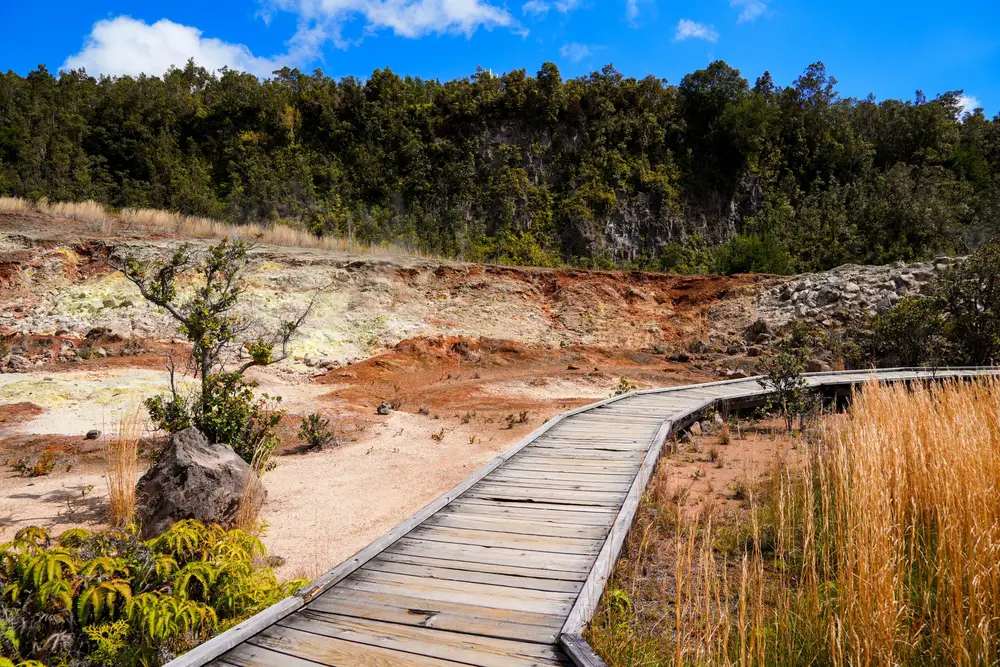
Kilauea is not your typical beach destination. Located on Hawaii’s Big Island, it’s more famous for its active volcano than its sandy shores. The beach is sometimes subjected to volcanic activity, with lava flows reaching the ocean and creating hazardous conditions. Visitors are drawn to the dramatic meeting of lava and sea, but this spectacle can be dangerous due to the potential for toxic gas emissions and sudden explosive reactions.
Tourists are advised to keep a safe distance and follow guidelines set by park officials to ensure their safety. Exploring this area requires a keen awareness of the volcano’s activity, as conditions can change rapidly. While the sight of lava pouring into the ocean is unforgettable, it’s a reminder of nature’s raw power. Always prioritize your safety by staying informed and adhering to all posted warnings.
7. Shired Island, Florida
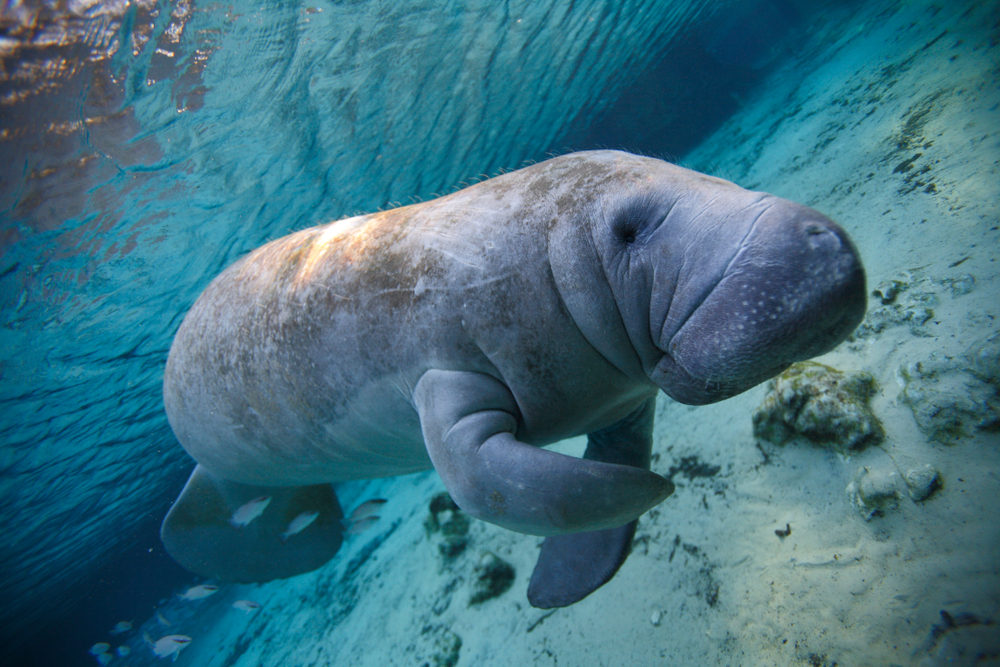
Shired Island in Florida might not be as well-known as other entries, but it has a reputation for a different kind of threat. The water quality here has been a major concern, with high levels of bacteria making it unsafe for swimming. The contamination is often attributed to runoff and agricultural pollution, which can lead to serious health issues for those who come into contact with the water. Despite its serene appearance, the beach poses a hidden danger that isn’t immediately visible.
Experts from the Environmental Protection Agency have conducted several studies on water quality here, underscoring the importance of checking current conditions before planning a visit. They advise against swimming after heavy rainfalls, which can exacerbate the pollution levels. While the beach itself may appear idyllic, taking a dip could expose you to harmful bacteria. It’s always best to err on the side of caution and enjoy the beach from the safety of the shore.
8. Cape Tribulation, Australia
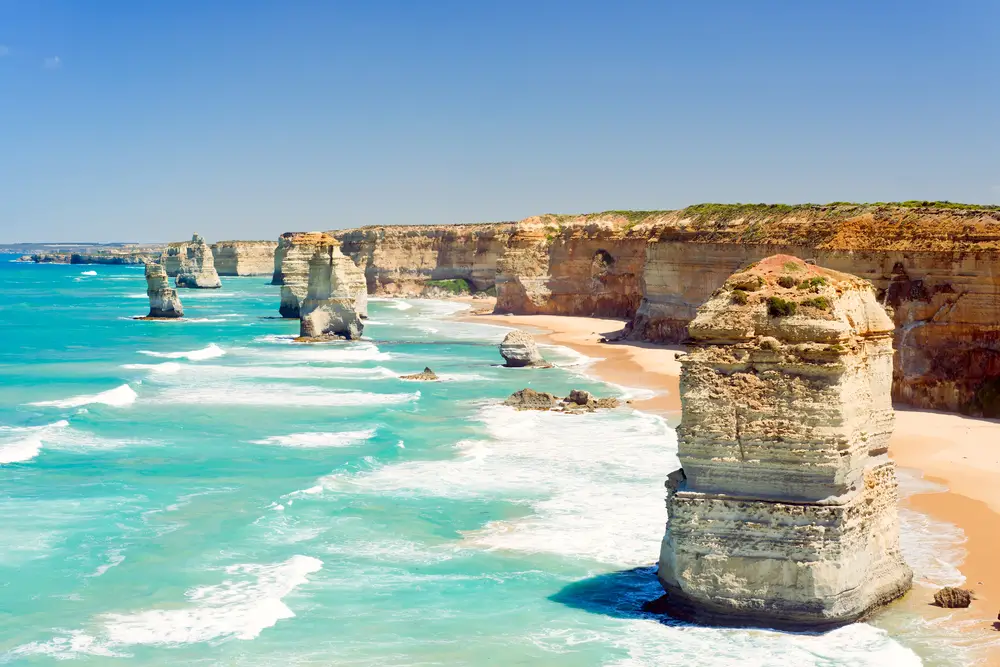
Cape Tribulation in Queensland, Australia, is where the rainforest meets the reef, creating a spectacular natural setting. However, the waters here are home to a variety of threats, including crocodiles, jellyfish, and strong currents. Box jellyfish, in particular, are a seasonal hazard with their potentially lethal stings. The beach’s isolation means that medical help is not immediately available, adding to the risk factor.
When visiting Cape Tribulation, it’s crucial to heed local warnings and wear protective stinger suits during jellyfish season. Staying informed about crocodile sightings and avoiding swimming at dusk or dawn can also help keep you safe. The area’s beauty is undeniable, but it demands a healthy respect for its wild inhabitants. By following guidelines and remaining vigilant, you can enjoy this incredible destination while minimizing risks.
9. Second Beach, South Africa
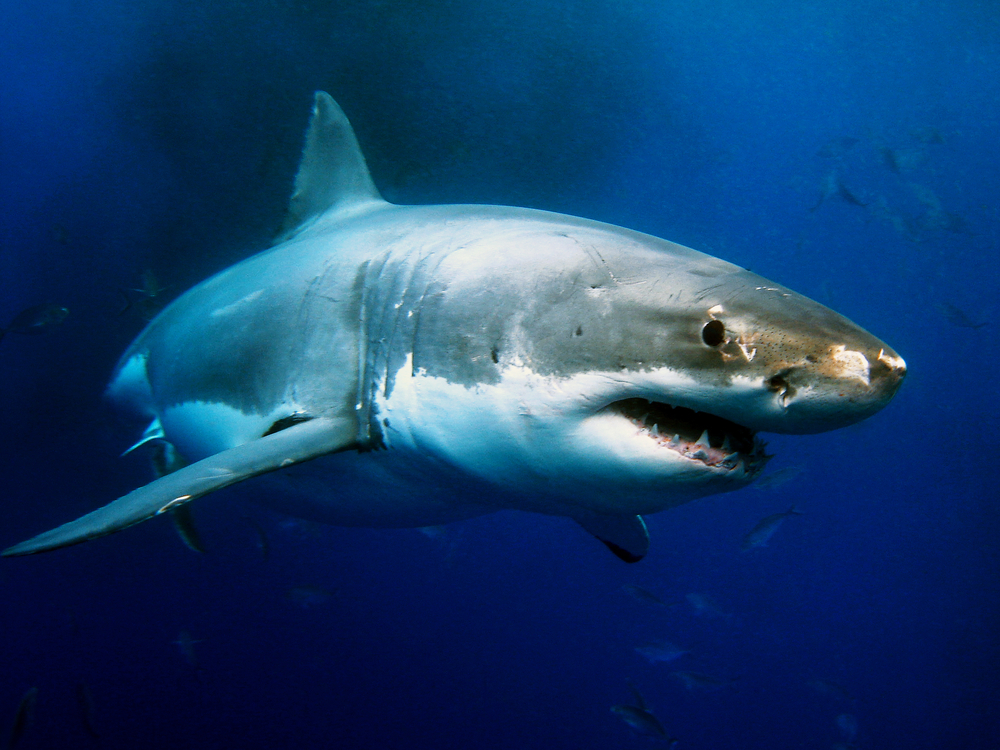
Second Beach in Port St. John’s, South Africa, is as beautiful as it is dangerous. Known for its high rate of shark attacks, this beach has become infamous for a string of fatal encounters over the years. The warm waters attract a variety of shark species, including the aggressive bull shark, making swimming a risky endeavor. Despite the dangers, the beach’s charm and stunning scenery continue to draw crowds.
Local authorities have implemented measures to improve safety, such as monitoring shark activity and advising against swimming during peak feeding times. It’s vital to stay informed and abide by posted warnings to reduce the risk of a shark encounter. The area’s cultural richness and natural beauty are worth experiencing, but always keep safety top of mind. Enjoy the beach responsibly by choosing safer activities like beachcombing or enjoying a picnic on the sand.
10. Reunion Island, France
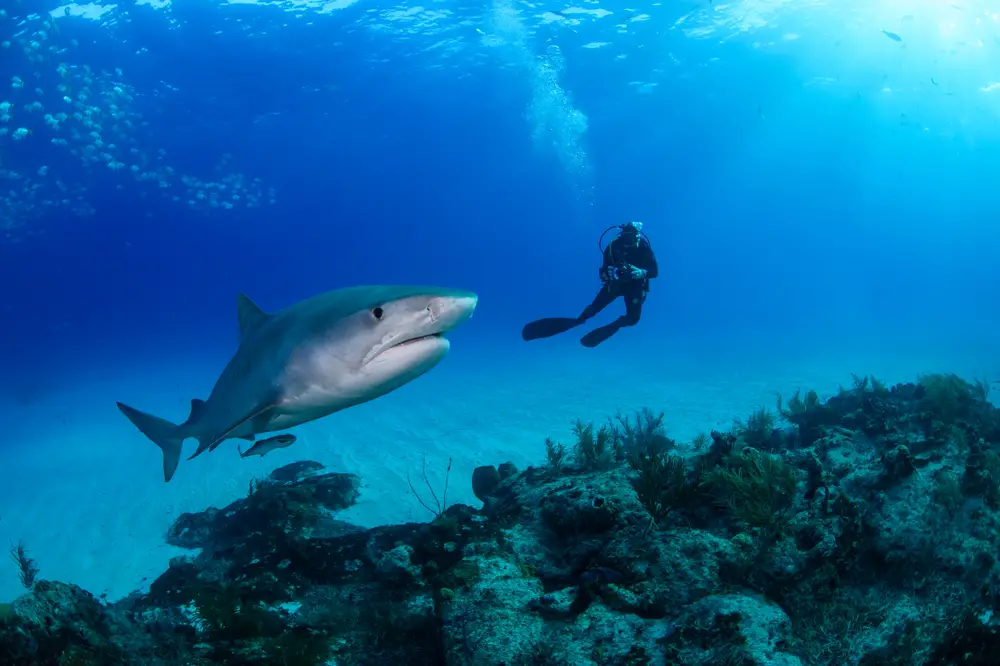
Reunion Island, a French territory in the Indian Ocean, offers an enticing mix of volcanic landscapes and tropical beaches. However, the island has earned a reputation for its numerous shark attacks, particularly between 2011 and 2019. The waters surrounding Reunion are home to a high population of bull and tiger sharks, which are known for their aggressiveness. These conditions have led to a ban on swimming and surfing in many areas to protect visitors and locals alike.
The island has invested in research and surveillance to better understand shark behavior and improve safety measures. Authorities stress the importance of adhering to restrictions and avoiding swimming in areas where shark sightings are frequent. While the island’s natural beauty is captivating, respecting the power of the ocean is essential. Take advantage of the island’s other attractions, such as hiking and exploring its unique volcanic terrain.
11. Praia do Norte, Portugal
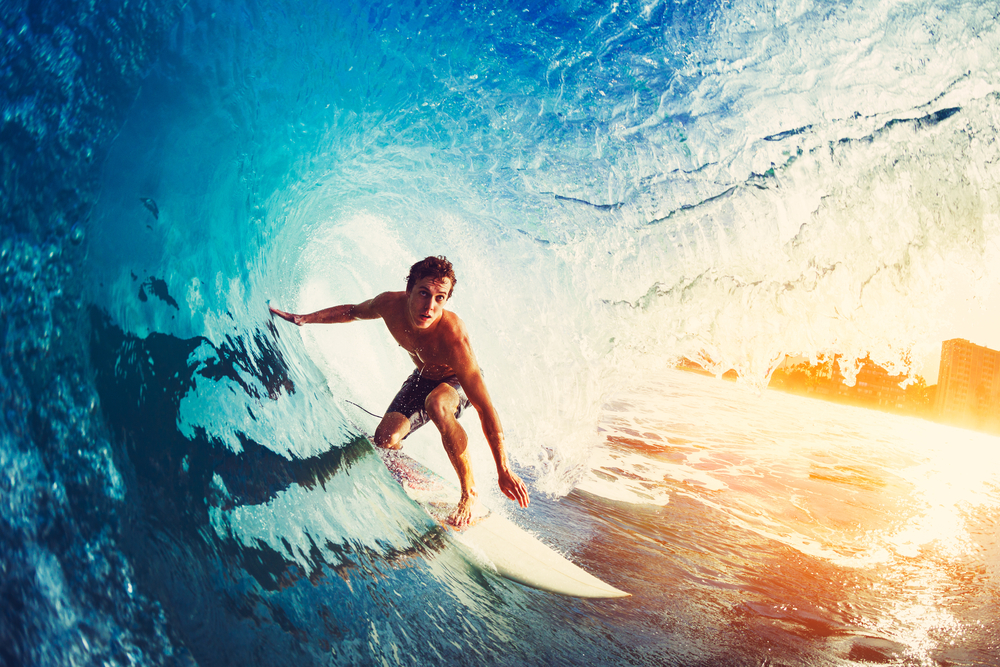
Praia do Norte in Nazaré, Portugal, is a world-renowned destination for big wave surfers, but it’s not for the faint of heart. The beach is famous for its massive waves, some reaching over 80 feet, driven by the Nazaré Canyon just offshore. These waves can be thrilling to watch but are extremely dangerous for swimmers and inexperienced surfers. The power of the ocean here is unmatched, making it one of the most challenging surf spots in the world.
If you’re not a professional surfer, it’s best to enjoy Praia do Norte from the safety of the shore. The beach has become a popular spot for spectators who want to witness the incredible feats of the world’s best big wave surfers. Always stay vigilant, as rogue waves have been known to sweep people off the rocks. Embrace the awe-inspiring power of the ocean from a safe distance and appreciate the raw beauty of this remarkable location.
12. Copacabana Beach, Brazil
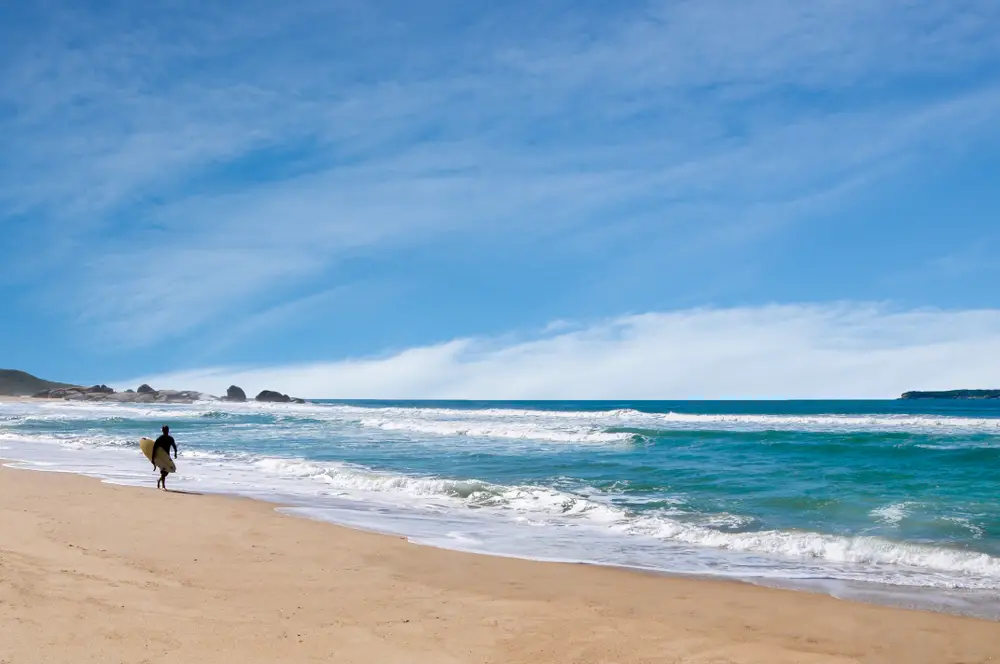
Copacabana Beach in Rio de Janeiro is famous for its vibrant atmosphere and stunning views, but it also has its share of dangers. The beach is notorious for strong currents and waves that can catch swimmers off guard. Additionally, overcrowding can lead to pickpocketing and other petty crimes, making it essential to stay aware of your surroundings. Despite these challenges, Copacabana remains a must-visit for its cultural significance and iconic status.
When visiting, it’s wise to swim only in designated areas where lifeguards are on duty, and always be cautious of your belongings. Staying close to the shore can reduce the risk of getting caught in a rip current. The energy of Copacabana is infectious, with lively beachgoers and endless entertainment options. Enjoy the sun and samba with a little extra caution, and you’ll have a memorable experience in this legendary location.
13. Skeleton Coast, Namibia
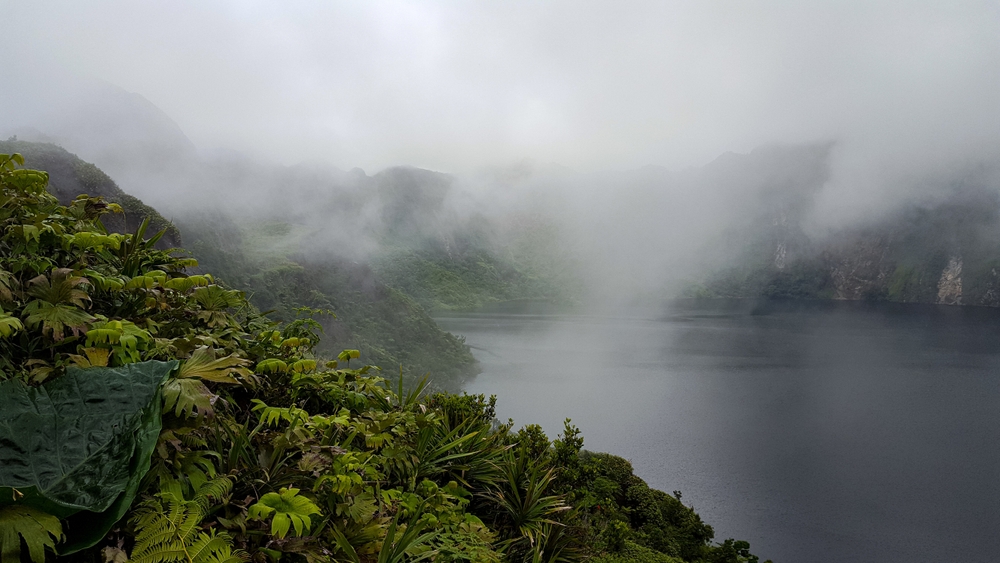
The Skeleton Coast in Namibia is as eerie as its name suggests, with a desolate beauty that attracts adventurers from around the world. Known for its treacherous waters and dense fog, this coastline has claimed countless ships over the centuries. While the ocean presents significant dangers, the coastline itself is a harsh environment with extreme weather conditions and limited access to fresh water. Visitors must be well-prepared and self-sufficient to explore this remote and rugged region.
Despite the challenges, the Skeleton Coast offers a unique experience for those drawn to its haunting landscape and rich history. The remains of shipwrecks scattered along the shore tell stories of exploration and survival. Guided tours are recommended, as they provide insight into the area’s natural and cultural significance while ensuring safety. Embrace the mystery and solitude of the Skeleton Coast, but do so with respect for its unforgiving nature.
14. Chaweng Beach, Thailand
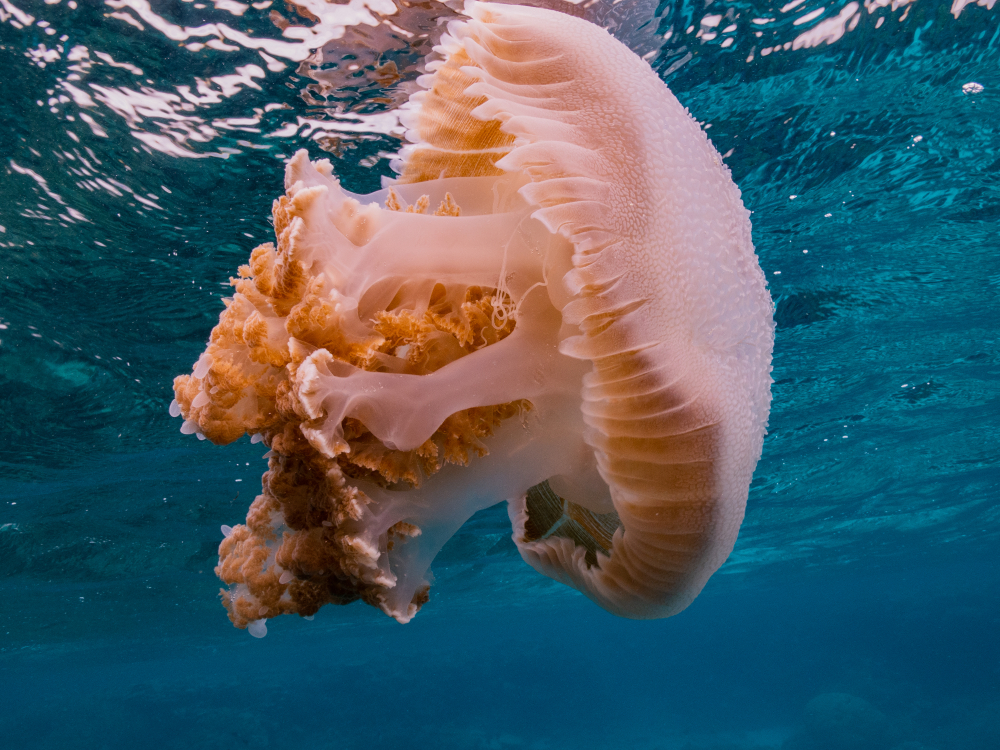
Chaweng Beach on the island of Koh Samui, Thailand, is renowned for its nightlife and vibrant atmosphere. However, visitors should be aware of the strong currents and potential for jellyfish stings, particularly during monsoon season. The beach is also known for its party culture, which can lead to risky behaviors and accidents, especially at night. Despite these concerns, Chaweng remains a popular destination for those seeking sun, sea, and socializing.
To stay safe, avoid swimming alone or under the influence of alcohol, and be cautious of your belongings in crowded areas. Pay attention to local advice regarding jellyfish and current conditions to prevent unpleasant surprises. Chaweng’s lively vibe is part of its charm, but it’s important to balance fun with caution. Enjoy the vibrant scene and stunning scenery responsibly, ensuring your memories of Chaweng are only of good times.
15. Myrtle Beach, South Carolina
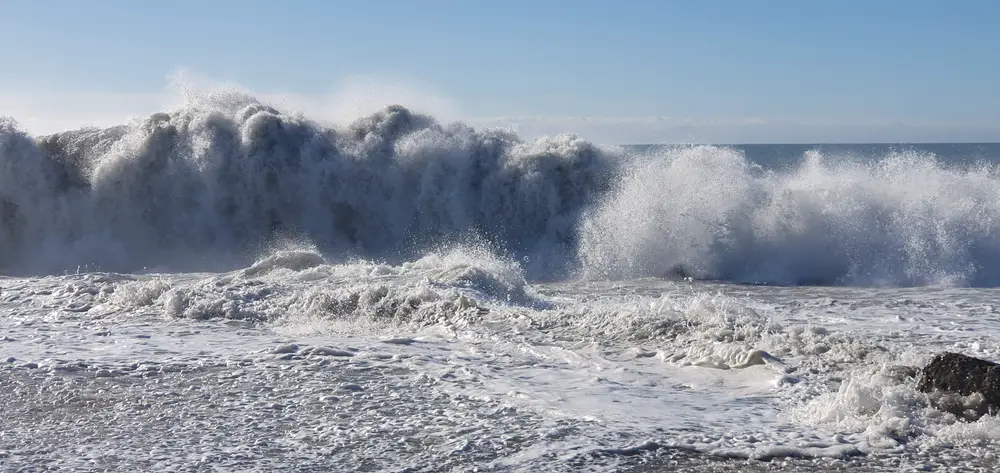
Myrtle Beach is a beloved vacation spot on the East Coast, known for its sprawling sands and family-friendly attractions. However, it has also been noted for its high rates of rip current incidents, which pose a significant risk to swimmers. Additionally, the beach can become overcrowded, leading to issues with petty crime and safety concerns. Despite these challenges, Myrtle Beach continues to attract millions of visitors each year.
To ensure a safe visit, swim only in designated areas where lifeguards are present, and stay informed about current conditions. Keep a close watch on your belongings and avoid leaving valuables unattended. Myrtle Beach offers a classic seaside experience with plenty of entertainment options for everyone. By exercising a bit of caution and awareness, you can enjoy all the fun and relaxation that this iconic beach destination has to offer.