
We tend to think of air pollution as a long-term health issue—something that leads to cancer or lung disease decades down the line. What we talk about far less is how the air we breathe every day can subtly alter behavior, mood, focus, and even personality, both in humans and animals. From household products to traffic emissions, invisible chemicals are interacting with the brain and nervous system in ways that science is only beginning to understand. And because pets breathe closer to the ground and faster than we do, they often feel the effects first.
1. Fine Particulate Matter Is Rewiring Stress Responses

Microscopic particles known as PM2.5 don’t just irritate lungs—they cross into the bloodstream and reach the brain. Research published by Harvard’s T.H. Chan School of Public Health links chronic exposure to increased anxiety, irritability, and emotional dysregulation. These particles trigger neuroinflammation, which interferes with how the brain processes stress. Pets exposed to high PM2.5 levels show increased agitation and restlessness long before physical symptoms appear.
What makes this especially alarming is how common PM2.5 exposure is in urban and suburban life. Traffic, wildfires, gas stoves, and even candles contribute to it indoors and out. Humans may chalk up mood changes to burnout or life stress, never suspecting the air itself. Meanwhile, pets pace, whine, or act “off,” often becoming the first visible warning sign.
2. Volatile Organic Compounds Are Fueling Brain Fog

VOCs are released from everyday products like paint, cleaning sprays, air fresheners, and furniture finishes. These chemicals linger in indoor air, especially in tightly sealed modern homes. Exposure has been associated with headaches, confusion, reduced concentration, and mood swings. Pets exposed to VOCs often display lethargy or sudden avoidance behaviors.
What’s unsettling is how normalized these products are in wellness-oriented homes. Many people clean more aggressively during times of stress, unknowingly increasing VOC exposure. Dogs and cats, with smaller bodies and faster respiration rates, absorb higher doses relative to their size. Behavioral changes are often dismissed as aging or temperament rather than environmental overload.
3. Traffic Pollution Is Linked to Aggression and Impulse Control Issues

A large-scale study from King’s College London found that children exposed to higher traffic-related air pollution had increased rates of behavioral problems. Nitrogen dioxide and ultrafine particles were shown to interfere with brain development and emotional regulation. Similar patterns have been observed in animals living near highways, including increased reactivity and fear responses. The connection between pollution and behavior is no longer speculative—it’s measurable.
Living near busy roads doesn’t just raise asthma risk; it changes how the nervous system responds to stimuli. Humans may feel more irritable, impatient, or impulsive without understanding why. Pets in these environments are often described as “high-strung” or “difficult.” The air itself becomes a chronic stressor that never fully switches off.
4. Flame Retardants Are Disrupting Emotional Balance

Flame-retardant chemicals used in couches, mattresses, and carpets slowly off-gas into indoor air. These compounds accumulate in dust that pets inhale and ingest daily. Research has linked them to hormonal disruption, anxiety-like behaviors, and attention issues. Cats are particularly vulnerable due to grooming habits that increase ingestion.
Behavioral shifts caused by flame retardants are subtle but persistent. Pets may become unusually clingy, withdrawn, or hyper-reactive. Humans exposed long-term report mood instability and difficulty focusing. Because these chemicals are embedded in household items, exposure feels unavoidable—and largely invisible.
5. Pesticide Drift Is Affecting Neurological Health Indoors

A study from the National Institute of Environmental Health Sciences found that airborne pesticide exposure is associated with neurological symptoms, including mood changes and cognitive impairment. These chemicals don’t stay outdoors; they drift through windows, HVAC systems, and even on clothing. Pets show early signs such as tremors, anxiety, or sudden behavioral regression. Humans often experience irritability or unexplained fatigue.
Many people assume pesticide exposure only happens during direct application. In reality, low-level chronic exposure is far more common and harder to detect. Dogs lying on treated lawns or cats grooming contaminated fur receive concentrated doses. Behavioral changes are often misdiagnosed as training issues or personality shifts.
6. Carbon Monoxide Exposure Can Masquerade as Emotional Instability

Low-level carbon monoxide exposure doesn’t always cause dramatic symptoms. Instead, it can produce headaches, confusion, mood swings, and increased anxiety. Pets often display lethargy, vomiting, or disorientation earlier than humans. Their smaller size makes them more sensitive to even minor leaks.
Because symptoms mimic mental health issues or flu-like illness, exposure can go unnoticed for weeks. Behavioral changes may escalate before physical alarms are triggered. Many households only discover the problem after a pet becomes seriously ill. In this way, animals once again act as early warning systems.
7. Ozone Pollution Is Altering Emotional Regulation

Research published in Environmental Health Perspectives links ozone exposure to increased rates of depression and anxiety. Ozone inflames not just the lungs but also neural pathways involved in emotional processing. Pets exposed to elevated ozone levels show reduced activity, irritability, and appetite changes. These effects worsen during heat waves and smog events.
Ozone levels rise during sunny afternoons, meaning exposure often peaks during outdoor walks or playtime. Humans may feel inexplicably drained or emotionally flat afterward. Pets may resist exercise or seem unusually subdued. The emotional toll of ozone exposure often goes unrecognized because it feels so situational.
8. Scented Products Are Overstimulating the Nervous System

Artificial fragrances contain complex chemical mixtures that overwhelm sensitive nervous systems. Pets experience scent far more intensely than humans, making plug-ins and sprays especially disruptive. Overexposure can lead to anxiety, avoidance behaviors, or aggression. Humans may experience irritability, headaches, or sleep disruption.
What smells “clean” to us can feel like sensory overload to animals. Behavioral issues often improve when scented products are removed, even without other changes. This highlights how deeply scent and neurochemistry are linked. Air isn’t neutral—it’s neurologically active.
9. Mold Spores Are Impacting Mood and Energy Levels

Airborne mold spores release mycotoxins that affect the nervous system. Exposure has been linked to fatigue, depression, and cognitive difficulties. Pets may show sudden behavioral shifts, including fearfulness or lethargy. These changes often precede visible mold detection.
Because mold thrives in hidden spaces, exposure can continue unnoticed for long periods. Behavioral symptoms are frequently misattributed to stress or aging. Once air quality improves, both humans and pets often show rapid emotional recovery. The link between mold and mood is stronger than many realize.
10. Heavy Metals in Airborne Dust Are Accumulating in the Brain
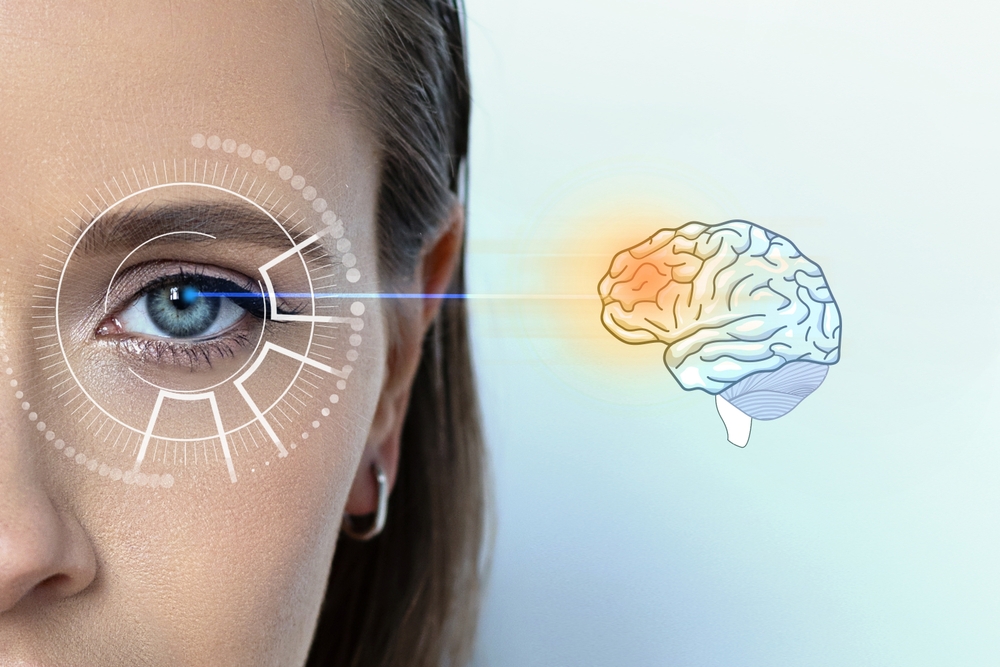
Particles containing lead, mercury, and cadmium can become airborne through construction, traffic, and industrial activity. These metals accumulate in brain tissue over time. Exposure is associated with irritability, memory problems, and emotional volatility. Pets exposed to contaminated dust often show neurological symptoms first.
Indoor dust acts as a reservoir for these pollutants. Regular cleaning doesn’t always remove the smallest particles. Behavioral symptoms emerge gradually, making them easy to dismiss. The brain, however, remembers long after exposure feels “minimal.”
11. Indoor Gas Appliances Are Emitting Behavior-Altering Pollutants

Gas stoves and heaters release nitrogen dioxide and other irritants into indoor air. These gases impair oxygen delivery and increase inflammation. Humans may experience brain fog or mood swings during prolonged exposure. Pets resting near floor-level appliances receive higher doses.
The connection between gas appliances and behavioral health is only recently gaining attention. Poor ventilation compounds the issue dramatically. Subtle changes accumulate into noticeable emotional strain. Air quality inside homes often matters more than what’s outside.
12. Wildfire Smoke Is Leaving Lasting Emotional Effects

Wildfire smoke contains a toxic mix of particulates and chemicals that penetrate indoor spaces. Even brief exposure has been linked to increased anxiety and depressive symptoms. Pets often show fear, agitation, or respiratory distress that lingers after skies clear. Emotional recovery can lag far behind physical symptoms.
Repeated smoke events appear to compound neurological stress. Humans report feeling “off” for weeks without clear cause. Pets may develop new behavioral sensitivities. The emotional footprint of wildfire smoke is deeper than previously understood.
13. Chronic Low-Level Exposure Is Changing Baseline Behavior
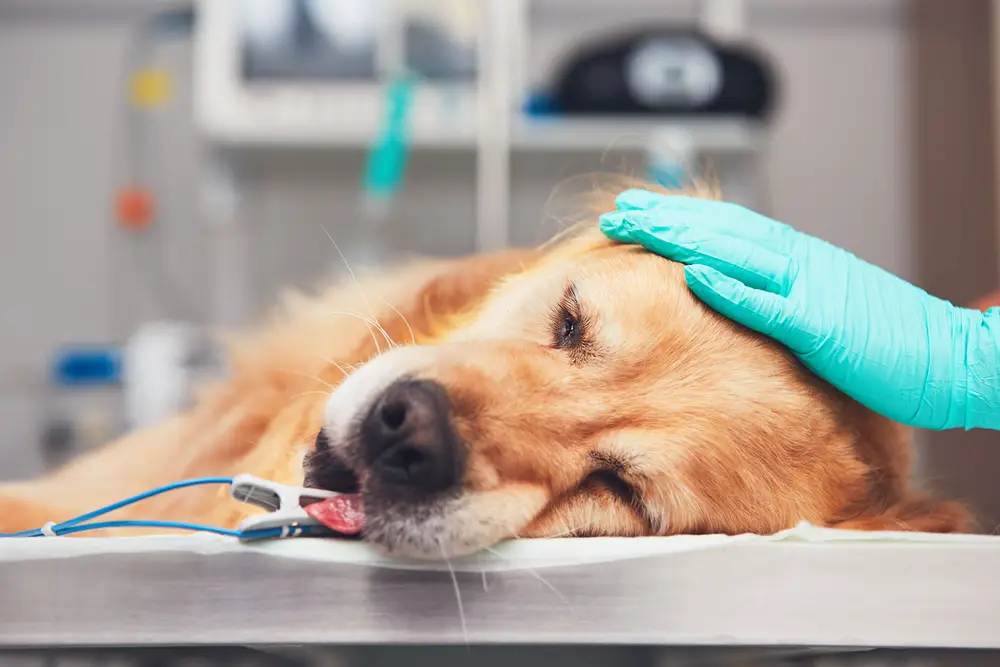
The most dangerous air pollutants aren’t dramatic—they’re constant. Chronic exposure slowly shifts what feels “normal” emotionally and behaviorally. Irritability, low-grade anxiety, and fatigue become baseline states. Pets adapt too, but often at the cost of long-term neurological health.
Because changes happen gradually, they’re rarely linked back to air quality. We adapt instead of questioning the environment. Pets, however, often break first, signaling something is wrong. Their behavior is the canary in the modern home.