
Nuclear planning isn’t science fiction — it’s a quiet, ongoing process embedded in government agencies around the world. While officials rarely discuss it publicly, emergency management experts, military planners, and disaster researchers have spent decades modeling what would happen if the unthinkable occurred. Understanding how governments actually prepare — and where those plans fall short — can replace panic with clarity. These are the realities experts say civilians should know before a crisis ever begins.
1. Nuclear Planning Assumes Confusion
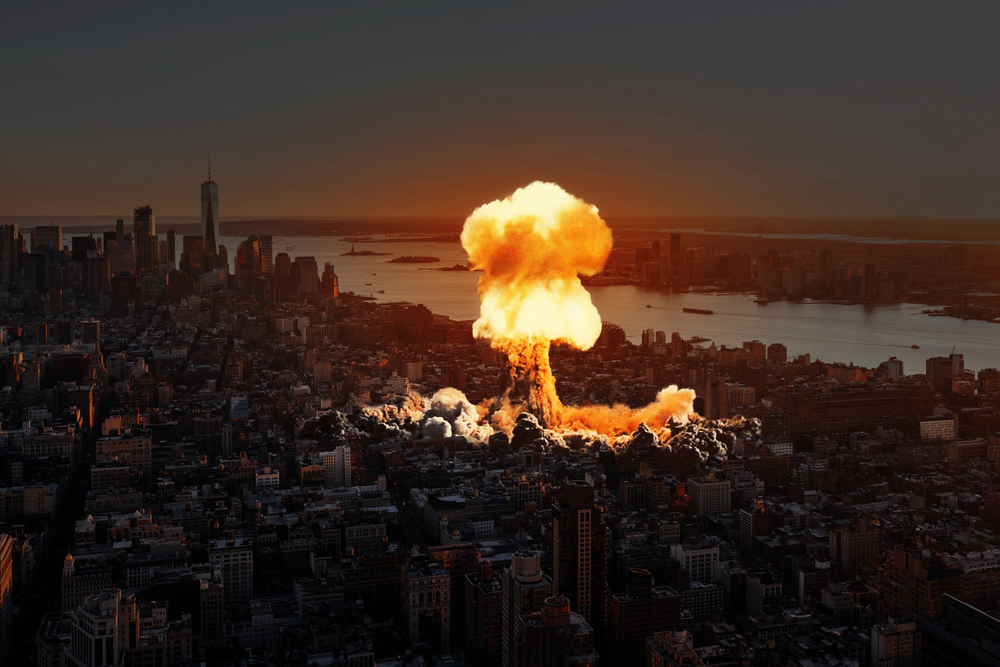
Emergency experts emphasize that no nuclear response plan assumes perfect execution. Most models expect misinformation, delayed communication, and fragmented authority in the first hours. Government playbooks prioritize damage limitation, not total order. Chaos is baked into the assumptions.
This is why redundancy is critical in planning documents. Multiple agencies are tasked with overlapping responsibilities. The goal is resilience, not precision. Understanding this helps civilians set realistic expectations.
2. Fallout Is Often a Bigger Threat Than the Blast
Experts note that radioactive fallout, not the initial explosion, causes most long-term harm. Fallout patterns depend heavily on wind, geography, and weather. This means danger zones are often unpredictable. Proximity alone doesn’t determine risk.
Emergency guidance focuses on sheltering in place rather than fleeing. Staying indoors dramatically reduces exposure. Many people misunderstand this and assume evacuation is always safer. In nuclear planning, stillness often saves lives.
3. Sheltering Works Better Than Most People Think

Government modeling shows that being inside a solid structure can reduce radiation exposure by up to 90 percent. Basements, interior rooms, and concrete buildings offer significant protection. This advice hasn’t changed in decades because it works. Panic-driven movement increases risk.
Emergency planners emphasize the importance of staying put for 24 to 48 hours. Radiation levels drop rapidly after initial fallout. Leaving too soon exposes people unnecessarily. Patience is a survival tool.
4. Communication Systems Are Designed to Be Imperfect
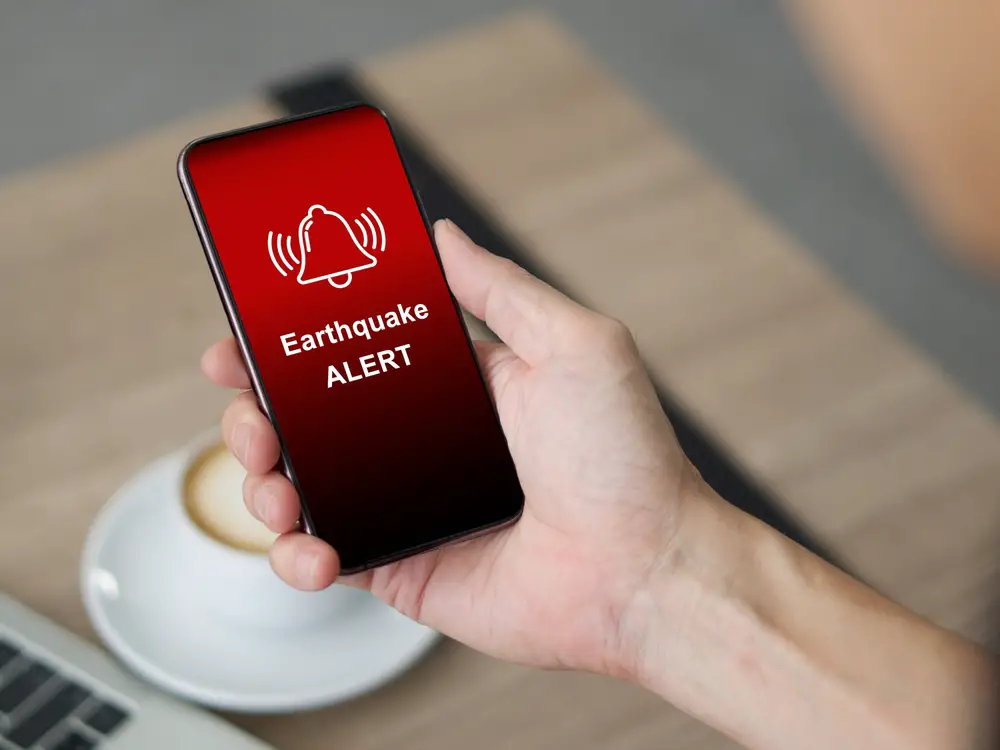
Officials assume cellular networks will be overloaded or partially down. Emergency alerts are staggered and prioritized. This means not everyone receives information simultaneously. Silence doesn’t always mean safety — or danger.
This is why governments still rely on radio broadcasts. Analog systems remain a cornerstone of emergency communication. Preparedness experts recommend battery-powered radios for this reason. Old tech saves lives.
5. Food and Water Safety Becomes a Major Issue Fast

Emergency playbooks place heavy emphasis on contamination risk. Fallout can compromise open water sources and exposed food supplies. Canned and sealed foods are prioritized in survival guidance. Agricultural disruption is expected.
Experts recommend avoiding fresh produce and exposed water initially. Government reserves include stockpiles for this exact scenario. Individual preparedness mirrors institutional planning. Sealed is safer.
6. Hospitals Plan for Triage, Not Care

Medical emergency frameworks assume hospitals will be overwhelmed. Triage protocols prioritize survivability over fairness. This is one of the most challenging realities of disaster medicine. Resources are finite.
Emergency planners emphasize basic first aid knowledge for civilians. Self-care and mutual aid reduce strain on systems. Communities become critical support networks. Preparedness is collective.
7. Evacuation Is a Secondary Strategy

Contrary to popular belief, evacuation is not the first recommendation. Movement increases exposure during fallout periods. Government plans focus on delayed, organized relocation. Timing matters more than distance.
Experts stress that evacuation orders come after radiation levels drop. Spontaneous flight causes traffic gridlock and exposure. Waiting can be safer than running. Nuclear planning is counterintuitive.
8. Power Restoration Is Not Immediate
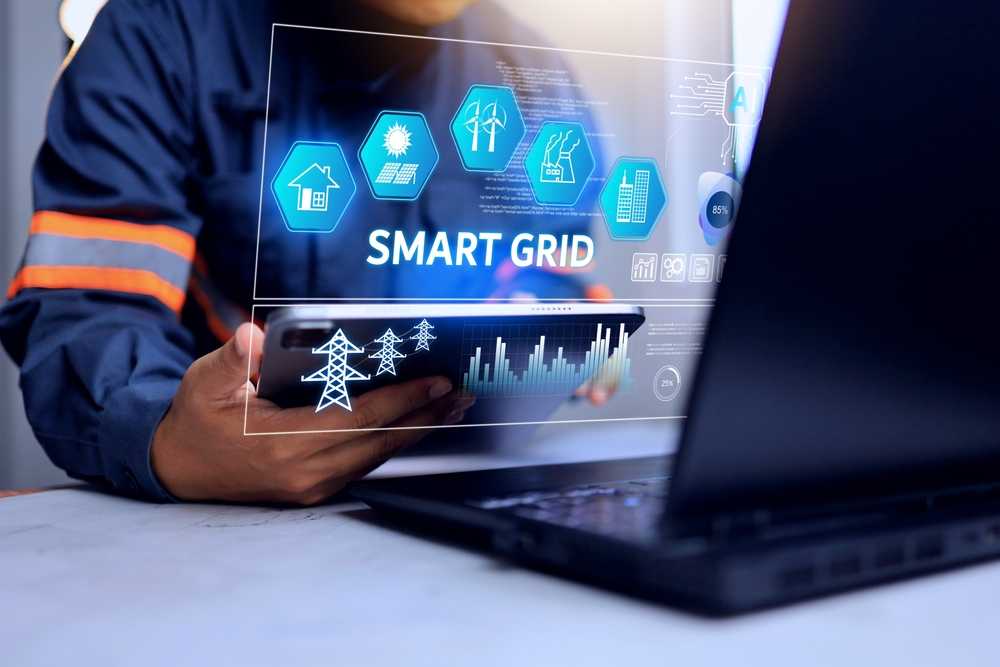
Emergency documents assume prolonged outages: grid damage, EMP effects, and infrastructure strain delay restoration. Backup systems prioritize critical services. Residential power is not first in line.
Planners advise civilians to prepare for days or weeks without electricity. Heat, refrigeration, and communication become challenges. Adaptability becomes essential. Modern life pauses quickly.
9. Government Continuity Plans Exist
Continuity of government planning focuses on leadership survival and command function. It does not guarantee smooth governance. Experts acknowledge gaps between theory and reality. Redundancy helps, but perfection is impossible.
These plans are not designed for public comfort. They are intended for institutional survival. Understanding this prevents misplaced trust. Civil resilience matters just as much.
10. Psychological Impact Is a Major Planning Factor

Emergency frameworks now include mental health response. Panic, trauma, and long-term stress are expected outcomes. Psychological first aid is part of modern disaster planning. Emotional resilience saves lives.
Experts emphasize routines, community connections, and clear information. Fear spreads faster than radiation. Managing it is crucial. Calm is protective.
11. International Coordination Is Fragile
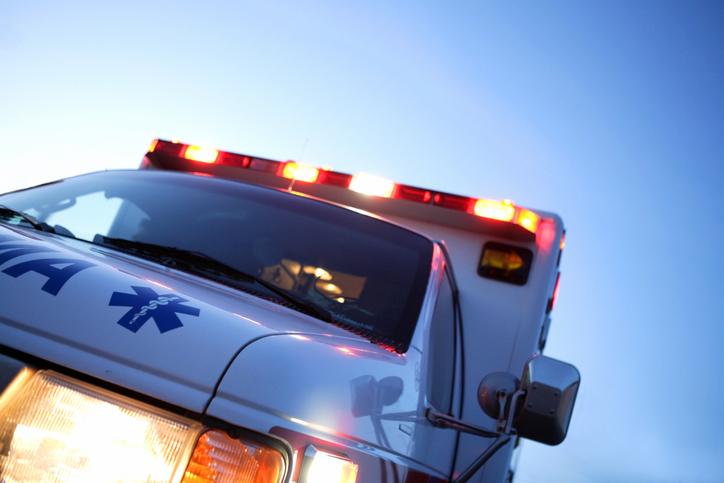
Global response frameworks exist, but are politically complex. Experts acknowledge coordination delays during crises. Diplomacy doesn’t move at emergency speed. Assumptions of instant cooperation are unrealistic.
This uncertainty affects aid, evacuation, and information sharing. Preparedness must assume limited outside help initially—self-sufficiency matters. Reality is uneven.
12. Recovery Planning Starts Immediately
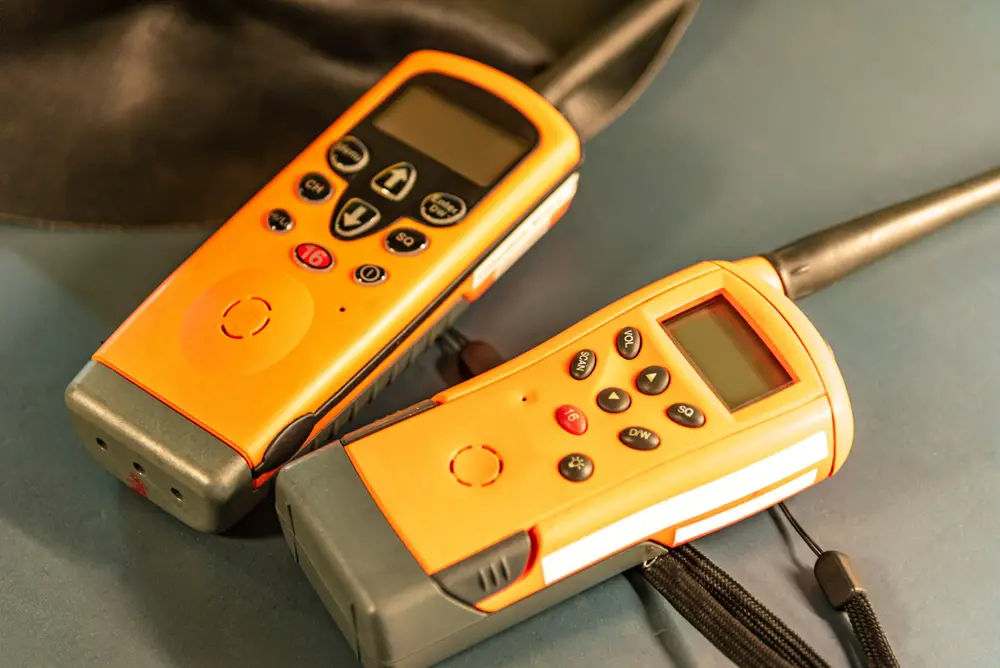
Emergency playbooks don’t end at survival. Recovery modeling begins within hours. Infrastructure repair, displacement, and long-term health monitoring are anticipated. Recovery is a decades-long process.
Experts stress that survival is only the first chapter. Societal rebuilding defines outcomes. Preparedness includes psychological endurance. The aftermath matters.
13. Preparedness Is About Knowledge, Not Fear
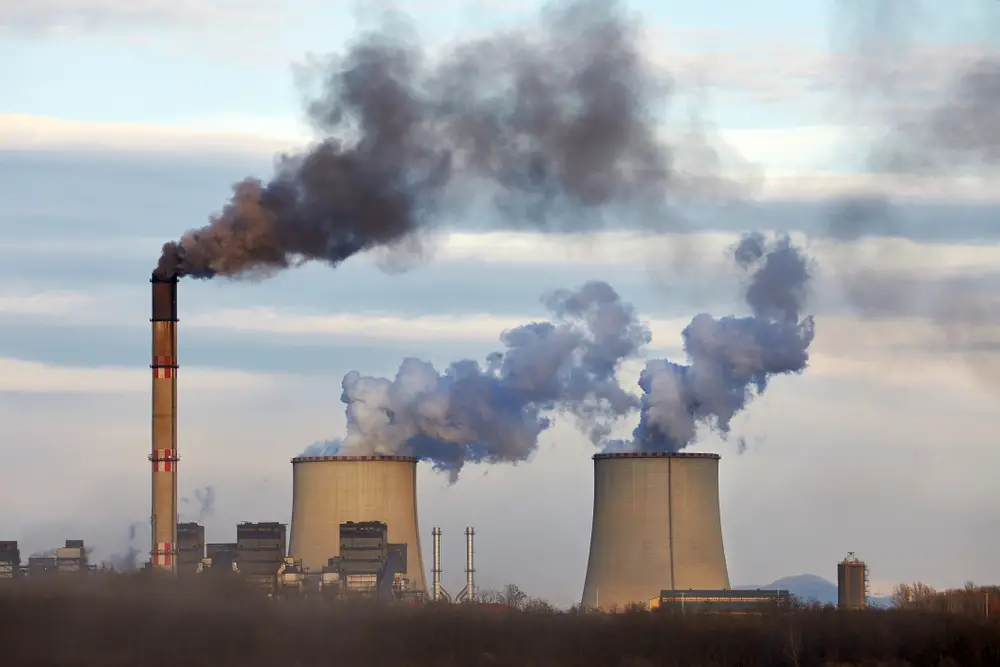
Experts consistently emphasize that informed people fare better. Panic worsens outcomes. Education improves survival rates. Understanding plans reduces anxiety.
Preparedness isn’t about doom — it’s about agency. Knowing what to expect changes behavior. Calm people make better decisions. That’s the core of every emergency playbook.