
Dog names reveal more about their owners than most people realize—specifically, they signal whether the person naming the dog views themselves as the authority or whether they’re already deferring to the animal before it even arrives home. Confident, alpha-type owners choose names that establish hierarchy, maintain control, and reflect seriousness about training and boundaries. Meanwhile, people who are going to let their dogs walk all over them announce it immediately through names that anthropomorphize, infantilize, or treat the animal like a furry human baby deserving equal or superior status in the household.
1. Human Names Like “Kevin” or “Susan”
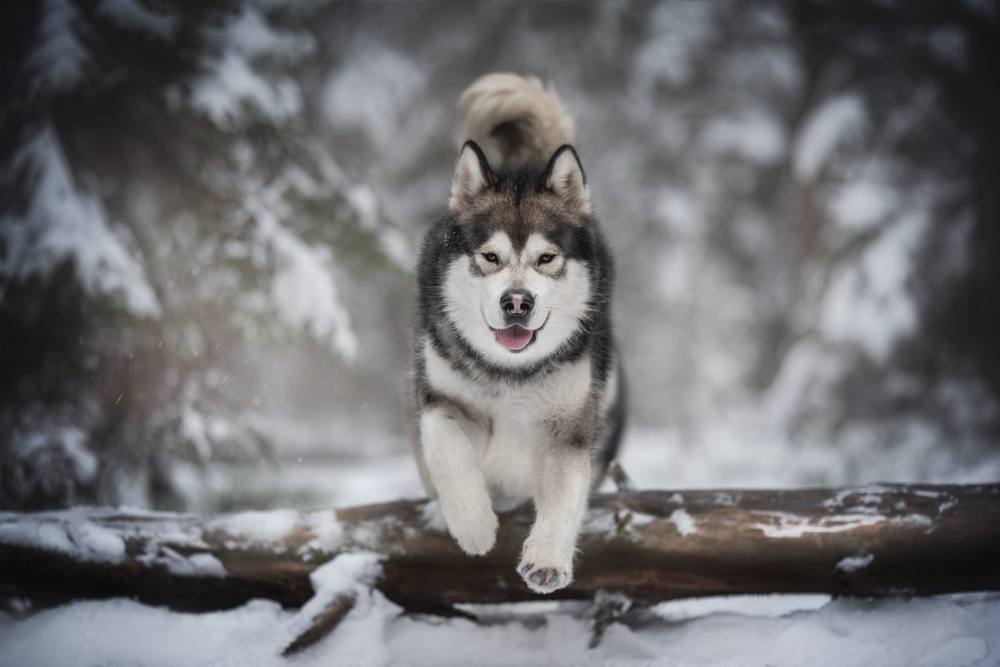
Giving your dog a full human name—especially a formal one like Margaret, Gerald, or Theodore—immediately signals that you view this animal as a peer rather than a pet. Alpha owners understand the distinction between beloved family member and actual human, keeping those categories appropriately separate.
When you’re calling “Jonathan, get down from the counter” instead of a proper dog name, you’ve already established that this relationship will be one between equals, and spoiler alert: the dog is going to win that power struggle.
2. Food Names Like “Muffin” or “Peanut”
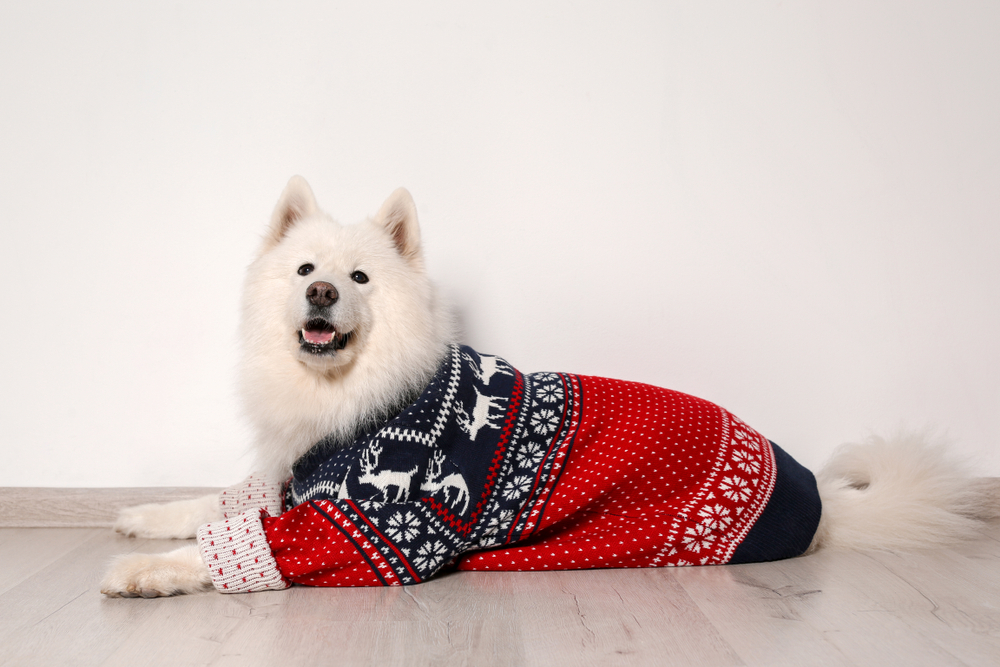
Cutesy food names—Cupcake, Biscuit, Noodles, Pickles—broadcast that you think your dog is an adorable snack rather than an animal that needs boundaries and structure. These names are infantilizing, keeping the dog permanently in puppy status rather than maturing into a well-behaved adult animal.
Alpha owners choose names with presence and authority, not names that make everyone at the dog park roll their eyes while your “Waffles” jumps on strangers and ignores every command.
3. Royal Titles They Haven’t Earned Like “King” or “Princess”
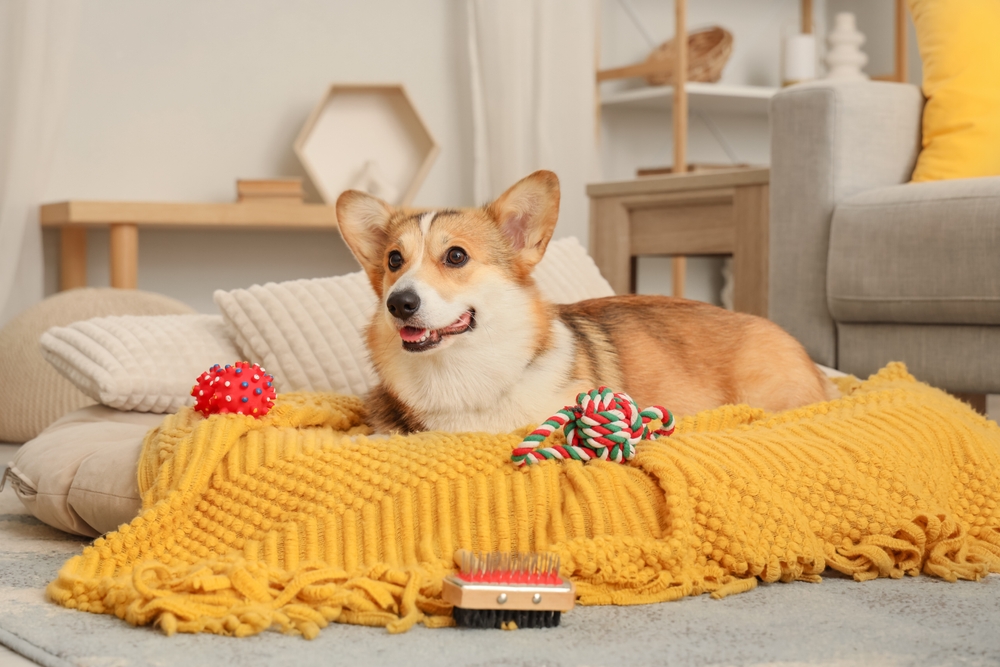
Nothing announces future behavioral problems quite like naming your dog Duke, King, Princess, or Duchess before they’ve done anything to deserve status. These names literally establish the dog as royalty in the household hierarchy, programming both you and the dog to believe they’re entitled to special treatment and deference.
Alpha owners understand that respect is earned through training and boundaries, not automatically granted through a presumptuous name that elevates the animal above the humans who are supposed to be leading.
4. Overused Basic Names Like “Bella” or “Max”

The most popular dog names—Bella, Max, Luna, Charlie, Cooper—signal someone who put zero creative thought into naming and likely puts zero disciplined thought into training. These names are the participation trophy of dog ownership, chosen because they’re safe, easy, and require no personality or decisiveness.
Alpha owners put actual consideration into naming, choosing something distinctive that reflects their standards and expectations, not whatever topped the BuzzFeed list of most common dog names that year.
5. Baby Talk Versions Like “Puppers” or “Doggo”

Actually naming your dog something like Pupper, Doggo, or Pupperoni announces that you exist permanently in baby-talk mode with this animal. These internet-speak names guarantee that you’re the type of owner who will never use a normal voice or establish adult boundaries with your dog.
Alpha owners communicate clearly and seriously with their animals, and that starts with a name that can be said with authority rather than one that forces you into cutesy nonsense every time you need to give a command.
6. Celebrity or Pop Culture Names Like “Khaleesi”
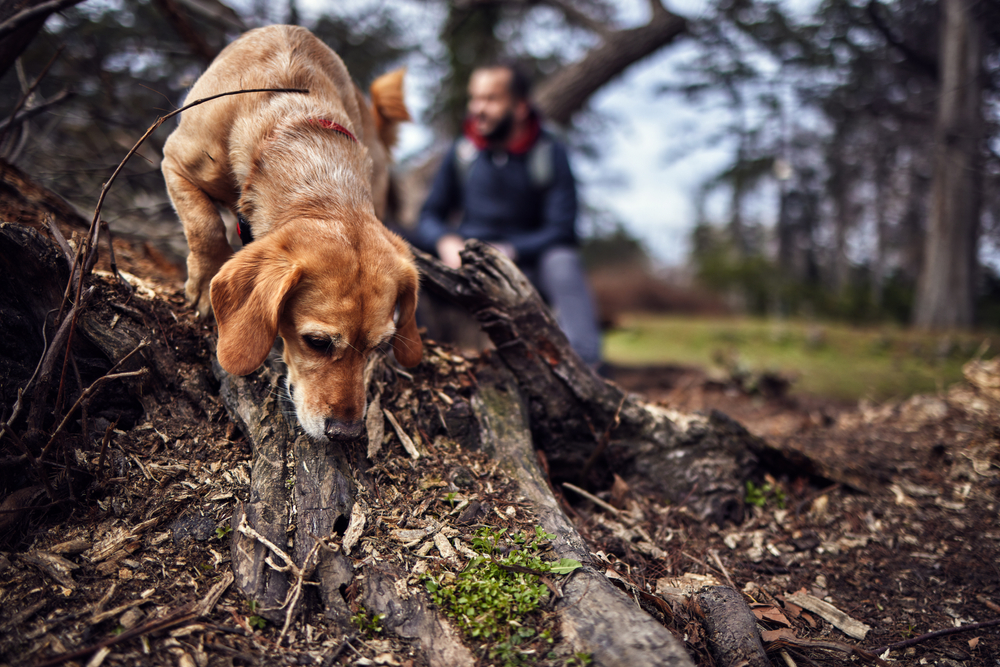
Naming your dog after Game of Thrones characters, Marvel heroes, or whatever show is trending reveals someone who makes important decisions based on fleeting entertainment rather than lasting principles. These names date themselves immediately and signal that the owner prioritizes being current and relatable over being effective and authoritative.
Alpha owners choose timeless names with meaning, not references that will feel embarrassing in five years when you’re still calling “Kylo Ren, stop eating garbage” at the dog park.
7. Ironic Size Names Like “Tiny” for Huge Dogs
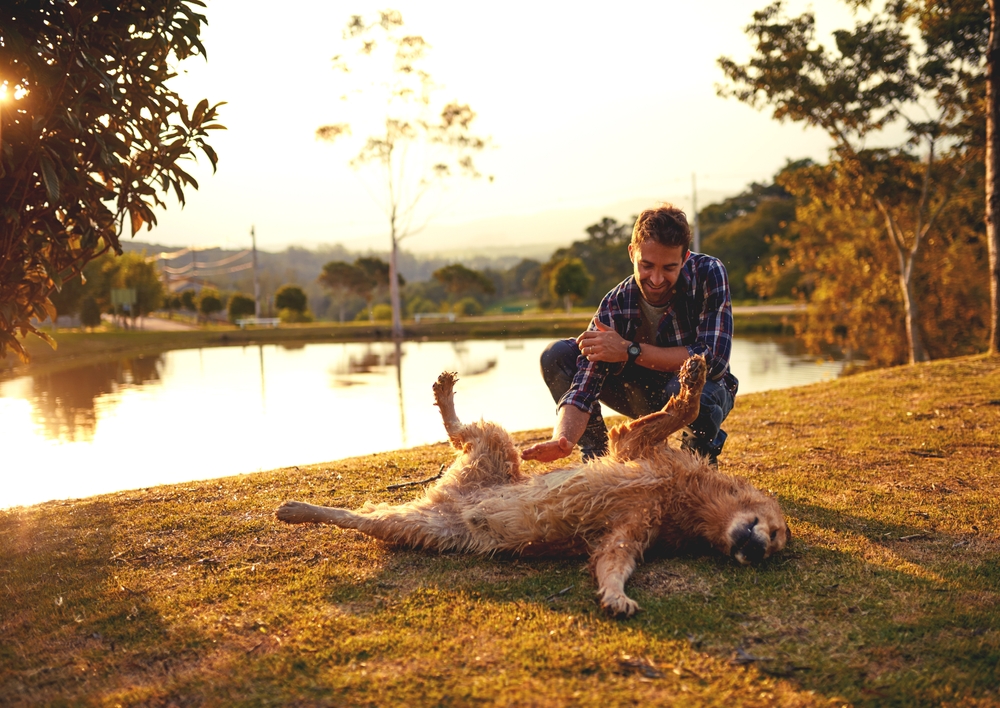
Giving your Great Dane a name like Tiny or your Chihuahua a name like Hercules might seem clever, but it actually signals that you don’t take the animal seriously. These joke names establish from day one that this is all just fun and games rather than a relationship with structure and respect.
Alpha owners understand that your dog’s name sets the tone for how seriously both you and the dog take training, commands, and behavioral expectations, and jokes undermine that foundation.
8. Multiple-Syllable Complicated Names

Naming your dog something like “Alexander the Great” or “Sir Barksalot” creates a name that’s impossible to use effectively for commands and training. Three-plus syllable names or names with titles don’t work in real-world situations where you need quick, clear communication.
Alpha owners choose one or two syllable names that cut through noise and confusion, allowing for effective training and immediate response, not names that require a full introduction before the dog can process what you’re saying.
9. Names With “Mr.” or “Mrs.” Prefixes
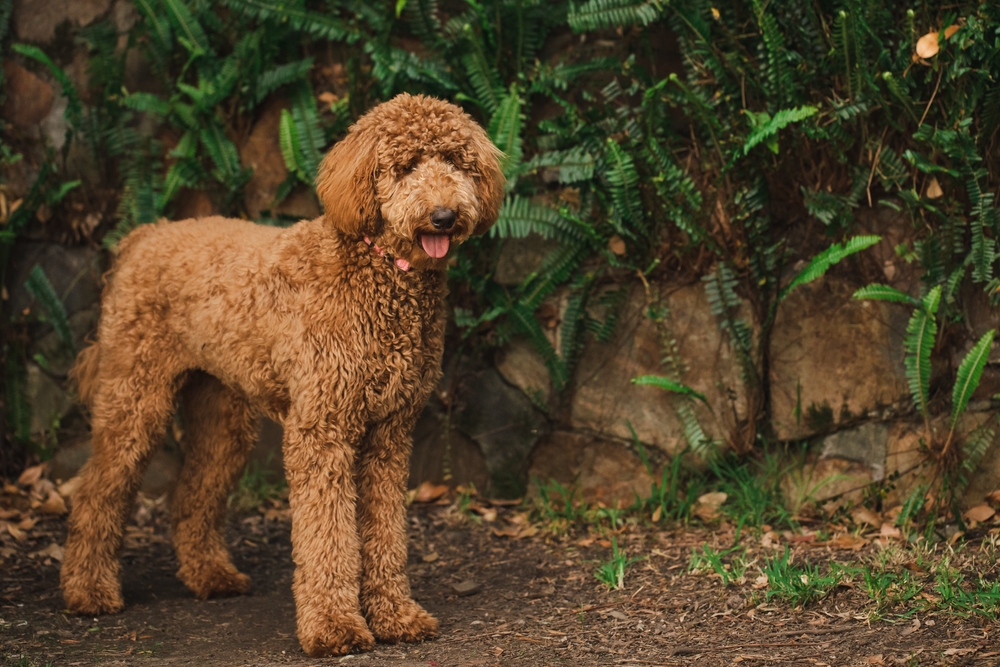
Adding formal titles like Mr. Pickles, Mrs. Fluffington, or Sir Waggington treats your dog like a distinguished person deserving of honorifics and deference. This naming convention immediately establishes the dog as an authority figure in the relationship rather than an animal under your leadership.
Alpha owners don’t give their dogs titles that humans earn through accomplishment; they give them straightforward names that can be delivered with authority when needed, not names that force you to show verbal respect to a creature that should be respecting you.
10. Spelled-Wrong Trendy Names Like “Topher” Instead of “Tofer”

Intentionally misspelling names or using alternate spellings like Finnley instead of Finley reveals someone who overthinks unimportant details while probably underthinking actual training. These precious naming choices signal owners who care more about appearing unique or clever than about effectiveness and clarity.
Alpha owners don’t waste energy on performative uniqueness in spelling; they focus that energy on consistent training and clear boundaries that create well-behaved dogs regardless of whether the name is spelled conventionally or not.
11. Names Ending in “-y” or “-ie”
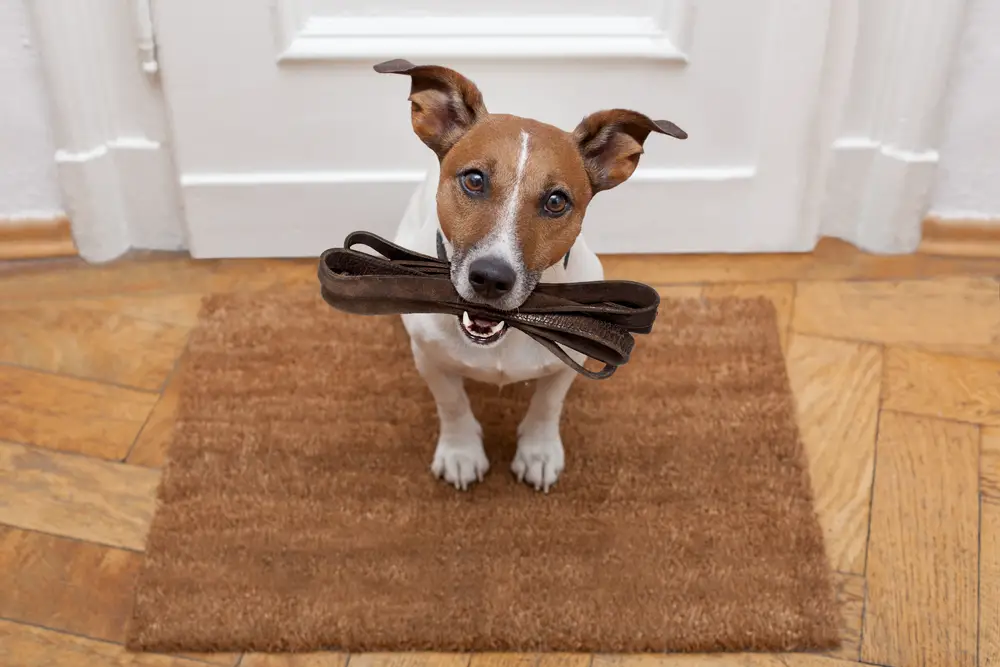
Names like Fluffy, Buddy, Daisy, or Charlie keep dogs linguistically infantilized with the same endings used for human babies and toddlers. These diminutive endings create permanent puppy status psychologically, making it harder to establish adult boundaries and expectations.
Alpha owners choose strong names that can be delivered with authority—names like Ace, Duke, or Bear that carry weight and can be commanded sharply when needed, not sing-song baby names that encourage permanent immaturity.
12. Descriptive Names Like “Spot” or “Brownie”
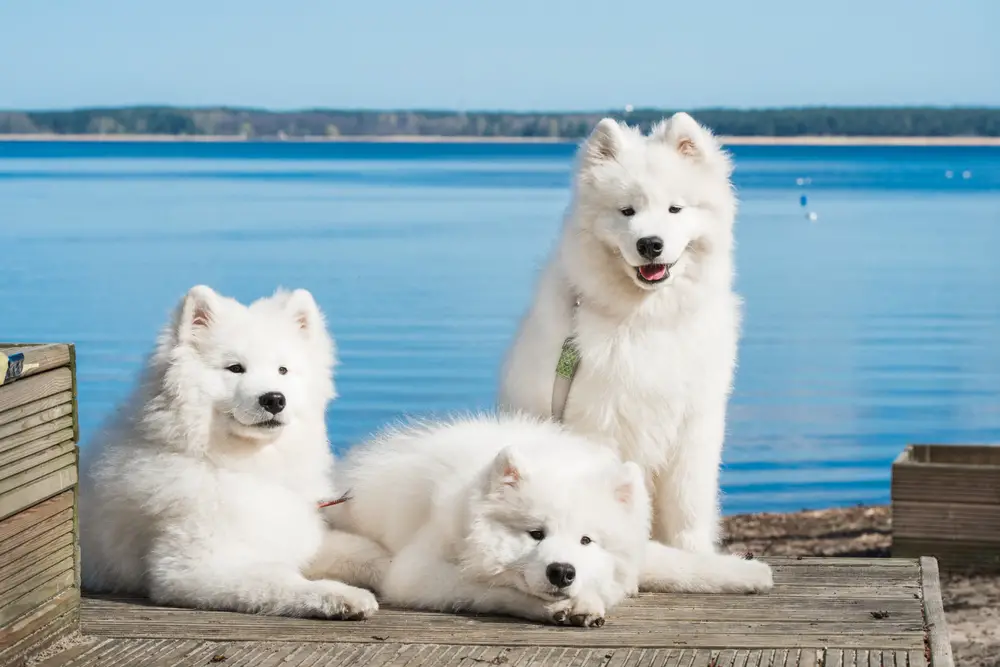
Naming your dog after their most obvious physical characteristic—Spot, Whitey, Brownie, Blackie—signals a complete lack of imagination and likely a similar lack of effort in training. These lazy names suggest someone who takes the path of least resistance in everything, including establishing structure and discipline.
Alpha owners put thought into naming as the first step of establishing a relationship, choosing names that reflect character and expectations rather than just pointing out what color the dog happens to be.
13. Nickname Names Like “Buddy” or “Pal”

Names like Buddy, Pal, or Friend establish a peer relationship rather than a leader-follower dynamic from the very start. These names literally announce that you view this dog as your equal companion rather than an animal under your guidance and authority.
Alpha owners understand that you can love your dog deeply while maintaining hierarchical clarity, choosing names that allow for both affection and authority rather than names that erase any possibility of leadership from day one.
14. Hybrid Human-Dog Names Like “Fur-dinand”
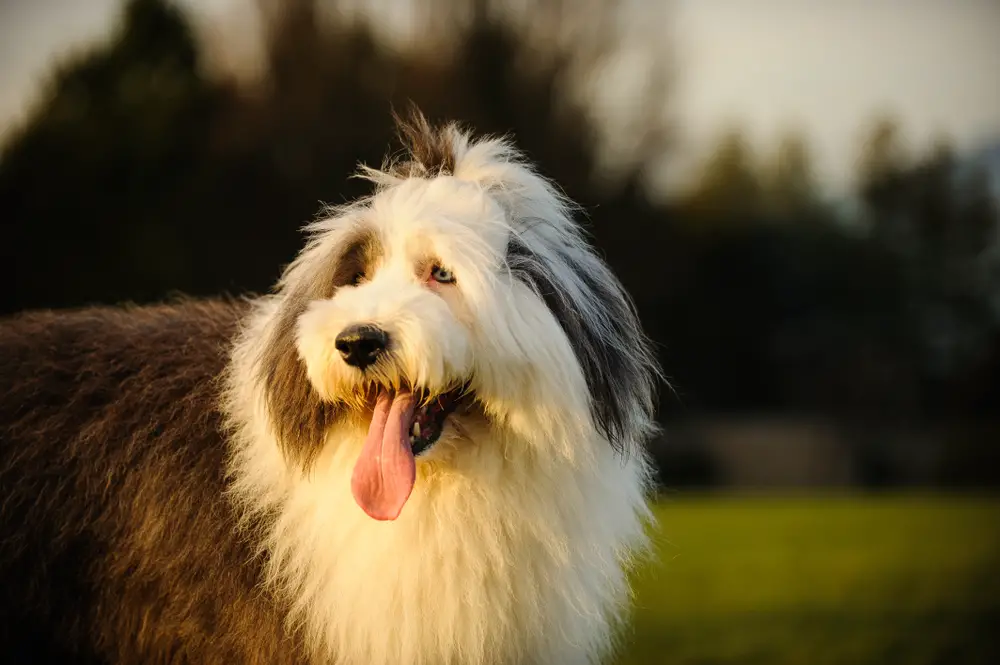
Pun names combining human names with dog characteristics—Bark Twain, Sherlock Bones, Chewbacca, Fur-dinand—announce that you think you’re hilarious and probably prioritize entertaining yourself over effective dog ownership. These joke names make it impossible to deliver commands with seriousness and authority when needed.
Alpha owners save the jokes for their social media captions and choose actual functional names that work in real situations, like when your dog is running toward traffic and you need them to stop immediately, not pause to appreciate your clever wordplay.
15. Designer Breed Names Like “Doodle” or “Poo”
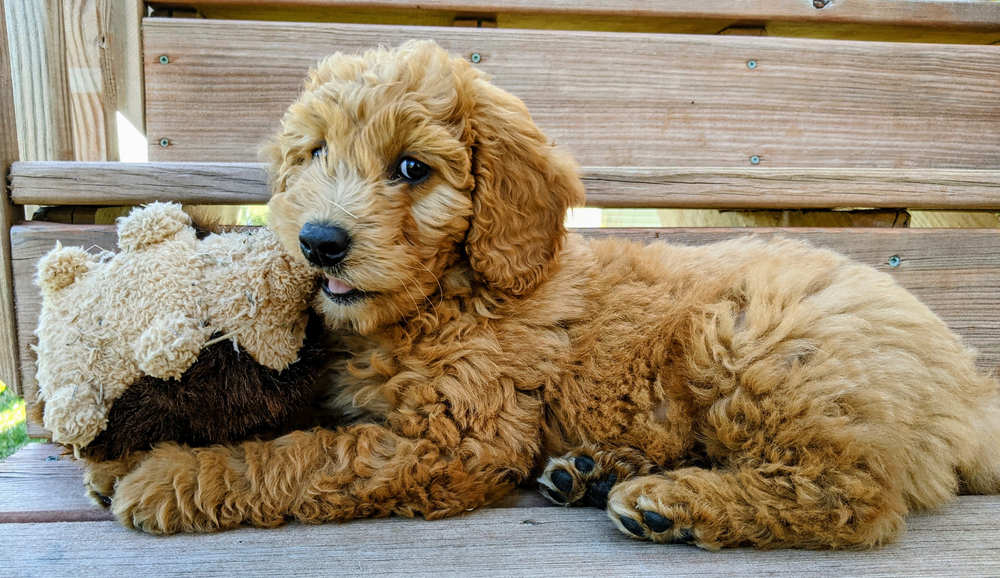
Incorporating the designer breed name into the dog’s actual name—calling your Goldendoodle “Doodle” or your Cockapoo “Poo”—signals someone who bought the dog as a status symbol and accessory. These names reduce the animal to their expensive breeding rather than their individual character, revealing owners who value what the dog represents over who the dog actually is.
Alpha owners choose names based on the individual animal’s personality and potential, not names that broadcast how much they paid or what trendy designer mix they purchased, because they understand that good training and strong leadership matter infinitely more than fashionable genetics.