
For decades, climate change was framed as a slow-burning future problem. In 2025, that illusion shattered. Scientists now warn that methane—not carbon dioxide—is pushing Earth toward irreversible tipping points faster than models predicted. What’s happening feels eerily similar to the moment humanity realized the ozone layer was collapsing—except this time, the clock is moving far faster.
1. The Arctic Has Started Releasing Ancient Methane
The Arctic is no longer acting as a frozen carbon vault. In 2025, large sections of permafrost began thawing at rates that shocked climate researchers, releasing methane that had been locked underground for tens of thousands of years. Scientists describe this release not as a leak, but as a structural failure of Earth’s climate system. Once thaw begins at scale, there is no known method to stop it.
According to the World Meteorological Organization’s 2025 greenhouse gas bulletin, methane concentrations reached levels described as “uncharted.” Researchers warned that permafrost thaw has entered a self-reinforcing loop, where warming accelerates emissions, which then cause further warming. Delegates at COP30 reportedly referred to the Arctic as a “carbon time bomb” no longer under human control. The psychological shift was immediate: this was no longer about prevention, but containment.
2. Methane’s Short-Term Impact Is Terrifyingly Powerful
Methane doesn’t linger in the atmosphere as long as carbon dioxide, but its short-term heat-trapping power is extreme. Over a 20-year period, methane traps roughly 80 times more heat than COâ‚‚. That means a single leak today can do the same climate damage as years of fossil fuel emissions. This compresses the timeline for action from decades to mere years.
Scientists now describe methane reduction as the planet’s only remaining “emergency brake.” If methane emissions are not sharply reduced this decade, long-term climate targets become mathematically unreachable. The danger is not just warming—it’s speed. Climate systems fail not when change happens, but when it happens too fast to adapt.
3. Global Methane Promises Are Collapsing Under Scrutiny

In 2025, the first comprehensive Global Methane Status Report revealed a sobering reality. Despite over 150 countries signing pledges to cut methane emissions by 30 percent, real-world emissions are still climbing. Analysts found that current policies would achieve less than a third of promised reductions. The gap between rhetoric and reality is widening.
The United Nations Environment Programme described the situation as a “credibility crisis.” Researchers emphasized that methane mitigation technologies already exist, but enforcement is weak and industry resistance remains strong. Governments were urged to move from voluntary pledges to binding regulations. The failure to act decisively has become a diplomatic embarrassment.
4. Natural Gas Has Lost Its “Clean Energy” Status
For years, natural gas was marketed as a climate-friendly alternative to coal. In 2025, that narrative collapsed under satellite evidence showing massive methane leakage across extraction, transport, and storage systems. Even small leaks negate any climate advantage gas once claimed. The “bridge fuel” argument no longer holds.
Energy analysts now say the bridge never truly existed. The world is left with a stark choice between rapid electrification or accelerating climate damage. Policymakers quietly began distancing themselves from gas investments. What was once a climate compromise is now viewed as a liability.
5. Agriculture Has Become the Hardest Methane Problem to Solve
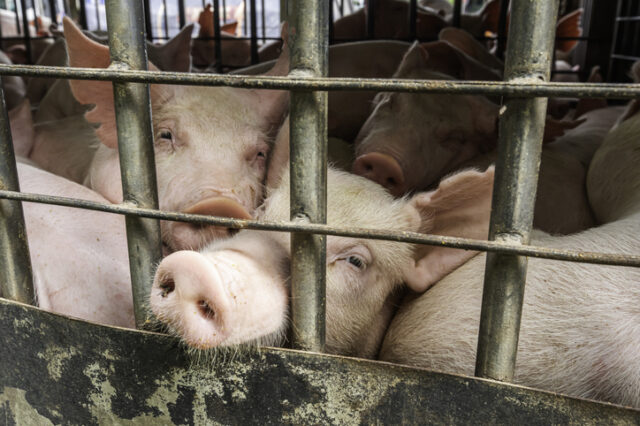
Livestock methane emissions remain stubbornly high, driven largely by industrial cattle farming. With over a billion cows globally, agriculture has become the largest human-generated methane source. Unlike pipelines, animals cannot simply be “repaired.” This has turned food systems into the most politically sensitive climate battleground.
UNEP’s 2025 analysis labeled agricultural methane the “least tractable” emissions sector. Researchers concluded that feed additives and efficiency tweaks cannot scale fast enough to offset rising meat demand. Climate experts increasingly argue that dietary shifts are now a climate necessity, not a personal preference. Governments were warned that continuing livestock subsidies undermines every climate pledge made.
6. Satellites Have Ended Climate Secrecy
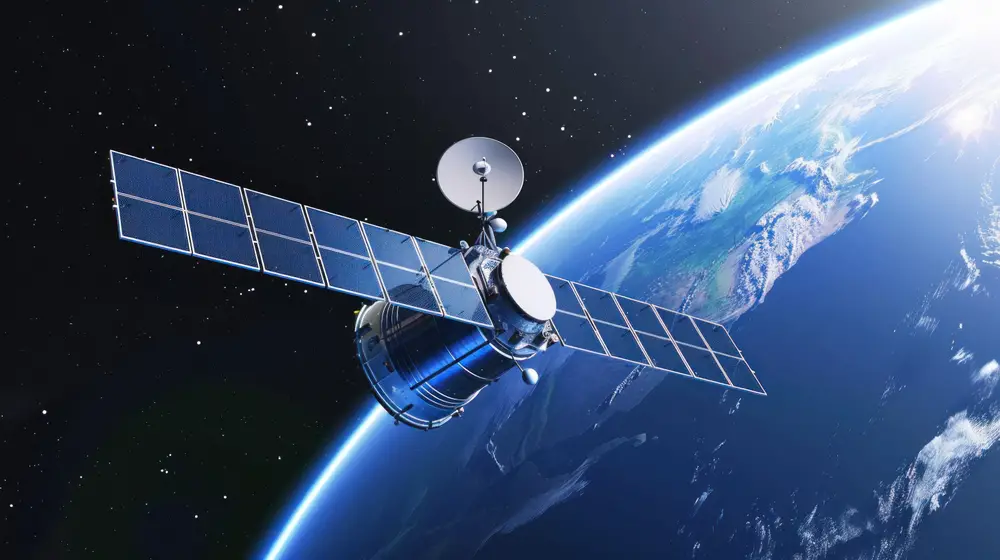
New satellite networks now detect methane leaks in near real time. Individual facilities, pipelines, and landfills can be identified from space. This has ended decades of plausible deniability for major emitters. Polluters are no longer hidden inside averages and estimates.
This radical transparency has shifted power away from corporations and toward regulators and the public. Environmental agencies can now trace emissions back to specific actors. The result is growing legal and financial exposure for major polluters. Climate accountability has entered a new era.
7. Ocean Methane Hydrates Are the Ultimate Tipping Point

Beneath the ocean floor lies a vast reserve of frozen methane known as hydrates. These deposits remain stable only under cold temperatures and high pressure. In 2025, record ocean heat triggered early warning signs of hydrate destabilization. Scientists describe this as the most dangerous feedback loop imaginable.
Marine geologists and climate modelers warn that large-scale hydrate release could trigger runaway warming. Research institutions tracking ocean temperatures reported increased methane plumes near continental shelves. Once destabilized, these systems cannot be refrozen on human timescales. This scenario is often referred to as the planet’s “point of no return.”
8. Methane Is Quietly Driving a Public Health Crisis

Methane itself is not toxic, but its presence worsens ground-level ozone formation. This directly contributes to respiratory disease, cardiovascular stress, and premature deaths. Hospitals in high-ozone regions reported increased admissions during extreme heat events. The health toll is no longer theoretical.
Public health experts now link methane emissions to rising healthcare costs. Vulnerable populations are disproportionately affected, especially children and the elderly. Climate change is no longer framed as an environmental issue alone. It is increasingly recognized as a public health emergency.
9. “Blue Carbon” Offsets Are Being Re-Evaluated

Coastal ecosystems like mangroves and seagrass were once promoted as methane-neutral climate solutions. In 2025, new data complicated that narrative. Some blue carbon systems were found to emit methane under certain conditions. This has raised questions about overreliance on offsets.
Scientists caution that offsets cannot replace direct emissions cuts. Ecosystem protection remains critical, but it cannot compensate for unchecked fossil fuel use. Policymakers are being urged to stop using offsets as political cover. The climate math no longer supports shortcuts.
10. The “30 by 30” Window Is Rapidly Closing
Global targets aimed at cutting methane by 30 percent by 2030 now face a brutal timeline. In 2025, analysts calculated that fewer than 1,500 days remain to achieve meaningful reductions. Delays compound rapidly because methane’s impact is immediate. Every missed year has exponential consequences.
Climate strategists describe the next five years as decisive. If reductions do not accelerate immediately, targets become unreachable. This has shifted climate planning from gradualism to emergency mode. The margin for error is gone.
11. The Arctic’s Reflective Shield Is Disappearing
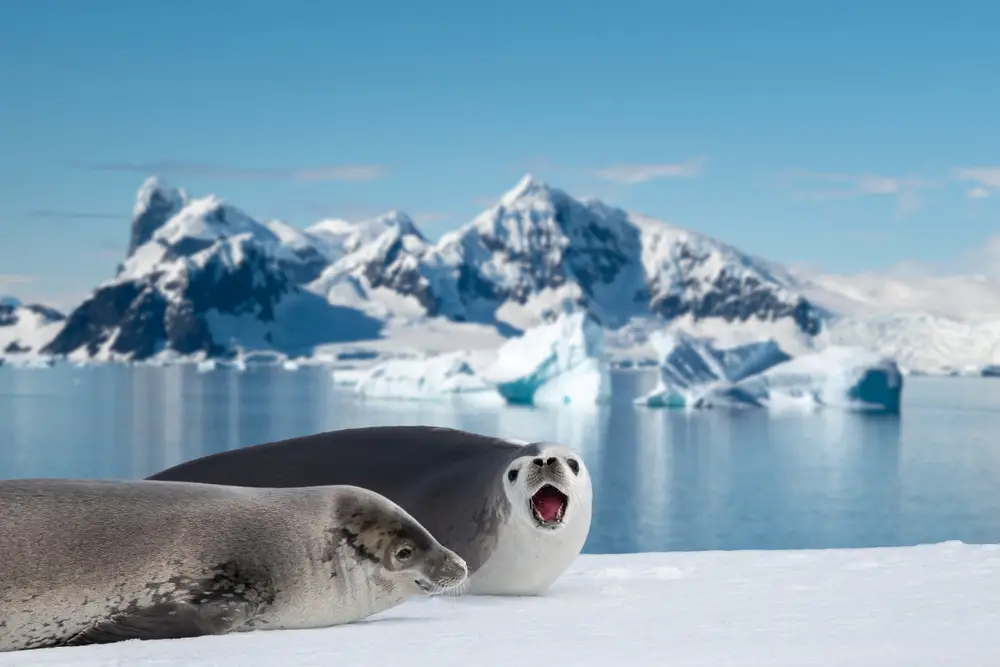
Ice and snow reflect sunlight back into space, cooling the planet. As Arctic ice melts, darker land and ocean absorb more heat. This “albedo effect” loss accelerates warming far beyond initial projections. It acts as a climate amplifier.
Researchers tracking Arctic temperatures report feedback loops intensifying faster than models predicted. The loss of reflectivity magnifies methane release from thawing ground. Scientists warn that this is one of the most underestimated drivers of rapid warming. The Arctic is no longer a stabilizer—it’s a multiplier.
12. Climate Migration Is Already Being Fueled by Methane

Methane-driven warming intensifies droughts, floods, and crop failures. These disruptions are pushing communities to relocate, often with little warning. Migration pressures are increasing across vulnerable regions. Governments are struggling to adapt.
Security analysts now frame climate migration as a geopolitical risk. Resource scarcity and displacement destabilize regions quickly. Methane’s role in accelerating these impacts is becoming clearer. The human consequences are unfolding in real time.
13. The Choice Is No Longer Abstract
In 2025, climate policy crossed a psychological threshold. The question is no longer whether change will happen, but how chaotic it will be. Scientists now openly discuss “Hothouse Earth” scenarios once considered fringe. The language has hardened because the data has.
World leaders face a binary choice: rapid decarbonization or irreversible planetary change. There is no gradual middle path left. This is the defining climate moment of the century. And unlike the ozone crisis, the window to act is terrifyingly short.