
Blood is supposed to be red—until nature decides it doesn’t have to be. Across oceans, forests, and underground habitats, evolution has quietly experimented with entirely different solutions for moving oxygen through the body. Some animals rely on copper instead of iron, others circulate pigments that would be toxic to most species, and a few use proteins so rare they still confuse biologists. These strange blood colors aren’t evolutionary quirks—they’re precision tools shaped by extreme environments, low oxygen levels, and survival pressures most animals could never tolerate. Here’s why these 13 animals evolved blue, green, or purple blood—and what it reveals about how life adapts when the rules change.
1. Horseshoe Crabs
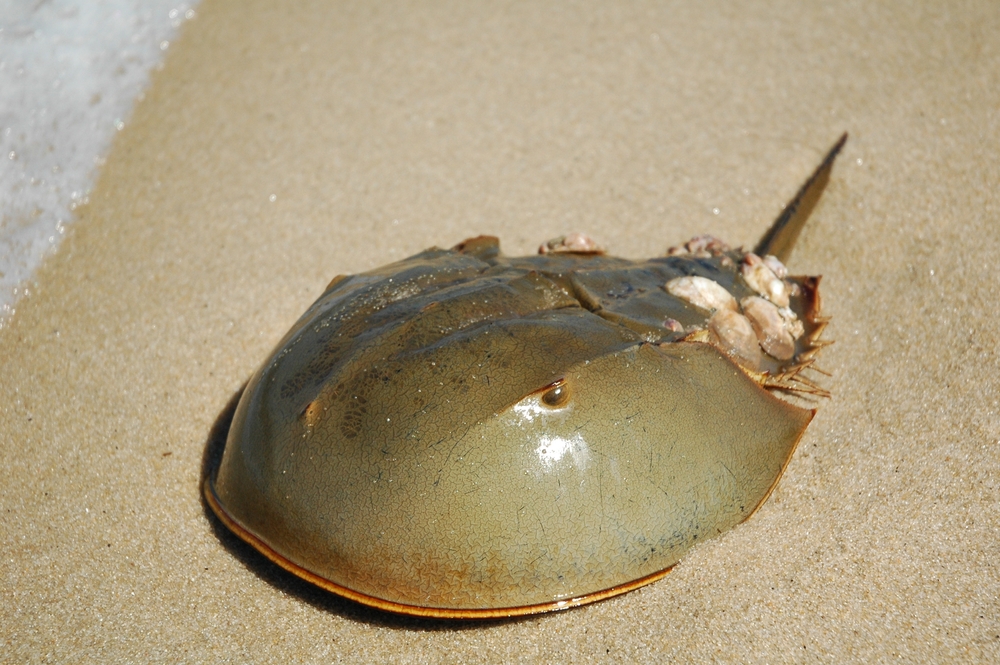
Horseshoe crabs have blue blood because their oxygen-carrying molecule is hemocyanin, which uses copper instead of iron. When exposed to oxygen, copper turns blue, giving their blood its striking color. This adaptation works efficiently in cold, low-oxygen marine environments where iron-based hemoglobin would be less effective. It’s a biochemical solution shaped by hundreds of millions of years of ocean survival.
Their blood is so sensitive to bacterial toxins that it’s harvested for medical safety testing worldwide. Even trace contamination causes it to clot instantly. This makes horseshoe crabs essential to modern medicine, despite their ancient, almost alien appearance. Their blue blood isn’t decorative—it’s defensive chemistry perfected over time.
2. Octopuses
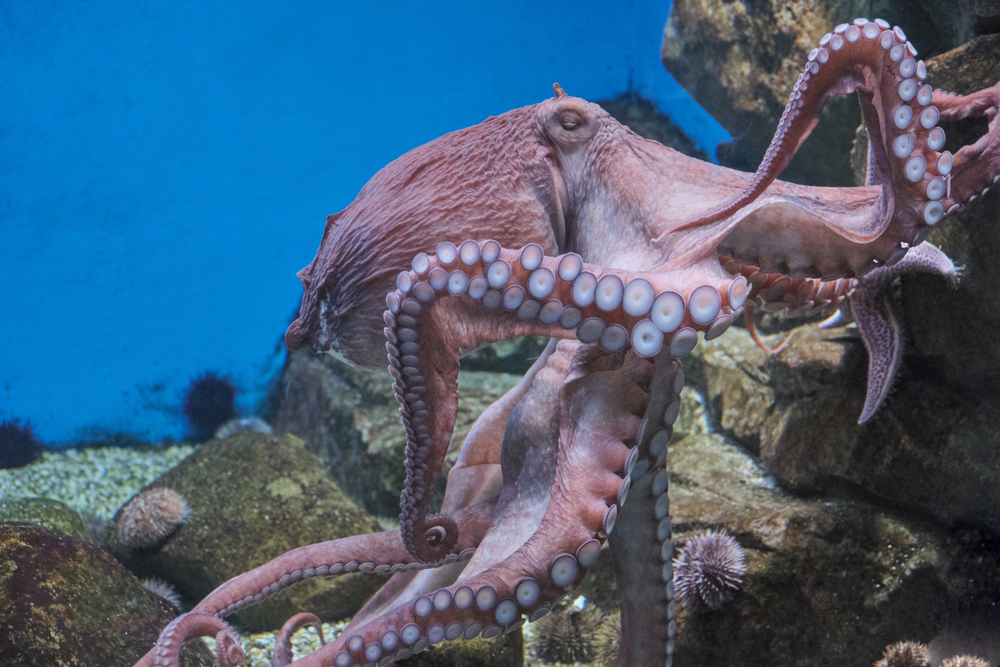
Octopus blood is blue for the same copper-based reason, but with a different evolutionary purpose. Cold, deep waters limit oxygen availability, and hemocyanin binds oxygen more effectively under those conditions. This allows octopuses to stay active where other animals would struggle. Their blood chemistry supports their high-energy, problem-solving lifestyle.
However, hemocyanin becomes inefficient in warmer temperatures, which is why octopuses are extremely sensitive to heat stress. As oceans warm, their blue blood becomes a vulnerability rather than an advantage. What once enabled intelligence and agility now ties their survival closely to climate stability.
3. Squid
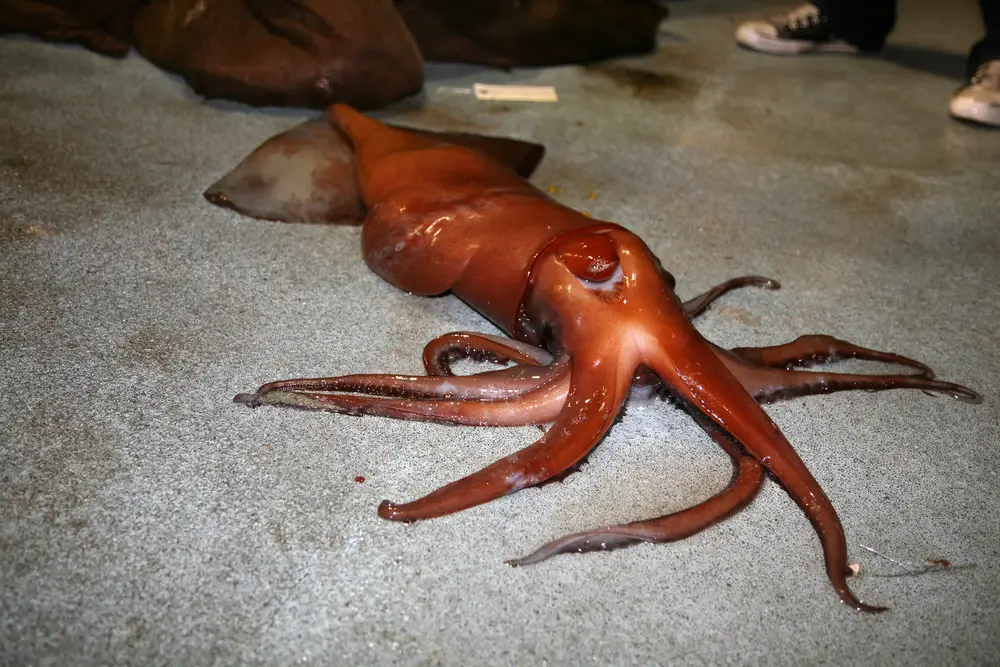
Squid also rely on hemocyanin, but their version is optimized for rapid bursts of movement. Jet propulsion requires sudden oxygen delivery to powerful muscles. Blue blood allows squid to function in deep, oxygen-poor zones while still escaping predators at speed. It’s a trade-off between endurance and explosive motion.
This adaptation supports their short but intense lifespans. Squid live fast, grow quickly, and die young, all fueled by a circulatory system built for efficiency under pressure. Their blood chemistry matches their high-risk survival strategy.
4. Spiders
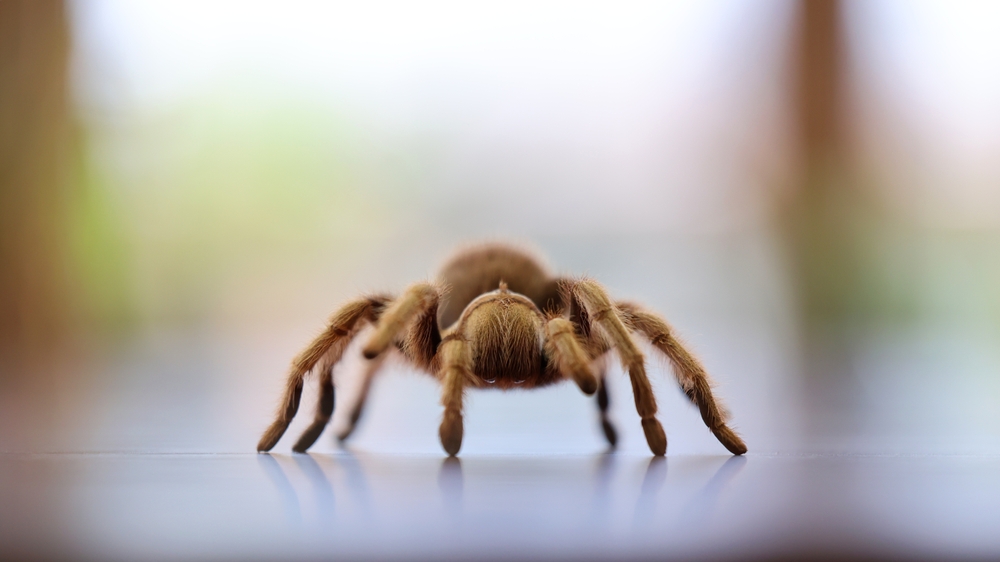
Many spiders have pale blue blood due to hemocyanin circulating through an open circulatory system. Instead of veins and arteries, oxygenated fluid bathes internal organs directly. This works because spiders rely more on diffusion and tracheal breathing than rapid circulation. Their blood doesn’t need to race—it needs to linger.
The blue tint is rarely visible unless the spider is injured, but the chemistry remains crucial. It allows spiders to survive long periods without food while maintaining slow metabolic rates. Their blood supports patience, stillness, and sudden precision.
5. Scorpions
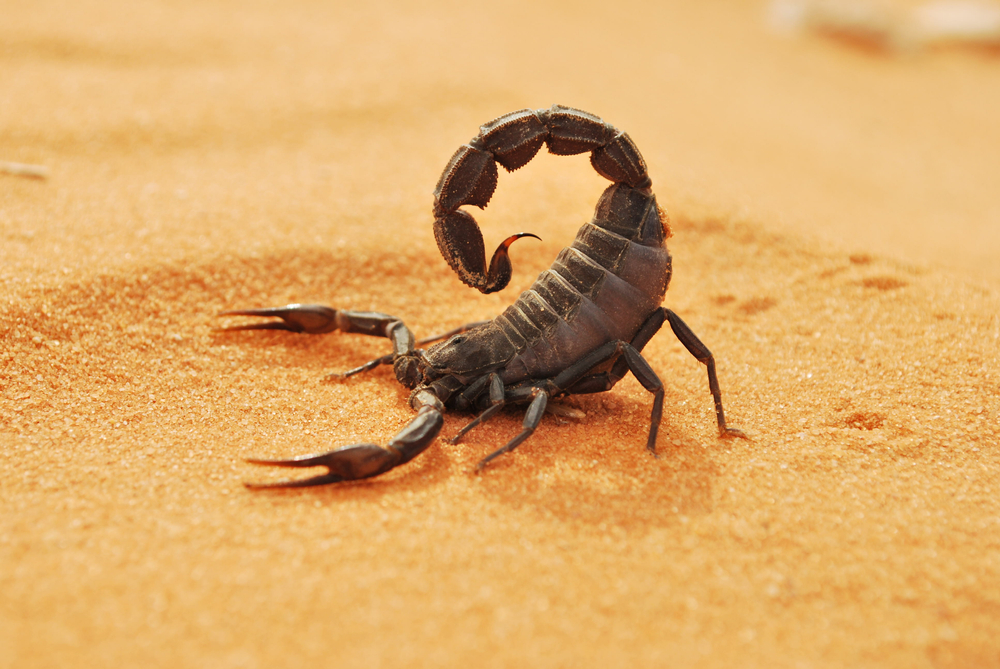
Scorpions share the same copper-based blood chemistry, which supports life in extreme desert environments. Oxygen availability fluctuates dramatically between day and night, and hemocyanin handles those shifts well. Their metabolism slows during harsh conditions, conserving energy and moisture. Blue blood complements their survival-first physiology.
This circulatory system helps scorpions endure long fasts and high temperatures. Their blood doesn’t prioritize speed—it prioritizes stability. It’s one reason scorpions have survived virtually unchanged for hundreds of millions of years.
6. Some Snails
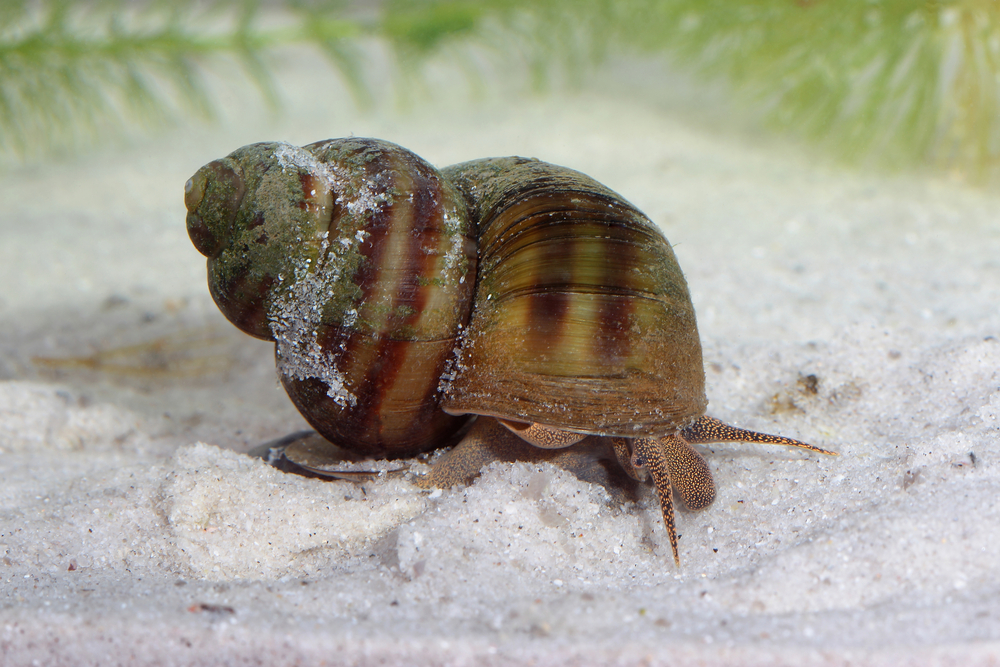
Certain marine and terrestrial snails also have blue blood, especially species living in oxygen-poor habitats. Hemocyanin allows them to extract oxygen efficiently while moving slowly across rocks or sediment. Their low-energy lifestyle pairs perfectly with copper-based oxygen transport. Speed isn’t required; consistency is.
This adaptation supports survival during tidal changes or drought conditions. Snails can retreat, seal themselves off, and wait out environmental stress. Their blood chemistry enables endurance over activity.
7. Sea Spiders
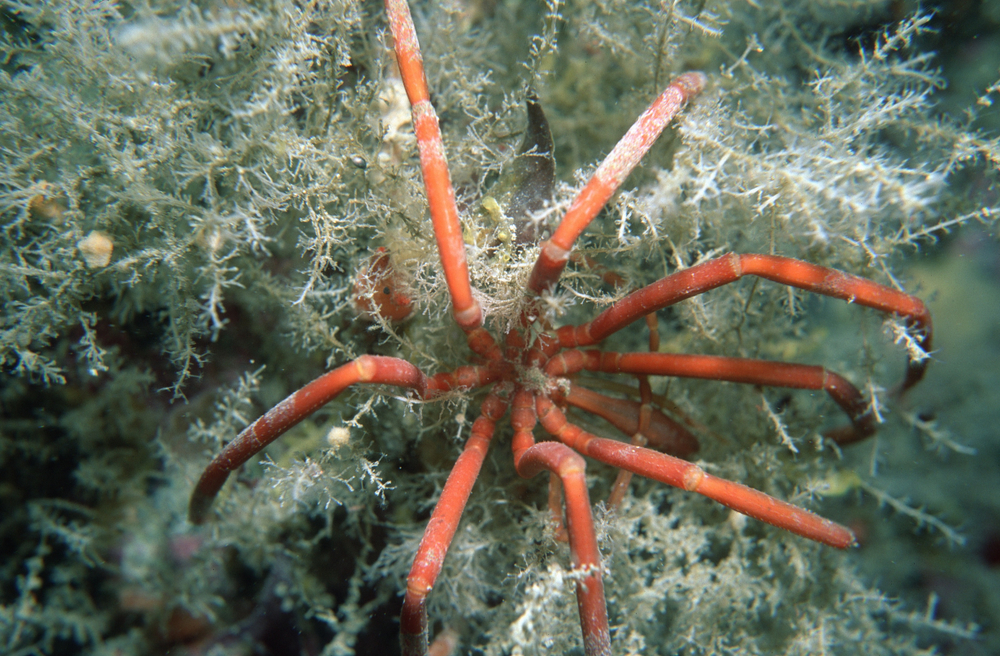
Sea spiders, or pycnogonids, have blue blood and extremely simplified internal systems. Oxygen diffuses directly through their legs, assisted by hemocyanin in their body fluid. They don’t even have traditional respiratory organs. Their blood chemistry compensates for this minimalist anatomy.
This allows them to survive in deep, cold marine environments with very little energy expenditure. Sea spiders demonstrate how blood chemistry can replace entire organ systems. Their blue blood is a structural workaround, not just a pigment.
8. Green-Blooded Lizards
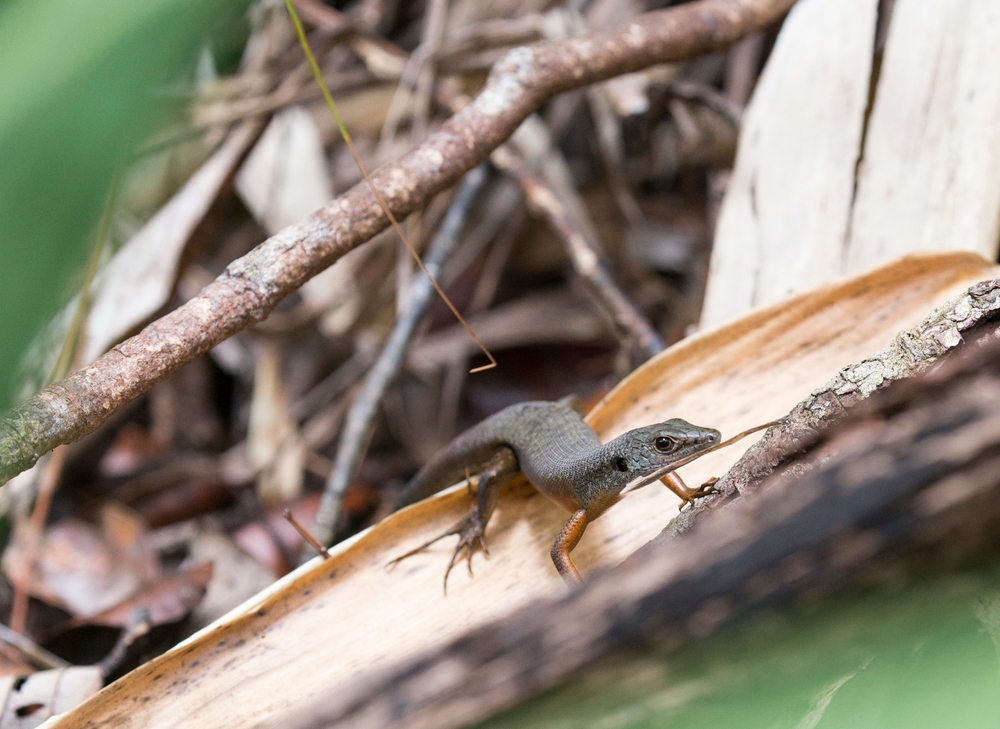
Certain New Guinea skinks have bright green blood due to extraordinarily high levels of biliverdin, a bile pigment toxic to most animals. In these lizards, the pigment circulates freely without causing harm. Scientists believe it may deter parasites or pathogens. Their blood color may act as chemical camouflage.
This adaptation challenges long-held assumptions about toxicity limits in vertebrates. Their bodies evolved tolerance where others would fail. Green blood becomes both shield and signature.
9. Echiuran Worms
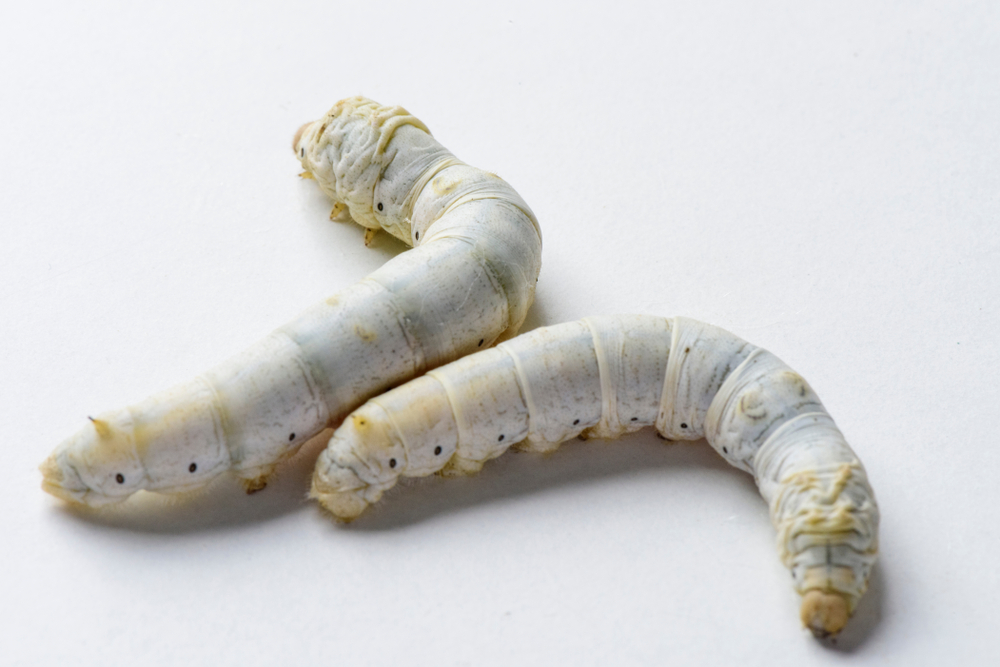
Some marine worms possess greenish blood from high biliverdin concentrations similar to those lizards. These worms live buried in sediment where oxygen levels fluctuate constantly. Their blood chemistry helps them manage waste products efficiently. Color here reflects detoxification rather than oxygen transport.
The green hue signals a circulatory system optimized for filtering and endurance. These worms process environments that would overwhelm more complex animals. Their blood is part of a system built for chemical resilience.
10. Peanut Worms
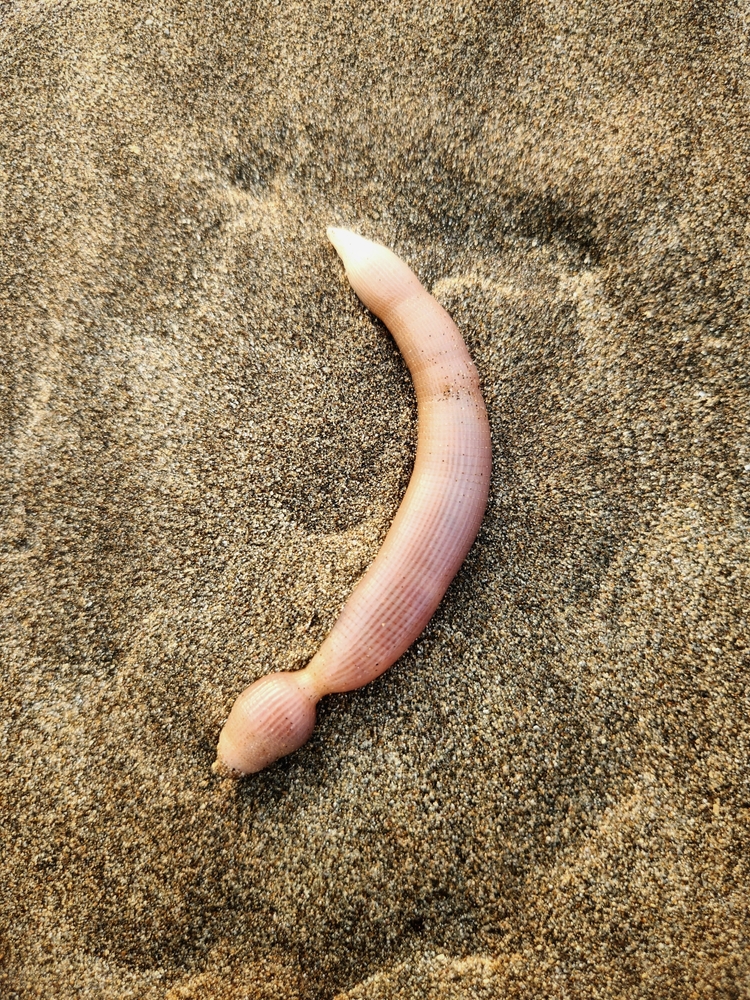
Peanut worms have violet-tinged blood due to hemerythrin, a rare oxygen-binding protein containing iron but lacking heme. Unlike hemoglobin, hemerythrin doesn’t turn red when oxygenated. Instead, it produces a purplish tone. This chemistry works best in low-oxygen marine sediments.
Hemerythrin binds oxygen slowly but releases it steadily. That makes it ideal for animals that burrow and wait. Their blood supports patience over speed.
11. Brachiopods
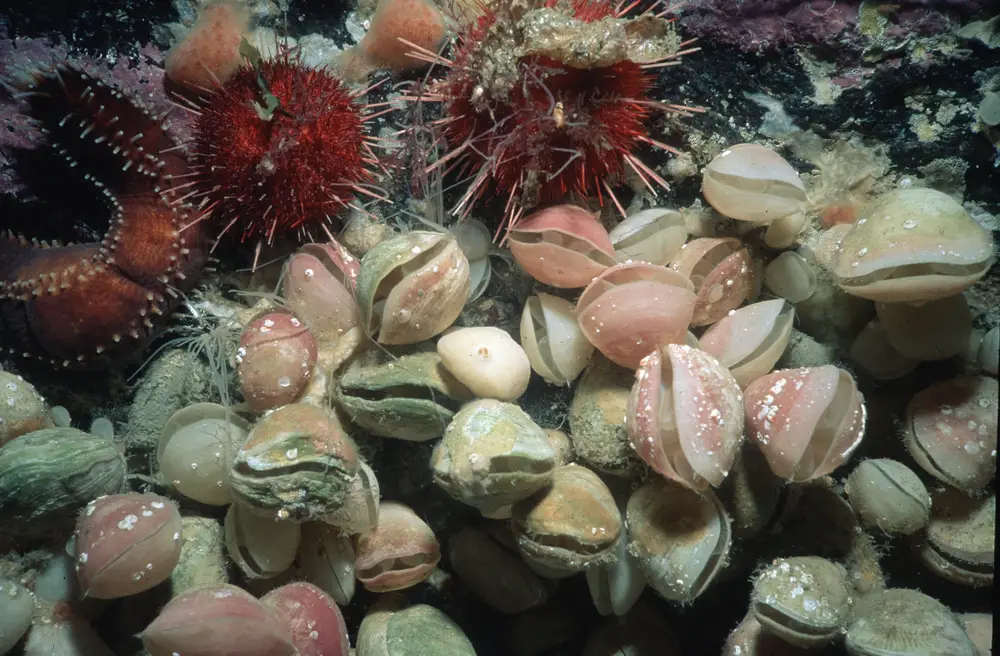
Brachiopods, ancient shell-bearing marine animals, also use hemerythrin. Their purple-tinged blood supports survival in cold, low-oxygen seafloors. This protein evolved independently from hemoglobin and hemocyanin. It’s an entirely separate solution to the oxygen problem.
Their persistence over geological time shows the effectiveness of this strategy. Blood chemistry, not intelligence or speed, kept them alive. Purple blood is evolutionary stubbornness made visible.
12. Sipunculid Worms
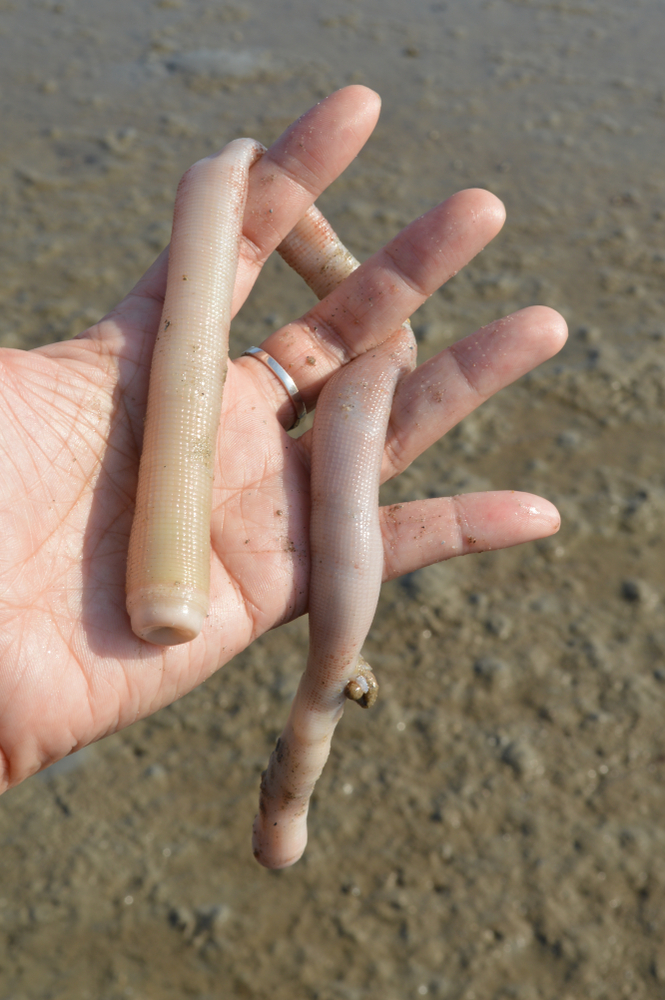
Sipunculids use hemerythrin to manage oxygen in fluctuating tidal zones. Their blood supports long periods of inactivity followed by brief feeding windows. Oxygen storage matters more than rapid delivery. Purple blood reflects this slow-burn strategy.
They thrive where oxygen appears and disappears unpredictably. Their blood chemistry buffers them against environmental instability. It’s survival through biochemical patience.
13. Some Marine Annelids
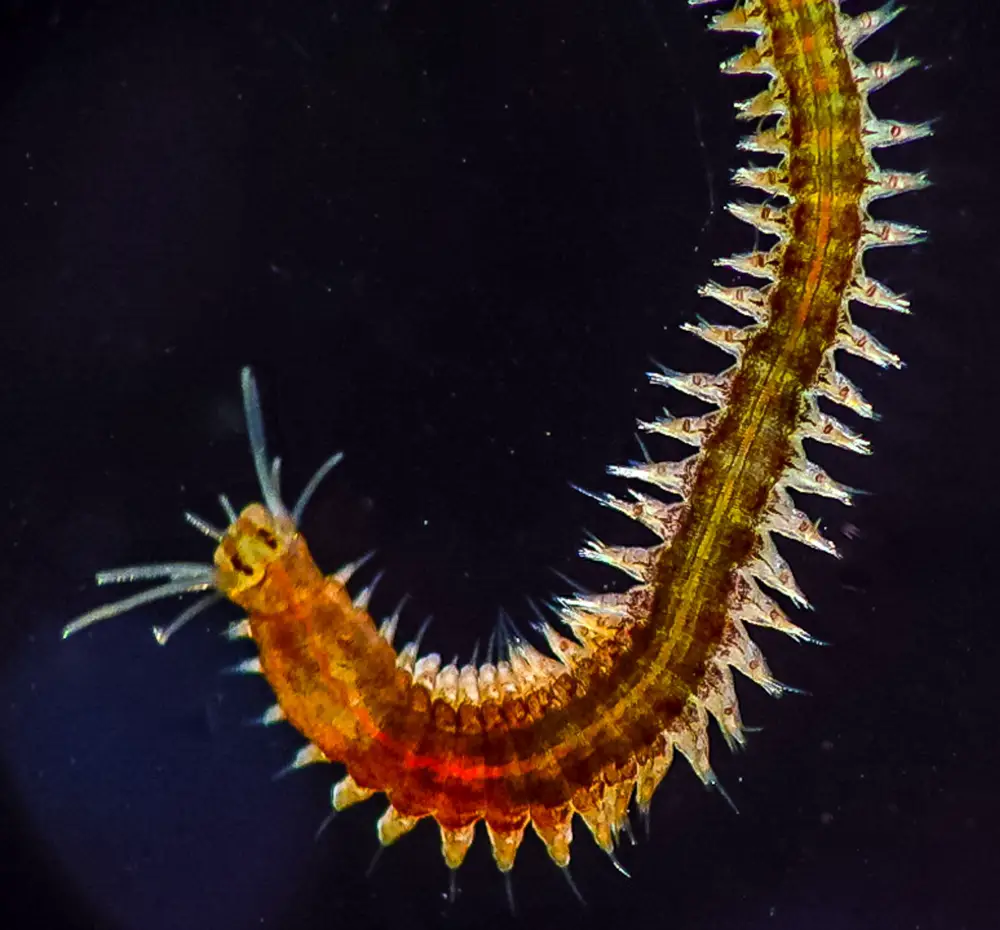
Certain segmented worms exhibit green or purple blood due to combinations of hemerythrin and biliverdin. These species live in sediment layers where oxygen and toxins coexist. Their blood reflects a balance between detoxification and respiration. Color is a byproduct of survival chemistry.
In these animals, blood color signals adaptation to hostile environments. It’s not about appearance—it’s about function under pressure. Every shade tells a story of environmental negotiation.