
Heat isn’t just an uncomfortable weather pattern anymore — it’s fast becoming a defining threat to where and how Americans can live. Climate scientists warn that rising temperatures, compounded by humidity, drought, and failing infrastructure, are pushing parts of the U.S. toward conditions the human body can’t tolerate for long. This isn’t about occasional heat waves; it’s about sustained exposure that strains power grids, water systems, agriculture, and public health simultaneously. These are the states experts say are approaching a dangerous tipping point where heat alone could make daily life untenable.
1. Arizona

Arizona is already experiencing extreme heat that regularly exceeds 115°F, and climate projections indicate that these temperatures will become more frequent and longer-lasting. Heat-related deaths have risen sharply, particularly in urban areas such as Phoenix, where pavement and concrete trap heat overnight. According to climate and public health researchers at Arizona State University, parts of the state are approaching the upper limits of human heat tolerance. Once nighttime temperatures cease to cool, the body loses its ability to recover.
Infrastructure is also under immense strain, as air conditioning has become a life-or-death necessity rather than a comfort. Power outages during heat waves pose an immediate risk, especially for older adults. Water scarcity compounds the danger as reservoirs shrink. Experts warn that without substantial adaptation, Arizona could become one of the first states in which heat determines who can safely live there.
2. Texas
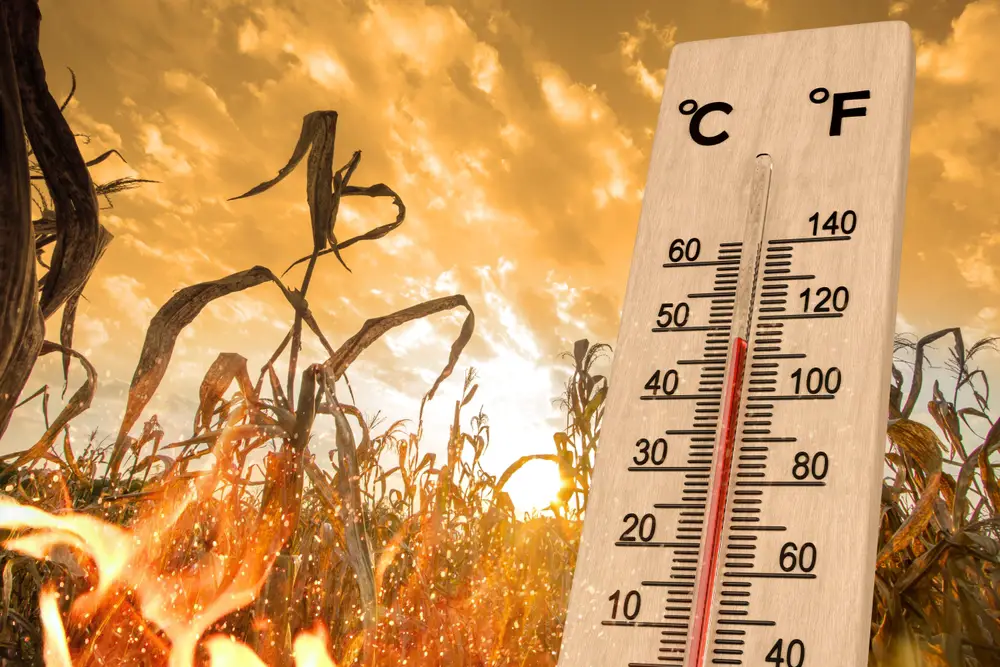
Texas now experiences longer and more intense heat seasons, particularly across central and southern regions. High humidity increases the risk of heat-related illness by preventing sweat from cooling the body effectively. Emergency rooms have reported spikes in heat illness during prolonged summer stretches. Large swaths of the state regularly sit above dangerous heat index thresholds.
The power grid remains a major vulnerability, as past failures during extreme weather exposed systemic weaknesses. As air conditioning demand skyrockets, grid overload becomes more likely. Agricultural losses and water stress further threaten long-term habitability. Experts predict that Texas faces a future in which heat disruptions become routine rather than exceptional.
3. Florida
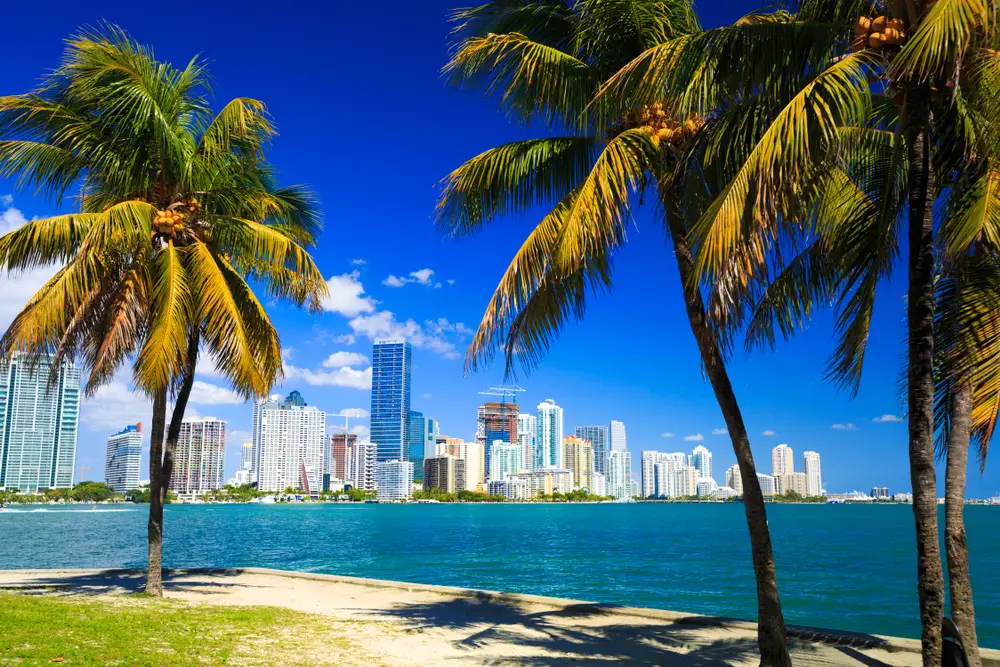
Florida’s danger isn’t just high temperatures — it’s relentless humidity layered on top of rising heat. Climate scientists studying wet-bulb temperatures warn that Florida is approaching conditions in which prolonged outdoor exposure becomes deadly. Research by NOAA has identified parts of the state as future hotspots for human heat stress. The combination of heat, humidity, and frequent power outages creates a compounding risk.
Coastal cities face additional stress as saltwater intrusion threatens freshwater supplies. Air conditioning is already a financial burden for many households. Outdoor workers face increasing danger simply doing their jobs. Experts caution that Florida’s livability will depend on substantial infrastructure investment and public health interventions.
4. Louisiana

Louisiana experiences some of the highest heat index readings in the country, driven by Gulf humidity and stagnant air patterns. Summers stretch longer each year, with fewer cooling breaks. Heat-related hospitalizations have steadily increased across the state. Vulnerable communities face disproportionate risk.
Aging infrastructure struggles to meet increasing cooling demand. Flood-prone areas also face mold and indoor heat risks after storms. Workers in agriculture, construction, and shipping are especially exposed. Experts warn that Louisiana’s climate is shifting faster than adaptation efforts can keep up.
5. Mississippi

Mississippi’s heat risk is often overlooked, but experts say it’s quietly becoming severe. Long periods of high heat and humidity impose chronic strain on the body, particularly for individuals without consistent access to cooling. Public health researchers have flagged the state as highly vulnerable due to poverty rates and limited healthcare access. Heat amplifies existing inequalities.
Rural communities are especially exposed as infrastructure upgrades lag behind need. Schools, hospitals, and homes often lack efficient cooling systems. Agricultural laborers face increasing danger during harvest seasons. Experts say Mississippi’s risk lies in how heat compounds existing social vulnerabilities.
6. Alabama
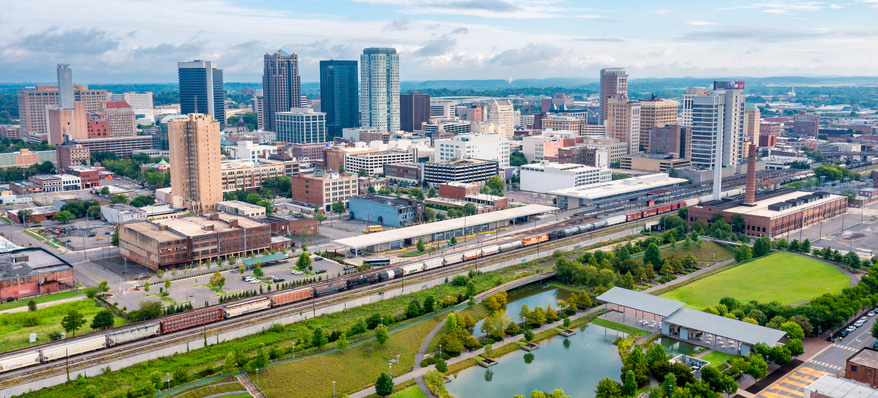
Alabama’s summers are becoming longer, hotter, and more oppressive, with humidity intensifying heat stress. Heat-related illnesses are rising, particularly among outdoor workers and older residents. Many communities lack heat emergency planning. Cooling access remains uneven.
Power outages during storms worsen indoor heat exposure. Rural housing stock often lacks insulation and efficient air conditioning. As temperatures rise, the margin for safety shrinks. Experts warn Alabama may face a public health crisis driven primarily by heat.
7. Nevada

Nevada’s desert climate is deviating from historical norms as extreme heat days increase. Las Vegas now experiences record-breaking temperatures for more extended periods each year. According to climate assessments from the U.S. Global Change Research Program, the region faces an escalating risk of heat-related mortality. Nighttime heat retention is becoming especially dangerous.
Water shortages add another layer of crisis. Lake Mead’s decline threatens long-term sustainability. Cooling demands strain energy systems. Experts say Nevada’s future habitability hinges on the simultaneous adaptation to water and heat.
8. New Mexico

New Mexico faces rising temperatures alongside worsening drought conditions. Heat accelerates water loss and soil degradation, threatening agriculture and rural livelihoods. Many homes lack modern cooling infrastructure. Heat stress disproportionately affects Indigenous and rural populations.
Wildfire smoke further compounds heat exposure. Emergency response resources are often stretched thin. As cooling becomes essential, energy access becomes critical. Experts warn that without investment, heat will reshape where people can safely live.
9. Arkansas
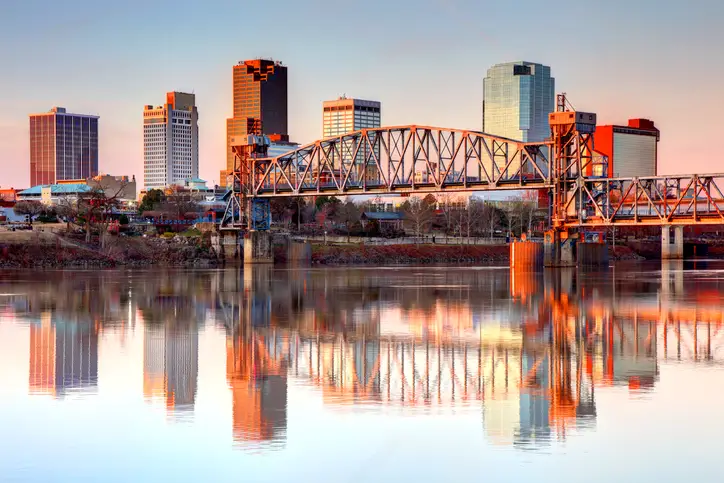
Arkansas is seeing a sharp increase in extreme heat days, particularly in the Mississippi Delta region. High humidity intensifies health risks during prolonged heat waves. Heat-related deaths often go underreported. Many communities lack formal heat response plans.
Agricultural workers are exposed daily without adequate protection—cooling costs strain household budgets. Infrastructure upgrades lag behind climate realities. Experts say Arkansas is entering a dangerous transition period.
10. Oklahoma
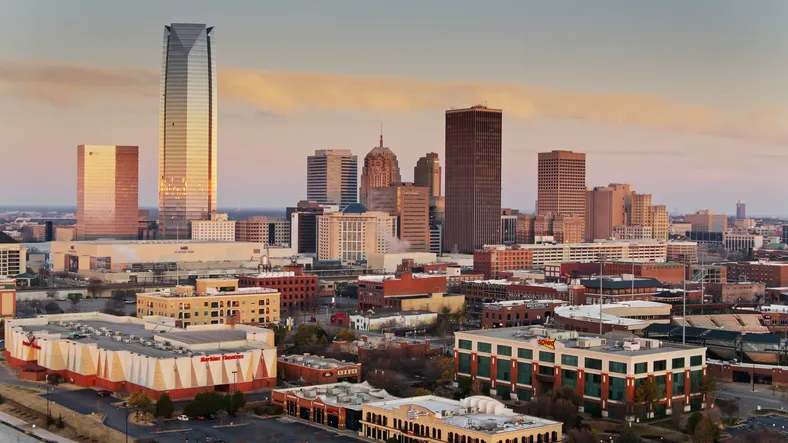
Oklahoma’s climate volatility includes severe heat spikes that stress both people and infrastructure. Prolonged heat affects crop yields and livestock health. Rural hospitals report increased heat illness during the summer months. Cooling access remains uneven.
Energy systems face competing demands during heat waves. Water resources are under growing strain. Experts warn that heat will increasingly define Oklahoma’s risk profile. Long-term planning is lagging behind climate trends.
11. South Carolina

South Carolina’s coastal humidity intensifies heat exposure, especially in urban areas. Heat waves now arrive earlier and last longer. Outdoor labor sectors face heightened danger. Public cooling centers are limited.
Storm-related power outages worsen indoor heat risks. Low-income communities face the highest exposure. Experts say the state must adapt quickly to avoid escalating health crises. Heat is becoming a silent emergency.
12. Georgia
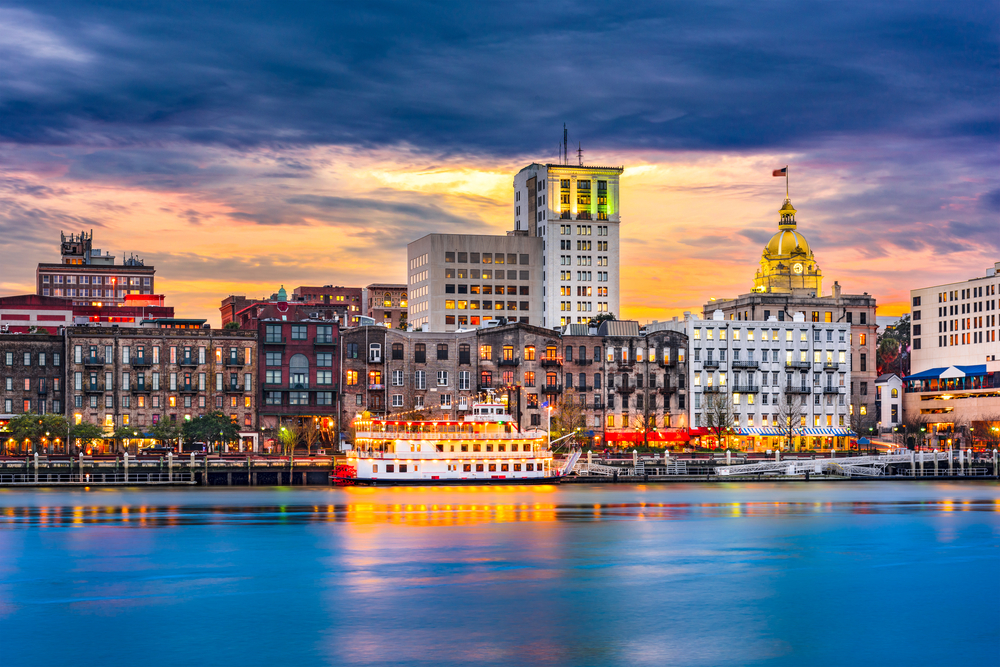
Georgia’s urban heat islands are expanding as cities grow denser. Atlanta regularly records dangerous heat index levels. Cooling disparities mirror racial and economic inequality. Heat-related illnesses are rising steadily.
Infrastructure strain increases blackout risk. Schools and workplaces struggle to manage extreme temperatures. Experts warn that Georgia’s rapid growth collides with climate reality. Heat resilience planning is increasingly urgent.
13. California (Inland Regions)
While coastal California remains moderate, inland regions face extreme and worsening heat. Central Valley communities experience triple-digit temperatures for weeks at a time. Agricultural workers face some of the highest heat exposure in the nation. Cooling access is inconsistent.
Wildfires further degrade air quality during heat waves. Power shutoffs exacerbate risk. Water scarcity adds pressure. Experts predict that inland California may become seasonally uninhabitable without major intervention.