Animal research never slows down because we need to stay up to date on how animals think, communicate, heal, and adapt to a rapidly changing planet. While headlines focused on human innovation, scientists worldwide made discoveries that fundamentally altered our understanding of animal intelligence, emotion, and survival. Some breakthroughs challenged long-held assumptions, while others raised urgent ethical questions. Together, they reveal just how much we’ve underestimated the lives unfolding around us.
1. Scientists Confirm Emotional Contagion in Dogs

Researchers at the University of Vienna published compelling evidence showing that dogs don’t just sense human emotions—they emotionally mirror them. Using heart rate variability and brain imaging, the study showed that dogs absorb stress and calm directly from their owners. This confirmed emotional contagion across species in measurable neurological terms. It reframed dogs not just as companions, but as emotional co-regulators.
The findings explained why households with anxiety often report anxiety in their pets. Dogs weren’t simply reacting to tone or behavior—they were internally synchronizing. This discovery is already reshaping service-dog training and therapy-animal protocols. It also deepened ethical conversations about emotional responsibility in pet ownership.
2. Octopuses Were Observed Using Tools
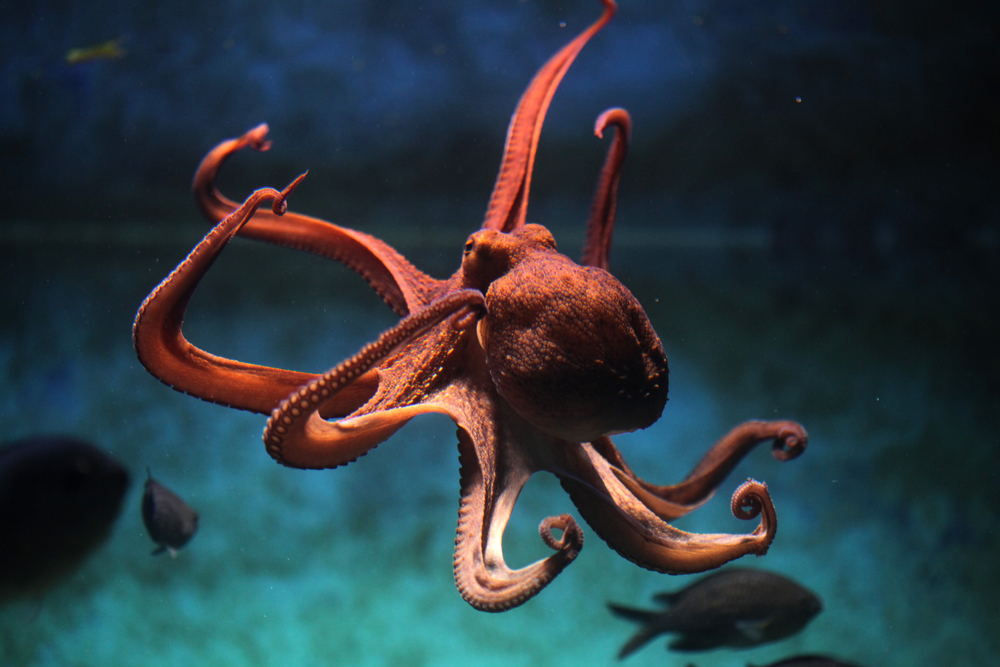
Marine biologists recorded octopuses carrying coconut shells and coral fragments to construct mobile shelters. While tool use had been documented in labs, this was the first sustained evidence of strategic tool behavior in natural environments. The octopuses planned shelter locations in advance—that level of foresight stunned researchers.
This discovery reinforced the idea that octopus intelligence rivals that of some mammals. It also complicated debates around octopus farming and captivity. If they plan, anticipate, and solve problems independently, welfare standards may require radical revision. The ocean just got more sentient than we thought.
3. Elephants Were Found to Use Names for Each Other
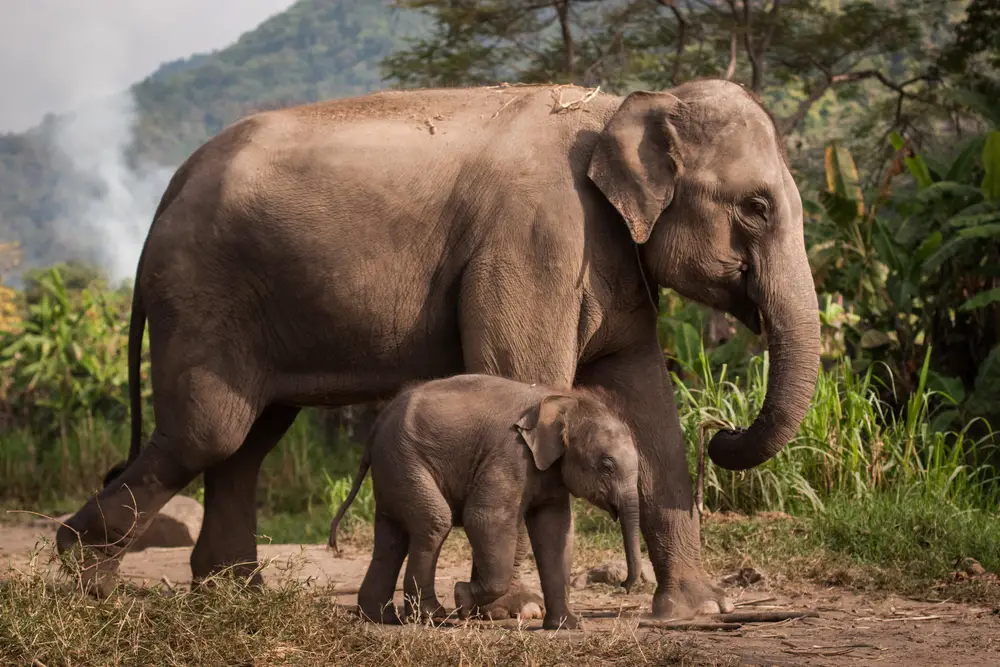
A study from Colorado State University revealed elephants use unique vocal labels to address specific individuals. Playback experiments showed elephants responded only to calls meant for them. This marked the first evidence of symbolic naming in non-human animals. The implications were staggering.
This means elephants don’t just recognize voices—they assign identity through sound. It reshaped theories about language evolution. Researchers now believe elephants possess a foundational form of abstract communication. Conservationists argue this elevates moral obligations toward elephant populations worldwide.
4. Bees Demonstrated Emotional States That Affect Decision-Making
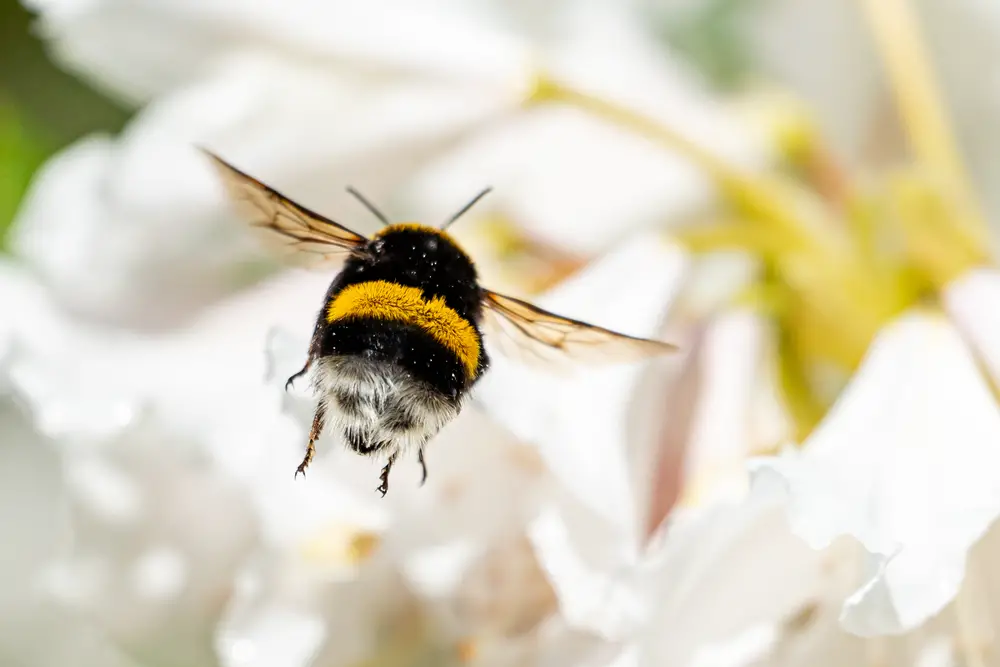
Experiments showed bees display pessimistic or optimistic behavior based on stress exposure. When shaken gently, bees became less likely to explore ambiguous rewards. This suggested emotional processing, not simple reflexes. The findings unsettled long-standing assumptions about insect consciousness.
If emotions influence insect decisions, ethical frameworks around pesticide use grow more complicated. It also reframed pollinator collapse as not just ecological, but neurological. Stress doesn’t just kill bees—it changes how they behave before death. That subtlety matters.
5. Cats Were Shown to Recognize Their Owners’ Names

Japanese researchers confirmed cats selectively respond to their names, even when spoken by strangers. Brain scans showed recognition without obedience, revealing intentional disregard rather than confusion. This settled a long-running debate about feline cognition. Cats were never clueless—they were choosing.
The findings validated what cat owners always suspected. Cats understand more than they let on. This shifted training philosophies and debunked myths about feline aloofness. Independence, it turns out, is a conscious choice.
6. Whales Were Recorded Coordinating Hunting Across Species
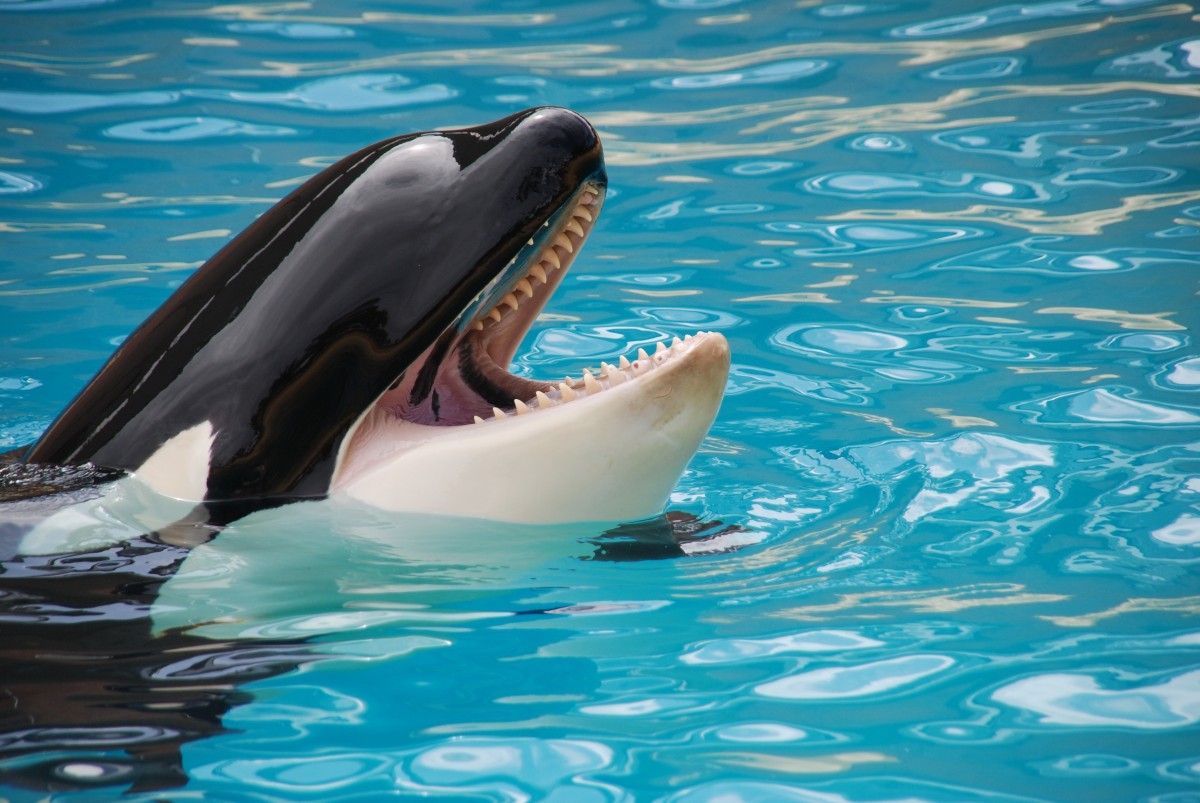
Researchers observed humpback whales coordinating their feeding behavior with those of seabirds and fish schools. This wasn’t a coincidence—it involved timing, signaling, and shared benefit. Cross-species cooperation at this scale was unprecedented. The ocean revealed a collaborative intelligence network.
The discovery suggested marine ecosystems operate with far more intentional coordination than assumed. It also raised concerns about how noise pollution disrupts these networks. Communication breakdowns could ripple across entire food chains. Intelligence isn’t isolated—it’s ecological.
7. Rats Demonstrated Empathy-Driven Rescue Behavior
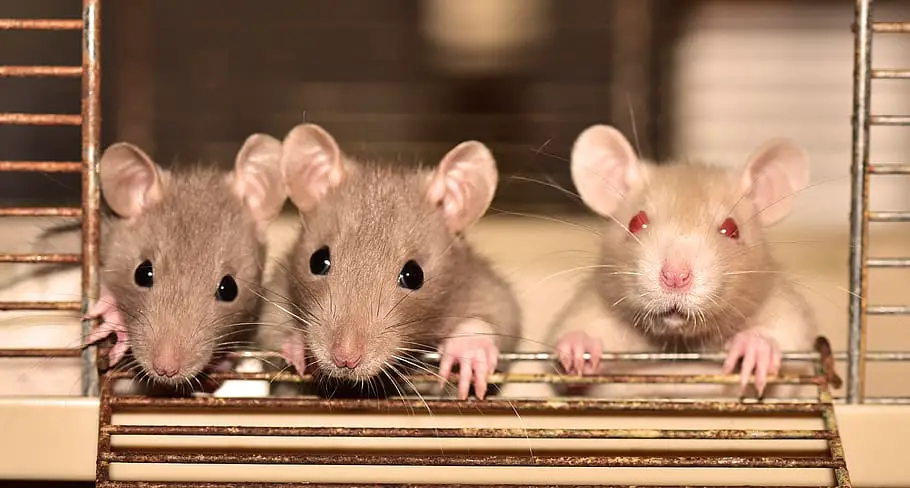
A landmark study from the Max Planck Institute showed rats freeing trapped peers even without reward. Brain imaging confirmed activation of empathy-linked neural circuits. Rats chose helping over food when stress levels were controlled. This established empathy as a motivator, not conditioning.
The findings challenged ethical frameworks for lab research. If rats experience empathy, pain, and moral choice, experimentation standards face scrutiny. Behavioral neuroscience entered uncomfortable territory. Compassion, it seems, isn’t uniquely human.
8. Birds Were Found to Enter REM Sleep While Flying
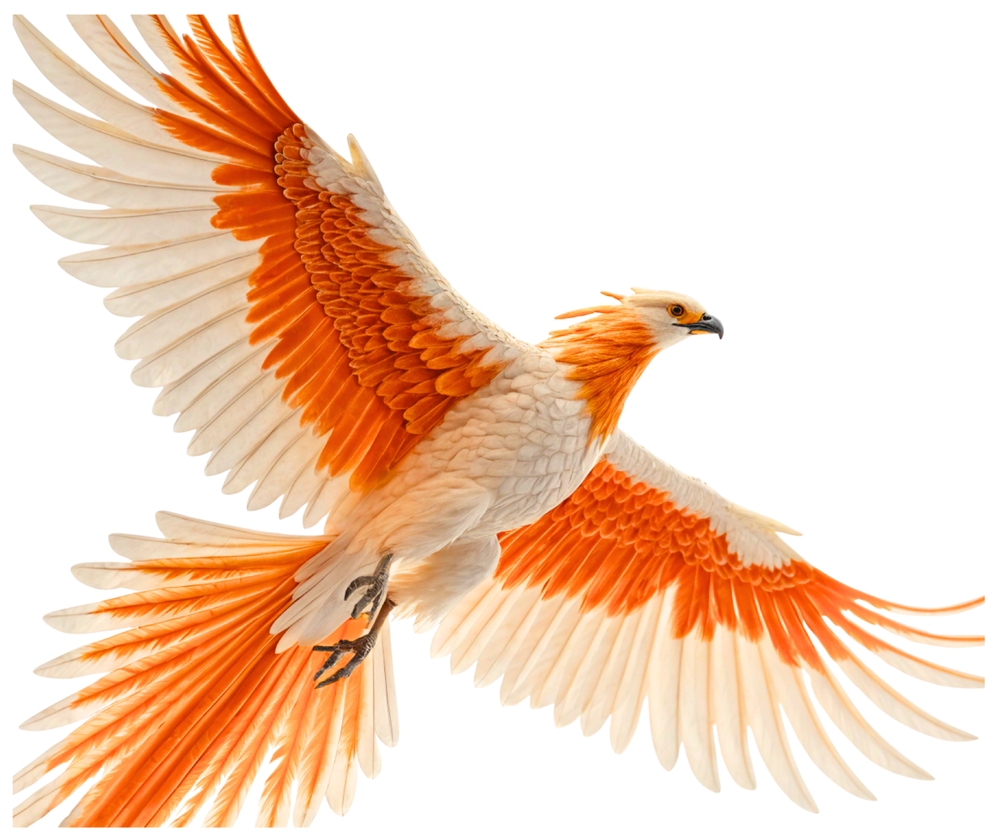
Scientists discovered certain migratory birds can briefly enter REM sleep mid-flight. This allows long-distance travel without full rest stops. The brain alternates hemispheres while airborne. It’s a biological hack humans can’t replicate.
The finding explained how birds survive extreme migrations. It also inspired new sleep research for humans. If partial brain rest is possible, medical applications may follow. Nature once again solved a problem we haven’t.
9. Frogs Were Observed Changing Calls
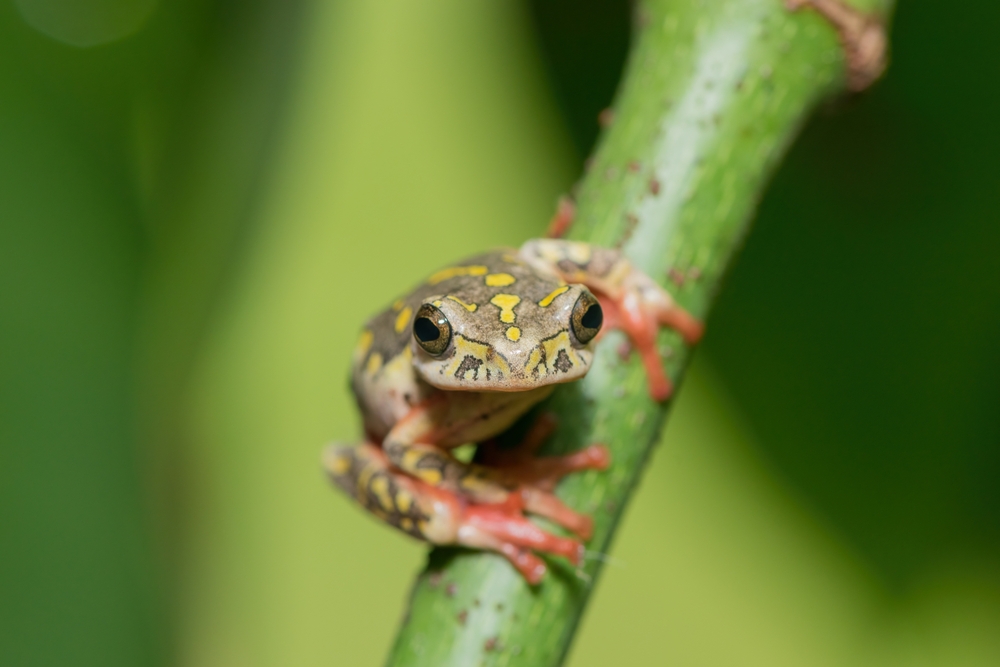
Male frogs altered mating calls depending on whether predators or rivals were nearby. This adaptive communication suggested situational awareness and strategic deception. Calls weren’t instinctive—they were calculated. That changed how scientists interpret amphibian behavior.
The discovery reframed frogs as dynamic communicators, not simple noise-makers. It also highlighted how environmental disruption affects reproduction. If habitats change, communication strategies fail. Survival hinges on context.
10. Dolphins Passed Knowledge Across Generations
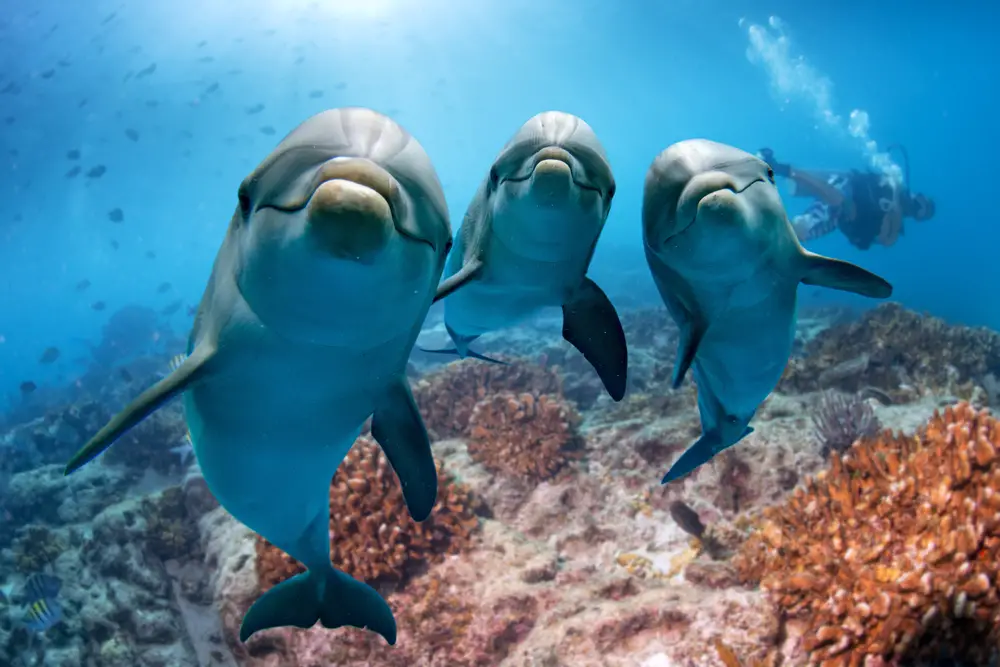
Cultural transmission among dolphins occurred within months, not years. New hunting techniques spread rapidly through pods. This mirrored human-like social learning. Intelligence traveled socially, not genetically.
The speed shocked researchers. It suggested dolphin societies adapt quickly to change. Conservation efforts must account for cultural loss, not just population decline. When dolphins disappear, knowledge disappears with them.
11. Chickens Were Found to Anticipate the Future
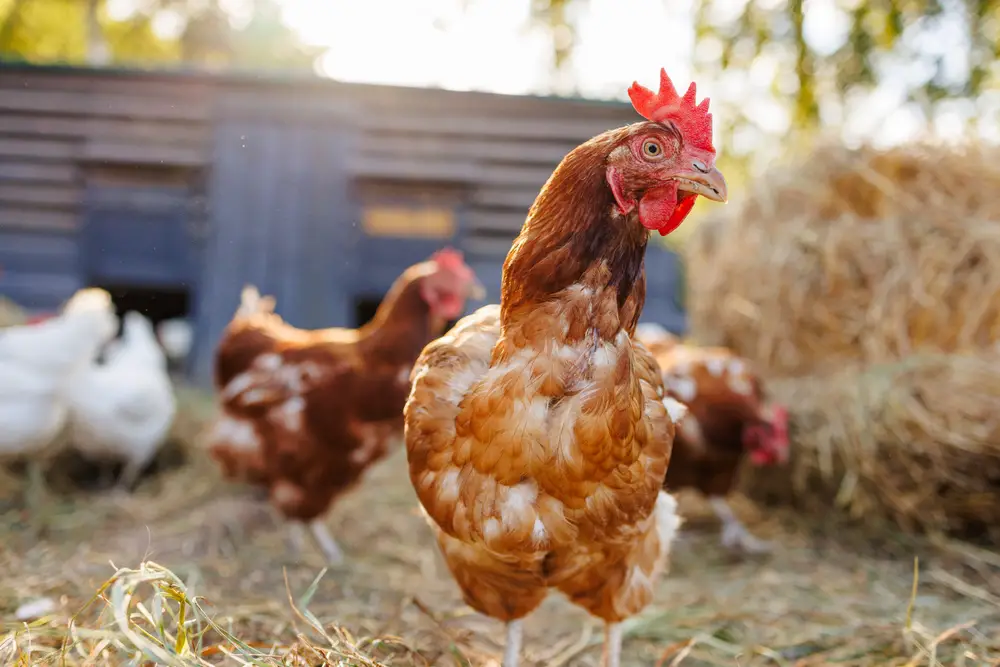
Behavioral tests showed chickens delaying gratification for better outcomes. This demonstrated future-oriented thinking. It contradicts the views of poultry as purely reactive. Chickens were planning.
The finding raised welfare concerns in industrial farming. If chickens anticipate and experience future states, confinement takes on new ethical weight. Intelligence isn’t rare—it’s just ignored. Familiar animals are often the most misunderstood.
12. Bats Showed Their Personalities Affect Their Survival
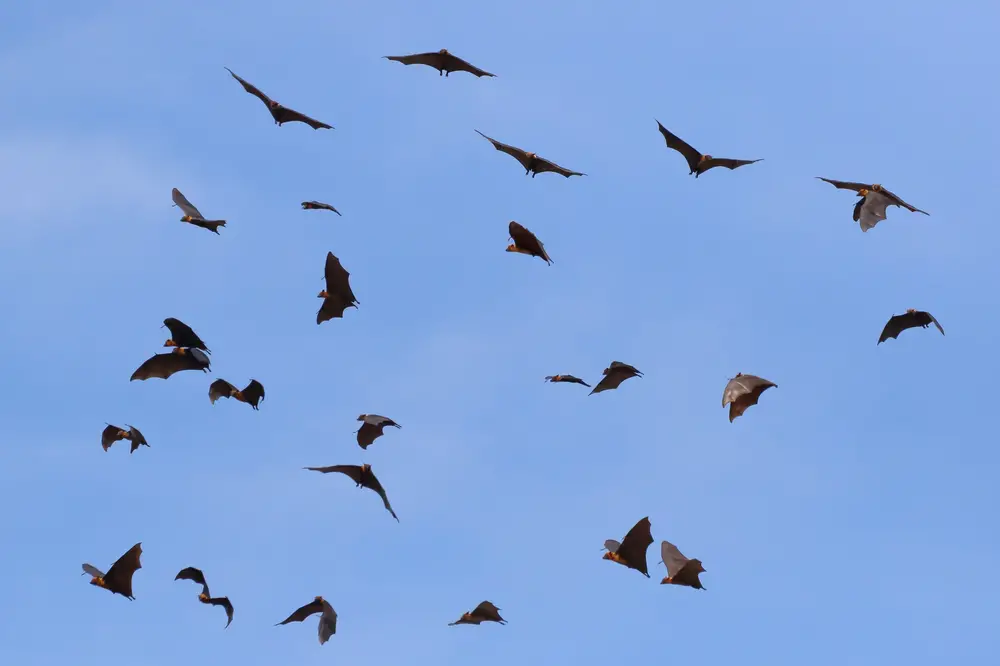
Long-term tracking revealed that bold and shy bats had different survival outcomes. Personality traits influenced migration, feeding, and social bonds. Behavior wasn’t random—it was consistent. Evolution selected for diversity.
This reframed conservation strategies. Protecting species means protecting behavioral diversity too. One-size-fits-all solutions fail intelligent populations. Personality matters in the wild.
13. Animals Were Proven to Grieve Across Species
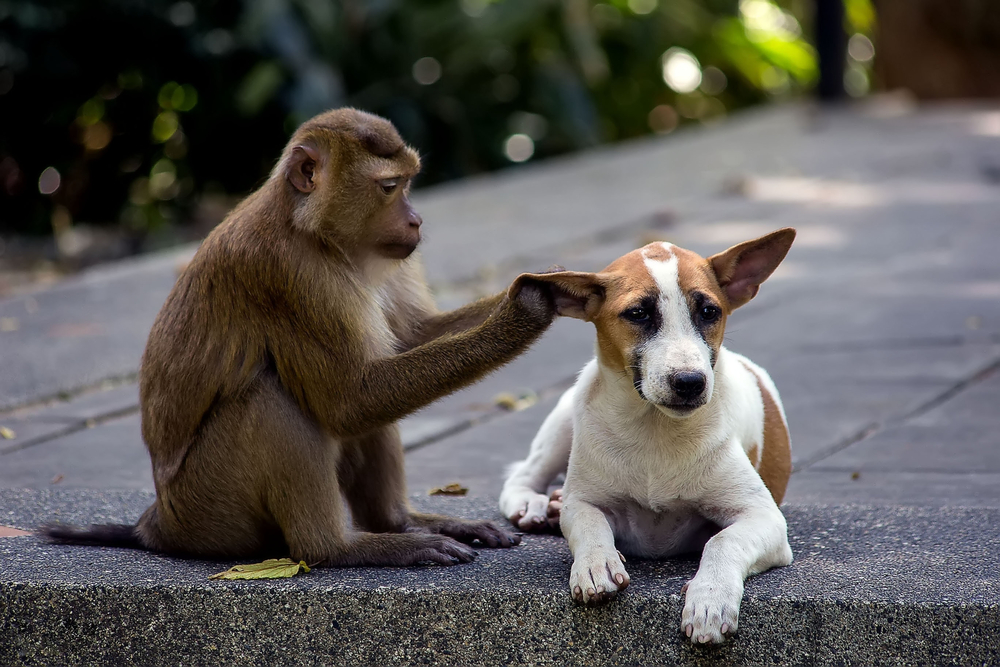
Observations documented prolonged grief behaviors in elephants, birds, dogs, and even fish. These included withdrawal, appetite loss, and ritualized mourning. Grief wasn’t symbolic—it was behavioral and physiological. Loss left measurable scars.
The discovery forced scientists to rethink emotional depth across species. Grief implies attachment, memory, and self-awareness. It also reshaped how humans understand animal loss in captivity and the wild. Emotion, it turns out, is everywhere.