
Your dog acts weird before you realize you’re getting the flu, your cat won’t leave your side during a migraine you haven’t acknowledged yet, or your normally aloof pet becomes clingy hours before symptoms appear. These aren’t coincidences or anthropomorphized projections—they’re documented responses to physiological changes that pets detect through sensory capabilities far exceeding human awareness. Researchers studying animal cognition and disease detection have confirmed that pets identify illness through scent changes, behavioral cues, temperature variations, and other signals that occur before humans consciously recognize they’re sick. The family pet isn’t psychic; they’re simply detecting the biological reality of illness through sensory systems evolution designed to identify threats and changes in pack members.
1. Chemical Changes in Your Breath
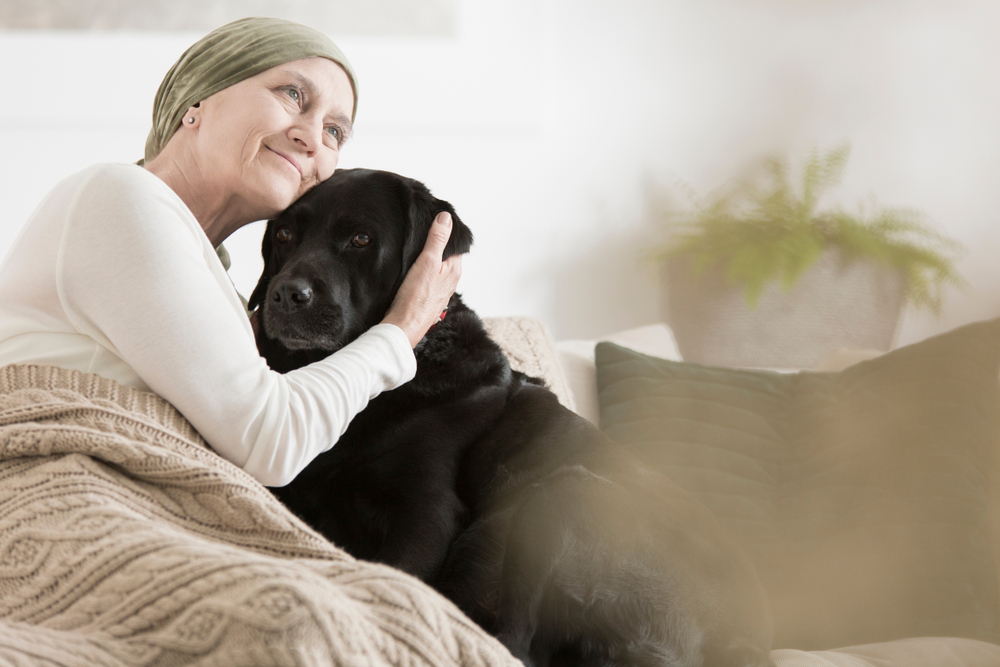
Dogs and cats smell volatile organic compounds released through breath when your body fights infection or experiences metabolic changes from illness. Respiratory infections, diabetes, kidney disease, and even cancer change breath chemistry in ways completely imperceptible to humans but obvious to pets with olfactory systems 10,000 to 100,000 times more sensitive. Your pet smelling your face more than usual or showing interest in your breath isn’t affection—it’s an investigation of chemical changes indicating something is wrong with your health.
Research on disease-detection dogs has proven that canines identify specific illnesses through breath analysis with accuracy exceeding 90%, detecting compounds at concentrations measured in parts per trillion. Your untrained family dog possesses these same capabilities and notices when your breath chemistry changes even slightly, though they haven’t been taught what the changes mean or how to alert you formally. The increased face-sniffing or concerned behavior around your face represents your pet detecting and trying to understand the chemical signals indicating illness, behavior that often emerges hours or days before you feel sick enough to recognize the problem yourself.
2. Elevated Body Temperature Before Fever Develops

Pets detect temperature changes as small as 0.2 degrees Celsius through infrared sensing capabilities and temperature-sensitive touch receptors. Your body temperature begins rising as your immune system activates hours before you develop a fever you’d notice, but your pet detects this change immediately through contact or proximity. Dogs and cats seeking contact with specific body parts—lying against your abdomen, head, or chest—often indicates they’re detecting elevated temperature in those areas signaling localized inflammation or developing infection.
The behavior of curling up against you or following you more closely than usual often precedes fever development by 6 to 12 hours as your pet responds to the warmth they’re detecting. Cats particularly seek warm spots, and when your body becomes warmer than normal, you become a more attractive heat source, but they’re also responding to the temperature change as a signal that something is wrong. The temperature detection that seems like affection or comfort-seeking actually represents your pet monitoring a health change they recognize as significant before you’ve consciously registered that you’re becoming ill.
3. Behavioral Changes They Associate With Past Illnesses

Pets form associations between your behavioral changes during previous illnesses and sickness itself, recognizing patterns that predict you’re becoming ill before symptoms are obvious. If you move more slowly when sick, take more naps, or change your routine, your pet recognizes these patterns from past experiences and responds with concern or increased attention. The seemingly intuitive knowledge that you’re sick actually represents pattern recognition—your pet has observed the behavioral sequence that leads to illness enough times to identify it early in the cycle.
Dogs and cats are extraordinary at detecting subtle behavioral changes because survival depends on understanding pack or colony dynamics. When you start moving differently, resting more, or acting slightly off your normal routine, your pet recognizes the pattern even before you consciously realize you’re altering behavior. The concerned following, staring, or unusual attention represents your pet responding to early-stage illness behavior they’ve learned predicts you’re getting sick, behavior that often manifests 12 to 24 hours before you’d describe yourself as ill.
4. Scent Changes From Stress Hormones
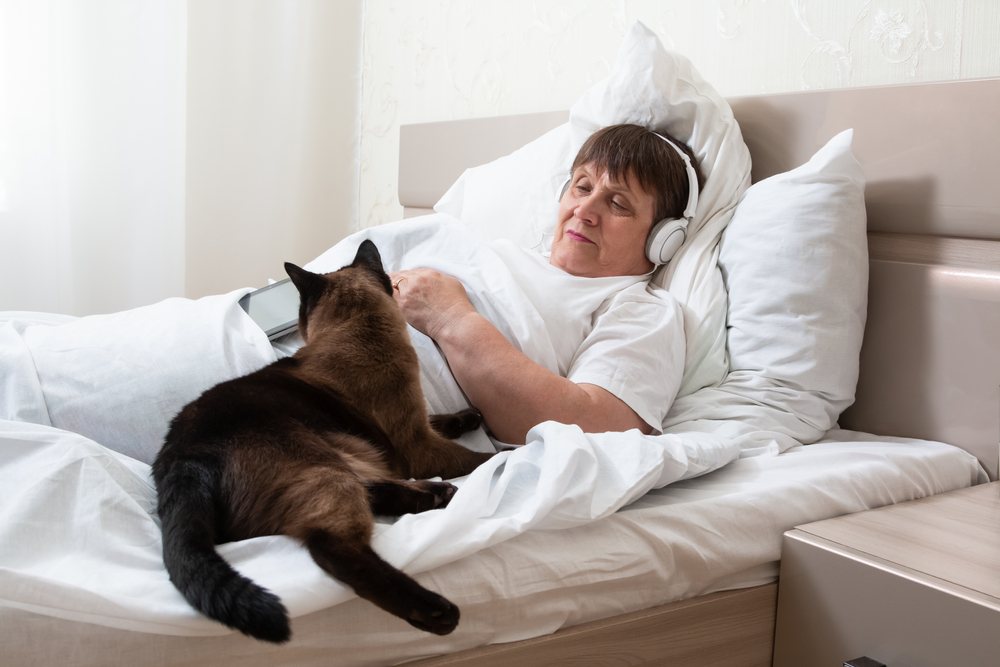
Illness triggers stress responses that change your body’s chemical signature through cortisol and adrenaline releases that pets smell immediately. Your scent changes when you’re sick as these stress hormones alter your sweat composition and pheromone production, changes that happen before you feel stressed or notice any symptoms. Dogs particularly respond to cortisol scent changes with behaviors ranging from concern to anxiety themselves, mirroring the stress they detect in you chemically.
The hormonal cascade that begins when your body encounters infection or starts fighting illness creates scent signatures your pet recognizes as associated with sickness and distress. Studies of dogs detecting human stress show they identify cortisol changes with near-perfect accuracy, and they generalize this ability to detecting illness-related stress even when you’re not consciously aware you’re stressed. Your pet becoming anxious or clingy when you’re about to get sick represents them smelling the stress hormone changes that precede and accompany immune system activation, providing an early warning system you’re too scent-blind to notice yourself.
5. Changes in Your Movement and Gait
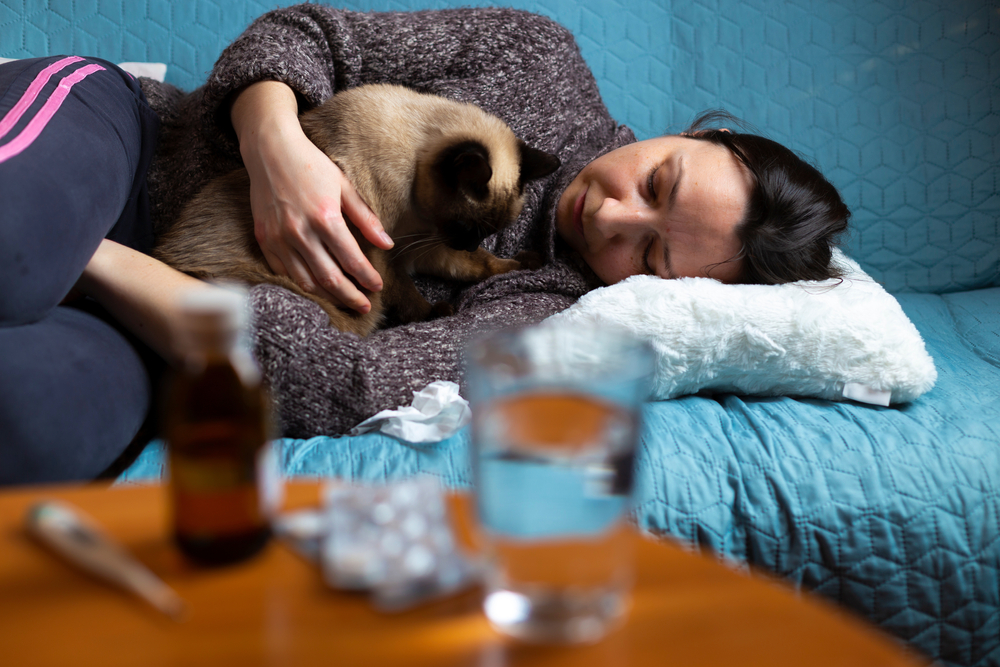
Subtle alterations in how you move—slightly slower pace, different weight distribution, reduced range of motion—signal illness to pets who observe your movement patterns constantly. Joint pain, muscle aches, fatigue, and inflammation all change movement in ways you don’t consciously notice but that are obvious to animals who’ve memorized your normal gait and posture. Your dog hesitating before play or following more cautiously often indicates they’ve detected movement changes suggesting you’re in pain or weak, even before you’d consciously describe yourself as feeling bad.
Pets are extraordinarily attuned to movement because it communicates intent, mood, and capability in social animals. When your movement pattern changes even slightly—a barely perceptible limp, favoring one side, moving more carefully—your pet notices immediately and adjusts their behavior accordingly. The gentler approach, reduced demands for play, or protective positioning near you represents recognition that you’re compromised physically, observations based on movement analysis you’re not consciously aware of making about yourself.
6. Vocalization and Sound Pattern Changes

Your voice changes when you’re getting sick—slightly different pitch, altered resonance, changes in speaking patterns—that pets detect through hearing far more sensitive than humans’. Congestion, inflammation in your throat or sinuses, and fatigue all affect voice production in ways you don’t notice but that sound obviously different to your pet. Dogs and cats who tilt their heads, stare intently when you speak, or seem confused by your voice during early illness stages are responding to the acoustic changes that signal you’re not physically normal.
The vocal changes that accompany illness include not just obvious symptoms like hoarseness but subtle alterations in tone, cadence, and resonance that happen when you’re fighting infection or in pain. Your pet has extensively catalogued your normal voice patterns and notices immediately when something is off, even when the changes are too subtle for you or other humans to consciously identify. The increased attention to your voice or apparent concern when you speak represents their detection of illness-related vocal changes, observations that often precede your own awareness that your voice sounds different.
7. Monitoring Where You’re Spending Time
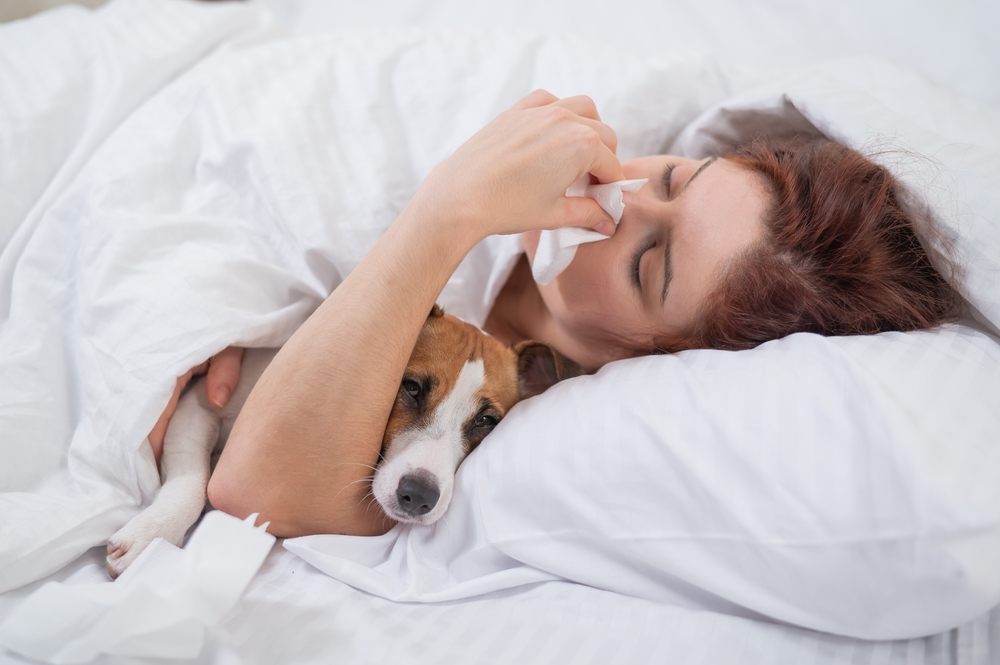
Pets notice when you’re spending more time in bed, sitting longer than usual, or occupying spaces differently than your normal routine. These spatial and behavioral patterns change early in illness development as fatigue sets in or you unconsciously seek rest before feeling obviously sick. Your cat appearing in the bedroom during unusual daytime hours or your dog lying in doorways watching you represents them monitoring the location changes that indicate you’re not following normal healthy patterns.
The spatial monitoring serves social functions in pack and colony animals—knowing where group members are and whether they’re behaving normally determines group health and safety. When you start spending time in locations or positions you don’t normally occupy during healthy periods, your pet recognizes this as deviation from normal behavior worthy of investigation and monitoring. The following, positioning themselves between you and doors, or maintaining visual contact represents their response to spatial pattern changes they’ve learned correlate with illness, behavior that often emerges before you’ve consciously decided to rest more or alter your normal movement through the house.
8. Detecting Glucose Level Changes in Diabetics

Diabetic alert dogs detect blood sugar changes through scent alterations that occur when glucose levels drop or rise outside normal ranges, often providing warnings 15 to 30 minutes before the person feels symptoms. The chemical changes in breath and sweat when glucose becomes too high or low create distinct scents that dogs—and likely cats—recognize even without training. Untrained family dogs with diabetic owners often develop alert behaviors spontaneously because the glucose changes create such dramatic scent signals.
The scent detection mechanism involves identifying ketones during high blood sugar and other chemical changes during hypoglycemia that humans can’t smell but that dogs detect at parts-per-trillion concentrations. Your pet acting concerned, pawing at you, or refusing to settle when your blood sugar is abnormal represents them detecting the chemical warning signs of dangerous glucose levels. The behavior often precedes glucose meter readings that would prompt insulin or food intake, providing an early warning system that saves lives by giving diabetics time to correct dangerous glucose levels before symptoms become severe.
9. Immune System Activation Through Scent Markers

Your immune system releases specific chemical signatures when activating to fight illness—cytokines and other inflammatory markers that change your scent profile hours before symptoms appear. Pets detect these immunological changes through compounds released in sweat, breath, and skin oils when your body begins fighting infection or dealing with inflammation. The scent of immune system activation is so distinct that dogs identify it consistently, and your pet’s unusual behavior often correlates with this early-stage immune response before you feel any symptoms.
Research on canine disease detection shows dogs identify cancer, infections, and inflammatory conditions through immune system chemical signatures, abilities that all dogs possess regardless of training. Your family pet smelling you more intensely, focusing on specific body areas, or showing concern when you feel fine represents them detecting immune activation you’re not yet consciously aware of. The immunological scent changes provide some of the earliest indications of developing illness, explaining why pets often act concerned or protective 12 to 48 hours before you’d identify yourself as sick.
10. Heart Rate and Breathing Pattern Variations

Dogs and cats hear and monitor your heart rate and breathing patterns, detecting variations that signal illness, pain, or developing health problems. Your resting heart rate increases when fighting infection, breathing patterns change with respiratory illness or pain, and cardiac irregularities create rhythms your pet hears constantly. The seemingly psychic knowledge that you’re sick often represents them hearing cardiovascular and respiratory changes hours before you notice feeling short of breath or before your heart rate increase becomes obvious enough for you to detect.
Pets lying on your chest or positioning themselves to hear your heartbeat aren’t just seeking closeness—they’re monitoring vital signs that communicate your health status. Dogs particularly show remarkable ability to detect cardiac irregularities and respiratory distress before they’re medically obvious, positioning themselves near ill owners and sometimes alerting to problems before emergency symptoms develop. Your pet’s increased attention to your chest, concern about your breathing, or unwillingness to let you exert yourself represents monitoring of cardiovascular and respiratory changes they detect through hearing acuity far exceeding human capabilities.
11. Pain Signals Through Micro-Expressions and Tension
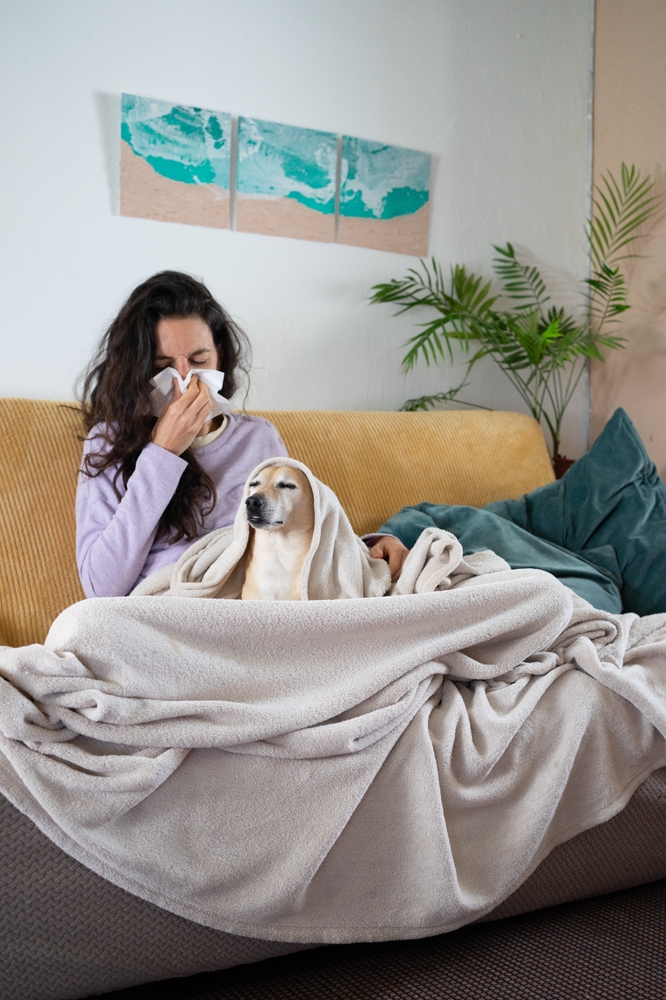
Facial micro-expressions, muscle tension, and postural changes that accompany pain are invisible to most humans but obvious to pets who study your face and body constantly. You unconsciously tense muscles, change facial expressions, and alter posture when in pain hours before you’d consciously acknowledge discomfort. Dogs and cats who’ve lived with you extensively have catalogued your pain responses and recognize early-stage signals that predict worsening illness or developing serious health problems.
The pain detection serves social functions—pack animals respond to distressed members with protective and nurturing behaviors that increase survival. When your pet detects pain signals through your micro-expressions, muscle tension, or postural changes, they respond with increased attention, gentleness, or protective positioning. The behavior that seems like empathy actually represents sophisticated observation of physical signals you’re broadcasting unconsciously, signals that often emerge during early stages of illness before pain is severe enough for you to consciously notice or communicate.
12. Medication Scent Detection
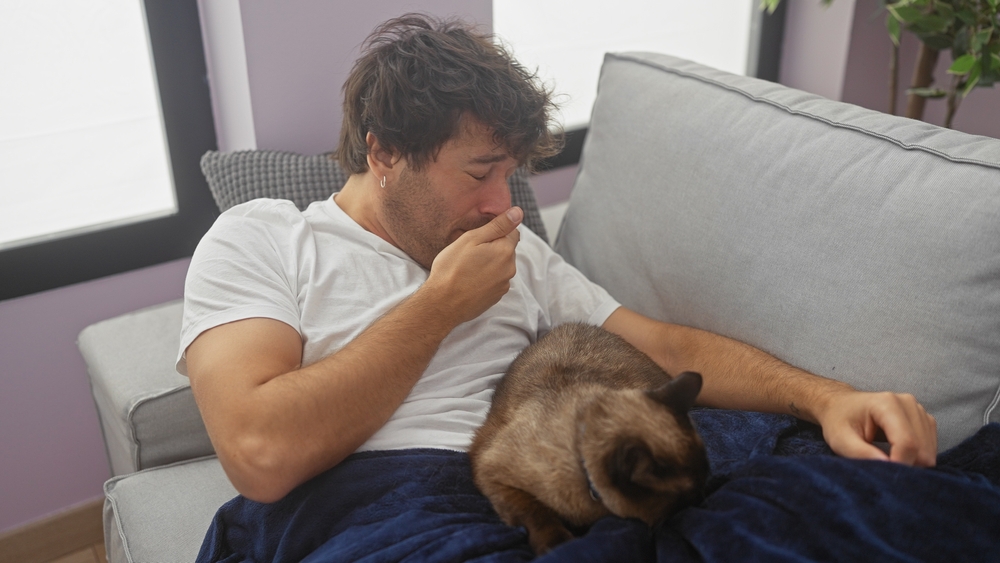
Once you’ve taken medication for an illness, your pet smells the pharmaceutical compounds in your breath, sweat, and skin, creating associations between those scents and your being sick. Antibiotics, pain medications, and other drugs create distinct chemical signatures your pet detects and learns to associate with illness episodes. When you take medication for a new illness, your pet recognizes the pharmaceutical scents they’ve encountered during previous illnesses, reinforcing their assessment that you’re sick before symptoms are obvious to you or others.
The medication scent detection creates a feedback loop where pets become increasingly accurate at identifying illness because they’re associating symptoms, behavioral changes, and pharmaceutical scents into comprehensive illness recognition patterns. Your pet becoming concerned when you take vitamins or supplements that smell similar to medications represents generalization from previous illness experiences where medicine scents predicted you were sick. The pharmaceutical detection adds another data point to the multiple signals your pet integrates to determine your health status, contributing to the seemingly uncanny accuracy with which they identify illness early in development.
13. Energy Level and Vitality Changes
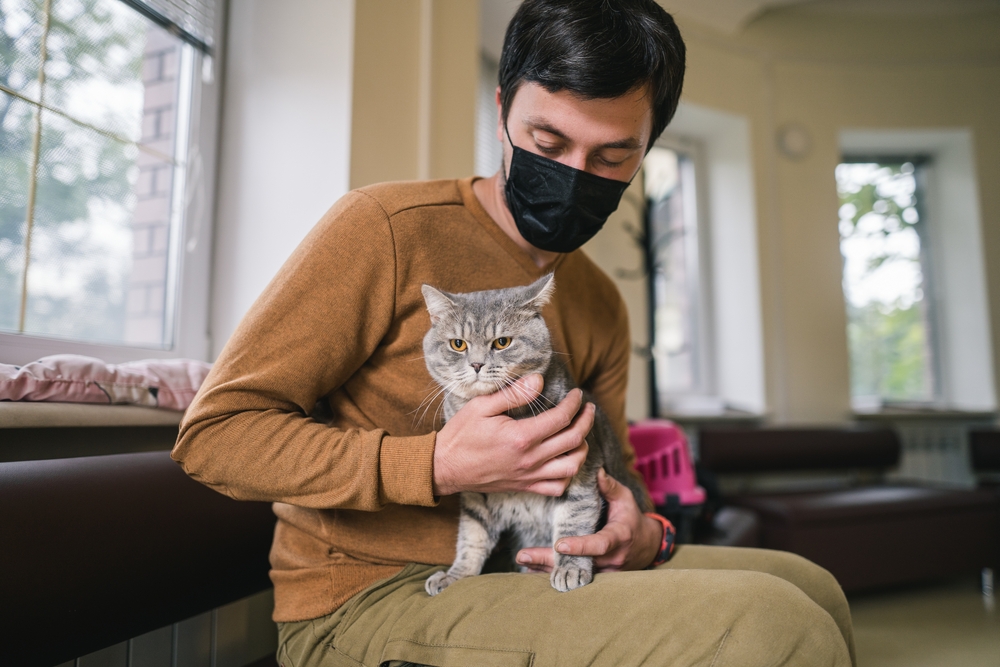
The subtle reduction in energy and vitality that precedes obvious illness manifests in hundreds of micro-behaviors—less animated gestures, reduced voice volume, slower reactions—that pets detect through constant observation. Your overall presence and energy output change when illness is developing as your body diverts resources to immune function, changes that are imperceptible consciously but that your pet notices through continuous monitoring. The decreased play initiation, concerned staring, or refusal to demand attention when you’re getting sick represents recognition that your energy and vitality have decreased, even though you haven’t consciously acknowledged feeling tired or unwell.
Animals survive by accurately assessing each other’s vitality and capability because these factors determine group dynamics and safety. When your energy level drops even slightly, your pet detects this through the accumulated evidence of hundreds of small behavioral and physical changes that together signal reduced vitality. The protective or nurturing behavior that emerges when you’re becoming ill represents their response to detecting energy and vitality reduction that predicts you’re compromised, observations that often precede your own conscious awareness that you’re getting sick by 12 to 36 hours based on the accumulated subtle signals they’re integrating into a comprehensive health assessment.