
The pace of aging is not evenly distributed across the country. In some states, the median age is climbing rapidly as young workers leave, birth rates decline, and retirees continue moving in. That shift changes everything from healthcare demand to housing markets and workforce stability. These states are seeing their populations grow older faster than the national average.
1. Maine
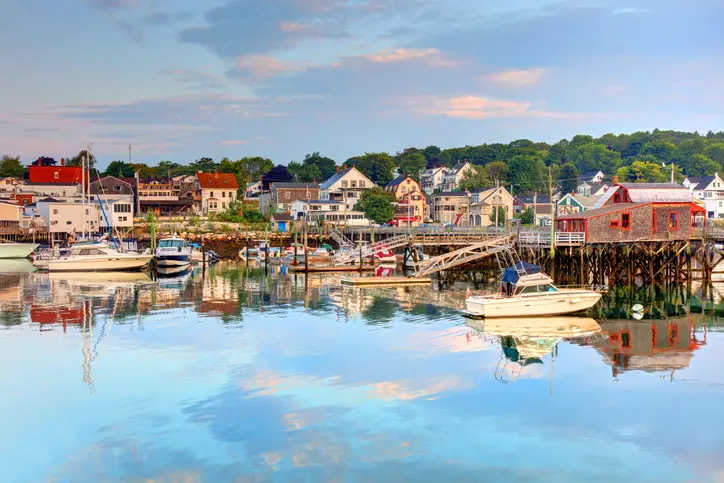
Maine consistently ranks as one of the oldest states in the country, with one of the highest median ages nationwide. Young adults often leave for job opportunities elsewhere, while retirees are drawn to the state’s slower pace and natural beauty. That imbalance accelerates the aging trend year after year.
Healthcare systems in rural Maine are under increasing pressure as older residents require more specialized care. Workforce shortages compound the issue, especially in small towns. The result is a rapidly aging population with fewer working-age residents to support local economies.
2. Florida

Florida has long attracted retirees, but the pace of senior migration has intensified in recent years. Large retirement communities and tax advantages continue pulling older adults from the Northeast and Midwest. That influx pushes the median age upward quickly.
At the same time, certain regions struggle to retain younger workers due to housing costs and wage gaps. Entire counties now have populations dominated by residents over 60. The demographic tilt is reshaping healthcare, infrastructure, and housing demand statewide.
3. West Virginia
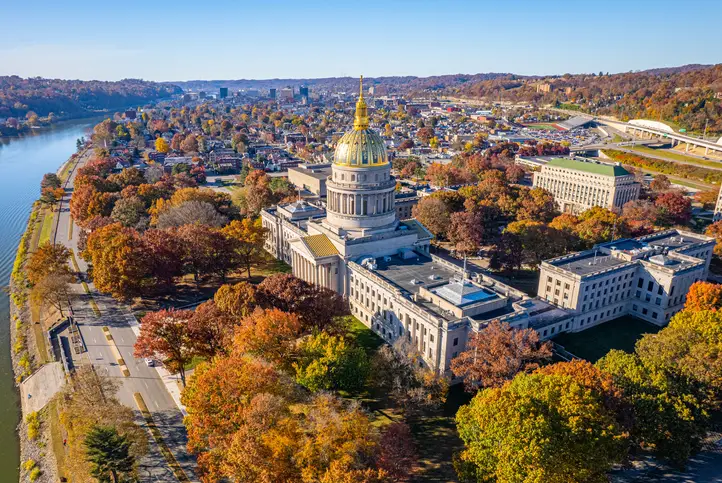
West Virginia’s aging trend is driven more by youth outmigration than retiree relocation. Many younger residents leave for employment opportunities in larger metro areas. What remains is a population growing steadily older.
Economic stagnation and limited job growth make it difficult to attract young families. As birth rates decline, the demographic imbalance widens. The state now faces one of the highest median ages in the nation.
4. Vermont
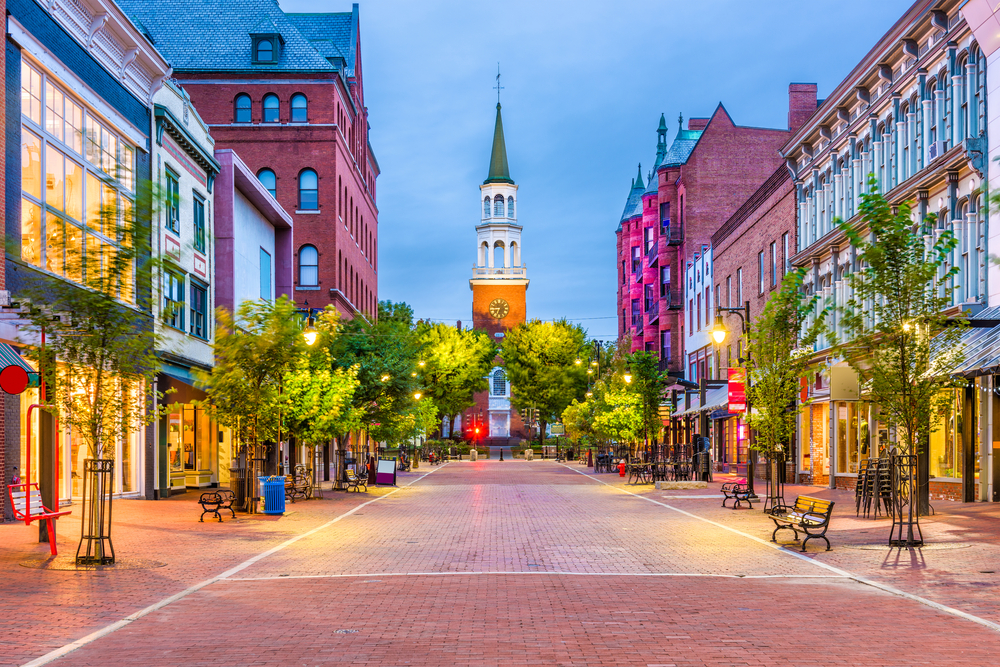
Vermont’s rural appeal attracts older residents seeking quiet lifestyles, but it struggles to retain younger workers. Limited job opportunities and high housing costs push many young adults elsewhere. That dynamic accelerates aging across the state.
Small towns feel the shift most dramatically. School enrollments decline while demand for senior services rises. The population structure is tilting older at a noticeable pace.
5. New Hampshire
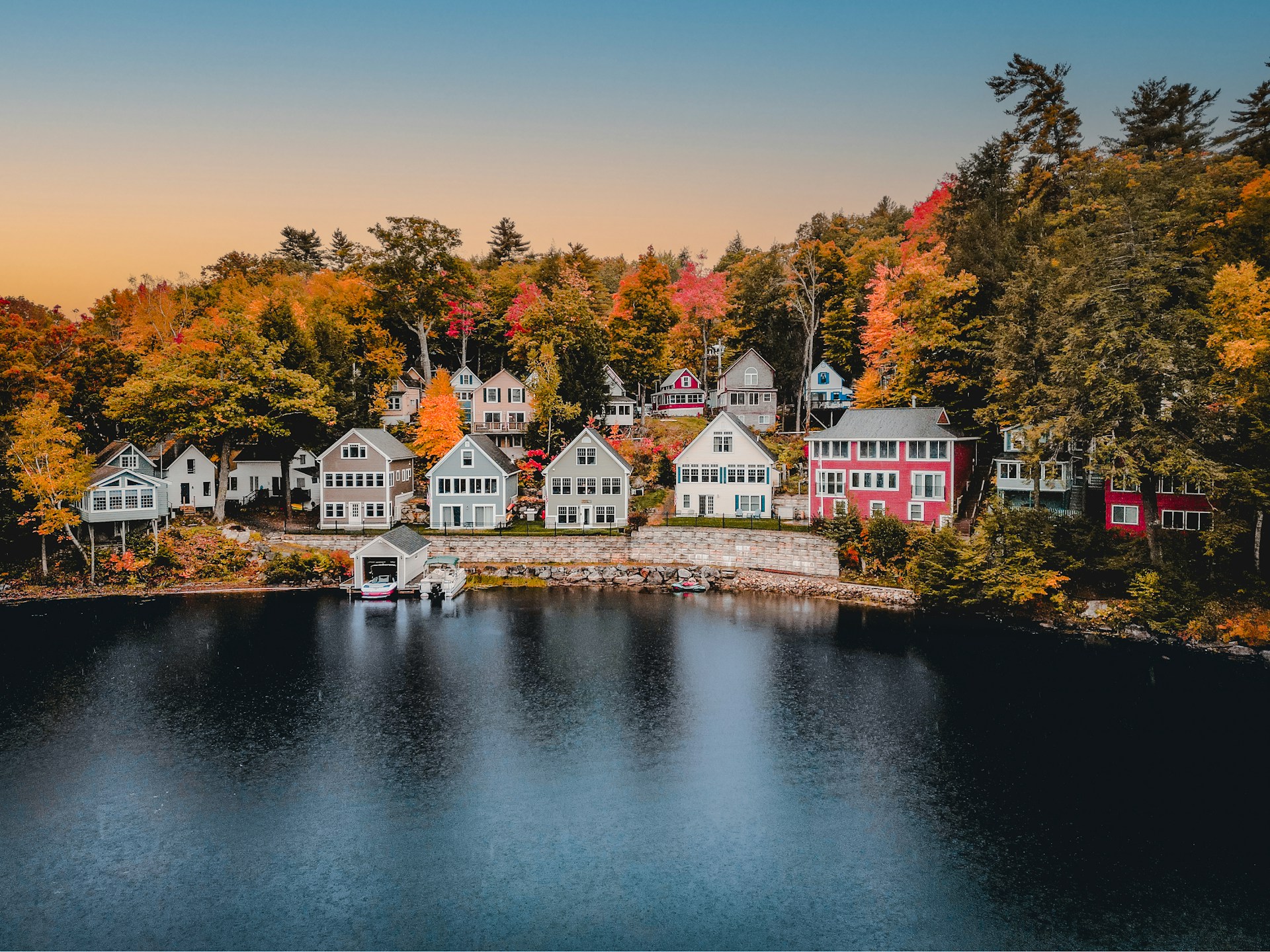
New Hampshire is aging quickly due to a combination of low birth rates and an influx of retirees. While it maintains a relatively strong economy, younger workers often migrate to larger cities for higher salaries. The result is a growing proportion of residents over 65.
Suburban communities increasingly reflect this shift. Demand for healthcare and senior-friendly housing continues rising. The state’s workforce composition is gradually tightening.
6. Pennsylvania

Pennsylvania’s population growth has slowed significantly, and many rural counties are aging rapidly. Younger residents leave for larger job markets, particularly along the coasts. Meanwhile, retirees often remain in place.
The demographic shift is particularly pronounced outside of major metro areas like Philadelphia and Pittsburgh. Smaller communities are seeing declining school enrollment and increasing demand for elder services. The median age continues trending upward.
7. Montana
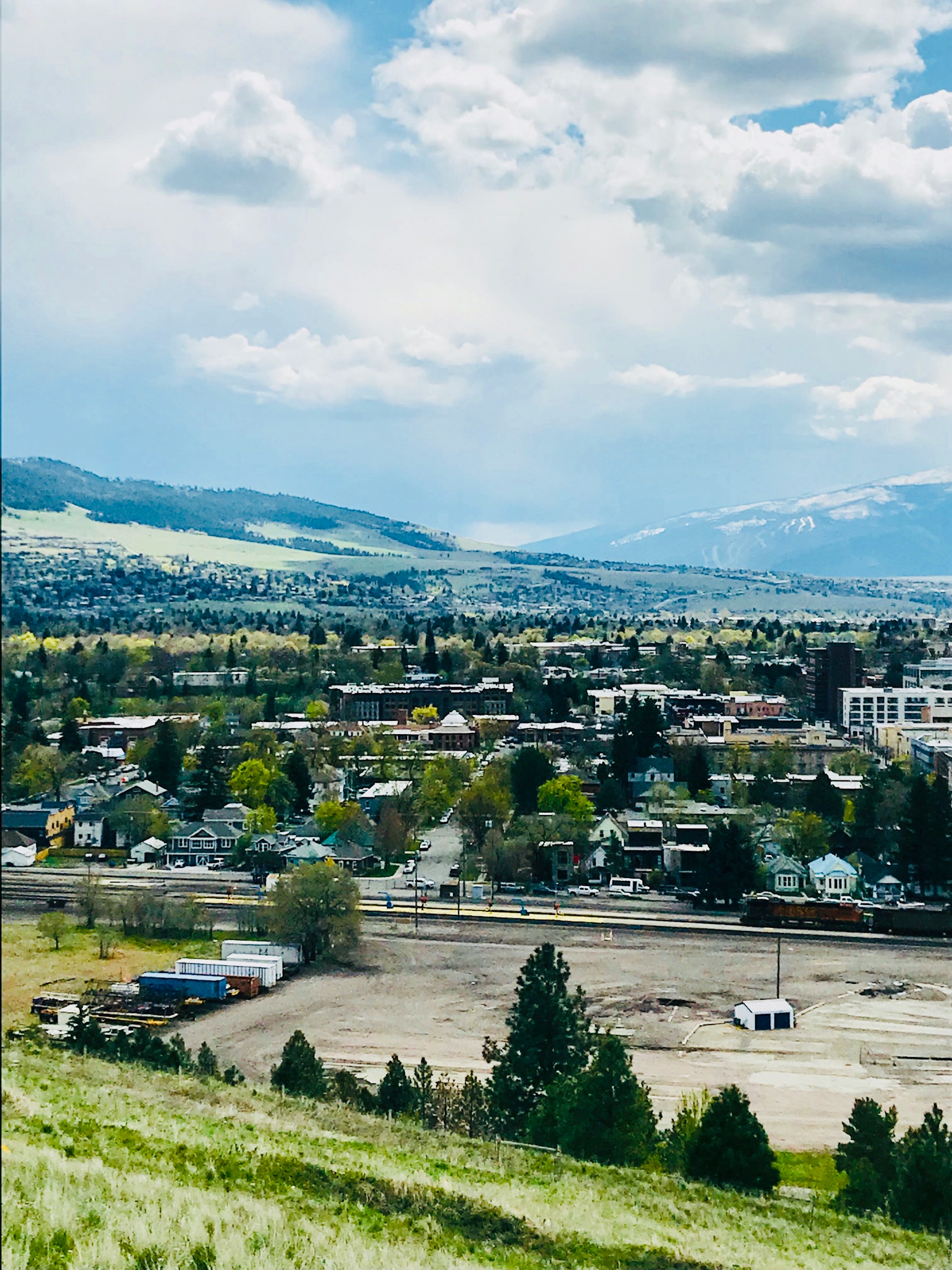
Montana has become a destination for retirees seeking scenic landscapes and lower population density. Remote work has also drawn some older adults relocating from higher-cost states. That migration skews the population older.
At the same time, many younger residents struggle with rising housing costs. Economic opportunities remain limited outside certain urban hubs. The aging trend is accelerating across much of the state.
8. Delaware

Delaware’s tax-friendly policies attract retirees from nearby states. Its coastal communities in particular are seeing rapid growth among older residents. That migration significantly impacts median age statistics.
Younger populations are not growing at the same pace. As a result, the proportion of residents over 65 rises each year. Healthcare and housing markets increasingly reflect this demographic concentration.
9. South Carolina

South Carolina has seen an influx of retirees relocating for climate and cost-of-living advantages. Coastal regions are especially popular among aging households. That steady migration shifts the population structure.
While certain metro areas attract younger workers, many counties skew older. Retirement communities are expanding rapidly. The demographic transformation is visible in both suburban and rural regions.
10. Arizona
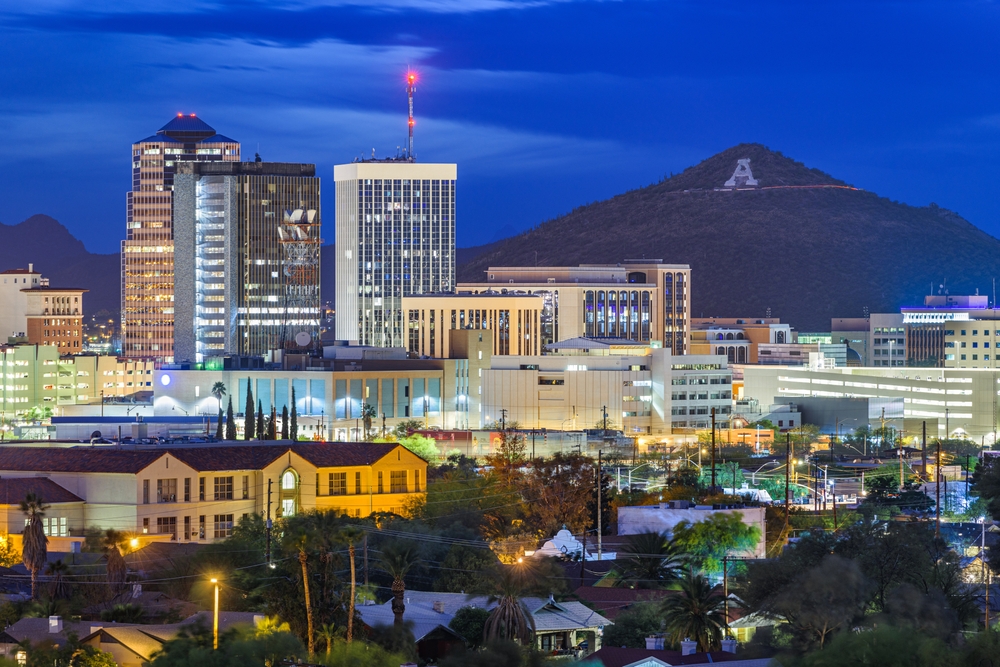
Arizona has long been known as a retirement destination, but the pace of aging remains significant. Large communities designed for older adults continue to expand. Migration from higher-tax states reinforces the trend.
Urban growth attracts some younger workers, yet retirees remain a powerful demographic force. The balance increasingly favors older residents. Healthcare infrastructure continues expanding to meet demand.
11. Connecticut
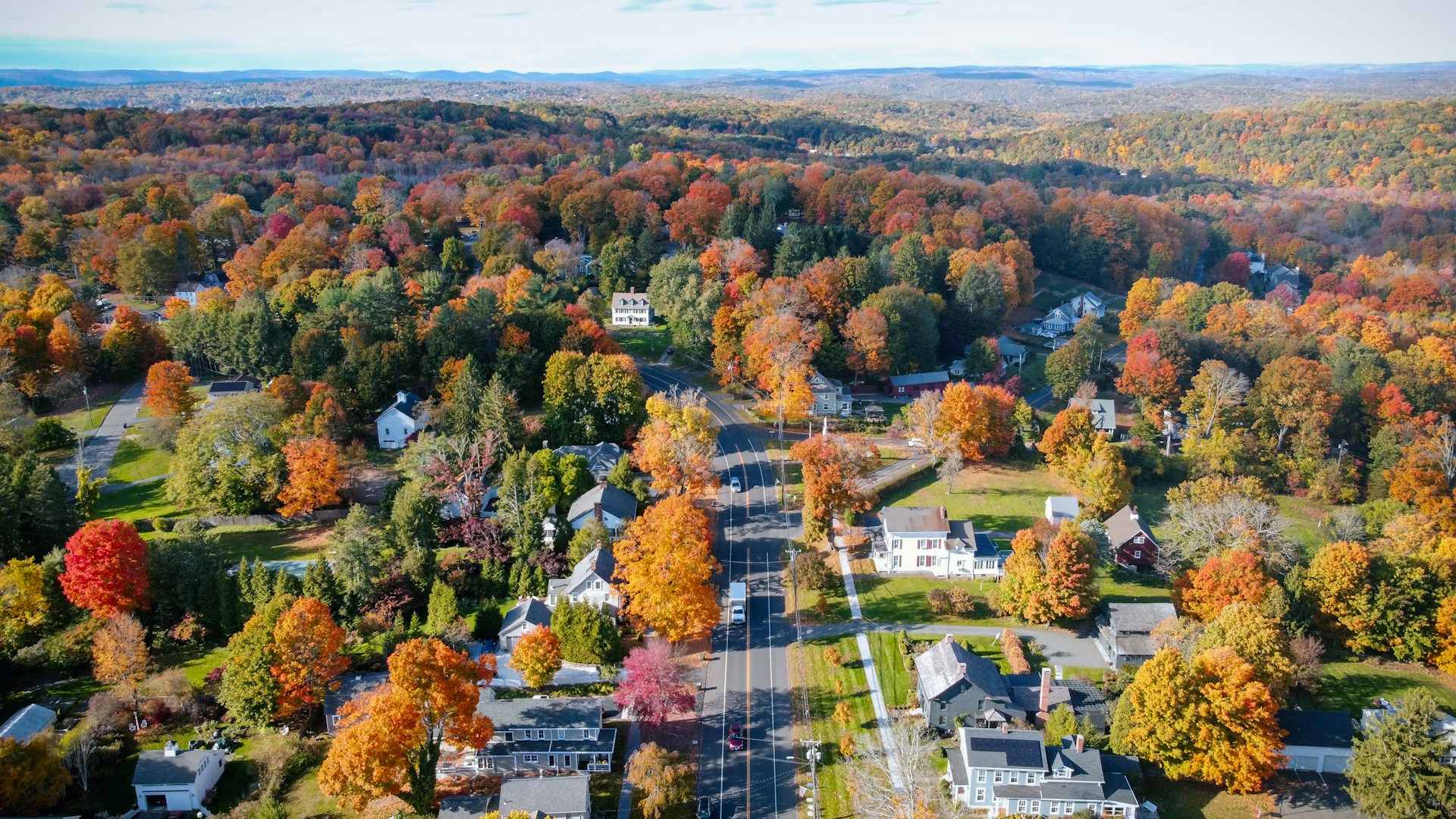
Connecticut faces a different aging pattern driven by outmigration of younger residents. High living costs and limited job growth in some sectors push young families away. What remains is a steadily aging base population.
Without strong in-migration of younger workers, the median age climbs. School enrollments decline in certain towns. Meanwhile, senior healthcare services continue expanding.
12. Oregon

Oregon’s aging trend reflects both retiree relocation and declining birth rates. Rural counties show especially rapid demographic shifts. Many communities now have disproportionately older populations.
Younger residents often move to larger cities or other states for economic reasons. Housing affordability issues complicate retention. The state’s age profile continues rising steadily.
13. Rhode Island

Rhode Island’s small size amplifies demographic shifts. Young adults frequently leave for education or employment opportunities elsewhere. That departure accelerates population aging.
Retirees, however, often remain in place. The state’s median age continues climbing as the working-age population shrinks. Long-term economic planning increasingly revolves around senior needs.
14. Iowa
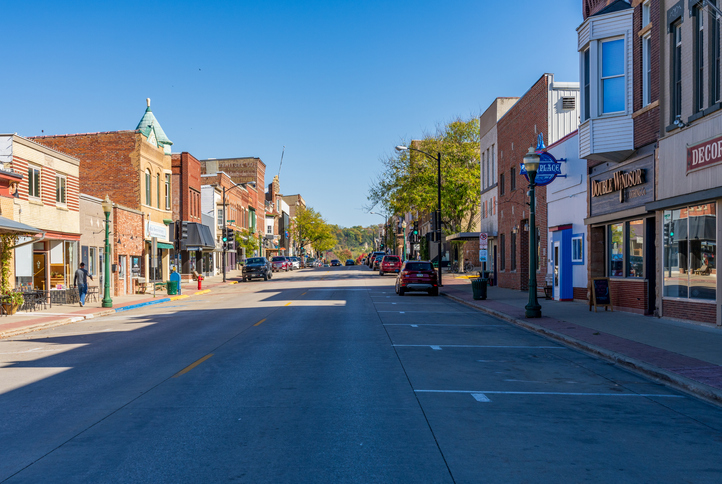
Iowa faces sustained youth outmigration to larger metropolitan regions. Agricultural and rural communities feel this shift acutely. As younger generations leave, the remaining population ages rapidly.
Birth rates have declined across much of the state. Economic growth is uneven, limiting attraction for younger families. The aging trend remains steady and pronounced.
15. Michigan

Michigan’s population growth has stagnated in many regions, particularly outside Detroit and Grand Rapids. Young professionals often relocate for broader opportunities. Older residents, however, tend to remain.
Rural and post-industrial communities are aging quickly. Demand for senior services continues rising while workforce participation tightens. The state’s demographic profile reflects a sustained upward shift in median age.